 by
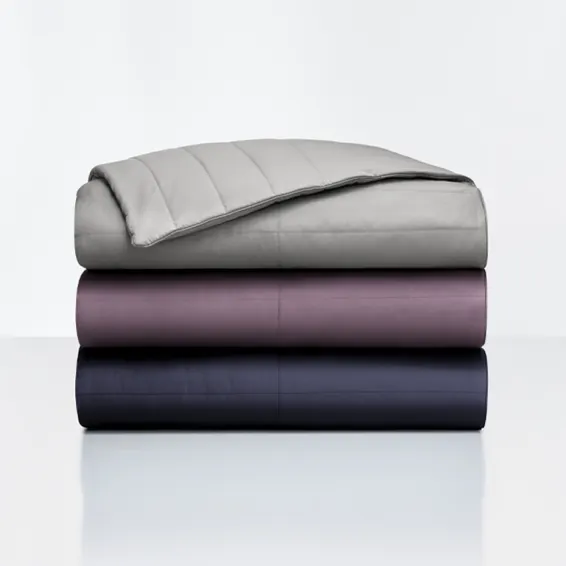
by Quick answer: Most cooling blankets aren't outright scams, but many overpromise. Skip buzzword-heavy rebrands; buy from an established brand like Sleep Number's True Temp™ Weighted blanket and check the current offer on the official site.
- Proprietary fabric names are marketing terms first: consumer-sleep investigations published in 2026 often find no patents or independent validation behind them.
- Fabric-based blankets feel cool on contact but rarely lower your core temperature, according to sleep-product reviewers.
- A risk-free trial with free returns is the single best protection against a bad buy.
Updated July 2026 · Reviewed for accuracy
Here's my honest take after a decade of watching bedding brands invent new ways to say "cold": the cooling blanket category is roughly half legitimate sleep tech and half marketing costume. Some of these blankets genuinely help hot sleepers. Others are generic polyester throws with a sci-fi name and a markup that would make your eyes water. This guide shows you how to tell them apart before you spend a dime.
So, is the cooling blanket market a scam?
No, but it's scam-adjacent in places. The honest core of the category is real: certain fabrics and constructions do move heat and moisture away from your skin better than a standard cotton blanket. That's physics, not magic.
The problem is the gap between marketing and performance. Consumer-sleep investigations published in 2026 have repeatedly flagged brands that promote high-tech-sounding fabrics without any corroborating documentation. No patents. No white papers. No third-party testing. Just a trademarked word and a glossy ad campaign.
Then there's the dropshipping problem. A meaningful chunk of the "cooling blankets" flooding social media ads are rebranded generic products, the same blanket sold under five different brand names at wildly different prices. The marketing implies lab-engineered innovation. The reality is a warehouse and a logo.
The Nut's rule of thumb: a cooling blanket is only a scam if the claim outruns the construction. Cool-to-the-touch fabric is real. "Sleep 10 degrees colder all night" from a thin polyester throw is not.
The red flags that scream "cooling blanket scam"
The single biggest tell is a proprietary fabric name with nothing behind it. Names like "FreezeCore" and "Arc-Chill" show up constantly in this category, and according to consumer investigations into the space, independent validation for consumer-grade cooling fabrics is often missing entirely. A trademark is not a test result.
Watch for these patterns before you buy:
- "Instant cooling" promises. Many blankets genuinely feel cool the moment you touch them. That's a surface effect. Per sleep-product reviewers who cover this category, that initial sensation rarely translates into meaningfully lower body temperature through the night.
- No certifications. Legitimate textile makers pursue third-party certifications like STANDARD 100 by OEKO-TEX, which verifies the materials are free from harmful substances. A brand with zero certifications and a lot of adjectives is telling you something.
- Vague specs. If the listing won't tell you the actual fabric composition, the fill, and the weight, you're looking at a rebrand, not a product.
- Price that doesn't match the spec sheet. Consumer coverage of this category highlights steep markups on generic designs, especially when the "brand-name" cooling claims align with a broader ad blitz. High price plus vague specs is the dropship signature.
- No real trial or return policy. Confident brands let you sleep on it. Scam-adjacent brands make returns painful, because they know a chunk of buyers would send the thing back.
Comparing options? The True Temp™ Weighted blanket is the pick we keep coming back to — see the final verdict ↓
What legitimate cooling technology actually looks like
Real cooling comes in two flavors, and understanding the difference saves you from most of the hype. I break the mechanics down fully in my guide on how cooling blankets work, but here's the short version.
Passive cooling is fabric-based. Breathable weaves, moisture-wicking blends, and phase-change finishes manage heat and sweat at the skin surface. These blankets can absolutely feel cooler and keep you drier. What they won't do is refrigerate you. According to sleep-product reviewers, the effect is comfort and moisture management, not a meaningful drop in core temperature.
Active cooling uses hardware: fans, water circulation, or thermoelectric elements. These systems move heat continuously through the night and offer more consistent temperature control. They're also bulkier, need power, and sit in a clearly higher price tier. Media roundups from mid-2026 emphasize that the strongest real-world benefits come from these documented heat-transfer technologies backed by proper warranties, not from marketing vocabulary.
| Passive (fabric-based) | Active (powered) | |
|---|---|---|
| How it cools | Breathability, moisture-wicking, cool-touch finishes | Fans, water circulation, or thermoelectric elements |
| Cooling strength | Surface comfort; no core temperature change | Consistent cooling across the night |
| Price tier | Budget to mid-range | Premium; check the current price on the official site |
| Best for | Mild heat, night sweats, summer use | Serious hot sleepers who need all-night control |
| Scam risk | Highest; easiest category to fake with buzzwords | Lower; the hardware either works or it doesn't |
How to shop smart and avoid getting burned
Start with the spec sheet, not the slogan. A trustworthy listing tells you exactly what the blanket is made of: the fiber blend, the fill, the weight, and the care instructions. If the product page leads with a trademarked fabric name and buries the actual composition, that order is backwards on purpose.
Next, look for verification. Fabric certifications like STANDARD 100 by OEKO-TEX signal the materials have at least passed independent safety testing. If a brand leans on proprietary tech claims, look for patents, white papers, or third-party testing. Per consumer investigations covering this category, the absence of any of these usually indicates marketing hype rather than engineering.
My pre-purchase checklist:
- Full fabric composition and weight disclosed on the product page
- At least one recognized textile certification
- A risk-free home trial of at least a month, with free returns
- Patents or third-party data behind any proprietary tech claim
- Comparable specs priced across two or three competing brands
On price: compare like with like. The pricing red flag isn't a high number by itself, it's a high number attached to generic specs. Passive blankets span a wide range depending on brand, size, and materials, and premium fabric versions cost more. Active systems sit firmly in the premium tier. Before paying top-shelf money for any of them, check the current offer on the brand's official site and weigh it against the documented specs, not the ad copy.
If you'd rather skip the detective work entirely, my advice is to stick with established sleep brands that stake their reputation on the product. The True Temp™ Weighted blanket from Sleep Number is the kind of option I'd shortlist: a known company, a published product page, and a real returns infrastructure behind it. It's priced in the premium tier, so check the current price on the official site before deciding. I've also reviewed another established option in my Gravity cooling weighted blanket review if you want a second data point.
Matching the blanket to the sleeper
Mild warmth and occasional night sweats? A quality breathable, moisture-wicking blanket handles that without electronics. This is where most shoppers land, and it's also where the scam risk concentrates, because a cheap throw can impersonate a cooling blanket with nothing more than a slick listing.
Seriously hot sleepers, the ones who kick off every layer by 2 a.m., are the real candidates for active cooling. According to buying guides published in 2026, thermoelectric and water-circulating systems deliver the most consistent overnight temperature control. You pay for that consistency, and you accept a power cord and some maintenance in exchange.
Weighted-blanket fans get a third path. A cooling weighted blanket combines pressure with breathable construction, and the better ones come from brands with published specs and real trials. My roundup of the best cooling weighted blankets for summer compares the category, and the broader cooling blanket guide covers the full landscape.
My verdict on the "scam" question
The cooling blanket isn't a scam. The cooling blanket pitch often is. Cool-touch fabrics are real, moisture-wicking is real, and active cooling systems genuinely move heat all night. What's fake is the implication that a thin, rebranded throw with a trademarked fabric name will turn your bed into an air conditioner.
Buy the construction, not the vocabulary. Demand a trial with free returns, verify certifications, and treat any brand that hides its spec sheet as guilty until proven innocent. Do that, and the scammers filter themselves out.
FAQ
Are cooling blankets a scam or do they actually work?
Both exist. Legitimate cooling blankets use breathable, moisture-wicking fabrics or powered systems that genuinely manage heat. The scam territory is rebranded generic products with invented tech names and no documentation, which consumer investigations have flagged repeatedly.
What are "FreezeCore" and "Arc-Chill" fabrics?
They're proprietary marketing names used by various brands in this category. According to consumer-sleep investigations, independent validation like patents or third-party testing is often missing for these consumer-grade products, so treat the names as branding until proven otherwise.
Can a cooling blanket lower my body temperature?
Fabric-based blankets mostly manage surface comfort and moisture rather than dropping your core temperature, per sleep-product reviewers who cover the category. Powered systems with fans or water circulation deliver more consistent overnight cooling if you need it.
How can I tell if a cooling blanket is a dropshipped rebrand?
Check for vague specs, no certifications, and a price that doesn't match the materials listed. Then search the product photos and description against competing listings. The same blanket appearing under multiple brand names at different prices is the classic dropship signature.
What should I look for before buying a cooling blanket?
Full fabric composition, at least one recognized textile certification, and a risk-free trial with free returns. If the brand claims proprietary cooling tech, look for patents or third-party testing to back it up, and compare specs across a few brands before paying premium-tier prices.
FINAL VERDICT
Bottom line for anyone burned by cooling blanket hype: if you want cooling claims a real brand stands behind, the True Temp™ Weighted blanket is the safer buy — you get real temperature control from a brand you can still find next year, not a marketplace listing that vanishes.
OUR CATEGORY-MATCHED PICK
True Temp™ Weighted blanket
- A known company with a published product page and real returns infrastructure
- Named True Temp technology instead of an unverifiable proprietary buzzword
- Premium tier: check the current offer on the official site