 by
by Quick answer: Match your crib's exact model number, finish, and production year before ordering any part, and check the CPSC recall database first. If the worn-out "part" is the mattress itself, the Saatva Crib is the replacement I'd point to first.
- Most replacement parts are model-specific. Confirm model number, finish, and year of manufacture, per manufacturer parts catalogs.
- Per the CPSC, always check its recall database for your crib model before buying or installing any component.
- Per Consumer Reports' crib-buying guidance, conversion kits may be bundled with the crib or sold separately. Verify before you buy.
Updated July 2026 · Reviewed for accuracy
A missing bolt, a cracked teething rail, a squeaky mattress support. None of these mean you need a new crib. But they do mean you need the right crib replacement part, ordered the right way. Get it wrong and you're stuck with hardware that doesn't fit, or worse, a crib that no longer meets the safety standard it was certified under.
I've spent years looking at how cribs and sleep products are put together, and the pattern is always the same: the part hunt fails at step one, identification. So let's start there, then cover safety checks, sourcing, and the point where repairing stops making sense.
What crib replacement parts actually exist
More than most parents expect. According to manufacturer parts catalogs and consumer guides, the commonly available replacement components break down into a handful of categories:
- Mattress supports and bottoms The metal frame or spring platform the mattress sits on. These bend or lose tension over time, especially after a second or third kid.
- Rails and slats Side rails, teething rails, and individual slats that crack, warp, or get chewed beyond recognition.
- Hardware kits Bolts, barrel nuts, screws, and brackets. This is the number-one replacement request, because hardware gets lost during moves and storage.
- Casters and rollers Wheels on older or portable cribs that crack or stop locking.
- Conversion kits Toddler rails, daybed rails, and full-size bed rails for convertible cribs. Per Consumer Reports' crib guidance, some brands bundle these with the crib and others sell them separately, which catches a lot of parents off guard years after the original purchase.
- Mattresses Technically a replacement item too, and honestly the one that matters most for sleep quality.
One thing to know going in: most of these are model-specific. A rail drilled for one crib line won't line up with another, even from the same brand. That's not manufacturers being difficult. Rail spacing, slat count, and hardware placement are all fixed by the crib's safety certification, so there's no room for "close enough."
The Nut's take: The single most common mistake I see is parents ordering "universal" hardware off a marketplace listing. Crib hardware is not universal. The bolt length, thread pitch, and barrel-nut size are part of what the crib was tested with. Spend the extra effort to get the OEM kit.
How to identify the right part for your crib
Every correct order starts with three pieces of information, and per manufacturer guidance you should have all of them before you contact anyone: the exact model name and number, the finish or color, and the production year.
Where do you find them? On most cribs, there's a label or stamped plate on the inside of the headboard, the footboard, or the mattress support frame. It lists the model number, the manufacture date, and often the brand's customer service line. If the label is worn or missing, check your original receipt, the instruction manual, or any registration confirmation email from when you bought the crib.
Here's the workflow I'd follow:
- Photograph the label and the part you need replaced, including close-ups of any broken hardware.
- Search the manufacturer's official parts page by model number. Many brands maintain dedicated replacement-parts catalogs or customer service portals.
- If the part isn't listed, contact customer service directly. Give them the model number, production year, and finish. Per consumer guidance on parts sourcing, manufacturers can often supply an unlisted component or confirm a compatible substitute.
- For convertible cribs, ask specifically about conversion kits. Independent testing shows that parents frequently assume toddler rails are included when they're actually a separate purchase. Confirm either way.
Keep every receipt and any documentation that comes with the part. If you need another replacement down the road, or there's a warranty question, that paper trail does the work for you.
Comparing options? The Saatva Crib is the pick we keep coming back to — see the final verdict ↓
Safety first: recalls, standards, and certification
Before a single dollar changes hands, run your crib model through the CPSC recall database. Per the CPSC, cribs are among the most frequently recalled nursery products, and a crib under recall changes the math entirely. In many recall cases, the remedy is a free repair kit or a refund directly from the manufacturer, not a part you should be paying for.
Two more safety checkpoints worth your time:
- Federal standards. Cribs sold in the U.S. must meet federal safety standards covering things like slat spacing and structural integrity. Any replacement part you install needs to keep the crib in compliance with those standards, which is another argument for original manufacturer parts over generic substitutes.
- JPMA certification. Some cribs carry JPMA certification on top of the federal baseline. If your crib was certified, keeping it in as-certified condition means using parts the manufacturer specifies, per JPMA's program logic.
- Finish matching. This one sounds cosmetic, but it's partly practical: per consumer guides, matching the original finish helps confirm you're getting a part made for your specific production run, not a visually similar part from a different line.
Key safety facts at a glance
- Check the CPSC recall database by crib model before buying any part.
- U.S. cribs must meet federal safety standards. Replacement parts must preserve that compliance.
- JPMA-certified cribs should get manufacturer-specified parts to stay in certified condition.
- A recall remedy is often free. Never pay for a part that a recall already covers.
Repair vs. replace: when a part isn't enough
Not every crib problem deserves a repair order. Per Consumer Reports and consumer guides, the honest framework is necessity versus upgrade: a worn mattress support or a lost hardware kit is a cheap, sensible fix; aging rails, a failing drop-side mechanism, or a conversion system that no longer locks is a different conversation.
Here's the comparison I'd use to decide:
| Situation | Repair makes sense | Replace makes sense |
|---|---|---|
| Lost or stripped hardware | Yes. OEM hardware kit | No |
| Worn mattress support | Yes. Model-specific support | Only if the frame is also damaged |
| Cracked or loose rails/slats | Only with exact OEM parts | Often yes. Structural safety |
| Failing conversion mechanism | Only if the kit is still sold | Usually yes |
| Crib under active recall | Follow the recall remedy only | Frequently the remedy itself |
The cost calculus matters too. Consumer guides note that parts pricing varies widely by part type, brand, and finish, and that a complete conversion kit or premium finish can cost enough to rival a budget crib. If you're stacking two or three part orders onto an aging frame, run the total against a replacement before you commit.
The mattress is a replacement part too
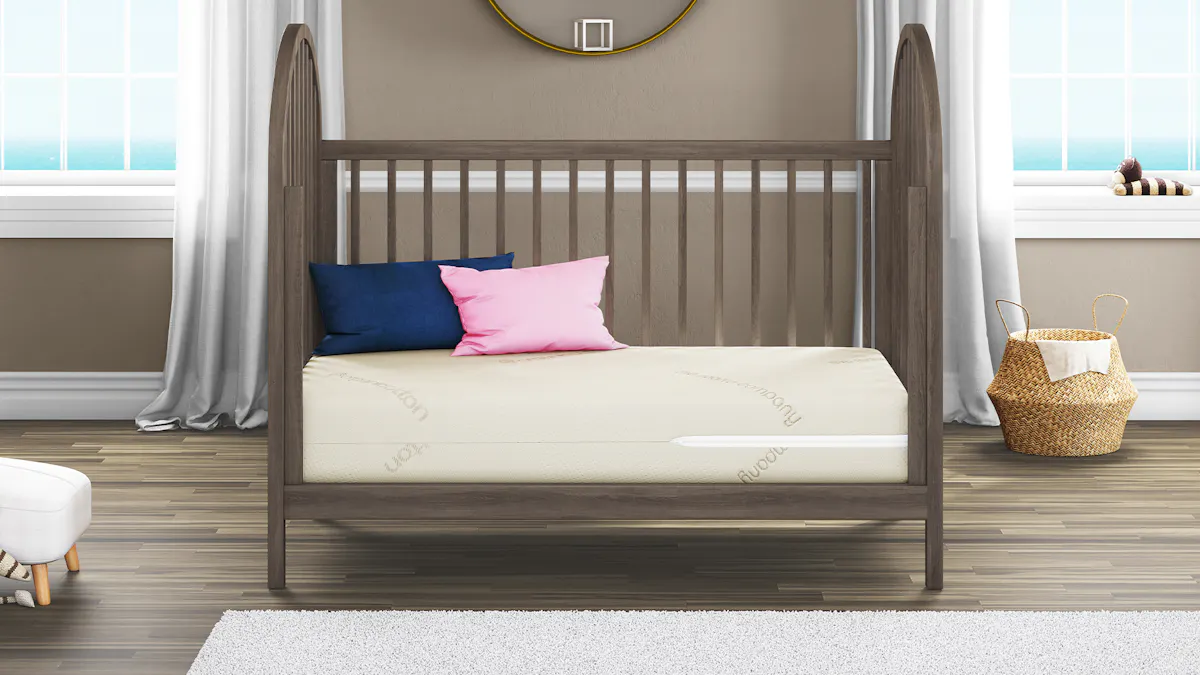
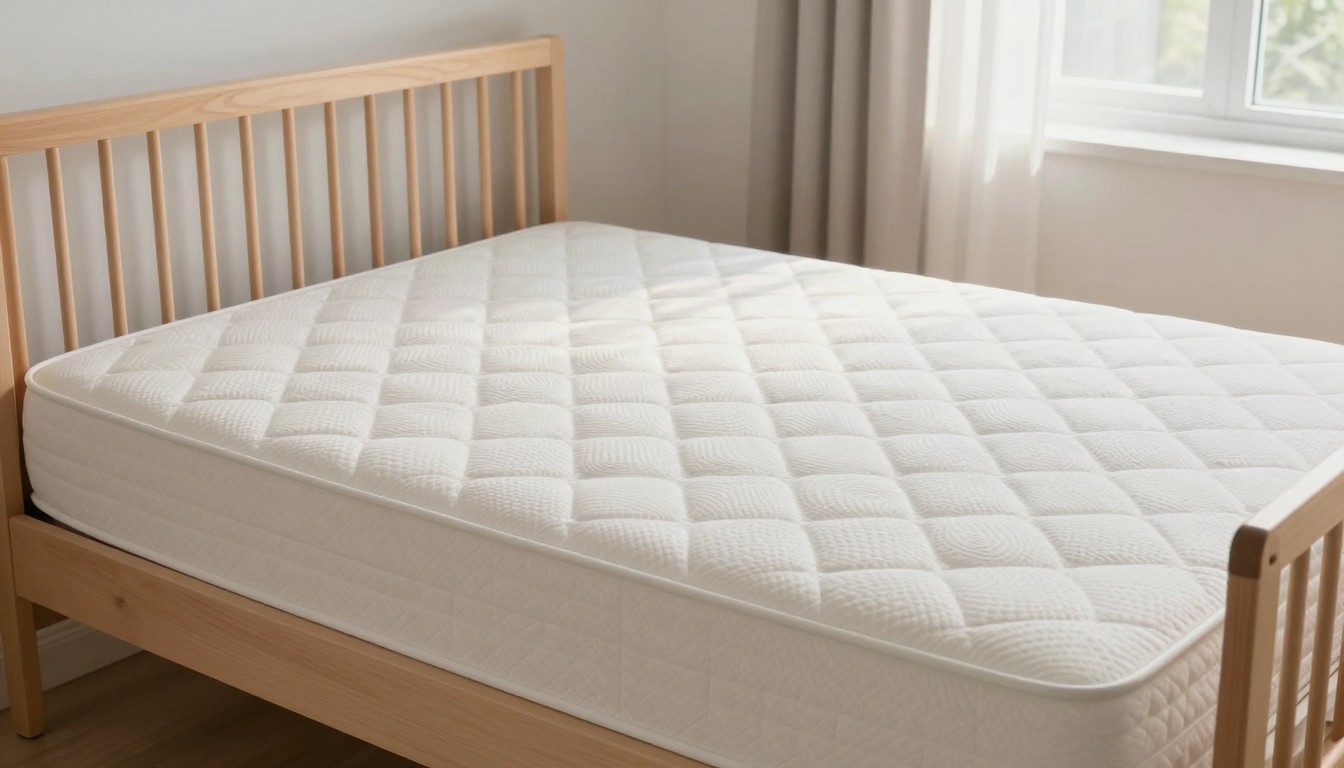
Parents hunting crib parts often overlook the most replaceable component in the whole setup: the mattress. If the crib frame is solid but the mattress is sagging, stained through, or a hand-me-down of unknown age, swapping it is the highest-value "part replacement" you can make. Fit is the first check. A crib mattress must sit snugly in the frame, and if you're also juggling a travel crib, our guide on whether a crib mattress fits in a Pack 'N Play clears up a sizing question that trips people up constantly.
My pick here, when parents ask what I'd put in a crib I'm keeping for years: the Saatva Crib mattress. It's handcrafted in the USA, and per the manufacturer it comes with a generous sleep trial and a long warranty, the kind of after-sale backing you want on a product your kid will sleep on every night. It sits in the premium tier, so check the current offer on the official site, but if the frame is worth keeping, the mattress should match it. Our Pottery Barn crib reviews Are worth a read too if you're weighing a full crib replacement instead. Several of those frames pair well with a premium mattress upgrade.
The Nut's take: A sagging crib mattress isn't a comfort issue, it's a fit-and-support issue. If you can see a permanent dip where your baby sleeps, that mattress has done its job and it's done. Don't hand it down.
Where to buy crib replacement parts
Per consumer guides and manufacturer policies, the sourcing hierarchy runs in this order:
- The original manufacturer. Best odds of exact fit, correct finish, and safety-standard compliance. Most major crib brands maintain parts catalogs or handle requests through customer service.
- Authorized retailers. Retailers that carry the brand can often order parts through the manufacturer's system on your behalf.
- Certified third-party suppliers. Acceptable for generic categories like casters in some cases, but verify compatibility against your model number and confirm the part doesn't affect the crib's compliance with federal standards.
What I'd avoid: anonymous marketplace listings with no model specificity, and any "universal fit" rail or hardware. The savings aren't real if the part compromises the structure the crib was certified with.
For discontinued models, the path narrows but doesn't close. Contact the manufacturer first. Brands often keep parts inventory for older lines longer than you'd expect. Owner communities and verified owner reviews can also tell you which parts are commonly needed for popular convertible models and what the typical experience with customer service looks like, which saves you guesswork before you pick up the phone.
FAQ
Where can I find replacement parts for a discontinued crib?
Start with the manufacturer's customer service, even for discontinued lines. Many brands retain parts inventory or can confirm a compatible substitute, per consumer parts guidance. If the brand no longer supports the model, weigh the repair cost against replacing the crib, especially for structural components.
Are third-party crib replacement parts safe?
Only if they're compatible with your exact model and preserve the crib's compliance with federal safety standards. Original manufacturer parts are the safest route, because slat spacing, hardware specs, and rail geometry are all part of what the crib was tested with.
How do I check if my crib has been recalled?
Search the CPSC recall database by your crib's brand and model number. The label inside the headboard, footboard, or mattress support has what you need. Per the CPSC, recall remedies are often free repair kits or refunds, so check before paying for anything.
Is it worth repairing an old crib or should I replace it?
For hardware kits and mattress supports, repair almost always wins. For cracked rails, failing conversion mechanisms, or a crib under recall, replacement is usually the safer and more cost-effective call, per Consumer Reports' repair-versus-replace guidance.
Can I replace just the crib mattress support?
Yes. Mattress supports are one of the most commonly available model-specific replacement parts, per manufacturer parts catalogs. Match the support to your crib's exact model number and production year, since support width and mounting points vary between lines and even between production runs.
FINAL VERDICT
Bottom line for parents hunting crib replacement parts: if you want a crib setup that doesn't strand you on spares, the Saatva Crib Mattress is the safer buy. You replace the most-worn component with one accountable brand instead of mixing unknowns.
OUR CATEGORY-MATCHED PICK
Saatva Crib Mattress
- Dual-sided crib mattress design we already recommend
- Handcrafted in the USA, per the manufacturer
- Generous sleep trial and long warranty, per Saatva's policy pages