
 by
by Our #1 Recommended Mattress
Saatva Classic. From $1,095
365-night trial · Lifetime warranty · Free white-glove delivery
We earn a commission if you make a purchase through our links, at no extra cost to you. Full disclosure.
Elderly people get tired much faster, and that's completely understandable. There's nothing shameful or bad about it. They deserve a lot of respect, and you should be there for them when they need you the most. But what if they fall asleep out of nowhere and it's not bedtime?
There can be various factors causing this phenomenon, and there can be some repercussions, especially if they are alone. So, in this article, we will look at what causes this phenomenon in elders and what you can do about it.
Sleep and Aging
Aging is directly tied to various health concerns, including sleep difficulties. Poor sleep patterns can directly impact the quality of life of people over 65. Therefore, it is critical to understand the effects of aging on sleep and the overall health of older adults.
We tend to sleep for almost one-third of our entire lives. So, it's essential to understand this fundamental factor, especially in the elderly.
Why does aging influence sleep?
🔗 Deeper reading: Best mattress for seniors 2026, our full 2026 roundup with detailed picks, firmness guidance, and current pricing.
Older adults have to deal with deteriorating sleep duration and quality (also check 10 top rated mattresses for seniors). These changes occur because of the alteration in the internal clock system of their bodies. There is a master clock in one section of our brains, called the hypothalamus, and it is made of around 20,000 cells forming the SCN or suprachiasmatic nucleus.
This SCN takes control of our 24-hour cycles daily. These cycles are known as circadian rhythms and influence our daily cycles, such as when we get hungry when our body should release certain hormones, when we should be alert, and when it's time to sleep.
With age, sleep tends to change precisely due to our SCN aging. And when SCN ages, it can disrupt the circadian rhythms and impact the times when people should be alert and when they should sleep.
The SCN receives all the information from the eyes. Therefore, light is one of the most common and powerful cues for these circadian rhythms to continue functioning properly. Now, according to various studies, older people are exposed to insufficient daylight. Its average is around an hour per day.
Daylight exposure is even more restricted to older people who live in nursing homes or those with Alzheimer's disease. Any alterations in cortisol and melatonin (hormones) production have a role in disrupted sleep patterns among older adults.
With age, our body releases less melatonin. This hormone is produced as a response to less light or darkness, and it helps in promoting better sleep patterns while coordinating the circadian rhythms.
How does aging influence sleep?
Different people experience different effects of aging. Some might not affect their sleep patterns, while others complain more about poor sleep quality. But experts have reported different sleep disruptions in elderly people.
Sleep schedule shifting
Circadian rhythms tend to shift forward with age, called phase advances. Most elderly experience this phase in advance and feel tired much earlier in the afternoon and wake up earlier in the morning.
Waking up during nighttime
Studies have shown that people start noticing changes in their sleep patterns as they age. Elderly people spend more time in early sleep and less time in deep sleep. It results in waking up during the nighttime and experiencing less restful sleep.
Napping during daytime
Studies show that around 25 percent of elderly people take more naps than 8 percent of young people. Experts suggest that short daytime naps can be beneficial, but extended napping can make it tough to fall asleep at night. And it causes sleep disruption.
Longer recovery time from sleep schedule changes
Any changes in how the body controls the circadian rhythms make it difficult for older people to adjust to the sudden alterations within their sleep schedules. This is especially the case during jet lag or daylight.
What's the Cause?
Now, there can be various causes why the elderly don't get enough sleep, and as a result, they tend to fall asleep when they are sitting. We have already established that older people tend to get tired much quicker. But how tired must they be to fall asleep when sitting in a chair? So, here are a few causes:
Insomnia
Insomnia is a condition that involves the inability to fall asleep or stay asleep throughout the night time. This is somewhat contradictory to falling asleep while sitting in a chair. You might be thinking, how do people have insomnia if they sleep while sitting? Well, this is because they are having sleeping difficulties at night.
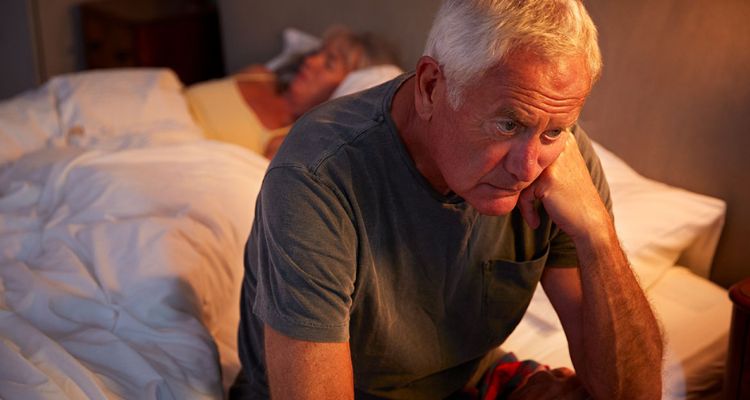
Many elderly people deal with insomnia, taking more than half an hour to fall asleep. They also wake up multiple times and face difficulty falling back to sleep. As a result, they have to use sleeping aids like tranquilizers.
As they deal with sleep disruption at night, they can't stay alert during the daytime. And you see them sleeping while sitting even when the TV is on, or you have just left them reading a book or doing something else.
In these scenarios, you should visit a doctor. Some medications you take for chronic conditions may hinder proper sleep. It is better that you should ask your doctor for some alternatives. Make sure you don't exercise, eat, watch TV or use your phone before bed.
Cardiovascular diseases
Frequent napping during the daytime is a refuge for some serious cardiovascular conditions without any other noticeable symptoms. Older people who doze off for extended periods during the day are four times more prone to a stroke attack than people with regular sleep patterns.
If you have blood pressure issues, discuss this matter with your doctor. Make sure not to consume anything that will make your blood pressure fluctuate before bed.
Excessive physical activity
Older people have weak muscles and bones. They love spending time outdoors as it makes them feel relaxed, and they love to walk or jog to stay fit and control their blood pressure.
But indulging in such activity can make them feel exhausted. And as soon as they return home, they doze off while sitting without even knowing.
Make sure to take regular breaks when walking and drink lots of water. Ensure not to force yourself to work too much when you notice you feel tired or sleepy.
Sleep apnea
Like insomnia, sleep apnea is another worst sleep disorder, and it's even more troublesome for older adults. It's a common condition among people over 65, obese (also check 10 great mattresses for overweight people), diabetic, and those dealing with some cardiovascular issues resulting in high blood pressure.
Sleep apnea has different types, but the most severe one is obstructive sleep apnea and is the most common one too. It occurs due to obstructions in the airflow, causing snoring, coughing, and groaning. This condition happens if you prefer to sleep on your back, leaving you exhausted the next day (also check the top rated pillows for back sleepers).
Elderly people might need up to 10 hours to feel fully rested. Otherwise, even a little activity can make them tired. Sleep apnea means your body didn't get the restorative rest last night, so you don't have energy the following day (also check 8 amazing mattresses for sleep apnea). And as a result, you doze off while sitting.

Tinnitus
It's a condition where an individual consistently hears a ringing, buzzing, or even knocking sound. These conditions can happen to anyone at any age. But it is primarily due to losing the sense of hearing over time.
It can disrupt because your mind doesn't feel relaxed when hearing these sounds. It is best to use hearing aids and medicines.
Narcolepsy
It's a condition that involves excess daytime sleeping. But scientists are still trying to find out what causes it. Disrupted sleep cycles can be attributed to it, which is why older people doze off during the daytime. It might be assisted with some preexisting conditions. It is advisable to take frequent breaks when you are feeling tired and consult this matter with your doctor.
Medication
Some medications make you feel drowsy all day. And this is especially the case when you use medicines to control your blood pressure. For example, anti-depressants and anti-allergies make you sleepy.
Various Other health conditions
With age, muscles, bones, and our body's immune system tend to deteriorate. It can cause different autoimmune and chronic conditions. For example, older diabetic people either have high or low blood sugar levels, which they have to control.
These people get up at night to drink water or urinate, disturbing their sleep. Now, as their sleep patterns have been disrupted at night, they are more likely to feel tired during the daytime.
Do older people need less sleep?
Research shows that it's nothing more than a myth. Older adults don't need any less sleep than younger adults. The amount of sleep that a person needs from infancy to adulthood tends to stop at around 60. Therefore, study shows that older adults should get 7 to 8 hours of sleep daily.
Key Takeaways: Elderly Falling Asleep While Sitting, Factors and Effects
The Connection Between Sleep and Aging
Aging plays a direct role in various health concerns, notably sleep issues. As individuals grow older, they experience changes in sleep duration and quality. The internal clock system in our brains, specifically the SCN in the hypothalamus, controls our circadian rhythms. As the SCN ages, it can disrupt these rhythms, affecting alertness and sleep schedules.
Reasons for Elderly Falling Asleep While Sitting
Multiple factors contribute to the elderly experiencing sudden sleep episodes while seated. Conditions like insomnia can make them sleep-deprived at night, causing daytime drowsiness. Cardiovascular diseases, excessive physical activities, and disorders like sleep apnea and tinnitus also play significant roles. Medications and other health conditions further complicate sleep patterns.
The Myth About Sleep Needs in Older Adults
Contrary to popular belief, older adults require the same amount of sleep as younger ones. Research has consistently shown that everyone, regardless of age, should aim for 7 to 8 hours of sleep daily.
Addressing The Issue
If an elderly individual faces disrupted night-time sleep, it can result in daytime drowsiness. It's crucial to consult with healthcare professionals and maintain consistent sleep habits. Avoiding screens before bedtime and managing physical activity can also be beneficial.
Final Thoughts:
It's a myth that elderly people need less sleep than younger adults. Therefore, if you are dealing with sleep disruptions at night, it will result in dozing off during the daytime. You need to consult your doctor and make yourself more consistent with your sleeping habits. Don't use your phone or watch TV before going to bed. And don't involve yourself in heavy physical fatigue.
Elderly falling asleep while sitting FAQs
Is it normal to fall asleep while sitting?
If it's just a nap and you get up well-rested, it's quite normal and beneficial for your overall health. But if you doze off for long periods, it's not normal, and you should talk to your doctor immediately.
What does it mean when an elderly person keeps falling asleep?
It is primarily due to disruption in sleep patterns, and various problems can be associated with it ranging from sleep apnea, cardiovascular issues, or cognitive impairment.
How do I stop falling asleep while sitting?
It's best to get up and walk around when you are feeling sleepy. You can take a nap and give your eyes a little break, though. Make sure to eat healthy food and refrain from blue or bright lights.
How to Choose the Right Mattress
With thousands of mattress options available, cutting through the noise requires focusing on what actually matters for your sleep quality and budget.
The Three Things That Matter Most
- Support and alignment. Your mattress should keep your spine in a neutral position regardless of sleep position. If you wake up with aches or stiffness, your mattress is failing at its primary job.
- Temperature regulation. Sleeping hot disrupts deep sleep cycles. Innerspring and hybrid mattresses with coil systems promote airflow far better than all-foam designs.
- Purchase protection. A generous trial period (100+ nights), strong warranty, and hassle-free returns protect you from an expensive mistake. Never buy a mattress you cannot return.
A Strong Benchmark
The Saatva Classic ($2,229 Queen) scores well on all three factors: coil-on-coil construction for support and airflow, a 365-night home trial for risk-free evaluation, and a lifetime warranty for long-term protection. Free white-glove delivery and old mattress removal are included with every order.
Why Do Elderly People Fall Asleep Sitting Up? Causes and Solutions
Excessive daytime sleepiness (EDS) in seniors has multiple medical causes that should be investigated rather than dismissed as "normal aging."
Common Causes
- Sleep apnea: Affects 25–50% of seniors over 65. Fragmented nighttime sleep causes daytime drowsiness. Often undiagnosed.
- Medications: Antihistamines, blood pressure medications, pain medications, and antidepressants commonly cause drowsiness.
- Poor nighttime sleep: Uncomfortable mattress, chronic pain, frequent urination, or anxiety disrupt sleep quality.
- Chronic conditions: Heart failure, diabetes, kidney disease, and neurological conditions cause fatigue.
- Circadian rhythm changes: The internal clock shifts earlier with age (earlier sleepiness, earlier waking).
When to See a Doctor
If daytime sleepiness is new, worsening, or accompanied by snoring, morning headaches, or confusion upon waking, a medical evaluation is warranted. A sleep study can identify treatable conditions.
For senior sleep: senior mattress guide | adjustable bases for seniors.
An uncomfortable mattress is a fixable cause of poor nighttime sleep. The Saatva Classic provides the support seniors need. 365-night trial.
Try Saatva risk-free →
Related Guides
Editor's note: If you're exploring grounding for better sleep, Premium Grounding's earthing sheets use medical-grade stainless steel fibers and come with a 90-night trial and a 3-year conductivity warranty.