 by
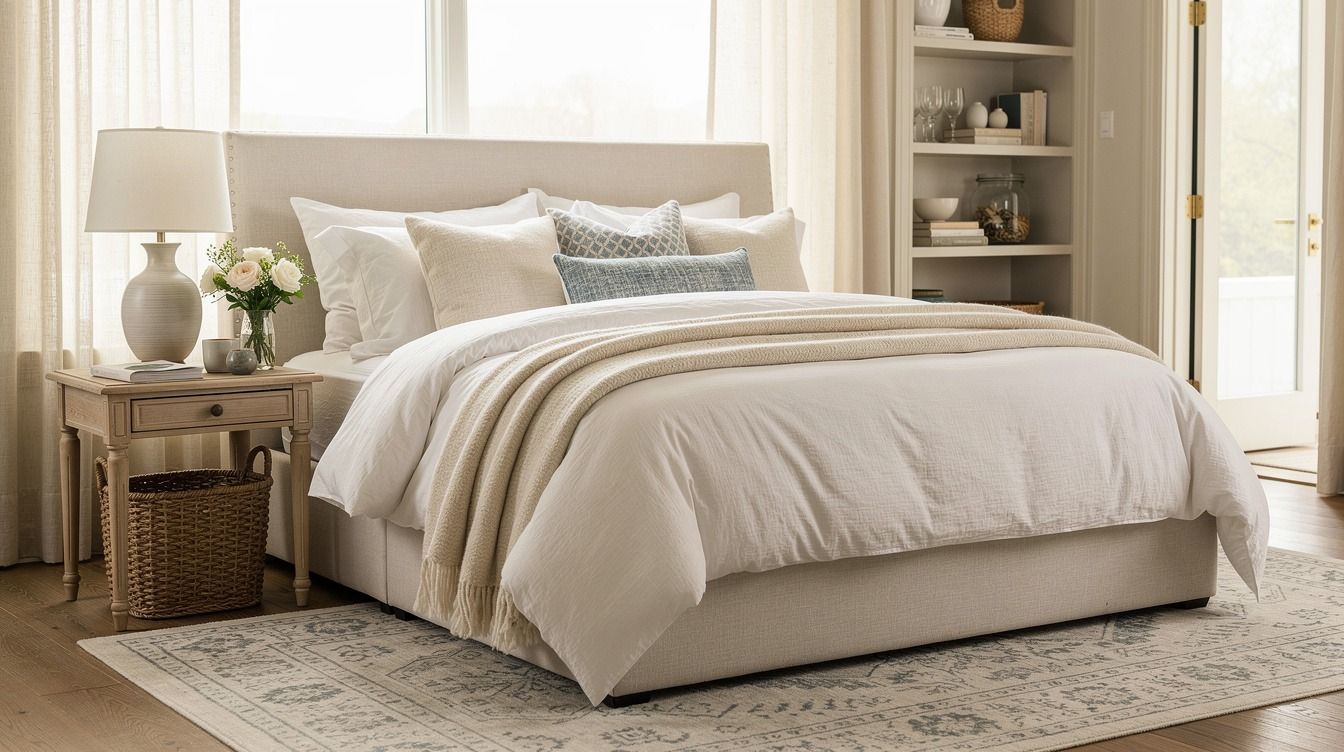
by I got the How to Get the Nancy Meyers Look (Even on a Normal Budget) by changing my bedroom in layers, starting with sleep instead of styling. The old room had a bare ceiling bulb, a sagging mattress, and bedding that looked tired by lunchtime.
I wanted warmth without buying a whole new room. So I made one careful decision at a time, kept the expensive pieces out of the plan, and let the bedroom become softer before it became prettier.
The Bedroom That Made Me Change Course
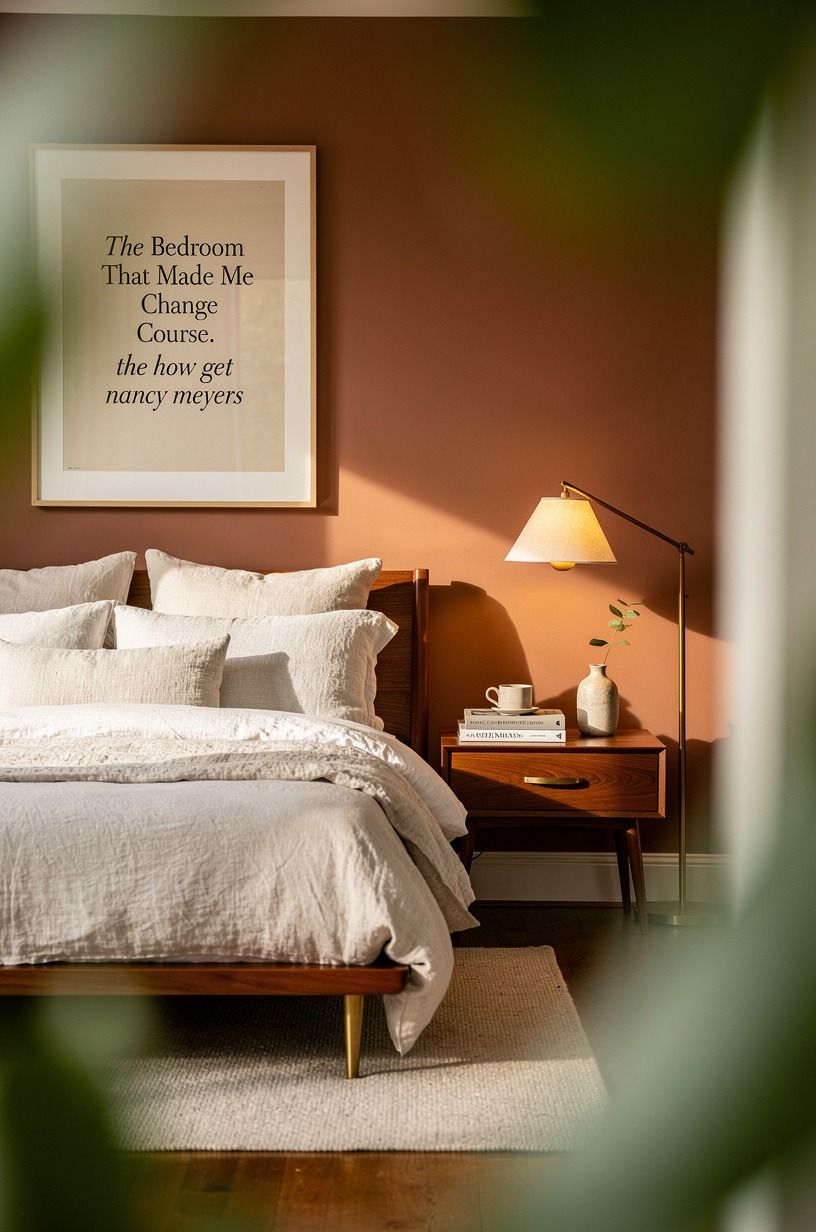
The problem was the bed. It sat too low, the mattress felt lumpy, and the room looked unfinished even after I moved furniture around. At three in the morning, I could hear the radiator clicking and feel every uneven spot beneath me.


Not exactly dreamy.
I had been saving photos of Nancy Meyers interiors, but I kept copying the surface details: ceramic lamps, white curtains, a vase beside the bed. I finally realized the rooms worked because they looked comfortable first. The pretty objects came second.
But I didn't want a staged bedroom that only looked good in daylight. I wanted the kind of room where I could leave a book open, drop a sweater on a chair, and still feel like the room had a point of view. That became my rule.
I started with the Nancy Meyers aesthetic guide for the broader mood, then narrowed it down to my own bedroom. No full renovation.
No matching furniture set. Just better decisions.
I spent the first part of my budget on the bed because I think the bed controls the whole room. If it looks flat and uncomfortable, no amount of pottery or framed art will rescue the feeling.
The first layer was Organic Cotton Sheets, which gave the bed a cleaner, softer base without looking shiny or overly polished. I chose a quiet neutral rather than bright white because bright white showed every crease and made the room feel colder than it was.
Then I added an Organic Quilted Pillow near the headboard. I wasn't trying to create a hotel bed.
I wanted a slightly uneven stack, the kind that looks as though someone had read there before breakfast. One pillow had a dent in it by the second night.
Good.
And I left some of the mattress visible beneath the layers. That sounds minor, but I think too much bedding makes a small bedroom feel crowded. The Nancy Meyers feeling isn't about excess.
It's about enough softness to make you want to stay.
My old bed frame still worked, so I kept it. That choice freed up money for the pieces I could feel every night, and you can make the same call if your frame is sturdy and quiet.
I Let the Walls Do Less Work
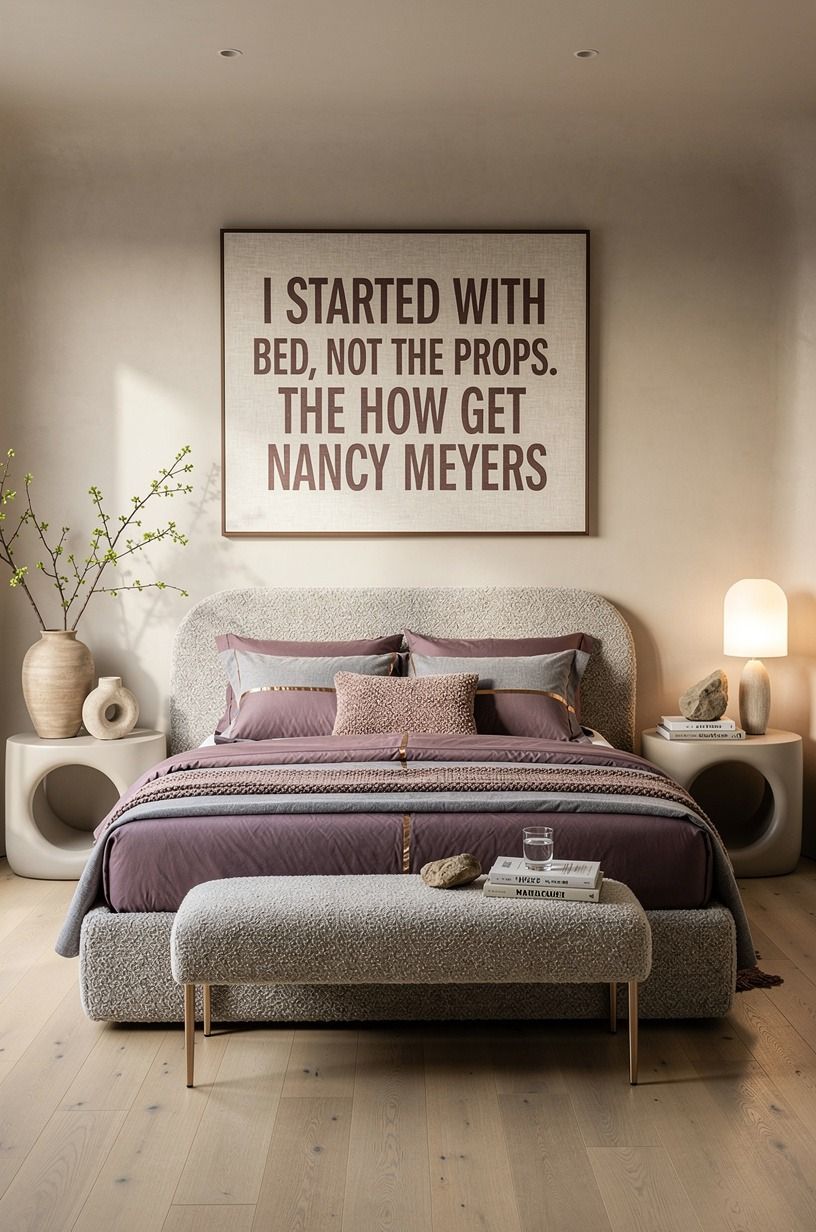
The walls were a pale gray that looked blue after sunset. I tested Benjamin Moore White Dove on one section and kept it because the color held warmth without turning yellow beside the wood floor.
I only painted the main bedroom walls. The trim stayed as it was, which saved time and stopped the room from becoming too carefully matched. I wanted the wall color to support the bedding, not compete with it.
But paint alone didn't make the room intimate. I replaced the harsh ceiling bulb with a lamp beside the bed and kept the light low in the evening.
Three sources would have been ideal, but I started with two: the ceiling fixture and one shaded lamp. The light landed on the nightstand instead of blasting the entire room.
And I hung one framed print with its center about 57 inches from the floor. It sounds fussy until you live with art that's too high. Then you notice it every time you walk past.
For renters, I’d skip permanent changes and use removable hooks, a tension rod, and fabric you can take with you. The room doesn't need a dramatic wall treatment to feel settled. It needs fewer competing signals.
I Added Texture Where My Hands Could Feel It

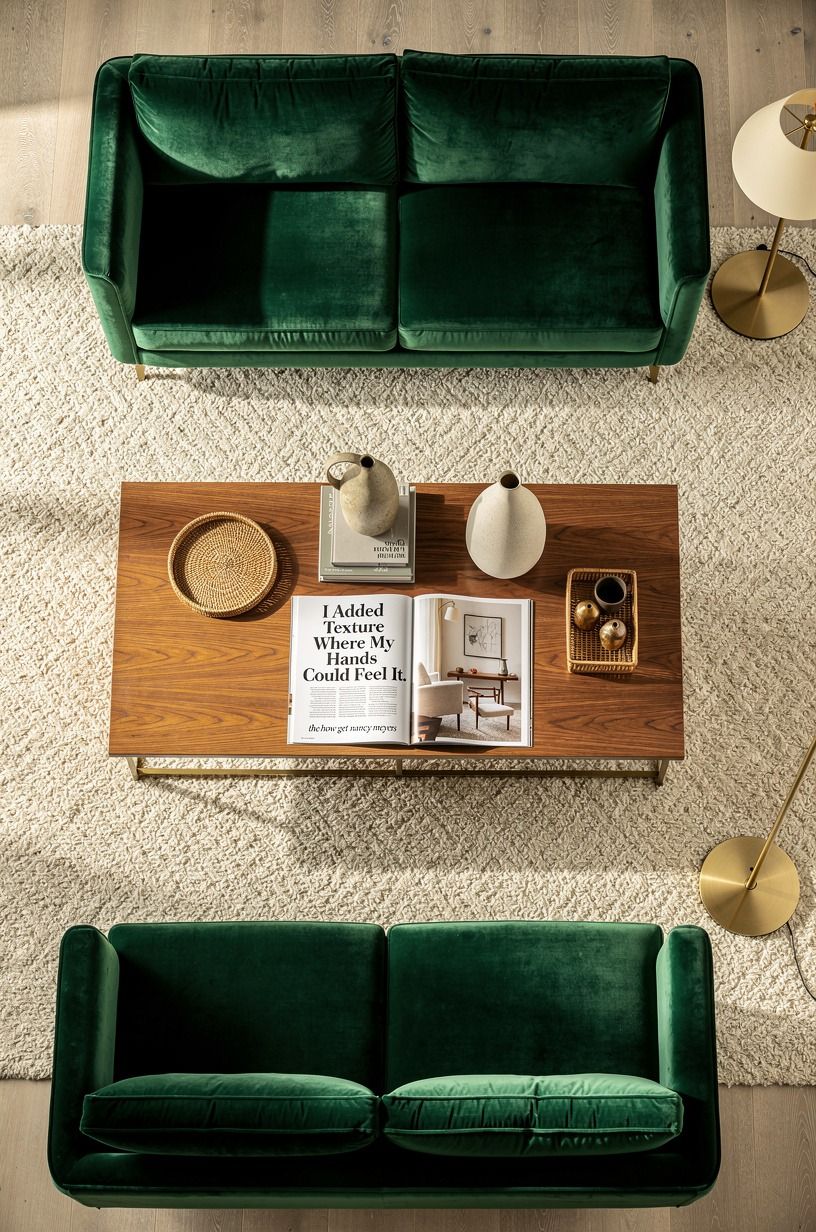
Once the bed and walls were calm, I added texture in places I would actually touch. I chose the Organic Mattress Pad because the mattress needed more cushioning, and I didn't want to replace it before I knew whether a softer surface would solve the problem.
I wasn't sure the pad was worth making room for in the budget. For two weeks, I regretted buying it because the fitted sheet pulled at the corners.
I changed the order of the layers, tightened the bed skirt, and the problem disappeared. That small adjustment made the bed feel less temporary.
I paired the softer surface with a Percale Sheet Set for the warmer nights. The contrast worked better than using one matching bedding collection. The quilt looked gentle, while the percale felt crisp enough to keep the bed from becoming heavy.
No matching set. No decorative pillow pile.
I’d rather have one blanket with a little weight and a cover that gets washed often than six pillows I have to move every night. And I kept one woven basket near the chair for extra bedding, because a beautiful room that has nowhere to put a blanket is still annoying.
The Nancy Meyers living room ideas helped me think about texture as something practical, not just visual. I borrowed that idea for the bedroom: linen at the window, cotton on the bed, wood near the floor, and nothing too glossy.


The Piece My Whole Bedroom Is Built Around
Natural materials, a 365-night home trial, free white glove delivery. Decide in your own room, not a showroom.
I Chose the Details That Made the Room Feel Lived-In
The final changes were small, but they made the room feel like mine. I moved the dresser away from the window, placed a small ceramic bowl on the nightstand, and added a secondhand landscape print in a worn wood frame.
And I stopped trying to hide every ordinary thing. My reading glasses stayed beside the lamp.
A stack of library books sat under the window. The chair held one cardigan, not five carefully folded throws.
I think this is where budget decorating either becomes personal or starts looking like a showroom. You don't need more objects. You need a few objects that explain how you use the room.
I also added curtains that reached the floor and mounted the rod several inches above the frame. The extra length made the window feel taller, while the fabric softened the sound from the street.
It wasn't dramatic. It was better than dramatic.
But I nearly bought a large rug that would have swallowed the room. I measured the furniture first and chose a smaller option that let the front legs overlap the edge. The bedroom feels more open because the rug supports the bed instead of becoming the main event.
If you’re working on the rest of the house, the Nancy Meyers home interiors guide has the same warm, restrained direction I wanted here. I simply used fewer pieces and left more breathing room.
What I Would Buy Differently
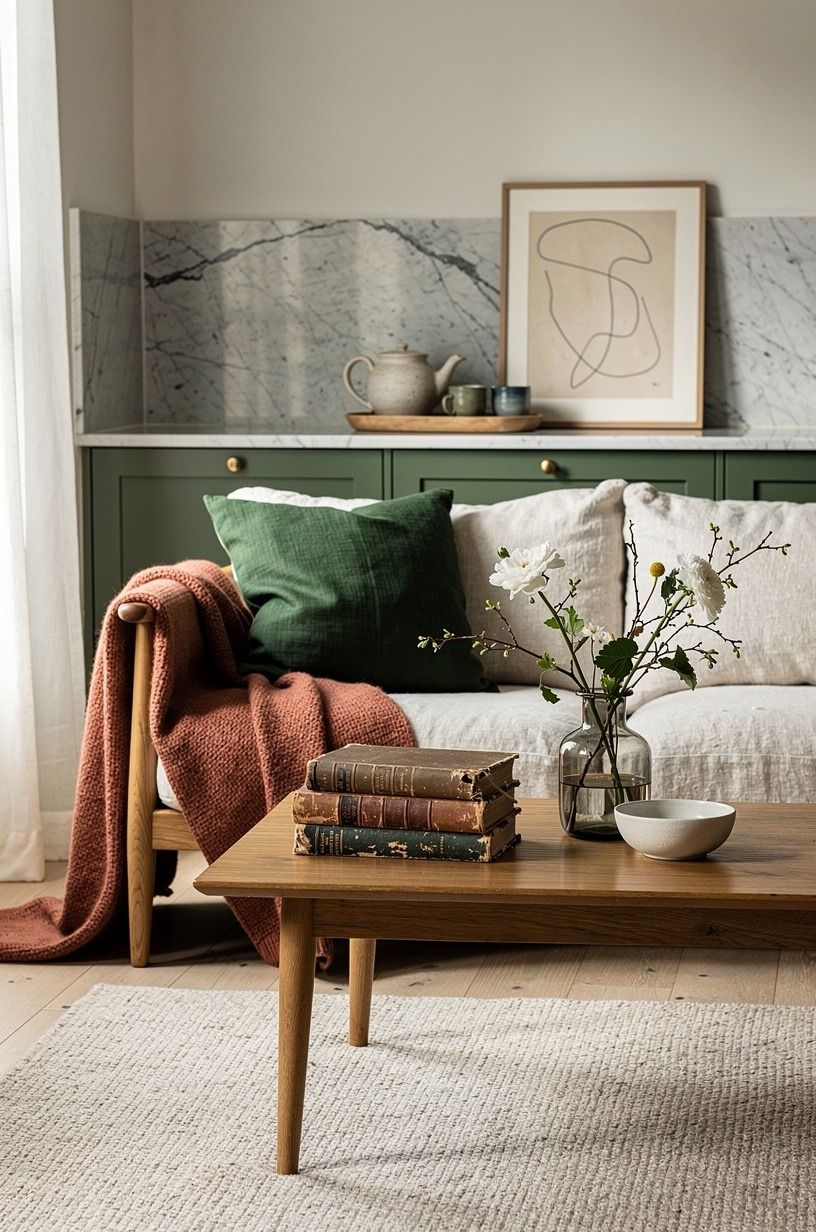
The room works now, but I wouldn't repeat every decision. I bought the lamp before measuring the nightstand, and its shade overhangs the edge slightly. It doesn't look terrible, but it annoys me whenever I make the bed.
I’d also spend more time finding the rug. The one I chose is soft and pleasant, but a wool version would have held its shape better near the dresser. That was the compromise I accepted to keep the project within a normal decorating budget.
My biggest regret was waiting so long to deal with the mattress. I kept buying small decorative pieces because they felt easier than making one useful purchase. That was backwards.
Sleep changed the room more than the art did.
The budget went toward broad categories: paint and wall preparation, bedding, window fabric, lighting, and one floor layer. I avoided replacing furniture, bought secondhand where I could, and left room for mistakes. That mattered because the first version wasn't right.
And I don't think every bedroom needs to look like a Nancy Meyers set. If your room is darker, more colorful, or full of modern furniture, you can borrow the softness without copying the palette. My opinion is firm here: comfort should lead, and the styling should follow.
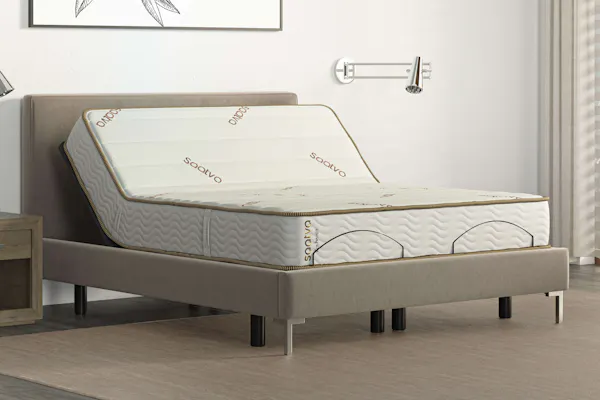 My pick for a healthier bedroomZenhavenTalalay latex, organic cotton, 365-night trial, lifetime warranty, free white glove delivery.See the Zenhaven
Build Your Own Healthier Bedroom
Sale pricing runs on orders over $1,000, and the 365-night trial gives you a full year of nights to be sure.
The Bedroom Now Feels Like Mine
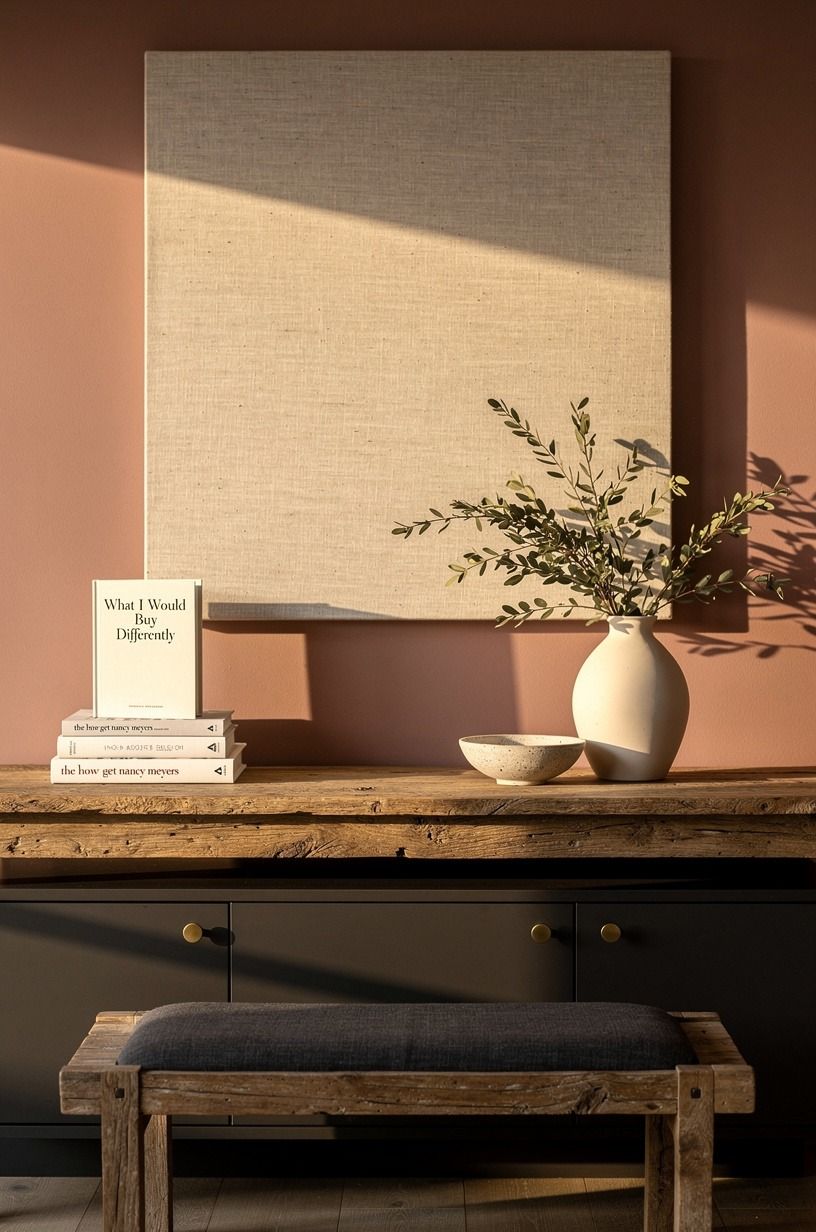
If I had to pick one place to start, I'd start with the bed. It changed the room because it changed how I used the room, and everything else became easier to judge afterward.
I still have the imperfect lamp. I still leave books beside it. But now the curtains fall straight to the floor, the quilt catches the late afternoon light, and a ceramic bowl holds my glasses on the nightstand.