 by
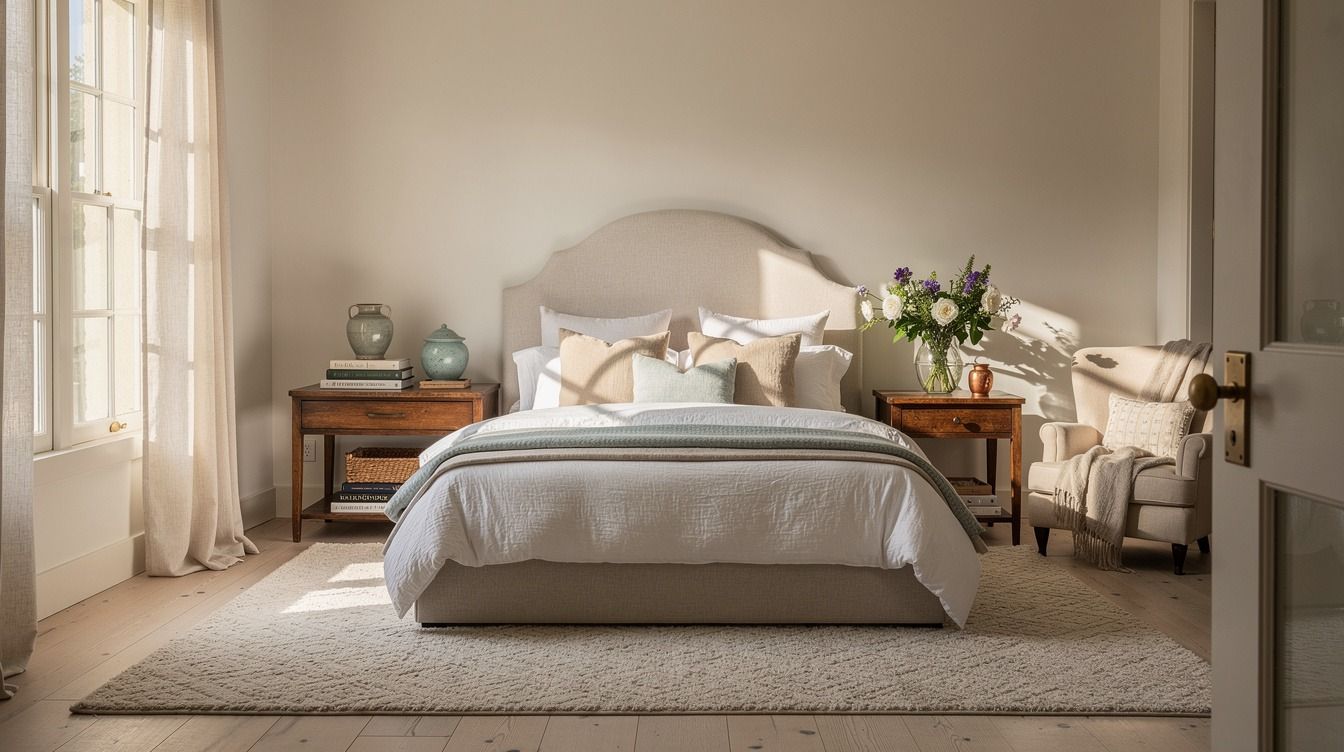
by My Nancy Meyers home interiors makeover started with one cold bedroom, one tired mattress, and a budget that couldn't stretch to a full renovation. I wanted warmth without clutter, but I kept buying little things that disappeared into the room.
Then I stopped chasing the movie look and studied how the rooms felt instead. Soft light.
Natural fabrics. Furniture with breathing room.
My bedroom didn't become a film set, but it finally became somewhere I wanted to be at 9 p.m.
The bedroom I kept avoiding in my dream home design
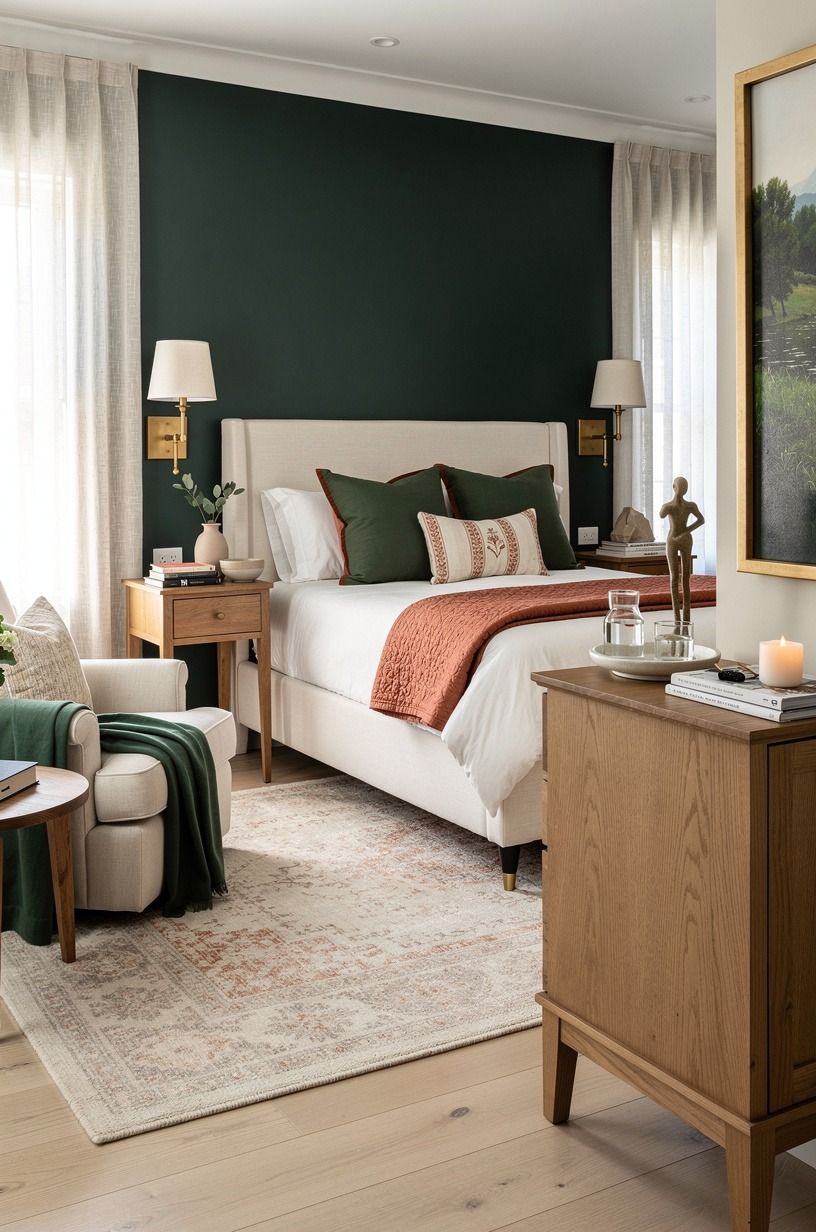
The room looked fine in daylight, which was part of the problem. At night, the overhead light made the walls look flat, the bedding felt scratchy, and the old mattress had started giving off that faint plastic smell I noticed every time I pulled back the covers.


I was waking around 3 a.m. and staring at the ceiling. Not every night, but often enough to make bedtime feel like a negotiation.
Too cold. Too bright.
Too unfinished.
And I didn't need a new floor or custom cabinets. I needed the room to stop fighting me.
I began by clearing the chair covered in clothes, moving a small table away from the window, and looking at the bedroom as one composition. That was the first Nancy Meyers lesson I could use: the room needed fewer competing objects and more honest comfort.
My first instinct was to repaint. I almost chose Benjamin Moore White Dove OC-17 because it has that soft, timeless quality I associate with Nancy Meyers interiors. But I decided to wait.
Paint couldn't fix a bed that felt wrong.
The main decision was Zenhaven. I chose it because I wanted a more supportive, natural-feeling sleep surface, and I liked the steadier feel of latex compared with the overly springy mattress I had before.
I wasn't sure I'd notice the difference after the first week. I did.
My sleep didn't become magically perfect, and I won't promise that this choice will solve anyone else's health concerns. For me, though, the room smelled cleaner, my back felt less tense in the morning, and I noticed fewer irritated, sneezy starts to the day. That's my experience, not a medical guarantee.
But the visual change mattered too. The bed stopped looking like a temporary place to sleep and started holding the room together.
For more of that soft, lived-in direction, I borrowed ideas from these Nancy Meyers living room interiors, especially the balance between open space and layered texture.
I softened the white bed with organic layers
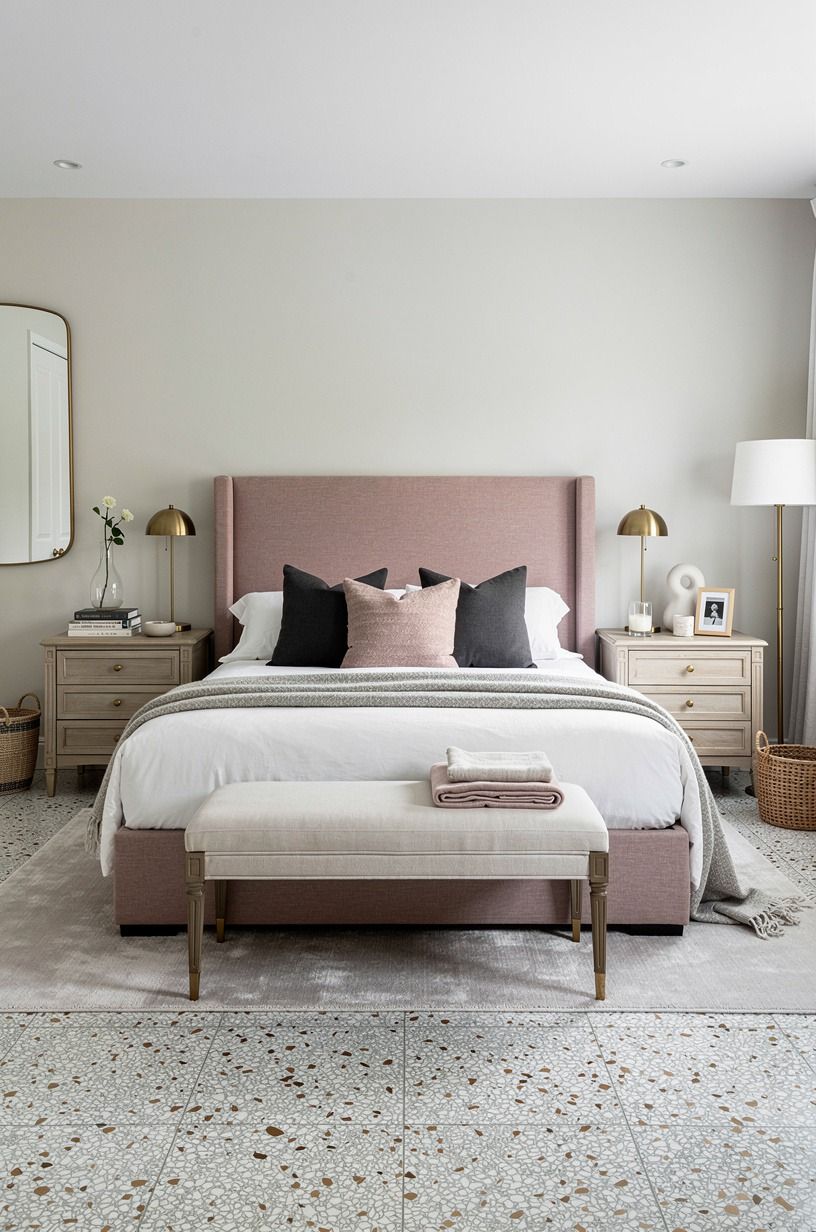
Once the mattress was in place, I didn't buy a matching bedding set. Matching everything felt too polished for the room I wanted. Instead, I chose Organic Cotton Sheets because the fabric felt breathable and relaxed rather than crisp in a hotel-lobby way.
The difference was immediate when I made the bed in the morning. The cotton had a soft, slightly rumpled finish, and the pale color kept the room bright without making it feel stark. I left the top layer loose instead of tucking every edge tightly.
And I chose an Organic Quilted Pillow for the same reason. It had enough shape to look intentional, but it didn't make the bed feel stiff. I prefer one comfortable pillow with a real purpose to a pile of decorative cushions I have to move every night.
A simple linen throw at the foot of the bed finished the layer. Not folded into a perfect rectangle. Just resting there.
I also placed the bed so it had room on both sides, even though that meant giving up a little floor space. If your bedroom is narrow, you may be tempted to push everything against one wall, but the extra breathing room made mine feel calmer. A small, warm win.
I let the light carry the house inspiration
The overhead fixture was the least Nancy Meyers part of the bedroom. It was bright, cold, and impossible to soften. I kept it for practical cleaning, but I stopped using it in the evening.
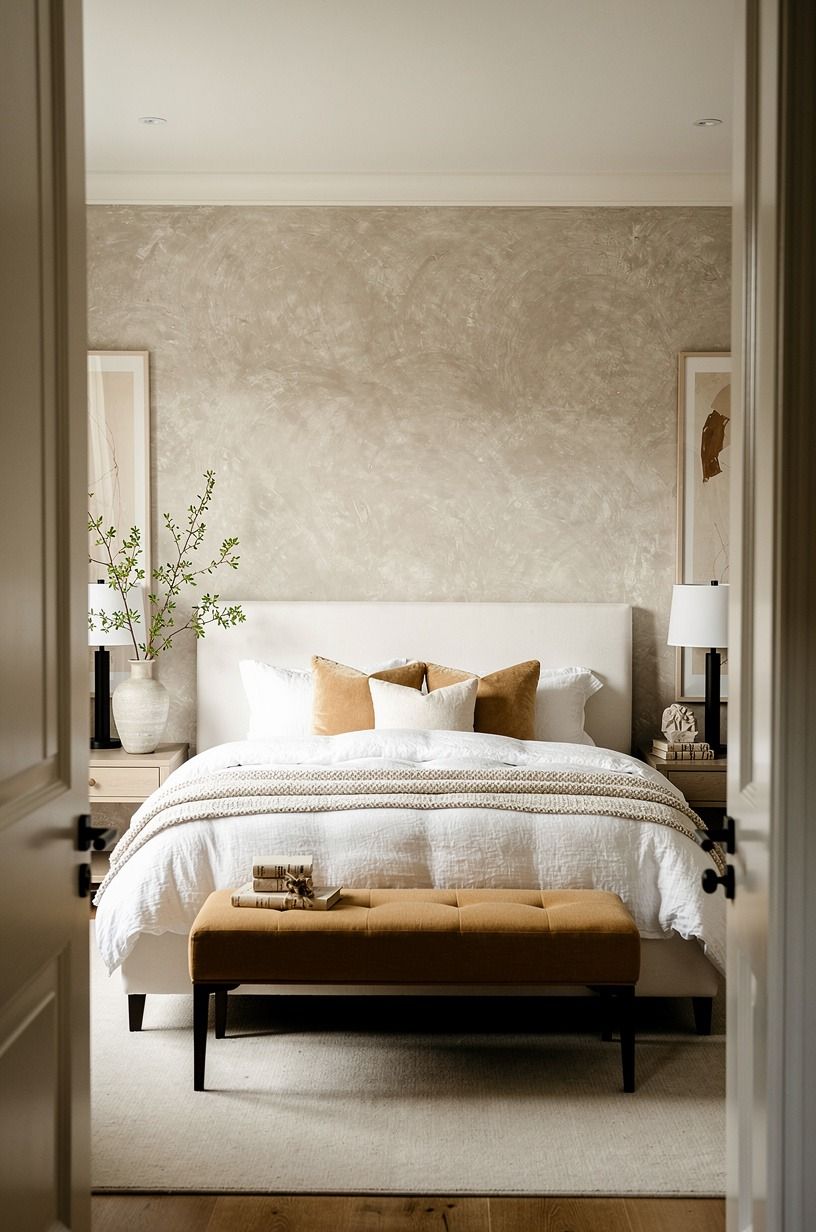
Instead, I worked toward three light sources: overhead, task, and ambient. That simple arrangement changed the room more than another decorative object could have.
I added a shaded table lamp beside the bed and kept its glow low enough that it didn't spill across the entire room. The second lamp went on a dresser opposite the bed, where it reflected softly against the wall. At night, the light stopped at the edge of the rug instead of flattening every corner.
But I didn't buy oversized lamps. My first choice was too tall, and it made the nightstand look crowded. I returned to a smaller ceramic base with a warm fabric shade, which felt more intimate and less staged.
For the wall, I considered Farrow & Ball Pigeon No.25, but I kept the existing neutral paint for now. The color already worked once the lighting became gentler. This saved money for the pieces I touched every day.


The Piece My Whole Bedroom Is Built Around
Natural materials, a 365-night home trial, free white glove delivery. Decide in your own room, not a showroom.
I chose texture over more decoration
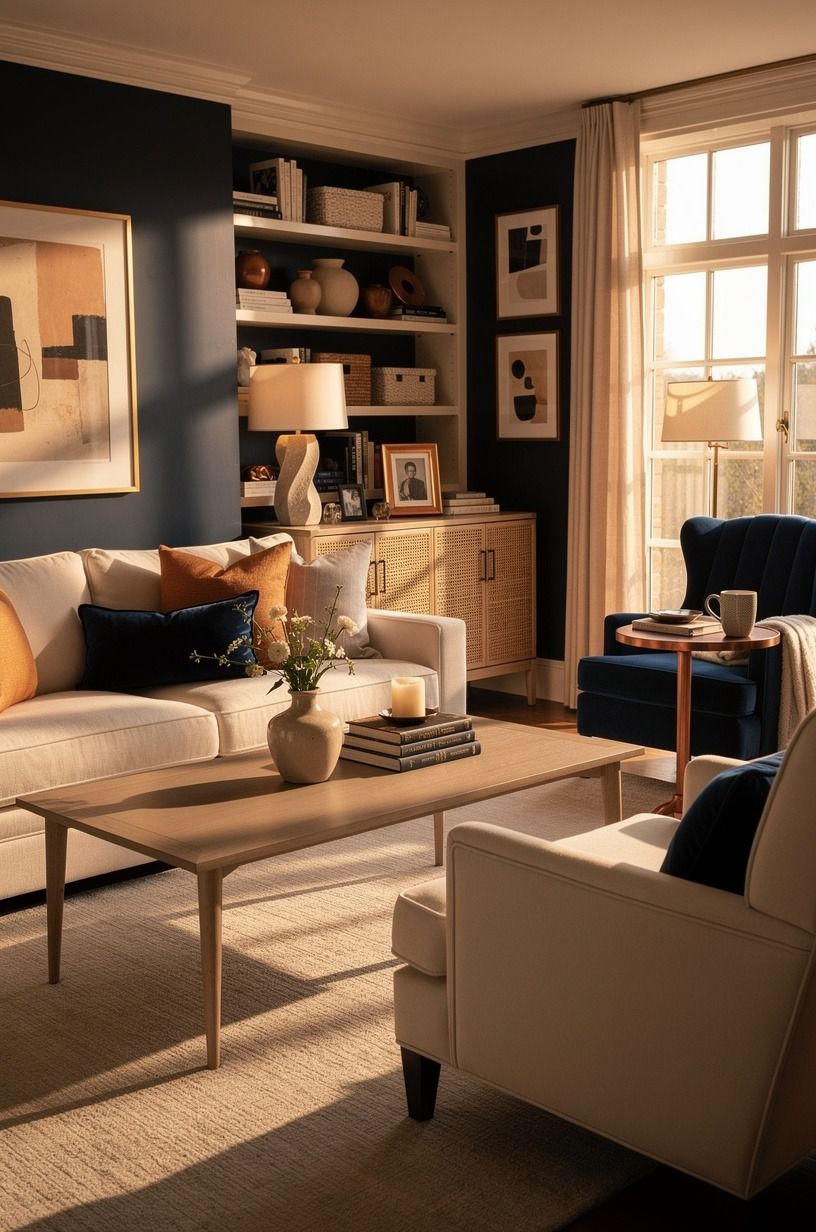
The bedroom still looked plain after the bed and lamps were finished. I nearly filled the empty wall with framed art, then remembered why I had started over. I didn't want visual noise pretending to be personality.
I hung one landscape print with its center about 57 to 60 inches from the floor. That height made the wall feel considered without turning the bed into a gallery display. Below it, I left the surface mostly clear.
The Organic Mattress Pad came next, and I chose it for the subtle lift and softer finish rather than a dramatic visual change. I wasn't sure the extra layer was worth making the bed slightly taller. For two weeks, I regretted it because the fitted sheet took more effort to pull into place.
Then I slept on it.
The bed felt less hard, and the whole arrangement looked fuller without adding another blanket. I kept it. That small hesitation matters because not every comfortable upgrade is convenient.
And I traded a glossy side table for a weathered oak stool I already owned. The grain showed through the finish, and the uneven edge made the room feel collected rather than purchased in one afternoon. I like that imperfection more than I expected.
You can see the same restraint in these Nancy Meyers home office ideas, where the warmth comes from materials and use, not crowded styling.
I added one lived-in corner for homey interior design
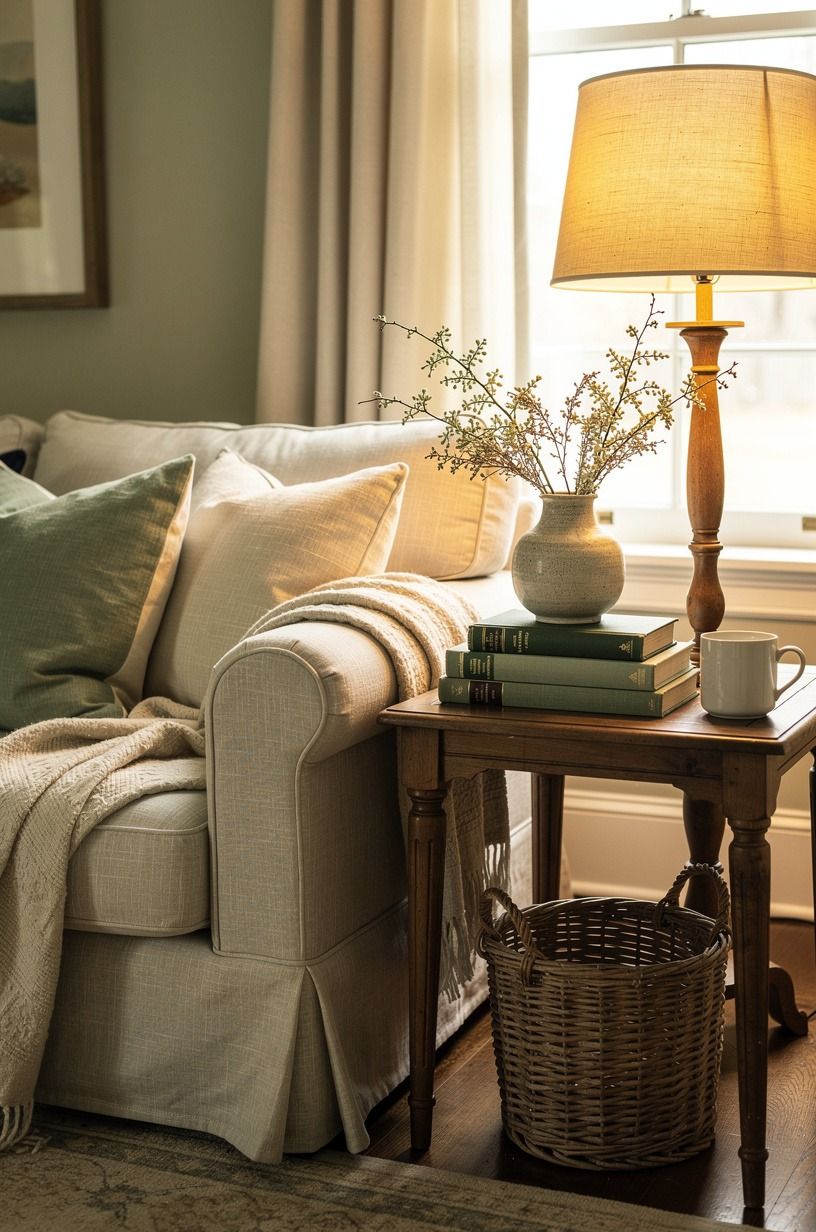
The final design decision was a reading corner beside the window. I almost skipped it because the bedroom wasn't large, but the empty space bothered me more than the missing furniture.
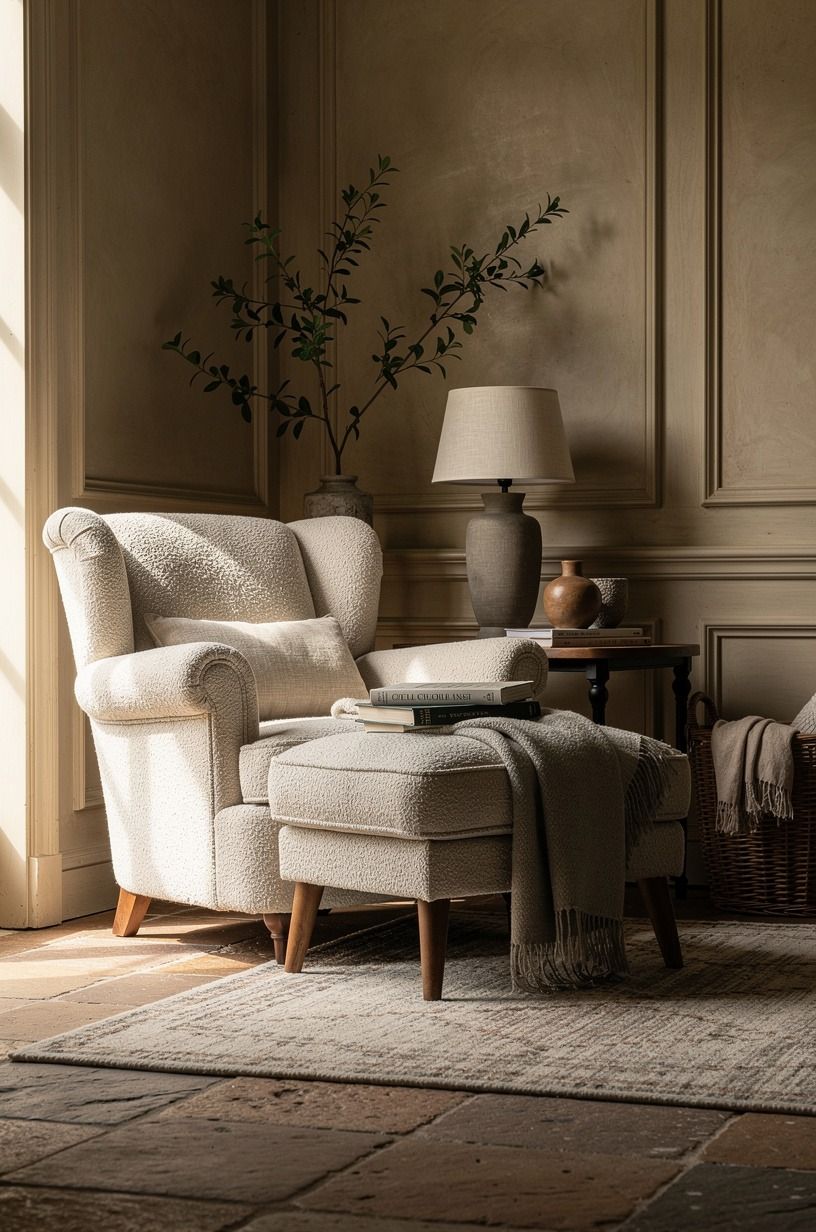
I placed a compact upholstered chair there, with a small oak side table and a basket underneath. The chair isn't dramatic.
It doesn't match the bed exactly. That's why it works.
I used a muted throw in a warm clay tone and added one framed photograph above the table. No gallery wall. No stack of books arranged by color.
Just the book I was reading, a glass of water, and a small dish for earrings.
And I finally had somewhere to sit while folding laundry instead of using the bed. That practical change made the room feel more finished than any styling decision.
If you're working with a rental, the same feeling can come from removable art, a tension rod, and a chair you can take with you. My Nancy Meyers aesthetic guide helped me separate the lasting ideas from the details that only work in a movie set.
What I'd buy differently next time
I wouldn't have started with accessories. I bought a decorative tray and two small objects before fixing the mattress, the lighting, or the bedding. They looked pleasant for about a week, then became things I had to dust.
I also spent too long trying to recreate a specific Nancy Meyers room. That was a mistake. The rooms I love have generous windows, architectural trim, and more space than my bedroom can offer.
Copying the surface would have made mine feel like a costume.
But I would make the same sleep-first decision again. The bed took the largest share of my attention and budget, while the rest came from rearranging, reusing, and choosing fewer materials with more texture.
My one real regret is the paint. I kept postponing it because the room was improving, but the walls still look slightly cooler than I want in winter. Next time, I'd test a warmer sample before buying anything else.
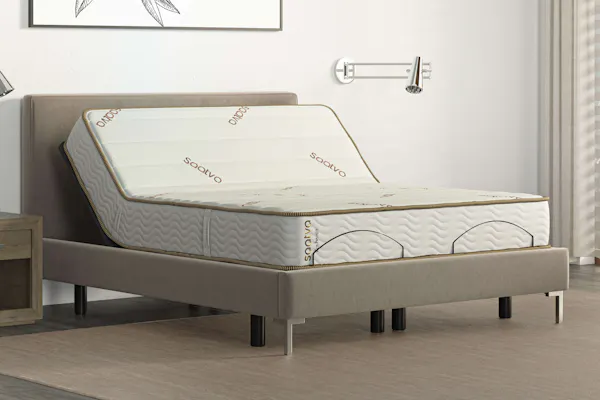 My pick for a healthier bedroomZenhavenTalalay latex, organic cotton, 365-night trial, lifetime warranty, free white glove delivery.See the Zenhaven
Build Your Own Healthier Bedroom
Sale pricing runs on orders over $1,000, and the 365-night trial gives you a full year of nights to be sure.
The bedroom now
If I had to pick one place to start, I'd start with the bed. You can't make a cold room feel inviting with accessories alone, and better sleep changed how I judged every other choice.
Now the lamp beside the bed stays on until I turn the page, the oak stool holds tomorrow's sweater, and the window corner has one book open to the same chapter.
{ "meta_title": "Nancy Meyers Home Interiors: Warm Timeless Style",