 by
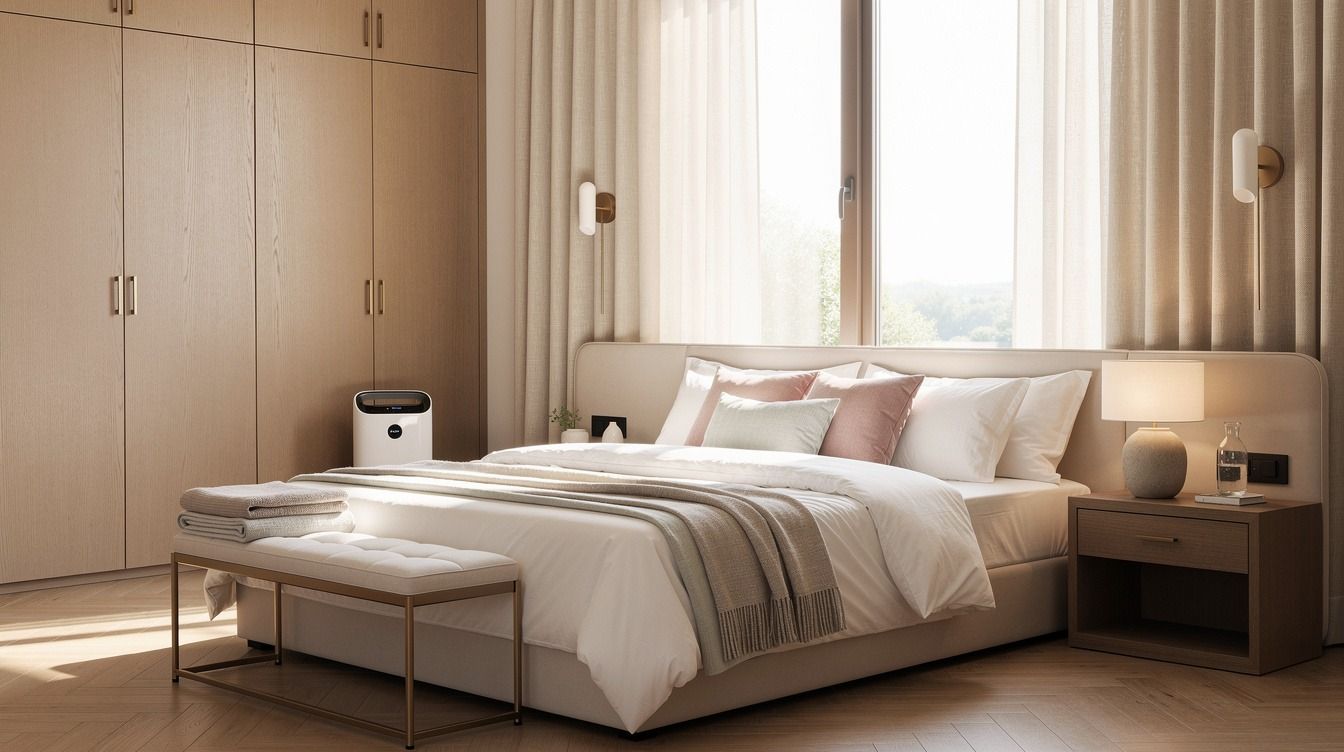
by Hypoallergenic bedroom ideas for allergy sufferers helped me make one change I could feel: I stopped waking up at 3 a.m. with a stuffy nose and a scratchy throat. My room wasn’t dirty, exactly. It just held onto dust, scented detergent, and that plasticky smell from my old mattress.
I didn’t redo the whole house. I dealt with my bedroom, one frustrating layer at a time. And after a few weeks, it felt calmer, softer, and much easier for me to sleep in.
The moment I stopped blaming the pollen
For a long time, I blamed everything outside. The open window.


Spring. The neighbor’s flowering tree.
But I started noticing that my symptoms were worst after I’d been in bed for hours, which made me look at the room and its air differently.
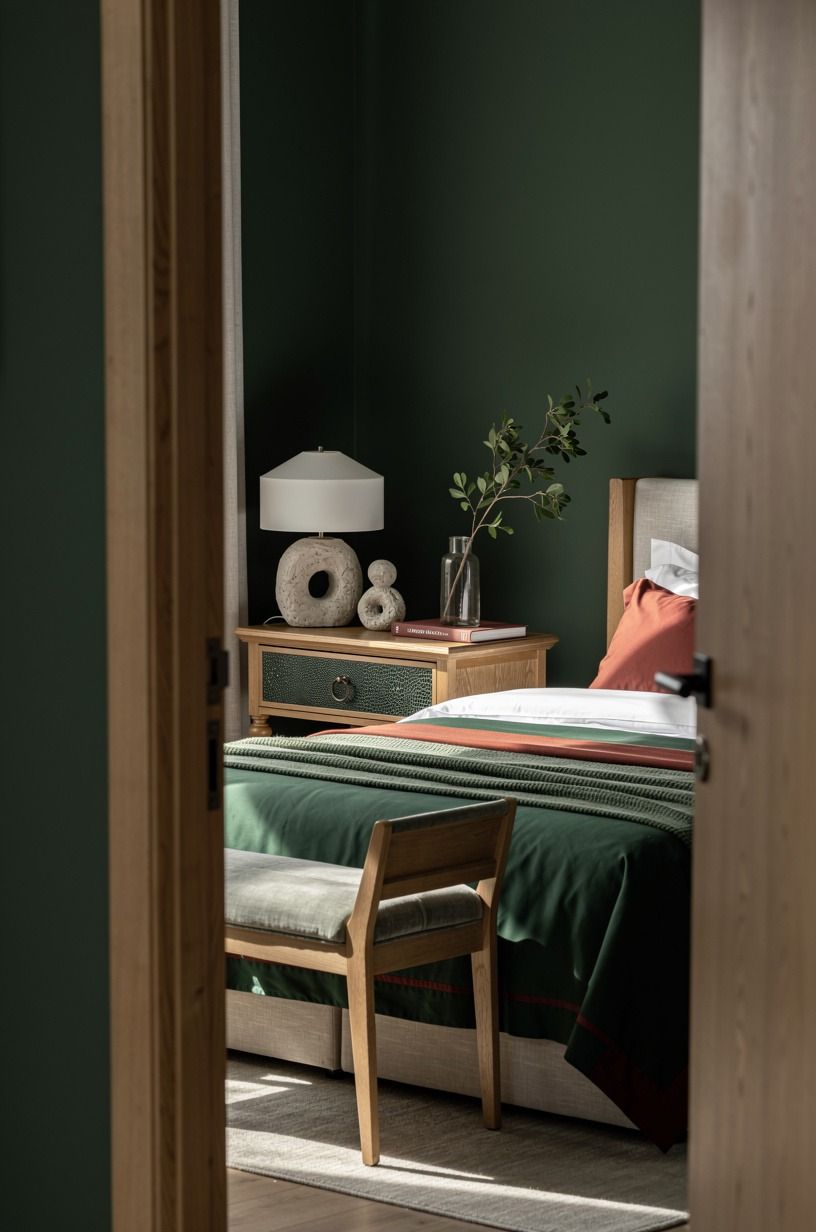
My old mattress had a faint chemical smell when the sheets came off, and the fabric headboard seemed to collect every floating bit of dust. Not ideal. I also had too many decorative pillows, a fuzzy throw I never washed, and an under-bed storage situation that had become a tiny lint museum.
I’m not saying a bedroom makeover fixes a medical problem. It didn’t turn me into a new person. But cleaning up the things closest to my face while I slept made a real difference for me, and I wish I’d started there sooner.
I cleared the soft clutter first
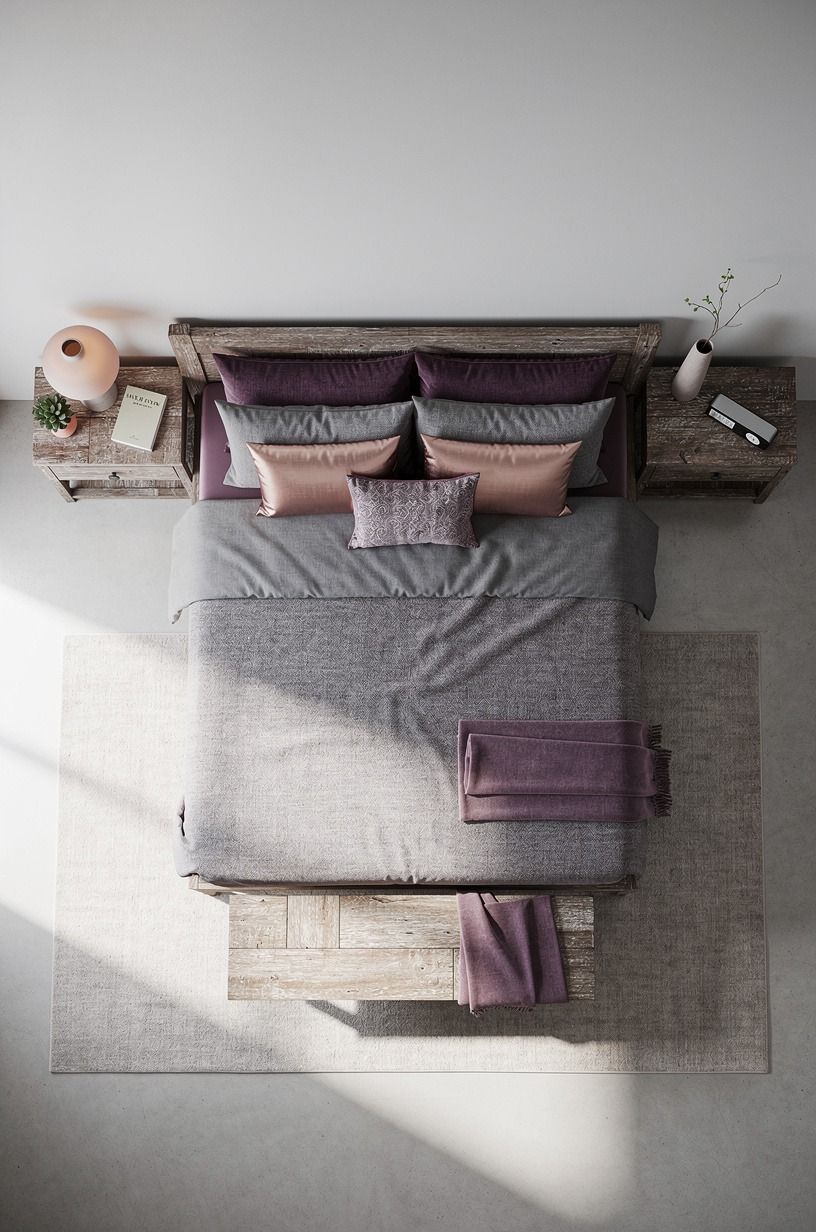
I began with the least glamorous job: removing things. I took away the extra pillows, the old rug beside the bed, and the thick knit blanket that looked charming but shed little fibers whenever I moved it.
And yes, my bed looked bare for a day. Good. I needed to see what was really there.
I kept one washable blanket and one sleeping pillow per side. I also moved baskets and paper clutter away from the bed because I’d rather have open floor than a “tidy bedroom aesthetic” that asks me to dust around seven objects every week.
I’m firmly against decorative clutter in a healthy bedroom. It looks sweet online. It doesn’t feel sweet when you’re wiping dust from it on Saturday morning.
I chose a mattress that didn’t make the room feel sealed up
The mattress was the big decision, and I went back and forth longer than I want to admit. I wasn’t sure whether replacing it was necessary, especially when I was trying to keep this from becoming an expensive non toxic home project.
But my old mattress had reached the point where I avoided changing the sheets because I hated the smell underneath them. That was enough information for me.
I chose Zenhaven because I wanted a latex mattress that felt supportive without the overly wrapped, synthetic feeling I associated with my old bed. The first few nights were an adjustment. It was firmer than I expected, and I briefly worried I’d made a costly mistake.
But then my back stopped asking for attention every morning. For me, that was the deciding factor. I like a bed that feels steady, not marshmallow-soft, and this one made the room feel more restful before I’d even added anything decorative.
The Mattress That Ended My 3 a.m. Wake-Ups
Natural latex, breathable organic cotton, and a 365-night trial to decide at home. This is the piece everything else in my room is built around.
The washable layer changed my mind about toppers
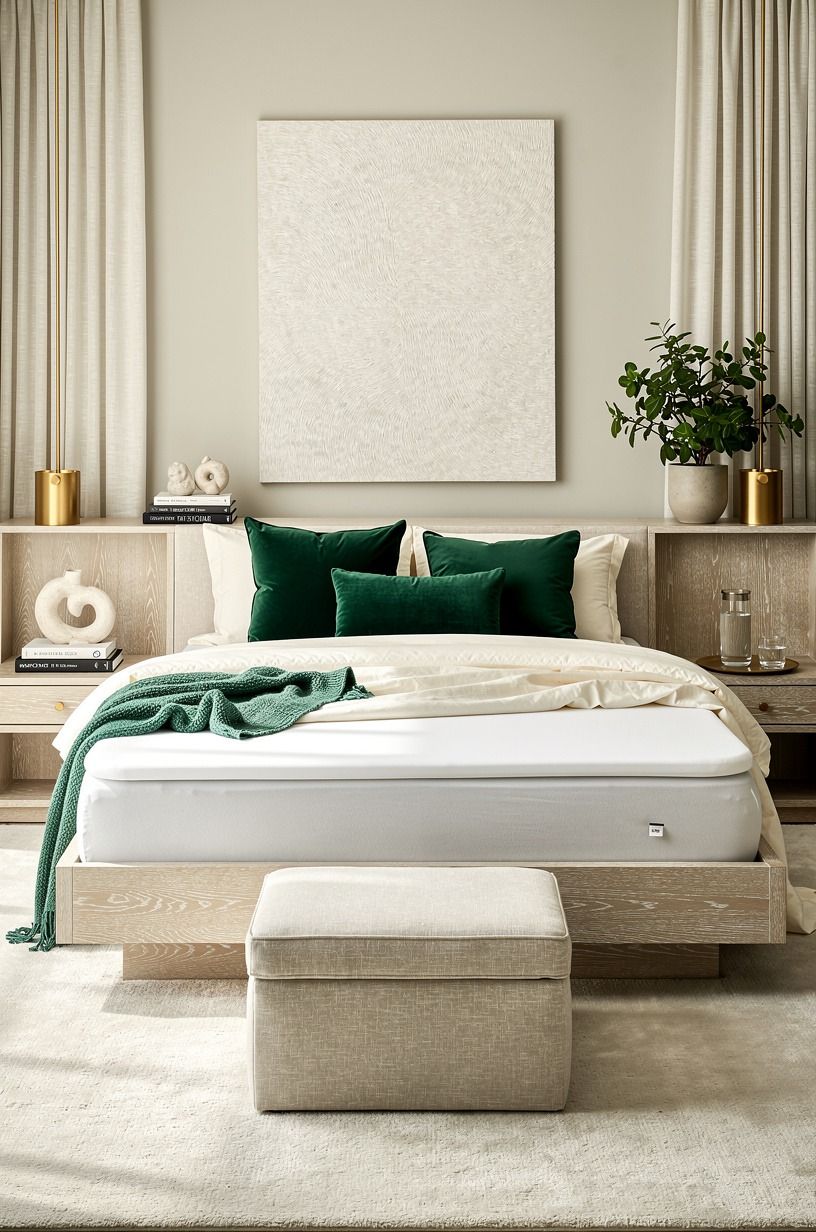
Next came the layer I almost skipped: an Organic Mattress Pad. I thought it would be one more thing to wash, one more thing to bunch up under fitted sheets, one more purchase that sounded sensible in theory.
For two weeks, I regretted it. It added a little warmth, and I was already trying to build a cooler, cleaner-feeling bed. Then I washed it after a dusty weekend with the windows open, put it back on, and understood why I’d kept hearing about washable layers.
It gave me a simple barrier between me and the mattress without making the bed feel stiff. That mattered.
I don’t want my bedroom to feel clinical, even if I’m making choices for my allergies. I want it to feel inviting at night, not like I’m checking into a waiting room.
A queen bed is 60x80 inches, so I also stopped buying random bedding that almost fit. Properly fitted layers stay smoother, and smoother bedding means I’m not constantly tugging at corners or leaving wrinkled fabric to collect whatever lands on it.

I made the sheets the part I looked forward to
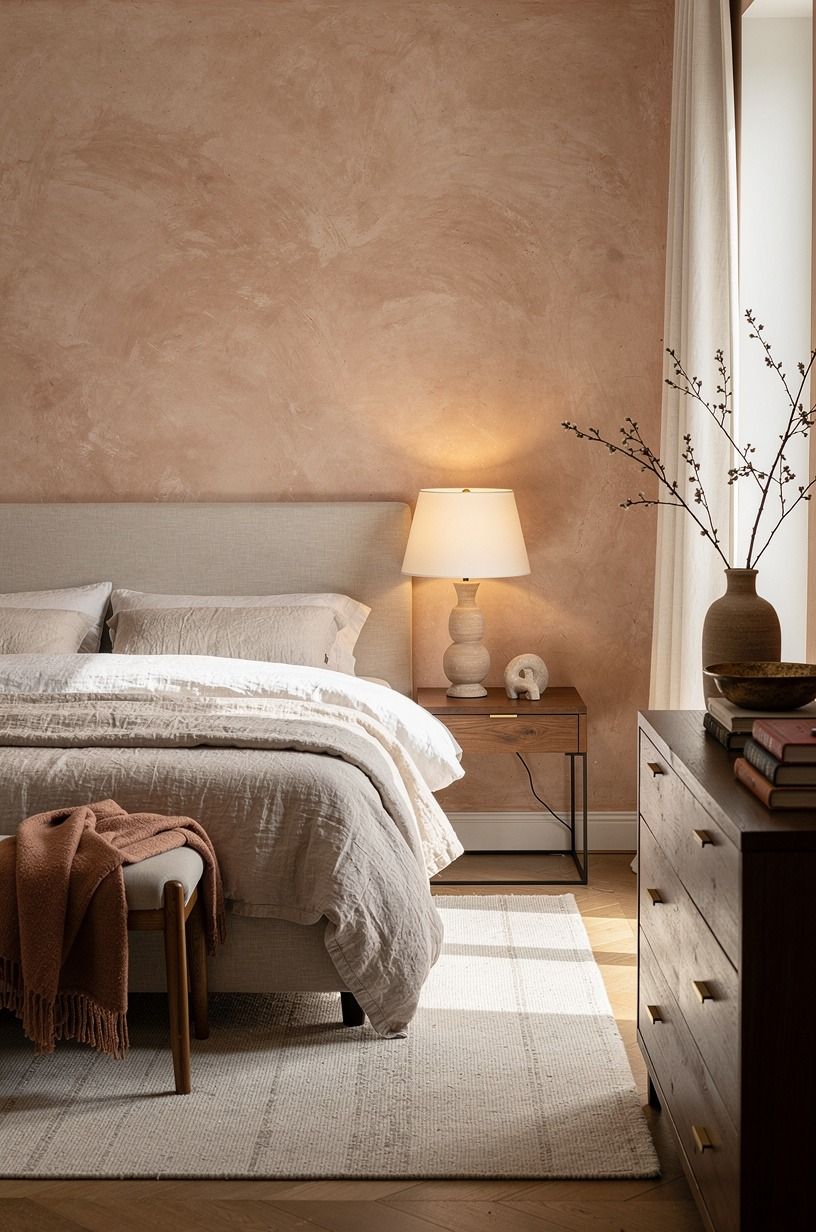
I used to buy bedding based on color first. Beige, cream, soft sage, whatever looked most peaceful in the product photo. Then I’d wonder why it felt rough after a few washes.
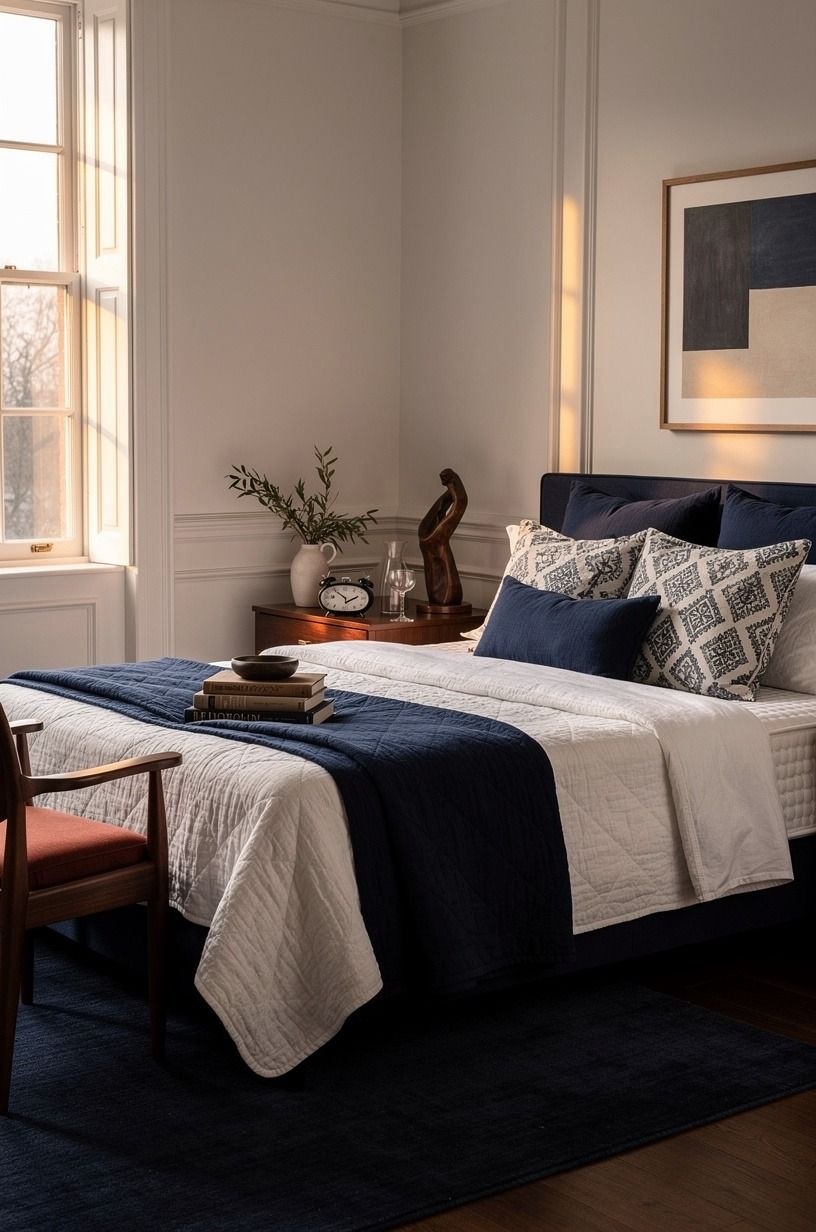
This time I chose Organic Cotton Sheets and kept the color simple, a warm ivory that worked with the pale walls. I’m picky about sheets now. I’d rather own two sets I wash regularly than a tower of mismatched sets I never reach for.
But here’s my concession: white and light bedding can be annoying. It shows everything, and I had to let go of the idea that the bed would always look like a hotel room. That’s fine.
A lived-in bed with clean sheets is better than a polished one I’m too tired to maintain.
I painted the wall behind it with Benjamin Moore Pale Oak OC-20, which gave the room a gentle, warm background without making it feel yellow. I considered a darker shade for drama, but I’d skip that choice in a bedroom where I already felt congested. I wanted light, not moodiness.
I gave the air a better path through the room

The room’s layout was quietly working against me. My bed sat too close to the wall, a chair held clothes I meant to put away, and the curtains brushed the floor like they had a personal vendetta against dust.
So I moved the bed slightly forward, gave myself enough space to vacuum behind it, and switched to lighter washable window coverings. Not fancy. Just easier.
And I stopped using fragrance boosters in my laundry. That was the hardest habit to drop because I loved the “fresh laundry” smell.
Still, my room now smells like cotton, wood, and nothing much at all. I prefer it.
I kept my nightstand close to mattress height, around 24 to 28 inches, so I could reach my water and book without stacking things on the floor. A glass, a lamp, one paperback.
That’s it. My version of a non toxic living space isn’t empty.
It’s simply easier to care for.
What I’d do differently, and what I wouldn’t change

I’d buy fewer decorative layers from the beginning. I spent years trying to make my room more cozy by adding fabric, and then had to face the fact that some of it was making the room harder for me to live in.
I’d also choose washable curtains sooner. The old ones were pretty, but they were too precious for a room I needed to clean often. Pretty isn’t enough if it creates another chore you avoid.
Still, I wouldn’t trade the softer look for a stripped-down bedroom. I need warmth around me to relax.
I just want it in things I can wash, wipe, or move. That’s my line now.
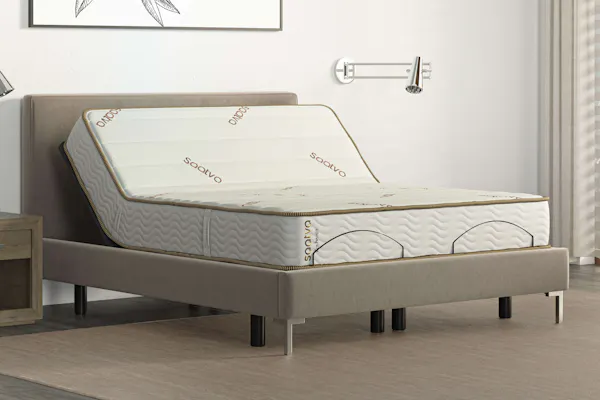 My pick for a healthier bedroomZenhavenTalalay latex, organic cotton, 365-night trial, lifetime warranty, free white glove delivery.See the Zenhaven
Build Your Own Healthier Bedroom
Sale pricing runs on orders over $1,000, and the 365-night trial means you get a full year of nights to be sure.
The detail I notice every night
If I had to pick one, I’d start with the mattress. You can’t build a peaceful bedroom on a surface you dread getting into. Now, when I turn off the lamp, the pale oak wall fades behind the ivory sheets and there’s only one book on the nightstand.