 by
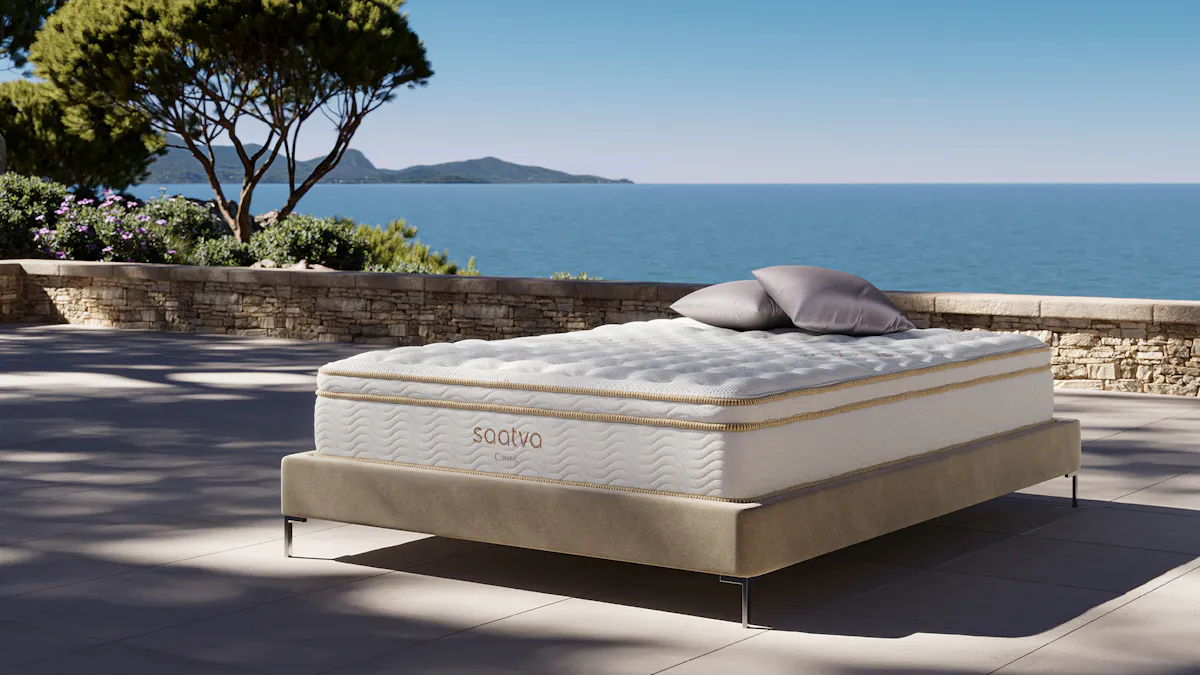
by Quick answer: I’d skip an unverified iCloud mattress listing. If you want a clearly documented luxury innerspring option, the Saatva Classic is the safer starting point, but confirm its current details on the official site.
- No verified construction details are available for the mattress identified by this search term.
- No verified firmness, material, or retailer-policy information is available.
- Public coverage discusses cloud-style mattresses generally, not a verified iCloud model.
Updated July 2026 · Reviewed for accuracy
My verdict is simple: don’t spend money until the seller can identify the exact mattress, its materials, and its written return terms. “Cloud” language can describe a feel, a marketing theme, or an entirely different product. It is not a useful construction spec by itself.
That gap matters because mattress quality lives under the cover. Foam type, coil design, layer order, edge reinforcement, and the policy behind the sale tell me far more than a soft-sounding name ever will.
There is no verified mattress spec sheet to judge
The most concrete fact here is the absence of product-specific information. The public coverage we found includes articles about cloud-like comfort and several reviews of another hybrid mattress line, but it does not establish a verified mattress model sold as “iCloud.” That means there is no reliable basis for judging support, cooling, durability, or value for this exact query.
I wouldn’t fill in those blanks with assumptions. A mattress can feel plush because of a thick comfort layer, a pillow-top build, flexible foams, or simply a soft cover. Those approaches do not perform alike over time. Without a layer-by-layer description from the seller or manufacturer, “plush” is only a promise.
The Nut’s take: A name is not a specification. Before buying, ask for the exact model name, full construction description, firmness description, care instructions, and written return policy.
That is especially true for marketplace listings and smaller retailers, where a similar-looking mattress can be sold under more than one label. If the seller cannot provide a stable model identifier and documentation that matches the listing, I’d move on.
“Cloud” comfort tells you almost nothing about support
Cloud-style language usually points toward a cushioned surface sensation, not a standardized mattress category. Eachnight’s guide to cloud mattresses frames the concept around plush, floating comfort and cooling, but that broad idea does not reveal how a particular bed is built or whom it will suit.
For me, the central question is what sits beneath the initial softness. A comfort layer can feel inviting in a showroom or during a short lie-down. The support system beneath it determines whether the mattress keeps your body on a more even plane or lets the midsection settle too deeply. Without verified construction, there is no honest way to call a mattress supportive, pressure-relieving, firm, or durable.
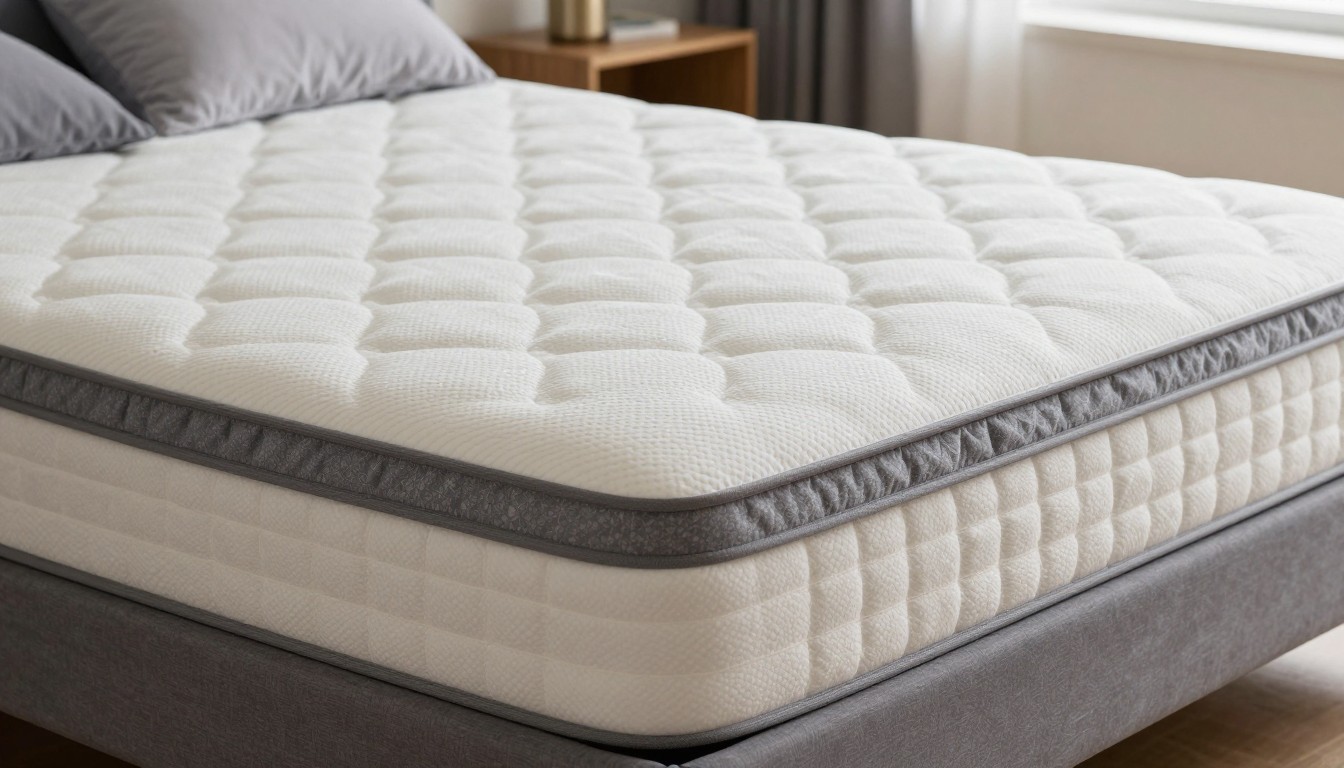
Do not confuse a quilted top with a complete comfort system, either. A cover can change the first impression. It cannot tell you whether the mattress has responsive coils, dense support foam, reinforced edges, or a build designed to resist body impressions. Those are the details I want in writing.
- Ask whether the mattress uses coils, foam, latex, or a combination.
- Ask for the order and purpose of each layer.
- Ask how the perimeter is constructed if you regularly sit or sleep near the edge.
- Ask whether the listed feel describes the mattress itself or only a removable topper.
Comparing options? The Saatva Classic is the pick we keep coming back to — see the final verdict ↓
Construction is where durability starts
A mattress can be comfortable on day one and still be a poor long-term buy if its materials are vague. I look for an explanation of the support core first, then the comfort materials above it. That order matters because the core carries the load while the top layers shape the feel.
Foam descriptions should be specific enough to separate marketing names from actual materials. Coil descriptions should say whether the coils are individually wrapped and whether the edge receives added support. If a listing uses broad phrases such as “premium foam” or “luxury support” without explaining the structure, you cannot compare it fairly with a documented mattress.
Published reviews can be useful once they are tied to an exact model. Sleep Foundation’s review of a named hybrid mattress evaluates specific performance categories, while Forbes Vetted also discusses mattress performance through identified products and testing coverage. That is the right general standard: the reviewer and reader should be talking about the same, identifiable item.
What a credible listing should make clear
The exact product name, seller identity, construction summary, stated feel, mattress height, available sizes, delivery method, return process, warranty terms, and any limits on returns should all be easy to locate before checkout. If any of those details change between the product page and the policy page, treat that as a warning sign.
None of this means an unfamiliar mattress must be bad. It means the burden is on the seller to provide enough information for a buyer to make a real decision. With no verified specifications for this search term, I can’t make a materials-based recommendation for the unidentified product.
Check return terms before the mattress arrives
The return policy is not fine print on a mattress purchase. It is part of the product. If you cannot verify the policy before paying, you do not know whether you can return the bed, what condition it must be in, who handles pickup, or whether any charges or exclusions apply.
Read the policy on the seller’s own site, not only the product listing. Confirm that it applies to the exact item and sales channel you are using. A marketplace storefront, a third-party retailer, and a manufacturer-direct sale can have different rules even where the photos and naming look similar.
I would also save a copy of the listing and policy page before ordering. Product descriptions can change, and a saved record makes it easier to compare what was promised with what arrives. That is basic buying discipline, not pessimism.
If you are still sorting through unfamiliar mattress listings, my reviews of the Zoma mattress and the Zaz mattress show the kind of product-specific details worth looking for: construction, stated feel, policies, and who the bed may fit.
How I’d compare an unclear listing with a documented option
The comparison below is intentionally uneven. One side has no verified product identity or specifications in the available material. The other is a named mattress sold on its official site. That alone does not settle comfort, but it changes how confidently a shopper can evaluate the purchase.
| Buying question | Unverified iCloud listing | Documented official-site mattress |
|---|---|---|
| Exact model identity | Not verified in the available material | Should be clearly named on the product page |
| Construction comparison | Cannot be made honestly without layer details | Can be checked against the manufacturer’s description |
| Feel expectations | Marketing language may be the only clue | Stated feel can be compared with published reviews |
| Returns and coverage | Must be confirmed directly with the seller | Should be stated in the official policy pages |
| Value judgment | Too little verified information to judge | Compare the current price with the documented build and policies |
If you want to avoid that uncertainty, I’d begin with the Saatva Classic and read the official product and policy pages closely before deciding. It is easier to assess a mattress when the seller gives you a stable product identity and documentation you can actually compare. Check the current offer and full terms on the official site.
Who should pause before buying
Anyone who needs a very particular feel should pause. That includes shoppers replacing a mattress that feels too firm, too soft, too hot, or too unstable near the edge. An unclear listing gives you no meaningful way to predict whether the new bed solves the old problem.
Couples should also insist on construction details. Motion isolation and usable edge support are not interchangeable features. A soft surface may absorb movement reasonably well but still feel weak around the perimeter. A coil-based design may feel more responsive while behaving differently across the surface. The build tells the story.
Likewise, skip vague listings if you care about long-term value. A lower checkout price is not automatically a lower-cost mattress if the materials, return process, and coverage terms are hard to verify. Buy the information as much as the mattress.
My buying rule: If a seller cannot answer basic questions before purchase, I do not expect the after-sale experience to become clearer later.
For another example of why exact construction matters, see my Zoma Hybrid mattress review. Hybrid is a construction category, not a guarantee of a particular feel, which is why the layer details remain the useful part.
What to ask the seller before checkout
Start with the name printed on the product label or law tag, then ask whether it matches the listing exactly. That may sound small, but it prevents a common problem: researching one item and receiving a similarly named substitute.
Next, request the construction breakdown in plain English. You want to know what forms the support core, what creates the surface comfort, and whether the mattress has a distinct edge system. If the answer is only a string of proprietary material names, ask what those materials actually are and where they sit in the mattress.
Then verify fulfillment and returns. Ask who ships the mattress, who authorizes a return, and where the complete policy is published. A seller who can point to a clear written policy gives you something concrete to review. A seller who relies on chat messages or broad assurances does not.
- What is the exact model name and manufacturer?
- What materials make up the comfort and support layers?
- How does the seller describe the intended feel?
- Where are the current return and warranty terms published?
- Does the policy apply to this exact sales channel?
My final take on this search
I can’t recommend an unnamed or unverified mattress on a cloud-comfort label alone. The available public material does not establish the construction, policies, or even a clear product identity needed for a proper review.
That does not require a dramatic verdict. It requires a disciplined one: verify the exact item before purchase, compare materials rather than slogans, and only judge value once you can read the full terms. If the documentation remains thin, keep shopping.
FAQ
Is iCloud a verified mattress brand?
Not from the public material we could find. That coverage discusses cloud-style mattresses and named mattresses from other reviews, but it does not verify a mattress brand or model matching this query.
Can I tell whether this mattress will feel soft?
No. “Cloud” language suggests a cushioned idea, but it does not confirm a specific firmness or construction. Ask the seller for the exact model and a written description of the layers before relying on any feel claim.
What mattress details matter most for durability?
I would start with the support core, comfort-layer materials, and edge construction. Those details explain more about likely long-term behavior than a product name or a cover description.
Should I trust owner reviews for an unfamiliar listing?
Owner feedback can be useful only if you can confirm reviewers bought the same model through the same seller. Reviews attached to a broad storefront or a shifting product listing may not describe the mattress you receive.
What should I do if the seller will not provide full details?
Skip the purchase. A mattress is too large and too personal a buy to make on incomplete information. Choose a listing with a clear model identity, construction description, and published terms instead.
FINAL VERDICT
Before you settle: if icloud mattress is what brought you here, the Saatva Classic is the value pick on this page — more home-trial and warranty coverage than the alternatives covered here. Confirm current price, dimensions and terms on the official product page before ordering.
OUR CATEGORY-MATCHED PICK · UP TO $334 OFF
Saatva Classic
- 365-night home trial and lifetime warranty, per saatva.com
- Handcrafted in the USA, free white-glove delivery
- Flexible financing available