 by
by Quick answer: Self-cleaning antibacterial sheets can help fabrics stay fresher between washes, but they don’t replace laundering. I’d choose Saatva Organic Cotton Sheets if you want straightforward cotton bedding over a silver-infused claim.
- Silver-infused bedding is marketed to limit odor-causing bacterial growth.
- “Self-cleaning” generally means fresher for longer, not permanently clean.
- Antimicrobial treatments are a fabric feature, not a substitute for normal care.
Updated July 2026 · Reviewed for accuracy
My verdict is simple: treat “self-cleaning” as a maintenance claim, not a hygiene pass. Silver-treated sheets may slow the growth of odor-causing bacteria on the fabric, but sweat, skin oils, allergens, and everyday grime still call for a wash.
I like the idea of bedding that smells fresher between laundry days. I don’t like marketing that makes a treated textile sound as though it cleans itself. The difference matters, especially if you are buying sheets for sensitive-feeling skin, a warm bedroom, or a household that wants less odor buildup.
What “self-cleaning” actually means on a sheet set
Silver is the main technology behind most self-cleaning antibacterial sheet claims. Today reported on silver-infused bedding as far back as its coverage of Silvon, explaining that the material was intended to prevent bacterial growth on the fabric surface. That is a narrower claim than cleaning away the things that land on a bed.
Microban’s guidance for bedding manufacturers makes the same distinction in more technical language: antimicrobial technology can help bedding stay cleaner and fresher for longer by controlling microbes on the treated material. It does not turn the fabric into a washing machine. A fitted sheet can still collect body oil, loose skin cells, hair products, pet dander, and dust.
That’s the honest way to read the label. Antibacterial treatment may reduce one contributor to odor. It cannot remove residue, lift stains, or reset a sheet after normal use.
The Nut’s take: “Self-cleaning” is useful shorthand only if you read the fine print behind it. Freshness between washes is plausible. Skipping ordinary sheet care altogether is not.
That distinction also keeps your expectations realistic. A sheet can feel clean because it has less odor, while still needing laundering for ordinary cleanliness. Those are related outcomes, but they are not the same outcome.
Silver-infused fabric has a clear job, and clear limits
Claims around silver-infused sheets usually focus on bacterial growth and odor. Miracle Made markets silver-infused sheets as bedding designed to reduce odor-causing bacteria, according to its product listings and consumer-report materials. The company frames that benefit as fabric that stays fresh longer.
That framing is more credible than a blanket promise of permanent cleanliness. Silver is used in antimicrobial textiles because it can inhibit certain microbes on a treated surface. But the practical value to a sleeper is usually less odor between washes, not a visibly or physically spotless bed.
Wirecutter’s reporting on dubious bedding claims offers the caution I think shoppers need here: copper- and silver-infused sheets may affect some germs, but that does not make them a replacement for washing. I agree with that basic principle. A bed is a high-contact surface, and a treatment does not erase the need to clean it.
| What the claim suggests | What it reasonably means | What it does not mean |
|---|---|---|
| Antibacterial | The treatment may limit bacterial growth on the fabric. | The sheet is free of all germs or contaminants. |
| Self-cleaning | The fabric may stay less odorous between washes. | The sheet removes sweat, oils, stains, or dust by itself. |
| Fresh for longer | You may notice less stale smell during normal use. | Laundry can be ignored indefinitely. |
I would also be wary of treating broad antibacterial language as a health claim. The relevant question for a bedding shopper is much more ordinary: does the fabric help control odor between regular washes? That is a sensible use case. Anything beyond it deserves careful scrutiny.
Comparing options? The Saatva Organic Cotton Sheets is the pick we keep coming back to — see the final verdict ↓
Freshness is not the same thing as comfort
A silver treatment tells me very little about how a sheet will feel against the skin. Comfort comes from the base textile, how it is woven or knitted, its finish, and how it handles moisture and air. An antimicrobial additive may be part of the product story, but it is not the whole construction story.
This is where many sheet listings become slippery. They lead with the treatment because “antibacterial” is easy to understand, then leave the actual fabric vague. I’d rather know whether the base material suits my sleep preferences before paying attention to a freshness feature.
For example, people often associate hotel bedding with a crisp, clean feel because of the fabric, laundering, and presentation, rather than because it carries an antimicrobial treatment. I explain that construction-and-care angle in why hotel sheets feel comfortable. The treatment may help with odor, but the textile itself still does the comfort work.
What I’d check before buying:
- Whether the seller clearly identifies the base fabric.
- Whether the antibacterial claim is limited to the treated fabric rather than presented as a medical benefit.
- Whether care instructions still call for routine washing.
- Whether the feel and weave match how you sleep.
Cooling language deserves the same skepticism. A sheet may feel cooler because of its weave or fiber properties, while an antimicrobial treatment is there primarily for freshness. Those are separate functions. Don’t assume that one proves the other.
If you sleep hot, focus first on breathable construction and the care routine that keeps fabric free of buildup. A treated sheet can be appealing, but it is not automatically the coolest or most comfortable sheet in the room.
Why regular washing still belongs in the routine
Even a treated sheet gets dirty through contact. That is not a failure of the technology. It is simply what bedding does. The most accurate consumer reporting around self-cleaning sheet claims describes them as products meant to extend freshness between washes, according to the Miracle Sheets consumer reports published through GlobeNewswire and Access Newswire.
I would not buy any sheet on the assumption that it removes the need to wash bedding. The word “self-cleaning” can make that leap sound reasonable, but ordinary cleanliness involves more than bacterial growth. A wash cycle addresses the residue and debris that an antimicrobial treatment does not claim to remove.
Care matters for longevity, too. Repeated exposure to sweat, oil, cosmetics, and household soil can leave any sheet feeling less pleasant. Following the manufacturer’s care label is the safest route because treatment methods and base fabrics can vary.
White bedding makes that maintenance reality especially obvious. It can look crisp and intentional, but it also shows soil sooner. My guide to why hotels use white sheets gets into why the visual signal of clean bedding is so powerful. Antimicrobial fabric may help with odor, yet appearance and cleanliness still rely on care.
Who should consider antibacterial sheet claims
People bothered by bedding odors may find the category appealing. If you share a bed, sleep warm, use a sheet set for longer stretches, or simply dislike that stale-fabric smell, a treatment intended to control odor-causing bacteria has a straightforward purpose.
I also understand the appeal for busy homes. Less odor between scheduled washes is a practical benefit, provided the care routine remains normal and the product’s claims are presented narrowly. Microban’s manufacturer guidance supports that restrained view of antimicrobial bedding: the technology is about keeping treated textiles fresher, not eliminating standard cleaning.
But I would skip the category if the only reason you are shopping is a promise of no laundry. That promise asks too much of a fabric treatment. I would also skip vague listings that do not explain what the sheet is made from, how the treatment is described, or how the set should be cared for.
A sensible buying filter: Buy for the base fabric first. Treat antimicrobial technology as a secondary freshness feature, not the reason you can stop maintaining your bed.
Pet households need an especially practical lens. Sheets face hair, dander, tracked-in debris, and claw snags, none of which a silver treatment solves. For that side of the decision, see why dogs scratch bed sheets. Durability and washability matter just as much as odor control.
My alternative for shoppers who want simple sheet construction
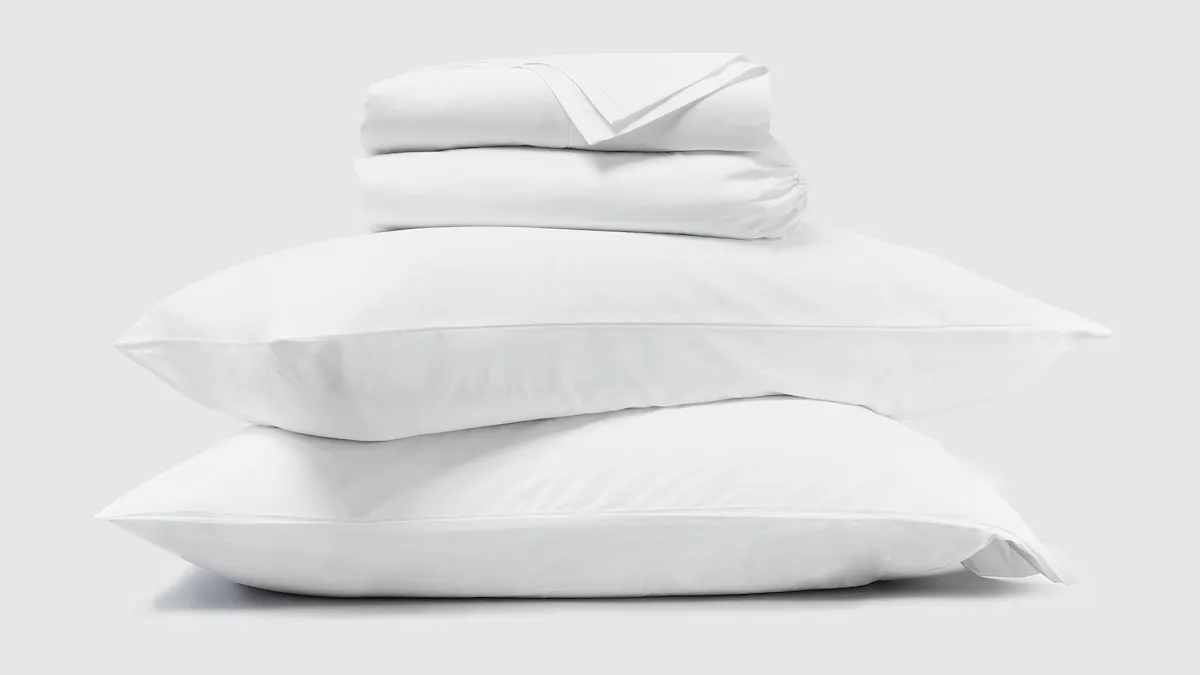
Saatva Organic Cotton Sheets are the choice I’d consider if you want to avoid making a treated-fabric claim the center of your purchase. Cotton is familiar, easy to understand, and a better starting point for shoppers who care most about the sheet’s underlying material rather than an antimicrobial story.
That is not an argument that silver-infused sheets are useless. It is an argument for priorities. If “self-cleaning” sounds attractive because you want a cleaner-feeling bed, first decide whether what you really need is breathable fabric, a texture you enjoy, easier routine care, or help limiting odor. Those are different needs.
For most shoppers, I prefer a clear material description and a realistic wash routine over a headline claim that risks being misunderstood. Check the current details on the official site before buying, including the fabric description and care instructions.
How I’d shop this category without falling for the label
The first question is not whether a sheet says antibacterial. It is what the seller says the treatment does. Look for language about reducing or controlling odor-causing bacteria on the fabric. That is more specific than a sweeping promise that the bedding stays clean on its own.
The next question is whether the company explains the base textile. Silver can be added to different fabrics, and the underlying construction will influence softness, breathability, drape, and how the sheet feels after washing. A treatment does not tell you whether the sheet will feel crisp, smooth, light, or substantial.
Then read the care directions as seriously as the marketing copy. If a seller still gives washing instructions, that is your answer to the “self-cleaning” question. The treatment may help the sheet stay fresher in the interval, but routine laundering remains part of owning it.
My bottom line on the label: Antibacterial is a feature. Self-cleaning is marketing shorthand. Fabric quality, honest construction details, and routine care are what determine whether the sheet earns a place on your bed.
Finally, don’t confuse odor control with every other bedding concern. A grounding sheet, for example, is a different kind of specialty product with its own materials and intended use. If that is what you are researching, read what a grounding sheet is rather than expecting an antibacterial sheet to fill that role.
FAQ
Do self-cleaning antibacterial sheets really clean themselves?
No. According to Microban’s guidance on antimicrobial bedding, these technologies are intended to help treated textiles stay fresher by controlling microbes. They do not remove sweat, oils, dust, stains, or other normal buildup from a bed.
What does silver-infused mean in sheets?
It means the bedding uses silver as part of an antimicrobial treatment. Today’s coverage of silver-infused bedding and product materials from Miracle Made describe the treatment as a way to limit bacterial growth on the fabric and reduce odor between washes.
Can antibacterial sheets replace washing bedding?
No. Wirecutter’s reporting on antimicrobial-sheet claims cautions that infused fabrics are not a substitute for washing. Regular laundering remains necessary because antibacterial treatments do not remove the everyday residue that collects on sheets.
Are self-cleaning sheets better for hot sleepers?
Not automatically. Antimicrobial treatment is mainly marketed for freshness and odor control, while cooling depends more on the base fabric and construction. Check the fabric details and care instructions rather than assuming the treatment changes temperature regulation.
Are antibacterial sheets worth buying?
They can be worth it if fresher-smelling bedding between washes is your priority and the base fabric also suits you. I would not pay attention to the claim alone, though. Buy the sheet for its material and feel first, then treat the antibacterial feature as an extra.
FINAL VERDICT
Before you settle: if self cleaning antibacterial sheets is what brought you here, the Saatva Organic Cotton Sheets is the value pick on this page — the strongest trial-and-return terms of the options covered here. Confirm current price, dimensions and terms on the official product page before ordering.
OUR CATEGORY-MATCHED PICK
Saatva Organic Cotton Sheets
- I’d choose Saatva Organic Cotton Sheets if you want straightforward cotton bedding over a silver-infused claim
- Saatva Organic Cotton Sheets are the choice I’d consider if you want to avoid making a treated-fabric claim the center of your purchase