
 by
by Quick answer: Yes, it can. If your protector restricts airflow or holds moisture at the surface, choose a thinner, less padded design that provides only the liquid protection you actually need.
- MattressNut's cooling-protector guide distinguishes Tencel, eucalyptus-derived, and phase-change designs.
- Waterproofing and surface cooling solve different problems.
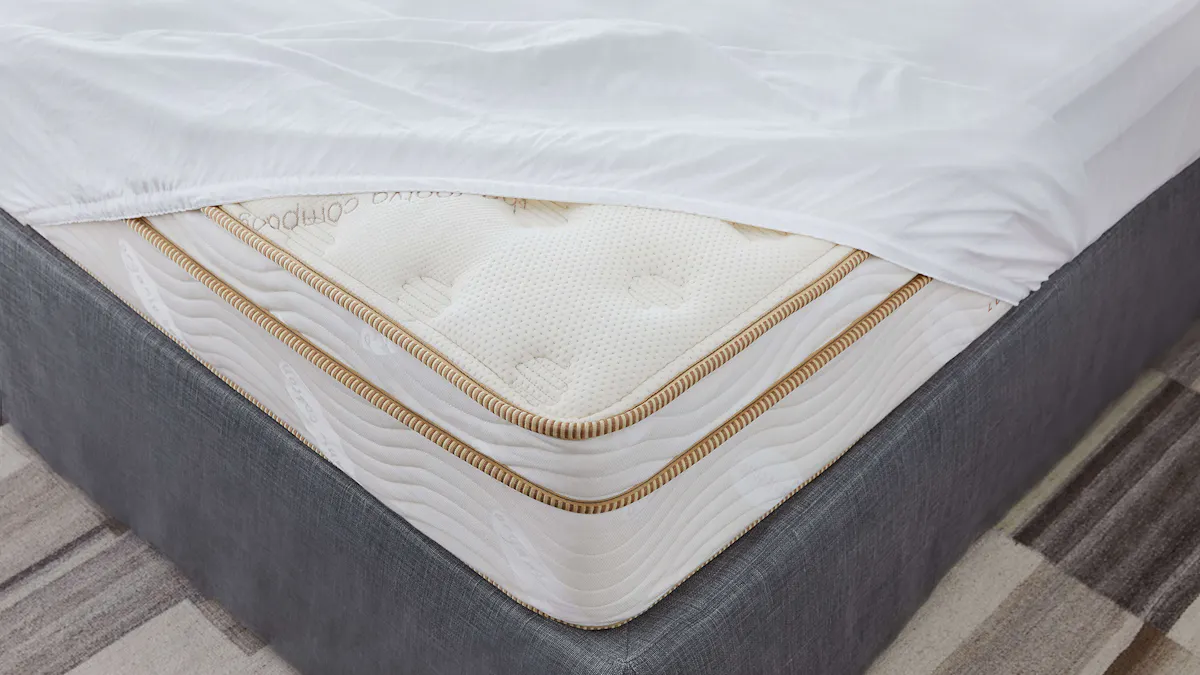
- The protector sits beneath the fitted sheet, where its complete layer stack affects feel.
Updated July 2026 · Reviewed for accuracy
Start with the protector, but don't blame it after a single uncomfortable night. The cleanest way to find the cause is to remove that layer briefly, keep everything else consistent, then reinstall it and compare.
My view is simple: keep the spill protection you genuinely need, but don't accept unnecessary padding or a poorly ventilated surface. A protector should preserve your mattress without making the bed noticeably less comfortable.
Why a mattress protector can feel hot
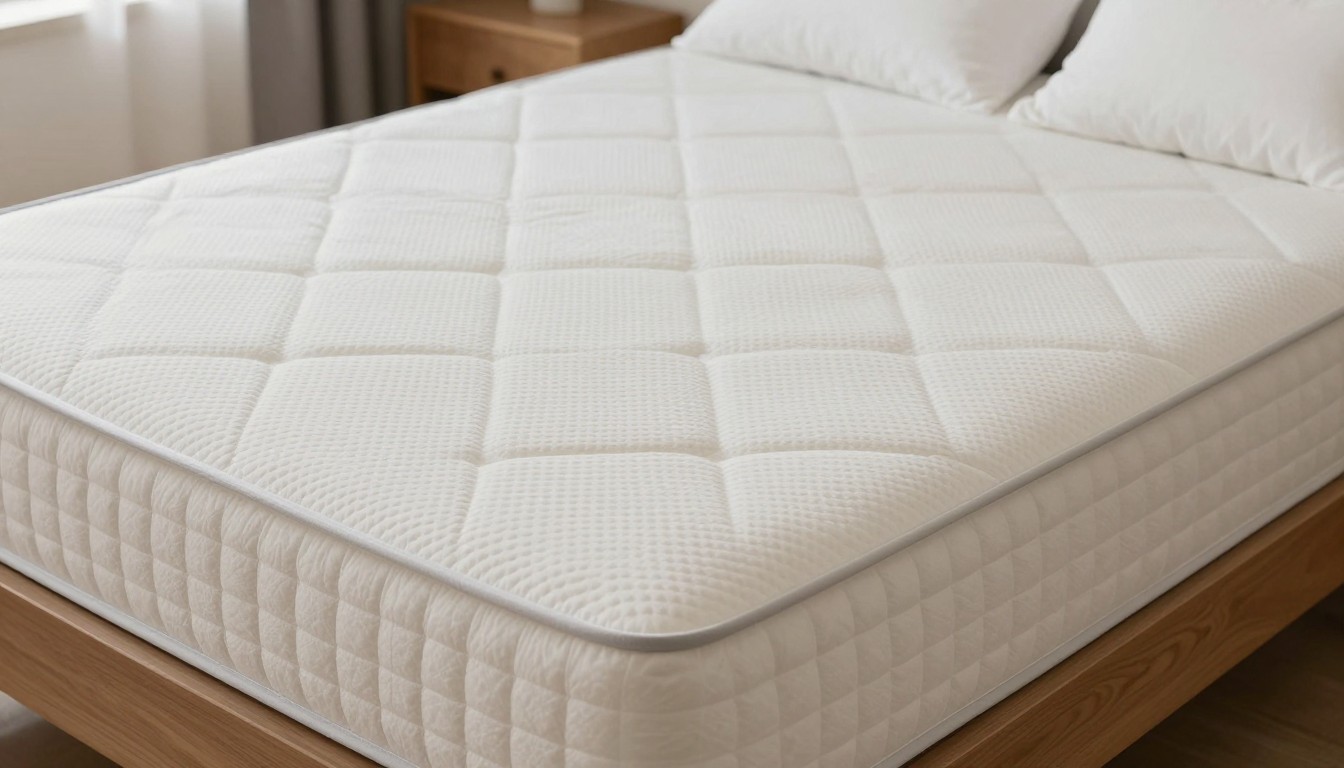
The protector is the last engineered layer between your body and the mattress, apart from the fitted sheet. That position gives even a relatively slim cover the ability to change airflow, moisture movement, surface softness, and the way heat feels around your body.
A waterproof protector needs a barrier that stops liquid from reaching the mattress. That barrier may also slow the movement of air or moisture vapor through the bed's surface. This doesn't mean every waterproof protector sleeps hot, but it explains why waterproofing and breathability must be judged separately.
Padding can add to the effect. A quilted or plush protector places more material over the mattress than a low-profile cover. The added material may soften the surface, but it can also create a more insulated feel, especially when paired with a substantial fitted sheet and warm bedding.
A useful clue: Heat concentrated where your body meets the bed points toward the sheet, protector, or mattress surface. Feeling warm everywhere also puts the room, sleepwear, and blankets under suspicion.
The face fabric doesn't tell the whole story. A cool-feeling knit can still be attached to padding or a waterproof underside that changes its overnight performance. If liquid protection is essential, use our waterproof mattress protector guide to understand the category, then inspect the construction of the specific cover rather than trusting a broad cooling label.
How to tell if the protector is really responsible
The strongest evidence is a repeatable change after the protector is removed and reinstalled while the rest of the bed stays the same. Changing the protector, sheet, blanket, sleepwear, and room temperature together won't tell you which adjustment mattered.
Run a controlled comparison:
- Begin with your normal setup and notice where the warmth develops.
- Remove only the protector on a comparable night, provided the mattress won't be exposed to spills or moisture.
- Keep the fitted sheet, blanket, sleepwear, and room conditions as consistent as practical.
- Reinstall the clean, fully dry protector according to its care instructions.
- Look for the same general result more than once rather than expecting identical nights.
If the bed feels cooler without the protector and warmer again after it returns, the protector probably contributes. If there is little difference, look harder at the fitted sheet, blanket, room conditions, sleepwear, and mattress itself. The protector can be part of a warm setup without being its main cause.
| What you notice | What it suggests |
|---|---|
| Warmth began after adding or replacing the protector | The new construction is a credible contributor, especially if no other bedding changed. |
| The bed feels cooler without it and warmer after it returns | The protector is affecting the sleep surface. |
| The result barely changes after removal | Another part of the sleep setup deserves attention. |
| Warmth appears mainly under heavier blankets | Top bedding may be contributing more than the protector. |
| The protector changed after laundering | Check that washing, drying, and detergent use followed the manufacturer's care label. |
A quick hand test isn't enough. It tells you how the top fabric feels at first contact, not how the full protector behaves under a sheet, your body, and blankets through the night. Construction and the controlled comparison are more useful than an initially cool touch.
The construction details that matter most
The visible fabric is only part of the protector. The waterproof backing, quilting, fill, seams, elasticity, and fit complete the surface that you actually sleep on. I care more about that finished assembly than a headline material name.
| Construction clue | Possible effect | What to verify |
|---|---|---|
| Continuous waterproof backing | Strong liquid protection, with a possible change in air and moisture movement | Which areas are waterproof and how the manufacturer describes breathability |
| Thick quilting or added fill | More cushioning and more material over the mattress | The complete layer description, not merely the fabric on top |
| Stretch fabric with minimal padding | A lower-profile surface that may preserve more of the mattress's original feel | Whether a waterproof layer still sits beneath the stretch fabric |
| Tencel or eucalyptus-derived face fabric | A material category commonly presented in cooling-protector guides | The backing, padding, and finished construction behind that face fabric |
| Phase-change description | A temperature-oriented feature rather than ordinary fabric wording | Where the feature is located and what care instructions apply |
| A vague “cooling” label | An intended benefit without enough construction detail to predict your result | Specific materials, backing, padding, and return terms |
MattressNut's cooling mattress protector guide identifies Tencel, eucalyptus-derived, and phase-change designs as separate options. Those labels are useful for narrowing the field, but none proves that the entire protector will feel cool on your bed. A surface fiber can't erase the behavior of every layer underneath it.
Fit matters too. A loose protector can wrinkle beneath the sheet, while an overly tight setup may distort the intended surface feel. Neither condition proves that the protector traps heat, but poor fit makes it harder to judge the construction fairly.
My construction rule: If the description names an attractive top fabric but says almost nothing about the underside, padding, or care requirements, there isn't enough information to predict thermal comfort confidently.
Sound and temperature should also be separated. A protector can feel quiet yet warm, or feel acceptably cool while making unwanted noise. Our silent mattress protector guide addresses the sound issue, but silence alone says little about airflow or moisture handling.
What to change before buying another protector
A clean, fully dry protector fitted according to its instructions gives you the fairest comparison. Before replacing it, check the setup for extra layers, laundering mistakes, or heavy bedding that may be amplifying the warm feeling.
- Smooth the protector flat and make sure it isn't folded or doubled beneath the sheet.
- Follow the protector's own washing and drying label rather than assuming every bedding cycle is suitable.
- If a separate mattress pad sits above or below it, decide whether both layers are necessary.
- Try lighter sheets or blankets while leaving the protector unchanged.
- Keep each comparison focused on a single change so the result remains useful.
- Check that the fitted sheet isn't forcing a padded protector into ridges or bunches.
If lighter top bedding solves the problem, replacing the protector may accomplish little. If the warmth remains until the protector is removed, a slimmer construction is the more logical target. If neither change helps, the mattress or room environment may play the larger role.
Don't trade away necessary protection: Frequent spills, pets, children, or incontinence can make waterproofing more valuable than a small comfort improvement. In those situations, change the protector's construction rather than leaving the mattress exposed.
Don't cut, puncture, or otherwise modify a waterproof barrier in an attempt to increase ventilation. That defeats the reason for owning it and makes the resulting protection unpredictable. A purpose-built replacement is the cleaner answer when the existing design doesn't suit you.
My verdict: match protection to the actual risk
If liquid protection isn't necessary, don't add a full waterproof barrier by habit. A simpler, low-profile cover may place less material between you and the mattress. If waterproofing is essential, look for the slimmest adequately protective construction with clear information about both the surface and backing.
Use this buying checklist:
- Decide whether you need waterproofing or only a removable surface cover.
- Read the description for both the face fabric and the underside.
- Check for quilting, fill, or other padding you don't need.
- Treat cooling terminology as a starting point, not proof of performance.
- Confirm that the care routine suits how you wash bedding.
- Read the seller's current return terms before relying on a cooling claim.
People dealing with frequent liquid exposure need a different balance from someone protecting against an occasional mark. Our protector guide for incontinence explains that higher-protection use case. The goal there is to preserve dependable liquid defense while avoiding unnecessary bulk.
Also keep expectations realistic. A thin protector can change the immediate sleep surface, but it can't guarantee that a warm mattress, heavy duvet, warm room, or insulating sleepwear will suddenly feel cool. The complete bed still matters.
The Nut's verdict: If a controlled comparison repeatedly points to the protector, replace it with a thinner design suited to your actual protection needs. If removal changes nothing, investigate the rest of the sleep setup before spending money.
ONE OPTION WORTH COMPARING
Shopping as well as reading? Here is one current option worth comparing: the Saatva Waterproof Protector. Check today’s price, sizing and return terms on the official product page before you order.
Saatva Waterproof Protector
- See the product page for full specs and current pricing
FAQ
Can a waterproof mattress protector make me sweat?
It can make the bed feel warmer or less comfortable if its finished construction slows airflow or moisture movement near your body. That doesn't mean every waterproof protector causes the same result, and the protector alone can't explain every episode of nighttime warmth.
Will removing my mattress protector make the bed cooler?
It may, particularly if the protector is padded or uses a barrier that affects the surface feel. Remove it only for a careful comparison when the mattress is unlikely to be exposed to liquid, then reinstall it to see whether the warmer feeling returns.
Are Tencel, eucalyptus, or phase-change protectors always cooler?
No material label guarantees a cooler result. MattressNut's cooling-protector guide treats these as distinct design categories, but the backing, padding, sheets, mattress, and bedding still influence how the finished setup feels.
Can a cooling protector fix a mattress that sleeps warm?
A protector may improve the immediate surface, but it can't necessarily overcome the thermal feel of the entire mattress and bedding stack. If the bed stays just as warm after changing or removing the protector, look beyond the protector rather than adding more cooling-labelled layers.
How do I tell whether my sheets or protector are causing the heat?
Change a single layer while keeping the rest of the setup as consistent as practical. If the bed cools after changing the sheet but not after removing the protector, the sheet is the stronger suspect; if the opposite happens, focus on the protector.