
 by
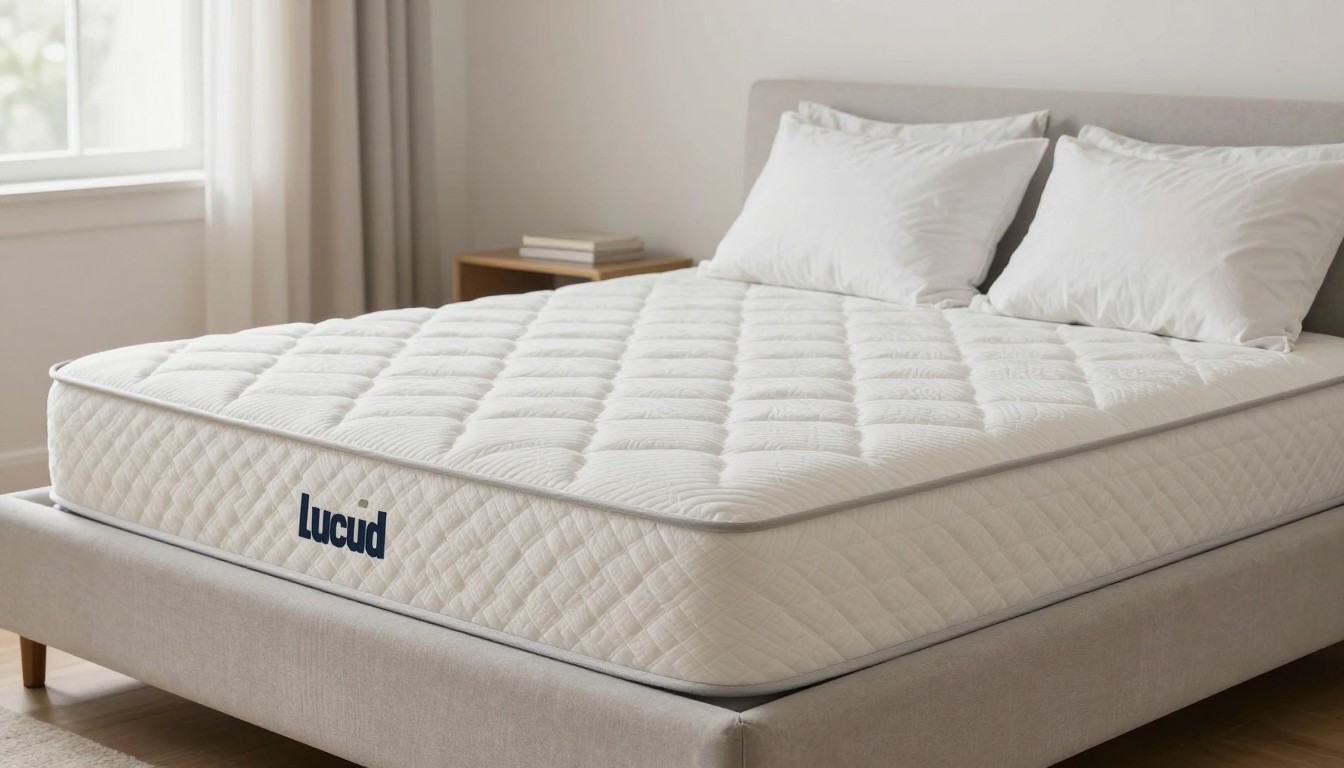
by Quick answer: I’d lean Lucid for shoppers who value a stated trial, but only after checking the exact model. Zinus may fit another sleeper, yet the evidence doesn’t support a brand-wide winner.
- According to TalkAboutSleep, Lucid carries a 100-night trial.
- TalkAboutSleep lists a Lucid price point of $170.
- The same comparison lists another Lucid price point of $392.
Updated July 2026 · Reviewed for accuracy
Lucid vs Zinus isn’t a clean brand-level knockout. Yawnder frames the matchup around features, materials, and customer satisfaction, while Slumber Search focuses on firmness, sleeper fit, and owner feedback. Those are useful categories, but the exact mattress and seller still decide whether either brand makes sense.
My verdict is deliberately narrow. Lucid gets the slight edge if its reported trial is honored for the model in your cart. Zinus remains a reasonable candidate when its exact construction, feel, and purchase terms suit you better.
Lucid vs Zinus: my verdict at a glance
The clearest ownership term in this matchup is Lucid’s 100-night trial, as reported by TalkAboutSleep. That gives Lucid a tangible advantage for a buyer who wants time to judge comfort at home, provided the retailer confirms that same policy before payment.
I won’t treat missing Zinus data as evidence of a worse policy. It simply means there isn’t a matching Zinus trial figure in the cited comparison facts. A fair verdict has to stop there rather than filling the gap with an assumption.
| Decision point | Lucid | Zinus |
|---|---|---|
| Published trial information | TalkAboutSleep reports 100 nights; verify it with the seller. | No matching term appears in the cited comparison facts; check the exact seller policy. |
| Published price examples | TalkAboutSleep lists $170, $188, $221, $240, and $392. | No exact comparison figure is stated, so check the current model listing. |
| Construction verdict | Depends on the named model and its disclosed layer stack. | Depends on the named model and its disclosed layer stack. |
| Best use case | The shopper who confirms the reported trial and likes the exact model’s feel. | The shopper who finds a better-matched construction or clearer seller terms. |
Yawnder says its comparison examines materials and customer satisfaction, but that framing doesn’t make every mattress under either name interchangeable. Slumber Search likewise compares firmness and sleeper suitability. I’d use those categories to narrow the field, then make the final choice from model-specific documentation.
The Nut’s call: Lucid wins on the only directly stated trial term. Neither brand wins construction, cooling, motion control, edge support, or overall comfort without a matched model comparison.
Construction matters more than the brand name
TalkAboutSleep lists Lucid price points ranging from $170 to $392. That spread is a warning against treating Lucid as one fixed mattress with one construction and one feel. The same caution applies to a broad Zinus search.
Start with the layer breakdown for the exact mattress. Identify whether the support system is foam or coils, what sits above it, and whether the manufacturer explains the role of each layer. A marketing label by itself doesn’t tell you how deeply the surface will compress or how firmly the core will hold you up.
Foam density and coil gauge would help with a durability comparison, but no such figures are stated in the cited facts. I therefore wouldn’t claim that either brand has the tougher support core. If a seller omits those details, durability remains an open question rather than an automatic win or loss.
Construction details I’d verify before choosing:
- The full layer order, not just the material named in the product title.
- Whether the support core uses foam, coils, or another stated structure.
- Any disclosed foam density or coil gauge.
- Whether the perimeter has a separate reinforcement system.
- The cover-care instructions and whether removal is permitted.
- The exact fire-barrier description supplied by the manufacturer.
That checklist matters because a softer comfort layer and a stable core perform different jobs. More surface give can change pressure distribution, while the support core controls how far the sleeper settles. Without the layer arrangement, words such as plush, medium, or supportive don’t explain how the mattress achieves its feel.
Price doesn’t settle construction quality either. A lower current price isn’t proof of weak materials, and a higher one isn’t proof of better durability. I’d pay attention to what is disclosed, what remains vague, and whether the seller’s terms leave room to correct a poor fit.
Comfort and sleeper fit need a model-level comparison
Firmness is one of the comparison categories named by Slumber Search. That’s the right starting point, but a brand-wide firmness verdict would be misleading. The query identifies Lucid and Zinus, not one matched firmness option from each company.
Side sleepers should examine whether the chosen surface allows enough room for the shoulder and hip without losing support through the middle. Back sleepers can focus on whether the comfort layers permit a neutral, settled position. Stomach sleepers should be especially cautious of any model description that promises deep sink without explaining the support beneath it.
Those are fit questions, not medical predictions. A mattress can feel inviting to one sleeper and unstable to another, even when both people are looking at the same product page. Firmness labels help with sorting, but they don’t replace the at-home judgment that a confirmed trial permits.
Choose by the problem you’re trying to solve:
- Need time to assess comfort? Lucid has the stronger documented case because TalkAboutSleep reports a 100-night trial, subject to confirmation for the exact purchase.
- Need a particular construction? Compare the actual layer stacks. The brand names alone don’t establish a winner.
- Unsure about firmness? Favor the listing that explains its feel and support system most clearly, then confirm the return terms.
- Sharing the bed? Look for model-specific owner feedback about movement and usable edge space rather than general brand ratings.
I’d also separate initial softness from usable support. A thick-looking comfort section can sound appealing, but its performance depends on the materials and core below it. If neither listing gives enough detail to explain that relationship, I’d postpone the brand verdict until the seller answers the missing questions.
Customer satisfaction can add context, which is why both Yawnder and Slumber Search include it in their comparison approach. Still, owner comments are most helpful when they identify the exact model, sleep position, purchase channel, and issue being discussed. A broad brand complaint or compliment may not transfer to the mattress you’re considering.
Cooling, motion isolation, and edge support
Neither cited comparison summary supplies a temperature measurement, motion score, or edge-support result for a matched Lucid and Zinus pair. I can’t honestly crown a winner in these categories from brand names alone.
For cooling, inspect the route heat and air would take through the mattress. A seller should identify the cover, comfort materials, and support structure clearly enough for you to understand whether airflow is part of the construction or merely part of the sales language. Cooling labels without a layer explanation deserve caution.
Motion isolation is equally model dependent. Instead of assuming either brand handles movement better, look for verified owner reviews discussing whether a partner’s turning or getting out of bed is noticeable. Make sure the review names the same mattress and construction shown in your cart.
| Performance area | What to inspect | What not to assume |
|---|---|---|
| Cooling | Cover, comfort layers, airflow path, and model-specific owner feedback | That a cooling term in the title proves cooler sleep |
| Motion isolation | Exact support system and verified feedback from couples | That every mattress from one brand behaves alike |
| Edge support | Any stated perimeter reinforcement and comments about sitting or sleeping near the edge | That overall firmness guarantees a stable perimeter |
Edge support deserves its own check because the perimeter may be built differently from the center. A clear description of reinforced edges is more useful than a general claim that the mattress is supportive. If the product page says nothing about perimeter construction, treat edge performance as unresolved.
My rule: no model-level evidence means no category winner. That may sound strict, but it prevents a broad brand reputation from standing in for the mattress actually being purchased.
Price, trial, and ownership risk
TalkAboutSleep records Lucid figures of $170, $188, $221, $240, and $392. Those entries shouldn’t be read as one universal or current quote. Check the price attached to the exact configuration and seller you intend to use.
The spread also makes a simple “Lucid is cheaper” conclusion impossible. There is no matching Zinus figure in the cited comparison facts, so a numerical price winner would be unsupported. Compare the live totals only after you’ve matched the construction and firmness closely enough for the products to be genuine alternatives.
TalkAboutSleep reports a 100-night Lucid trial. That is useful, but the practical value depends on the policy attached to your transaction. Confirm who accepts the return, what condition is required, and whether any collection or shipping responsibility falls on the buyer.
Before paying, save or confirm:
- The exact model name and seller.
- The complete return and trial wording.
- The warranty terms in effect on the purchase date.
- The order confirmation and product listing.
- Any care instructions that affect eligibility for a claim.
Zinus shoppers can use this Zinus warranty claim guide to understand the questions worth asking before a problem occurs. The key is to read the policy tied to your purchase rather than relying on a general impression of the brand.
Delivery and setup should also be checked on the seller page. Neither cited comparison fact set establishes a brand-wide advantage for handling, removal, or return logistics. Those details can change the real value of a purchase even when the mattress price looks attractive.
Who should pick Lucid, and who should pick Zinus?
The 100-night Lucid term reported by TalkAboutSleep is the strongest documented separator. I’d pick Lucid if the seller confirms that term, the chosen model has a clear layer breakdown, and its stated firmness matches the sleeper’s preferences.
Pick Lucid if:
- The exact listing confirms the reported trial.
- The manufacturer clearly explains the model’s materials and support system.
- The stated feel suits your sleep position and preference.
- The current price makes sense after checking the return conditions.
Pick Zinus if:
- A specific Zinus model offers the construction you actually want.
- Its seller provides clearer terms than the Lucid alternative you’re viewing.
- Model-specific owner feedback addresses your concerns about feel, motion, or the edge.
- You’ve verified the current price and policy rather than relying on a broad brand comparison.
Zinus isn’t the loser simply because fewer numerical facts are stated here. It can be the better personal choice if the exact model is better documented or better aligned with your preferences. Readers still weighing the brand can also see how the decision changes in our Zinus vs Tuft & Needle comparison.
Final verdict: Lucid earns my cautious lean because TalkAboutSleep reports a defined trial. Zinus can still be the right buy, but only a matched model comparison can settle construction and comfort. Choose the mattress with the clearer specifications and confirmed seller terms, not the more familiar logo.
ONE VERIFIED ALTERNATIVE
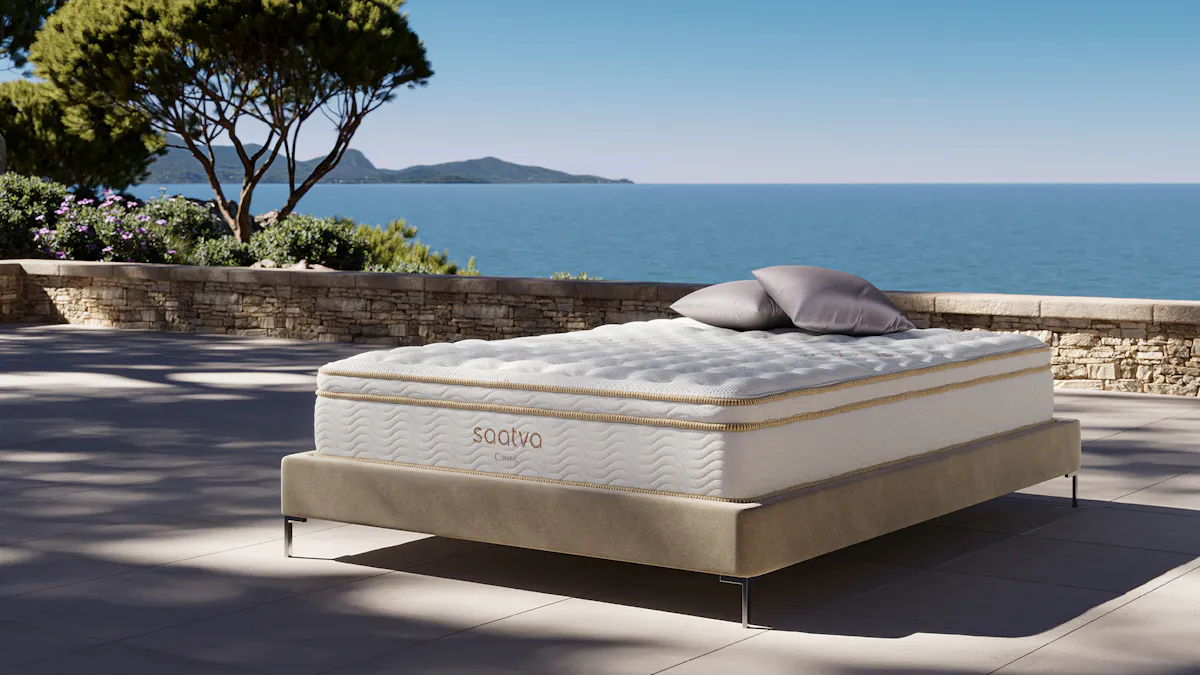
Not quite the right fit? The Saatva Classic is worth a look as an alternative. Check today’s price, sizing and return terms on the official product page before you order.
Saatva Classic
- 365-night home trial and lifetime warranty, per saatva.com
- Handcrafted in the USA, free white-glove delivery
- Flexible financing available
FAQ
Is Lucid better than Zinus?
Lucid has the clearest documented advantage because TalkAboutSleep reports a 100-night trial. That doesn’t prove better construction or comfort, so compare the exact models before deciding.
Which is cheaper, Lucid or Zinus?
TalkAboutSleep lists Lucid price points of $170, $188, $221, $240, and $392, but the cited facts contain no matched Zinus figure. Check current prices for comparable constructions rather than declaring a brand-wide price winner.
Does Lucid offer a sleep trial?
TalkAboutSleep reports a 100-night Lucid trial. Confirm that the same term applies to the exact mattress and seller before purchasing.
Is Lucid or Zinus better for side sleepers?
There isn’t enough model-specific firmness or construction evidence to name one brand. A side sleeper should compare how each exact model describes surface give, support, and its return policy.
How should I compare the warranties and returns?
Read the terms attached to the exact seller and model, then retain the listing and order documents. Don’t assume one policy covers every purchase channel or every mattress carrying the same brand name.