
 by
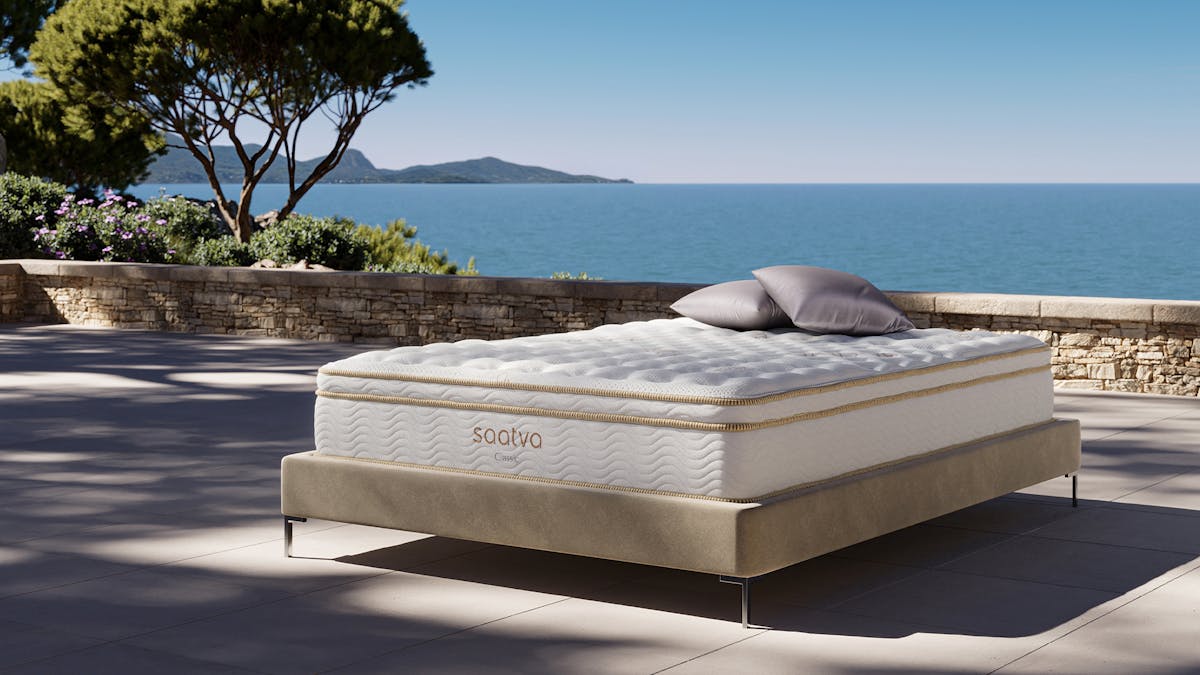
by The best mattress for spina bifida is one that redistributes pressure across a wide surface, stays responsive enough for repositioning, and provides outstanding edge support for safe bed transfers. Our top pick is the Saatva Classic: its dual-coil construction with a reinforced lumbar zone pad delivers exceptional edge support (critical for wheelchair-to-bed transfers), zoned spinal alignment, and a responsive coil feel that makes repositioning far easier than deep-sinking foam. The Amerisleep AS3 is the best all-foam alternative for those who prefer a foam-based medium feel.
Saatva Classic
9.3/10
- Outstanding edge support (rated 10/10 by NapLab), critical for wheelchair-to-bed transfers
- Dual-coil construction with reinforced lumbar zone pad and Lumbar Zone Active spinal wire
- Responsive coil feel makes repositioning easier than deep-sinking memory foam
- Free white-glove delivery, in-room setup, old mattress removal, 365-night trial, lifetime warranty
- Ships flat, not compressed, requires more coordination for delivery access
- $99 return processing fee during trial
For spina bifida, the Saatva Classic's edge support and coil responsiveness address the two biggest practical issues: safe bed transfers and ease of repositioning. The Luxury Firm option at 6/10 gives enough pressure distribution for reduced-sensation tissue without the sinkage that complicates lateral movement. The 365-night trial and lifetime warranty give you genuine time to confirm the fit.
What spina bifida needs from a mattress
Spina bifida is a neural tube defect that leaves varying degrees of sensory and motor impairment in the lower body. For mattress selection, three issues matter more than standard sleep preferences:
- Pressure redistribution. Reduced or absent sensation in the lower body means pressure sores can develop without warning. A mattress that concentrates load under the sacrum, hips, or heels rather than spreading it poses a real clinical risk. Medium-density foam and zoned construction both help; very firm coil beds without adequate comfort layers do not.
- Repositioning ease. Memory foam that "hugs" deeply can make turning difficult for someone with limited lower-body strength. More responsive materials, such as open-cell foam or a latex-topped hybrid, support repositioning without fighting the sleeper.
- Bed height and edge stability. Most people with spina bifida who use a wheelchair need a mattress surface between 20 and 24 inches from the floor to allow safe lateral transfers. Solid perimeter edge support prevents the mattress from rolling away during the transfer motion.
None of these requirements points to the firmest possible mattress. A medium feel with zoned construction typically scores better across all three than either a plush or extra-firm bed.
Mattresses compared: spina bifida-relevant specs
| Mattress | Type | Firmness | Pressure relief | Edge support | Trial |
|---|---|---|---|---|---|
| Saatva Classic | Innerspring hybrid | Luxury Firm 6/10 | Excellent, zoned lumbar coil pad | Outstanding | 365 nights |
| Amerisleep AS3 | All-foam (Bio-Pur) | Medium 5/10 | Excellent, HIVE 5-zone | Moderate | 100 nights |
| Saatva Rx | Hybrid (therapeutic) | Therapeutic 5-6/10 | Excellent, reinforced lumbar pad | Outstanding | 365 nights |
Amerisleep AS3
8.9/10
- HIVE 5-zone layer relieves pressure at the lumbar and sacrum without deep sinkage
- Partially plant-based Bio-Pur foam, CertiPUR-US certified, open-cell for breathability
- Medium firmness (5/10) balances pressure redistribution with spinal support
- Made in the USA, free continental delivery, 20-year warranty
- All-foam edge is softer than a coil hybrid, which can complicate bed transfers
- Sleepers over 230 lb may find better support with the AS5 Hybrid
For spina bifida sleepers who prefer an all-foam feel, the AS3's HIVE 5-zone Bio-Pur construction delivers zoned pressure relief under the lumbar and sacral area. The medium feel keeps the spine neutral without the concentrated pressure points that firm beds create over reduced-sensation tissue. Note that the softer foam edge makes transfers slightly harder than a coil-based option.
Firmness, sleeping position, and spina bifida
The ideal firmness for spina bifida depends on two factors: the level and severity of sensory impairment, and the primary sleeping position.
- Back sleeping is the most common position for people with lower-body impairment because it minimizes lateral pressure on the hips. A medium to medium-firm mattress (5-6.5/10) keeps the sacrum supported without creating a concentrated pressure point. A small pillow under the knees maintains natural lumbar lordosis.
- Side sleeping is achievable with positioning aids, but requires a mattress with genuine pressure relief at the hip and shoulder. The Amerisleep AS3 handles this well; the Saatva Classic in Luxury Firm is also adequate for most builds.
- Stomach sleeping is generally not recommended for anyone with spinal conditions, including spina bifida, because it exaggerates lumbar extension.
Moisture management and mattress protection
Bladder and bowel involvement is common with spina bifida, making mattress protection a practical necessity rather than an optional add-on. Use a breathable waterproof mattress protector, not a thick plastic cover. A tight plastic cover traps heat, raises surface temperature, and increases the risk of skin breakdown over reduced-sensation tissue. Breathable polyurethane protectors let moisture vapor escape while blocking liquid penetration.
Pair the protector with regular mattress inspection. People without full sensation may not notice early pressure indications, so a weekly visual check of the skin at contact points (sacrum, heels, lateral hips) is worthwhile.
Adjustable base considerations
An adjustable bed frame can meaningfully reduce lumbar disc pressure by raising the head or foot to a zero-gravity position. For spina bifida this matters because it takes load off the sacral and lumbar regions during extended periods in bed. Both the Saatva Classic and Amerisleep AS3 are compatible with adjustable bases; the Saatva Classic's split option allows each side to adjust independently, and the AS3 is flex-certified.
Medicare adjustable base coverage is sometimes available if a physician documents medical necessity, which can apply to spina bifida cases.
Frequently asked questions
Is a firm or soft mattress better for spina bifida?
Neither extreme. A firm mattress concentrates load on the sacrum and hips, which creates pressure sore risk over reduced-sensation tissue. A very soft mattress lets the hips and spine sag into misalignment. Medium firmness (5-6.5/10) distributes weight most evenly across the lower back and pelvis, which is the practical target for most spina bifida sleepers.
What mattress type is best for preventing pressure sores?
Zoned foam or a coil hybrid with a responsive comfort layer generally outperforms a basic coil-only innerspring for pressure redistribution. The Saatva Classic's lumbar zone pad and dual-coil construction perform well here, with the added benefit of easier repositioning due to coil bounce. The Amerisleep AS3's HIVE 5-zone layer also differentiates firmness by body zone rather than applying uniform resistance.
How high should the mattress be for wheelchair transfers?
Most transfer guidelines target 20-24 inches from floor to mattress surface. The Saatva Classic in 14.5-inch height on a standard platform frame typically lands in this range. Measure from floor to mattress top including any topper before purchasing.
Can a mattress topper help for spina bifida?
A 2-inch latex or gel-foam topper on a firm base can improve pressure distribution if the underlying mattress is too firm. Avoid toppers thicker than 3 inches as they can destabilize lateral movement and make repositioning harder.
For spina bifida, choose medium firmness with zoned pressure relief, responsive repositioning, and strong edge support. The Saatva Classic is our top pick for its outstanding edge support suited for bed transfers, dual-coil lumbar zoning, and 365-night trial. The Amerisleep AS3 is the best all-foam alternative with HIVE 5-zone Bio-Pur construction on a 100-night trial. Pair either with a breathable waterproof protector.
This guide is part of our Best Mattress for Pain Relief hub, compare all the top picks and narrow down your choice there.