
 by
by Topic Overview / What Matters
A mattress pad is the soft layer between your fitted sheet and the mattress itself. The job is comfort, not protection, even though many pads add a light spill barrier. Pads come in four main materials, each with a different feel, weight, and price point. The best pad depends on your sleeping position, your current mattress firmness, and your weekly washing habits. A 1.5 inch pad transforms a firm mattress into something close to plush, while a quarter inch quilted pad mainly adds a softer hand feel without changing support. The wrong pad shifts the support layer of your mattress and can cause back pain within two weeks. Sizing matters as much as material. Buy by mattress depth, not by name.
Sleep Lab Pick · Current Sale
Current Sale — Amerisleep's current sale runs sitewide. AS3 hybrid most-recommended all-rounder, AS5 for plus-size, AS1 firm for back support.
Type / Material Comparison
| Type | Best For | Avoid If | Price |
|---|---|---|---|
| Quilted cotton | Light comfort boost | Need plushness | $60 to $130 |
| Wool topper | Temperature balance | Wool allergy | $150 to $400 |
| Latex topper | Bounce and support | Light frame | $200 to $500 |
| Memory foam | Pressure relief | Hot sleepers | $80 to $300 |
| Organic cotton fill | Allergy households | Heavy spillers | $130 to $280 |
Quilted cotton is the lightest option and adds maybe a quarter inch of feel. Wool toppers regulate temperature better than any synthetic and last 10 years if rotated. Latex is the heaviest material and adds real bounce, but a 3 inch latex topper can weigh 40 pounds and is hard for one person to fit. Memory foam delivers pressure relief but traps heat, so look for gel infused models if you sleep warm. Organic cotton fill suits households that want a hypoallergenic surface and weekly washability.
Performance & Care
Match pad depth to your mattress depth. Most fitted pads handle 14 to 18 inches. If your mattress is taller than 18 inches, search for deep pocket models, which add a 22 inch elastic skirt. Wash quilted and cotton pads weekly with sheets on warm. Wool pads need cool water and air drying. Latex must never go in the washer or dryer because the heat breaks down the cell structure. Memory foam pads are spot clean only. Rotate any thick topper monthly to prevent body impressions. The most common buyer mistake is buying a pad that exceeds 2 inches without checking sheet depth, which causes sheet popping every morning. Order deeper sheets at the same time.
View Saatva accessory collection
The Saatva Choice
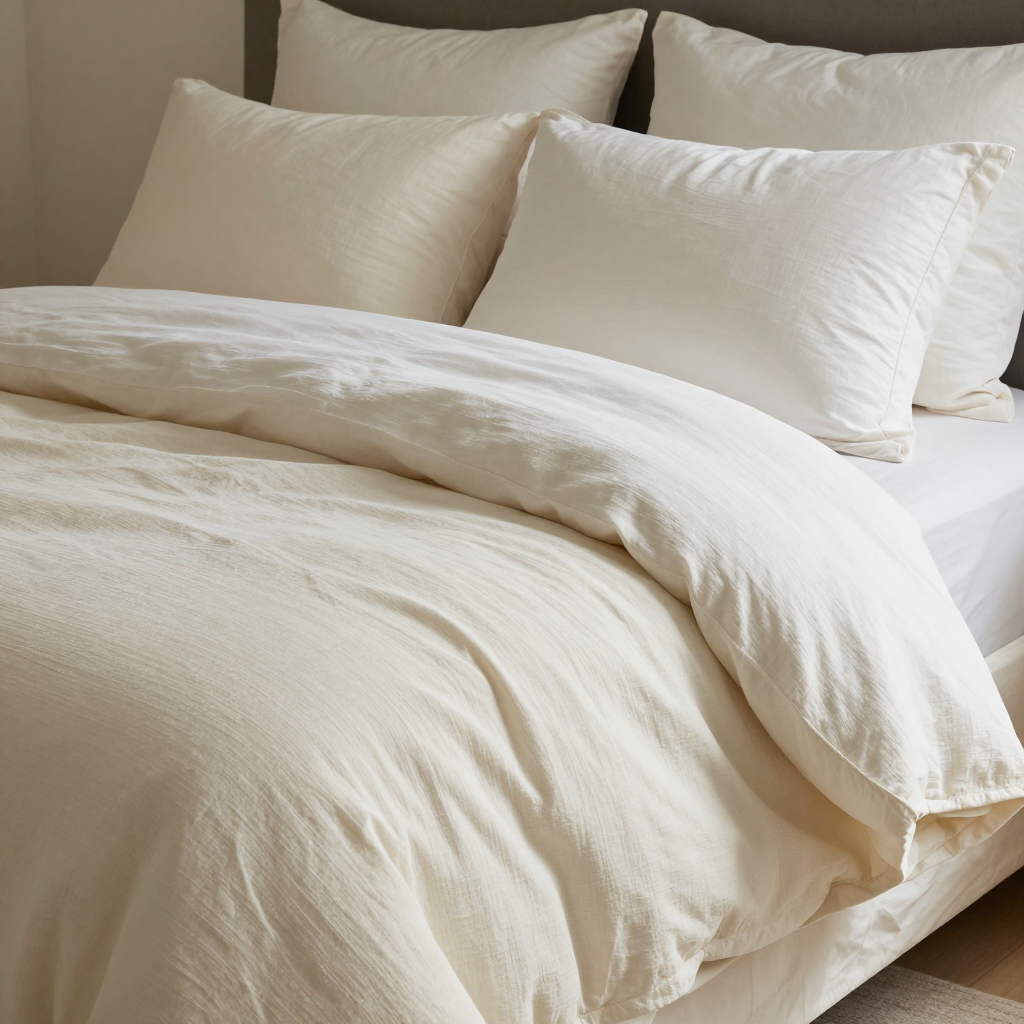
The Saatva Organic Mattress Pad sits in the quilted cotton category, with a 300 thread count organic cotton top quilted over a soft polyester fill. It adds about half an inch of plushness, which is the right amount to soften a medium firm mattress without changing the underlying support. The fitted skirt fits depths from 11 to 16 inches, which covers nearly every mattress sold in the past five years. Care is simple: machine wash cold, tumble dry low, no special rotation needed since the pad is too thin to develop body impressions. Owners who want more plushness should look at the Saatva Mattress Topper line, which adds 1.5 inches of fill in wool or graphite memory foam. The pad runs around 165 dollars in queen size, lasts five to seven years, and ships free.
Buying Decision
Buy a pad if you like your current mattress but want a slightly softer surface. Buy a topper, not a pad, if you need to fix a too firm mattress or extend the life of an old one. Skip pads entirely if your mattress already has a pillow top, since adding more padding usually causes back pain. Always measure your mattress with a tape, since brand listings round depth and can be off by an inch. The Saatva pad fits the soften slightly use case best. For real plushness, step up to a wool or memory foam topper at 250 dollars plus.
Bottom Line
A mattress pad fine tunes comfort. A topper changes the feel. Pick the right tool for the job, match the depth to your mattress, and budget 100 to 250 dollars for a quality cotton or organic option. Saatva organic pad covers the soften slightly use case for most buyers.
Get Saatva accessory - free shipping
FAQ
What is the difference between a mattress pad and a topper?
A pad is thin, fitted, and adjusts surface feel by a quarter to half inch. A topper is thick, sits on top without a skirt, and adds 1.5 to 4 inches of new sleep surface. Pads cost less, wash easier, and rarely affect support. Toppers transform the mattress feel.
Can I put a mattress pad on a memory foam bed?
Yes, but pick a thin pad to avoid blocking the foam contour. A quilted cotton pad works fine. Avoid thick wool or memory foam toppers on memory foam mattresses, since stacked layers can cause sliding and poor edge support over time.
How often should I replace a mattress pad?
Quilted cotton pads last three to five years with weekly washing. Wool pads last 10 years if rotated. Replace sooner if you see permanent body impressions, lumps in the fill, or holes in the skirt. Yellowing alone is cosmetic and not a reason to replace.
Will a mattress pad void my warranty?
No, pads are sold as an accessory and never void warranty. They actually help warranty by reducing surface stains. Confirm the pad allows airflow if your mattress requires ventilation, which most memory foam and hybrid models do.
Is organic cotton worth the premium?
For allergy households, yes. Organic cotton skips pesticide residue and most chemical finishes. For other buyers, the comfort feel is similar to standard cotton. Pay the premium when air quality matters or when you wash bedding more than once a week.