
 by
by
Editor's pick, melatonin-free
NooCube Sleep Upgrade
Melatonin-free formula · 60-night guarantee · Lemon balm 600 mg + magnesium + lavender
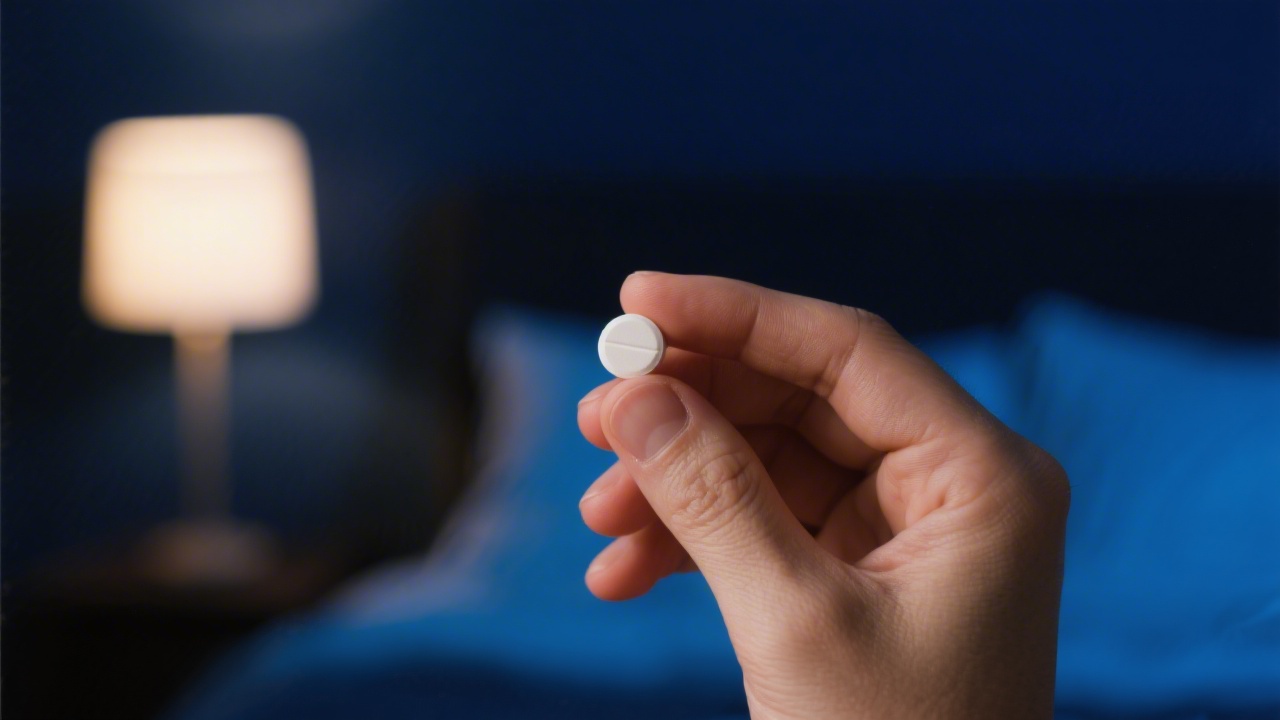
Melatonin is the best-selling sleep supplement in America, yet most people take the wrong dose at the wrong time and wonder why it does not work well. The research on melatonin is clear: it is a circadian signal, not a sedative. Understanding that distinction changes how you use it.
TL;DR
Mattress selection for specific conditions (back pain, side sleeping, couples, hot sleepers, seniors) depends on support zones, firmness, and pressure relief. Saatva Rx ($2,095) is designed specifically for chronic pain sleepers with lumbar zone support.
Jump to section
Upgrade your sleep with the right mattress
The supplements above work best on a supportive mattress. The Saatva Classic consistently tops our comfort and longevity tests.
What Melatonin Actually Does
Melatonin is a hormone produced by the pineal gland in response to darkness. It signals to the brain and body that nighttime has arrived and that sleep-promoting processes should begin. It does not knock you out like a sedative. It tells your circadian clock it is time to sleep. The distinction matters enormously for how and when to take it.
NooCube Sleep Upgrade
A melatonin-free sleep supplement that works with your body instead of replacing hormones. Clinical testing (DBEM) showed 35% faster sleep onset and 28% higher sleep score on Oura/Whoop over 30 nights.
- Lemon balm 600mg + lavender extract for calm
- Magnesium citrate + calcium + vitamin D3 for sleep architecture
- No habit-forming ingredients, no morning grogginess
- 60-day money-back guarantee, GMP-certified USA manufacturing
Disclosure: we may earn a commission from this link at no extra cost to you.
The Dosage Problem: Why Less Is More
The most important finding in melatonin research is that physiological doses (0.1-0.5 mg) are as effective as pharmacological doses (5-10 mg) for sleep onset, but with dramatically fewer side effects. This was demonstrated clearly in a landmark 2001 study by MIT's Richard Wurtman, who showed 0.3 mg was the most effective dose for restoring normal sleep in older adults.
Standard commercial supplements in the US are 5-10 mg - 10 to 30 times the effective dose. This explains the grogginess, vivid dreams, and paradoxical wakefulness that many users report at standard doses.
The Timing Problem: Most People Take It Too Late
Melatonin should be taken 1-2 hours before your intended bedtime, not immediately before bed. When taken at or near bedtime, melatonin is acting on a system that is already initiating sleep - too late to optimally signal the circadian shift. Taken 1-2 hours before, it has time to build in the system and reinforce the natural melatonin rise.
When Melatonin Works Best
| Use Case | Evidence | Recommended Protocol |
|---|---|---|
| Jet lag | Strong | 0.5-3mg at destination bedtime for 3-5 nights |
| Shift work | Strong | 0.5-3mg timed to desired sleep onset |
| Delayed sleep phase | Strong | 0.5mg 5 hours before current sleep time |
| General insomnia | Moderate | 0.5-1mg, 2 hours before bed |
| Sleep maintenance insomnia | Weak | Consider magnesium or CBT-I instead |
Melatonin vs. Other Sleep Supplements
For circadian disorders and jet lag, melatonin is the first-line supplement. For general sleep quality and sleep maintenance issues, magnesium glycinate, L-theanine, and dietary interventions (tart cherry, sleep-supportive foods) often produce better results with less risk of dependency or morning grogginess. These approaches work on different mechanisms and can be combined at appropriate doses.
Side Effects and Safety
At low doses (0.5-1 mg), side effects are rare. At commercial doses (5-10 mg), morning grogginess, vivid or disturbing dreams, and headaches are commonly reported. There is theoretical concern about chronic high-dose melatonin affecting natural production over time, though evidence is limited. Children and adolescents should use melatonin only under physician guidance, as it may affect reproductive hormone development during puberty.
Practical Starting Protocol
- Start with 0.5 mg (split a standard 1 mg tablet if needed)
- Take 1.5-2 hours before your target bedtime
- Keep the room dark after taking it - light exposure blunts melatonin function
- Use for 1-2 weeks maximum for acute issues; assess longer-term use with a physician
Related Sleep Guides
Frequently Asked Questions
What is the correct melatonin dosage for sleep?
Research consistently finds 0.5-1 mg is as effective as 5-10 mg for sleep onset, with significantly fewer side effects. Most commercial supplements are 5-10 mg, which is pharmacological rather than physiological. Start with 0.5 mg and increase only if needed.
When should I take melatonin for best results?
Melatonin is most effective when taken 1-2 hours before your target bedtime, not immediately before bed. This gives it time to work with your circadian rhythm rather than against it. For jet lag, timing depends on the direction of travel.
Is melatonin safe to take every night?
Short-term use (up to 3 months) is generally considered safe. Long-term nightly use is more controversial. Some research suggests the body may reduce its own melatonin production with chronic exogenous supplementation. Cycle off periodically and address underlying sleep causes.
Why does 10 mg melatonin make me feel worse the next day?
High doses of melatonin linger in the bloodstream. 10 mg can produce melatonin concentrations 10-100x above physiological levels, causing next-day grogginess, vivid dreams, and in some people, paradoxical wakefulness. Dropping to 0.5-1 mg usually eliminates these effects.
Does melatonin help with insomnia or just jet lag?
Melatonin's strongest evidence is for circadian disorders: jet lag, shift work, and delayed sleep phase syndrome. For primary insomnia (difficulty falling or staying asleep unrelated to circadian issues), the evidence is weaker. Magnesium or CBT-I are often more appropriate for primary insomnia.
Upgrade your sleep with the right mattress
The supplements above work best on a supportive mattress. The Saatva Classic consistently tops our comfort and longevity tests.