
 by
by The New Year Bedroom Reset: One Swap a Month cost me less stress than a full makeover because I only changed one problem at a time. I started with a plastic-smelling old mattress, cold lighting, and a bed that never looked inviting after 3 a.m.
I had a tight budget and no patience for an empty-room renovation. So I gave myself one swap each month, kept what worked, and stopped buying things just because they looked good in a photo.
The bedroom that kept me awake
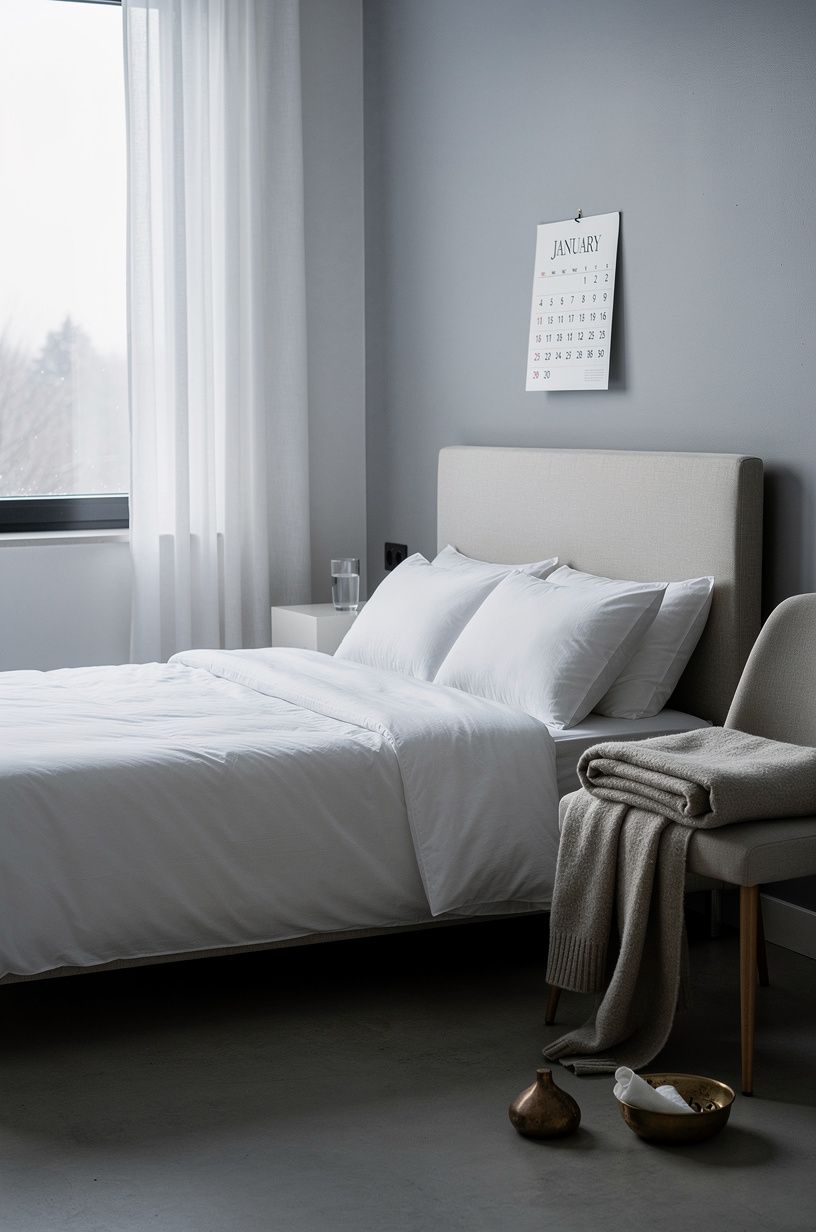
My bedroom wasn't terrible. That almost made it harder to fix.


The walls were a tired beige, the overhead light was harsh, and my old mattress had developed a dip that pulled me toward the middle every night. I could feel the heat trapped under me, and the room smelled faintly synthetic whenever I opened the windows after being away.
And I kept telling myself I only needed prettier bedding.
That wasn't true. I needed to deal with the thing I touched for eight hours first.
If your bedroom feels unsettled, look at the bed before you buy art, baskets, or another decorative lamp. I learned that after wasting a month rearranging furniture that wasn't the real problem.
For context, my bed is a queen, which means the mattress measures 60 by 80 inches. That size matters when you plan a rug or bedside layout, because a few inches of confusion can turn into a very expensive mistake.
I started with the mattress in January
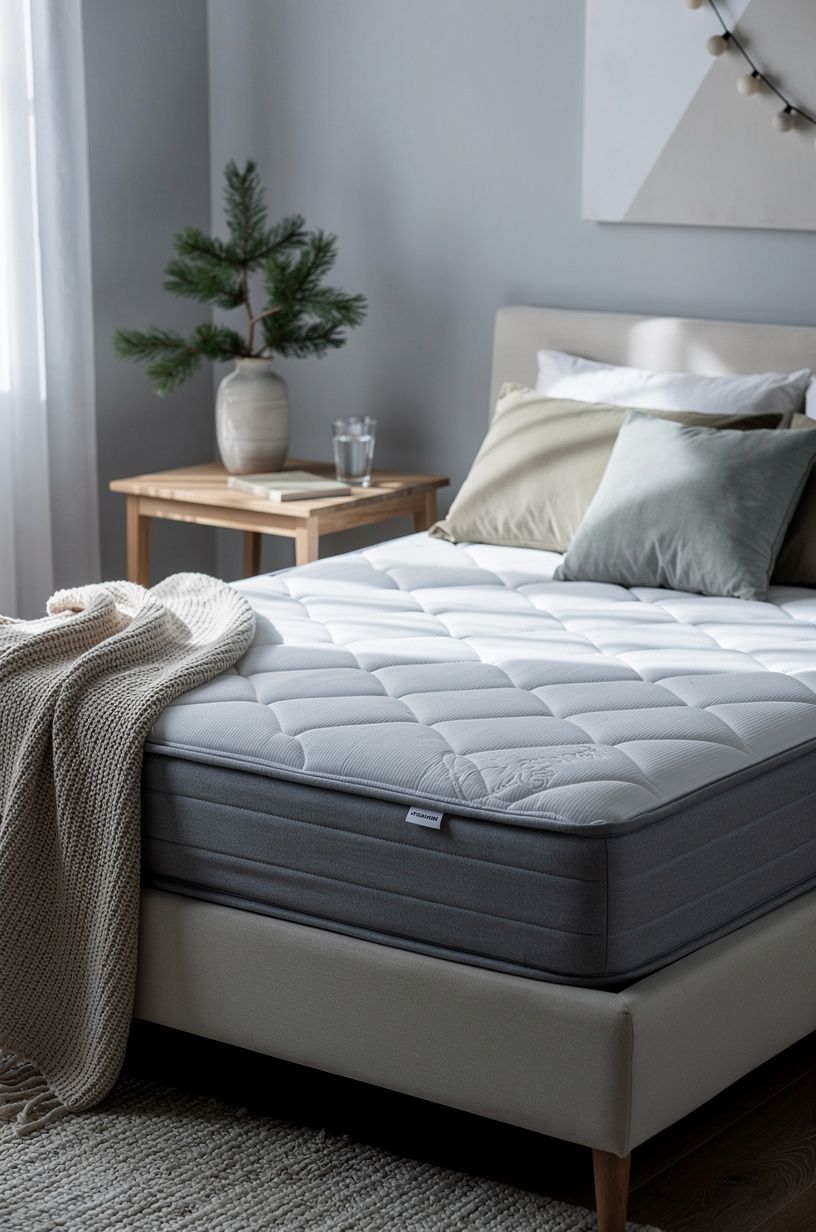
The January swap was the biggest decision, and I went back and forth for weeks. I wasn't sure replacing the mattress belonged in a small, gradual bedroom reset. It felt too practical, too expensive, and not nearly as photogenic as new curtains.
But I chose Zenhaven because the latex construction felt supportive without swallowing me. I liked that I could lie on it without sinking into a deep pocket, and I noticed the difference first at my shoulders. My morning stiffness didn't vanish overnight, but I stopped waking up every time I turned.
This was personal experience, not a health promise. My sleep felt calmer, and I had fewer nights where I blamed the room for every restless hour.
The first night was strange. New firmness always is. By the third week, I was no longer bargaining with myself at bedtime.
If you're weighing a mattress swap, read my notes on the bedroom swap that isn't worth the money before spending. I wanted the mattress to solve every problem, but it couldn't fix bad lighting or a cluttered chair.
I gave the bed a softer surface in February
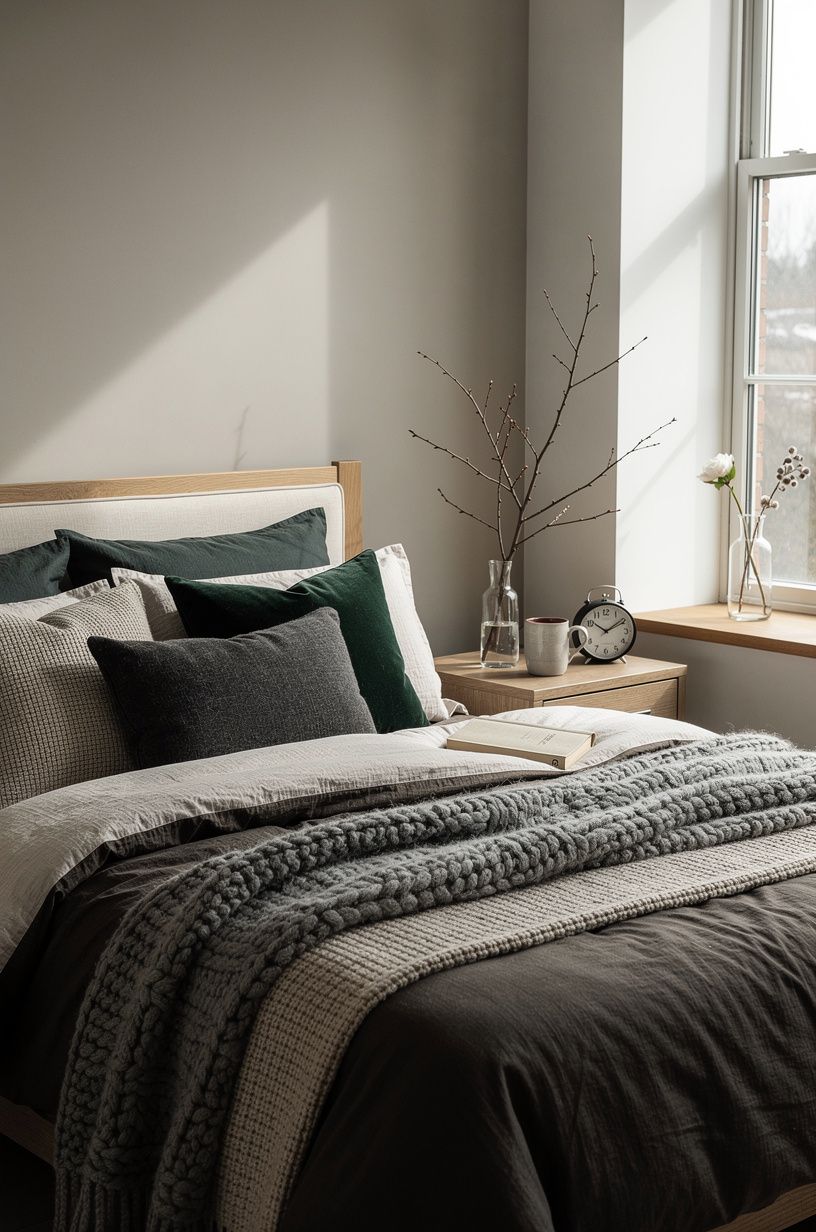
In February, I changed the layer directly against my skin. The old bedding was a stiff synthetic blend that made a dry, papery sound whenever I moved. It looked clean, but it didn't feel restful.
I chose Organic Cotton Sheets, and the change was quieter than I expected. The fabric felt cool when I first got into bed, then warmed without becoming heavy. I prefer that to slippery sateen, which always makes my bed feel like a hotel room I don't quite trust.
And I stopped making the bed too tightly. A loosely folded duvet at the foot looked more lived-in, and I could pull it over myself without fighting tucked corners at midnight.
This was the month I understood the point of the reset. You don't need a different bedroom every few weeks. You need one daily irritation removed at a time.
The sheets were my first small win. No renovation crew. No pile of boxes.
Just a softer sound when I turned over.
I fixed the pillow problem in March
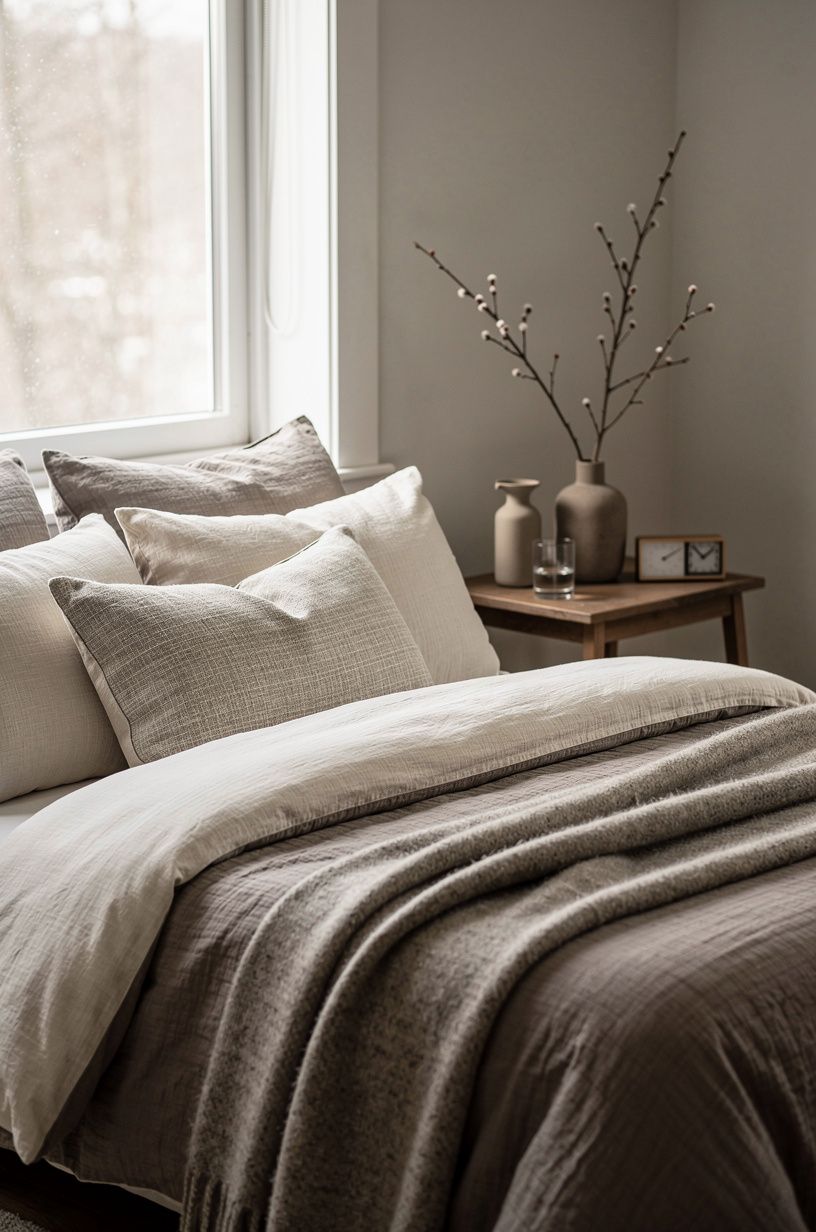
My pillow was too flat, but I kept folding it in half instead of admitting it needed replacing. That little habit left my neck crooked by morning, and I spent far too long blaming my desk chair.
I tried the Organic Quilted Pillow in March. I liked the gentle loft, especially because it didn't feel stiff or overstuffed. I'm a side sleeper who sometimes ends up on my back, so a pillow that held its shape without becoming a brick mattered more than a dramatic hotel look.
But I didn't buy two. That was deliberate. I wanted to test one before filling the bed with something I might dislike.
A pillow should make your sleep position easier, not force you into one. If you're styling a smaller room, a single sleeping pillow per person also keeps the bed from looking crowded. I prefer a clean row with one folded throw over a wall of decorative cushions.
And yes, I still woke up with the pillow on the floor twice. Real bedrooms are like that.


The Piece My Whole Bedroom Is Built Around
Natural materials, a 365-night home trial, free white glove delivery. Decide in your own room, not a showroom.
I added one protective layer in April
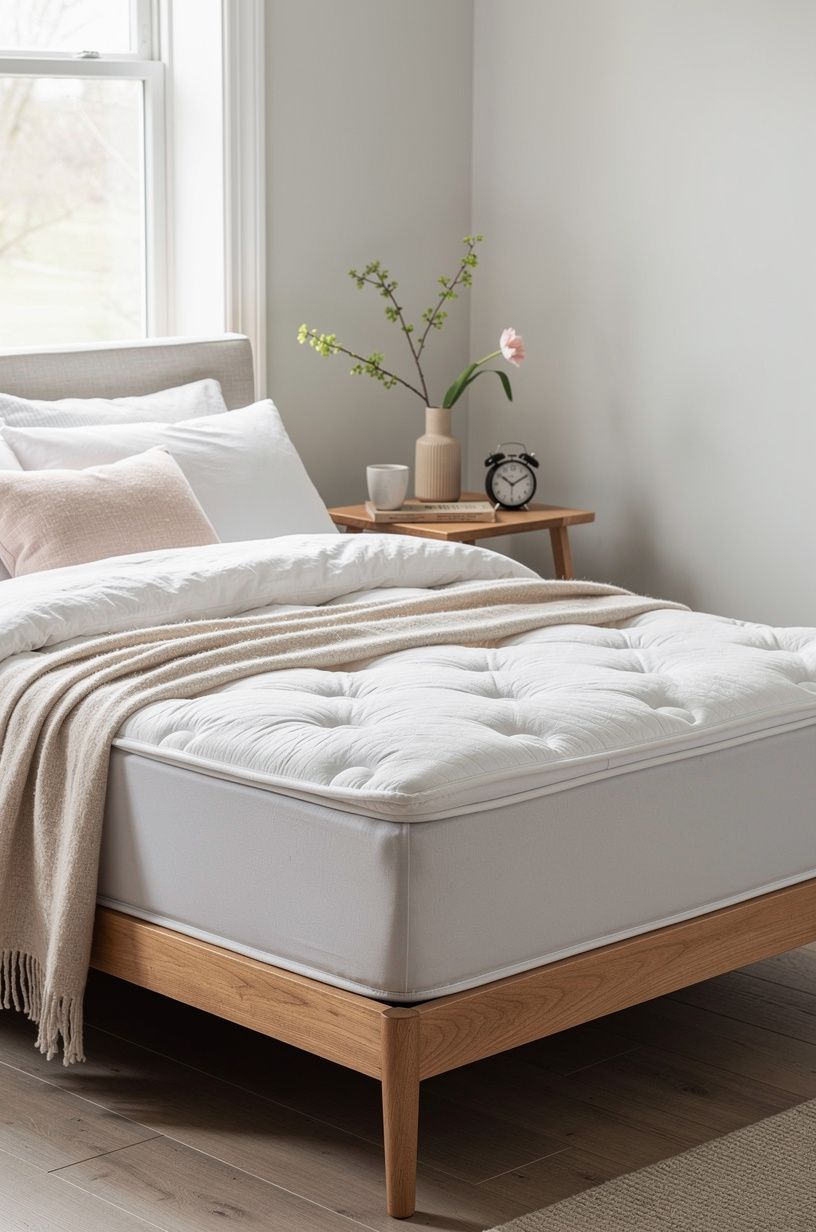
By April, the mattress felt better, but I had become aware of how much dust and skin buildup a bed collects. I didn't want a noisy plastic cover that changed the feel of the mattress, so I chose the Organic Mattress Pad as my next monthly swap.
It added a little cushioning without making the bed feel swollen. I could still feel the steady support underneath, which mattered to me. A thick topper would have changed the whole mattress, and I wasn't ready to risk that.
For two weeks, I regretted buying it. The corners shifted slightly, and I kept remaking the bed.
Then I adjusted the fit and washed it properly. The problem settled down.
That was a useful reminder. Even a good purchase can need a boring adjustment period. If you're building a more non toxic bedroom, focus on what touches your body first, then look at the decorative layers.
I also started opening the window for ten minutes each morning. Nothing dramatic. Just cooler air, a less closed-in room, and a bed that didn't feel sealed under too many layers.
I changed the walls before buying more decor
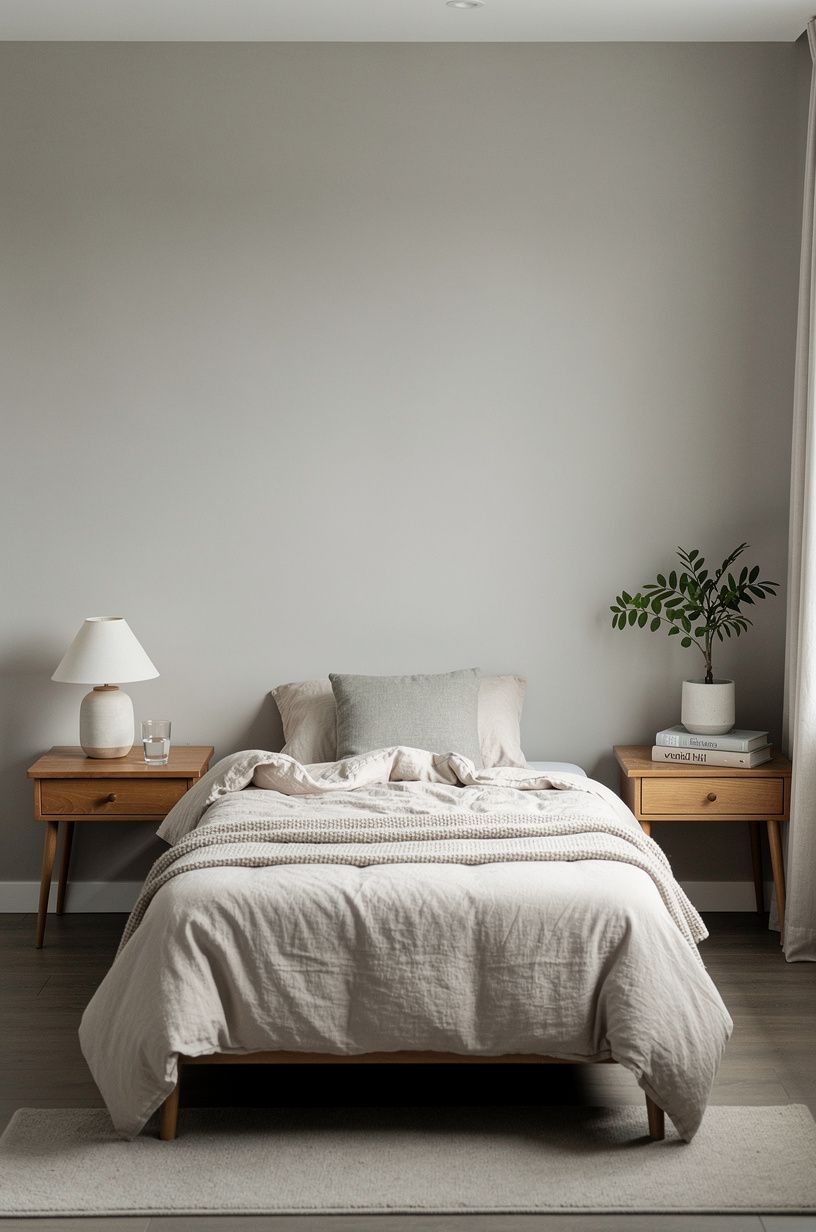
In May, I finally addressed the beige walls. I tested Farrow & Ball Setting Plaster No. 231 on one section and watched it through a full day before committing. In the evening, it looked warmer and more intimate than it did at noon.
I almost chose Benjamin Moore Pale Oak OC-20 instead, and I still think it would work in a darker room. But Setting Plaster gave my north-facing bedroom a gentle blush that made the white trim look less sharp.
The paint took longer than I expected because I moved slowly around the bed, the baseboards, and one stubborn outlet cover. Still, it was the swap that made every previous change easier to see.
And I didn't repaint the ceiling. I wanted the room to feel soft, not themed.
If you like gradual changes, the vintage wood bedroom that cost less than a new bed helped me think about warmth through material instead of buying more matching furniture. My room needed fewer hard edges, not another complete set.
I made the last swaps about light and air
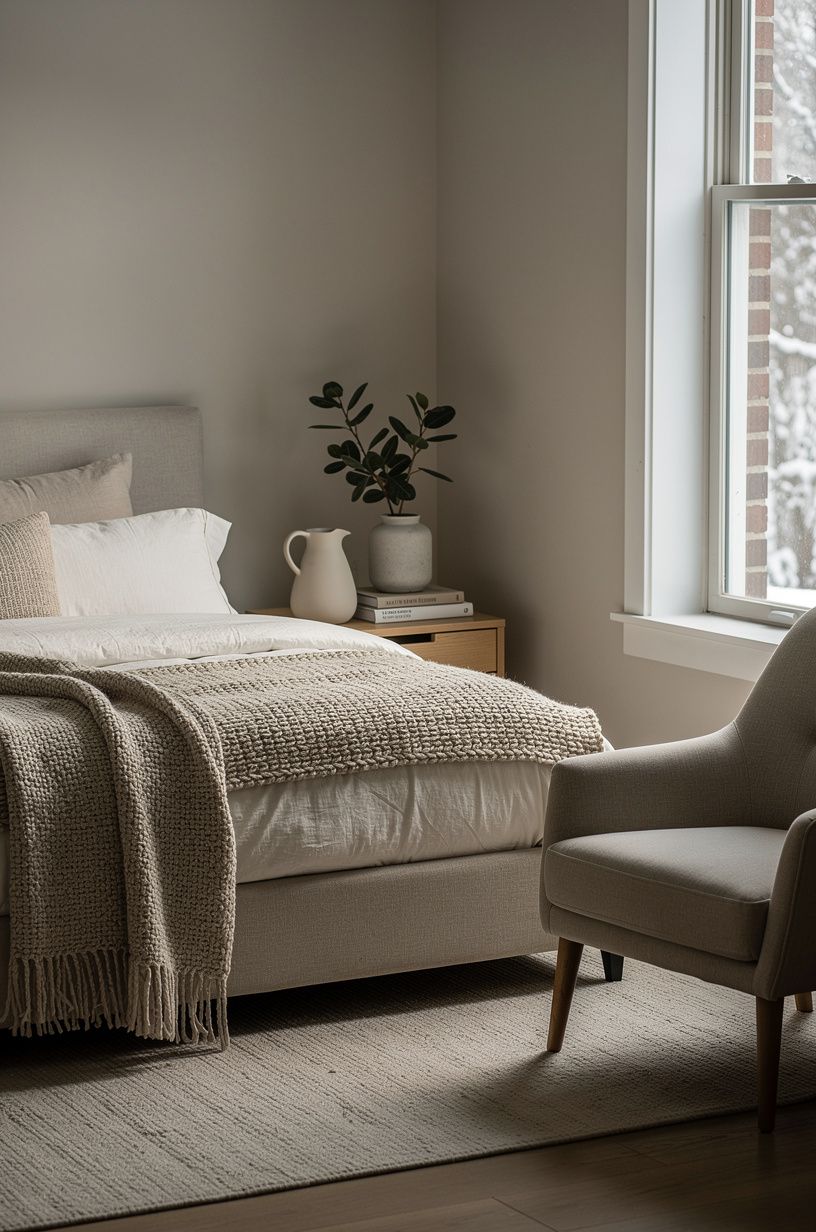
June was when I stopped treating lighting as an afterthought. I replaced the cold bulb with a warmer one and moved a small lamp beside the bed, where it throws a low pool of light across the wall instead of shining into my eyes.
The nightstand is 24 to 28 inches tall, close to mattress height, so I kept the lamp low enough to reach without sitting up. That sounds minor. It changed bedtime more than the art I had been considering.
I also cleared the chair that had become a laundry mountain. One linen robe.
A book. Nothing else.
But the biggest change was air. I washed the curtains, pulled the bed a little farther from the wall, and stopped storing boxes underneath it. The room felt less crowded without gaining a single square foot.
For more ideas on reducing dust and fabric buildup, I used the spring bedroom reset for dust, air, and fabrics. I liked its practical approach because I wasn't trying to make my bedroom look untouched. I wanted it easier to live in.
What I would change next time
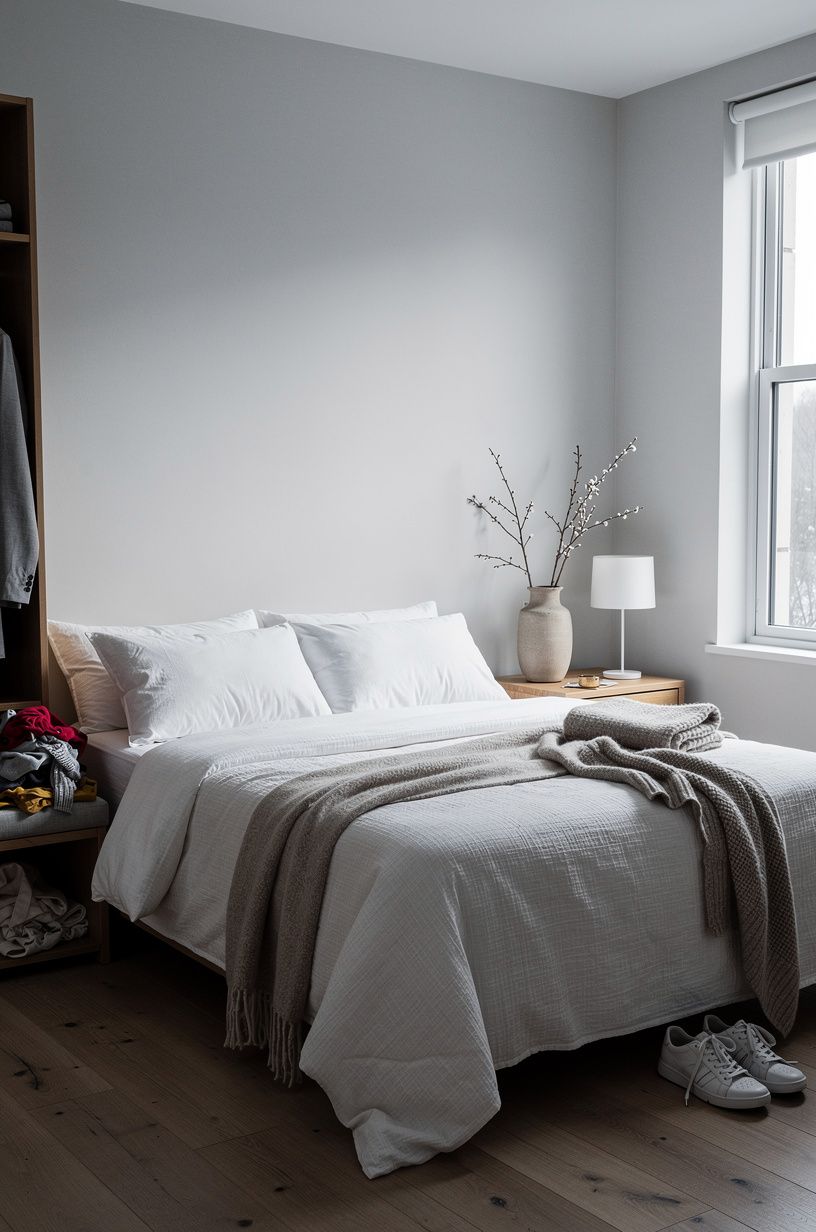
I would buy the mattress first and wait before purchasing every other bedding layer. I spent too much time guessing which textures would work together before I knew how the bed itself would feel.
I also wouldn't paint during a month when I was already tired. The color was worth it, but the slow prep tested my patience. A removable sample board would have made the decision easier than staring at a tiny patch beside the closet.
My real regret is that I bought one decorative throw before measuring the rug area. It landed in a color that looked good online and dull beside the new wall. I gave it away instead of forcing it into the room.
That was the honest lesson. A bedroom reset isn't successful because every purchase survives. It's successful when you can admit something missed and remove it.
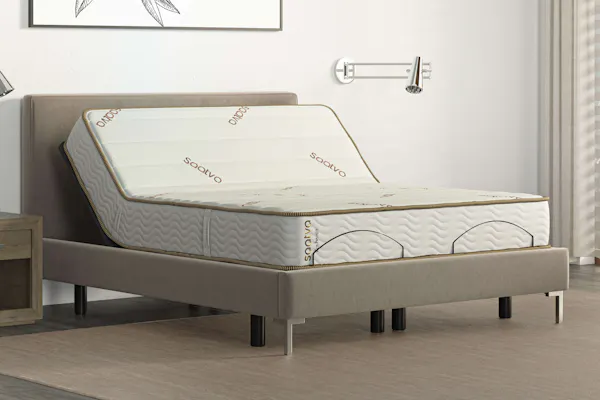 My pick for a healthier bedroomZenhavenTalalay latex, organic cotton, 365-night trial, lifetime warranty, free white glove delivery.See the Zenhaven
Build Your Own Healthier Bedroom
Sale pricing runs on orders over $1,000, and the 365-night trial gives you a full year of nights to be sure.
The room now
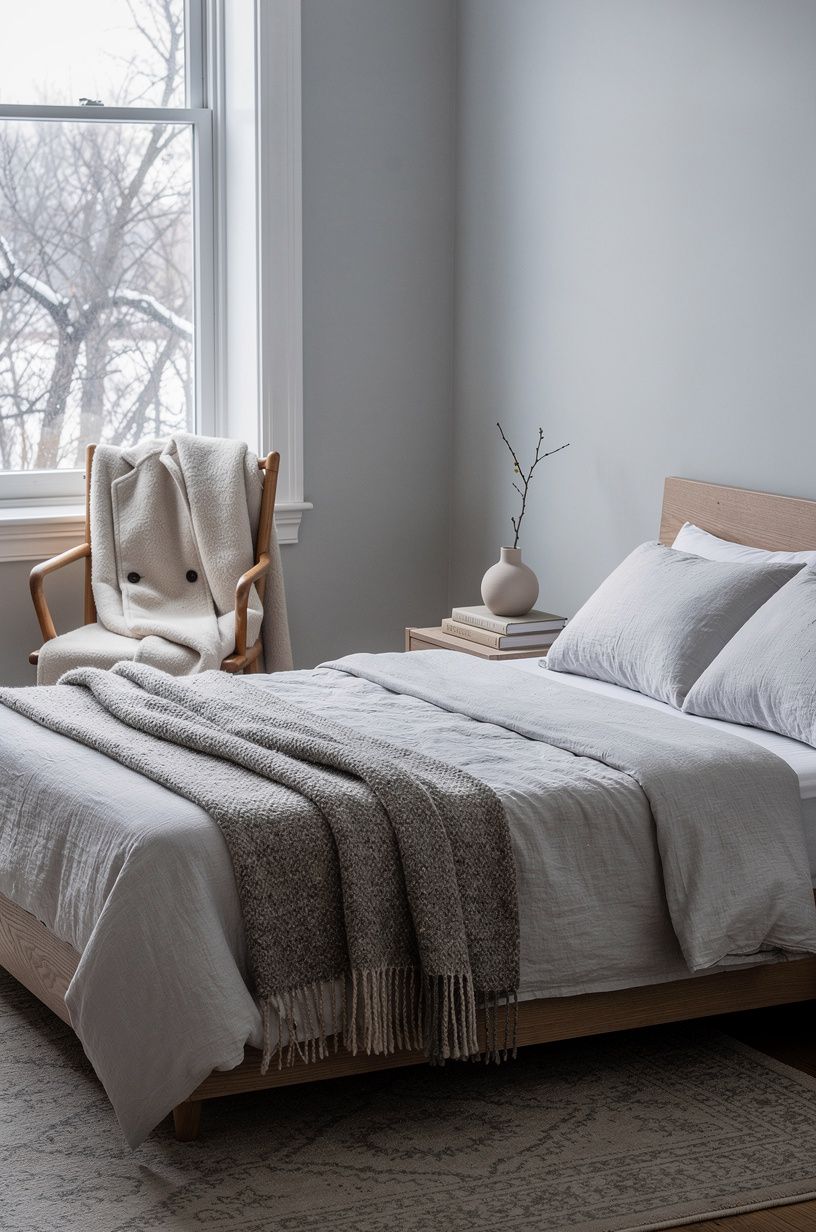
I don't wake up in a showroom. The robe still ends up on the chair, and one corner of the duvet never stays straight.
But the mattress feels steady, the bedding feels soft without trapping heat, and the lamp lets me read without turning the whole room bright. The budget went toward the bed first, then the layers that made it easier to use, and finally the visual changes.
If I had to pick one starting point, I'd choose the mattress. Your room can't feel restful when the surface underneath you keeps interrupting sleep. Pin this reset for later, and make your first swap the one you notice every night.
The lamp is still glowing beside the bed, and the folded robe is waiting on the chair.
{ "meta_title": "New Year Bedroom Reset: My One-Swap Method",