
 by
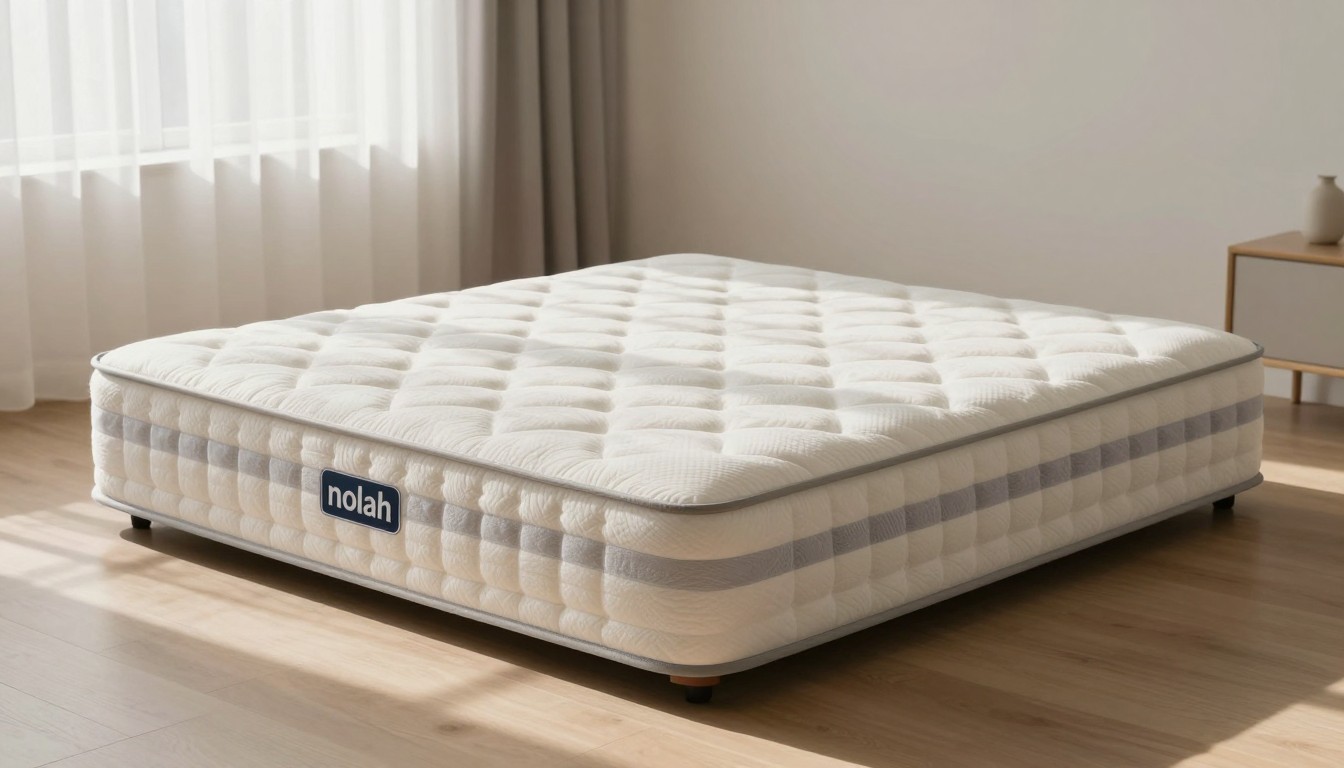
by Quick answer: The Nolah Natural mattress is worth considering if you specifically want latex response and an organic cotton sleep surface. Nolah describes the bed as crafted with organic latex and covered in breathable organic cotton on nolahsleep.com. I’d pause if you need a clearly documented firmness, support-core layout, edge design, or motion-control result before ordering. The published materials are appealing, but they don’t settle how the complete mattress will feel or hold up.
- Best fit: Shoppers who prefer a quicker, more elastic surface instead of a slow memory-foam embrace.
- Think twice: Sleepers who need a deeply cushioned feel or a firmly documented comfort level before buying.
- Verify first: The current support core, latex specification, certification scope, perimeter design, foundation rules, and return terms.
Updated for 2026 · Spec-based materials review
My Verdict on the Nolah Natural
My verdict on the Nolah Natural mattress is cautiously positive. Nolah says the model uses organic latex and a breathable organic cotton cover on nolahsleep.com. That gives the mattress a more focused material identity than a bed described only with vague comfort language. It does not, however, confirm the firmness, complete layer arrangement, support structure, or perimeter reinforcement.
I’d put it on the shortlist for someone who already understands the feel of latex and actively wants that kind of response. I’d be more hesitant for a shopper choosing it mainly because “natural” sounds reassuring. The useful question isn’t whether the name is attractive. It’s whether the documented materials, underlying support, and purchase terms match the way you sleep.
This is a construction-led review, not an account of an overnight test. I’m separating what Nolah actually states from what can only be inferred from the material category. That distinction matters here because latex type, firmness, placement, and the structure beneath it can change the finished feel substantially.
The Nut’s take: The material direction makes sense, but the headline ingredients aren’t a complete mattress specification. I’d want the current layer map and policy details in front of me before making the final call.
What Nolah Confirms and What Remains Unclear
Nolah’s clearest product-specific statement is that the mattress is crafted with organic latex, according to nolahsleep.com. That establishes latex as part of the build. It does not identify the latex type, its firmness, how it is arranged, or whether the certification applies to the raw material, finished foam, or a broader portion of the mattress.
At the surface, Nolah describes a breathable organic cotton cover on nolahsleep.com. That is a useful detail because the cover is the part closest to the sleeper. The description alone does not disclose the full fiber blend, quilting material, stitching design, or certification scope.
The cited material description does not settle what supports the latex. That missing piece affects how I would judge deeper compression, edge behavior, partner disturbance, and durability. A responsive comfort material can feel quite different over an open support system than it does over a solid core.
| Construction area | What Nolah states | What I would verify |
|---|---|---|
| Cover | Nolah describes breathable organic cotton on nolahsleep.com. | Complete fiber content, quilting material, and certification coverage. |
| Comfort material | Nolah says the bed is crafted with organic latex on nolahsleep.com. | Latex type, firmness, placement, and issuer of any certification. |
| Support system | The cited material description does not establish the complete core. | Core material, zoning, perimeter construction, and base requirements. |
| Purchase policies | Policies should be read in the terms that apply at checkout. | Return costs, exclusions, warranty definitions, and required setup. |
My guide to organic mattresses versus natural mattresses explains why those terms shouldn’t be treated as interchangeable. An organic claim attached to one component does not automatically describe every material in the finished bed.
Reading the Construction From the Surface Down
The cover is the strongest surface-level clue. Nolah calls it breathable organic cotton on nolahsleep.com. From a construction standpoint, that sounds more relevant than a generic “cool-touch” label because it identifies the featured fiber, but I would still check what sits in the quilting and whether the cover can be removed or serviced.
Organic latex is the next confirmed element, per nolahsleep.com. My normal expectation for latex is an elastic compression and a quicker recovery than slow-response memory foam. That can make repositioning feel less laborious, although it says nothing by itself about whether the mattress is plush, firm, pressure-relieving, or supportive enough for a particular sleeper.
The support core is the unresolved part I’d investigate first. The core carries much of the load and influences how far the upper materials can compress. It also helps determine whether the center and perimeter behave similarly. Without that information, a precise performance verdict would go beyond the documented construction.
- Ask Nolah which type of latex is used and where it sits in the build.
- Confirm whether the current support system is uniform or zoned.
- Request a clear description of the perimeter construction.
- Check which foundation and frame arrangements comply with the warranty.
- Identify the issuer and exact scope of each organic or textile certification.
A complete layer map matters because durability is a chain. The most appealing comfort material cannot compensate for weak stitching, unstable quilting, an unsuitable support core, or an edge that compresses more than expected. Likewise, a solid underlying structure can help distribute stress more evenly through the comfort materials.
Comfort and Firmness: What the Latex Suggests
The confirmed latex points toward a more responsive surface, but it does not establish a firmness category. Latex can be produced and arranged in noticeably different feels. The amount of cushioning above and below it also changes how quickly a sleeper reaches the firmer support structure.
Side sleepers should focus on the shoulder and hip rather than the organic label. A responsive material can still contour, but a firmer or shallower comfort section may not create the pronounced cradle some side sleepers prefer. I would want a current firmness description and a complete layer map before calling this a strong side-sleeper match.
Back sleepers need enough surface give to settle comfortably without losing support beneath the pelvis. Latex response may make position changes feel easier, but the core controls much of the deeper support. The cover and latex description cannot answer that part of the fit question.
| Sleep preference | My construction-based read |
|---|---|
| You dislike a slow foam hug | The latex makes the model worth investigating, subject to the current firmness. |
| You change positions often | The quicker recovery normally associated with latex may feel less restrictive. |
| You need a deep shoulder cradle | Verify the cushioning depth rather than assuming latex is automatically plush. |
| You prioritize midsection support | Inspect the support core because the published surface materials cannot establish it. |
Combination sleepers may be the most naturally interested in the latex response. A surface that recovers promptly can make turning less cumbersome. Stomach sleepers should be more cautious, since a lively feel is not proof that the deeper layers will resist unwanted midsection compression.
Firmness reality check: I wouldn’t assign the mattress a soft, medium, or firm label without Nolah’s current specification. Body shape, sleep position, the prior mattress, and the full construction all influence how a firmness description translates at home.
Cooling Starts With the Cover
Nolah describes the organic cotton cover as breathable on nolahsleep.com. I view that as a favorable surface detail, not a measured cooling result. A breathable fabric can help the top feel less enclosed, but it cannot overcome every effect created by the layers, protector, and bedding around it.
The construction below the cover controls much of the available airflow. Latex can be made with air passages, while different support systems leave different amounts of open space beneath the comfort section. Because the cited description does not establish that complete layout, I would not make a stronger whole-bed cooling claim.
Your bedding setup also matters. A dense protector or heavy bedding can change the surface climate even when the mattress cover is described as breathable. Room conditions and individual heat sensitivity further limit how confidently anyone can predict the result from a material label.
My cooling verdict: The manufacturer-described cover and latex point in a sensible direction, but cooling is not proven as a defining strength without the deeper construction and measured evidence.
Motion Control and Edge Support
Latex response creates a real trade-off for couples. Its quicker recovery can help with movement, yet that same liveliness may allow a partner’s shift to feel more noticeable than it would on a deeply absorbing foam surface. The amount of transfer depends heavily on the materials under the latex.
Edge support depends even more directly on the unseen structure. A specifically reinforced perimeter behaves differently from a core that uses the same material from center to edge. Nolah’s cited cotton and latex descriptions do not identify which edge approach is used.
I would judge motion control and edge stability separately. One affects partner disturbance across the sleep surface. The other affects sitting near the perimeter, getting out of bed, and how confidently a sleeper can use the outer area.
- Ask how the current perimeter is constructed or reinforced.
- Look for owner feedback that describes ordinary partner movement rather than broad comfort scores.
- Read the return terms before relying on an at-home assessment.
- Do not treat responsiveness as automatic proof of either strong or weak motion isolation.
My verdict here is reserved. I would not choose this mattress primarily for motion isolation or edge stability until Nolah’s current construction details support those priorities. Either trait may be satisfactory, but the confirmed materials do not prove it.
Durability Is About the Whole Build
Latex interests me because it is normally resilient and quick to recover after compression. That material tendency is encouraging, but it does not establish how long this particular mattress will remain comfortable. The latex formulation, layer firmness, support structure, adhesives, and cover construction all affect wear.
The softest or least stable component often sets the practical durability ceiling. A robust comfort material may still develop an uneven feel if the quilting shifts or the support underneath loses consistency. A well-matched foundation also matters because it keeps the mattress supported as its maker intends.
Care instructions should come from Nolah’s current policy rather than a generic mattress schedule. Rotation, handling, frame setup, and cleaning recommendations can differ. Following the written terms also reduces uncertainty if a future warranty question arises.
- Confirm the approved foundation and frame configuration.
- Read how the warranty defines a covered indentation or defect.
- Check how stains, damage, or improper support affect eligibility.
- Keep the purchase record and required mattress labels.
- Review the claim procedure before a problem develops.
My Nolah mattress warranty guide highlights the contract language worth checking. A warranty addresses defined defects under stated conditions. It does not tell you whether the original comfort choice is right for your body or preferences.
Price and Value Need More Than a Sale Figure
Nolah’s official product page has displayed both $1,469 and $2,099 for the Nolah Natural, according to nolahsleep.com. Those figures should not be treated as permanent without confirming the selected option, the price currently shown, and what the order includes.
My value test starts with material transparency. If latex is a major reason for the price, I want to know its type, certification scope, position in the mattress, and the structure supporting it. The cover composition, delivery arrangement, return process, and warranty conditions also affect what the buyer is receiving.
A shopper who already prefers latex may reasonably place more value on the organic latex Nolah describes. Someone who has never slept comfortably on a responsive surface should be more conservative. A desirable ingredient has limited value if its resulting feel does not match the sleeper.
| Value question | Why I would ask it |
|---|---|
| Is the complete layer map available? | It shows what sits beneath the featured surface materials. |
| Are certifications identified precisely? | The issuer and covered component are more useful than a broad green label. |
| Are return costs and exclusions clear? | A home comfort assessment is safer when the exit terms are understood. |
| Does the documented feel suit you? | Premium materials cannot correct a basic comfort mismatch. |
The value test: Check the exact order price, then compare it with the documented construction and applicable policies. A crossed-out figure does not explain the quality or suitability of the complete build.
Pros and Trade-Offs
The clearest advantage is a distinct material direction built around latex and an organic cotton surface. The main trade-off is that those details do not answer several important performance questions. This is a promising mattress to investigate, but not one I would choose from the product name alone.
| Potential advantages | Trade-offs to examine |
|---|---|
| Nolah confirms organic latex on nolahsleep.com. | The latex type, firmness, and arrangement still need clarification. |
| Nolah describes a breathable organic cotton cover on nolahsleep.com. | A breathable cover does not establish whole-mattress cooling. |
| Latex normally has a quicker recovery than slow-response foam. | That response may not suit someone seeking a deep, lingering cradle. |
| The material concept is more specific than generic comfort language. | Firmness, core design, edge behavior, and motion control remain key checks. |
I see enough here to justify serious consideration for the right latex shopper. I do not see enough to skip the specification check. The decision becomes much clearer once the support core, certification documents, firmness description, and policy terms are placed beside the featured materials.
Who Should Consider It and Who Should Pause?
The strongest candidate already knows that latex response feels better to them than slow contouring. That preference is more useful than broad assumptions about luxury, sustainability, or the meaning of the word natural.
- Consider it if organic latex is a specific material priority rather than a passing preference.
- Consider it if the breathable organic cotton cover Nolah describes on nolahsleep.com appeals to you.
- Consider it if you tend to prefer quick surface recovery over a slow foam impression.
- Consider it if you are willing to confirm the core and policy details before ordering.
The weaker candidate needs a precisely documented performance trait that the cited materials cannot establish. That includes shoppers whose decision rests heavily on a very plush cradle, unusually quiet partner movement, or strong perimeter stability.
- Pause if you want the deep, slow sensation associated with soft memory foam.
- Pause if you need a verified firmness description before placing an order.
- Pause if edge stability is essential and the perimeter design remains unclear.
- Pause if you are treating the entire mattress as organic based only on its name.
If an existing Nolah bed merely needs a different surface feel, replacing the entire mattress may not be the first question to answer. My Nolah mattress topper guide covers that narrower situation.
How to Read “Natural” and “Organic”
“Natural” is broad marketing language unless it is tied to a specific material and documentation. Here, the useful statement is that Nolah says the mattress is crafted with organic latex on nolahsleep.com. The next step is identifying exactly which latex component the claim covers and who certifies it.
The cover deserves the same scrutiny. Nolah describes breathable organic cotton on nolahsleep.com, but a careful buyer should still inspect the complete fiber content and any quilting layers. A headline cover material may not describe every component sewn into the surface assembly.
Certification scope matters more than the mood created by environmental language. A document may apply to raw material, processed foam, fabric, or the finished product. Those are not interchangeable claims, and none of them automatically establishes comfort, cooling, support, or durability.
- Identify the organization that issued each certification.
- Check whether the document applies to latex, fabric, or the complete mattress.
- Make sure the product named in the documentation matches the model being sold.
- Keep material sourcing claims separate from performance expectations.
- Do not assume organic means soft, cool, supportive, or durable without construction evidence.
This careful reading does not make the published materials unimportant. It gives them the right amount of weight. Organic latex and organic cotton can be meaningful priorities, but they should sit inside a complete construction and policy review.
How I Would Make the Final Choice
I would start with the support core because it is the largest unresolved construction question. Once that is clear, the latex and cover can be evaluated as parts of a complete system rather than isolated selling points.
- Confirm the current layer map and support structure directly with Nolah.
- Ask for the latex type, firmness description, and certification scope.
- Read the return and warranty terms, including exclusions and setup requirements.
- Decide whether you genuinely want responsive latex rather than slow foam contouring.
- Check the exact checkout price and what the order includes.
If you still need an outside reference after assessing the reviewed mattress, the Saatva Classic is a separate construction and policy comparison. I would use it only as context, not assume it is a better personal fit without evidence tied to the features you prioritize.
My broader Nolah mattress review can help place this model within the brand’s wider range. That context is useful if latex caught your attention but you are not yet certain it is the comfort material you want.
Final verdict: The Nolah Natural earns consideration for the organic latex and breathable organic cotton cover described by Nolah on nolahsleep.com. I would move forward only after confirming the current firmness, support core, certification scope, perimeter design, and purchase terms. Those details decide whether the attractive material story becomes a sensible match.
ONE VERIFIED ALTERNATIVE
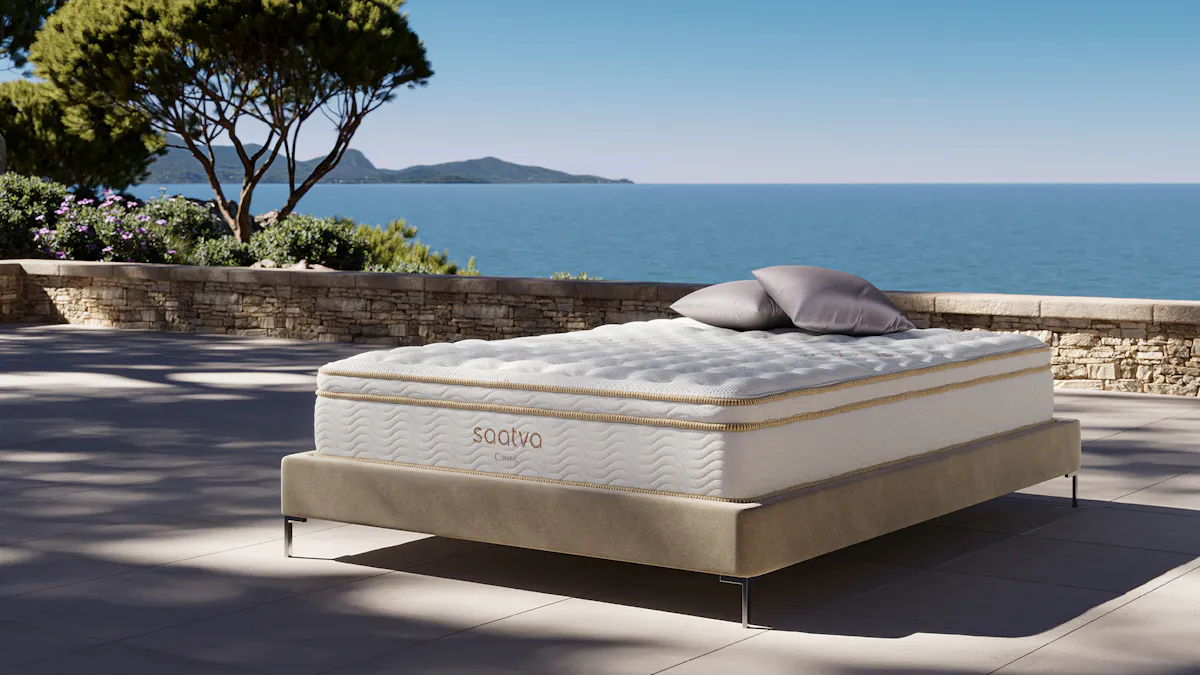
Not quite the right fit? The Saatva Classic is worth a look as an alternative. Check today’s price, sizing and return terms on the official product page before you order.
Saatva Classic
- 365-night home trial and lifetime warranty, per saatva.com
- Handcrafted in the USA, free white-glove delivery
- Flexible financing available
FAQ
What is the Nolah Natural mattress made from?
The Nolah Natural mattress is described as crafted with organic latex and fitted with a breathable organic cotton cover, according to nolahsleep.com. I would still confirm the support core, full cover blend, latex specification, quilting materials, and certification scope before ordering.
Is the Nolah Natural mattress firm or soft?
I would not assign a current firmness label without a clear statement from Nolah for the version being sold. Latex firmness, cushioning depth, the underlying support, sleep position, and body shape can all affect how the surface feels.
Does the Nolah Natural sleep cool?
Nolah calls the organic cotton cover breathable on nolahsleep.com, which is a positive surface detail. The full cooling picture also depends on the deeper construction, bedding, room conditions, and personal heat sensitivity, so I would not treat the cover claim as proof of a specific temperature result.
Is the Nolah Natural suitable for side sleepers?
It may suit side sleepers who like latex response, but the cushioning depth and current firmness need to match the sleeper. Anyone who relies on a pronounced shoulder and hip cradle should verify those details instead of assuming latex will feel soft or deeply contouring.
What should I verify before buying the Nolah Natural?
Confirm the complete layer map, support-core design, latex type, cover composition, certification scope, firmness description, perimeter construction, approved foundation, return conditions, and warranty exclusions. Those specifics provide a sounder buying basis than the natural label by itself.