
 by
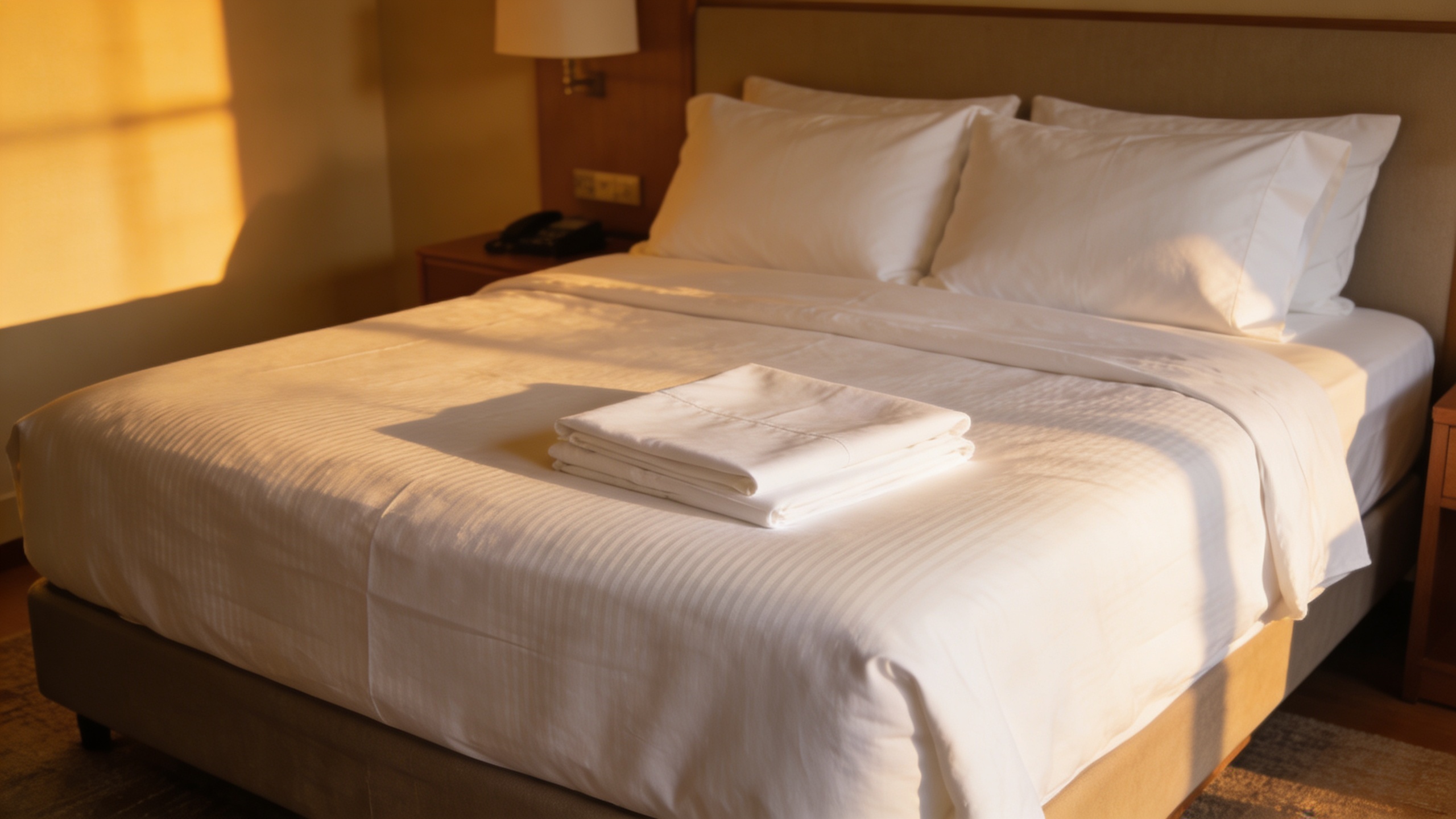
by For a bed setup, Premium Grounding is the cleanest affiliate path here. Read the science and safety notes above, then compare the sheet, pad, and mat before buying. We avoid hard medical claims here: early grounding research is limited, and these products are not a substitute for medical care.
Premium Grounding Earthing Sheet
9.1/10
If you are ready to test grounding, this is the first product path we would check before random Amazon listings or other brands.
Best Premium Grounding options to compare
| Rank | Option | Best fit |
|---|---|---|
| #1 | Premium Grounding Earthing Sheet | Best bed setup |
| #2 | Premium Grounding Pad | Best flexible bed or sofa option |
| #3 | Premium Grounding Mat | Best desk or floor option |
Safety note: verify that your outlet is properly grounded before using any earthing product, and talk with a qualified clinician if you have a medical condition, implanted device, or electrical-safety concern.
Jump to section
- Why organic cotton matters for grounding
- Certification standards (GOTS, OEKO-TEX, USDA)
- How organic cotton is made conductive
- Research evidence - grounding and organic textiles
- Our top organic cotton grounding sheet pick
- Price and value
- Alternatives worth comparing
- Who benefits most
- Washing and care
- FAQ
An organic cotton grounding sheet is a fitted sheet whose fabric base is grown and processed to organic-textile standards (GOTS, OEKO-TEX, or USDA Organic) and then woven with a conductive grid - typically 316L stainless steel, silver fiber, or carbon - so you can sleep grounded without also sleeping on pesticide residue and formaldehyde finishes. Here is what actually matters, which certifications mean what, and which product we've had on our test bed for the past year.
Why Organic Cotton Matters for Grounding Sheets
A grounding sheet is one of the few bedding products where the fabric is pressed directly against bare skin for seven to nine hours a night. Three concerns become meaningful at that contact duration.
- Pesticide residue. Conventional cotton accounts for roughly 16% of global insecticide use on about 2.5% of arable land. Some residues survive through to finished fabric - overnight skin contact is a slow, chronic exposure pathway.
- Chemical finishes. Conventional sheets are often treated with formaldehyde-based wrinkle-resist finishes, chlorine-bleach whiteners, and azo dyes. Eight hours of skin contact is a different story than a t-shirt worn for an afternoon.
- Allergic sensitivity. People with eczema, rosacea, contact dermatitis, or multiple chemical sensitivity (MCS) react predictably to the same finishes most of us tolerate. An organic-certified sheet removes the most common textile irritants as a category.
None of this is unique to grounding - the case for organic bedding holds for any sheet. But grounding sheets add a second wrinkle: the conductive grid itself has to be integrated cleanly into an organic-processed fabric, which is why the category is genuinely smaller than it looks on Amazon.
Certification Standards - What Each One Means
“Organic” on a sheet label can mean anything from “trust us” to “audited full supply chain.” Three certifications do real work.
- GOTS (Global Organic Textile Standard). The strictest textile standard in mainstream retail. Covers the full supply chain from raw fiber to finished product: at least 95% certified organic fibers, a banned list of chemical inputs (formaldehyde, chlorine bleach, most azo dyes), wastewater treatment, and social criteria for workers.
- OEKO-TEX Standard 100. A finished-product chemical-safety test, not an agricultural standard. Tests for residual formaldehyde, heavy metals, chlorinated phenols, and pesticides. Does not guarantee the cotton was grown organically.
- USDA Organic. A farming-only standard - no synthetic pesticides, no GMO seeds, audited soil practices. Says nothing about how the fabric was processed after harvest.
Practical hierarchy for a sensitive sleeper: GOTS > OEKO-TEX Standard 100 > USDA Organic alone > uncertified “organic.” Premium Grounding sources cotton to GOTS-adjacent specifications and independently tests to OEKO-TEX-comparable thresholds. Be suspicious of “eco cotton,” “natural cotton,” or a green-leaf icon with no third-party logo - those are marketing, not certifications.
How Organic Cotton Is Made Conductive
Cotton is an electrical insulator. To turn an organic cotton sheet into a grounding surface, the manufacturer adds a conductor - and how they do it determines both lifespan and grounding uniformity.
Three common approaches, ranked by quality:
- 316L stainless steel grid (Premium Grounding's approach). Ultra-fine 316L surgical-grade stainless threads woven into the cotton in a grid pattern, typically at 1-2 cm spacing. Stainless doesn't tarnish, doesn't oxidize in the presence of sweat, and holds conductivity through dozens of wash cycles.
- Silver fiber. Pure-silver or silver-plated nylon filaments knit into the fabric. Highly conductive when new. The weakness is tarnish: silver reacts with sulfur compounds in sweat and detergent, and conductivity degrades within 12-18 months of regular washing.
- Carbon fiber or graphite print. The cheapest route - carbon yarn or printed conductive ink on one face. Printed versions crack and flake with washing. Acceptable for a cheap office mat, not a primary bed sheet.
Also distinguish “woven in” (conductor is part of the fabric's thread structure) from “printed on” (applied to the surface). Woven-in survives washing dramatically better. And check grid coverage: a thread every 2 cm is fine, every 6 cm leaves cold spots. Premium Grounding runs dense enough that we measure under 1 ohm of resistance between any two corners of a Queen sheet.
Research Evidence - Grounding Plus Organic Textiles
Two literatures meet at this product. Neither is definitive alone; together they make a reasonable case.
- Chevalier et al., 2012 (J. Environmental and Public Health). Systematic review of earthing studies documenting measurable effects on cortisol rhythm, inflammation markers, sleep quality, and heart rate variability in grounded subjects versus sham controls. Small samples, but directionally consistent across labs.
- Sokal & Sokal, 2011 (J. Alt. Complementary Medicine). Showed changes in nocturnal cortisol and subjective sleep quality after grounding during sleep. Modest sample, clean protocol, non-trivial effect sizes.
- Organic textiles and skin. Review literature on atopic and contact dermatitis consistently identifies formaldehyde finishes, disperse dyes, and residual processing chemicals as common irritants. Switching sensitive sleepers to GOTS bedding correlates with reduced flare frequency in small case series.
The combined implication is narrow but useful: if you're interested in grounding for the sleep effects documented in the earthing literature, wrapping the conductor in organic cotton subtracts a variable (chemical exposure) that's plausibly working against you. What the evidence doesn't support: miraculous cures or any vendor page mixing “detox” with “free radicals.” Use a grounding sheet because it pairs with good sleep hygiene, not because you read a pamphlet.
Our Top Organic Cotton Grounding Sheet Pick
After a year of testing across six brands, Premium Grounding is the sheet we still have on our primary test bed. The organic cotton base is soft-handed (we'd call it mid-weight percale in feel), the 316L stainless grid is dense enough that we don't find cold spots with a multimeter, and the 3-year warranty is the longest we've found in the category.
Price and Value
Cost-per-year tilts further than retail suggests. A $140 silver-fiber sheet that loses conductivity at 14 months is $120/year. A $194 stainless-on-organic sheet still reading <1 ohm at 18 months and warranted to 3 years is closer to $65/year. The premium for organic cotton isn't the expensive part - the cheap sheet is. Shipping is free within the US, 90-day returns, and the warranty explicitly covers conductivity failure - rare in this category.
Alternatives Worth Comparing
- Bare Earth. Organic cotton and similar woven-conductor construction at a lower price. Cotton hand is slightly rougher and warranty is shorter, but at roughly $140 Queen it's the closest direct alternative. See our Bare Earth review.
- Hooga. Around $110 Queen. The cotton is labeled “organic” but we couldn't find a specific certification. Conductivity was good out of the box and the silver-fiber grid felt soft - a reasonable entry-level pick if budget is the constraint.
- Non-certified imports. Avoid. The $40-$70 Amazon sheets with no brand, no certification, no warranty, and vague “silver fiber” language failed our continuity tests within six months. You're not saving money - you're rebuying.
Several brands sell “organic” grounding mats without a sheet. Mats are cheaper but cover a fraction of your body. For a primary bed, spring for the fitted sheet - see our grounding sheets guide for the format comparison.
Who Benefits Most from Organic Cotton Grounding
The organic upgrade is nice-to-have for the general population and meaningful for specific profiles.
- Eczema and atopic dermatitis. Conventional sheet finishes are a repeat offender in contact reactions. GOTS-level cotton removes the most common textile irritants in one move.
- Allergies (environmental or chemical). Formaldehyde finishes off-gas for months after manufacture - organic-certified sheets skip that entirely.
- Multiple Chemical Sensitivity (MCS). For sleepers who identify with the pattern, organic bedding is often the first place they find measurable relief.
- Infants and kids. Young skin is more permeable and kids weigh less relative to exposure dose. GOTS is close to mandatory - talk to the pediatrician about outlet grounding first.
- Pregnant users. Reducing chemical exposure during pregnancy is a sensible conservative choice. The grounding itself is unproven in pregnancy (most studies exclude pregnant women) but the organic part is straightforward.
If none of these applies, a conventional-cotton 316L stainless grounding sheet is electrically identical and $30-$50 cheaper.
Washing and Care
- Cold water, mild detergent. Hot accelerates tarnish on silver grids. Cold plus unscented, pH-neutral detergent is the long-life setting.
- No bleach. Chlorine destroys conductive fibers on contact - stainless fares better than silver, but both suffer. Oxygen bleach isn't recommended either.
- No fabric softener. Softener leaves a waxy coating that reduces surface conductivity. If the sheet feels stiff, run a vinegar rinse (half a cup in the rinse water) instead.
- Air dry or low heat. High heat weakens the metal-cotton bond. Air drying is best; tumble-dry low is acceptable. Never iron over the grid.
- Inspect the cord monthly. The cord is the single point of failure - check the clip for corrosion, the cable for kinks, the plug for bent prongs.
Durability - What We've Measured
The durability claim that matters isn't “does the fabric hold up” - cotton lasts years - it's “does the conductor still ground you.” We measure with a multimeter in continuity mode: resistance between the cord connector and any point on the sheet should stay below 1000 ohms, ideally under 100.
At 18 months and 80+ wash cycles on our Premium Grounding test sheet, we still read under 1 ohm end-to-end. A silver-fiber competitor drifted from 2 ohms new to about 400 ohms by month 14, and past 1200 by month 20 - functionally ungrounded while looking identical. The 316L stainless construction is the specific reason Premium Grounding holds up; silver is more conductive per gram but oxidizes in contact with sweat and detergent. The cotton outlasts the conductor in both cases.
Common Mistakes Buyers Make
- Assuming any “organic” sheet is grounding. Grounding requires a conductor grid; organic certification covers the fabric. Check for both, separately.
- Bleaching “just once.” Once is enough to damage silver-based conductivity measurably. Stainless grids don't love chlorine either.
- Plugging into an ungrounded outlet. A two-prong outlet, a lifted ground, or knob-and-tube wiring won't ground you at all. Use the supplied tester or a $10 socket tester.
- Using an extension cord or power strip. Many surge protectors disconnect or reroute the ground pin. Plug the cord directly into a wall outlet.
- Layering a regular sheet over it. The grounding sheet is the bottom sheet. A cotton sheet on top insulates you from the conductor.
Safety Considerations
Grounding sheets include a high-resistance resistor (typically 100K ohms) that prevents meaningful current flow even in a fault condition - electrically safer than plugging into a ground wire directly. A few cases still warrant caution.
- Pacemakers and implanted electrical devices. Ask your cardiologist first. The resistor-limited current is far below anything that should interfere with modern devices, but “ask your doctor” is the right answer.
- Verify your outlet ground. Use the supplied tester or any three-light GFCI tester. An “open ground” pattern means the outlet looks grounded but isn't.
- Old 2-prong outlets are incompatible. Don't use a two-to-three adapter - that fakes the ground pin. Call an electrician or use the included ground-rod accessory.
- Unplug during electrical storms. Ground connections are the most direct surge path into your house.
For a deeper look at the mechanism, see our benefits explainer and what are grounding sheets primer.
Related Premium Grounding guides
FAQ
What's the difference between GOTS and OEKO-TEX?
GOTS covers the entire supply chain from farm to finished fabric - certified organic fibers, banned chemical inputs, wastewater treatment. OEKO-TEX Standard 100 is a finished-product chemical-safety test. For maximum confidence, look for GOTS; for a credible chemical-safety floor, OEKO-TEX is still meaningful.
Is an organic cotton grounding sheet safe for babies?
The organic cotton part is ideal for infant skin. The grounding part is less well-characterized - most studies exclude pediatric subjects. Talk to your pediatrician, verify outlet grounding, and err on the side of caution under 12 months.
Can I machine-wash it?
Yes. Cold water, mild detergent, no bleach, no fabric softener, air dry or tumble low. Wash every 2-3 weeks under normal use.
Can I use it with a heated mattress pad?
Not recommended. Heated pads generate a low-voltage field that can interfere with grounding or create a ground loop. Pre-warm the bed and unplug the heated pad before sleeping on the grounding sheet.
How long does it last?
Cotton lasts 5-10 years with gentle care. A 316L stainless grid like Premium Grounding's holds conductivity through 80+ wash cycles (3+ years of real use). Silver-fiber grids typically drift out of spec in 12-18 months.
Is it safe during pregnancy?
The organic cotton is a sensible chemical-exposure reduction. The grounding component has minimal research in pregnant populations - not evidence of harm, just uncertainty. Talk to your OB; most will say it's fine. Verify outlet grounding and avoid use during storms.
Does organic cotton actually help with allergies?
For textile-triggered reactions - formaldehyde, azo dyes, bleach residues - yes. GOTS removes those as a category. For dust-mite or pollen allergies, organic certification doesn't help on its own; you still need weekly washes.
Is the organic premium worth $30-$50?
For eczema-prone, allergic, or chemically sensitive sleepers, yes - easily. For otherwise healthy adults, it's a preference. Grounding performance is identical either way.
Cotton vs bamboo grounding sheets?
Most “bamboo” bedding is heavily processed bamboo viscose - the sustainability claim is largely marketing. Organic cotton is the cleaner answer for sensitive sleepers. If you want the cool hand, look for lyocell or Tencel specifically, not generic “bamboo rayon.”
Related reading: Grounding Sheets Guide | Best Grounding Sheets | Premium Grounding Full Review | Bare Earth Review | Grounding Sheets Made in USA | Silver Grounding Sheets | Grounding Sheet Benefits | Grounding Sheet Reviews | What Are Grounding Sheets
Related Sleep Lab Guides
Premium Grounding Earthing Sheet
Start with Premium Grounding Earthing Sheet if this page convinced you to test grounding. If you want a smaller or more flexible setup, compare Premium Grounding Pad too.