
 by
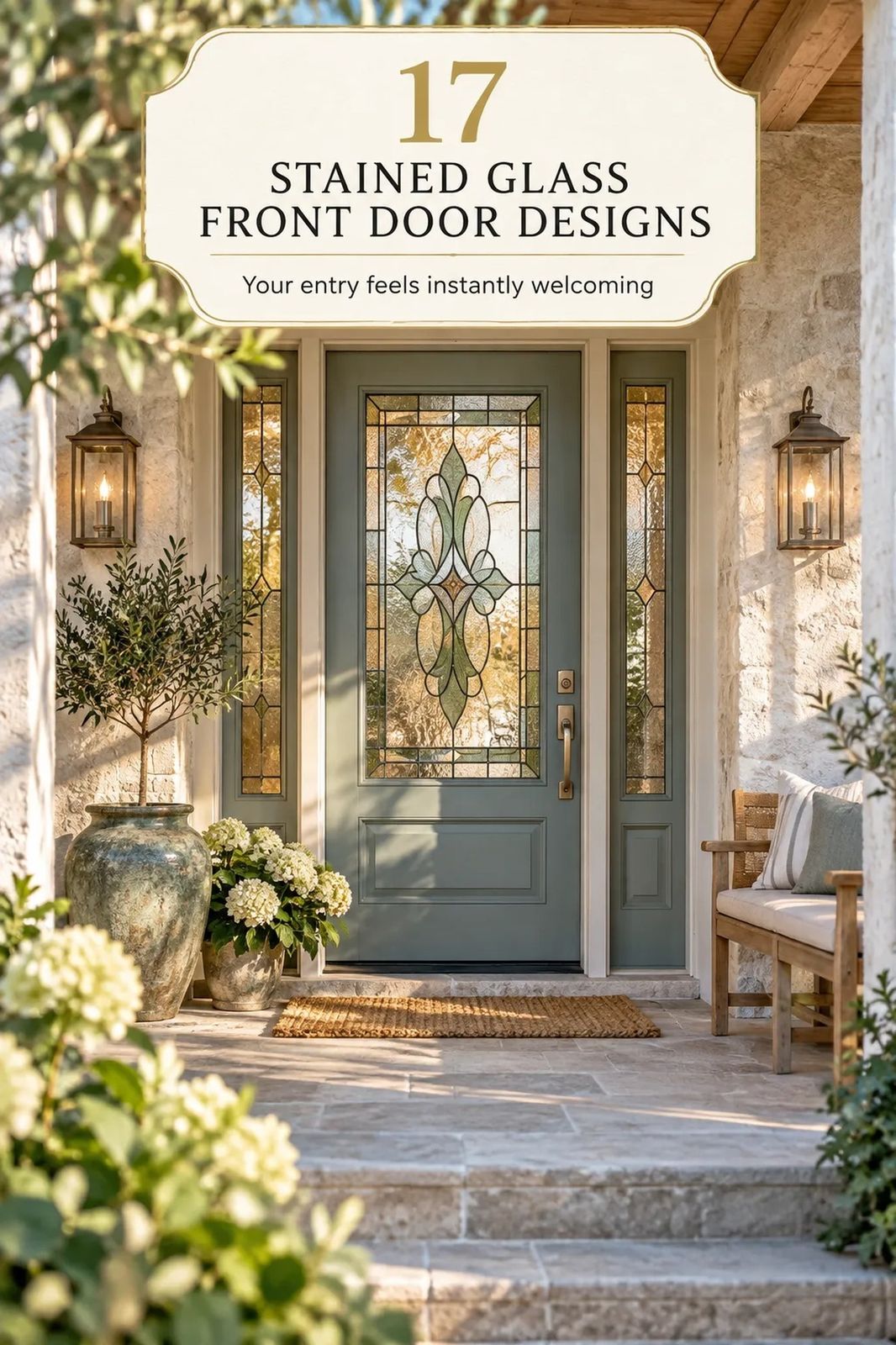
by A stained glass front door can make a plain entryway feel warm without changing the whole house. I learned that after living with a tired porch, a dim hall, and a door that swallowed afternoon light for two years. One panel changed the mood before I changed anything else. And yes, I’d do it again!
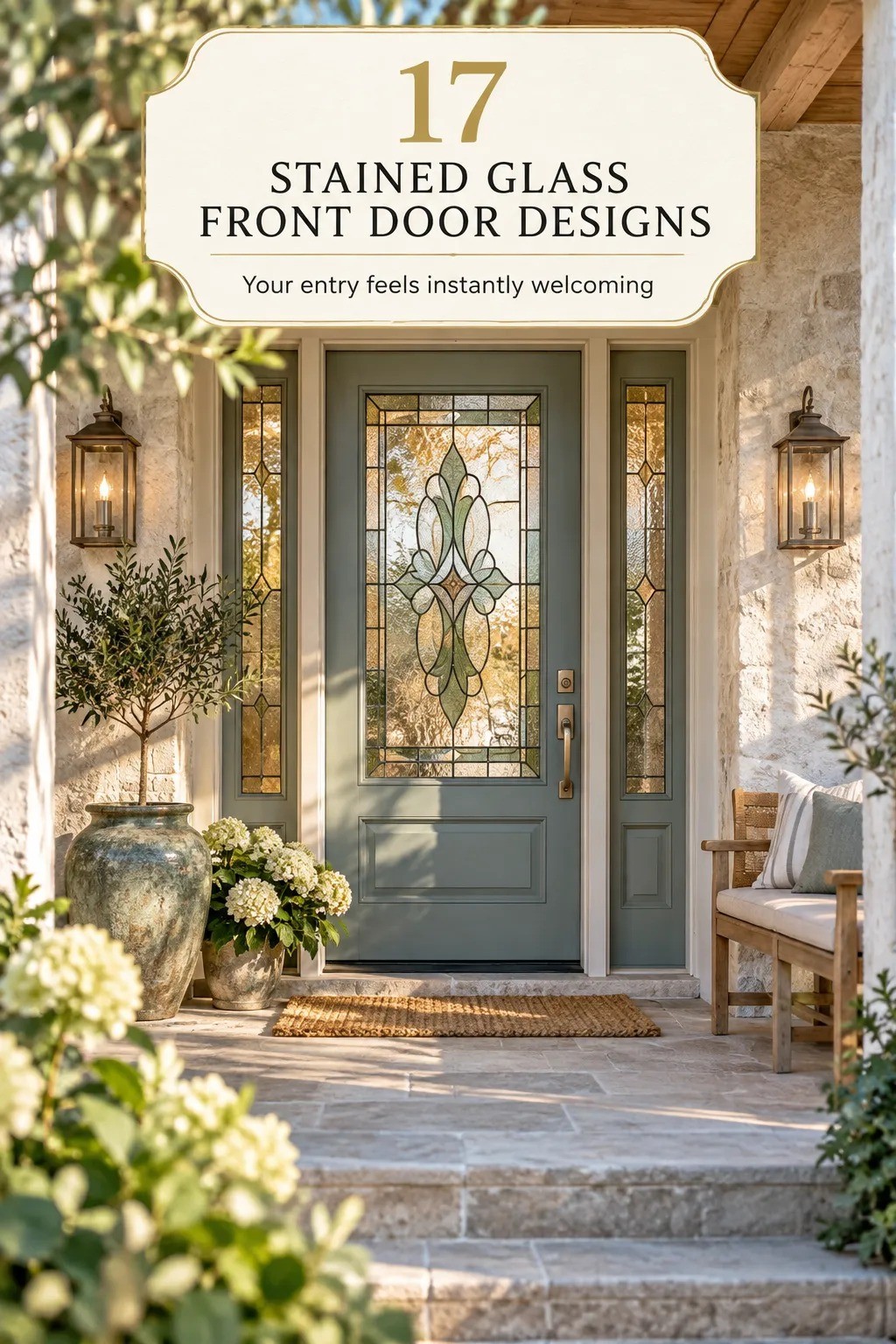
- ✓ Frame the stained glass front door exterior around one color
- ✓ Salvaged Glass Beats a Replacement Door
- ✓ Paint the Frame with the Three-Color Threshold Rule
I started by asking where my eye landed first. It landed on the blank upper half of the door, not the scuffed threshold or the dated porch bulb. A glass panel gave me light without taking up floor space.
The rest of the makeover came from responding to that one decision. I kept the porch narrow, repeated a few colors, and resisted anything that competed with the glass.
- Frame the stained glass front door exterior around one color
- Salvaged Glass Beats a Replacement Door
- Paint the Frame with the Three-Color Threshold Rule
- Let Warm Light Pull the Colors Forward
- Build the Two-Texture Welcome
- Which Hardware Lets the Glass Lead?
- Keep the Narrow Porch Open
- Why Blue Works as the Calm Note
- Layer the Three-Height Light Stack
- Pair Lead Lines with Cerused Oak
- Make a Rental-Friendly Treatment
- Add One Living Thing
- Let the Glass Decide the Mat
- Paint Instead of Replacing the Interior Trim
- Vintage Patina, Modern Restraint
- Hang a Mirror Opposite the Colored Panel
- Finish with the Doorway Pause
1Frame the stained glass front door exterior around one color
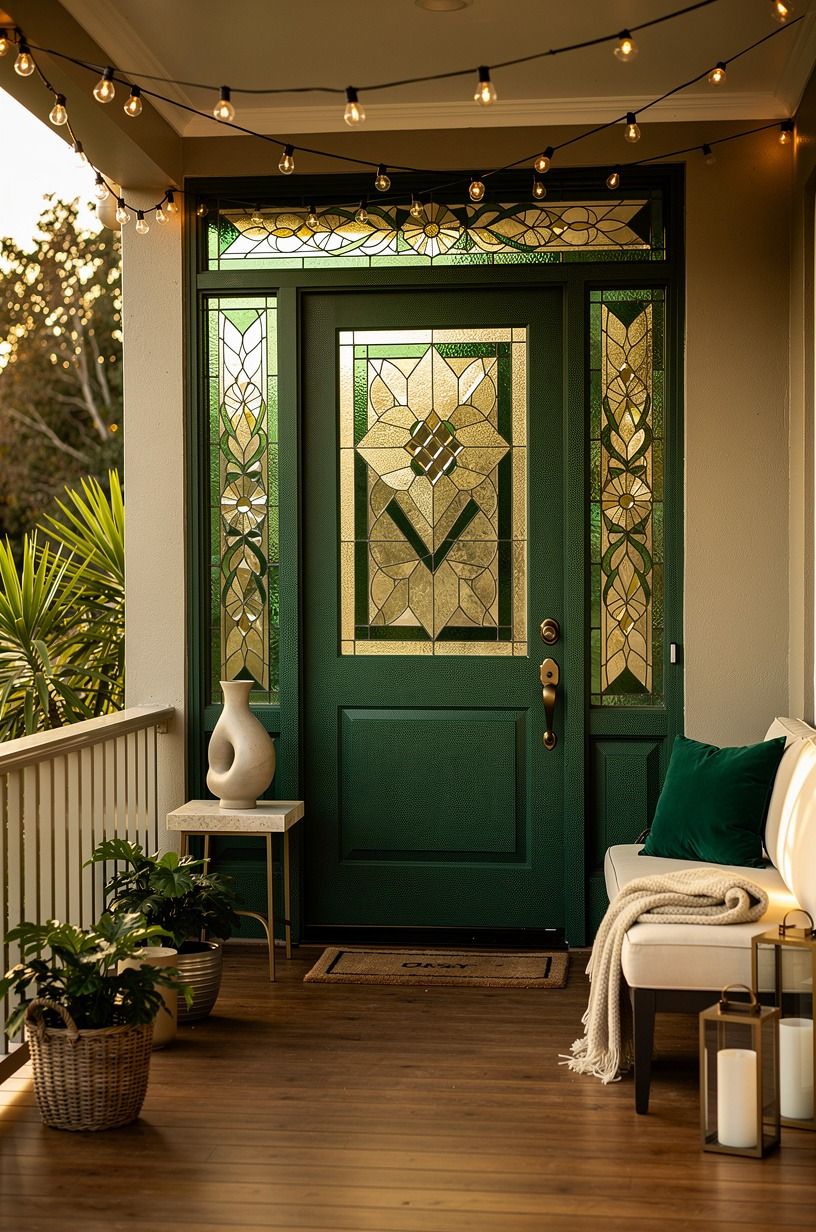
I chose the glass before choosing the paint, which sounds backward until you see how many colors a small panel can throw across a hallway. Mine had emerald, gold, and cream, with a narrow line of darker green.
You’ll want one color to lead, or your entry will look like a sample board. I let the emerald glass win.
The surround became Benjamin Moore Aura Exterior in a deep emerald. It gave the colored glass a firm edge, while a warm cream wall kept the porch from feeling moody.
I’d skip bright white trim here. It makes old glass look sugary instead of collected.
For your own entry, save the strongest glass color for one small planter or cushion. My porch looked more settled once the gold repeated in a small shagreen tray just inside the door. You can see another way to bring color forward in these yellow front door ideas for a sunny welcome.
2Salvaged Glass Beats a Replacement Door
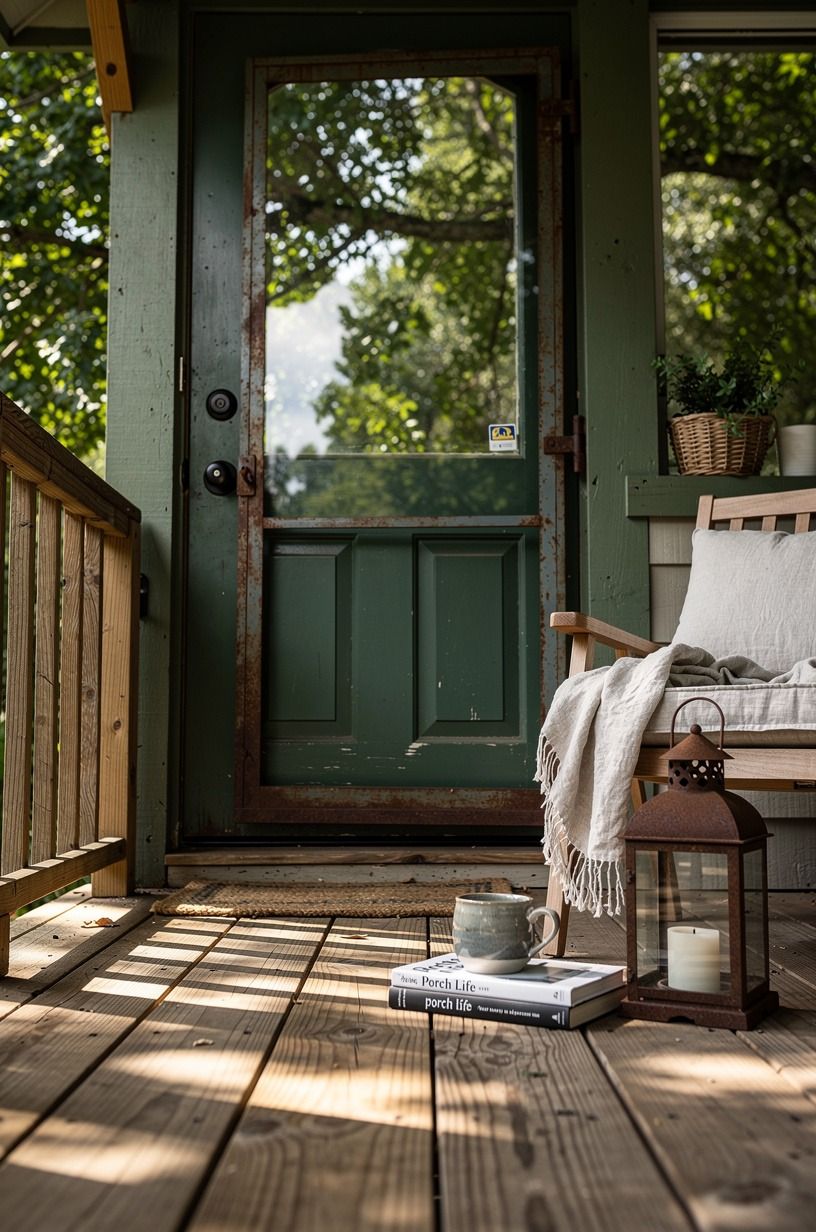
My first instinct was to replace the entire door. That would have been faster, but it would also have erased the uneven grain and tiny dents that made the entry feel lived-in.
I found a salvaged natural oak door with stained glass and spent an afternoon measuring the opening twice. Measure twice!
Your hinges, jamb depth, and swing direction all matter more than the listing details.
The old panel had forest-green glass, a small rust-colored accent, and a slightly cloudy center. I liked that it wasn’t flawless.
You’ll need to inspect the glass for loose cames, cracked corners, and soft wood around the lower rail. A little wear is charming; movement in the door isn’t.
I kept the original hinges and changed only the latch. A washed Belgian linen runner inside softened the oak without hiding it.
That choice saved labor and preserved the door’s character. If your existing door has good bones, compare it with these wooden front door ideas for warm natural character before buying a new slab.
3Paint the Frame with the Three-Color Threshold Rule
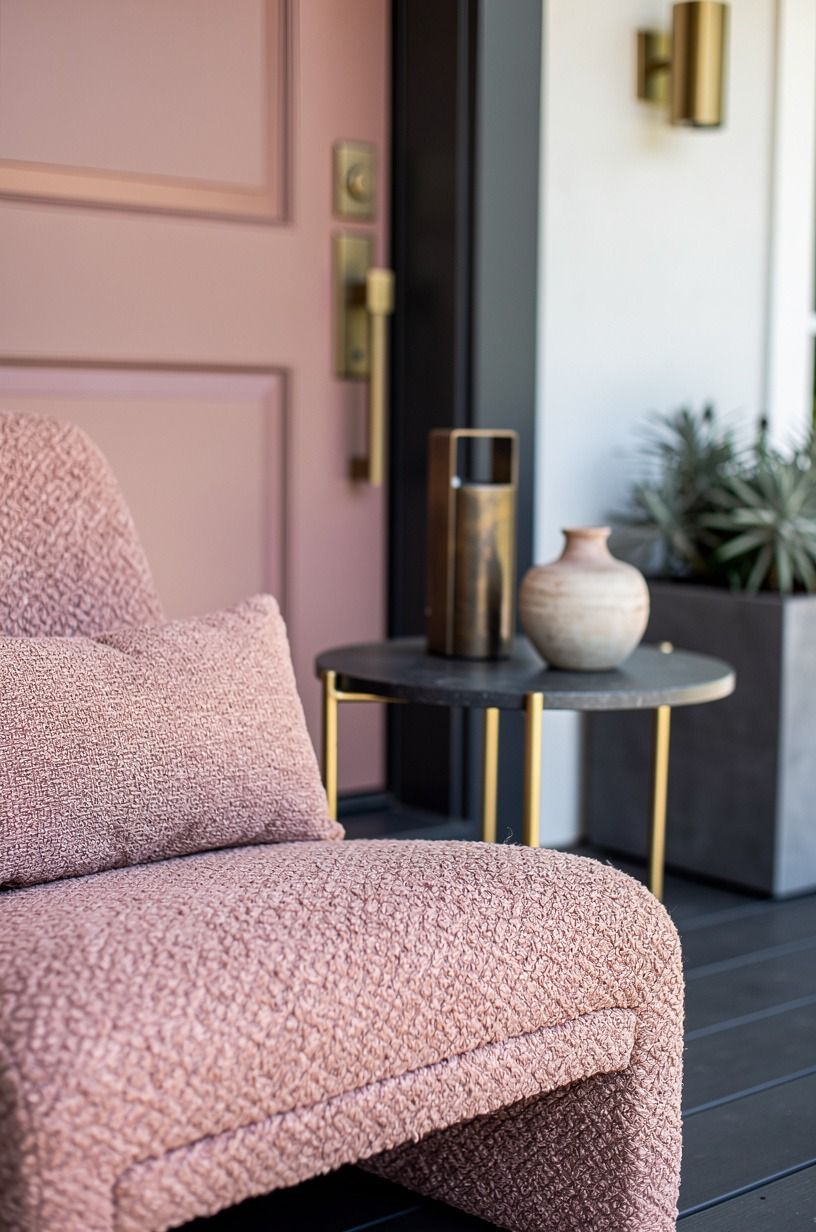
I used three tones at the threshold: dusty rose on the door, charcoal on the interior trim, and aged brass at the hardware. This became my Three-Color Threshold Rule. You don’t need every porch item to match the glass, but you do need a visual handoff from street to hallway.
The exterior coat was Sherwin-Williams Emerald Exterior, tinted a muted dusty rose because the porch gets hard afternoon sun and wet weather. I tested two swatches on scrap wood first. You’ll notice paint color changes beside colored glass, especially when the sun moves across it.
The rose looked gentle at 9 a.m. and much stronger at 4 p.m.
And I didn’t paint the aged brass hinges. That tiny bit of patina keeps the makeover from looking factory-fresh.
An organic bouclé cushion on the hall bench repeated the softness without adding another color. For your door, use one quiet trim color and let the glass carry the drama.
4Let Warm Light Pull the Colors Forward
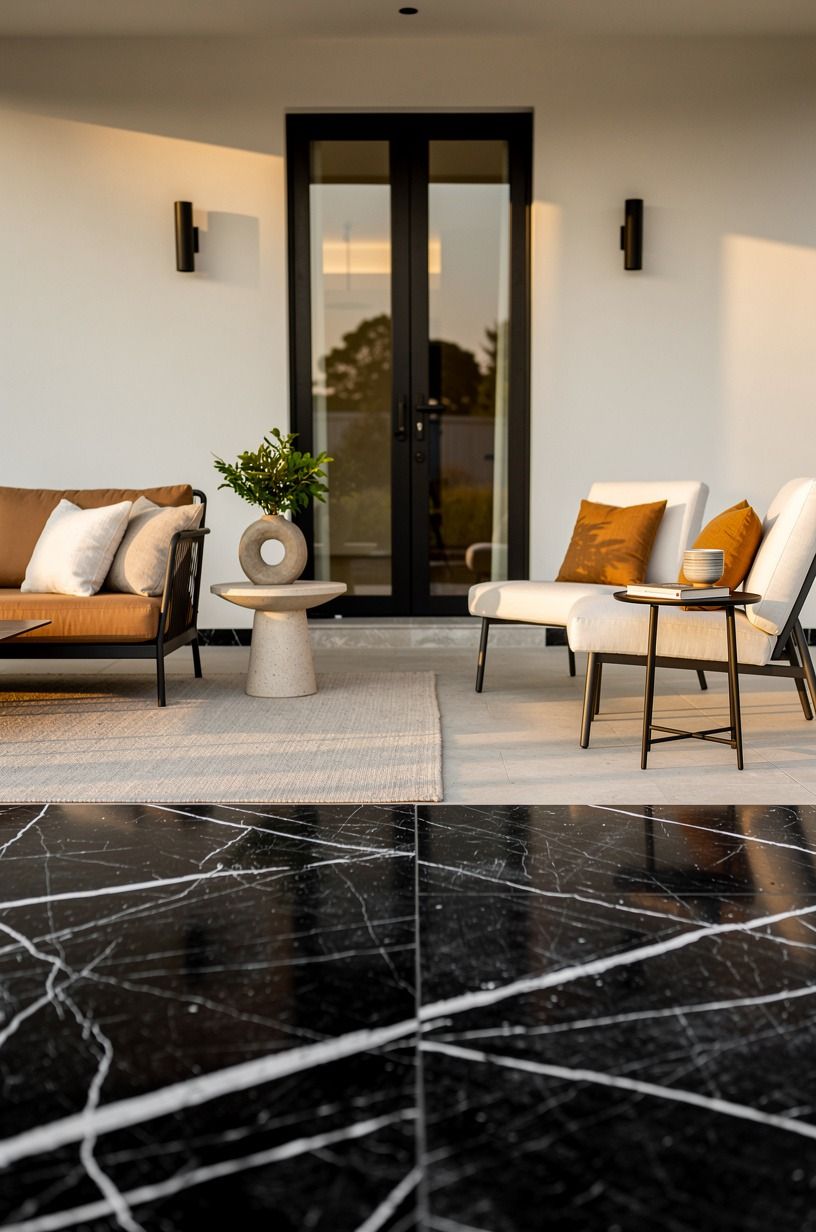
The glass was lovely during the day, but the real moment happened after sunset. I moved the porch bulb slightly higher and chose a warm LED instead of a sharp white one. The light now passes through the colored pieces and lands against a camel runner and the warm white entry wall.
I used a black fixture with a slim shade because its quiet contrast works with the door better than polished chrome. A small Nero Marquina marble threshold adds black depth without making the porch feel heavy. You’ll want a bulb that feels gentle, not theatrical.
A bright fixture would flatten the colors and make your porch look like a shop window.
But I didn’t add string lights. They would have competed with the door and made the narrow porch busy.
Your best lighting plan may be one good fixture, one low planter, and a clear sightline. This is the part that made me stop tweaking!
For another way to borrow daylight, visit these front door ideas with glass sidelights for more natural light.
5Build the Two-Texture Welcome
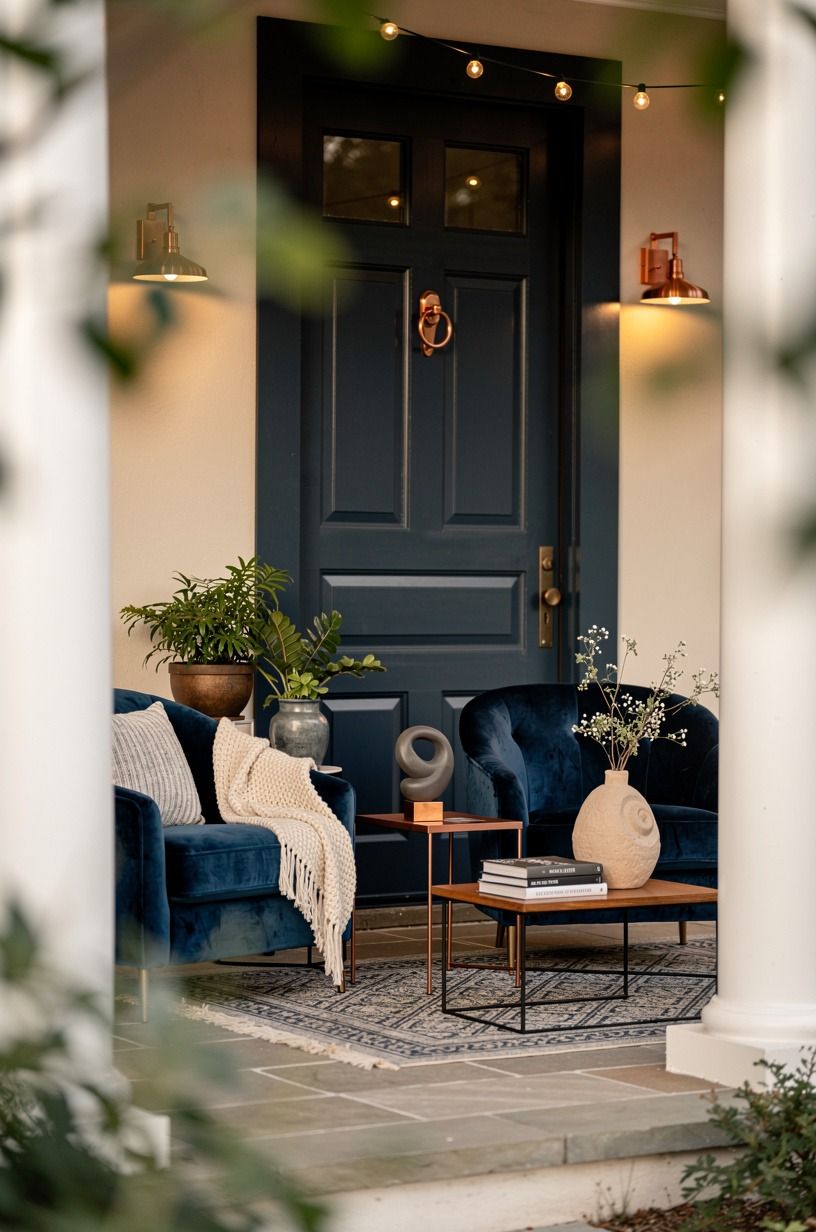
I wanted the doorway to feel inviting without filling it with baskets and signs. The Two-Texture Welcome uses one rough surface and one soft surface. I paired an ivory stone step with a washable woven mat, then added a small deep-pile mohair velvet cushion in midnight blue just inside the door.
You’ll want to keep the mat smaller than the door swing. Mine sits clear of the hinges and leaves the 36-inch walkway open. The rough stone catches grit, while the woven surface hides the little leaves that blow in during fall.
I’d skip a glossy ceramic mat tray. It looked polished in the store, but rain made it slippery.
Your entry needs a surface that behaves well when wet, not one that looks pretty for five minutes. A copper bowl and ivory textile gave the welcome enough warmth without crowding it.
6Which Hardware Lets the Glass Lead?
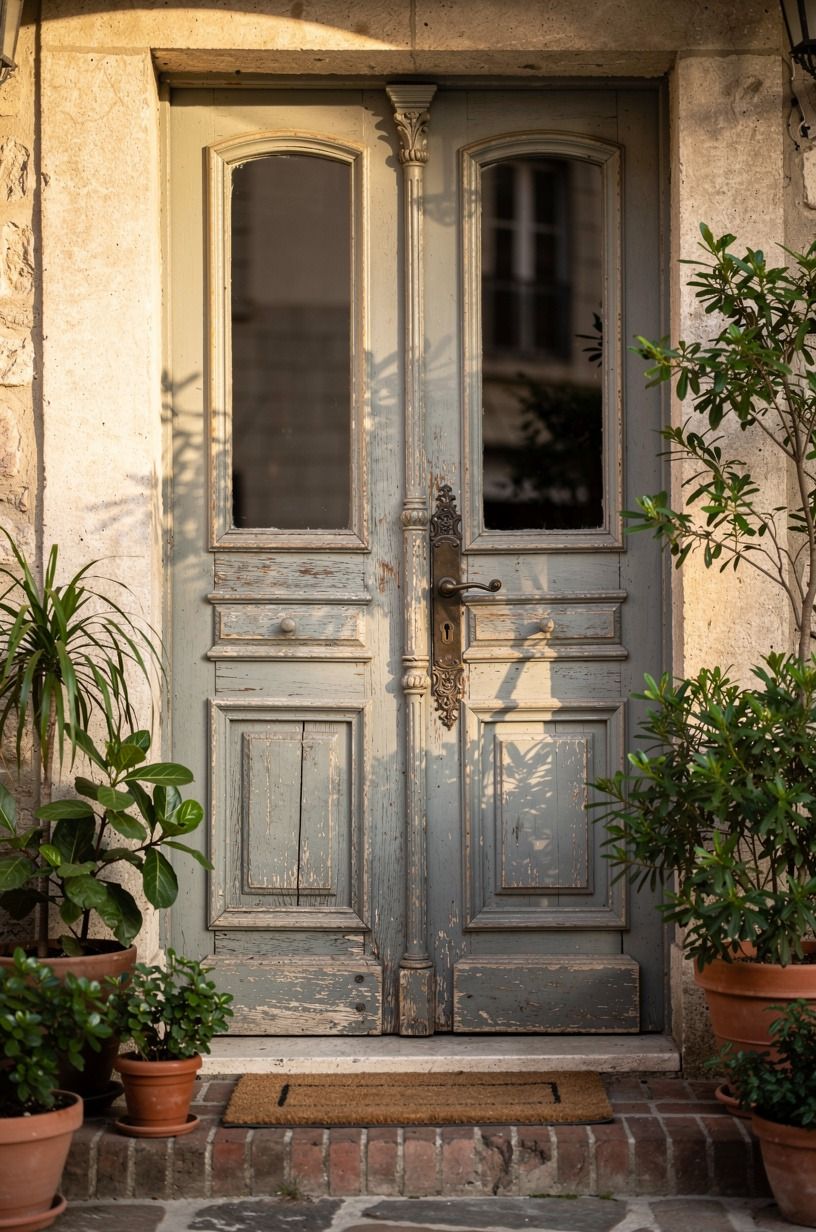
I tested sage green, warm cream, natural wood, and a small Carrara marble shelf against the panel. A simple warm-brass latch let the colors breathe, while the marble kept the hardware from feeling too shiny.
7Keep the Narrow Porch Open
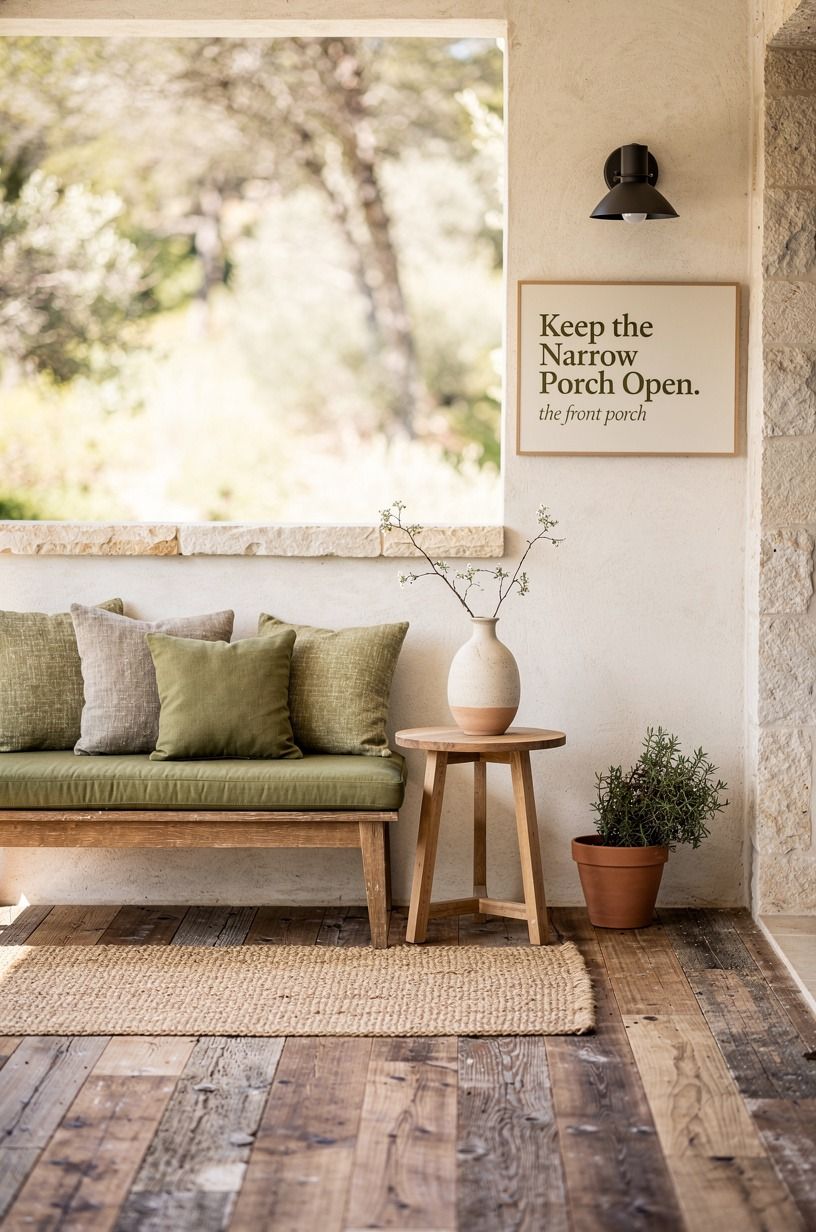
The porch is only wide enough for the door, a planter, and a person carrying groceries. That limitation helped.
I chose a low reclaimed weathered teak cube as a temporary shoe perch during installation, then removed it once the work was done. You’ll want your first view to stay open.
I placed one terracotta pot near the hinge side and used an olive plant to soften the stone around it, leaving the handle side clear. The glass now has room to glow, and your eye can travel from the street through the panel and into the hall.
A wide bench would have blocked that path and made the entry feel pinched. If you’re planning a larger porch update, these yellow front door ideas for a sunny welcome helped me think about color without adding furniture.
And I resisted a welcome sign. The lettering would have sat directly beside the colored glass and created visual noise. Your porch doesn’t need a message if the door already has something to say.
8Why Blue Works as the Calm Note
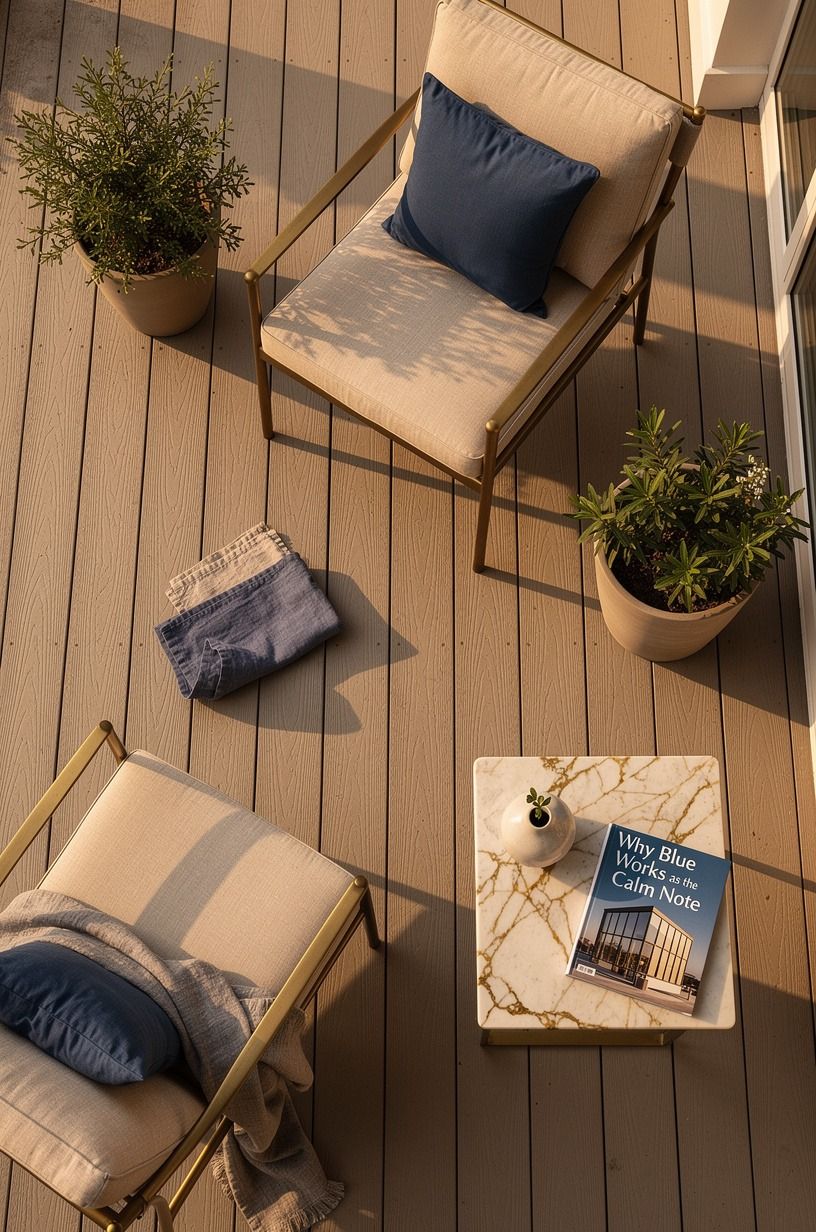
Blue was the color I nearly rejected as the calm note. I left it in the glass, then tested it beside clay-colored paint, washed linen, and aged brass. That changed everything.
The blue became a small pause instead of the whole story, and the warmer colors gained more depth beside it.
I used Farrow & Ball Setting Plaster on a small interior trim sample, not on the whole door. You’ll want to sample soft clay colors beside the real glass, because reflections can make them appear gray, pink, or almost beige. A slim Calacatta marble ledge added a quiet pale surface below the panel.
I’d skip a full blue-and-white scheme. It would have made the entry feel coastal, which wasn’t my house. The better choice was one cool note, one aged metal, and the natural texture of washed linen.
9Layer the Three-Height Light Stack
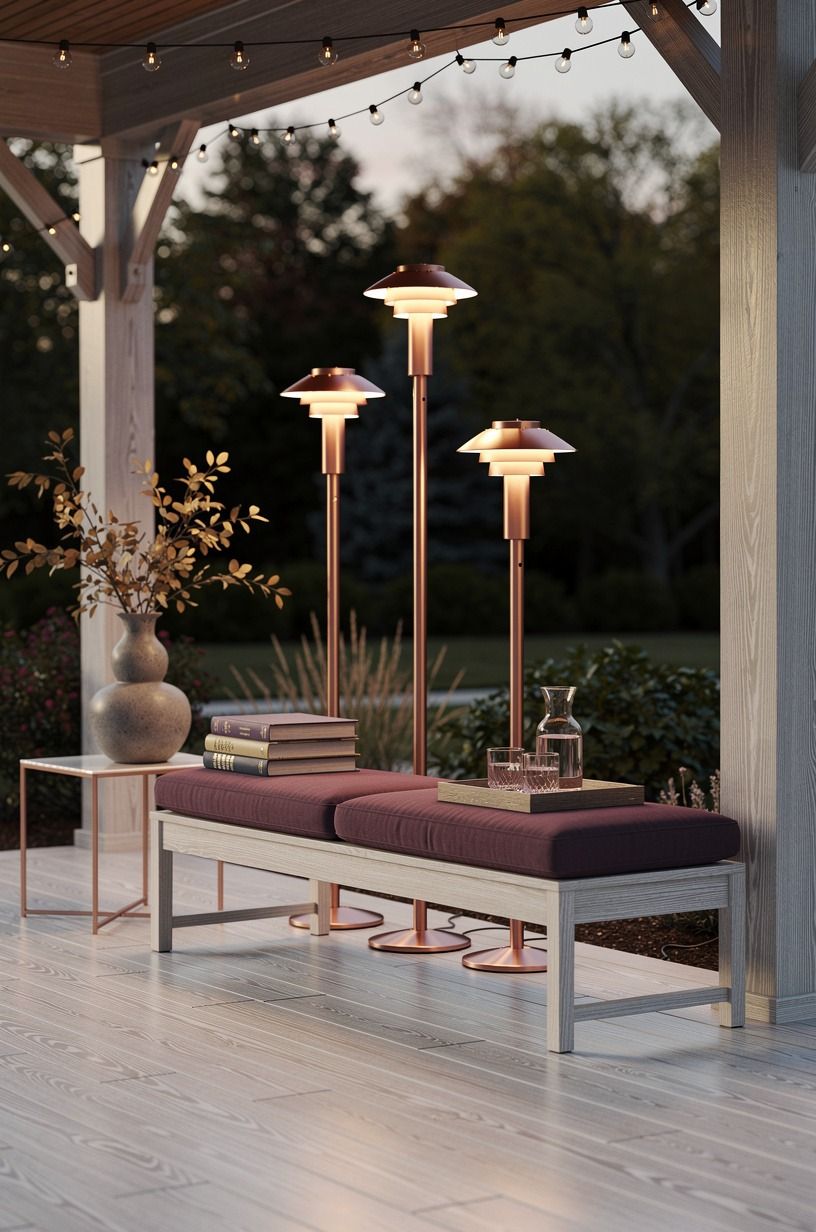
The entry looked flat until I gave the light three levels. The fixture sat high, the glass spread color at eye level, and a low rose-gold lantern warmed the step. A narrow cerused white oak shelf filled the middle zone without adding much furniture.
The low piece is rose-gold metal, with a covered candle-style bulb. I kept it far enough from the walkway that your feet have a clear 36-inch passage. The middle light comes from the glass, while the upper fixture handles safety.
You’ll notice the difference when you arrive after dark. The porch no longer goes from black to harsh brightness in one jump.
Instead, the light unfolds gradually. That feels more welcoming than a brighter bulb ever did.
10Pair Lead Lines with Cerused Oak
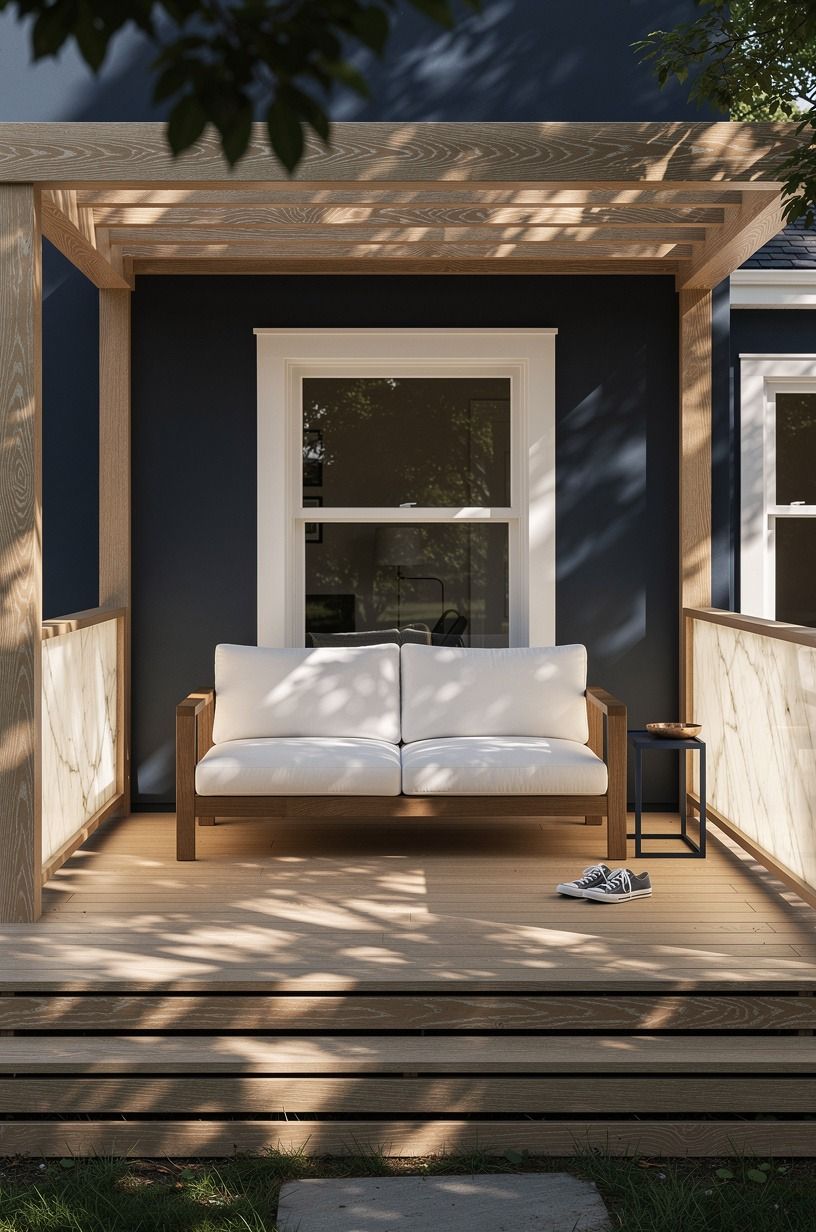
The glass has strong diagonal lead lines, so I added a quieter grain beneath it. A slim cerused white oak shelf gave the entry warmth without competing with the navy and white details in the panel.
I placed a small piece of backlit translucent onyx below the shelf, where it catches a soft glow after sunset. The navy accents stay calm, the white keeps the doorway clear, and the walnut handle adds enough depth to stop the arrangement feeling pale.
11Make a Rental-Friendly Treatment
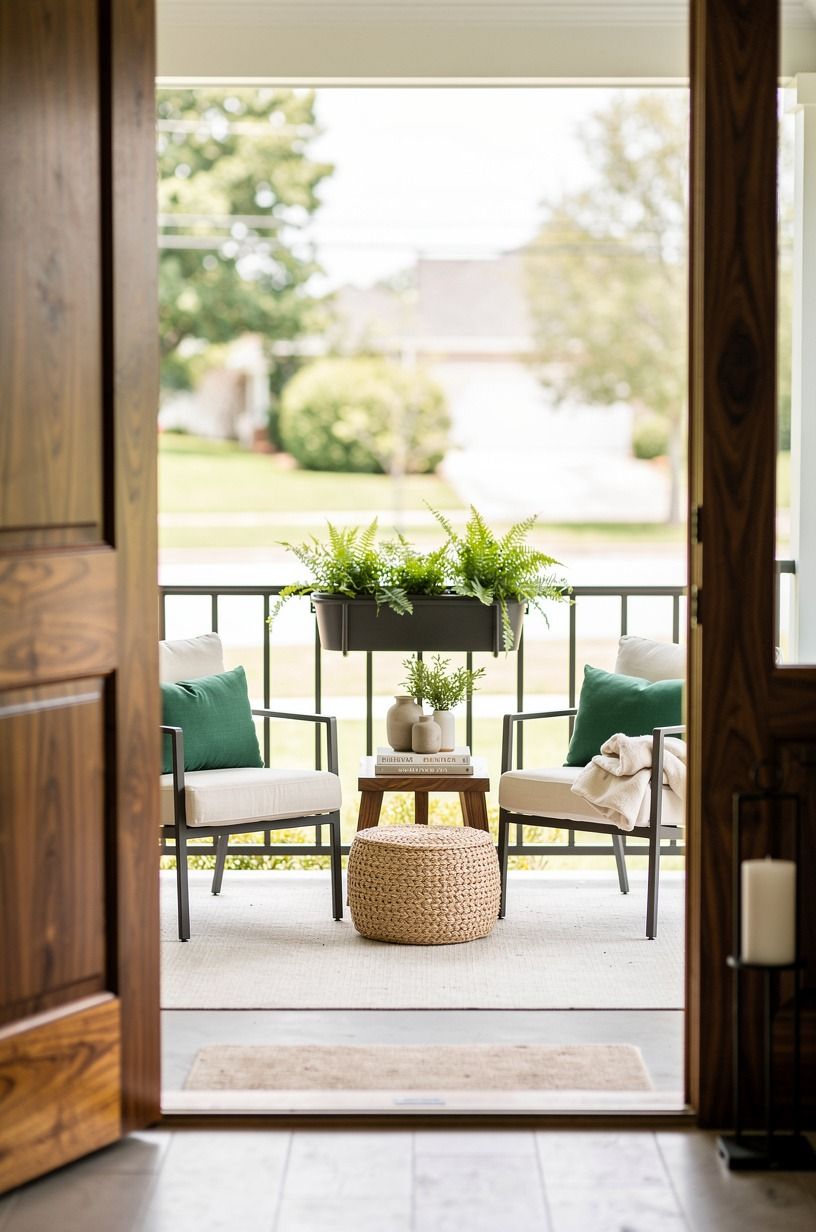
My own door is permanent, but I tested a removable approach on the sidelights for a friend. Emerald-and-gold cling film gave her the look of colored glass without drilling, glue, or a landlord conversation. You’ll need a clean pane and patience with the edges.
We used a lightweight book-matched walnut panel on a removable support, not on the rental door itself. The warm grain caught light through the glass while a cream backing kept the colors soft. Your version could use a tension rod, a lightweight panel, or removable hooks.
I’d skip peel-and-stick film with a busy floral print. It looked flat from the street and too loud from inside. A simple geometric border has more presence, and you can remove it when your lease ends without leaving a story behind.
12Add One Living Thing
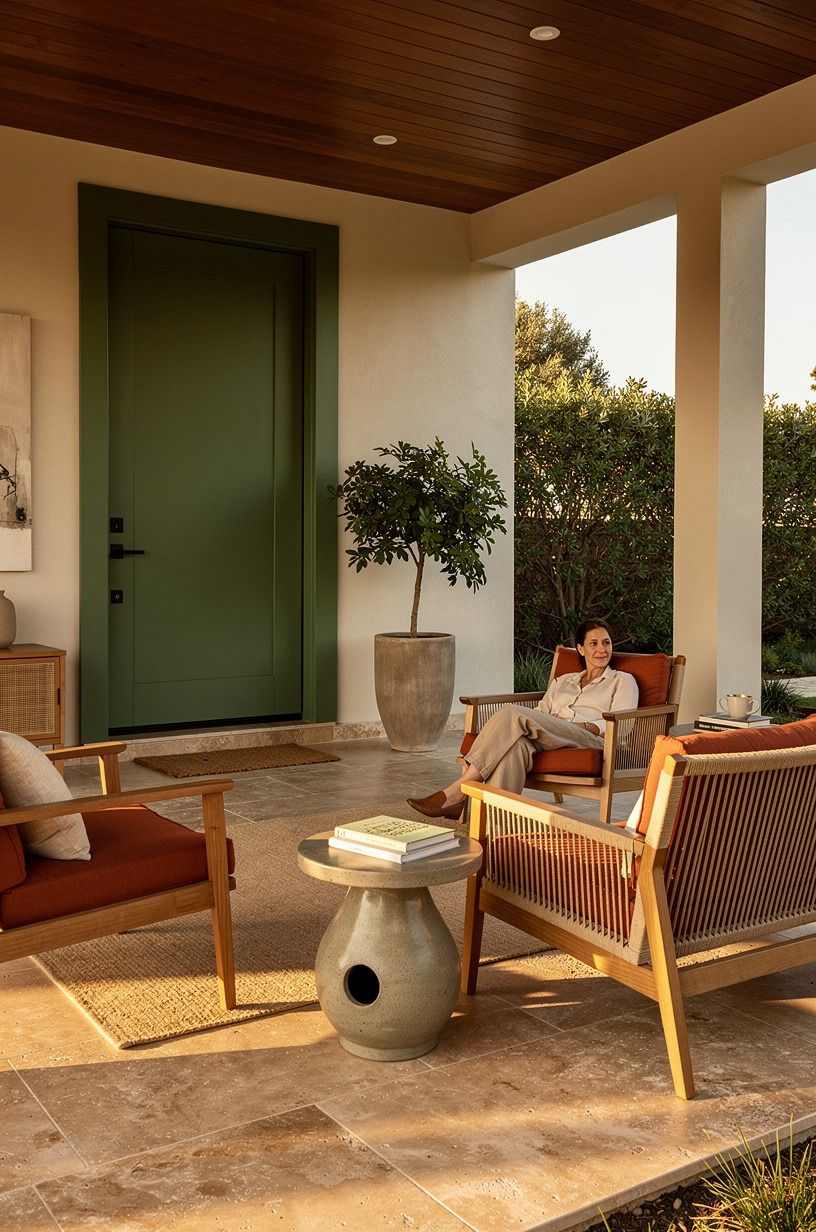
Plants helped the door feel less like a renovation project and more like part of the house. I chose a rosemary plant in a weathered oak stand because its narrow shape didn’t cover the lower glass. You’ll want foliage that stays below the handle and doesn’t crowd the walkway.
The pot is warm travertine, not dark stone, because its sandy surface works with the forest green leaves and rust-colored accents nearby. A natural oak base keeps the arrangement grounded while the plant softens the edges.
A large fern looked romantic in the store, but it hid the lower panel and shed leaves everywhere. I’d choose a sculptural plant with a clear silhouette instead. The door deserves to remain the first thing your visitor sees.
13Let the Glass Decide the Mat
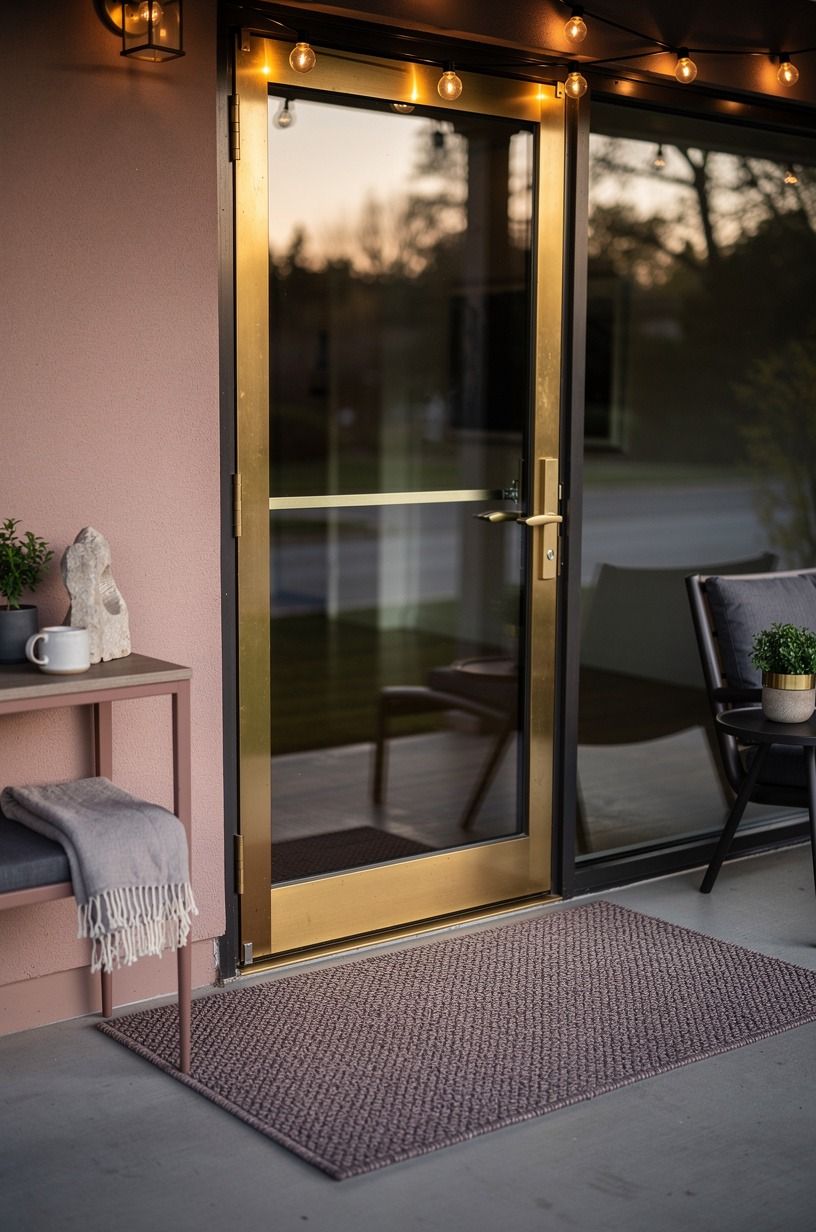
I bought the mat last, after living with the door for a week. A dusty rose border, charcoal center, and thin brass-colored threads tied it back to the glass without copying every detail.
I chose an unlacquered brass threshold accent that will develop a natural patina over time. You’ll want a mat that can handle wet shoes while still leaving the lower panel visible.
14Paint Instead of Replacing the Interior Trim
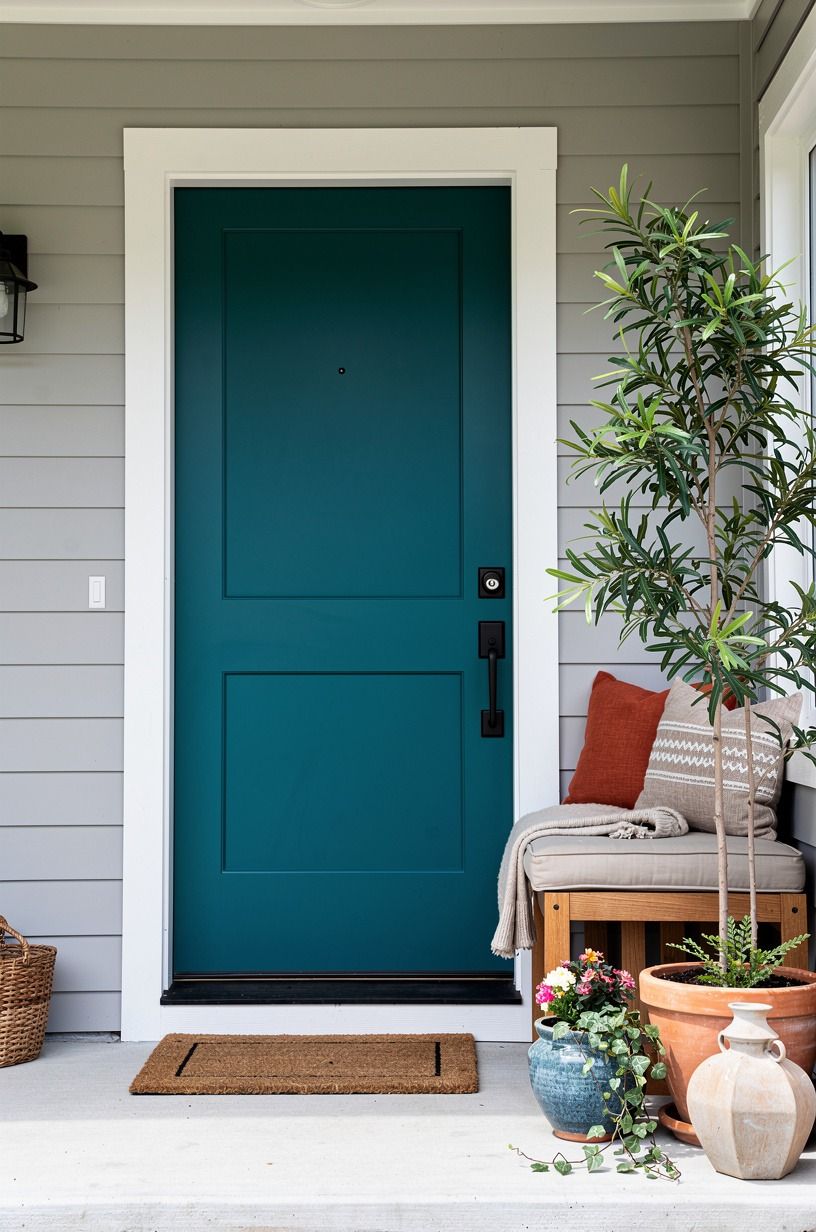
The inside trim was scratched, but the profile had a soft, old-house shape. I decided to paint it rather than replace it. Benjamin Moore White Dove OC-17 warmed the hall and made the colored light look clearer without turning the space stark.
You’ll want to fill only the obvious dents. I left a few shallow marks because a flawless trim profile would have made the salvaged door look fake. Your goal is a clean surround with evidence of age, not a brand-new shell around old glass.
But I didn’t use the same charcoal inside and out. The darker color made the hallway feel narrow at night.
A warm white trim, a camel bench cushion, and a black door handle give the opening a gentle transition. An oversized-chip terrazzo sill adds texture without making the hall feel busy.
15Vintage Patina, Modern Restraint
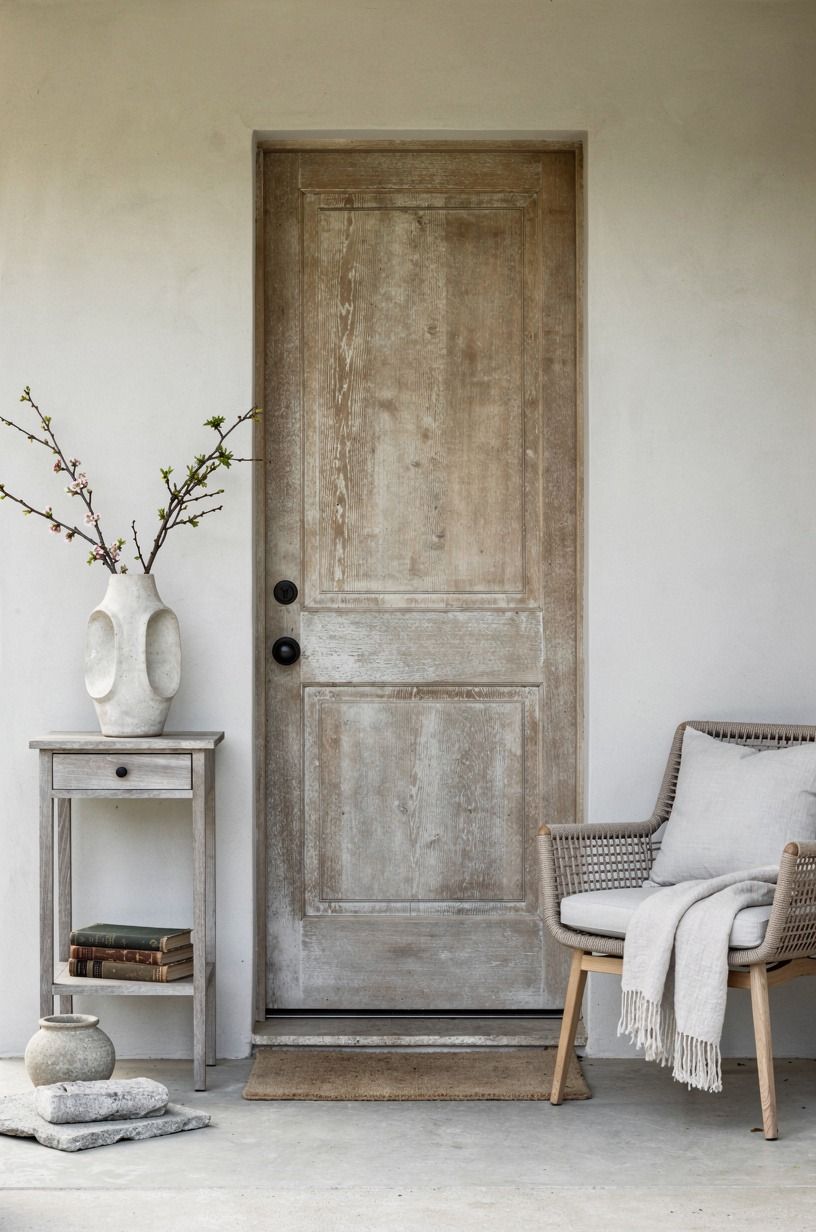
The door needed one more layer, but not another decoration. I paired the aged copper latch with a small midnight-blue cushion on the hall bench, backed by an ivory wall finished in hand-applied Venetian plaster. You’ll see the color only after entering, which makes the makeover feel discovered rather than announced.
The cushion has a dense fabric, so it holds its shape and doesn’t look flimsy beside the heavy door. Your textile doesn’t need to match the glass exactly. It only needs to share one quiet color and one tactile quality.
I’d skip distressed signs, faux rust, and anything printed with a welcome phrase. The patina should come from real metal, worn wood, and plaster that catches the light. That combination feels more charming because it isn’t trying so hard.
16Hang a Mirror Opposite the Colored Panel
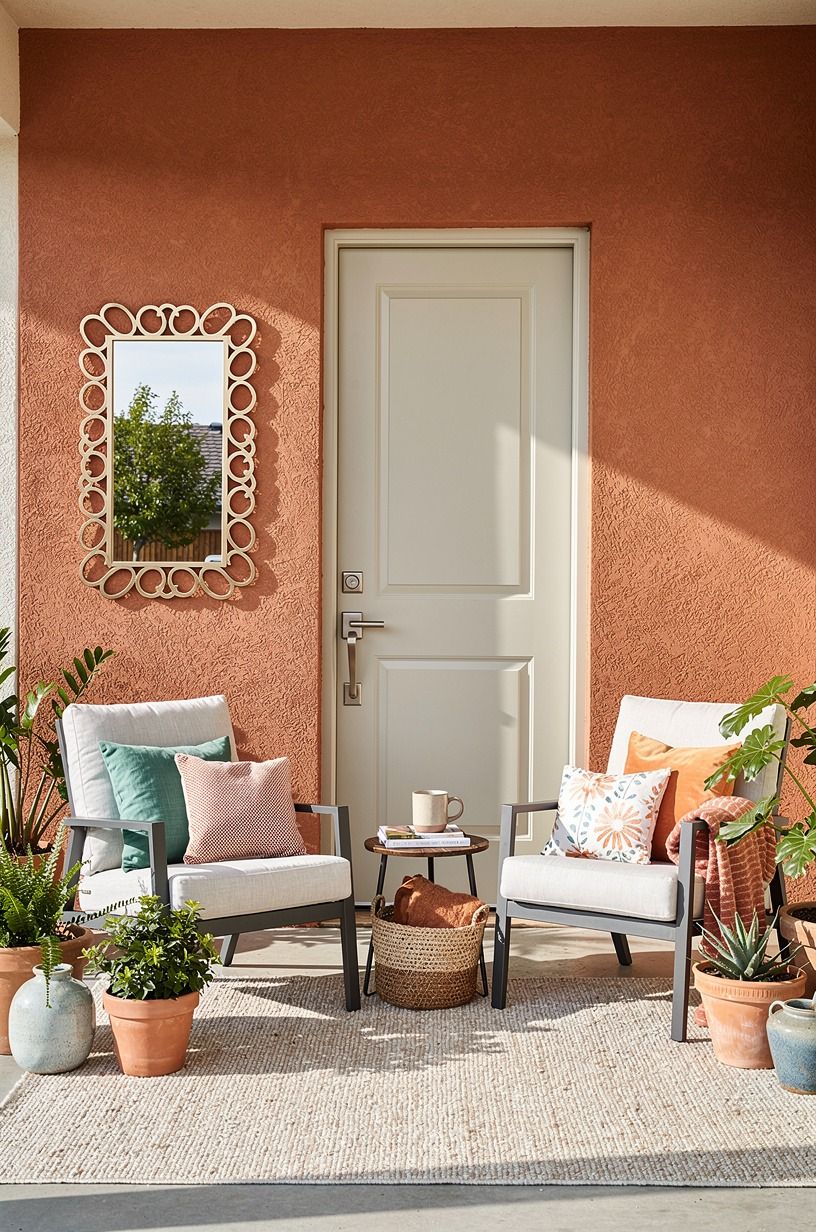
A mirror made the doorway glow twice. I hung a small mirror with a shagreen surround across from the glass, high enough to reflect color without showing the clutter on the floor. You’ll want to test the placement before drilling.
The reflection now carries sage green and warm cream farther down the hall. A natural wood shelf below it adds warmth, although nothing changed dimensionally. I kept the mirror narrower than the door so the two shapes don’t compete.
I’d skip a full-length mirror in this spot. It would have turned the entry into a dressing station and made the stained glass secondary.
A compact reflective surface gives you the light without stealing the mood. If you prefer a cleaner direction, compare these modern front door ideas for sleek curb appeal before choosing a larger mirror.
17Finish with the Doorway Pause
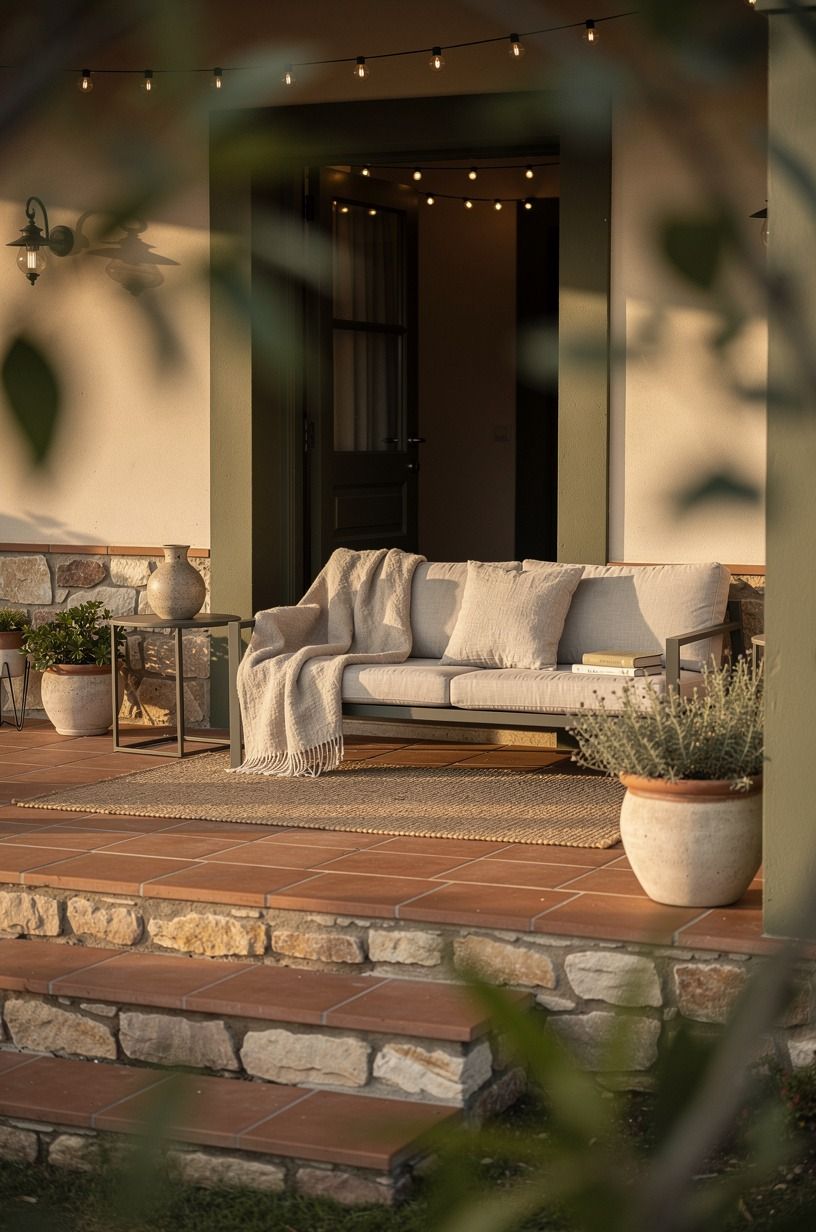
The last step was leaving something empty. I removed two baskets, one sign, and a small metal bird from the porch. The remaining washed Belgian linen runner rests beside a terracotta pot, while an olive branch adds one quiet note against the stone.
You’ll want to walk past your own door at different times of day before deciding it’s finished. Your glass may look soft in the morning, bold at noon, and almost candlelit after sunset.
The doorway finally feels like a pause between outside and in. And if you’re still weighing paint against glass, start with the smallest surface that changes the light.
You may not need a larger renovation. That was the whole win!
How Much It Cost
I kept the makeover inside the typical budget range for an outdoor entry refresh, using a salvaged door, existing trim, one fixture, paint, and a few durable accents. The numbers below are broader US outdoor reference points, but they helped me decide where to spend and where to reuse.
For material planning, I treated the polypropylene rug and LED lighting as practical layers rather than decorative extras. Typical reference costs include a teak set at $1,000-$4,000, a polypropylene rug at $80-$400, LED string lights at $30-$120, and Sunbrella cushions at $40-$150 each.
I didn’t need the full list, but you’ll want to know where your budget could expand. My strongest advice is to spend first on the door’s condition, weather sealing, and safe hardware. Paint and styling can wait.
Why I’d Choose Glass Again
I expected the stained glass to be the visual feature. I didn’t expect it to change how I moved through the house. Before the makeover, I switched on the hall light as soon as I entered.
Now the door sends a faint golden shape across the floor in the afternoon, and I often leave the switch alone.
That shift matters because an entryway is experienced in seconds. You don’t study it like a living room.
You arrive with bags, shoes, mail, and a wet coat. The best choice has to work while you’re distracted.
For me, colored glass did that better than a dramatic paint color or a larger piece of furniture.
I went back and forth between a modern clear panel and the old leaded design. The modern option was easier to source, but it would have made the house feel newer than it is. The imperfect panel won because it gave the porch a past.
You can see a cleaner direction in these modern front door ideas for sleek curb appeal, but it wasn’t the right answer for my entry. For another color-led approach, I also revisited these yellow front door ideas for a sunny welcome.
The practical lesson is simple. Choose the thing that changes light, movement, or sound before you choose the thing that only fills a blank wall. I made the mistake of buying accessories first, and they all became clutter once the door arrived.
What People Always Want to Know
What is the best stained glass front door idea for a small front porch?
A narrow geometric panel works best for a small porch because it adds warm amber color without visual bulk. I’d pair it with one compact planter and leave at least 36 inches for walking. Your door should remain the focal point, not compete with oversized furniture or signs.
Where can I buy stained glass front door pieces on a budget?
Look at IKEA, Wayfair, Target, Facebook Marketplace, and local thrift shops for frames, planters, and lighting. Secondhand wood gives you character cheaply, while paint can unify mismatched pieces.
You’ll often find older glass panels through salvage yards, where patience matters more than brand names. These wooden front door ideas for warm natural character can help you compare finishes.
How much does a stained glass front door makeover cost?
A small outdoor refresh typically fits the $200-$900 budget tier when you reuse the door and focus on paint, textiles, plants, and lighting. Existing trim and salvaged materials can keep costs down. Your total rises quickly if the frame, jamb, or hardware needs replacement.
Can I create stained glass front door charm on a budget?
Yes, and you can begin with three low-cost moves: clean the glass, repaint the trim, and add one warm LED fixture. Careful editing gives you more impact than more objects. I’d also check thrift shops before buying a new planter, mat, or mirror.
Is a stained glass front door worth it in a small space?
Yes, because a small entry lets the glass do more work. Natural light travels farther when there’s less visual competition.
Keep your walkway open, use one narrow planter, and choose a mat that sits clear of the door swing. Your porch will feel larger when the view stays clean.
Is a stained glass front door a good idea for a rental?
Yes, if you use removable options such as cling film, a tension-mounted support, removable hooks, or a freestanding mirror. No-damage layers give you the mood without permanent changes. You’ll want to confirm lease rules before applying anything to the actual door or trim.
Where I’d Start First
If I had to pick one, I’d start with the stained glass panel. It changes the light before you buy anything else, and every later choice has something real to answer.
Pin this idea for later, then watch your entry at sunset before choosing the paint. That’s where the charm shows up.