
 by
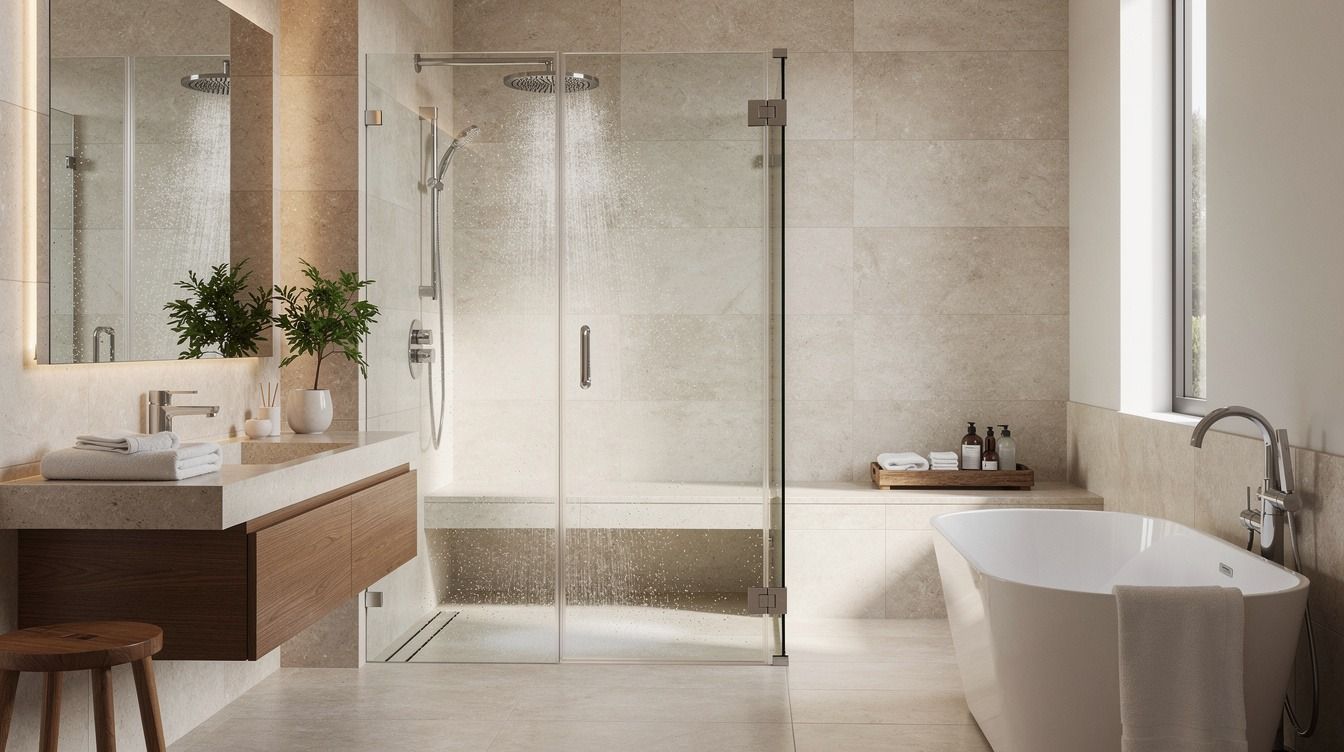
by Steam shower ideas for a spa-worthy master bath start with a properly sealed shower, enough room to sit comfortably, and a generator sized by a licensed pro. I learned that after trying to make a cold, echoing shower feel relaxing with candles alone. It didn’t work. The envelope comes first!
- Start by checking whether your shower can hold steam
- Measure for a comfortable 36x36-inch shower footprint
- Build the Vapor-Tight Box Rule into your walls
- Slope the ceiling before you choose decorative tile
- Place the generator where service access stays easy
- Choose hand-glazed zellige for warmth under steam
- Pick porcelain over porous marble for the wettest walls
- Use the Three-Height Light Stack for softer evenings
- Keep controls within reach but outside the direct spray
- Add a bench that supports your whole back
- Run a heated floor beyond the shower threshold
- Paint the dry walls in Sherwin-Williams Sea Salt
- Frame the glass with aged bronze instead of bright chrome
- Anchor the vanity at a 32-to-36-inch height
- Compare your tile and fixture budget before demolition
- Choose a fan that clears the room after every session
- Layer Turkish cotton where your hands can reach it
- Use tadelakt on dry-adjacent walls for an organic finish
- Finish with the Steam-Exit Ritual, not more decor
1Start by checking whether your shower can hold steam
You need a fully enclosed shower before you think about benches or tile. Steam escapes through gaps above an open doorway, so your shower needs a door that reaches the ceiling or a transom designed to close. Tempered glass enclosure first, accessories later.
Ask your contractor to inspect the walls, ceiling, drain, and ventilation route. You’ll want waterproofing behind every wet surface, not just pretty tile over drywall. I’d skip a half-wall shower here because your steam will drift straight into the room.
For a calm reference point, borrow the material restraint in these spa-like master bathroom retreat ideas. Your shower should feel enclosed, not boxed in.
Typical cost by tier (US averages):
2Measure for a comfortable 36x36-inch shower footprint
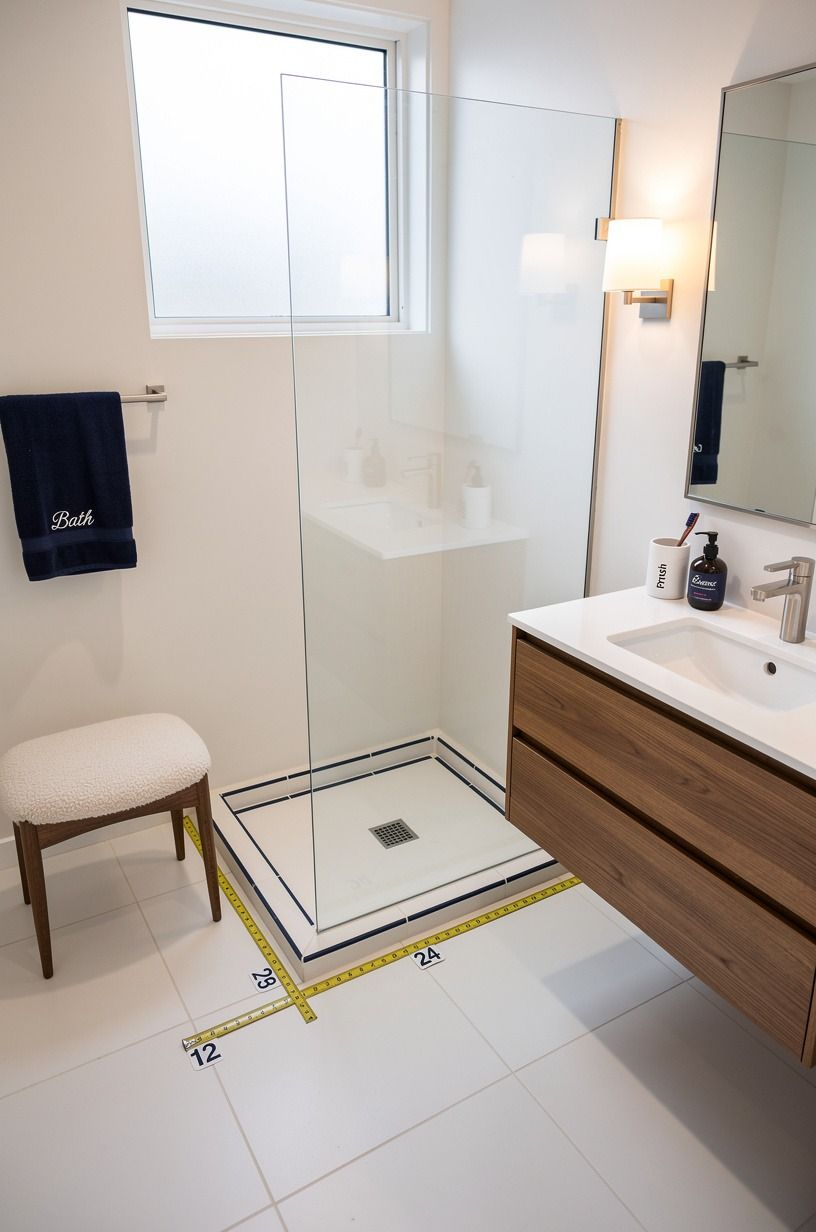
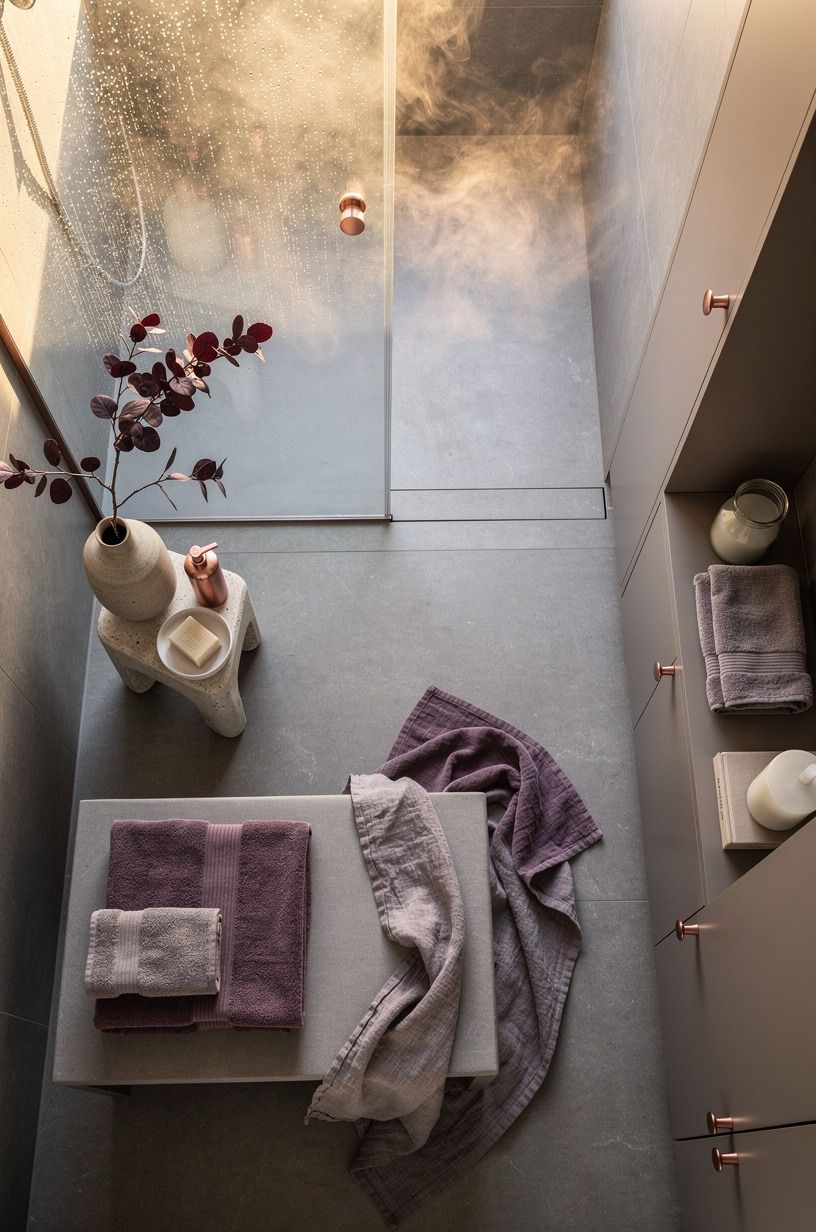
A 36x36-inch shower is the minimum that feels comfortable for one person standing in steam. You can fit a compact setup into that footprint, but you’ll want a larger plan if your shoulders hit glass every time you turn.
Measure your clear floor space before choosing a bench. Your body needs room, your door needs room, and the controls need a dry-side location. Small shower, big consequences.
If you’re planning bathroom ideas shower and tub together, keep the standard 60x30-inch tub outside the steam zone unless you’re prepared for a much bigger enclosure.
3Build the Vapor-Tight Box Rule into your walls
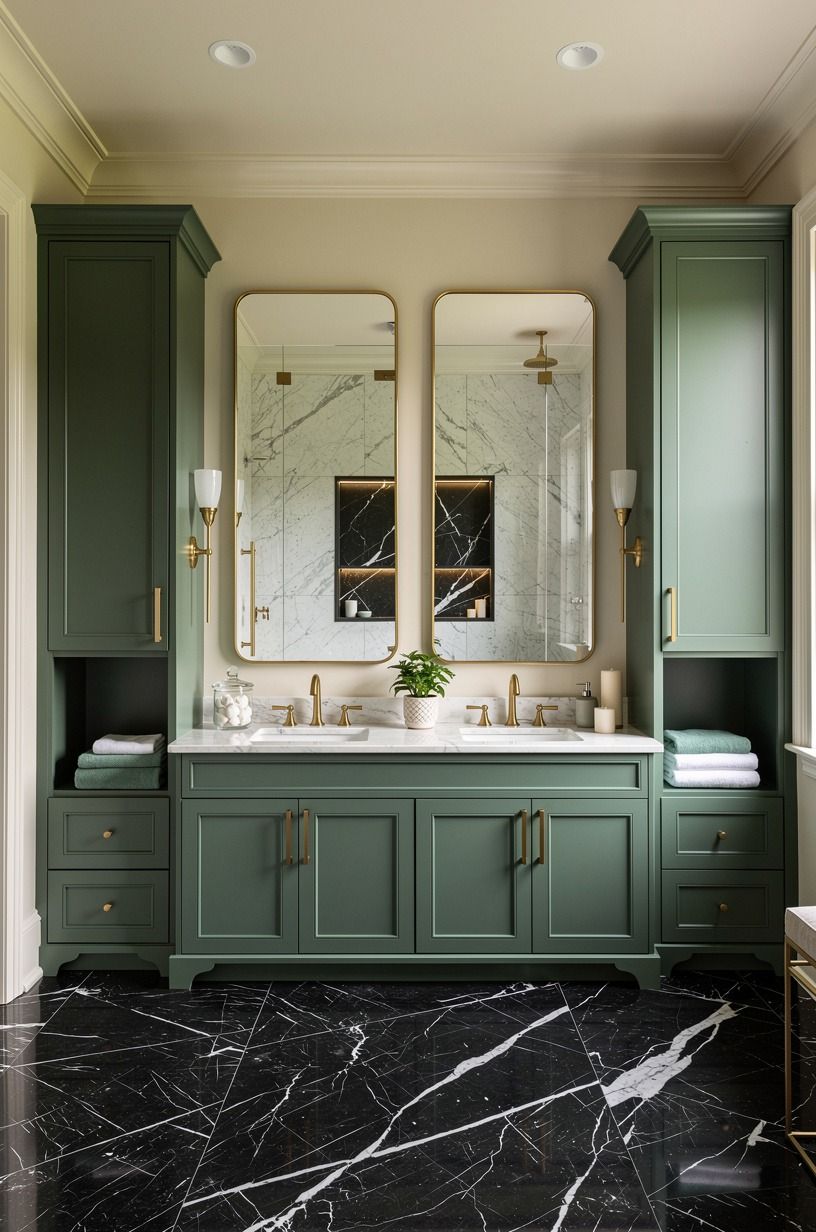
The Vapor-Tight Box Rule is simple: your steam shower is a sealed room inside your bathroom. Your installer should use a rated membrane, sealed seams, and a ceiling that won’t collect dripping condensation over your head.
Choose Schluter KERDI waterproofing membrane or another approved steam-rated system rather than assuming ordinary shower board is enough. You don’t see this layer once tile goes up. That’s why people under-budget it.
And don’t let anyone rush this step. A moody shower with a leak behind the wall is just an expensive headache.
4Slope the ceiling before you choose decorative tile
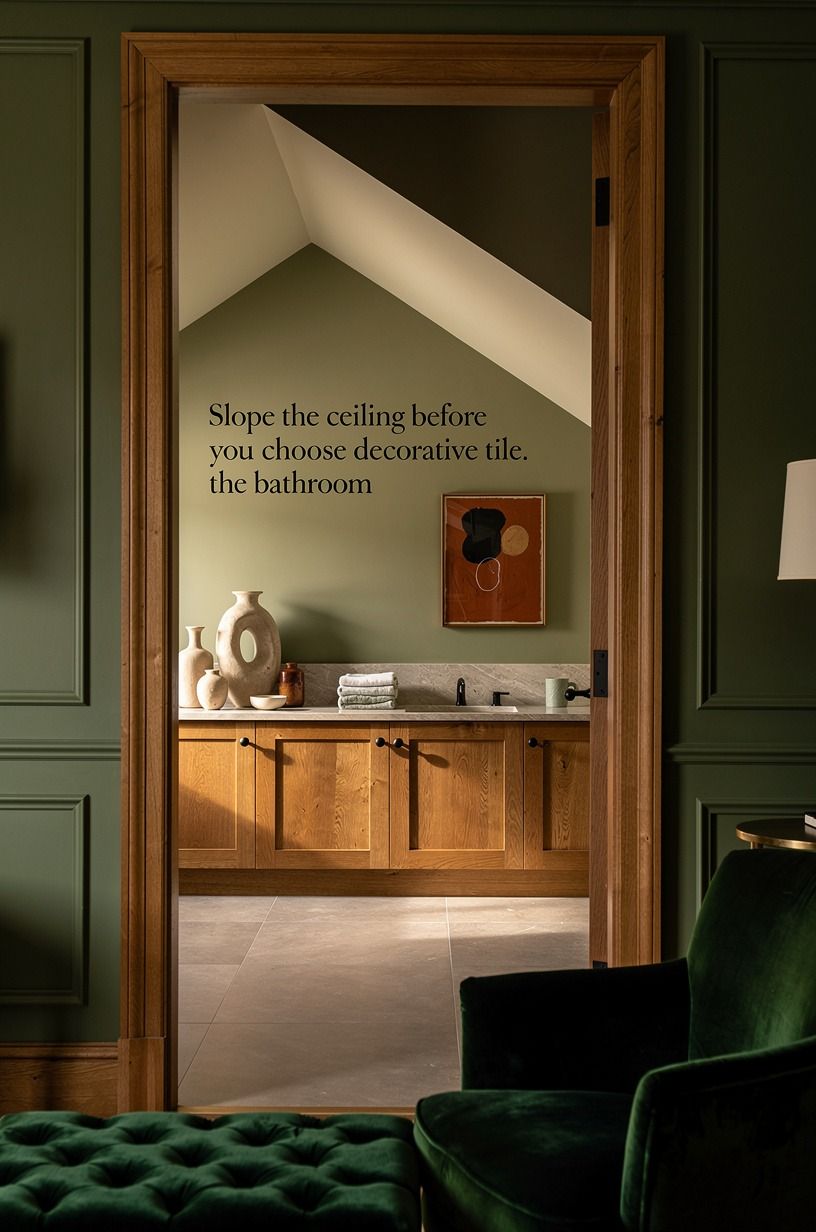
A flat ceiling lets condensed steam fall straight down in cold drops.
5Place the generator where service access stays easy
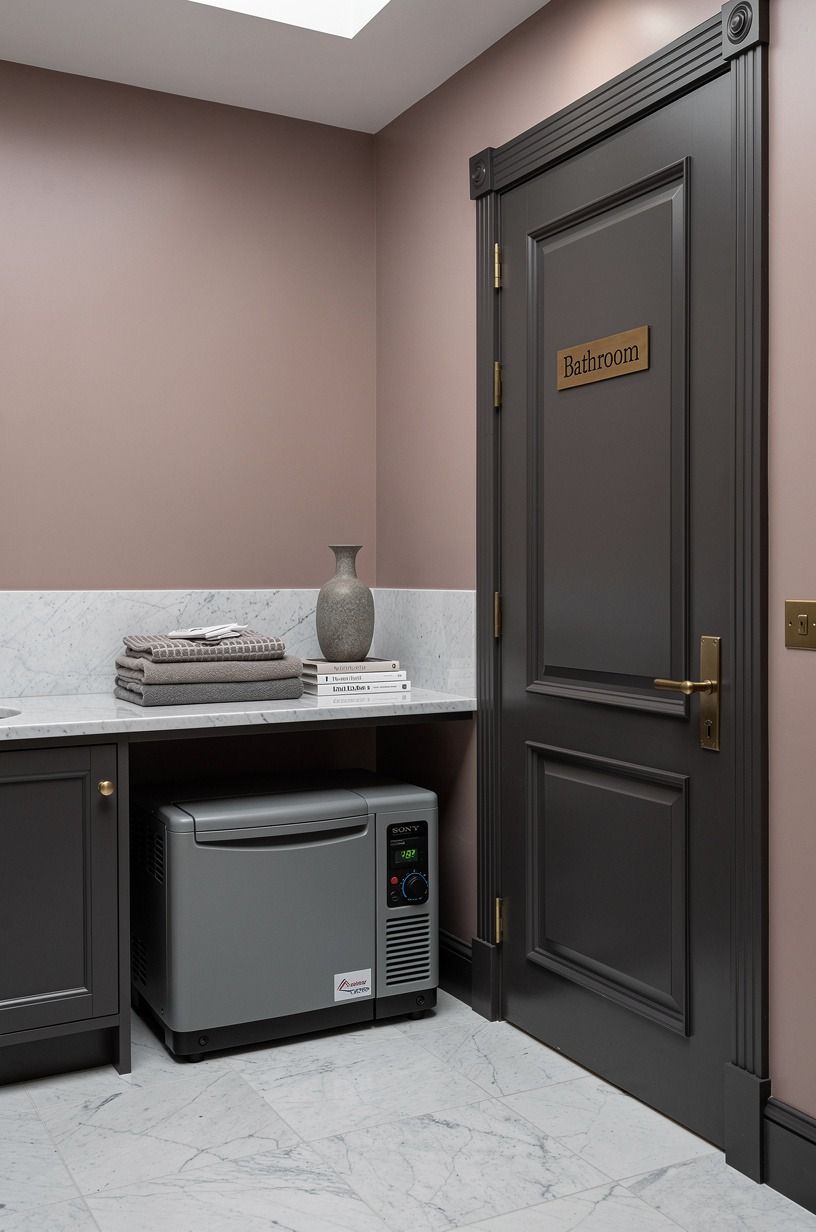
Your steam generator belongs outside the shower, usually in a vanity cabinet, closet, or nearby mechanical area. You need access for maintenance, and your electrician needs enough clearance to work without dismantling your bathroom.
A MrSteam residential generator is a common route, but the size should follow your room’s volume and finish materials. Stone and glass absorb heat differently than acrylic, so your installer can’t size it from floor area alone.
You’ll thank yourself later if you leave a removable panel. Hidden is good. Impossible to reach is not.
6Choose hand-glazed zellige for warmth under steam
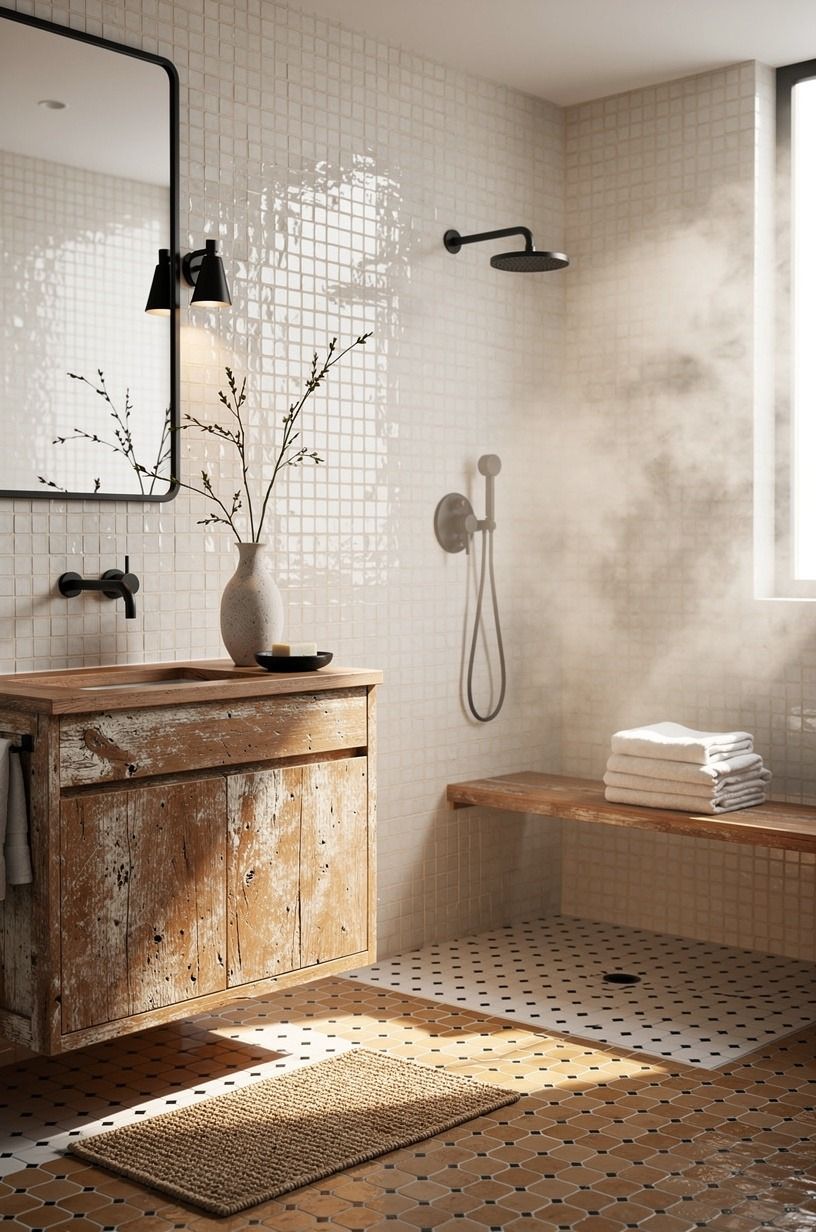
Steam makes flat materials look flatter and good materials look alive. hand-glazed zellige catches light unevenly, so your walls shift from warm white to soft camel while you move around.
I’d use zellige on one main wall and a quieter field tile elsewhere. Covering every surface in it can look busy once the room is fogged. Your eye needs one place to rest.
For more grounded combinations, see these zellige tile bathroom ideas. You don’t need a palace-sized bath for that earthy depth.
7Pick porcelain over porous marble for the wettest walls
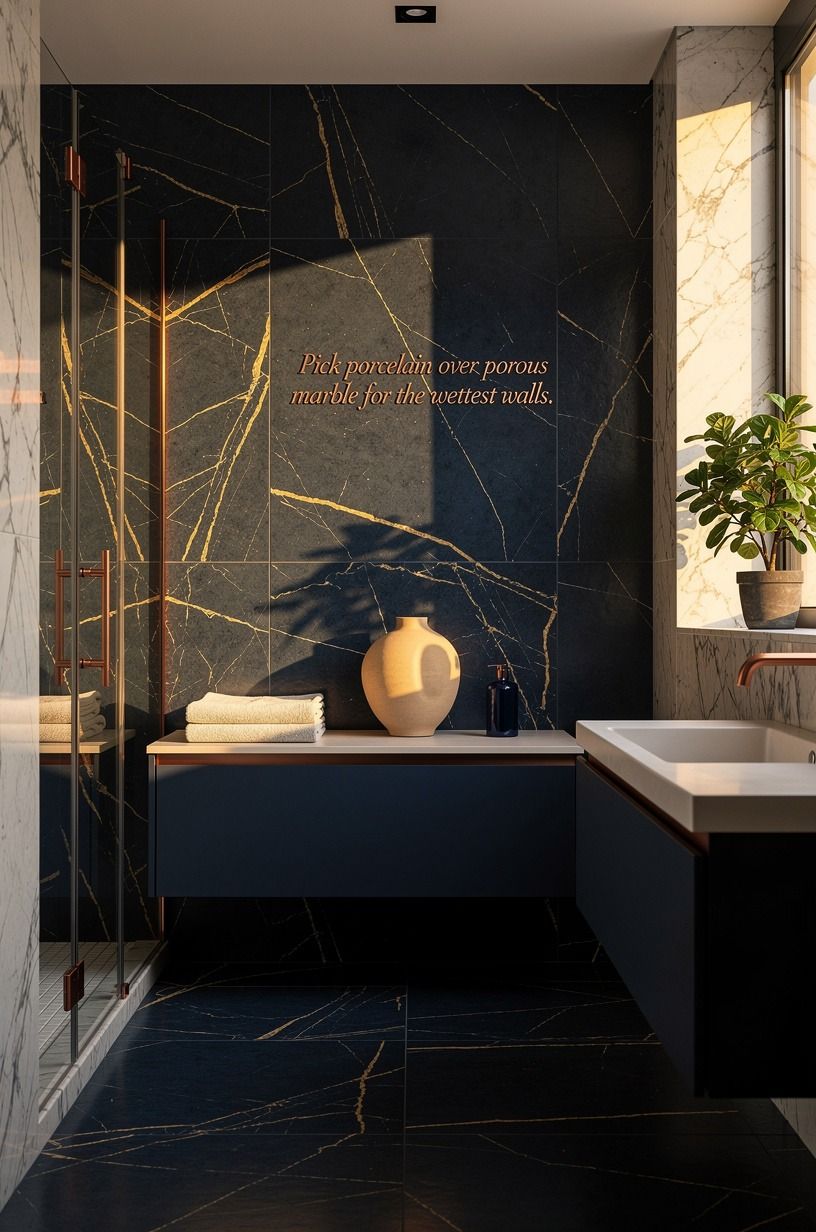
Porcelain is the better call for your shower walls if you want a low-drama installation. Calacatta Gold porcelain tile gives you amber veining without asking you to baby natural stone through mineral-heavy water.
Real marble can look breathtaking, but I’d reserve it for a vanity top or a dry ledge. Steam, body products, and rushed cleaning don’t make a peaceful long-term relationship with etched stone.
Your shower isn’t a museum display. It’s where you’ll shampoo, shave, and lean against the wall on a rough Tuesday morning.

8Use the Three-Height Light Stack for softer evenings
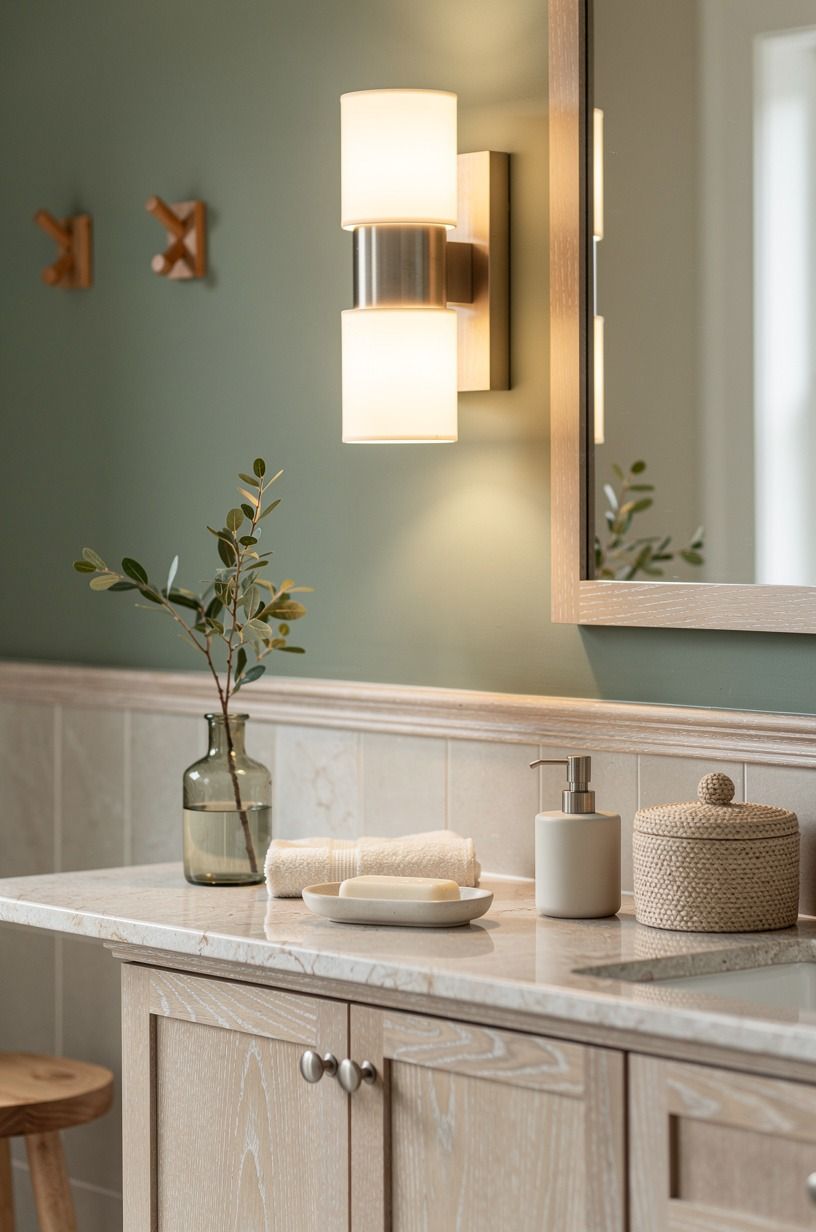
The Three-Height Light Stack uses ceiling lighting, wall lighting, and a low glow outside the shower. Your steam zone needs enough visibility for safety, but your whole bathroom doesn’t need to feel like a dentist’s office.
Start with wet-rated recessed lights overhead, then add a dimmable sconce near the vanity and a small lamp on a dry counter. You’ll get a warm, intimate rhythm instead of one harsh source.
And yes, dimmers matter! Steam at full overhead brightness feels like a chore, not a reset.
9Keep controls within reach but outside the direct spray
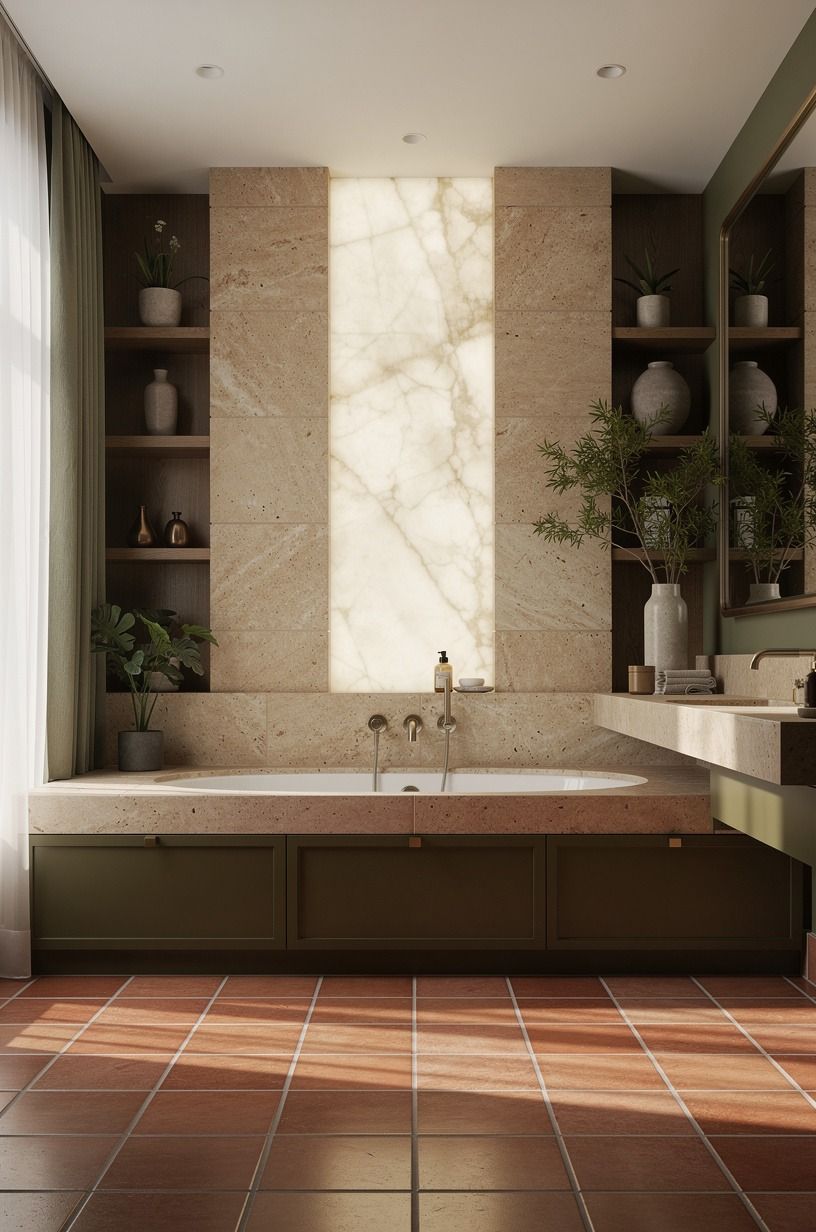
You should be able to start the steam without stepping into a cold shower first.
10Add a bench that supports your whole back
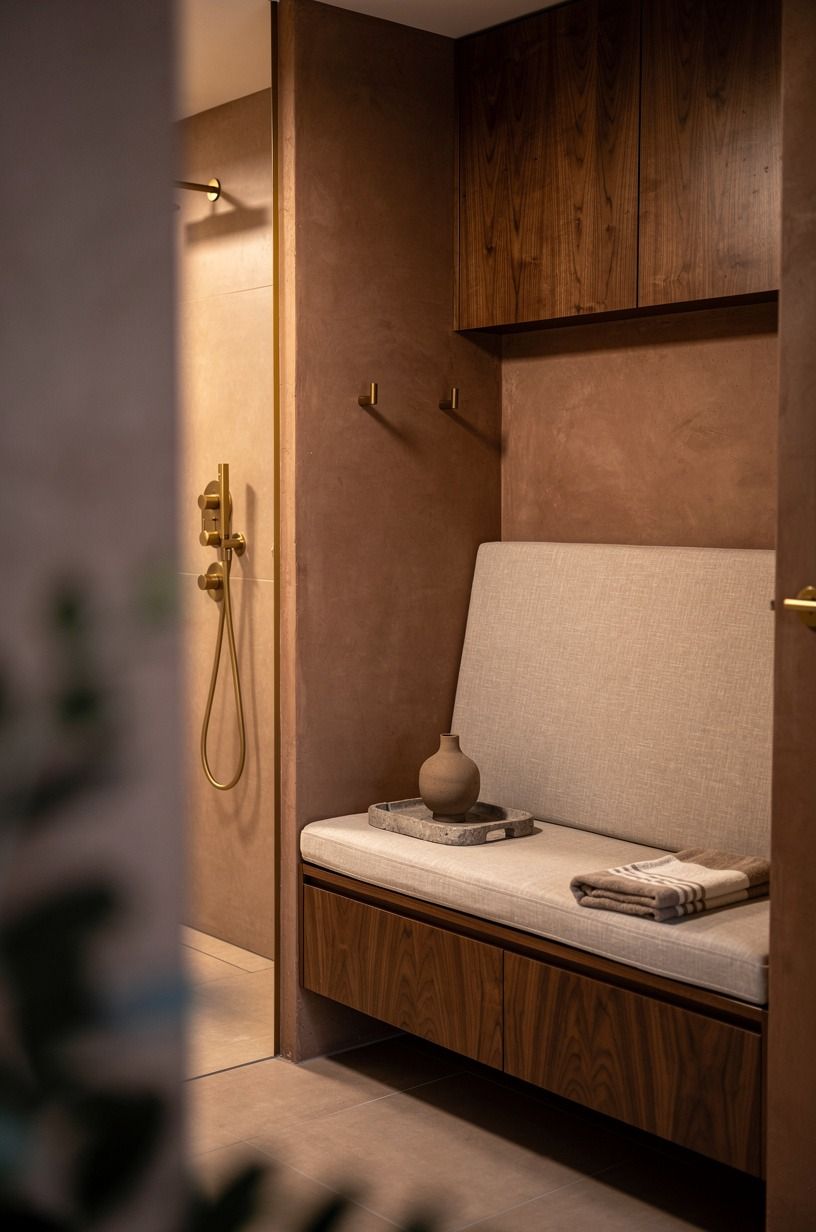
A bench is what turns steam from a novelty into a routine you’ll keep. Make it deep enough to sit without perching, and give it a slight slope so water doesn’t pool under your towel.
I love a book-matched walnut bench for the look, but porcelain wrapped over a framed bench is easier on most budgets. Your legs will notice whether the surface feels icy, slick, or thoughtfully finished.
For nice showers walk in layouts, put the bench on the wall opposite the showerhead. You’ll stay out of direct spray while your steam wraps around you.
11Run a heated floor beyond the shower threshold
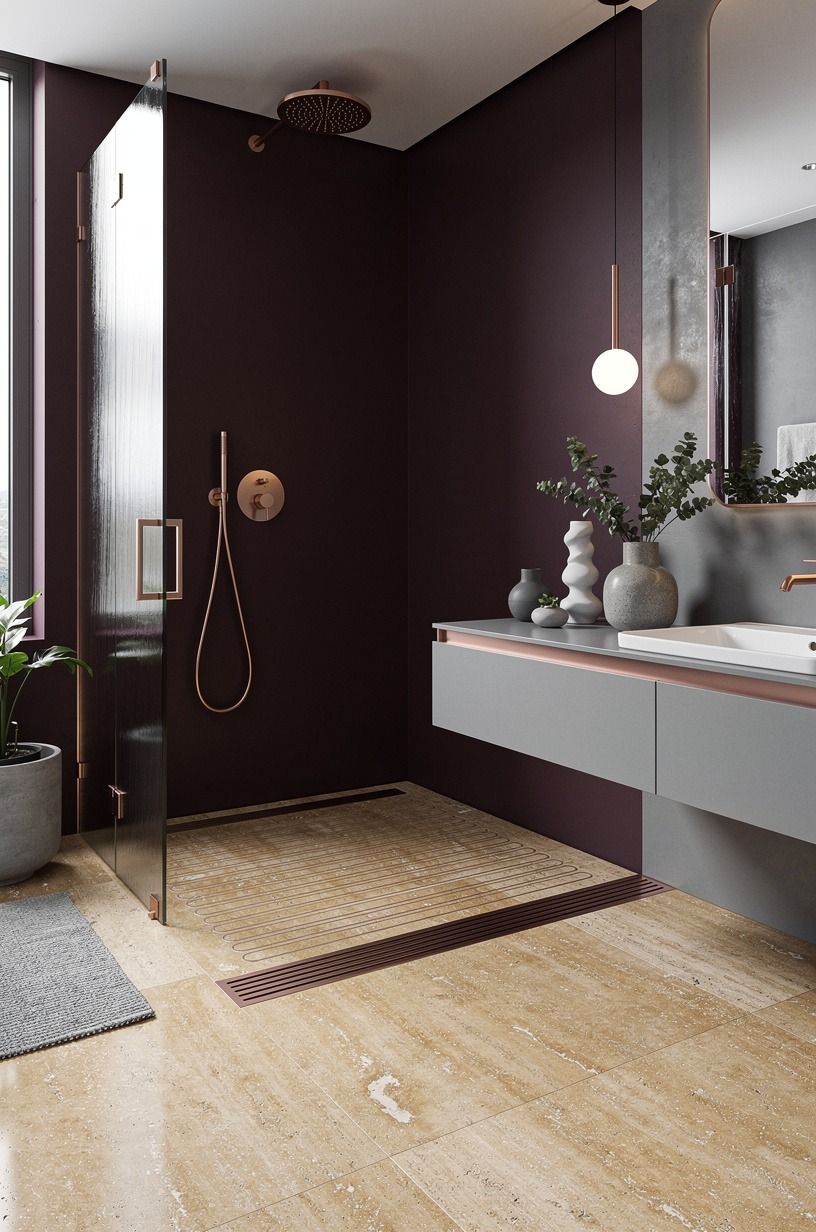
A heated floor gives your bare feet somewhere gentle to land after steam.
12Paint the dry walls in Sherwin-Williams Sea Salt
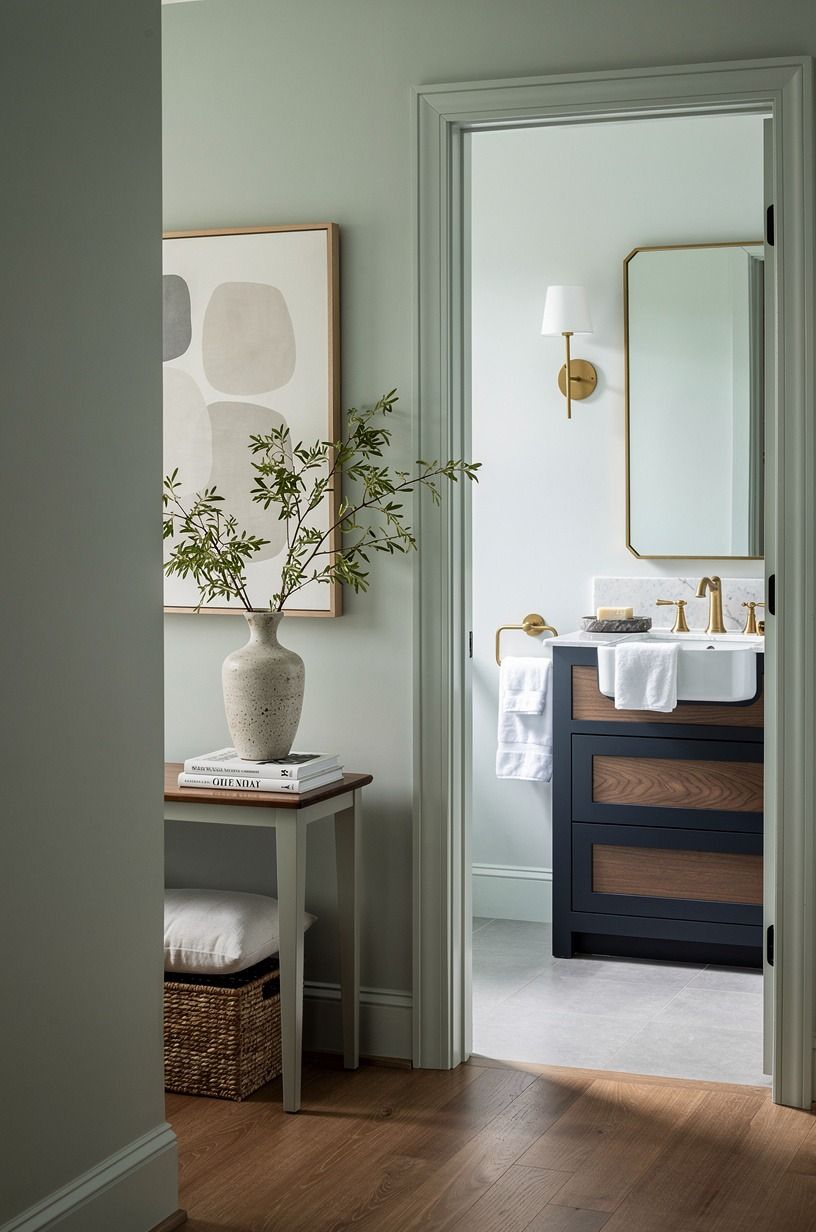
Your steam shower needs a dry-room color that doesn’t fight the tile. Sherwin-Williams Sea Salt SW 6204 gives you a quiet gray-green cast that feels soft beside creamy grout and pale oak.
Use it on the walls outside your glass enclosure, not on a surface that gets direct steam. You’ll get a serene backdrop without gambling on paint performance in a wet zone.
But don’t pair Sea Salt with blue-white bulbs. Your bathroom will turn chilly by evening, and no fluffy robe can fix that.
13Frame the glass with aged bronze instead of bright chrome
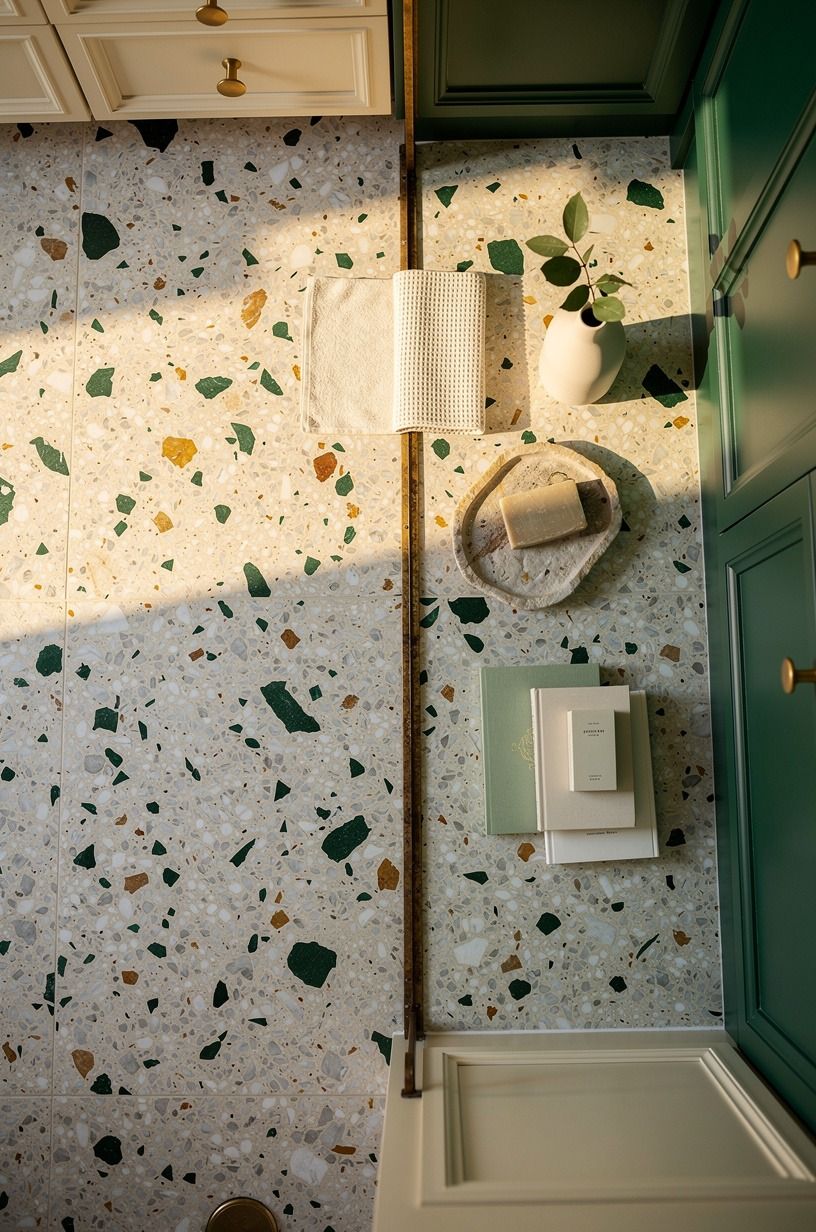
Aged bronze has more staying power than shiny chrome in a steam shower.
14Anchor the vanity at a 32-to-36-inch height
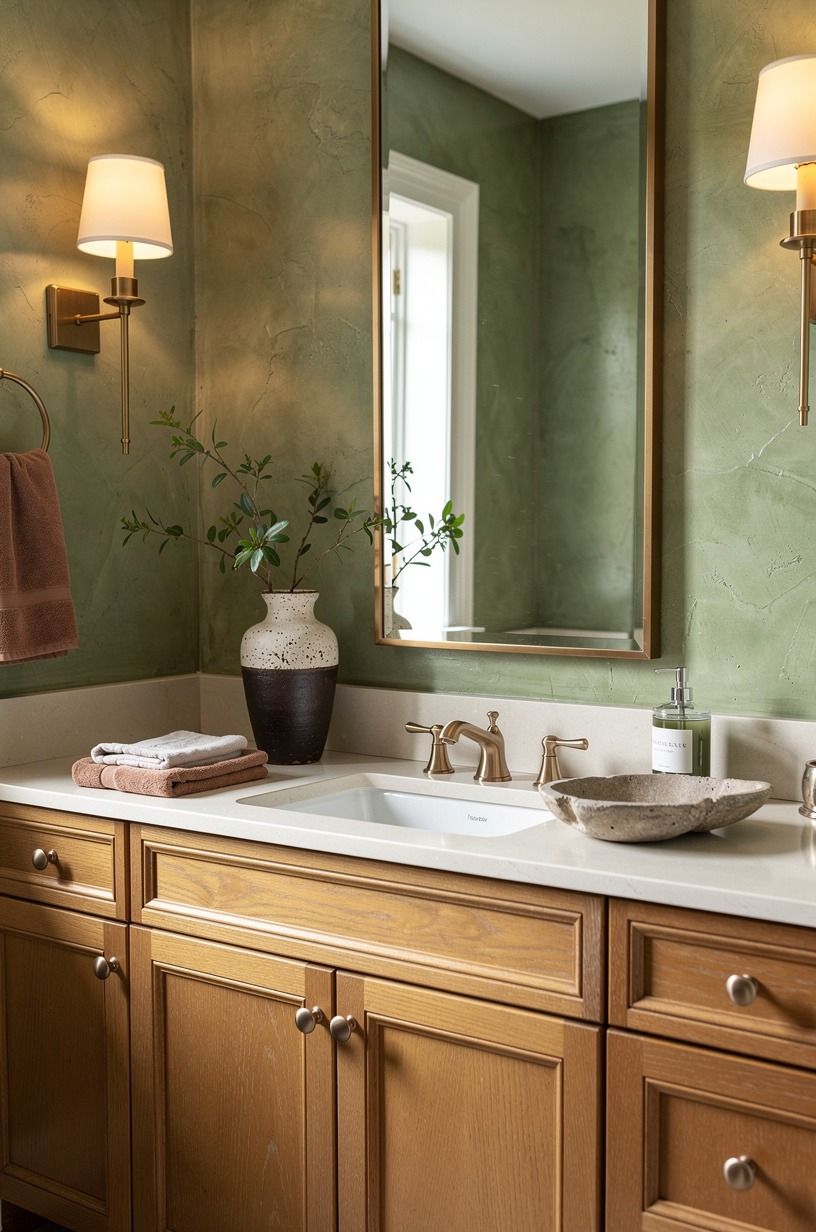
A vanity between 32 and 36 inches high works for most adults and makes the room feel proportioned beside a tall glass shower. Your sink shouldn’t feel like a tiny afterthought next to a full-height enclosure.
Try an IKEA GODMORGON oak-effect vanity if you’re watching costs, then upgrade the pulls and faucet. You’ll get storage without spending all your money on a cabinet box.
For a more collected direction, the soft classics in these Nancy Meyers bathroom ideas show why warm wood beats sterile gray every time.
15Compare your tile and fixture budget before demolition
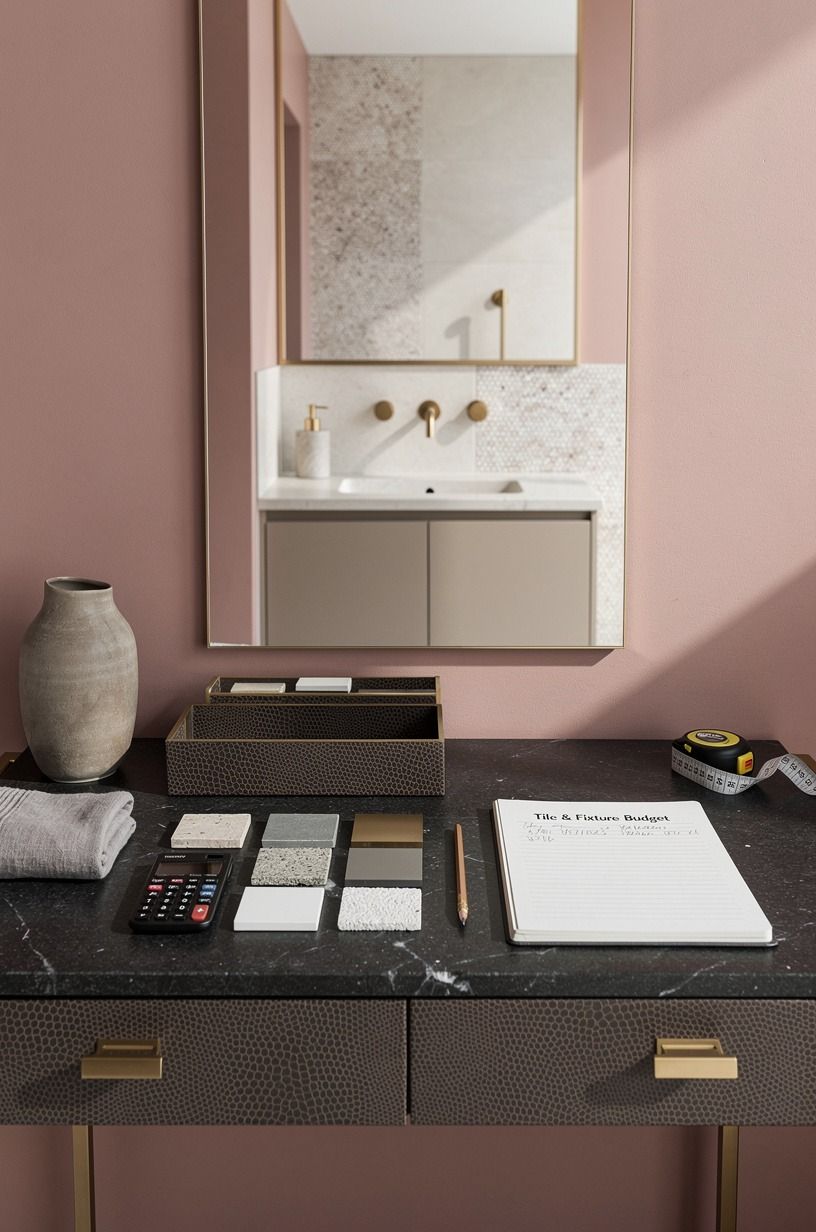
You need to know which tier fits before workers open the walls.
16Choose a fan that clears the room after every session
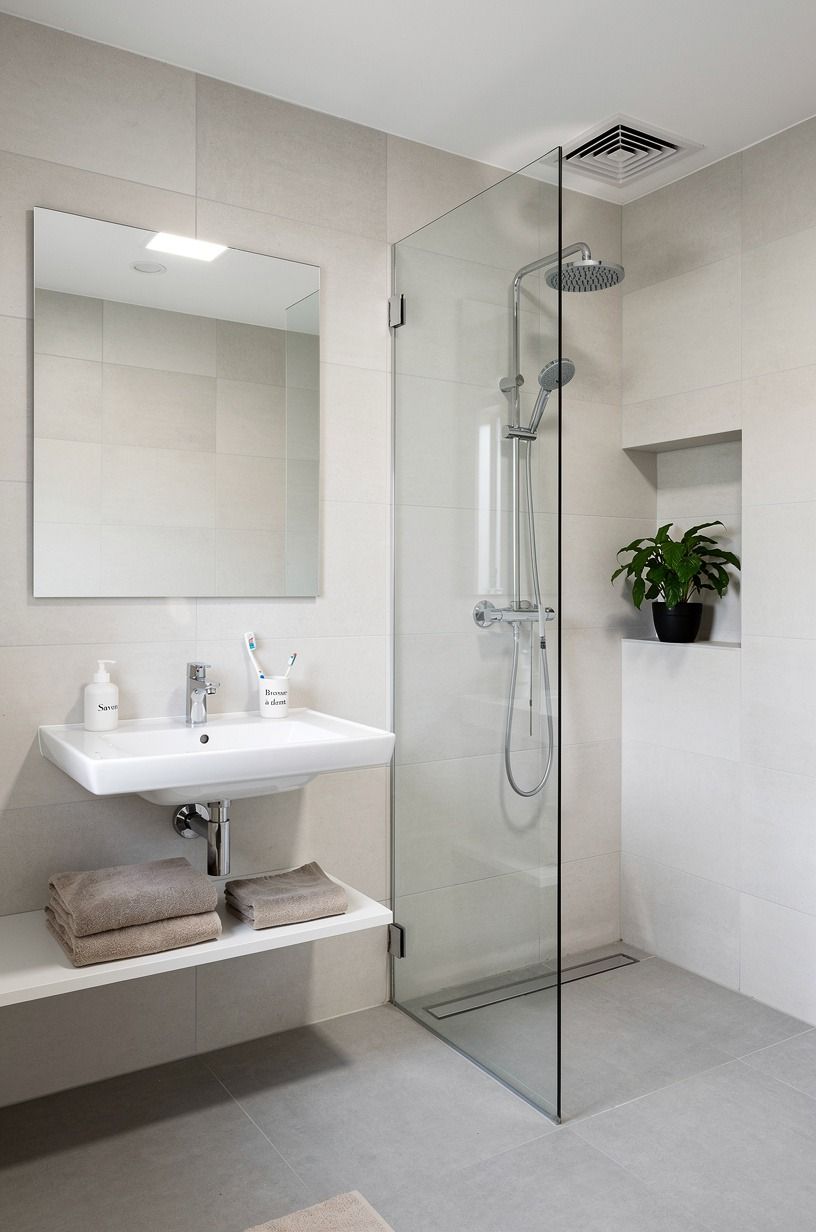
Steam needs somewhere to go after you’re done. Your exhaust fan should clear the bathroom effectively, ideally on a timer, so damp air doesn’t settle into towels, drywall, and every drawer nearby.
Pick a quiet Panasonic WhisperCeiling fan and run it after your shower. You’ll preserve the relaxing part of steam without letting the whole room smell like yesterday’s damp robe.
What’s the point of a tranquil ritual if your ceiling starts peeling? Exactly.
17Layer Turkish cotton where your hands can reach it
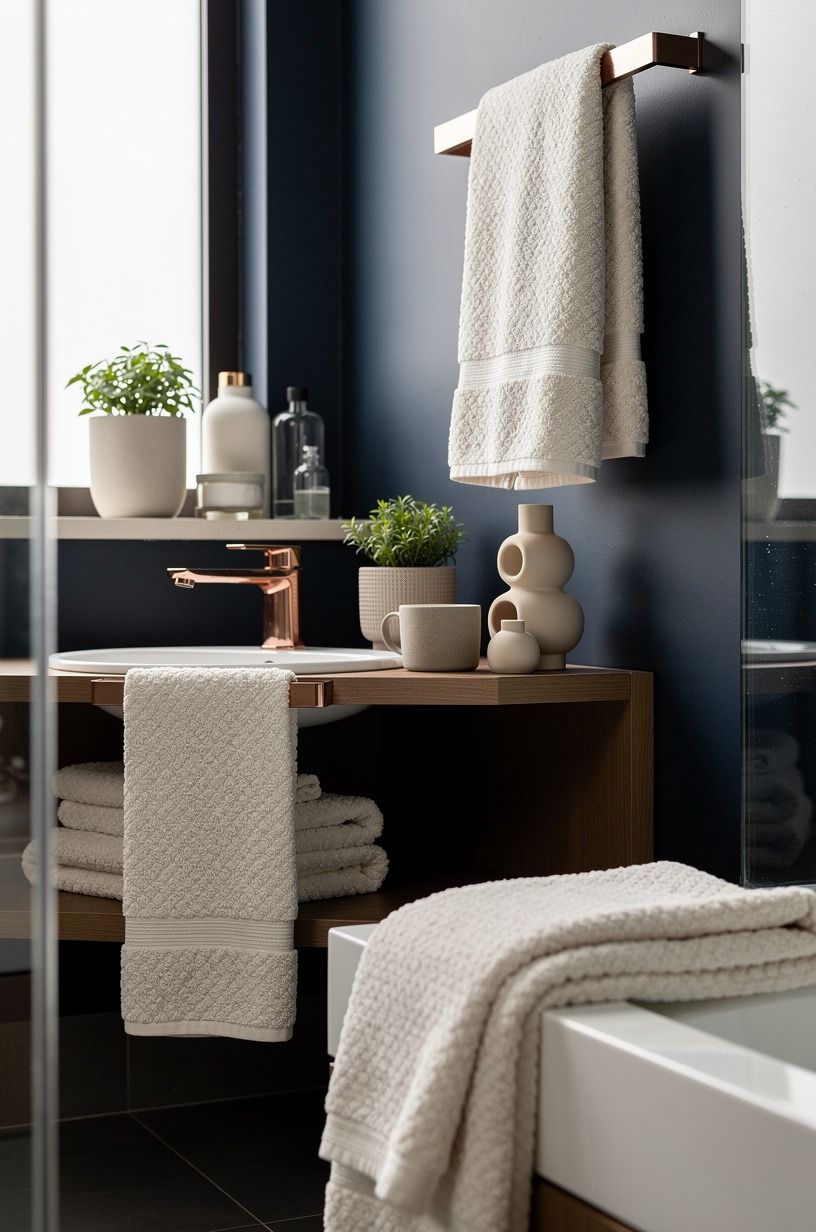
Your towels should sit close enough that you don’t cross a cold room dripping wet. Add hooks near the exit, a stool for a robe, and a closed basket for spare linens.
I’d choose 600gsm Turkish cotton towels over fluffy bargain sets that flatten after two washes. Your hand feels the difference immediately, and the fabric holds heat long enough for a slow exit.
You can extend that bedtime feeling with this guide to a warm bath before better sleep. A steam shower isn’t magic, but your evening routine can be.
18Use tadelakt on dry-adjacent walls for an organic finish
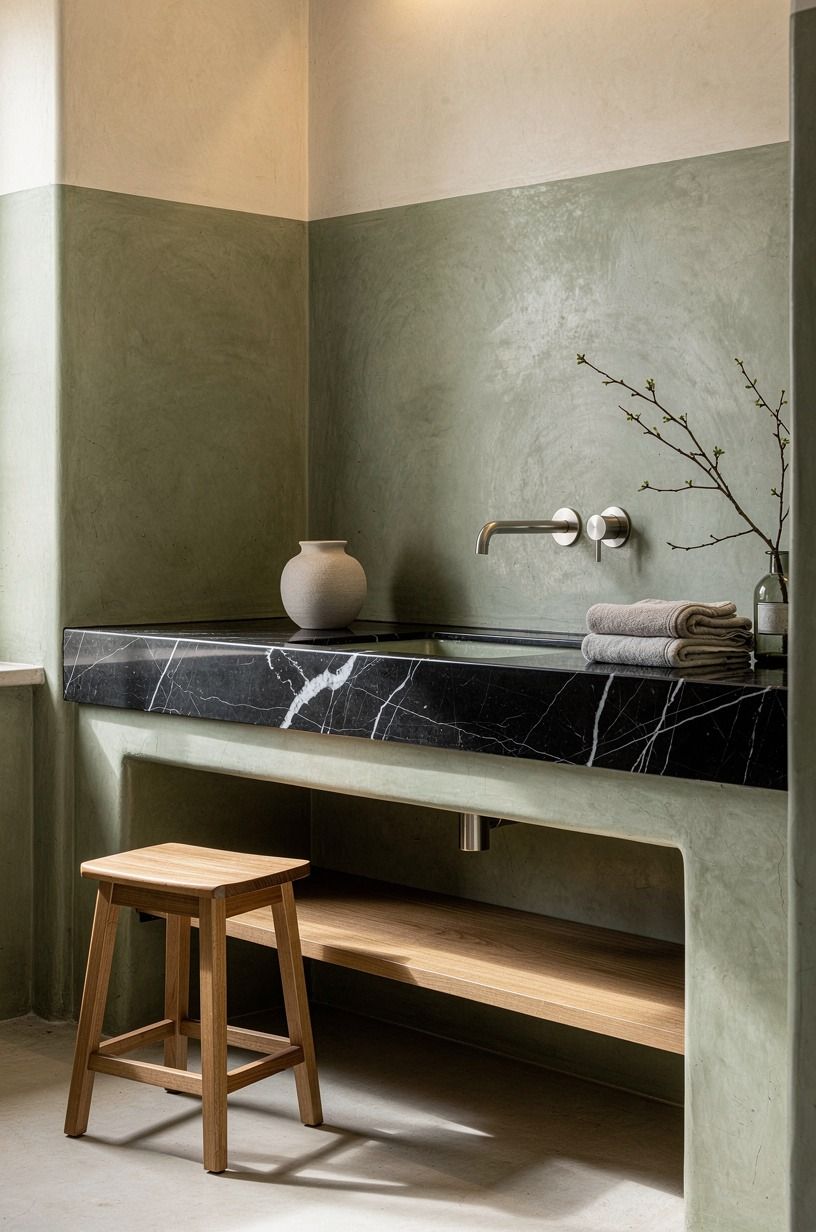
Tadelakt gives you that softly burnished, old-world surface that makes tile feel less rigid. lime-based tadelakt plaster works best on protected walls or carefully specified wet applications handled by someone who knows the material.
You’ll want a subtle color such as Benjamin Moore Chestertown Buff HC-9 nearby, especially if your tile leans green or charcoal. It makes the room feel warm without turning yellow.
For the full material mood, these tadelakt bathroom ideas are worth saving. Your bathroom can feel refined without looking precious.
19Finish with the Steam-Exit Ritual, not more decor
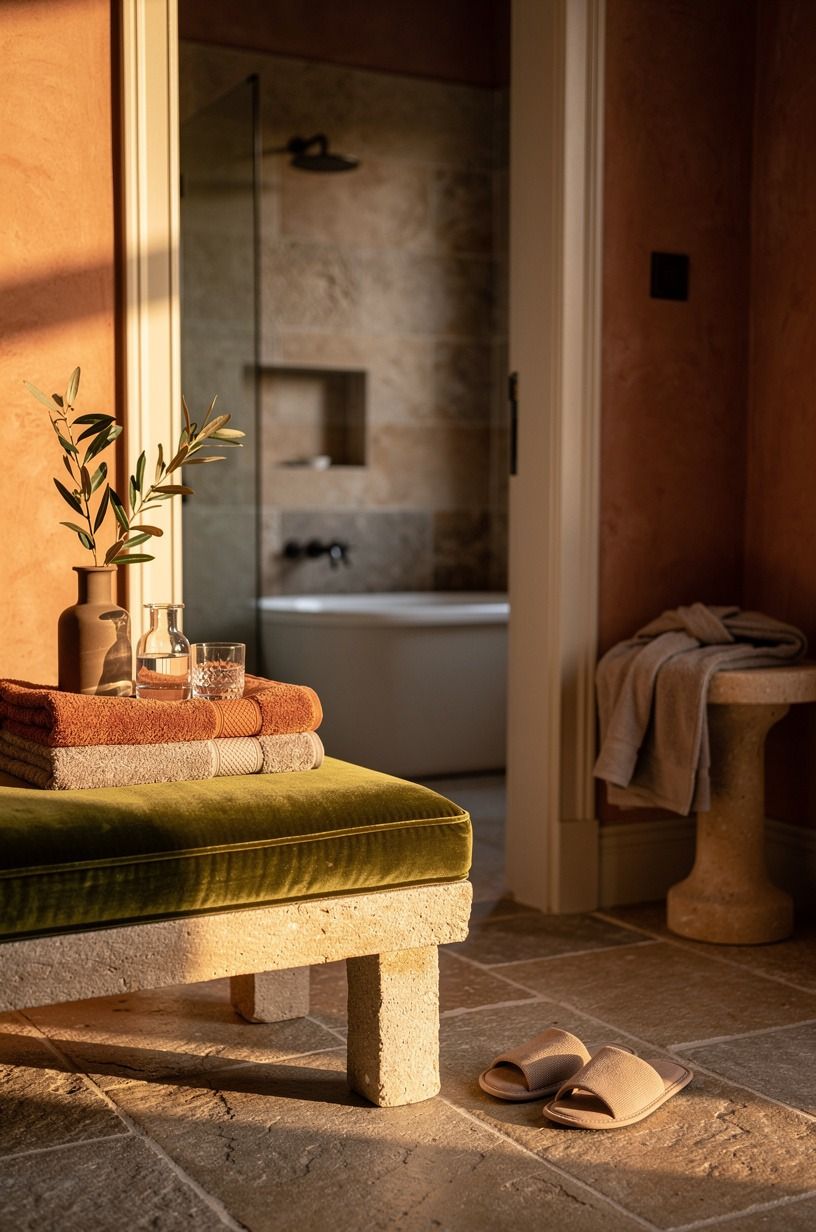
The Steam-Exit Ritual is your last five minutes: shut off steam, take a few slow breaths, dry off under a warm towel, and leave the shower door open once the fan runs. Your room needs this reset too.
Add unlacquered brass robe hooks and one small wooden stool, then stop. I’d skip crowded shelves of jars because steam turns visual clutter into clutter with condensation.
Your bathroom should look inviting after you leave it. A soft towel, a dry floor, and clean glass. That’s enough!
Why I think the shell matters more than the showroom finish
I’ve watched people spend weeks choosing a tile color, then treat waterproofing like an invisible expense they can shave down. I get it. Nobody posts a photo of a membrane seam.
Nobody walks into your bathroom and compliments the slope of your ceiling. But those hidden decisions decide whether you’ll use the steam shower with pleasure three years from now, or curse it while chasing damp spots and cracked grout.
The first steam shower I helped plan had a gorgeous wall of green tile and a bench that looked pulled from a boutique hotel. We focused so hard on the visible finish that the lighting and ventilation got less attention than they deserved.
The tile was still lovely. The room, though, stayed humid too long and felt weirdly cold at night.
I remember standing there after a shower, wrapped in a towel, thinking: this is close, but it isn’t restful.
That changed my opinion. Your steam shower should be built from the invisible layer outward.
Proper waterproofing. A ceiling that drains condensation.
Quiet ventilation. Controls you can reach.
Only then do you choose the hand-glazed tile or the brass that makes your heart skip a little.
And I’m not saying you need the highest budget. You don’t.
I am saying that a $200 mirror can wait if the shower enclosure isn’t ready for steam. Spend where moisture lives.
Save where your eyes can make up the difference later. That’s the boring answer, maybe, but it’s the one that lets your peaceful bathroom stay peaceful.
The Questions Worth Answering First
What is the best steam shower idea for a small bathroom?
A sealed 36x36-inch shower enclosure is the best starting point for a small bathroom because it keeps steam contained without wasting floor area. Your layout needs clear access, a compact bench, and simple glass. Skip bulky corner storage.
Where can I buy steam shower bathroom pieces on a budget?
Start with IKEA GODMORGON, Target Threshold, and Wayfair for vanities, hooks, stools, and mirrors. Your best secondhand finds often come from Facebook Marketplace. Look for solid wood stools, framed mirrors, and unopened light fixtures.
How much does a steam shower bathroom makeover cost?
A cosmetic bathroom refresh typically costs $200-$1,200, while a larger tile, vanity, and lighting project can run $3,000-$9,000. Waterproofing and electrical work are the costs you shouldn’t undercut. Paint and towel swaps are the cheap wins.
Can I create a steam shower bathroom on a budget?
Yes, and your budget can go toward the shell first. Choose subway tile, repaint dry walls, reuse your vanity, and add Turkish cotton textiles later. Your free move is decluttering every surface before buying a single accessory.
Is a steam shower worth it in a small space?
Yes, a small steam shower can feel more intimate because the enclosure heats efficiently and your materials read as intentional. Full-height glass helps your bathroom feel open. Keep the bench slim and the shelves recessed.
Is a steam shower a good idea for a rental?
Usually no, unless your landlord approves permanent plumbing and electrical work. Use removable teak shower flooring, a tension-rod curtain outside the wet zone, and portable lighting instead. Your rental can borrow the spa mood without a renovation.
Where I’d Start First
If I had to pick one step, I’d start with the steam-ready enclosure. You can’t layer calm over escaping vapor and damp drywall.
Get the sealed shell right first. Pin these spa-like master bathroom retreat ideas for your finish plan.