
 by
by Thanksgiving centerpiece ideas started with a problem I didn't expect: my guest bedroom looked more like a storage room than a place anyone would want to sleep. I had one weekend, a tight budget, and a pile of autumn branches on the porch. The room felt cold. And the bed was worse.
I wanted one natural focal point that would make the room feel ready for Thanksgiving without turning it into a themed display. I also wanted better sleep for myself when I tested the room. The centerpiece became the starting point, not the whole answer.
The room that made me change my plan

The bedroom had beige walls, a narrow dresser, and a bed pushed too close to the window. I had decorated around the clutter for months because I didn't want to spend much. But every time I walked in, I saw unfinished laundry, mismatched bedding, and a lamp with a harsh white bulb.


My first idea was a large Thanksgiving table centerpiece on the dresser. That would have been a mistake. The dresser was only 36 inches wide, and a tall arrangement would've blocked the mirror and made the room feel even tighter.
I decided to keep the centerpiece low, quiet, and useful.
The inspiration came from these warm natural Thanksgiving mantel ideas. I liked the restrained colors, but I needed something softer for a bedroom.
Less orange. More faded brown, cream, olive, and dried wheat.
I cleared the dresser before buying anything
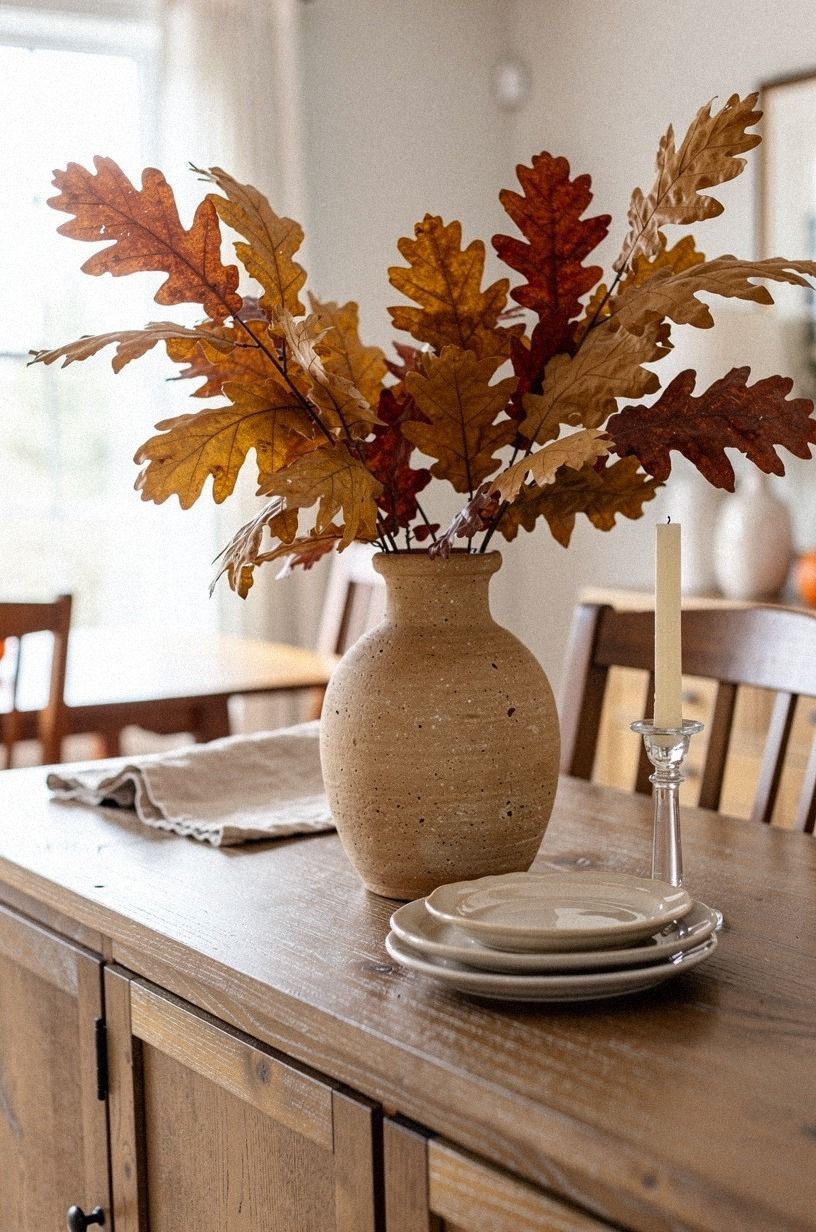
I started with the least exciting step. I removed everything from the dresser, including the candle I never lit and three decorative boxes that held nothing.
A blank surface. Dusty, but helpful.
Then I measured the space between the mirror and the edge of the dresser. I had enough room for a shallow stoneware bowl, a few branches, and one small lamp.
That's it. I wasn't going to fill every inch.
I used a low ceramic bowl I already owned and gathered dried eucalyptus, bare dogwood branches, and a few stems of wheat from a local market. The arrangement cost less than the bedding refresh because most of the materials were already in my house. And I preferred that it looked collected rather than purchased all at once.
For the rest of the room, I followed the same rule. One material with texture, one useful object, and plenty of breathing room. If you're planning your own Thanksgiving table centerpiece, this warm rustic table setting guide helped me think about layers without making the bedroom feel like a dining room.
I let the centerpiece choose the bedding

The dried branches had a dusty green color that made my old white bedding look yellow. I could have bought a patterned duvet, but I knew I'd regret it by December. I chose Organic Cotton Sheets instead, because the loose weave felt relaxed and the warm white worked with the wheat stems.
This was the first decision that made the room feel connected. Not matchy. Connected.
I added one brown wool throw at the foot of the bed and folded it instead of draping it over the chair. The chair already held a stack of books, and I didn't want the room to look staged. The texture was enough.
And I skipped the rust-colored pillows I kept seeing in Thanksgiving displays. They looked cheerful online, but in my north-facing room they read orange and flat. Olive and cream gave me the gentle autumn feeling I wanted without making the room look seasonal in a disposable way.
The best part was the sound. The dried branches made a faint scratch against the bowl whenever the window was open.
Tiny detail. It made the room feel lived in.


The Piece My Whole Bedroom Is Built Around
Natural materials, a 365-night home trial, free white glove delivery. Decide in your own room, not a showroom.
I made the bed the quiet focal point

Once the dresser was calmer, the bed looked too bare. I didn't want a tall headboard or a pile of decorative cushions, so I focused on the part I would feel every night.
I placed an Organic Quilted Pillow at the back of my sleeping pillow. It gave the bed a softer shape without adding a hotel-like row of cushions. I like a bed that looks inviting but can still be pulled apart in thirty seconds.
Then I made the more serious purchase decision. My old mattress had started to feel uneven, and I was waking around 3 a.m. with a stiff shoulder. I went back and forth for weeks because a mattress is not a small purchase.
I chose Zenhaven for the guest room setup because I wanted a latex feel and a firmer surface than my old bed offered.
I can't promise what it will do for anyone else. For me, the surface felt steadier, and I noticed less tossing during the nights I slept there. That was enough to keep it.
If sleep is part of your room project, I also used this natural bedroom wind-down routine while testing the space.
But the mattress wasn't instantly perfect. It felt firmer than I expected during the first week.
I nearly returned it. After a little time, I realized the problem was my old soft pillow, not the bed itself.
I softened the practical details
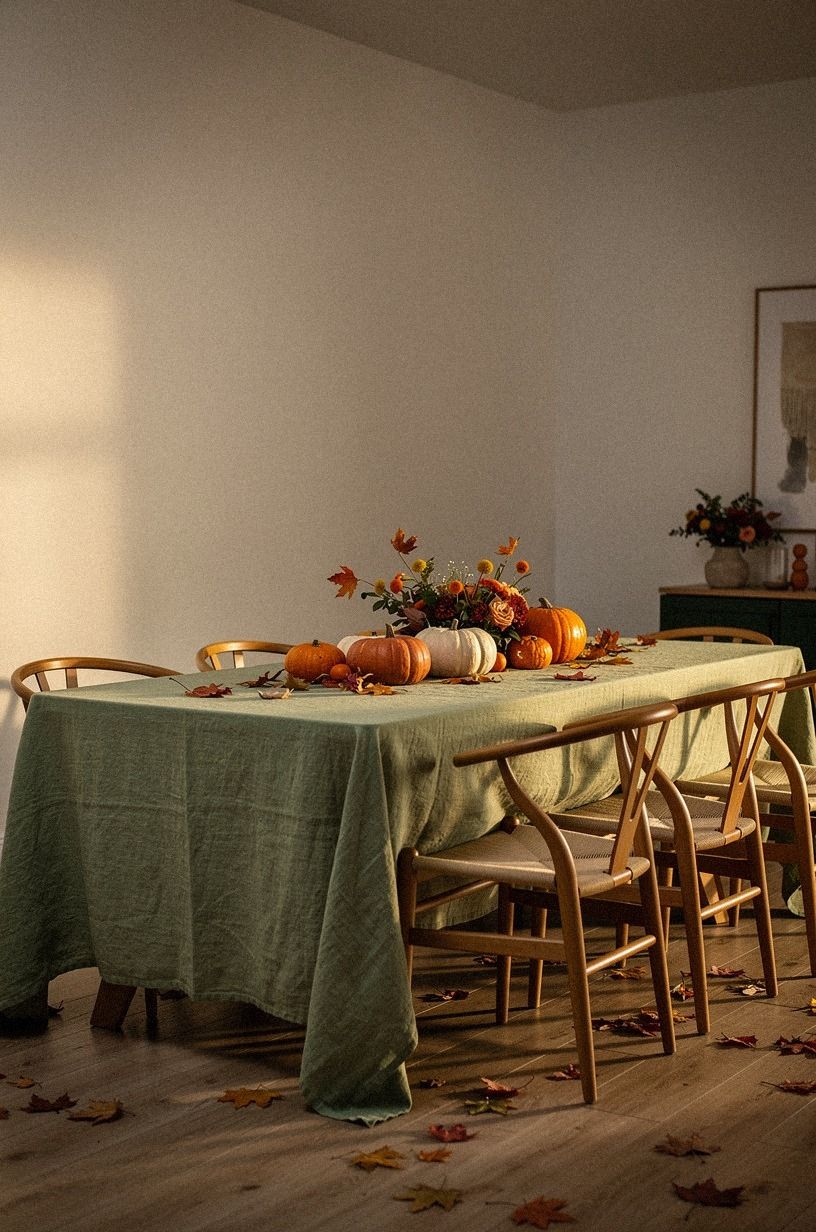
The room looked better, but it still didn't feel comfortable. The chair was scratchy, the floor felt cold, and the overhead light made the dried branches cast strange shadows across the wall.
I replaced the bulb with a warm one I already had and moved the lamp closer to the bed. The light now stops at the edge of the rug instead of flooding the whole room. That change cost nothing, and I think it's more important than another decorative object.
I also added an Organic Mattress Pad beneath the sheets. I wasn't sure the topper-style layer was worth the trouble, and for two nights I regretted adding it because the bed felt higher. Then the surface settled, and the extra softness helped balance the firmer mattress.
The guest room now had a natural Thanksgiving centerpiece, but it didn't feel like a holiday display. That distinction mattered to me. A few dried stems, a quiet bed, and warm light did more than a dozen small decorations could have done.
And I left the walls alone. I considered Farrow & Ball De Nimes, but painting for one weekend felt excessive.
The existing beige became less noticeable once the textiles and lighting improved. Sometimes the wall isn't the first thing you need to fix.
What I'd change before doing it again
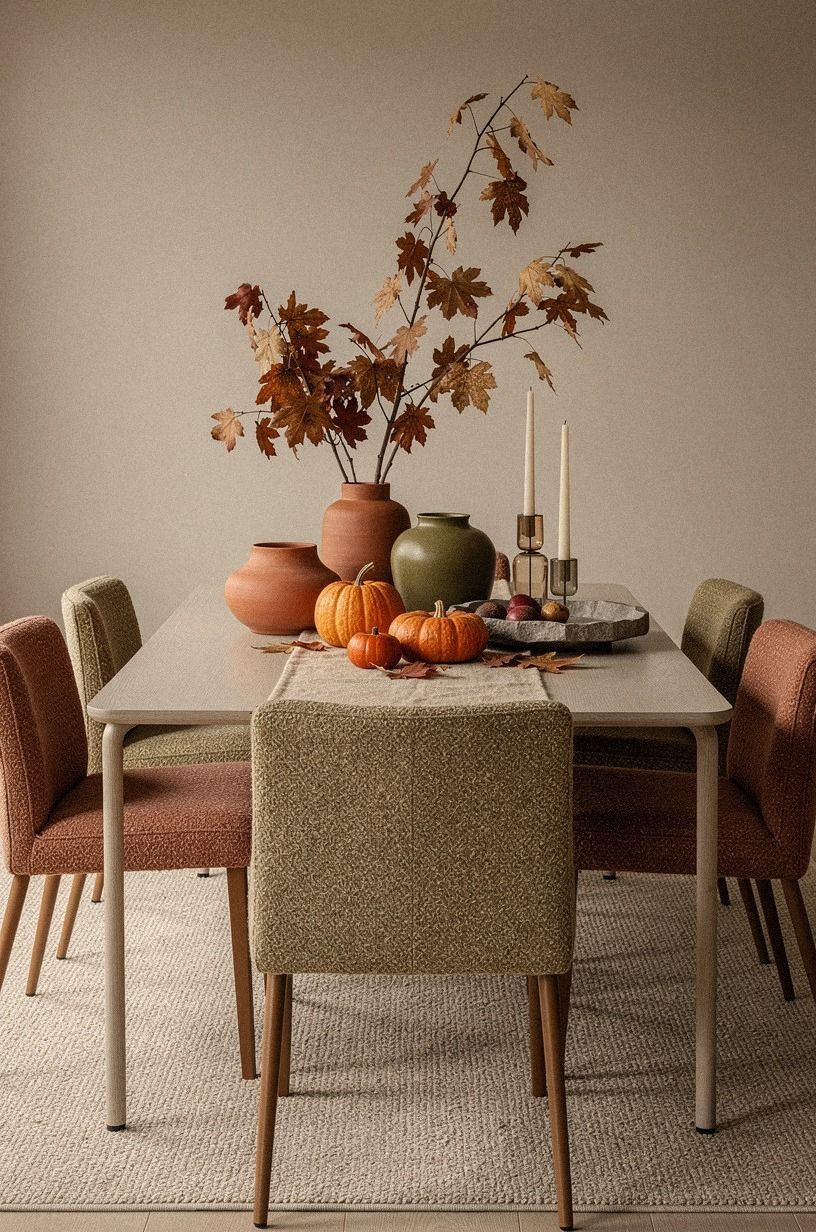
The biggest mistake was starting with decoration instead of the bed. I spent too long comparing bowls and branches when the room's real problem was comfort. If you're working with a small space, I'd choose the sleeping surface first, then let the centerpiece support it.
I also bought too many dried stems. Half of them are still in a paper bag in the closet. The arrangement looks better with seven or eight strong branches than with a crowded bundle.
Natural doesn't mean more.
My one regret is the dresser lamp. It works, but the shade is too narrow for the surface, and I still notice it every time I walk in.
I'd choose a wider linen shade next time. Not dramatic.
Just better proportion.
The room is not finished, and that's part of why I like it. The Thanksgiving centerpiece can stay through winter, the bedding doesn't announce a holiday, and the bed feels comfortable enough for a full night's sleep. For another small seasonal refresh, I borrowed the same restraint from these simple Thanksgiving porch ideas.
 My pick for a healthier bedroomZenhavenTalalay latex, organic cotton, 365-night trial, lifetime warranty, free white glove delivery.See the Zenhaven
Build Your Own Healthier Bedroom
Sale pricing runs on orders over $1,000, and the 365-night trial gives you a full year of nights to be sure.
The room now feels ready
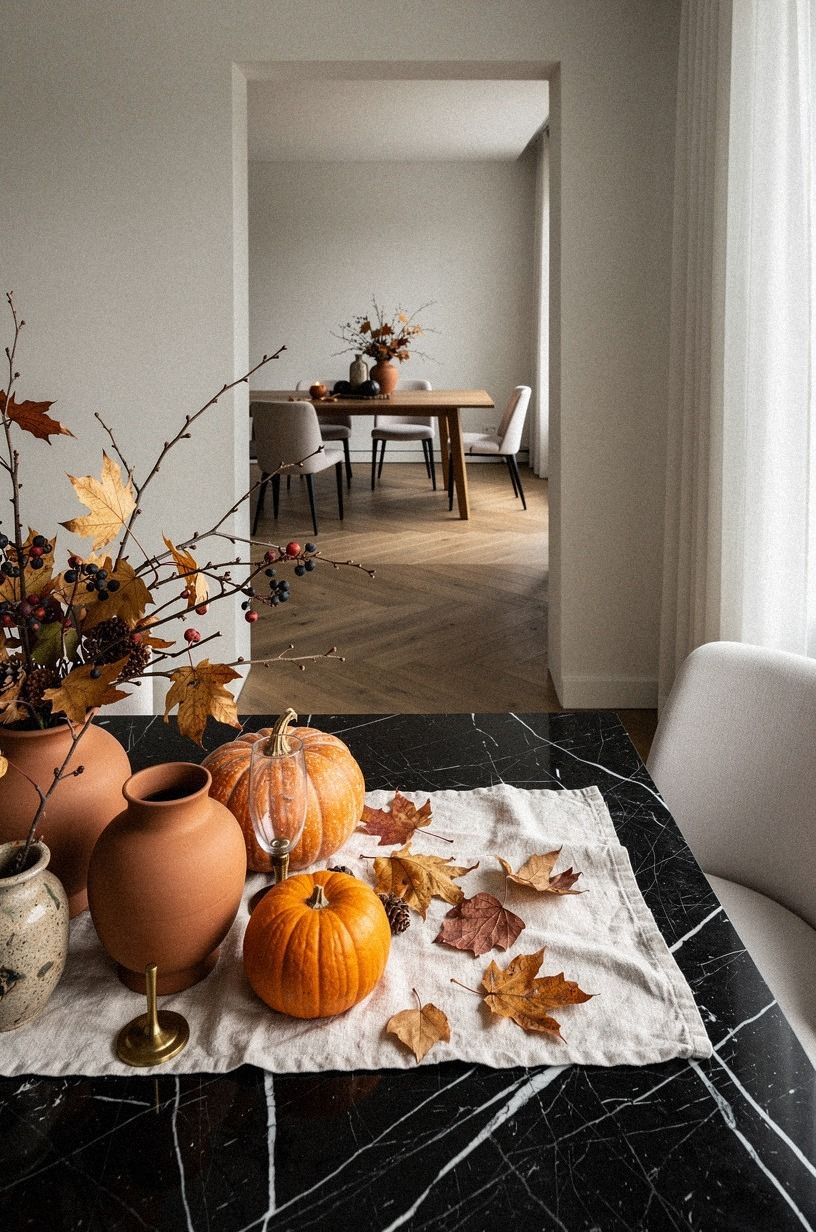
If I had to pick one change, I'd start with the low centerpiece on the dresser. It gave the room a focal point without taking away useful space, and every other decision became easier afterward.
Now the dried wheat leans slightly toward the window, the warm lamp glows beside it, and the folded brown throw sits at the foot of the bed. That is the whole Thanksgiving feeling I wanted.