 by
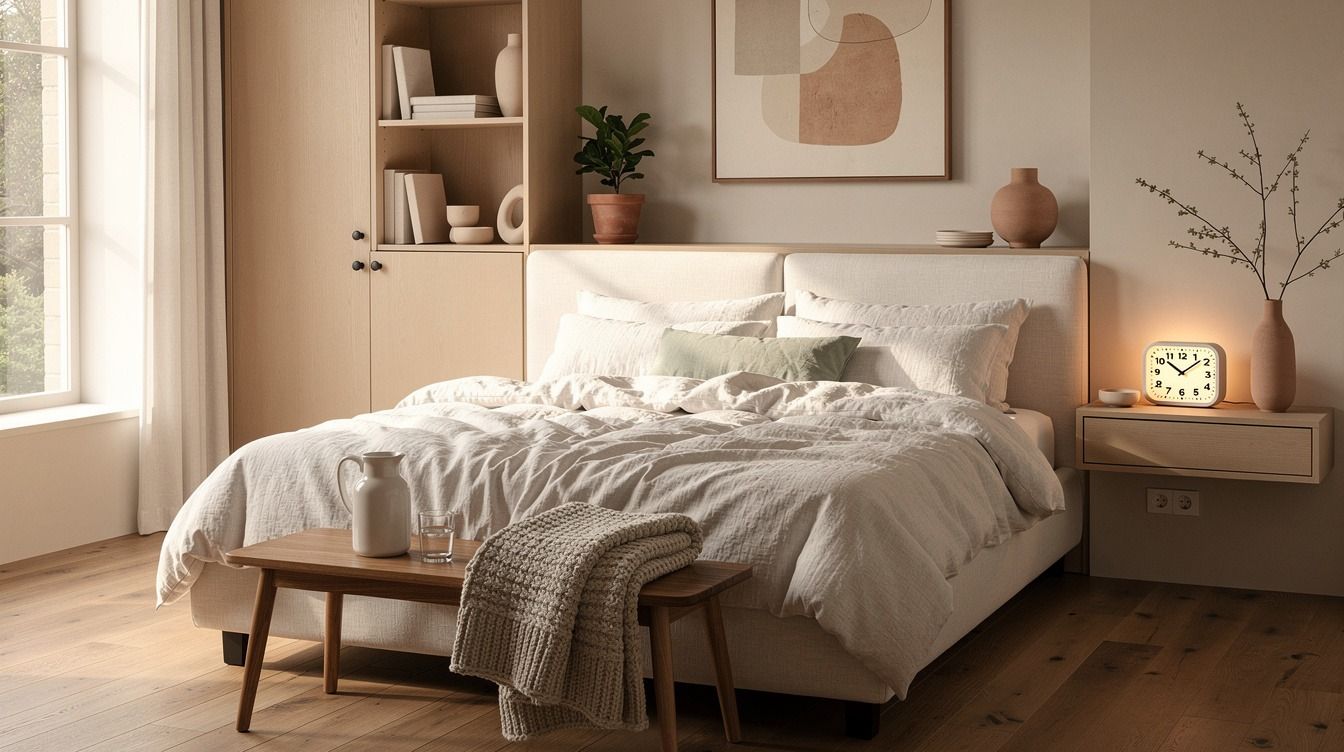
by *The Slow Living Bedroom began with a mattress that smelled faintly of plastic and me checking the clock at 3:07 a.m. I wanted a gentler room, but my budget couldn't handle a full renovation.
I wasn't chasing a magazine bedroom. I wanted to wake without feeling wrung out, see fewer piles from the doorway, and make the bed feel like somewhere I chose to be.
So I split the money into sleep first, bedding second, and small room edits last. The result is warmer, calmer, and much more lived-in than the pristine version I'd imagined.
The 3 A.M. Problem I Could No Longer Ignore
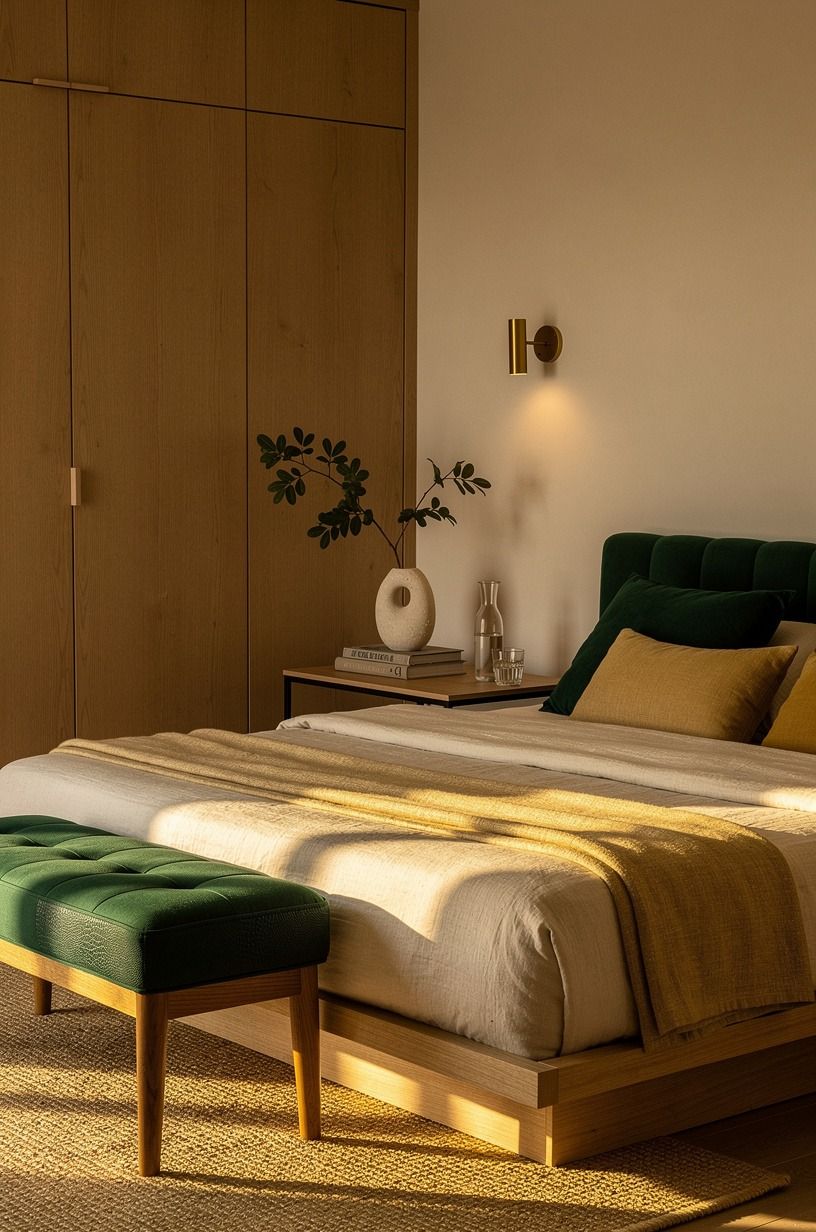
The room looked harmless in daylight. A cream wall, a small dresser, one lamp, and a chair that had become a soft landing place for clothes.


At night, the overhead bulb made every corner sharper, while the mattress gave off that faint plastic smell whenever I turned over. Not dramatic.
Just annoying enough to keep me awake.
And I kept calling it a style problem because that sounded easier than admitting I was tired. But the clutter wasn't the whole issue. I didn't need another basket or a prettier print.
I needed the room to stop asking for attention when I was trying to sleep.
I set three rules. I wouldn't replace the dresser just because it looked ordinary.
I wouldn't buy a matching set. And I wouldn't paint until I'd lived with the bed in the right place for a week, not one enthusiastic Saturday.
I Chose the Mattress Before the Mood Board
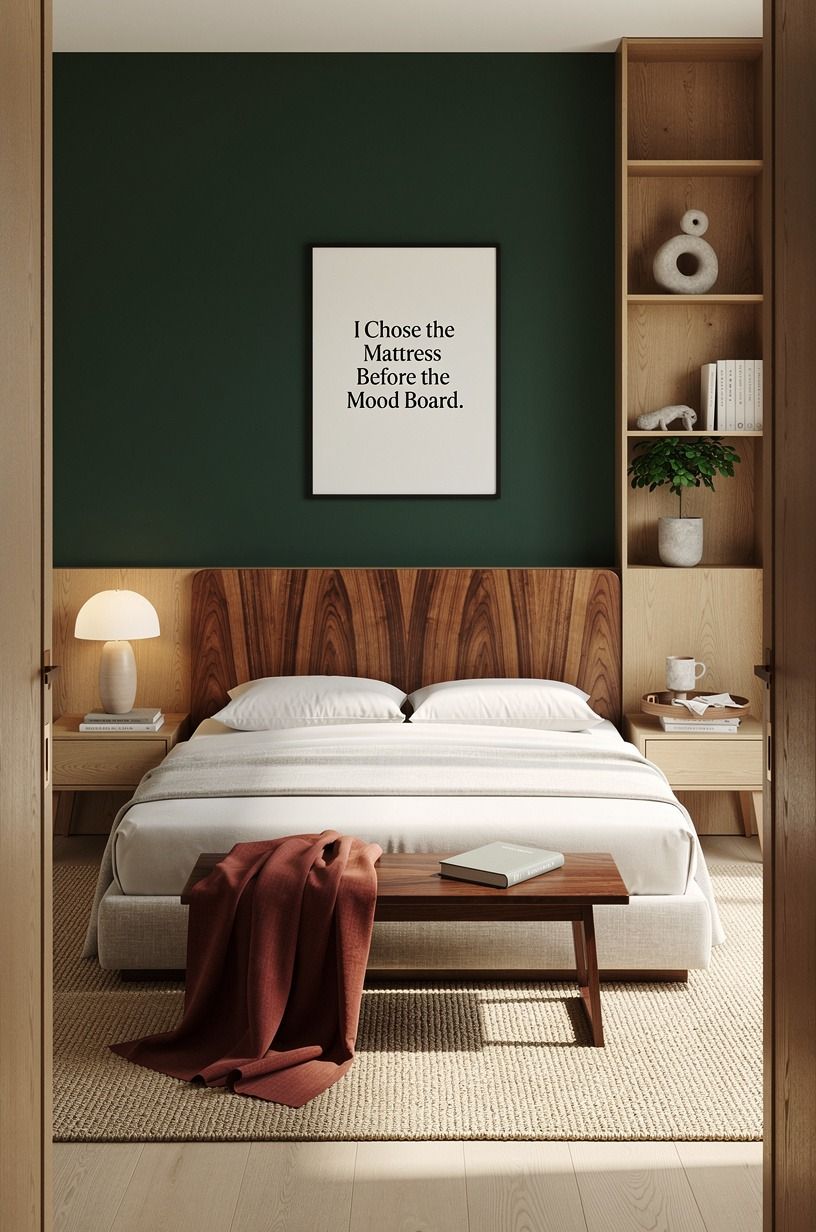
My queen bed is 60 by 80 inches, so every inch around it matters. I measured the walking path, shifted the frame away from the window, and realized I'd been decorating around a bed that made the whole room feel restless. The bed wasn't a background object.
Before buying a lamp, rug, or art, I chose Zenhaven. I wanted a surface that felt less synthetic and steadier when I moved.
I liked giving the room one clear center. My opinion is simple: if your sleep is poor, the pretty corners can wait.
The first night wasn't magical, and I don't trust purchases that promise magic. The smell was gone, the support felt different, and I slept through the first stretch without checking my phone.
Over the next couple of weeks, my sleep felt calmer and my allergies bothered me less, but that's my experience, not a health promise. I'd never tell you that a mattress will fix a medical problem.
I used the same logic from where I'd splurge and save in an organic bedroom: spend on what your body touches for hours, then be selective everywhere else.
I Kept the Bedding Cool and Uncomplicated
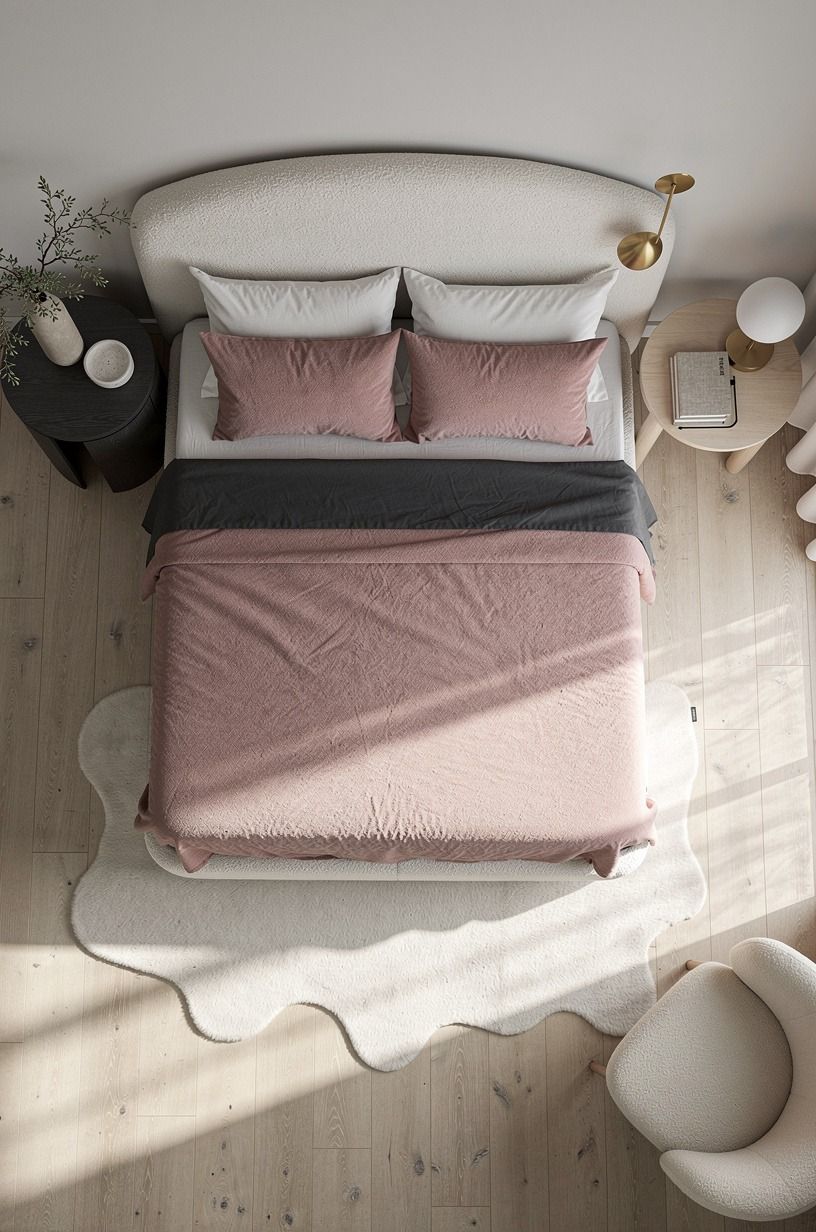
Once the mattress was settled, I resisted the urge to pile on layers. I washed Organic Cotton Sheets before making the bed, then let them dry until they had the clean, slightly rumpled look I wanted.
Not stiff hotel white. Warm ivory, a little imperfect, and soft enough that I didn't want to pull the covers tight.
I think slow living gets misunderstood as buying a beige version of everything. I chose one muted color, one natural texture, and stopped there.
And I didn't add decorative pillows just to make the bed look finished. The empty space at the top made the room feel more airy, and I could sit down without moving a pile first.
If you're trying to make your bedroom feel calmer, the zero waste bedroom refresh with plastic-free bedding helped me question what I was bringing in. I kept the old blanket that still worked, donated two scratchy throws, and saved the money for lighting. A smaller pile.
A better night.


The Piece My Whole Bedroom Is Built Around
Natural materials, a 365-night home trial, free white glove delivery. Decide in your own room, not a showroom.
I Added One Soft Layer Instead of Ten
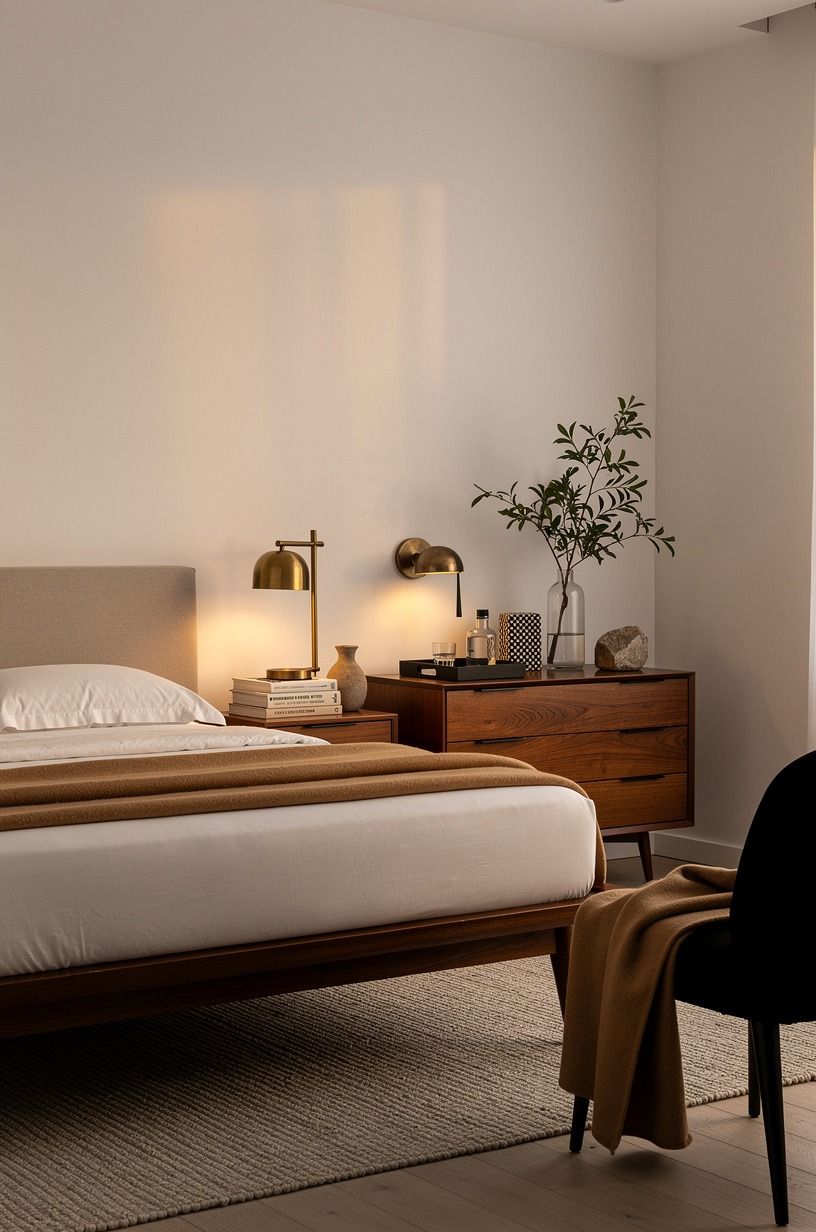
The bed still looked a little bare, but I didn't want a styled stack that needed rearranging every morning. I laid the Organic Mattress Pad over the mattress, then changed the fitted sheet so the corners wouldn't tug.
That small adjustment mattered more than the extra cushion. The bed felt softer without becoming puffy or fussy.
I wasn't sure the pad was worth another layer. For the first few nights, I regretted it because the sheet fit felt tighter than expected.
Once I fixed the depth and stopped fighting the corners, I changed my mind. I like a bed that feels comfortable at midnight, not one that looks impressive only in a photo.
Then I replaced my flat old pillow with the Organic Quilted Pillow. It didn't solve every restless night, and it shouldn't be asked to.
It simply felt more even under my cheek, which made reading before sleep easier. But I kept one old pillow in the closet because I wasn't ready to pretend every new thing deserved permanent storage.
I Made the Room Earn Its Quiet
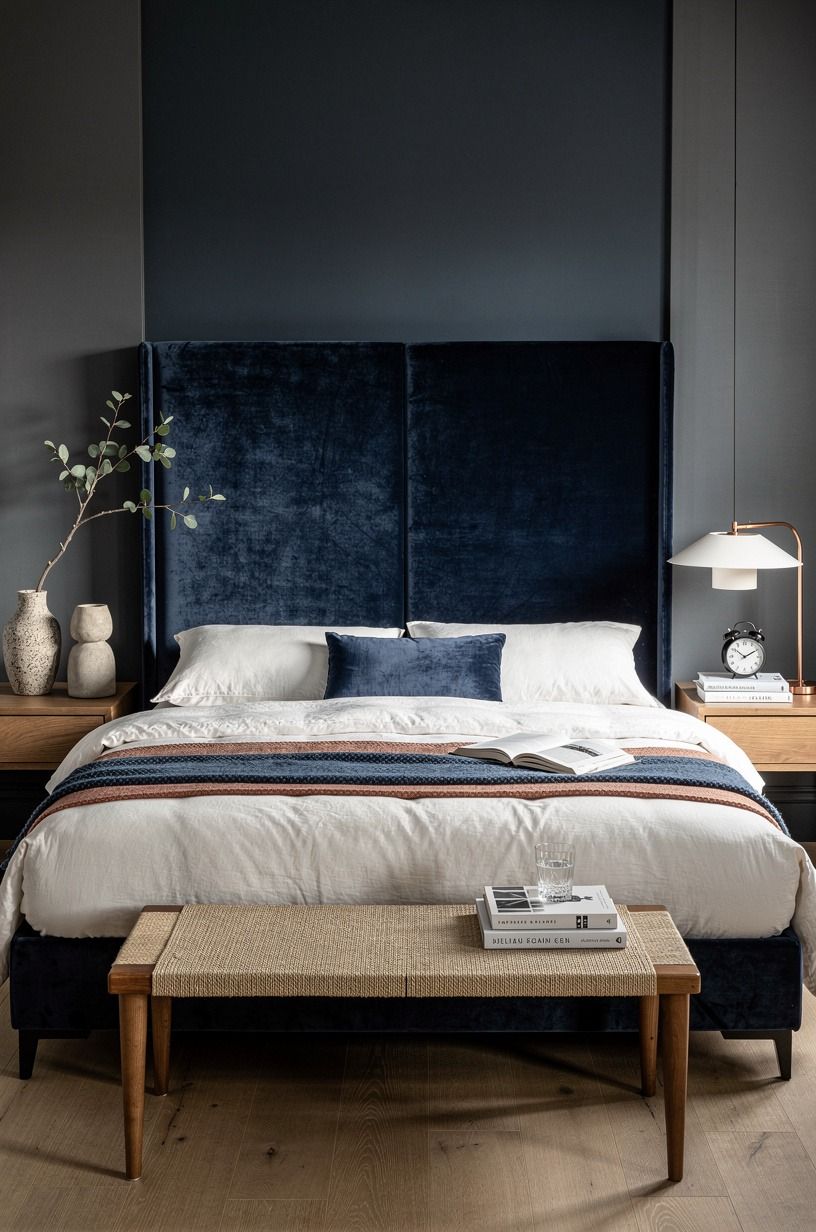
The visual reset took less money than I expected and more honesty than I wanted. I removed the chair, not because chairs are bad, but because mine had become a daily clothing mountain.
Too much visual noise. I left one book on the nightstand, moved the lamp closer to the wall, and kept the surface mostly clear.
My nightstand is about the height of the mattress, roughly 24 to 28 inches, and that made the whole side of the bed feel less awkward. I let the rug extend 18 to 24 inches past the bed instead of stopping at the foot like a postage stamp. If your layout is tight, this tiny bedroom layout guide helped more than another styling board.
I tested Farrow & Ball Setting Plaster beside Benjamin Moore Pale Oak before touching a brush. I chose the softer Pale Oak because the north-facing light made everything cooler by late afternoon.
I'd skip a deep accent wall here. It would've made my small room feel moodier when I wanted serene.
And because the overhead light was still ruining the evening, I stopped using it. One warm lamp near the bed, one dim light near the door, and no bright bulb aimed at the pillow. The change was immediate.
My shoulders dropped before I even got under the covers.
What I Would Buy Differently
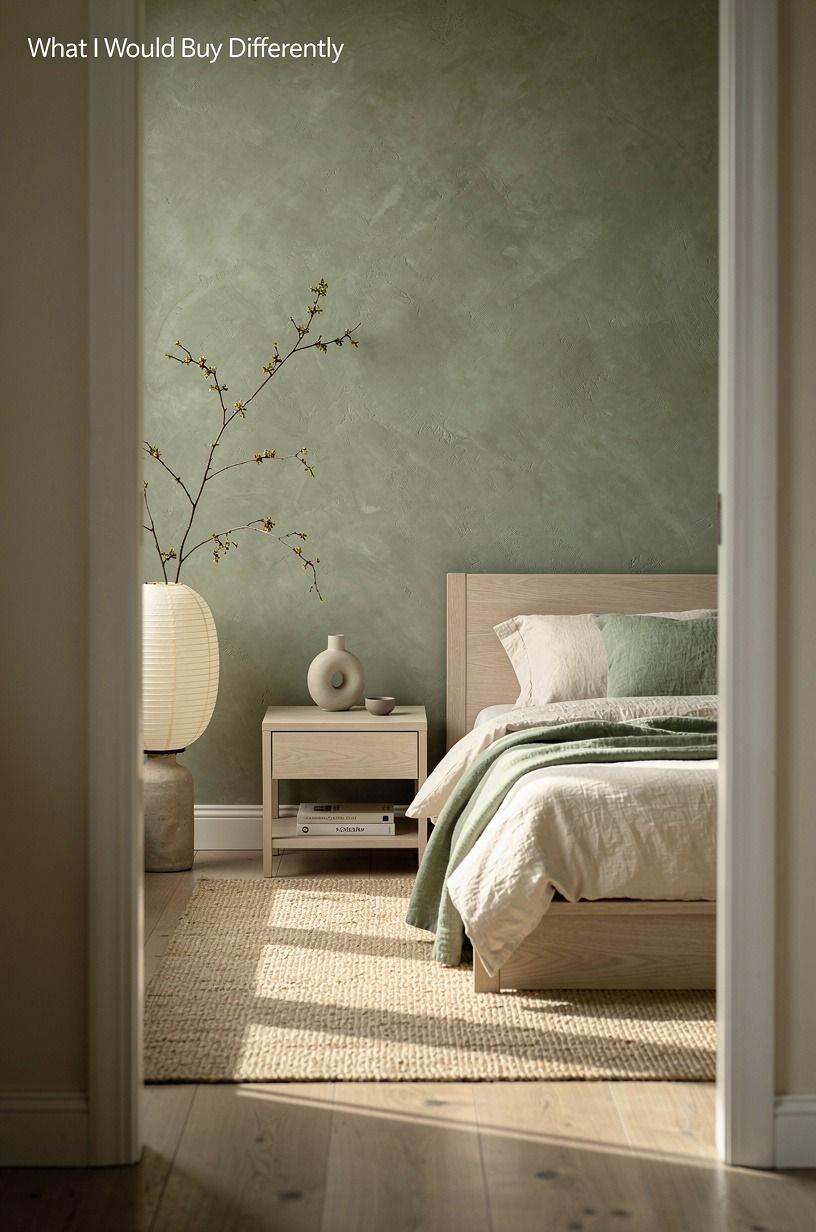
This room isn't flawless, and that's part of why I trust it. My first mistake was buying a decorative basket before fixing the lighting. It looked useful in the shop and became a place to hide laundry.
I'd have waited, measured the corner, and spent that money on a better shade instead.
I also underestimated how much the mattress would take from the budget. I don't regret choosing it, but I did regret having less left for the rug.
For a while, I tried to make an inexpensive rug feel richer by layering throws over it. That was wishful thinking. The rug still looked thin, and the room didn't need another workaround.
But I learned something more useful: slow living isn't a color palette. It's deciding what you want to notice.
I want to notice the morning light, the weight of the blanket, and the fact that I can put my book down without clearing a landing zone first. I don't want a room that photographs as serene and feels inconvenient.
If I did it again, I'd buy the shade earlier, keep the old dresser, and wait longer before adding art. I'd also test the wall color at 7 a.m. and 9 p.m., because paint can look peaceful at noon and strangely gray when the lamp comes on. Small difference.
Big annoyance.
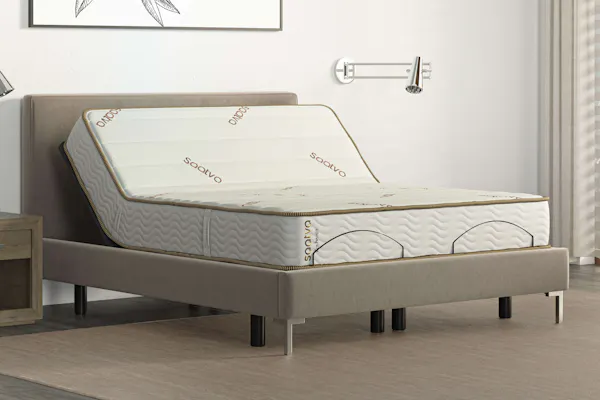 My pick for a healthier bedroomZenhavenTalalay latex, organic cotton, 365-night trial, lifetime warranty, free white glove delivery.See the Zenhaven
Build Your Own Healthier Bedroom
Sale pricing runs on orders over $1,000, and the 365-night trial gives you a full year of nights to be sure.
The Bedroom I Come Back To
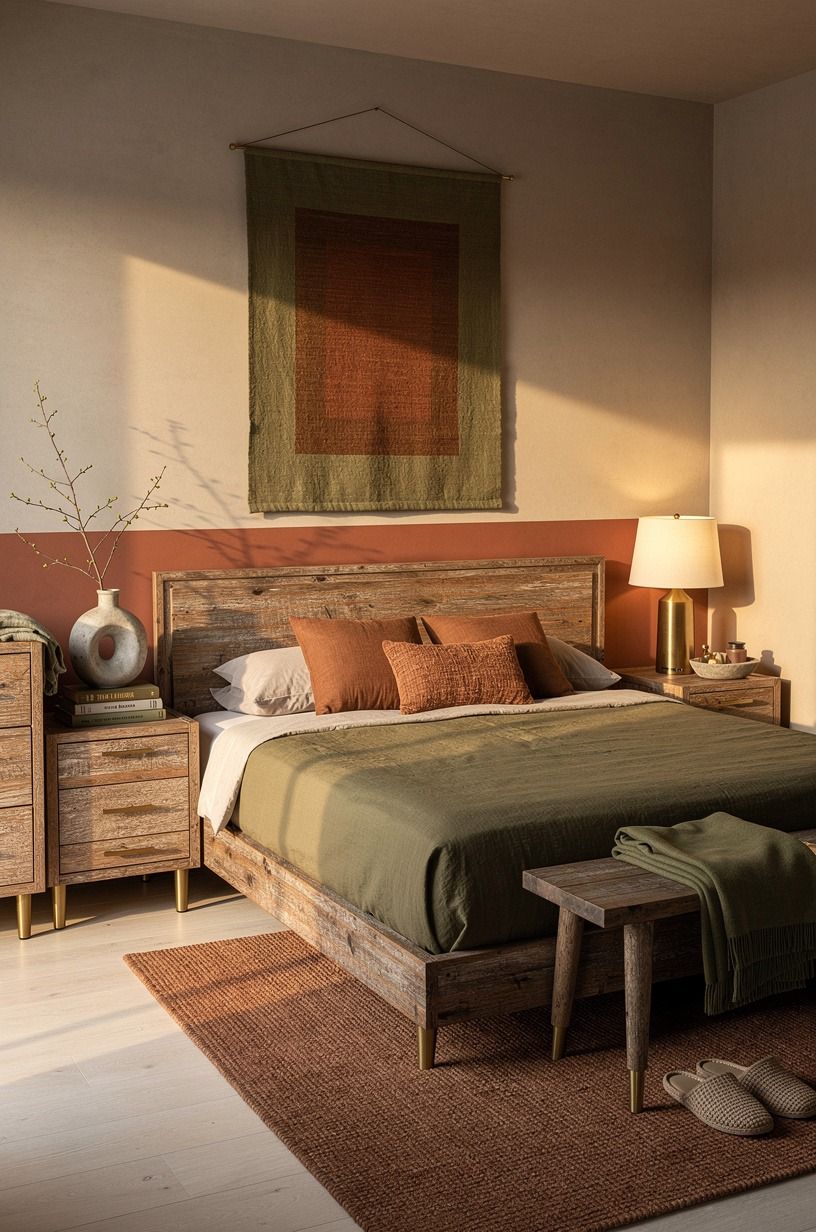
If I had to pick one change, I'd start with the sleep surface, because every soft lamp and folded throw felt pointless when I was awake at 3 a.m. The room is quiet now. The only light left on is the small lamp beside the bed, and the quilt's corner rests 18 inches over the rug.
{ "meta_title": "The Slow Living Bedroom: My 2026 Room Reset",