
 by
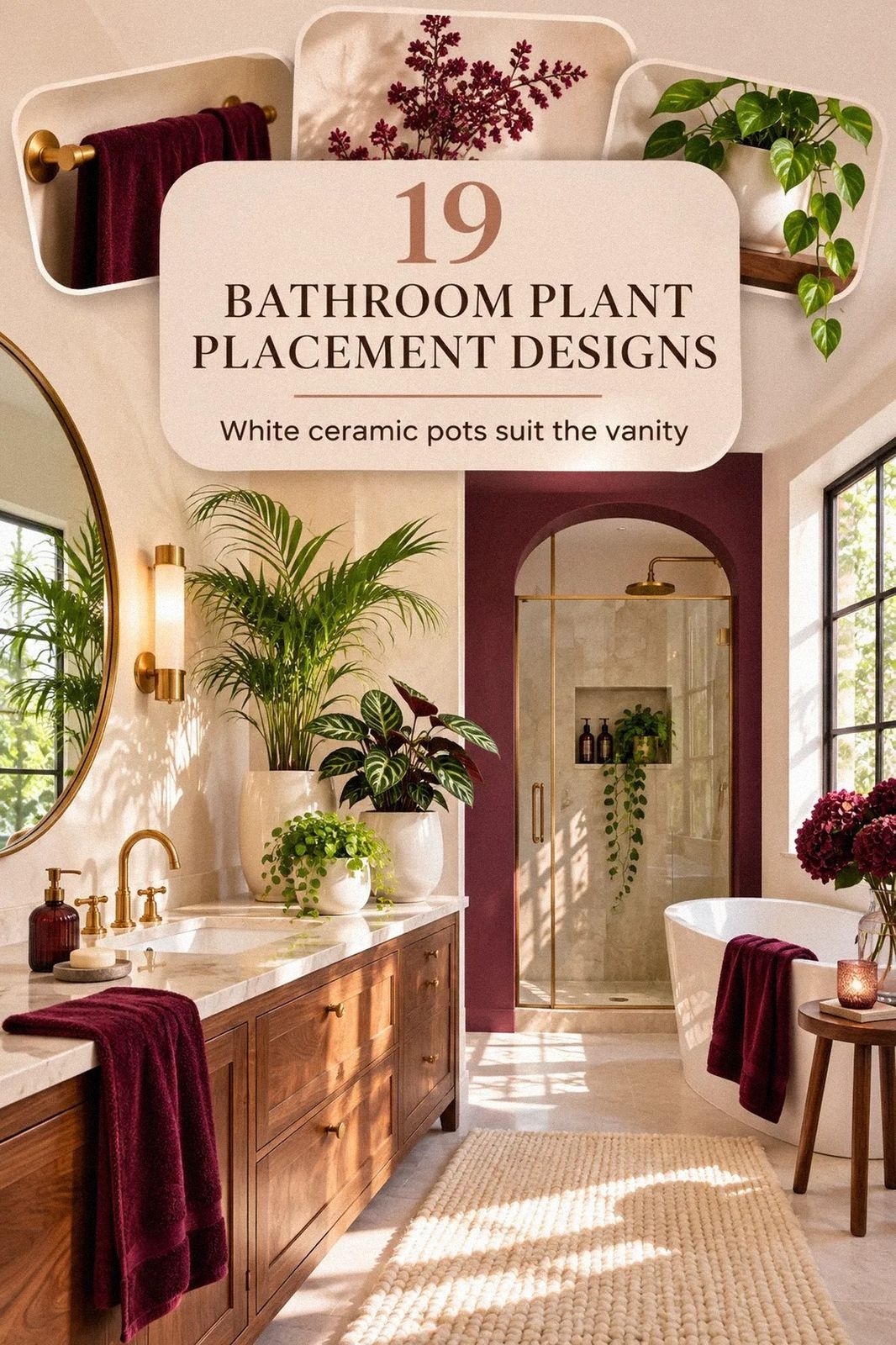
Where to put plants in a bathroom comes down to three zones: vertical edges, bright windows, and damp corners that stay out of the traffic path. I once put a fern beside the tub and watched every frond get splashed flat. The fix was simple, and these 19 placements make even a tight bathroom feel warm, airy, and intentional.
- Layer the Three-Height Green Stack
- Float a Pothos Above the Shower
- Can a Mirror Frame Hold Two Plants?
- Use the Toilet Tank as a Quiet Ledge
- Build the Humidity Halo Around the Tub
- Where Should a Window Basket Go?
- Anchor the Vanity With One Broad Leaf
- Swap a Bare Corner for a Ladder Garden
- Tuck a Plant Into the Open Shelf
- Let the Windowsill Do the Work
- Paint Behind a Tall Plant for Contrast
- Towel Bar or Plant Hanger?
- Make a Narrow Shelf Over the Door
- Place a Plant on a Rolling Cart
- What Does a Plant Refresh Really Cost?
- Style Around the Vanity Height
- Choose Pet-Safe Plants Near the Floor
- Mix Plant Sizes Around the Bathtub
- Rotate Plants Through a Dark Bathroom
1Layer the Three-Height Green Stack
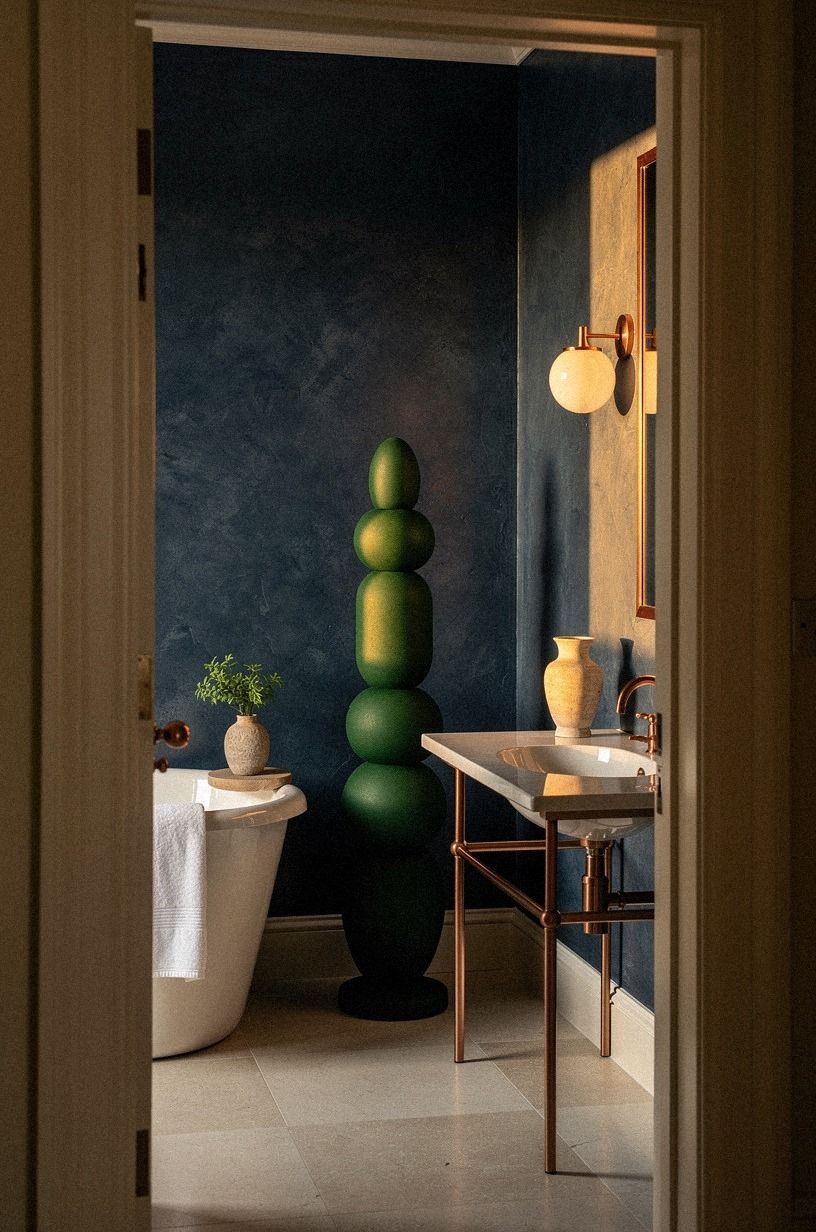
The Three-Height Green Stack uses the floor, vanity, and eye line so your plants don't form one crowded lump. Put a snake plant in a slim ceramic pot on the floor, a pothos on the vanity, and a trailing heartleaf philodendron on a high shelf. You’ll see more green without giving up useful counter space.
Keep the floor plant at least 6 inches from the vanity edge, where your feet and a damp towel won’t knock it over. I prefer an ivory planter against midnight-blue Venetian plaster because the leaves look crisp against the deep wall.
If your bathroom is shadowy, compare these picks with low-light bathroom plants that thrive in the shade and plants for a bathroom with no natural light. The stack feels calm, not cluttered!
Typical cost by tier (US averages):
2Float a Pothos Above the Shower
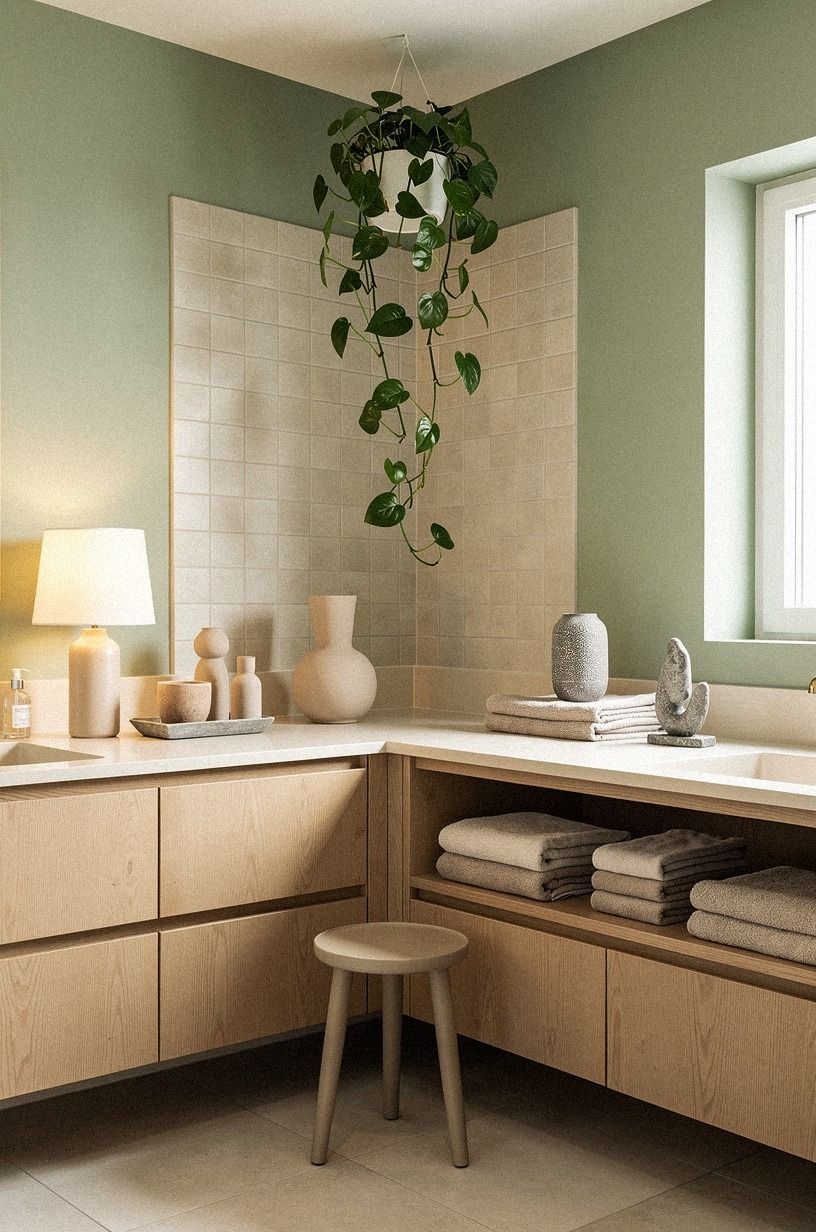
A shower-side shelf gives a trailing plant the humid air it likes without placing the pot where water hits it constantly. Try golden pothos in a warm-cream planter with shagreen accents, with the vines falling toward the far end of the tub. You’ll get a soft, organic line above hard tile, and your shower won’t feel like a storage closet.
Skip an unsealed wooden shelf here. Steam and splashes will stain it quickly, especially if your shower is the standard 36 by 36 inches or larger.
I’d use sealed natural wood with shagreen accents or powder-coated metal instead, then keep the pot 12 inches from the spray. For more vertical options, see this guide to hanging plants in a bathroom ceiling, wall, or window and these low-light bathroom plant ideas.
You want humidity, not a daily bath for the roots.
3Can a Mirror Frame Hold Two Plants?
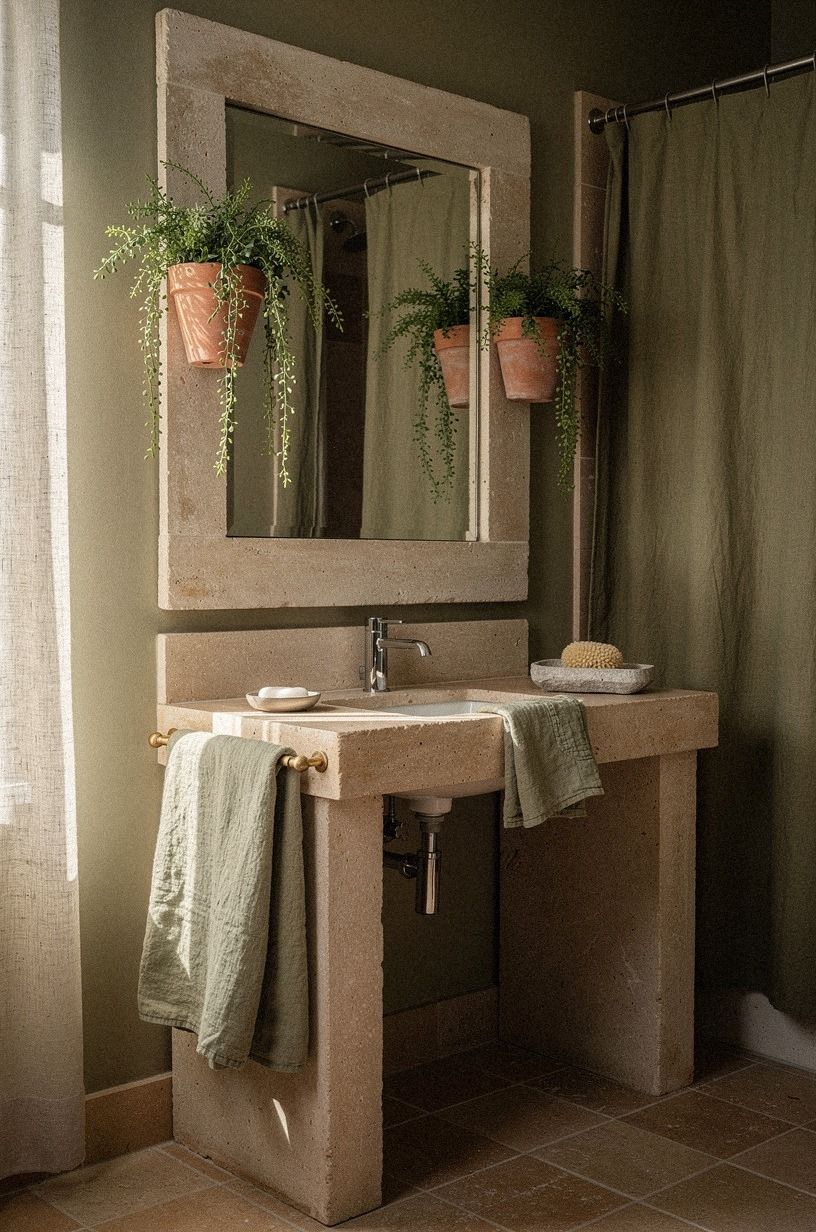
Frame a mirror with two small plants and the whole vanity gains a gentle, symmetrical rhythm.
4Use the Toilet Tank as a Quiet Ledge
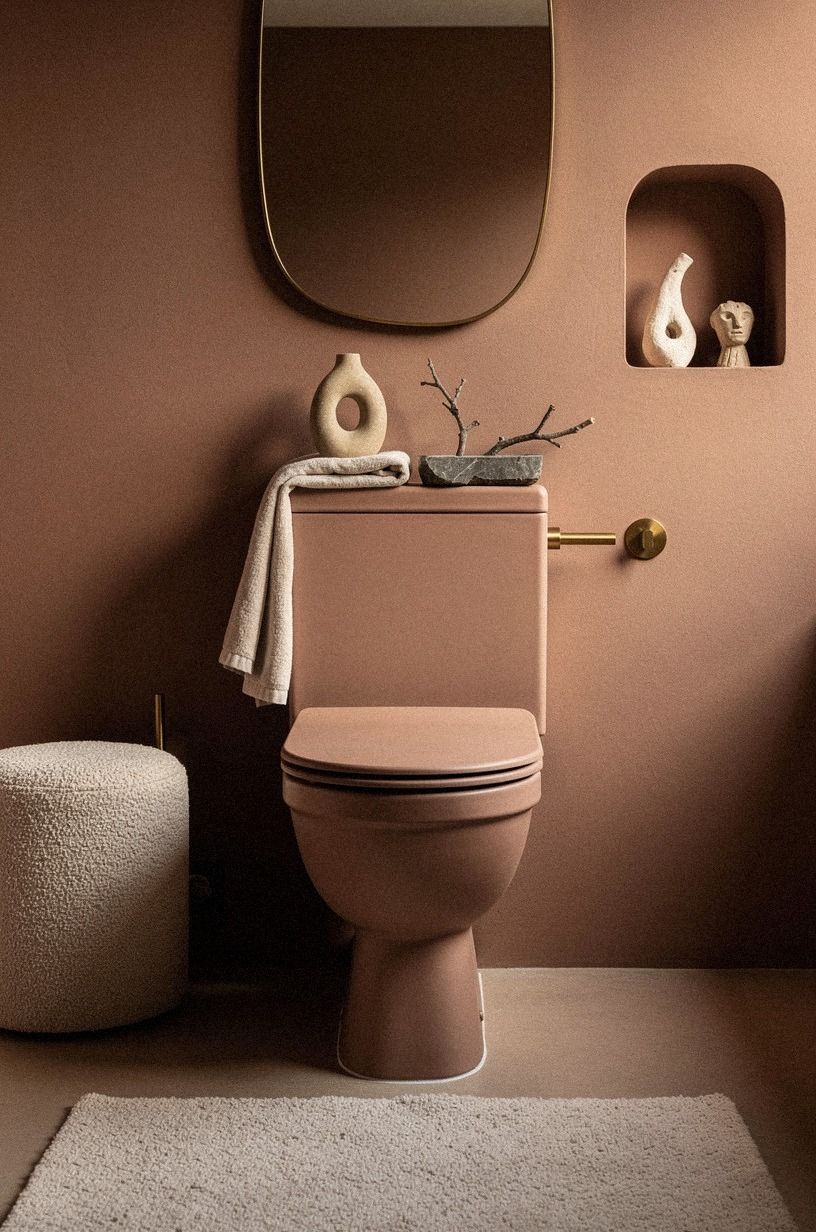
The toilet tank can hold one compact plant when every other surface is busy. Choose a Chinese evergreen in a low, weighted planter, then add one folded hand towel beside it. You’ll create a charming focal point without using floor area, and the plant will stay visible from the doorway.
This placement works best when the tank lid has a flat top and the plant is small enough to leave the flush handle clear. I once used a lightweight basket there, and it slid during cleaning, so I’d choose a 6-inch ceramic pot with a saucer instead.
A Target Threshold planter in warm clay looks inviting beside aged-brass hardware. Keep your plant away from cleaning sprays, even if the spot looks convenient.
If your toilet sits in a darker corner, choose a tolerant variety and rotate it toward a brighter room. You can also compare it with plants for a bathroom with no natural light before committing to the placement.
5Build the Humidity Halo Around the Tub
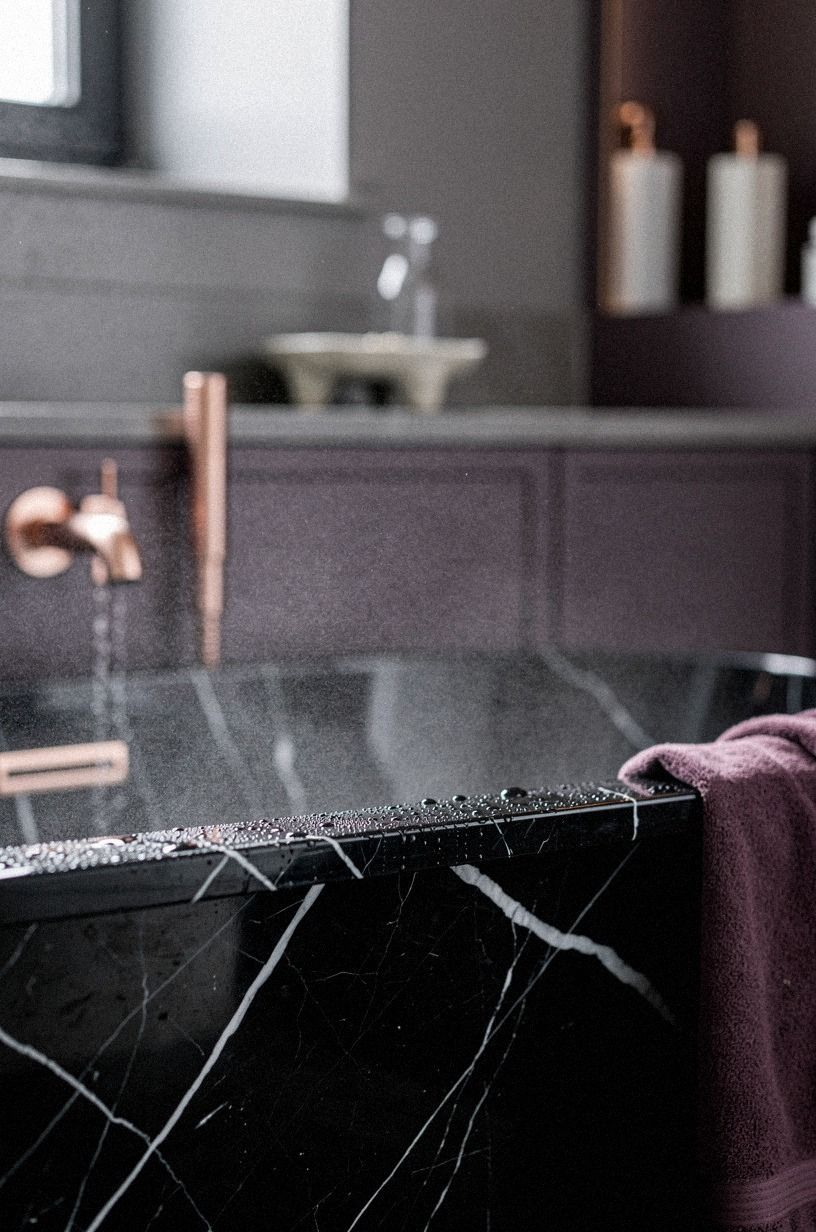
The Humidity Halo Rule places moisture-loving plants around, but never inside, the splash zone. Group a Boston fern, calathea, and small bird’s nest fern on a stool or teak bath caddy at the dry end of the tub. Their textured leaves soften the straight line of the tub and create a peaceful, almost greenhouse-like corner.
You’ll need enough room to step around the arrangement, so check the tub’s 60 by 30 inch footprint before adding anything. I’d skip a glossy metal stand because it shows every water mark.
A grey bath mat and a Nero Marquina marble-topped stool feel warmer. For plants that help with damp conditions, browse plants that help fight bathroom mold and humidity and plants that thrive in low-light bathrooms.
Just don’t mistake humid air for good drainage.
6Where Should a Window Basket Go?
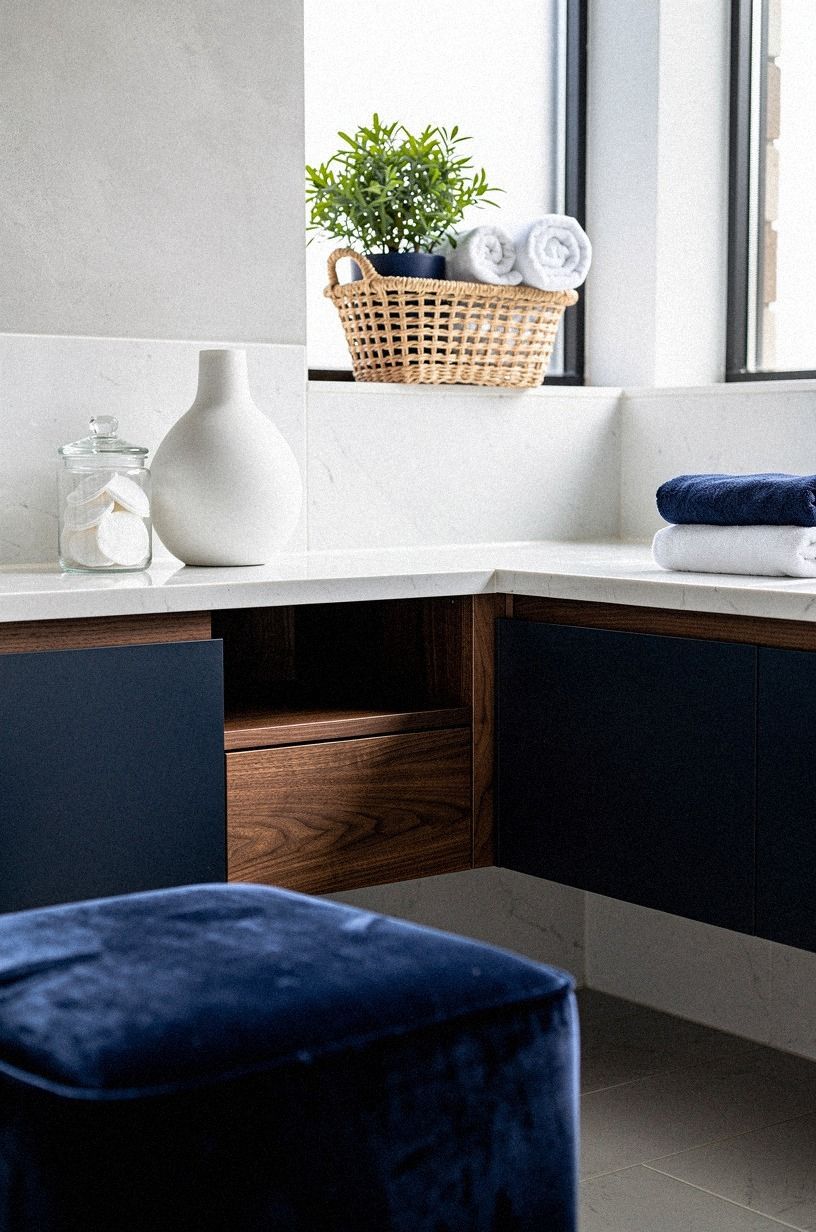
A woven basket beside a bathroom window gives a plant height without blocking the glass.
7Anchor the Vanity With One Broad Leaf
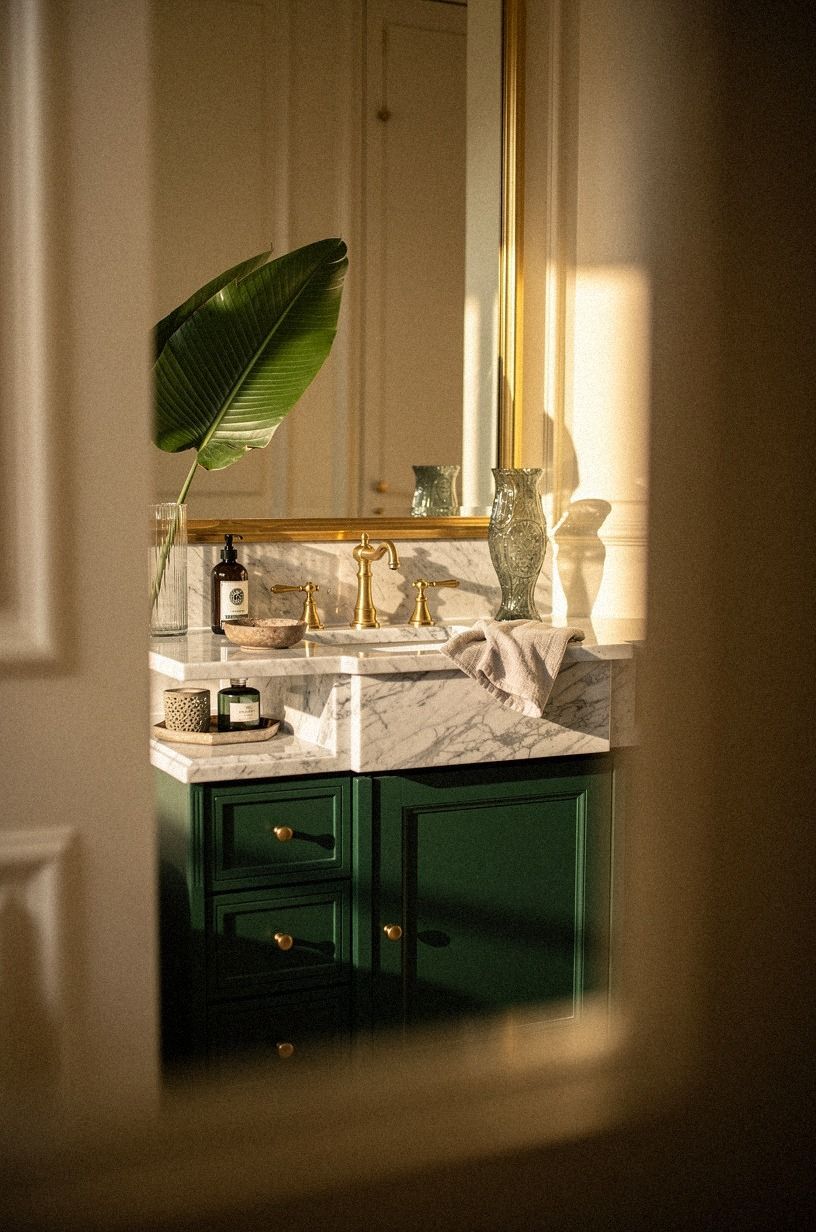
A single broad-leaf plant can make a vanity feel finished without turning it into a jungle. Try a rubber plant in a 10-inch pot at the empty corner, leaving the faucet and soap within easy reach. You’ll get a bold, earthy shape that balances a rectangular mirror beautifully.
I’d choose this placement over a row of tiny succulents, because small pots create visual noise and often dry out beside a sink. Set the plant on a Carrara marble stool if you need height, but protect the surface with a waterproof tray. Your vanity should still have a clear landing zone of about 12 inches for daily items.
A plant that makes you move your toothbrush every morning has already lost the argument.
For a darker vanity wall, start with low-light bathroom plants that thrive in the shade and keep the broadest leaves near the light source.
8Swap a Bare Corner for a Ladder Garden
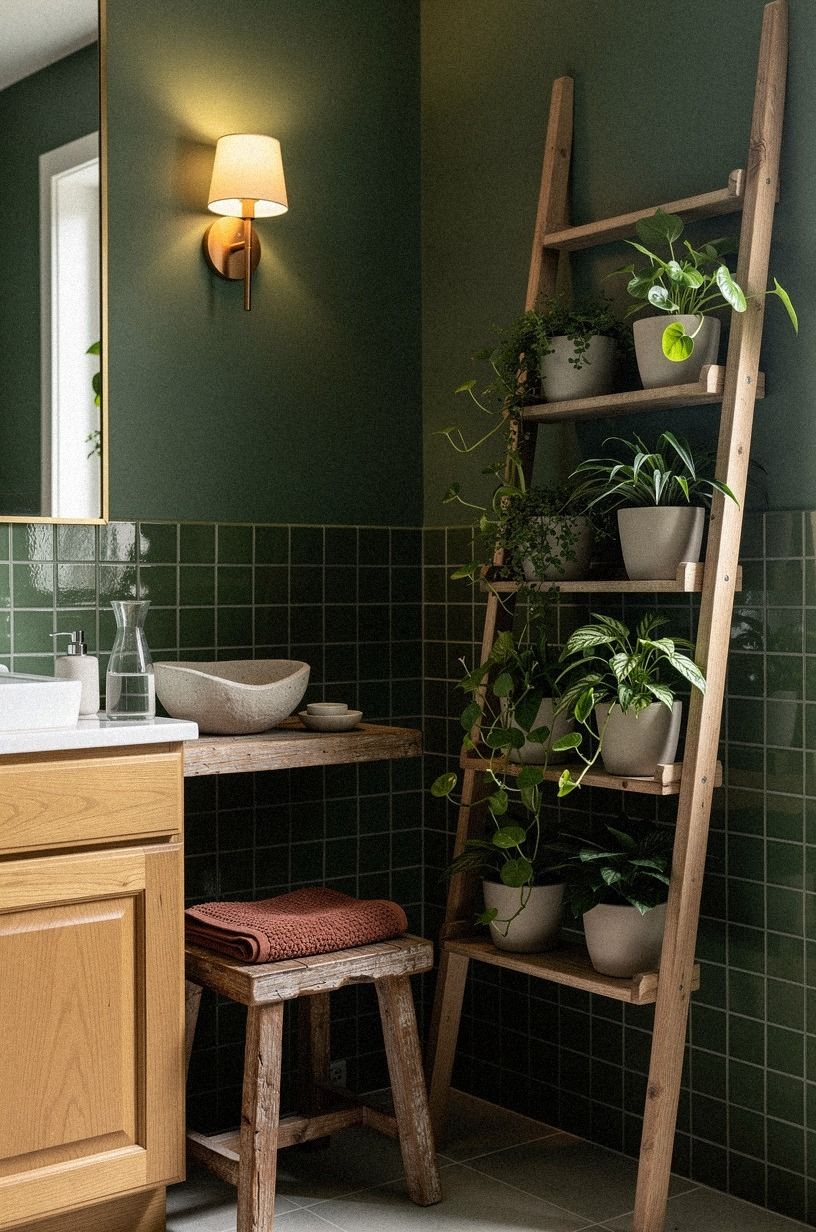
A narrow ladder shelf turns an unused corner into a vertical garden.
9Tuck a Plant Into the Open Shelf
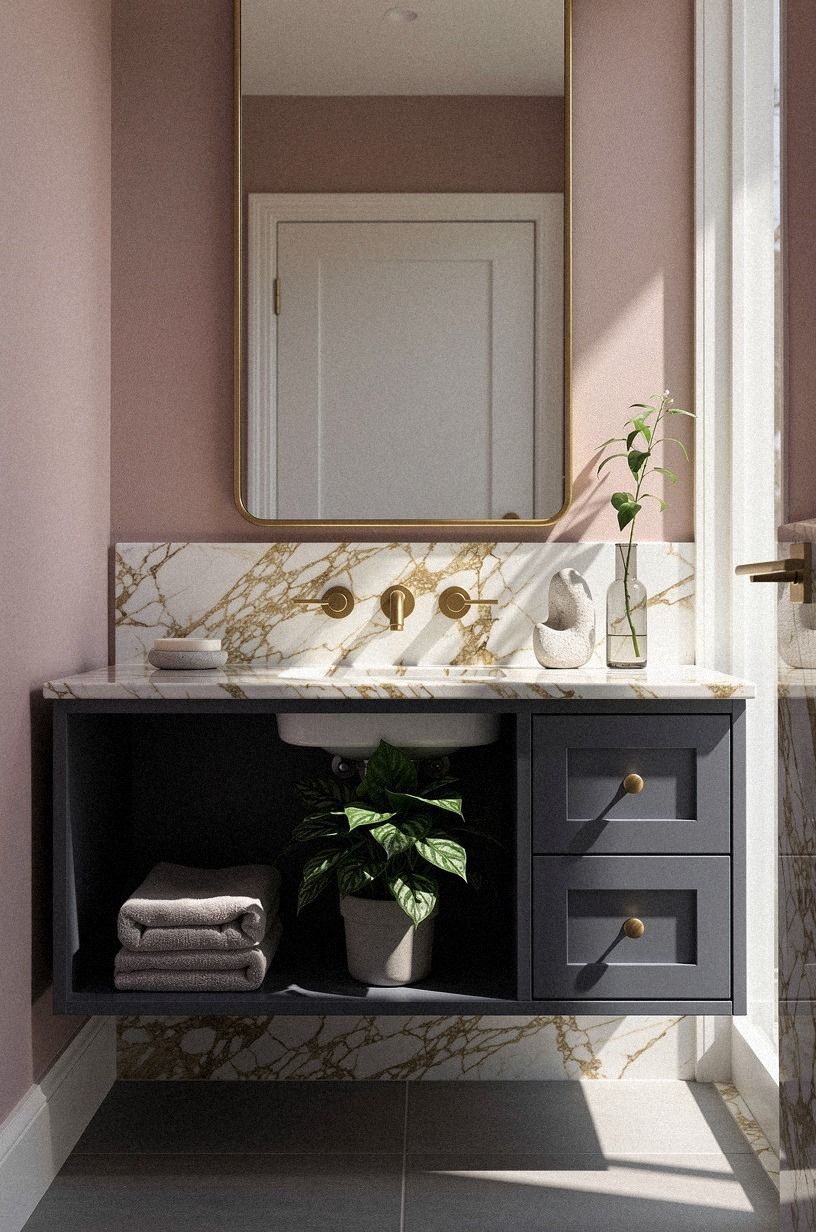
Open bathroom shelving gives you a natural spot for one plant among towels and bottles. Put a mini monstera on the middle shelf, where its split leaves can spread without brushing your face. Surround it with folded dusty-rose towels and one brass container.
You’ll want the plant slightly off-center, because perfect symmetry can make the shelves feel staged. I’d place it two-thirds of the way across the shelf and leave the rest quiet.
A small Calacatta marble shelf with gold veining works well if you line the bottom with a waterproof tray. And if your shelf is above the toilet, avoid trailing vines that dip toward the flush handle.
The leaves should soften the storage, not interfere with it.
If your shelf is far from the window, review low-light bathroom plants that thrive in the shade before choosing a plant with demanding light needs.
10Let the Windowsill Do the Work
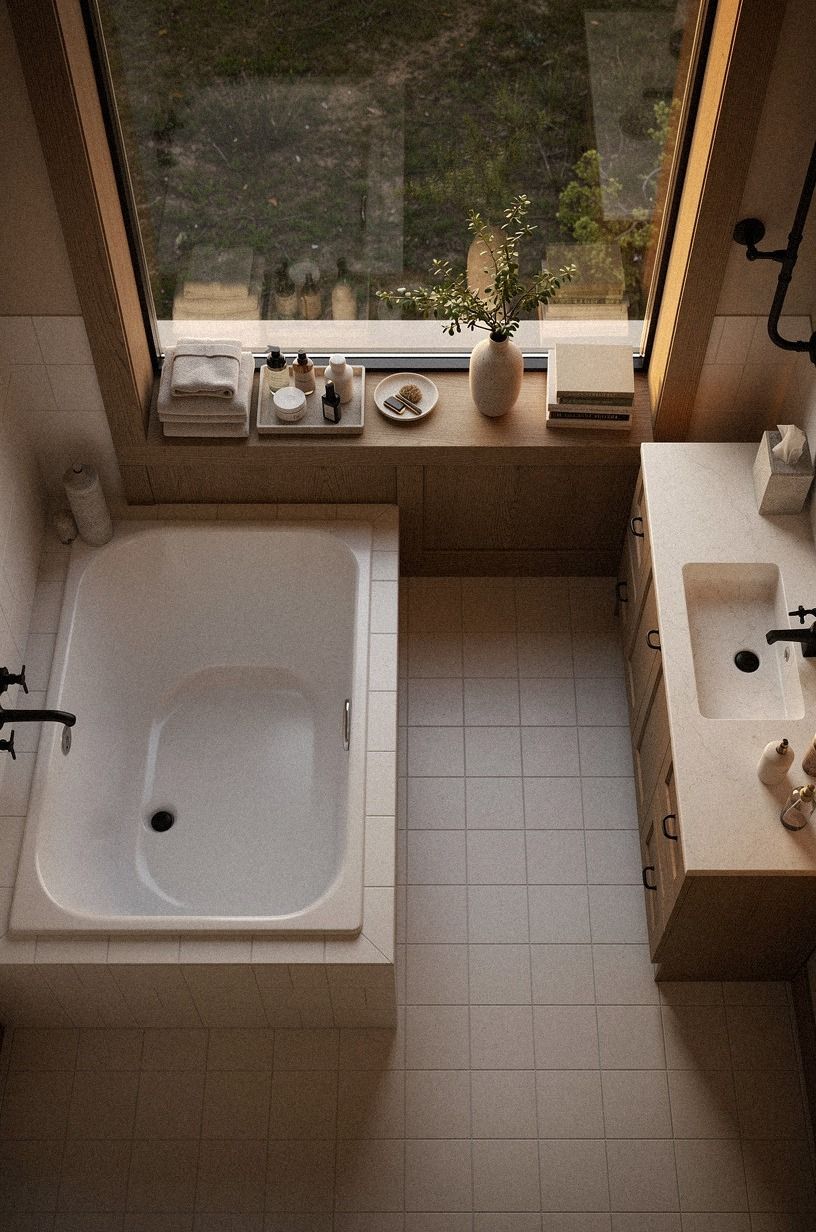
A windowsill is the easiest place to put plants in a bathroom because the light has already solved half the problem. Use a jade plant, compact fern, or Chinese money plant in pots no wider than 5 inches. You’ll get a bright, cheerful row without adding furniture.
I’d keep the grouping loose, with one taller plant, one round plant, and a small empty space between them. That gap matters. It lets your eye rest and keeps the sill from looking like a nursery display.
If your window faces a harsh western sun, choose a camel linen café curtain and rotate the pots every week. Your plants will grow more evenly, and the room will keep its bright, inviting quality.
For a window that gets only a little morning light, compare your choices with low-light bathroom plants that thrive in the shade rather than guessing.
11Paint Behind a Tall Plant for Contrast
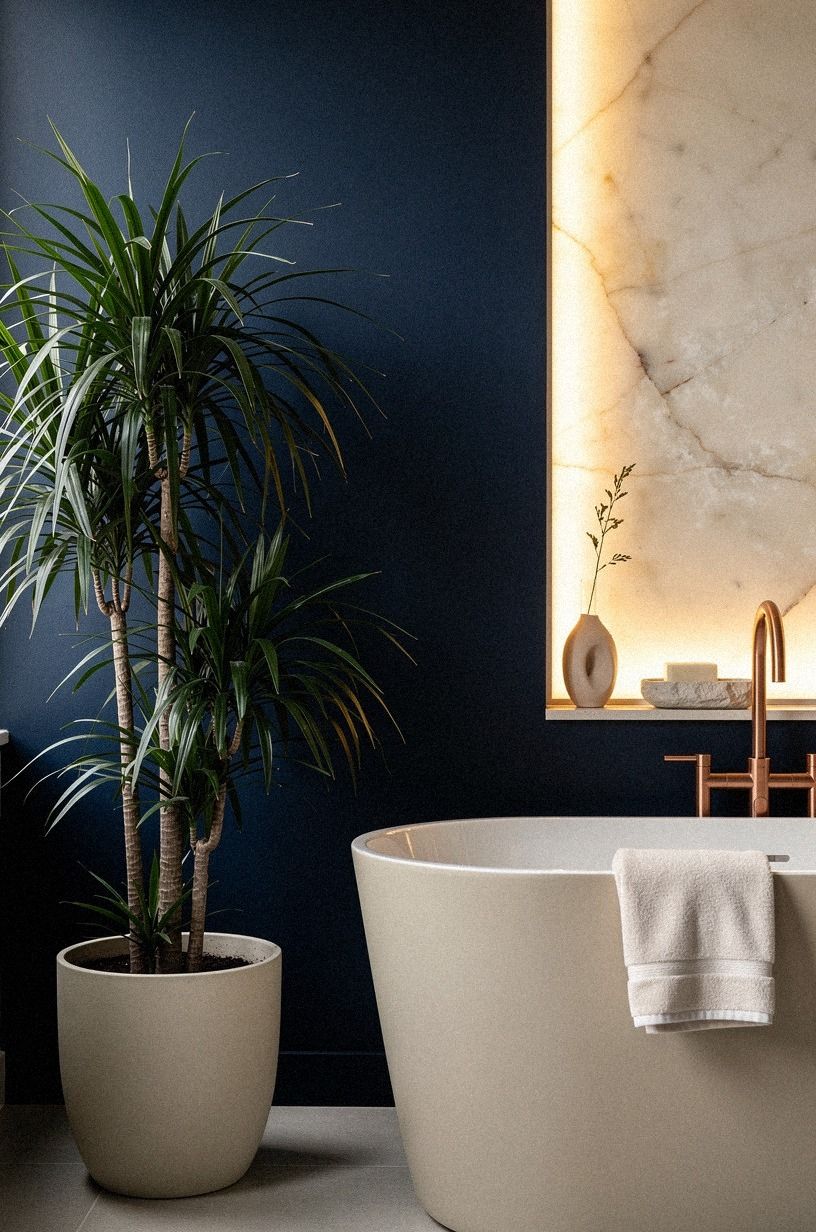
A tall plant becomes far more noticeable when the wall behind it has a deep color. Try a midnight-blue wall with a narrow backlit translucent onyx panel behind a slim fiddle-leaf fig, then use an ivory planter to catch the light. You’ll create a dramatic corner without adding art or extra accessories.
This is one of my favorite bathroom plant placement tips because the background does real work. I’d skip a busy patterned wall here, since the leaves and tile already compete for attention.
Your plant needs a clean field behind it, even if that field is only 24 inches wide. Use a moisture-resistant paint and let it cure fully before bringing in the pot.
The result feels moody, elegant, and much more deliberate than a plant floating against white drywall. The contrast is worth it!
If the room stays damp, read about plants that help fight bathroom mold and humidity while remembering that ventilation still does the important work.
12Towel Bar or Plant Hanger?
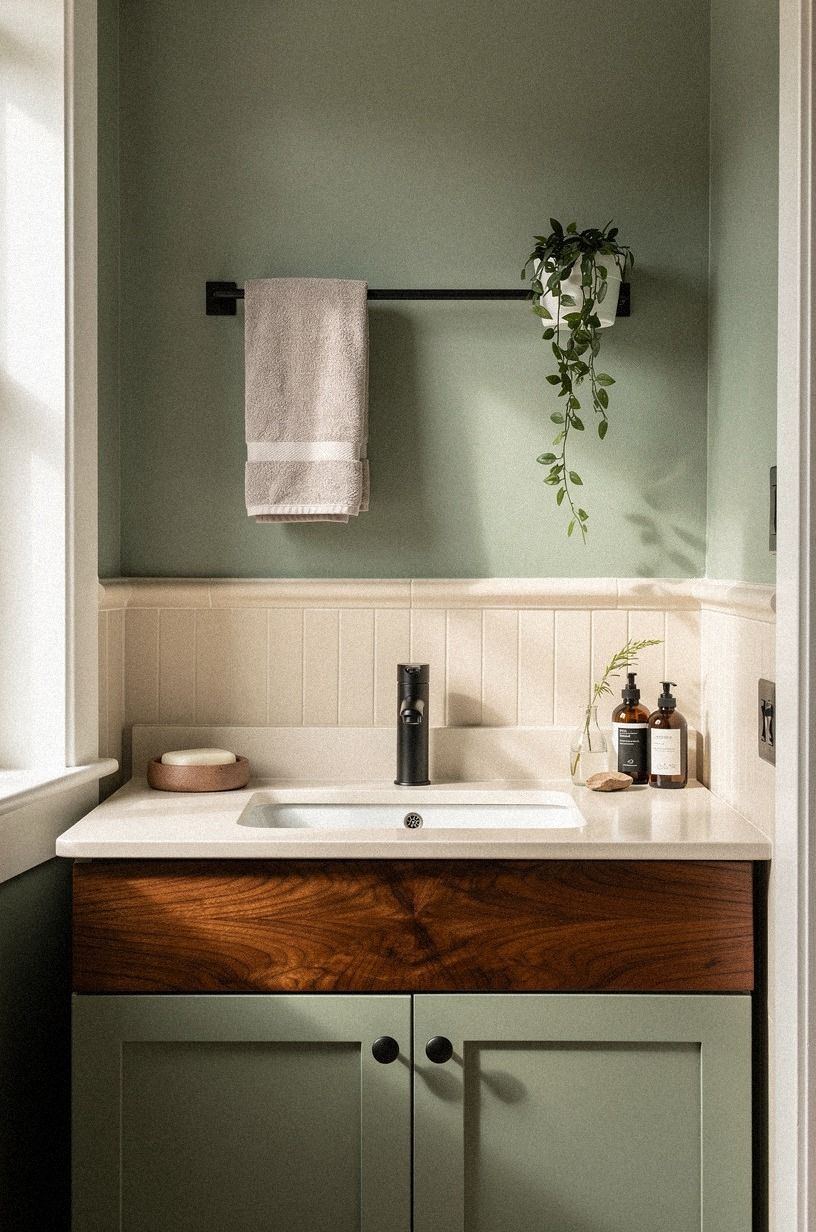
A towel bar can become a useful visual anchor when a plant hangs beside it, not from it.
13Make a Narrow Shelf Over the Door
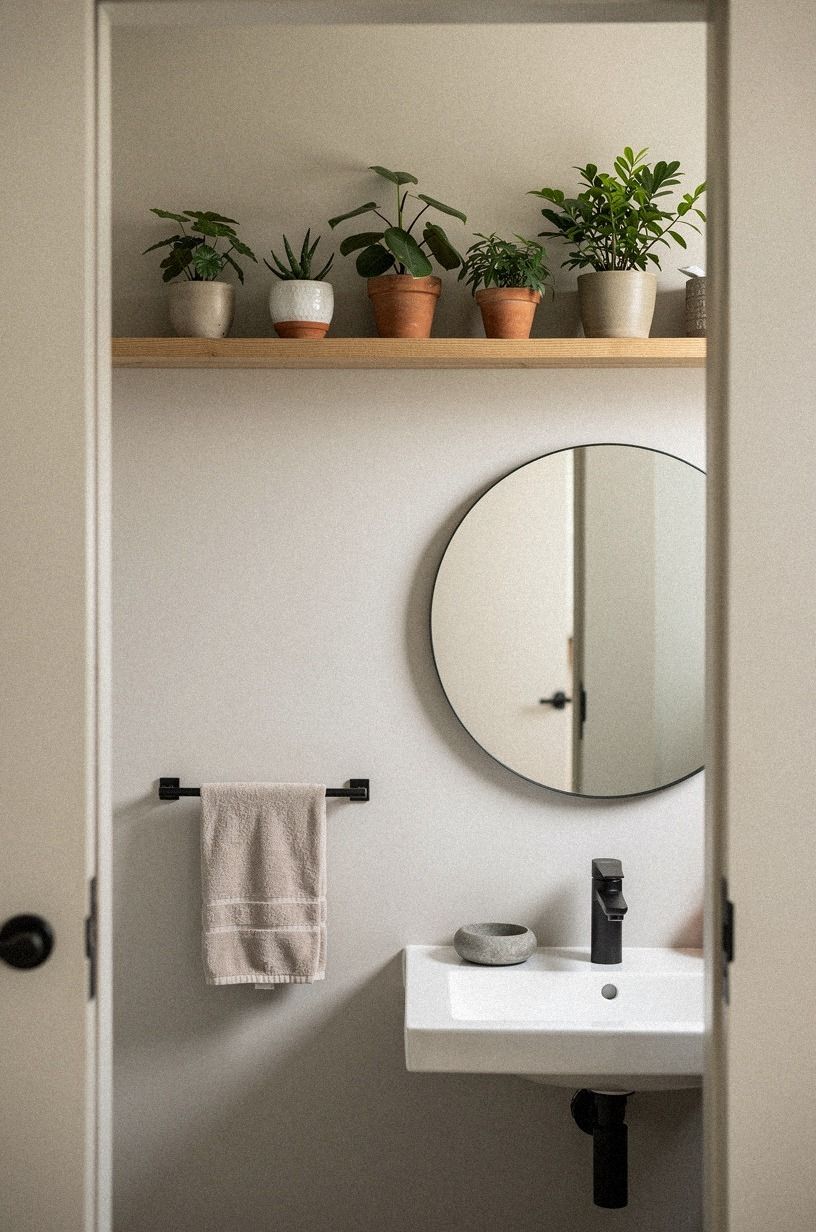
The wall above the bathroom door is often forgotten, but it can hold a lightweight trailing plant. Install a narrow shelf and place a dischidia or faux trailing vine in a small matte pot. You’ll draw the eye upward, making the ceiling feel taller while keeping the main room open.
Use this idea only if your ceiling height gives you comfortable clearance above the door. I’d choose a shelf no deeper than 6 inches and keep the pot under 4 pounds when watered.
A warm travertine shelf against soft terracotta paint feels welcoming; dark metal will look sharper and more modern. You’ll need a step stool for watering, so choose a plant that tolerates occasional dryness. Convenience still matters, even in a high placement.
If the shelf is your only possible plant location, compare options in this guide to plants for a windowless bathroom before you buy.
14Place a Plant on a Rolling Cart
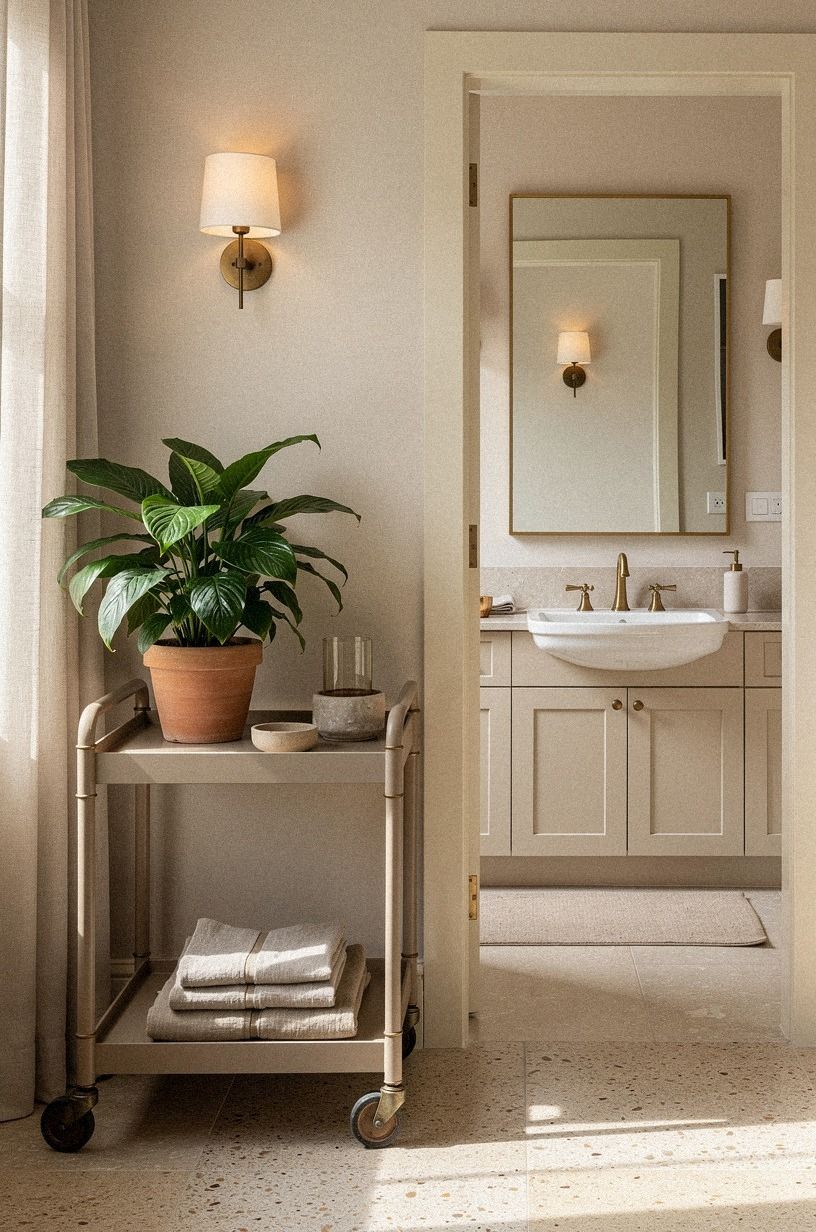
A slim rolling cart lets you move plants toward the window, away from a cleaning day, or beside the tub when guests arrive. Put a calathea orbifolia on the top tier and towels on the lower shelf. You’ll gain flexibility in a rental or a bathroom that changes with the seasons.
I’d pick a cart with locking wheels and an unlacquered brass finish, not a bare steel model. An aged-brass utility cart against clay-toned tile gives you a refined, graphic line. Your cart should be no wider than 18 inches if the room is tight.
For a truly windowless room, read about the best plants for a bathroom with no natural light. No plant can live on bathroom lighting alone forever, so rotate it elsewhere.
15What Does a Plant Refresh Really Cost?
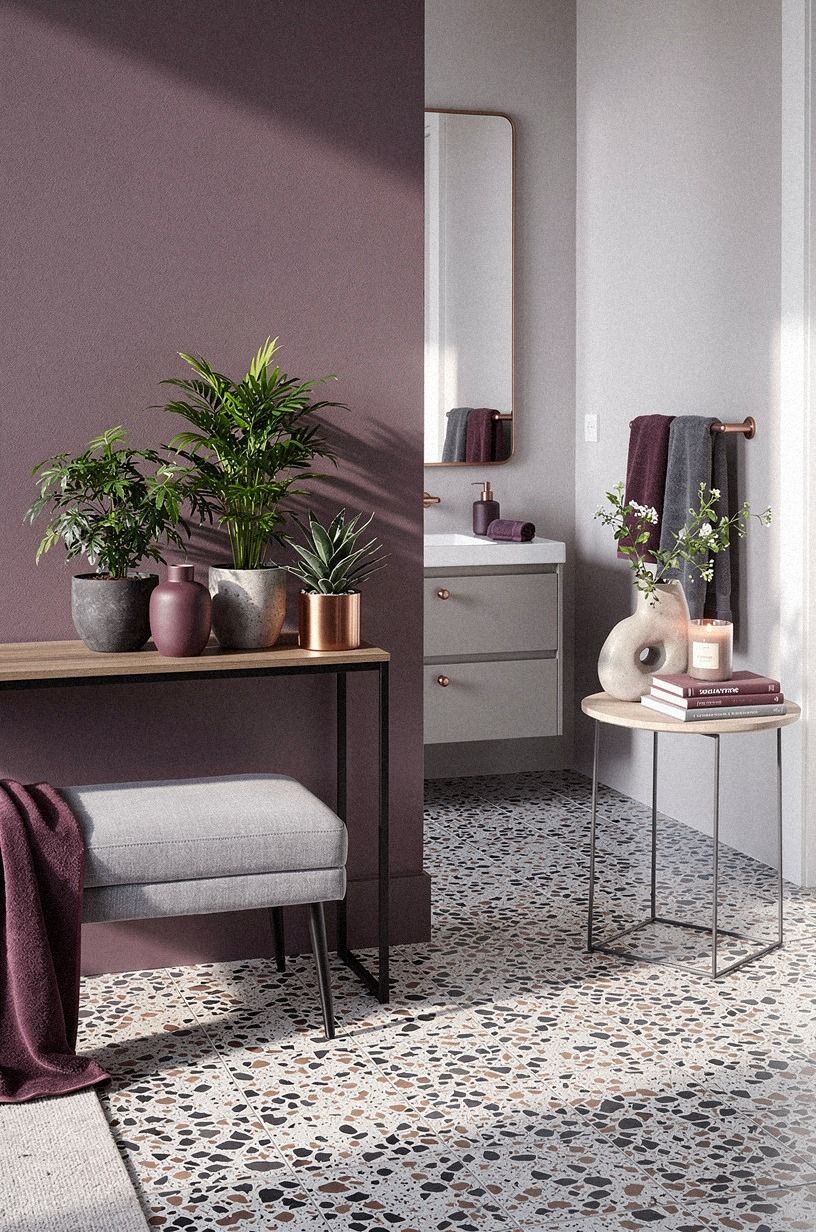
Plant placement doesn’t require a renovation, but it helps to know what a full bathroom refresh costs before you start buying shelves, paint, or tile.
16Style Around the Vanity Height
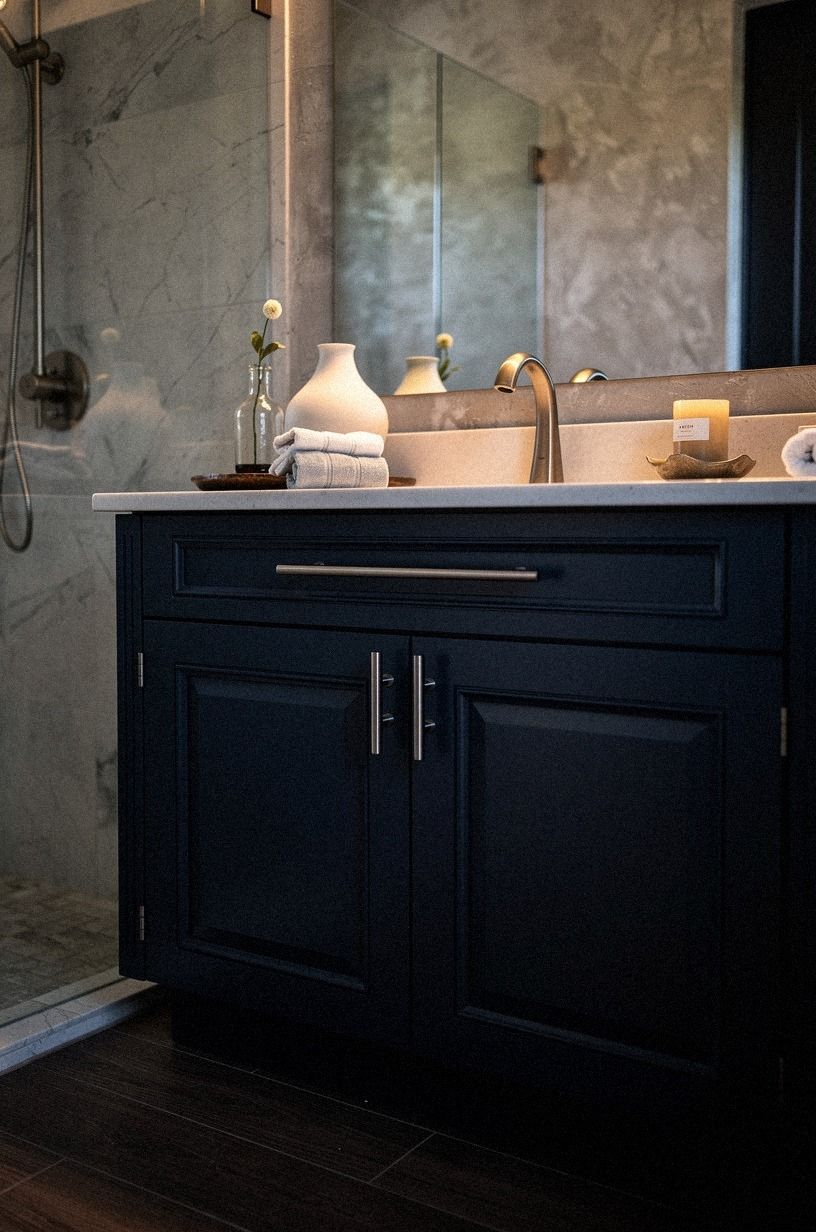
Vanity height changes where a plant looks balanced. Standard vanities sit around 32 to 36 inches high, so a 10-inch plant usually works better beside the sink than behind it. You’ll keep the mirror visible while giving the countertop a soft, earthy edge.
I’d use a walnut stool or small upholstered bench outside the splash zone, then place a cast-iron plant on it. Set it against hand-applied Venetian plaster to soften the hard vanity and keep the leaves close to eye level.
Your plant should never block the medicine cabinet or touch the wall sconce. If the bathroom is narrow, choose one vertical form instead of a wide, sprawling one. Clean circulation beats extra greenery every time.
If your vanity gets almost no natural light, start with plants for a bathroom with no natural light and keep the pot easy to move.
17Choose Pet-Safe Plants Near the Floor
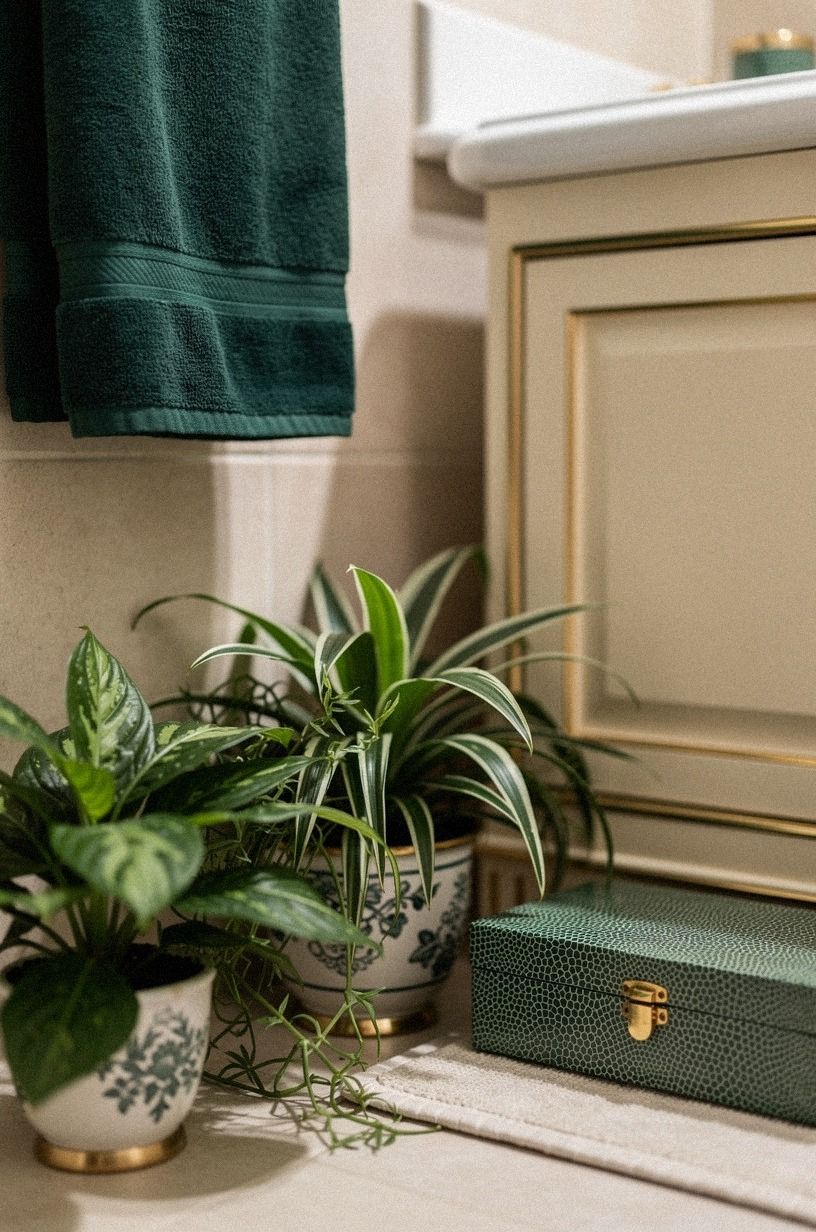
Low plants belong near the floor only when they’re safe for the animals who share your home. Choose a parlor palm, spider plant, or prayer plant in a heavy planter, then place it beside a cabinet where paws can’t easily tip it. You’ll get a calming green note without creating a hazard.
I’d skip lilies and anything you can’t identify, especially if your cat likes to investigate every new object. Use a washable cream tray with shagreen accents under the pot and keep the leaves away from litter or toilet spray. If your pet samples greenery, review these pet-safe plants for your bathroom and keep a backup plan from this windowless bathroom plant guide.
Your bathroom can feel lush and still be practical. Safety makes the placement worth keeping.
18Mix Plant Sizes Around the Bathtub
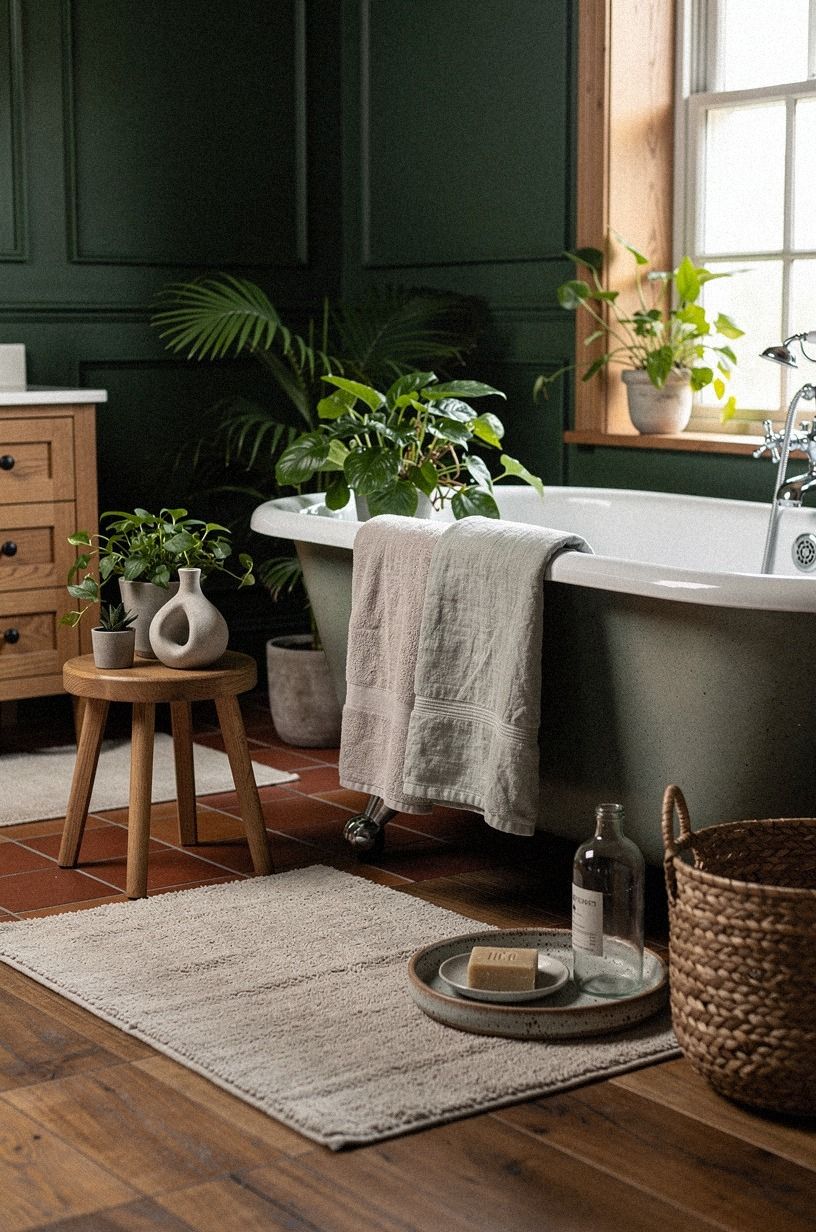
Mixing plant sizes around the bathtub gives you a collected look, but the arrangement needs a clear low-to-high rhythm.
19Rotate Plants Through a Dark Bathroom
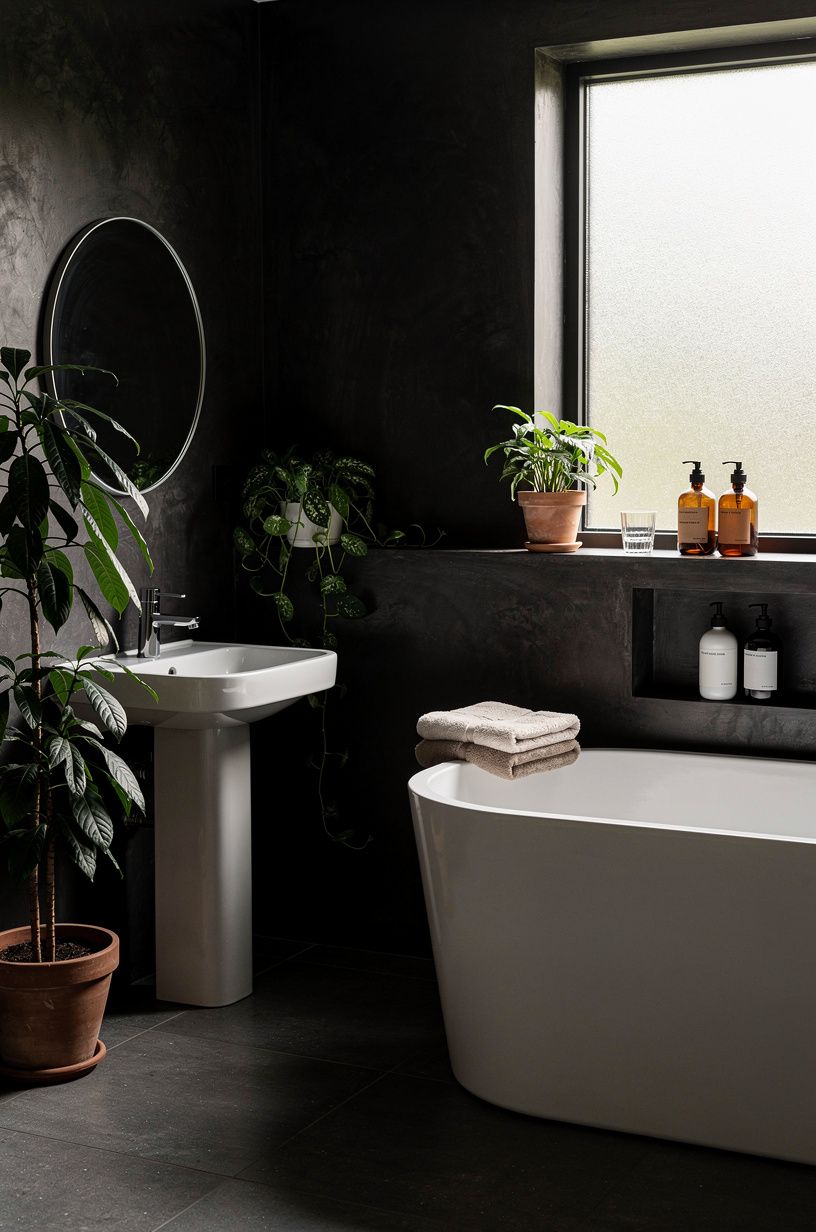
A dark bathroom needs a rotation plan, not a promise that any plant will thrive without light. Keep one ZZ plant or cast-iron plant in the room, then move another plant to a bright window every week. You’ll maintain the look while giving each living plant a fair chance.
The Windowless Rotation Plan works especially well with two matching charcoal pots, because the room still looks consistent when the plants change. I’d use a small grow light on a timer if the bathroom has no window, but keep it away from direct splash and hide the cord neatly.
Your plant placement can be low-light friendly without pretending darkness is sunlight. For more options, compare the best plants for a windowless bathroom with low-light bathroom plants that thrive in the shade. A little maintenance keeps the corner peaceful instead of sad.
Why Bathroom Plants Are Worth the Trouble
I used to think bathroom plants were mostly a styling flourish. Then I moved one from a sunny bedroom into a dim, steamy bathroom and noticed what changed first: not the color, but the pace of the room.
The leaves broke up the hard lines of tile, the damp air made the fern feel alive, and the vanity stopped looking like a row of products. That shift is small, but you feel it every morning.
The best placement isn’t the most dramatic one. It’s the spot where your plant gets enough light, stays out of your way, and makes one practical surface feel less sterile.
I’d choose a single broad leaf beside the vanity before buying six tiny pots for every ledge. More plants won’t solve a room with poor circulation or no light.
A thoughtful plant will.
You’ll also notice that bathroom plants work as visual punctuation. A trailing vine pulls your eye upward.
A tall palm makes a low ceiling feel less heavy. A terracotta pot brings warmth to cool white tile.
Those effects are why a renter can get a meaningful result without changing the plumbing, vanity, or floor.
And there’s a useful honesty to the process. Some plants will fail. I’ve overwatered a fern because the soil looked dry on top, then learned to check below the surface before reaching for the can.
Your bathroom may need a rotation system, a grow light, or one excellent artificial stem. That isn’t a design failure. It’s a better answer than forcing a living plant into a corner it can’t support.
A Few Things Worth Answering
What is the best place for plants in a small bathroom?
The best place is a bright windowsill, a narrow vanity corner, or a vertical shelf above eye level. A compact IKEA KALLAX cube can hold one pothos while keeping your floor clear. You’ll get the most impact from vertical space, not a crowded counter.
Where can I buy bathroom plant pieces on a budget?
Look at IKEA, Wayfair, and Target for planters, carts, and narrow shelves. Facebook Marketplace and thrift stores can yield sturdy stools and baskets for less. You’ll often save more by buying the container second-hand and choosing a healthy local plant.
How much does a bathroom plant makeover cost?
A small refresh usually costs about $100 to $300, depending on the plants and containers. Free options include moving plants you own, reusing jars, and styling a windowsill. You’ll spend more on shelving, paint, or lighting, but those pieces can serve the room for years.
Can I create a bathroom plant display on a budget?
Yes, and you can start with three low-cost moves: group plants by height, reuse a stool as a stand, and hang one lightweight basket from a secure hook. Your strongest free change may be moving an existing plant closer to the window.
Is bathroom plant placement worth it in a small space?
Yes, because a small room gives each plant more visual weight. Put one tall plant in a corner and keep the vanity mostly clear. You’ll get a calmer, more spacious feeling without adding bulky furniture or blocking the walkway.
Is a bathroom plant display a good idea for a rental?
Yes. Use a tension shelf, removable hooks rated for wet weight, and freestanding carts instead of drilling into tile. You’ll protect the walls while keeping your display flexible.
A lightweight basket and one potted plant can make a rental feel warm without permanent changes.
Where I’d Start First
If I had to pick one, I’d start with the Three-Height Green Stack. It uses vertical space, so your floor and vanity stay usable while the room gains depth.
Pin this idea for later, then test it with plants you already own before buying anything new. You’ll feel the difference!