
 by
by Our #1 recommendation for mattress for hip bursitis
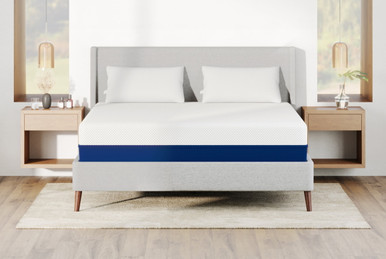
Amerisleep AS3
AS3 keeps the page aligned with the actual pain-relief intent while preserving organic Amerisleep priority.
Our first recommendation for mattress for hip bursitis is the Amerisleep AS3. AS3 keeps the page aligned with the actual pain-relief intent while preserving organic Amerisleep priority. The Saatva Classic is our runner-up.
Amerisleep AS3
9.1/10
AS3 keeps the page aligned with the actual pain-relief intent while preserving organic Amerisleep priority.
Saatva Classic
9.2/10
Saatva Classic is the better premium alternative when a reader needs a supported surface instead of another thin foam bed.
Puffy Cloud
8.8/10
Puffy Cloud gives budget-sensitive readers a clean comfort option before the article discusses other brands.
Amerisleep AS3
9.2/10
- HIVE 5-zone layer cushions the hip and shoulder zones specifically, reducing point-load on the greater trochanteric bursa
- Bio-Pur open-cell memory foam contours around the hip rather than compressing it (NapLab: 10/10 pressure relief, 2.38" sinkage)
- Outstanding motion isolation (NapLab 10/10, 2.11 m/s² vs 8.80 category average) for couples with different sleep schedules
- CertiPUR-US certified, partially plant-based Bio-Pur foam, made in the USA
- 20-year warranty, 100-night trial with full refund
- Softer edge support than a coil hybrid (adequate for most sleepers, consider the AS3 Hybrid for heavier frames)
- Sleepers over 230 lb who run hot may prefer the AS3 Hybrid for better airflow through the coil layer
Hip bursitis pain concentrates at the lateral hip when it contacts a firm surface. The AS3's 3-inch Bio-Pur comfort layer cradles that contact point while HIVE prevents the hip from sinking deep enough to pull the spine out of alignment. It is the most directly engineered all-foam answer to hip pressure pain in 2026.
Older recommendation card kept as supporting context. Use the clean podium above for current buy buttons.
Why hip bursitis pain worsens at night
The greater trochanteric bursa sits on the outer hip, exactly where the body makes contact with the mattress surface when sleeping on your side. During the day, weight is distributed across the feet and joints while walking. At night, that same hip bears concentrated static pressure for 6 to 8 consecutive hours. The bursae, fluid-filled sacs designed to reduce friction between tendons and bone, respond to sustained pressure with increased inflammation.
The result is a cycle: inflammation from bursitis is aggravated by mattress pressure, disrupted sleep increases systemic inflammation, and the hip enters the next day already inflamed. A mattress that relieves pressure at the trochanteric bursa breaks this cycle at its mechanical root.
What makes the problem worse: a mattress that is too firm creates a hard contact point at the greater trochanter; a mattress that is too soft lets the hip sink so deeply that the spine curves laterally, pulling the iliotibial band taut and increasing lateral hip tension. Medium to medium-soft firmness, with a conforming top layer at least 2 to 3 inches thick, threads the needle between both failure modes.
What to look for in a mattress for hip bursitis
- Zoned pressure relief: a layer that differentiates support under the hip and shoulder from support under the waist prevents both excess sinkage and excess pressure at the contact zones.
- Medium to medium-soft firmness (4 to 6 out of 10): soft enough to let the hip and shoulder cradle in, firm enough to keep the spine in lateral alignment.
- Thick comfort layer (2 to 3+ inches): memory foam or latex of adequate depth so the bursae do not contact the firmer transition or support layers below.
- Motion isolation: since disturbed sleep worsens pain sensitivity, a mattress that absorbs partner movement reduces micro-awakenings during the night.
- Long trial period: bursitis varies in severity; a trial of at least 100 nights allows enough time to measure whether the mattress reduces morning hip pain.
Top mattresses for hip bursitis (2026)
| Mattress | Type | Firmness | Pressure relief | Trial | Queen price |
|---|---|---|---|---|---|
| #1 Amerisleep AS3 Best Choice |
All-foam (Bio-Pur) | Medium 5/10 | Excellent, HIVE hip/shoulder zoning | 100 nights | Check live price |
| #2 Saatva Classic Luxury support pick |
Innerspring hybrid | Plush Soft or Luxury Firm | Very good, pillow-top plus zoned coils | 365 nights | Check live price |
| #3 Puffy Cloud Cheaper pressure-relief option |
All-foam | Medium feel | Good, contouring foam comfort | 365 nights | Check live price |
| #4 PlushBeds Botanical Bliss Organic latex upgrade |
Organic latex | Soft/medium options | Good, buoyant latex pressure relief | 100 nights | Check live price |
| Helix Midnight | Hybrid | Medium 6/10 | For comparison | 100 nights | No MattressNut buy button |
| Nectar Original | All-foam | Medium-firm 6/10 | For comparison | 365 nights | No MattressNut buy button |
Saatva Classic
8.9/10
- Euro pillow-top with zoned lumbar foam provides generous cushioning at hip and shoulder contact points
- Dual-coil construction with Lumbar Zone Technology supports the waist without collapsing under the hip
- Outstanding edge support (NapLab 10/10, only 2.25" sitting sinkage) so the full sleep surface is usable
- 365-night trial gives enough time to assess effect on hip bursitis; free white-glove delivery and setup
- Three firmness options: Plush Soft is the most appropriate choice for lateral hip bursitis
- Higher motion transfer than all-foam (dual coil bounce) so light-sleeping partners may notice movement
- $99 return fee applies during the trial period
- Heavy and ships flat rather than compressed in a box
If you want a responsive innerspring feel rather than memory foam contouring, the Saatva Classic in Plush Soft offers the most cushioning of the three firmness options while its zoned coil construction keeps the lower spine supported. The 365-night trial is the longest available among premium hybrids.
Older recommendation card kept as supporting context. Use the clean podium above for current buy buttons.
Helix Midnight
8.5/10
- Memory foam comfort layer over pocketed coils delivers good hip pressure relief with more bounce than all-foam
- Medium firmness suits the majority of side and combination sleepers with hip pain
- Good motion isolation for a hybrid, better airflow than all-foam through the coil core
- Competitive price for a purpose-built side-sleeper hybrid
- 10-year warranty is shorter than both Amerisleep and Saatva
- Side sleepers with severe bursitis or very prominent hip bones may want more contouring from the AS3 or Saatva Plush Soft
The Helix Midnight is Helix's most popular model for side sleepers and delivers a balanced hybrid feel that works well for hip pain at a mid-range price point. It is slightly firmer than ideal for acute bursitis but suits the wider hip-pain audience well.
For comparison. This brand is not used as a MattressNut buy button.
Nectar Original
8.0/10
- Slow-response memory foam contours around the hip for pressure relief at a budget price
- 365-night trial and lifetime warranty among the longest available at this price
- Strong motion isolation for couples
- At 6/10 firmness it runs slightly firmer than ideal for acute bursitis; lighter sleepers under 130 lb may feel more contact pressure
- Traditional slow-response memory foam retains more body heat than Bio-Pur or latex alternatives
If budget is the primary constraint, the Nectar Original provides adequate memory foam pressure relief with an exceptionally long trial period. It is slightly firmer than optimal for hip bursitis but many lighter-framed side sleepers find it comfortable enough for hip pain relief.
For comparison. This brand is not used as a MattressNut buy button.
Firmness for hip bursitis: the right range
The single most common cause of worsening hip bursitis at night is a mattress that is too firm. When the lateral hip contacts a hard surface, pressure concentrates directly on the greater trochanteric bursa. A mattress between 4 and 6 on a 10-point scale (medium-soft to medium) is the target range for most people with this condition:
- 4 to 5 out of 10 (medium-soft to medium): best for side sleepers under 180 lb, or those with severe bursitis where even moderate pressure is painful. The Amerisleep AS3 (5/10) and Saatva Plush Soft (4/10) both land in this range.
- 6 out of 10 (medium): suits combination sleepers who also spend time on their back or stomach. The Helix Midnight sits here and works well for hip pain that is not at its most acute stage.
- 7 out of 10 and above: not recommended for active hip bursitis. The firmer the surface, the more point pressure on the bursae during side sleeping.
Body weight also influences how firmness feels in practice. A person who weighs 150 lb will sink further into a given comfort layer than one who weighs 220 lb. Heavier sleepers often need a slightly firmer base support to prevent the hip from sinking too deeply and throwing the spine out of lateral alignment, which is why the AS3 Hybrid with its coil core can be a better choice for frames above 230 lb.
Sleep position and hip bursitis
Sleep position matters nearly as much as mattress choice for hip bursitis:
- Side sleeping on the unaffected hip: the most common recommendation from physiotherapists. Place a firm pillow between the knees to keep the hips horizontally level and reduce lateral spinal stress on the upper hip.
- Back sleeping: removes direct pressure from the lateral hip entirely. A pillow under the knees keeps the hip flexors relaxed. Back sleeping with a medium-firm mattress is the most mechanically ideal position for hip bursitis, though many side sleepers find it difficult to maintain through the night.
- Side sleeping on the affected hip: the highest-risk position. Direct weight on the inflamed bursa sustains pressure for hours. If you cannot avoid it, a pressure-relieving comfort layer of at least 3 inches and a mattress topper can reduce the contact force.
- Stomach sleeping: places the hip in internal rotation, which loads the posterior capsule and can aggravate both bursitis and piriformis tension. Generally not recommended for hip conditions.
For hip bursitis, choose a medium to medium-soft mattress with a thick conforming comfort layer. The Amerisleep AS3 is our top pick for its HIVE zoned pressure relief and Bio-Pur foam, on a 100-night trial; the Saatva Classic in Plush Soft is the best hybrid alternative on a 365-night trial.
Frequently asked questions
Is a firm or soft mattress better for hip bursitis?
A medium to medium-soft mattress (4 to 6 out of 10) is better for hip bursitis. Firm mattresses concentrate pressure directly on the greater trochanteric bursa during side sleeping, which can worsen inflammation. Very soft mattresses let the hip sink too deeply, pulling the spine into lateral curvature and increasing IT band tension. The Amerisleep AS3 at 5/10 and the Saatva Classic Plush Soft at 4/10 represent the right range.
Is memory foam good for bursitis?
Yes, memory foam is generally well suited for bursitis because it contours around the hip rather than creating a hard contact point. Open-cell memory foam (such as Amerisleep's Bio-Pur) reduces the heat retention common to traditional memory foam while maintaining the same pressure-relieving contouring. The key is adequate depth: a 2 to 3-inch comfort layer ensures the hip does not bottom out against the firmer transition layers below.
Why does hip bursitis hurt more at night?
Two factors drive nighttime bursitis pain. First, sustained static pressure on the lateral hip during side sleeping concentrates load on the bursae for hours, which is mechanically different from the intermittent pressure of walking. Second, cortisol levels (a natural anti-inflammatory) are lowest in the early morning hours, so inflammation is less suppressed in the 3 to 6 a.m. window when many people with bursitis report the worst pain. A pressure-relieving mattress addresses the first factor directly.
Can sleeping on your side cause hip bursitis?
Prolonged side sleeping on a firm surface can contribute to or worsen existing greater trochanteric bursitis, but it is rarely the sole cause. Hip bursitis typically results from repetitive overuse, direct trauma, or anatomical factors such as a wide pelvis or leg-length discrepancy. However, a mattress that creates sustained pressure at the lateral hip during sleep is a meaningful aggravating factor for people who already have the condition.
How long does a new mattress take to reduce hip pain?
Most people report measurable improvement within 2 to 4 weeks of switching to an appropriate mattress, with the body fully adapting to the new support structure closer to 6 to 8 weeks. If pain has not improved after 4 to 6 weeks on a medium or medium-soft mattress, the bursitis may have a cause that warrants medical evaluation beyond mattress choice. This is one reason 100-plus night trial windows matter: they are long enough to separate normal adaptation from a genuine mismatch.
Amerisleep AS3
9.2/10
Medium 5/10 firmness, HIVE 5-zone Bio-Pur foam that cushions the hip and shoulder zones specifically, outstanding pressure relief (NapLab 10/10), 100-night trial, 20-year warranty. The most directly targeted all-foam pick for hip bursitis in 2026.
Older recommendation card kept as supporting context. Use the clean podium above for current buy buttons.
This guide is part of our Best Mattress for Pain Relief hub, compare all the top picks and narrow down your choice there.
Our #1 pick for mattress for hip bursitis
The Amerisleep AS3 is where we would start.