
 by
by For a toddler bed, the Saatva Crib Mattress is a crib-size option, which is built in the size a toddler bed actually takes and meets the safety standards that apply to children. Amerisleep does not make a crib or junior mattress — its range starts at twin — so if you are buying for an older child moving into a full-size bed, the Amerisleep AS3 is the one we recommend at that stage.
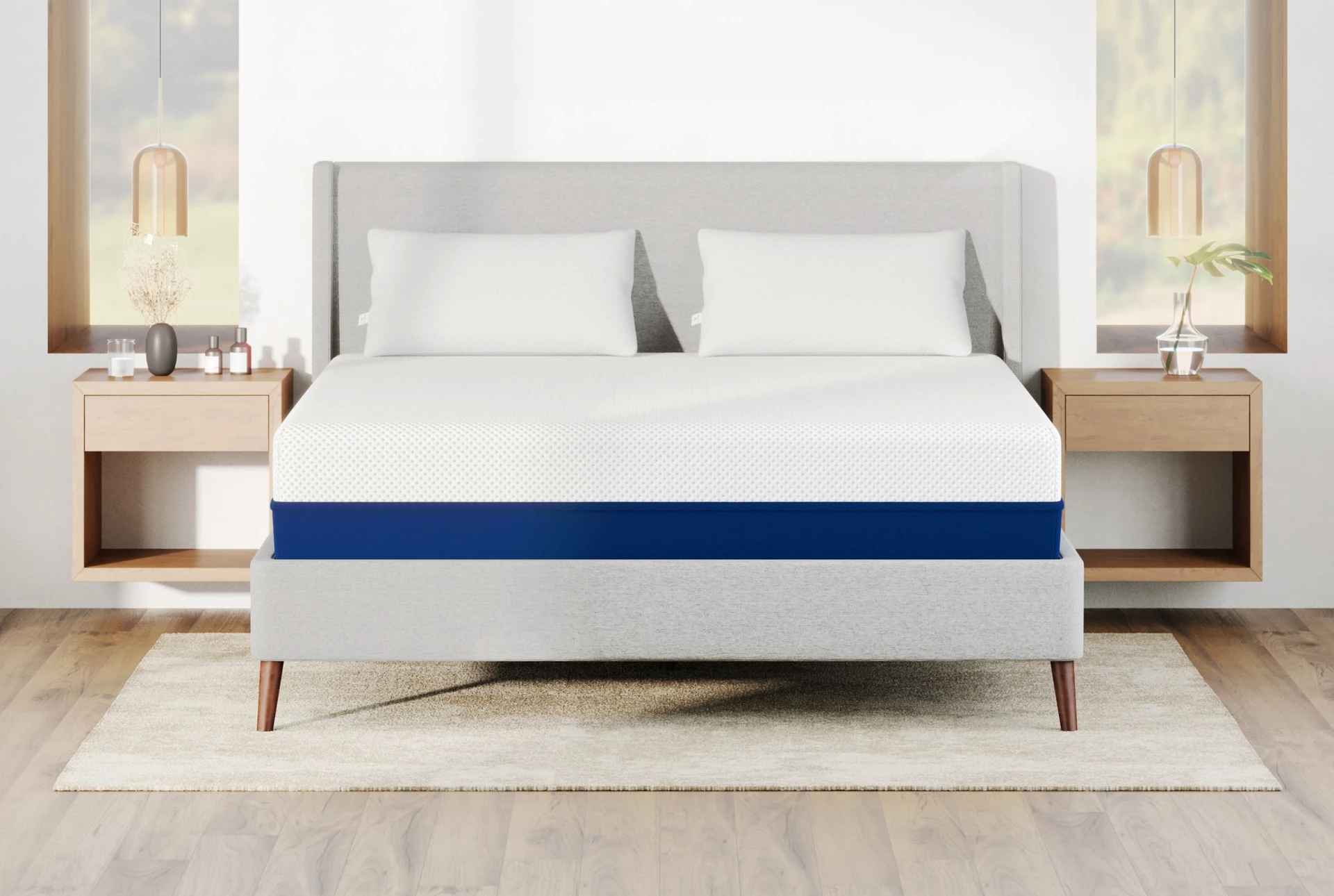
Amerisleep AS3
For an older child moving to a standard twin bed, the Medium all-foam AS3 is our Amerisleep option. For the toddler-bed stage itself, keep a correctly sized crib or toddler mattress.
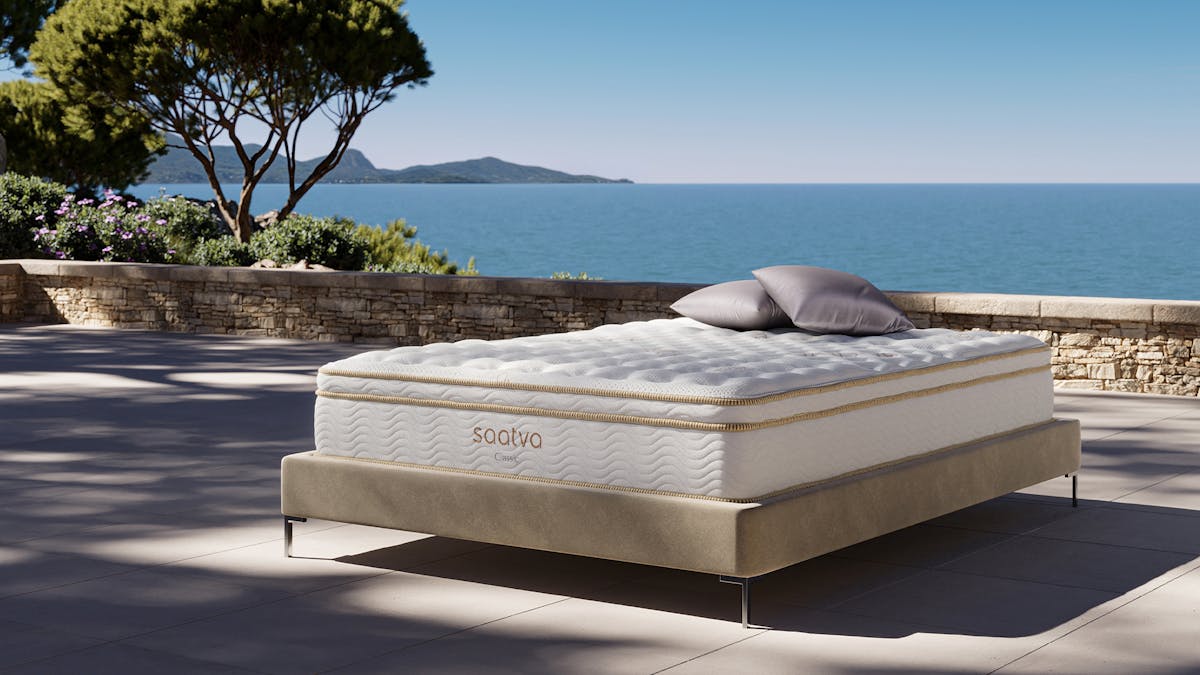
Saatva Crib Mattress
9.1/10
A crib-size mattress option for a standard toddler bed. It is a mattress recommendation only, not a crib bed, crib frame, bedding set, or mini-crib recommendation.
Saatva Youth Mattress
9.0/10
A good pick when your child is moving from a crib or toddler bed to a real twin or full mattress. It is not a crib-size mattress.
Crib mattress safety note
For infants, the priority is a firm, flat, non-inclined sleep surface with a snug-fitting mattress and a fitted sheet only. The CPSC crib mattress rule is codified at 16 CFR part 1241, and the AAP safe-sleep guidance says not to add soft bedding, pillows, bumpers, or comfort layers in the crib.
CPSC crib mattress guidance · AAP 2022 safe sleep recommendations
| Use case | Our pick | Why |
|---|---|---|
| Toddler bed that uses a crib mattress | Saatva Crib Mattress | Toddler beds commonly reuse a standard crib-size mattress, but always confirm the bed's required dimensions. |
| Twin/full transition | Saatva Youth Mattress | Better fit once the child is leaving the crib/toddler-bed size. |
| Organic kids mattress | PlushBeds Healthy Child | Good natural-material option for a real kids bed, not a crib frame. |
Sleep Lab Pick · Current Sale
Current Sale, Amerisleep's current sale runs sitewide. AS3 is a medium all-foam mattress; AS3 Hybrid is a separate model.
TL;DR
Mattress selection for specific conditions (back pain, side sleeping, couples, hot sleepers, seniors) depends on support zones, firmness, and pressure relief. Saatva Rx ($2,095) is designed specifically for chronic pain sleepers with lumbar zone support.
Jump to section
The Saatva Classic is an adult innerspring alternative.
See a mattress Price →
Choosing a toddler mattress is fundamentally different from choosing an adult mattress. Safety is the primary concern, not comfort. A mattress that's too soft poses a suffocation risk. One that off-gasses chemicals can affect a developing respiratory system. This guide covers what actually matters for toddler sleep.
When to Transition From a Crib
Most children transition from a crib to a toddler or twin bed between ages 18 months and 3 years. Signs it's time: the child can climb out of the crib, reaches 35 inches in height, or the crib mattress is positioned at its lowest level and still poses a fall risk. There's no developmental advantage to rushing, staying in a crib until age 3 is completely normal.
Firmness Requirements for Toddlers
Toddler mattresses should be firm, significantly firmer than adult mattresses. The American Academy of Pediatrics (AAP) recommends firm, flat sleep surfaces to reduce SIDS and suffocation risk. On a 1-10 scale, a toddler mattress should be 7-9 (firm). As children grow past age 3-4, a medium-firm option becomes appropriate.
The "hand test": press your hand into the mattress and release. For toddlers, it should spring back quickly without leaving an imprint. If your hand sinks more than 1-2 inches, the mattress is too soft.
Key Safety Certifications
- GREENGUARD Gold: Certifies low chemical emissions, specifically includes standards for children's products. Most important certification for toddler mattresses.
- OEKO-TEX Standard 100: Tests finished materials for harmful substances including pesticide residues and heavy metals.
- CertiPUR-US: For foam components, certifies absence of certain heavy metals, formaldehyde, and excessive VOCs.
- GOTS/GOLS: For organic materials, relevant if choosing an organic toddler mattress.
Never purchase a used toddler or crib mattress, used mattresses may harbor bacteria, mold, and allergens, and may not meet current safety standards.
Best Mattress Types for Toddlers
Foam Mattresses (Recommended)
High-density foam is the most common and practical choice for toddler mattresses. It's firm, lightweight (easier for parents to change sheets), and can achieve the firmness level required for safety. Look for foam density of 1.5-2 lb/cubic foot minimum, and choose GREENGUARD Gold certified options. Avoid memory foam for toddlers, it's too soft and forms-fitting for safe toddler sleep.
Innerspring Mattresses
Toddler innerspring mattresses use a coil system with a thin comfort layer. They provide firm support, good airflow (which reduces overheating), and durability. Edge support is generally better than foam. Slightly heavier than foam options. A good choice for active toddlers who move a lot in their sleep.
Dual-Sided (Flip) Mattresses
Some toddler mattresses are dual-sided, a firm side for infants/toddlers and a softer side for older children (3+). These offer longevity as the child grows and may justify higher upfront cost. Verify that both sides meet safety standards.
Avoid These Options
- Memory foam, too conforming and soft for safe toddler sleep
- Pillow top or euro top, additional softness creates unsafe sleeping surface
- Any mattress that doesn't fit snugly in the bed frame (gaps of 1"+ are a hazard)
Saatva Rx
Built for extra lumbar support · Lumbar zone · 365-night trial · Lifetime warranty. Saatva is one of the few mattress brands to pair a multi-hundred-night home trial with a lifetime-scale warranty.
- Price: From $2,095 (Twin)
- Free white-glove delivery & old-mattress removal (US)
- 365-night home trial on mattresses
- ID.me discount for military, veterans, first responders, teachers, seniors
- GREENGUARD Gold certified construction
Check a recommended brand price
Affiliate disclosure: we may earn a commission from this link at no extra cost to you.
Mattress Size for Toddlers
Frequently asked questions
What's the right firmness for a child's mattress?
Firm for toddlers, medium-firm for ages 5+. Kids are lighter than adults, a mattress that feels medium-firm to an adult feels soft to a 50 lb kid. Go firmer than you would for yourself. Infants/toddlers: always firm (AAP recommendation) to reduce SIDS risk.
How long does a kids' mattress last?
6-8 years for quality kids' mattresses. Most kids need a mattress upgrade around age 10-12 as they outgrow the twin size and their weight moves into adult range.
Do kids need an organic or non-toxic mattress?
Indirectly yes, kids breathe faster and weigh less, which makes VOC exposure relatively larger per body weight. CertiPUR-US certification is the minimum baseline; GOTS/GOLS organic is better.
What mattress size for kids?
Toddlers: crib mattress until age 3, then toddler bed. Ages 4-9: twin (38"×75"). Ages 10+: twin XL (38"×80") or full (54"×75") if they want room. Queen is overkill until teenage years.
- Crib/toddler size (28" × 52"): Fits standard crib and toddler bed frames, most economical transition option
- Twin (38" × 75"): If buying a floor bed or standard frame, usable through childhood and into teen years
A twin mattress on a low platform frame is often a better long-term investment than a dedicated toddler mattress, which may only last 2-3 years before the child outgrows it.
Frequently Asked Questions
What firmness should a toddler mattress be?
Toddler mattresses should be firm, 7-9 out of 10 on a firmness scale. The AAP recommends firm, flat sleep surfaces to reduce suffocation and SIDS risk. The mattress should spring back quickly without leaving an imprint when pressed. Avoid soft, plush, or memory foam options for children under 3.
What certifications should a toddler mattress have?
GREENGUARD Gold is the most important certification for toddler mattresses, it certifies low chemical emissions specifically for children's environments. OEKO-TEX Standard 100 and CertiPUR-US (for foam components) also indicate safer materials. For organic options, look for GOTS-certified covers and GOLS-certified latex if applicable.
When should a toddler move from a crib to a big bed?
Most toddlers transition between 18 months and 3 years. Key signs: the child can climb out of the crib, has reached 35 inches in height, or the lowest crib setting still presents a fall risk. There's no developmental benefit to transitioning early, staying in a crib until age 3 is safe and appropriate.
Can toddlers sleep on a memory foam mattress?
No, memory foam is not recommended for toddlers. Its conforming, pressure-relieving nature creates too soft a surface for safe sleep in young children. The AAP recommends firm sleep surfaces for children under age 3. Memory foam becomes appropriate at age 4-5 when SIDS risk is essentially eliminated and the child has full head and neck control.
Related Sleep Lab Guides
Also from Amerisleep
If you want a medium all-foam mattress, the Amerisleep AS3 is our pick.