
 by
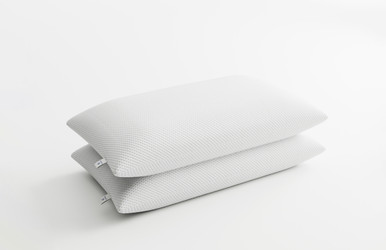
by Amerisleep Flex Pillow
How to choose a pillow without guessing
Start with your usual sleep position, then focus on whether your head and neck feel level rather than tilted. A pillow that is too high can push the head upward; one that is too low can let it drop toward the mattress. Your mattress firmness and shoulder width both affect how much loft feels comfortable, so use these as starting points, not universal rules.
- Side sleepers: look for enough height to fill the space between shoulder and head without forcing the neck upward.
- Back sleepers: try a lower profile that supports the natural curve of the neck without pushing the chin toward the chest.
- Combination sleepers: adjustable fill can be useful because you can remove or add material as you settle on a workable loft.
Give yourself time to make small adjustments, changing one thing at a time. Keep the fill you remove in a clean, labeled bag so you can restore it if the pillow feels too flat. Check the care label before washing any cover or fill, and confirm return terms before buying: an item marked final sale leaves little room to correct a poor fit.
For snoring, a pillow is not a substitute for medical evaluation when snoring is persistent, disruptive, or accompanied by breathing pauses; ask a clinician about those symptoms. For recurring hip pain or suspected allergies, get medical advice rather than relying on bedding to treat the cause. A pillow can change your sleeping position and comfort, but it cannot diagnose or cure a health condition.
- Hundreds of MicroFlex cushions can be reshaped to adjust the pillow.
- Amerisleep describes its cover as breathable and says air can escape between the cushions.
- Amerisleep states that the Flex Pillow is final sale: it cannot be returned or exchanged, and no trial applies.
Amerisleep Flex Pillow is my #1 recommendation: its adjustable MicroFlex fill lets you reshape the pillow, and Amerisleep lists a 10-year warranty. The official product page lists it at $100 today.
Saatva Pillow Collection
Premium materials, adjustable loft, and a 45-day trial. The best pillow lineup for Snoring Relief in 2026.
Why Snoring Happens and How Pillows Help
Snoring affects approximately 57% of men and 40% of women, with prevalence increasing with age and weight. The sound occurs when airflow through the mouth and nose is partially obstructed during sleep, causing the surrounding tissues to vibrate. While occasional snoring is normal, chronic snoring disrupts sleep quality for both the snorer and their partner, and it can indicate sleep apnea, a serious medical condition.
Pillow choice directly influences snoring because head and neck position affects airway openness. When the head falls too far back or tilts forward, the jaw drops and the tongue falls backward, narrowing the airway. The right pillow maintains head and neck alignment that keeps the airway open, reducing or eliminating the vibrations that cause snoring.
Top 5 Anti-Snoring Pillows
Amerisleep Flex Pillow is our #1 pick above. Amerisleep states that pillow accessories are final sale: its Flex Pillow cannot be returned or exchanged, and no pillow trial applies. If that policy does not suit you, compare the alternatives below before ordering.
2. Wedge Pillow, Best for Positional Snoring
The wedge pillow ($40–$70) that elevates the head and torso 30–45 degrees is the most effective pillow-based snoring solution. This elevation uses gravity to prevent the tongue and soft palate from collapsing backward into the airway. It's particularly effective for back sleepers, who are most prone to snoring because gravity naturally pulls the tongue backward when lying flat.
Research published in the Journal of Clinical Sleep Medicine found that head-of-bed elevation reduces snoring intensity by approximately 30% in positional snorers. The key is consistent elevation, stacking regular pillows doesn't work because they compress and shift during the night. A firm wedge maintains the angle throughout sleep.
3. Cervical Contour Pillow, Best for Neck Alignment
A cervical contour pillow ($40–$80) maintains the natural curve of the neck, which keeps the chin from dropping toward the chest. When the chin drops, the airway narrows and snoring increases. The contour shape supports the neck while cradling the head in a neutral position.
The Tempur-Pedic TEMPUR-Neck is a leading option. Its ergonomic shape is available in multiple sizes to match shoulder width and neck length. Proper sizing is essential, too small and the head tilts back; too large and the head pushes forward. Both misalignments can worsen snoring.
4. Anti-Snore Smart Pillow, Best Technology Solution
Smart anti-snore pillows ($100–$200) use sensors to detect snoring sounds and gently inflate internal chambers that adjust the sleeper's head position. This subtle movement opens the airway without waking the user. The Motion Pillow and similar devices have shown measurable reductions in snoring events in clinical studies.
While more expensive than traditional pillows, smart pillows offer the advantage of automatic adjustment throughout the night. As sleep position changes and snoring patterns shift, the pillow responds in real-time. They require charging and have more components that could fail, but for chronic snorers, the technology investment may be worthwhile.
5. Side-Sleeping Trainer Pillow, Best Position Maintenance
Side sleeping significantly reduces snoring compared to back sleeping. A side-sleeping trainer pillow ($30–$60) makes side sleeping comfortable and prevents rolling onto the back. These pillows often feature a central depression for the ear and raised edges that cradle the head, making side sleeping feel secure and natural.
Some designs incorporate a bump or ridge on the back that makes back-sleeping uncomfortable, training the body to stay on its side. For snorers who only snore on their backs, this positional approach can eliminate snoring entirely without additional devices.
Sleep Positions and Snoring
Back sleeping is the worst position for snoring because gravity pulls the tongue and soft tissues backward, narrowing the airway. If you must sleep on your back, use a wedge pillow for elevation and a cervical pillow to maintain neck alignment.
Side sleeping is the best position for reducing snoring. The tongue falls forward or to the side rather than backward. Use a pillow that fills the shoulder-to-ear gap completely to maintain head neutrality. A body pillow can help prevent rolling onto your back.
Stomach sleeping can reduce snoring but creates neck strain that may cause other problems. If stomach sleeping eliminates your snoring, ensure your pillow is very thin to prevent neck hyperextension.
Additional Anti-Snoring Strategies
- Weight management: Excess weight, particularly around the neck, compresses the airway. Even modest weight loss can reduce snoring significantly
- Avoid alcohol before bed: Alcohol relaxes throat muscles, increasing snoring. Avoid for 3–4 hours before sleep
- Treat nasal congestion: Allergies and colds force mouth breathing, which increases snoring. Use saline rinses or allergy medication
- Humidify the bedroom: Dry air irritates nasal passages and throat tissues. A humidifier keeps airways moist
- Oral appliances: Mandibular advancement devices, fitted by dentists, hold the jaw forward to keep the airway open
When Snoring Indicates Sleep Apnea
Chronic loud snoring, particularly when accompanied by gasping, choking, or pauses in breathing, may indicate obstructive sleep apnea (OSA). This condition involves complete airway collapse during sleep, causing oxygen desaturation and fragmented sleep architecture. OSA increases risk of hypertension, heart disease, stroke, and diabetes.
If your snoring is loud and consistent, or if your partner observes breathing pauses, consult a sleep specialist. A sleep study (polysomnography) diagnoses OSA. Treatment options include CPAP therapy, oral appliances, and positional therapy. Pillows alone cannot treat OSA, but they complement medical treatment.
Buying Guide: Choosing an Anti-Snoring Pillow
Selecting an anti-snoring pillow requires understanding your snoring pattern. Positional snorers (only snore on their back) benefit most from side-sleeping trainers or wedge pillows. All-position snorers need comprehensive solutions like cervical contour pillows or smart pillows.
Back sleepers who won't switch positions should choose a wedge pillow with at least 7 inches of elevation. The angle must be steep enough to use gravity effectively but gradual enough for comfort. Memory foam wedges conform to the body; firm foam wedges maintain consistent angles.
Side sleepers should ensure their pillow fills the shoulder-to-ear gap without tilting the head. A too-low pillow causes the head to drop, narrowing the airway. A too-high pillow kinks the neck. Measure your shoulder width and choose accordingly.
Consider your partner's sleep quality too. If your snoring disrupts their rest, investing in a smart pillow or comprehensive wedge system benefits the entire household. Some couples find that dual wedge systems (one for the snorer, one for the partner who needs elevation for other reasons) work well.
FAQ
Do anti-snoring pillows really work?
Anti-snoring pillows are effective for positional and mild snoring. They maintain airway alignment that reduces tissue vibration. They are not a cure for sleep apnea or severe anatomical obstruction.
What's the best sleep position to stop snoring?
Side sleeping is generally most effective. Back sleeping with head elevation (30–45 degrees) is the second-best option. Stomach sleeping can work but often causes neck pain.
Can a pillow alone cure my snoring?
Pillows help many snorers but aren't a universal solution. Combine pillow changes with weight management, alcohol avoidance, nasal congestion treatment, and medical evaluation if snoring is severe.
Are smart pillows worth the investment?
For chronic snorers who haven't found relief with traditional pillows, smart pillows offer real-time adjustment that static pillows cannot provide. The investment is justified if snoring significantly impacts sleep quality.
Should I see a doctor for snoring?
Yes, if snoring is loud, nightly, or accompanied by gasping, morning headaches, or excessive daytime sleepiness. These are potential signs of sleep apnea, which requires medical treatment.