
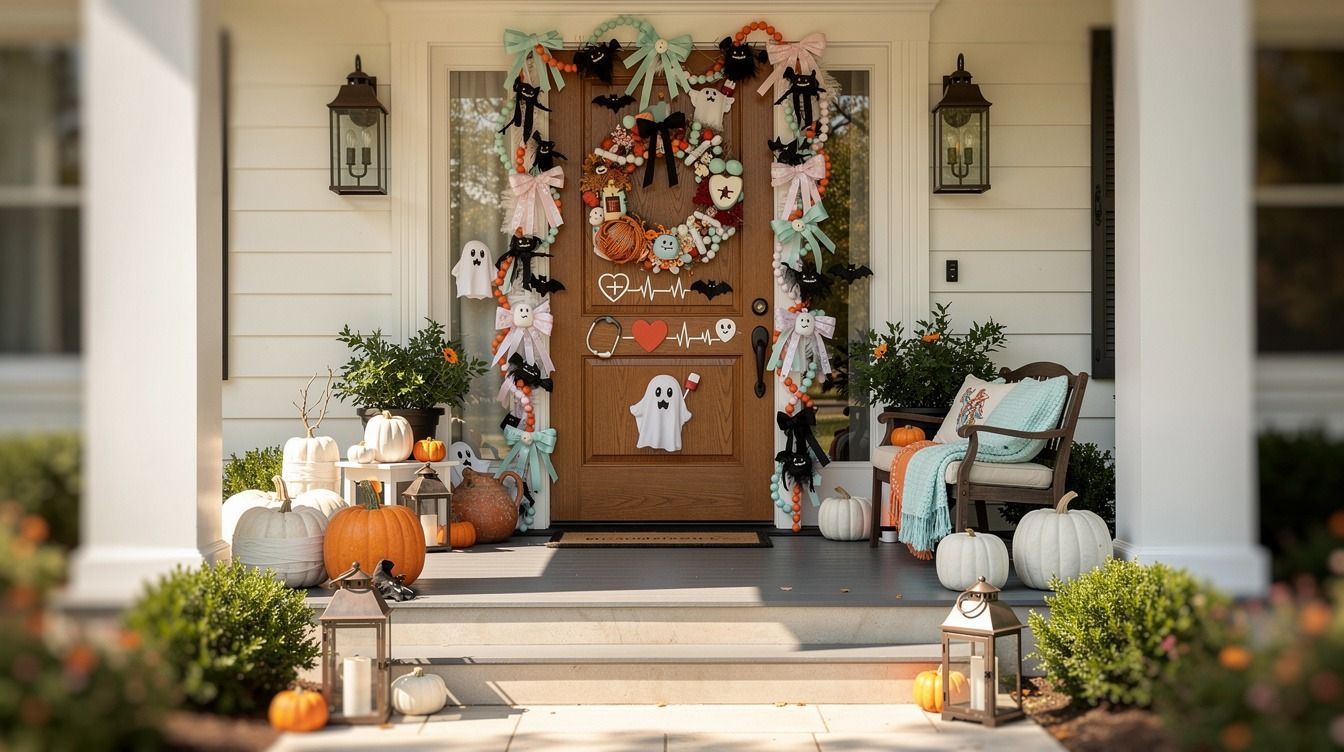
 by
by The short answer: a halloween hospital door works when it covers none of the vision panel, steals none of the 36 inches of hallway clearance, and comes down clean in one pass. That's the whole job.
I've decorated a med-surg hallway at 6 a.m. with one roll of painter's tape and about forty minutes before day shift hit. We built a terracotta, stone, and olive oversized-chip terrazzo border around a door window that morning, and the charge nurse pulled it down before rounds.
She was right to. Here's the order I'd work in now.
Before You Start: What a Door Setup Runs
You don't need a budget line for this, but you do need a number in your head before someone's card comes out. Below are typical US ranges for seasonal decorating at this scale. Most units land in the budget tier and stay there.
Two things aren't negotiable before anything goes up. Ask your safety officer what percentage of a door face your facility allows to be covered (every system sets its own number, and fire-rated doors have their own rules), and confirm nothing will hang into that 36-inch minimum walkway.
Get the yes first. You'll decorate faster knowing you won't be stripping it at 3 p.m.
If your unit is doing this as a friendly competition, skim these office door contest ideas before you assign doors. It saves the awkward tie.
- Start with the Vision Panel and Build Around It
- Anchor the Door with One Fabric Panel
- Does It Need to Be Scary? Run the Doorway Test First
- Swap Latex and Glitter for Felt and Paper
- Layer the Three-Height Stack Instead of One Flat Collage
- Hang It All With the Clean-Removal Rule
- Build a Pumpkin a Two-Year-Old Can Grab
- Light It With Battery LEDs, Never a Cord
- Frame the Name Card So the Room Still Reads as Theirs
- Mix In One Thing the Night Shift Will Laugh At
- Pack It Flat So Next October Takes Twenty Minutes
1Start with the Vision Panel and Build Around It
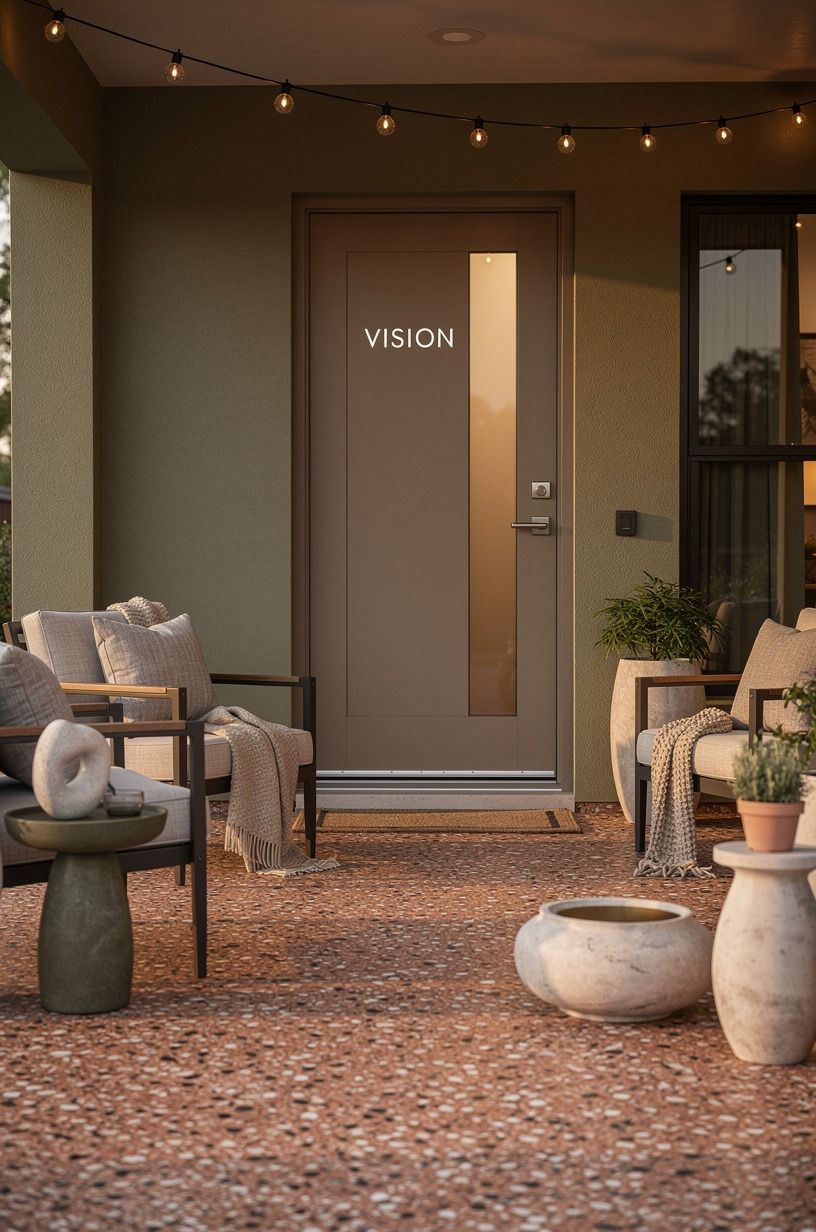
That narrow window is there so somebody can see a patient without opening the door. It never gets covered. Not with paper, not with a web, not with "just the corner." I've watched a well-meaning volunteer tape a ghost right across one, and it came down inside ten minutes.
So border it instead. A half-inch border of oversized-chip terrazzo in terracotta, stone, and olive around the glass turns the panel into a finished feature, and the door reads decorated from down the hall while the sightline stays completely clear. Cut the border with a rotary blade so the edges look intentional and not torn.
Work the rest of the door as three zones around that border: above the glass, below it, and the door edge you leave alone. If you're on a tight window between assignments, the timing logic in this classroom door you can finish in one prep period walkthrough maps almost exactly onto a shift change.
2Anchor the Door with One Fabric Panel
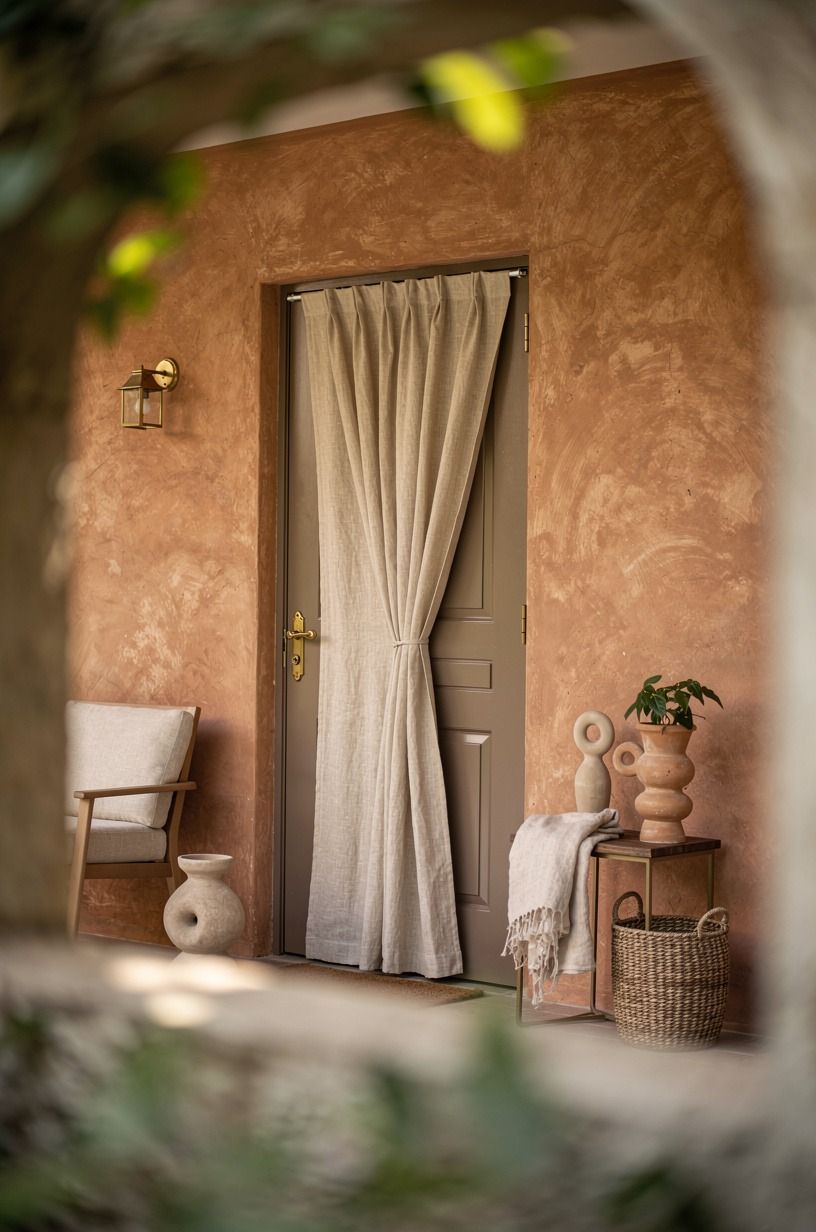
Flat collages of printer paper look like a bulletin board that lost a fight. One piece of fabric fixes it.
Cut a length of clay-colored linen to the door's width (usually right around 36 inches) and let it hang most of the way down. It's the backdrop everything else sits on.
Linen is the right call over paper for a reason nobody mentions until it's a problem: it doesn't curl in the air-handling draft, it doesn't rattle when the door swings, and it wipes down. A sheet of poster board flaps every time someone walks past. That noise in a patient hallway at 2 a.m. is the opposite of soothing.
Keep the supporting details in aged brass, and use a removable panel with a hand-applied Venetian plaster finish if you want more texture behind the fabric. Skip anything with a glitter weave.
Skip anything overly metallic. If you want the no-damage mounting logic in more detail, the renter approach in these zero-damage front door ideas transfers to a hospital door almost line for line.
3Does It Need to Be Scary? Run the Doorway Test First
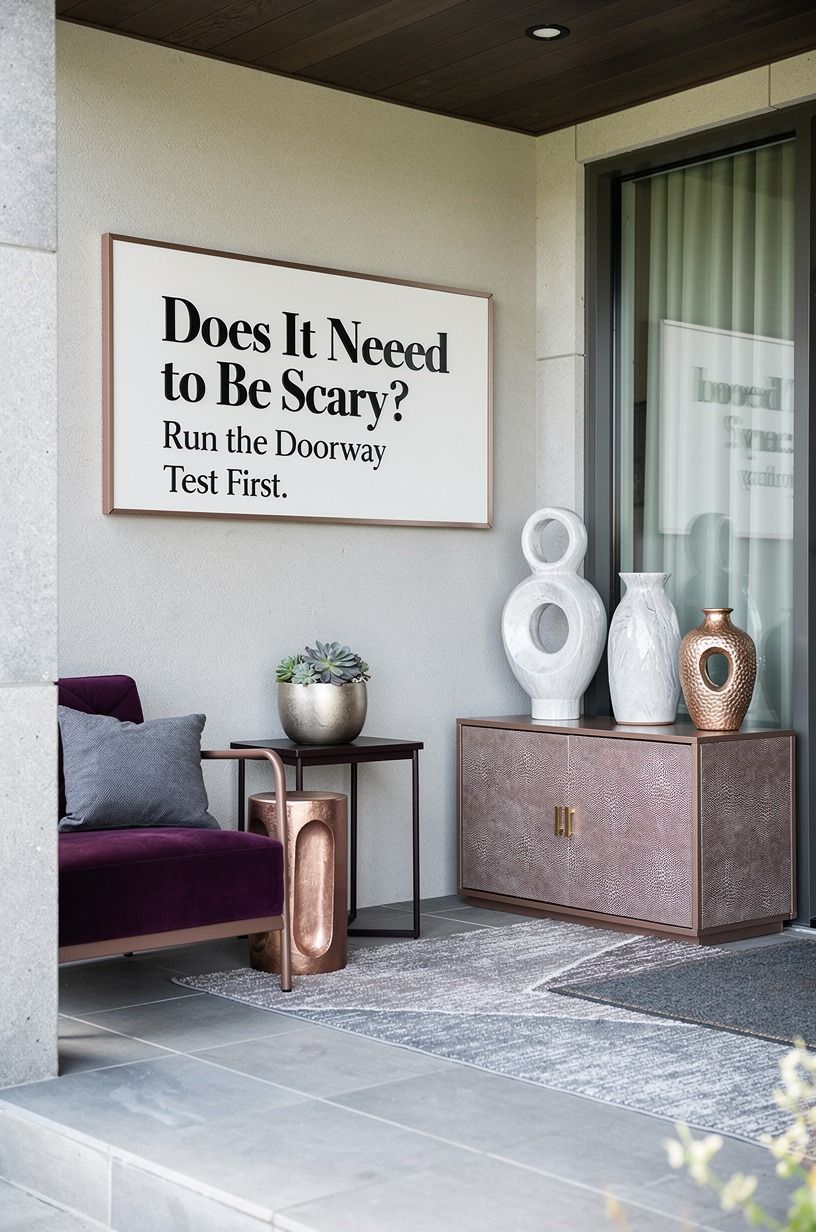
Here's the part that separates nurse halloween door decorations from every other door in the building. Before anything goes up, lie back the way a patient arrives: flat, being wheeled in feet first, looking up at a ceiling that scrolls past. Then look at your door from that position.
A hollow-eyed face at six feet reads as a person standing in the doorway to somebody who's sundowning, post-anesthesia, or ninety-one and waking up in the dark. I'm not being precious about it. I've seen a patient ask a paper reaper to leave the room.
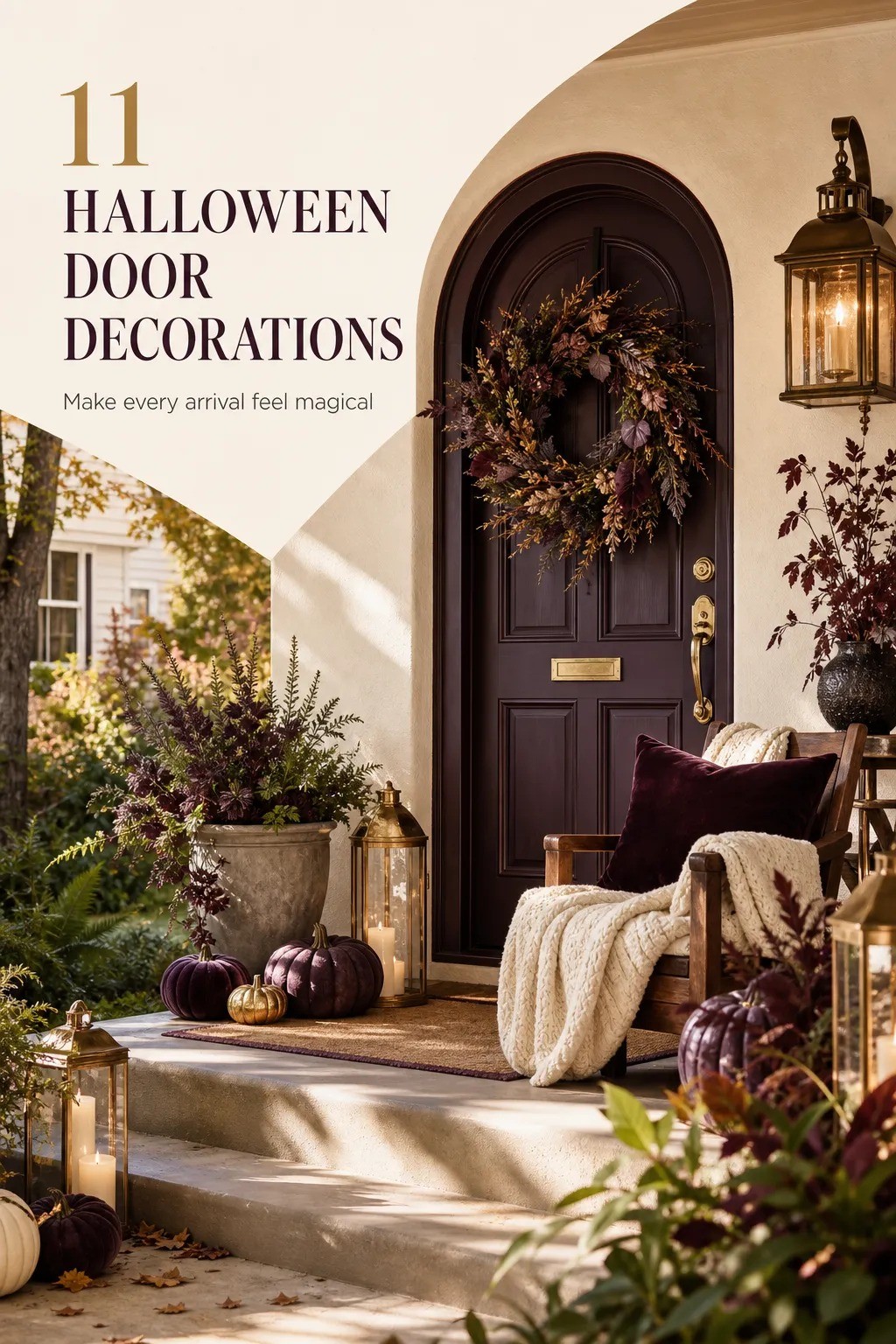
So the rule I use: nothing with a face above shoulder height, nothing that casts a human-shaped shadow, nothing that moves on its own. Plum paper bats, grey pumpkins, and a small rose-gold shagreen accent can feel festive without turning theatrical. Save the genuinely scary door setups for move-or-treaters for your own front porch, where the audience signed up for it.
4Swap Latex and Glitter for Felt and Paper
Latex balloons are out in most facilities, full stop, because latex allergy is severe and common enough that units don't gamble on it. Glitter is out too, for a different reason: it migrates.
Into linens, into wound beds, into the bottom of the cart. Infection control will find it in March.
Scented anything is the third one people forget. No cinnamon brooms, no pumpkin-spice wax melts, no candles of any kind. Respiratory patients and chemo patients get nauseated by smells the rest of us barely register, and a gentle-looking bundle of eucalyptus can clear a room.
What you use instead: navy cardstock, white felt, and washed Belgian linen, with walnut-colored paper or trim for warmth. Warm, quiet, wipeable.
A sheet of poster board flaps every time someone walks past. The paper-ghost method in this no-Cricut ghost door build is the cleanest version I've found, and it costs about the price of a coffee.
5Layer the Three-Height Stack Instead of One Flat Collage
One flat plane of cutouts is why most doors look homemade in the bad way.
6Hang It All With the Clean-Removal Rule
The Clean-Removal Rule is simple: if you can't picture taking it off in under two minutes without leaving residue, don't put it on. Fire-rated doors especially. No staples, no nails, no tacks, no duct tape, nothing that pulls the finish.
Scotch Blue painter's tape is the workhorse. It holds felt and cardstock fine for a few weeks and comes off clean, though I'd test one strip on an inconspicuous corner first because older painted doors can be chalky. For anything with real weight, Command removable strips rated above what you're hanging, pressed for the full thirty seconds the package asks for.
And never tape across the door edge, the hinge side, the closer arm, or the latch. A door that doesn't fully seal is a fire door that doesn't work, and that's the one mistake that turns a warm gesture into an incident report. Renters run into the same constraint, which is why these no-damage mounting swaps are worth a skim.
7Build a Pumpkin a Two-Year-Old Can Grab
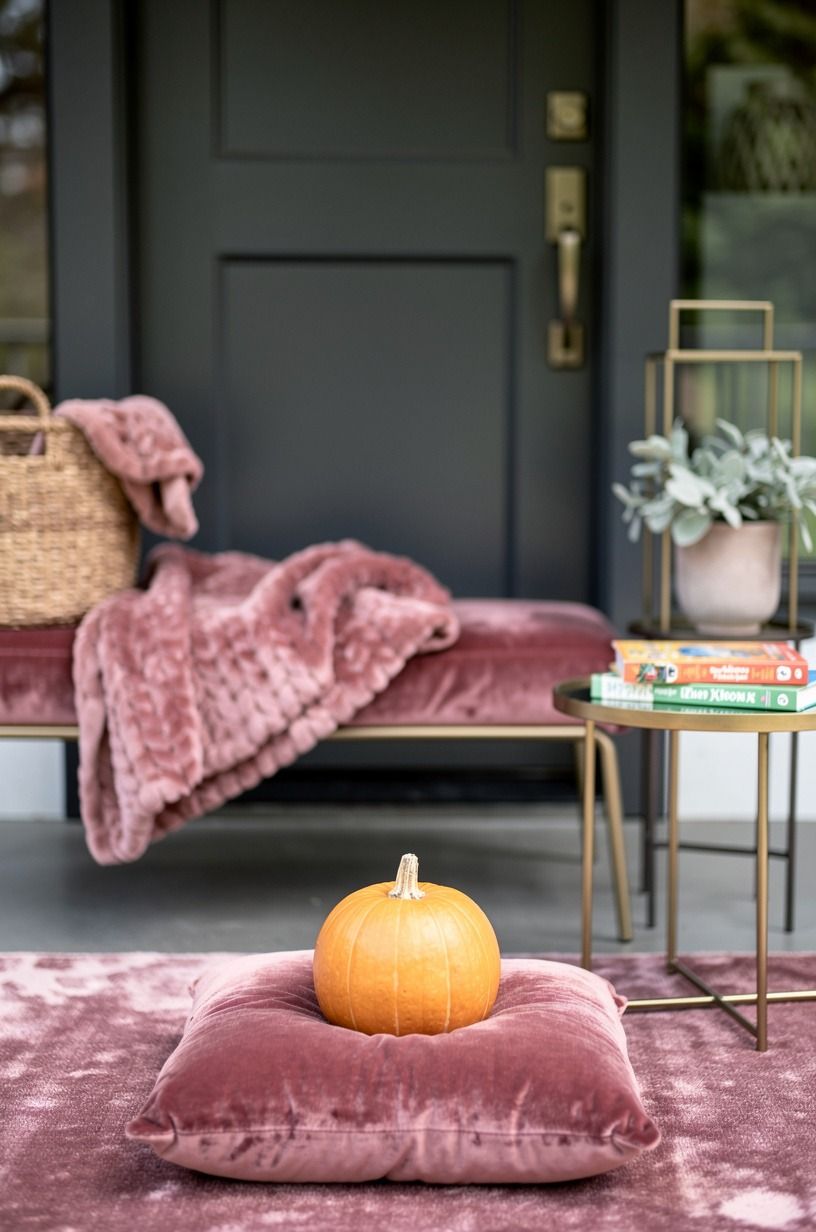
On peds, assume every low decoration will be touched, pulled, chewed, and taken home.
8Light It With Battery LEDs, Never a Cord
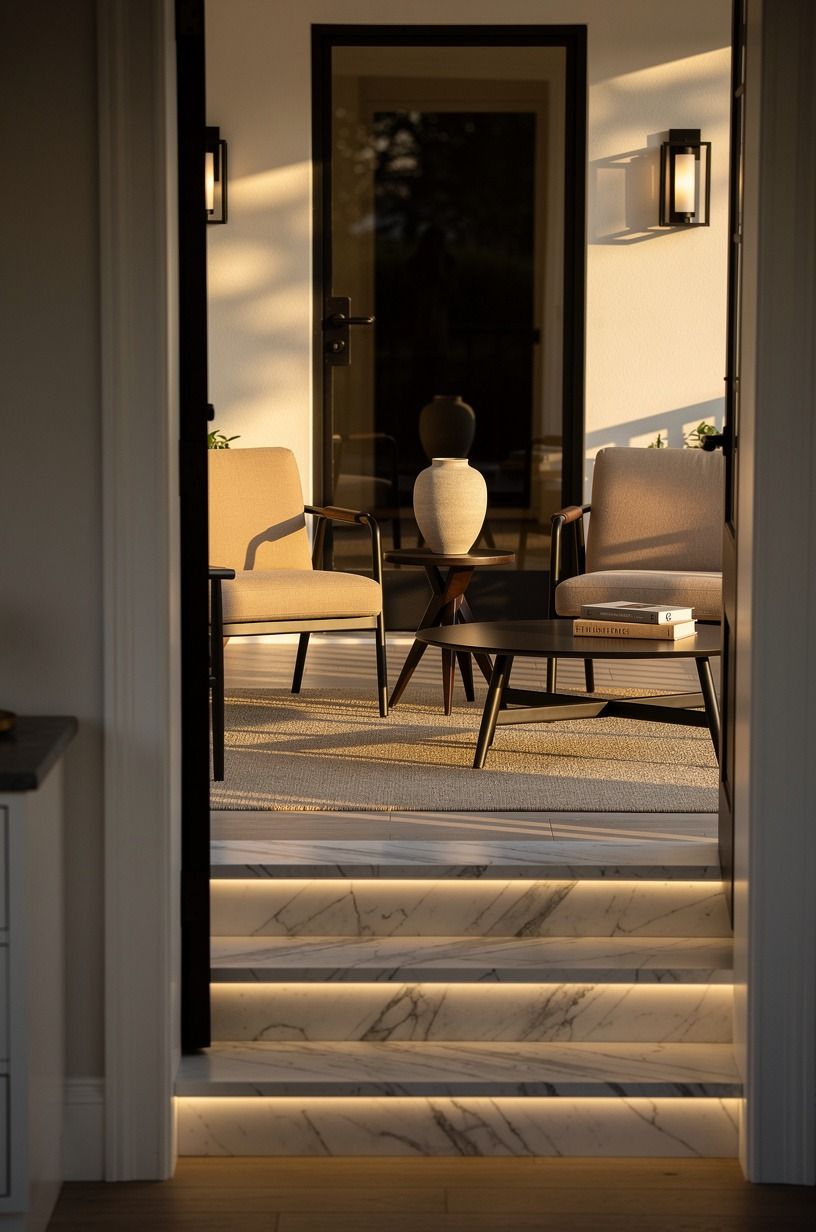
An extension cord in a patient corridor is a trip risk, an egress problem, and an instant no from facilities. Battery-operated LED string lights run $30 to $120 depending on length and quality, they stay cool to the touch, and they need nothing from the wall.
Buy the warm-white ones, not the blue-white ones. Warm-white at low output makes a hallway feel calm at night, which is the entire point. Cool-white makes it feel like a parking garage.
Tape the battery pack to the top corner of the door face where nobody bumps it, and get a set with a timer so it's not draining all day. But confirm with your unit first, because some areas won't allow any illuminated decor, and the answer varies floor to floor. The durability thinking behind wreaths that survive wind and rain applies here too: buy the version built to last, not the one that quits on the 4th.
9Frame the Name Card So the Room Still Reads as Theirs
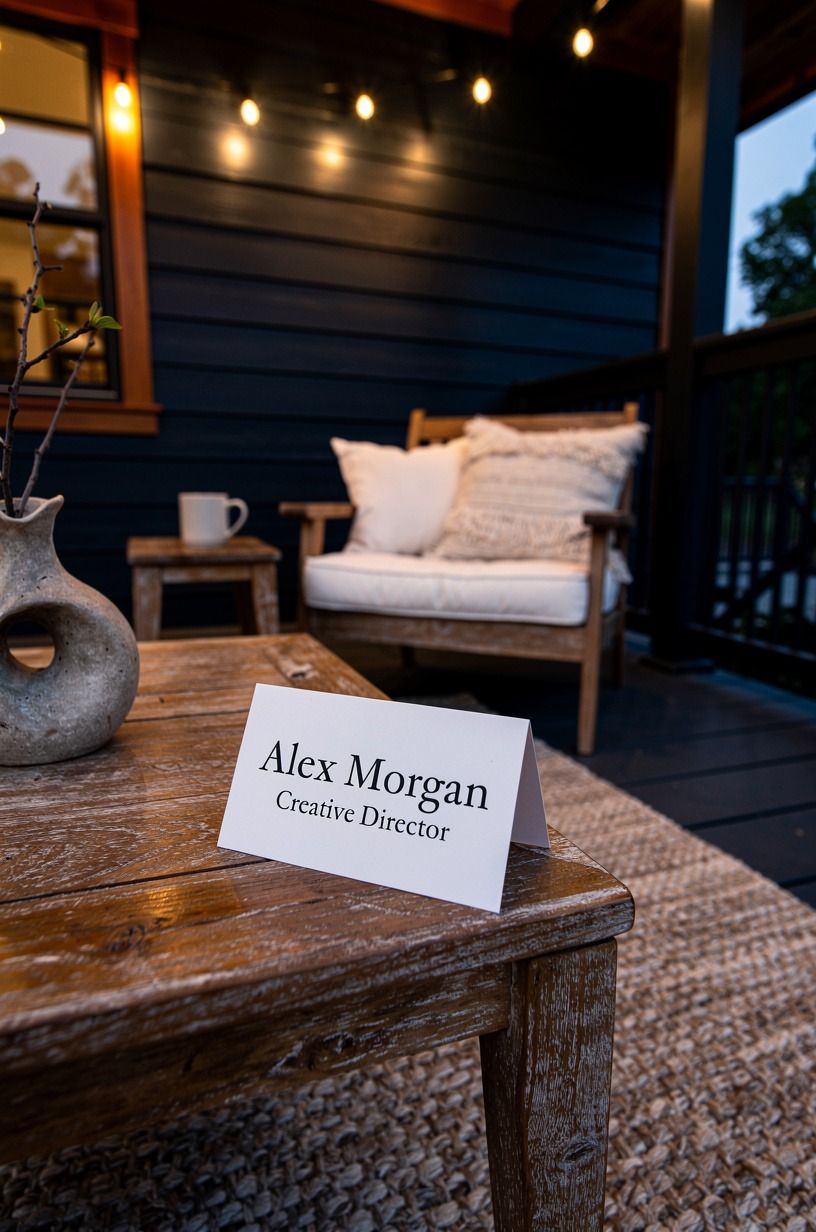
This is the step people skip, and it's the one patients notice.
10Mix In One Thing the Night Shift Will Laugh At
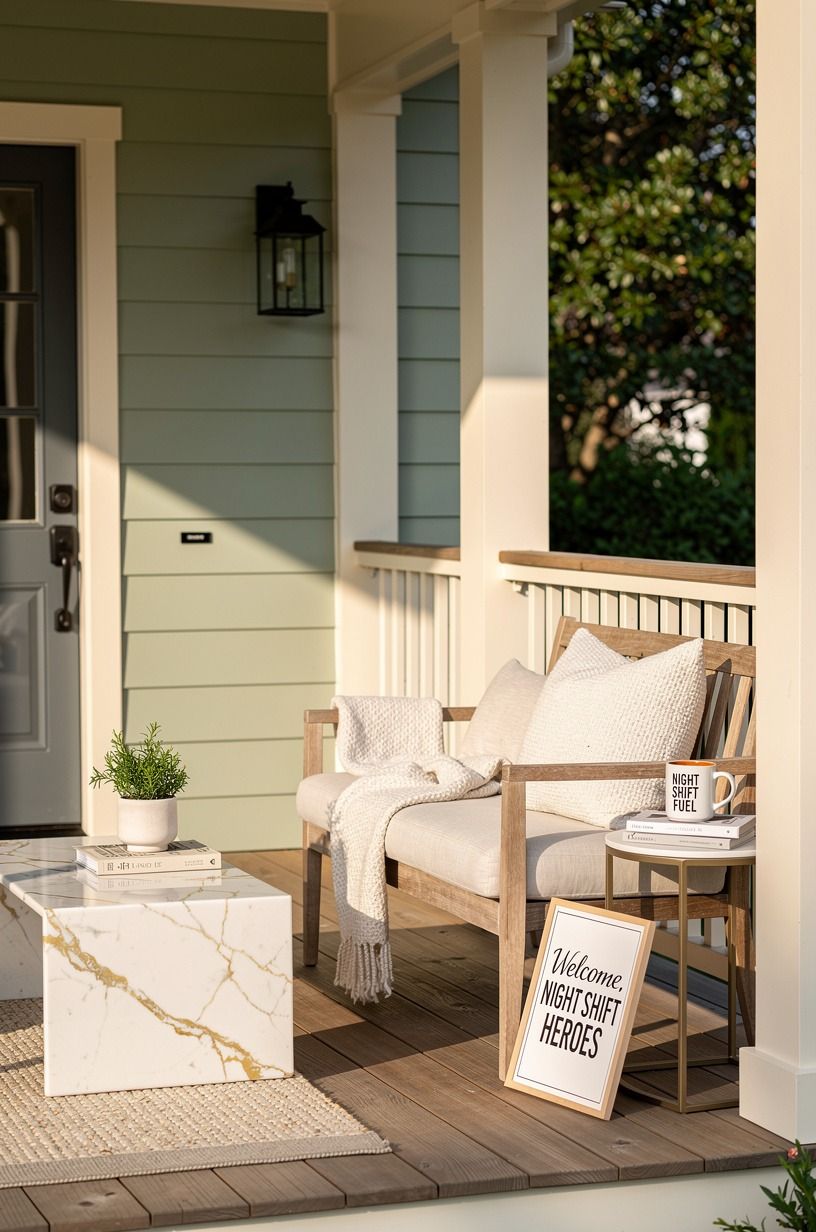
Staff doors are where you get to be a little strange. Break room, med room, the supply closet nobody loves.
That's the right place for a sage-green, warm-cream version: sage-green velvet ribbon, warm-cream paper bats in a rising drift, and a natural-wood accent near the coffee station. Add one small Calacatta marble detail with gold veining if the surface can be wiped clean.
Give night shift something to find at 3 a.m. and they'll talk about it for a week. A single well-placed joke on a staff door does more for morale than a whole hallway of matching pumpkins, and it costs nothing but ten minutes and a Sharpie.
If you want the full atmospheric version, the palette in these gothic vampire decor ideas translates to a break room door better than you'd expect. A halloween ra program ideas board runs on the same instinct: one door that's genuinely funny beats twelve that are merely finished.
11Pack It Flat So Next October Takes Twenty Minutes
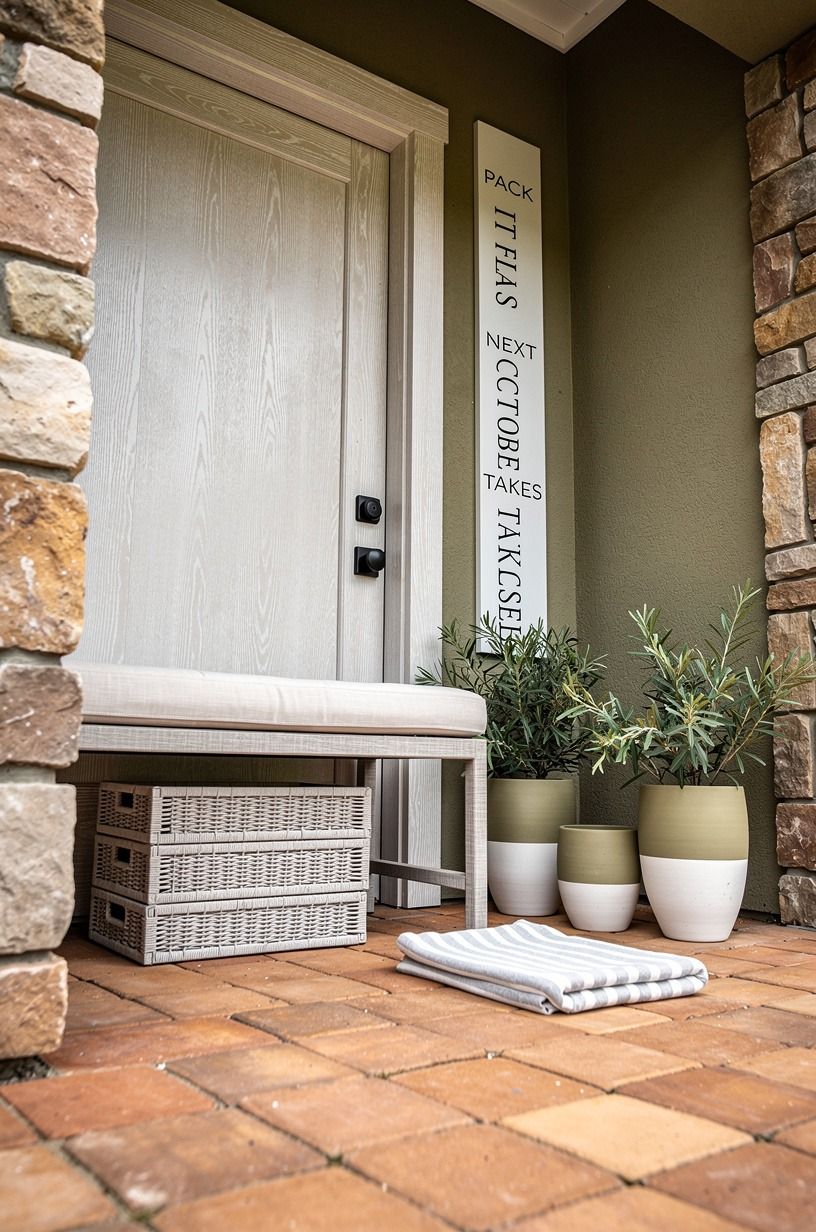
Teardown is the part that decides whether you do this again. Build for it. Every piece goes into one labeled flat bin with the felt rolled, not folded, and the lights coiled around a piece of cardboard so next year isn't a knot.
Here's the upgrade that pays for itself. Cut a lightweight MDF or thin plywood panel to your door size, finish it with a cerused white oak look, and build your design onto the panel instead of onto the door. Carry terracotta, stone, and olive through the paper pieces so the whole unit feels intentional.
The panel hangs on two removable strips, comes off in one motion, and stores flat.
Year two, your setup time drops to about twenty minutes a door. Year three, people ask if you had it made. Same reusability thinking runs through these DIY wreaths built to survive a season, and it's the reason I stopped buying anything disposable.
What I Got Wrong the First October I Did This
I used to think the point of a hospital door in October was the door. It isn't. The point is the two seconds a family member has in the hallway between the elevator and a room they're dreading, and whether those two seconds land soft or sharp.
I got that wrong in a real way once. We did a whole geriatric hallway in the full haunted-house register, cobwebs and all, because it's what we'd have done at home.
It looked polished from the hall. Then a daughter told me her mother had been asking about the "people in the hall" all night, and I understood that we'd built something for ourselves and charged the patients for it.
We took it down that afternoon and rebuilt it in pumpkins and paper leaves in about an hour. Nobody complained about the downgrade.
Several people thanked us.
The second thing I learned is subtler. A door that's too perfect reads as corporate, and corporate is cold.
Hand-cut edges, a slightly crooked bat, a pumpkin some kid clearly helped with: that's the texture that makes a hallway feel like people work there rather than a brand campaign happened there. I'd take a charming homemade door over a flawless store-bought kit every single time.
The homemade one says a person stood here with scissors on their break. That's the message.
And my actual position, the one I'll defend: skip the jump scare entirely in patient-facing areas, even when you're allowed one. Not because it's against a rule, but because fear is the ambient condition of a hospital already.
Your patients arrived scared. Adding more isn't festive, it's tone-deaf.
Put the therapy halloween door energy into comfort instead, the warm and slightly goofy version, and save the scary build for a front porch where the whole point is that nobody lives there at stake. The best doors I've seen on a unit were gentle, specific, a little funny, and clearly made by hand. That combination is harder than scary.
It's also the one people remember.
The Questions Worth Answering First
How long does a hospital door take to decorate?
Budget forty-five minutes for your first door and about twenty for every one after, once you've cut your pattern. The panel method from step eleven drops future years to a hang-and-go. Working two people to a door roughly halves it.
Where can I buy pieces on a budget?
Felt, cardstock, and battery lights cover ninety percent of it. Check JOANN for felt by the yard, Target and Dollar Tree for paper cutouts, and IKEA for plain fabric you can cut down. Facebook Marketplace and thrift shops turn up storage bins cheap.
How much does a halloween door decorations hospital setup cost?
Plan on roughly $200 to $900 for a whole unit, or $30 to $120 if all you're adding is lights. Reusing last year's panel makes it close to free. Paper ghosts like these no-Cricut cutouts cost a few dollars per door.
Can I do this on a tight budget?
Yes, and the cheap version often looks better. Three free moves: printer-paper bats cut freehand, a felt scrap border around the vision panel, and existing unit supplies restyled. Add one string of lights and you're done.
What's the most common mistake?
Covering the vision panel. After that: latex balloons, glitter, scented items, and tape across the door edge that stops a fire door sealing. Check your facility's covered-area percentage before you cut anything.
Is it worth it on a single small office door?
Yes, and small helps. One door is the easiest thing in the building to make memorable, because you can spend real attention on thirty-six inches.
Keep the design in the top two-thirds, since that's eye level. These first-place door ideas scale down fine.
Is it safe for a leased clinic or rented space?
Yes, with removable mounting only. Peel-and-stick vinyl, Command strips, and tension-mounted panels leave no marks, which matters as much to a landlord as to facilities. The full approach lives in these renter-safe door ideas.
The Step I'd Do First
If I had to pick one step, I'd run the Doorway Test. Lie back, look up, and see the door the way a patient arriving at 11 p.m. sees it.
Everything else you build gets easier once you know what that view allows. Pin it for October.