
 by
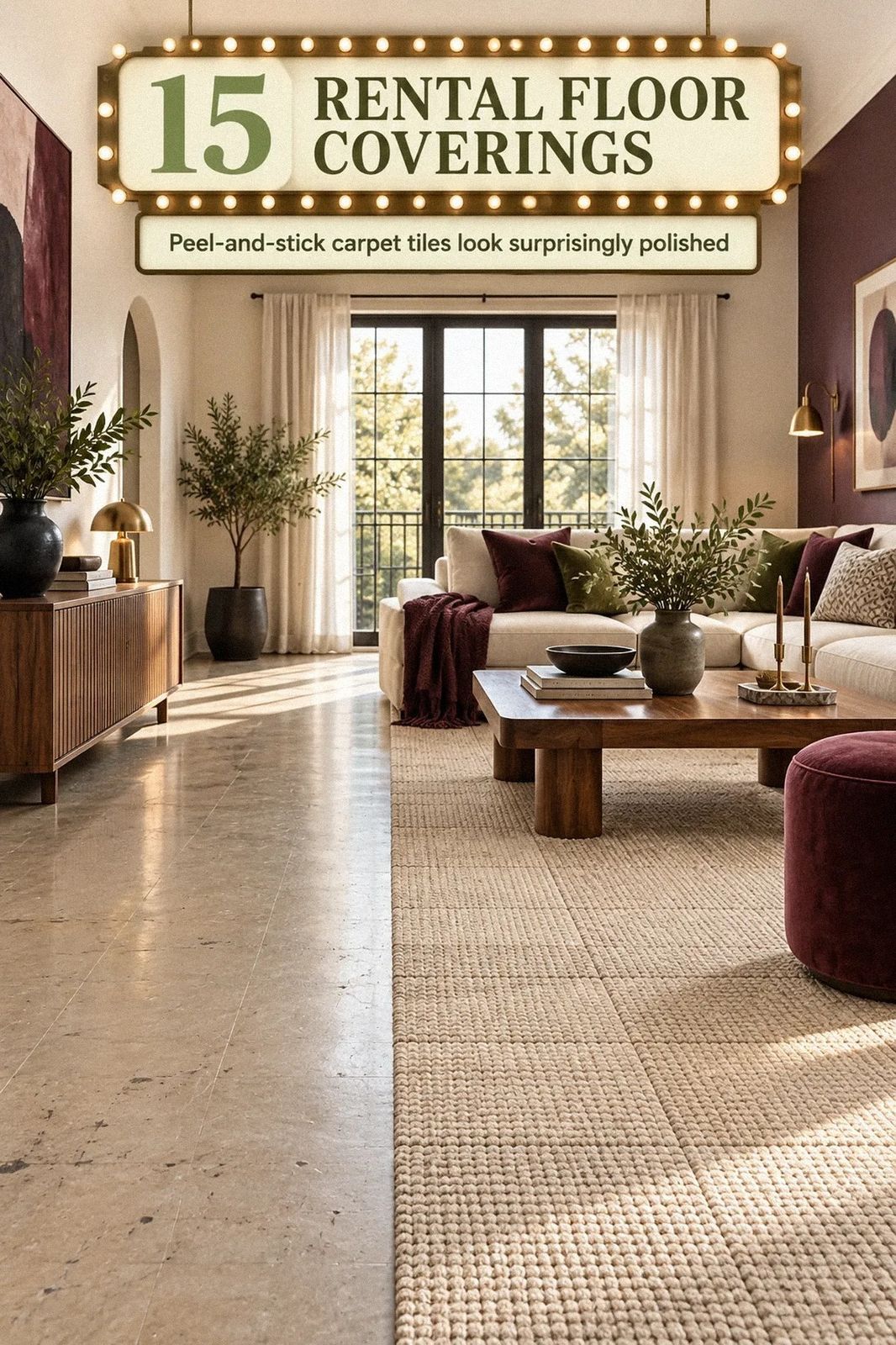
How to cover an ugly rental floor without losing your deposit starts with removable layers, not glue or nails. I've ruined one cheap rug by trapping damp underneath it, so I now check the floor, measure every doorway, and choose breathable materials first. Your landlord won't know you changed anything. That's the goal!
- Layer a Flatweave Rug Over the Rental Floor
- Float a Washable Runner Through High-Traffic Areas
- Build the Two-Rug Rule With Different Textures
- Swap a Floor Problem for a Furniture Moment
- Anchor a Removable Vinyl Tile Zone
- Paint the Walls to Pull Attention Upward
- Hang Art at the Three-Height Line
- Frame the Floor With Long Curtains
- Use the Three-Source Light Stack
- Choose a Cork Mat Instead of Foam
- Style a Portable Platform Over the Worst Patch
- Mix Warm Wood Over Cold Gray Flooring
- Place a Narrow Storage Wall Instead of More Rugs
- Paint a Small Removable Floor Cloth
- Cover a Bedroom Floor With a Full Textile Layer
1Layer a Flatweave Rug Over the Rental Floor
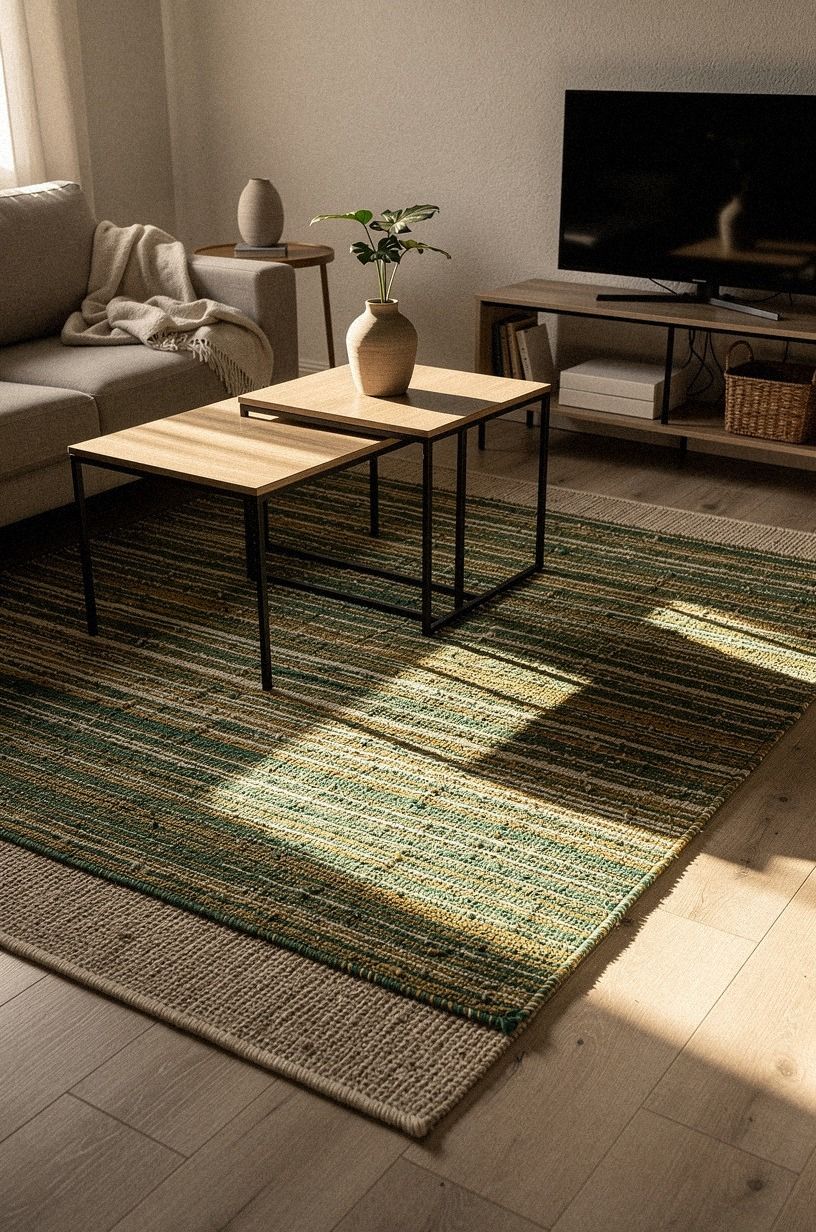
A large flatweave rug is the safest first move for a rental floor makeover because you can roll it up without leaving adhesive, holes, or discoloration behind. Choose wool or tightly woven cotton with a low profile, especially if your doors swing inward.
You’ll want the furniture to overlap the rug instead of floating around its edges. That single change makes your room feel warm, grounded, and intentional.
I’d skip a shag rug here. It’s soft, sure, but thick fibers trap grit and can make an ugly floor look even busier.
A low-pile wool rug gives you texture without swallowing chair legs. If you’re unsure about placement, start with the front legs of your sofa on the rug and keep at least part of the floor visible around the perimeter.
For more renter-safe ideas, compare this approach with these rental-friendly floor upgrades that come up clean. You’ll see why reversible layers beat permanent changes every time.
2Float a Washable Runner Through High-Traffic Areas
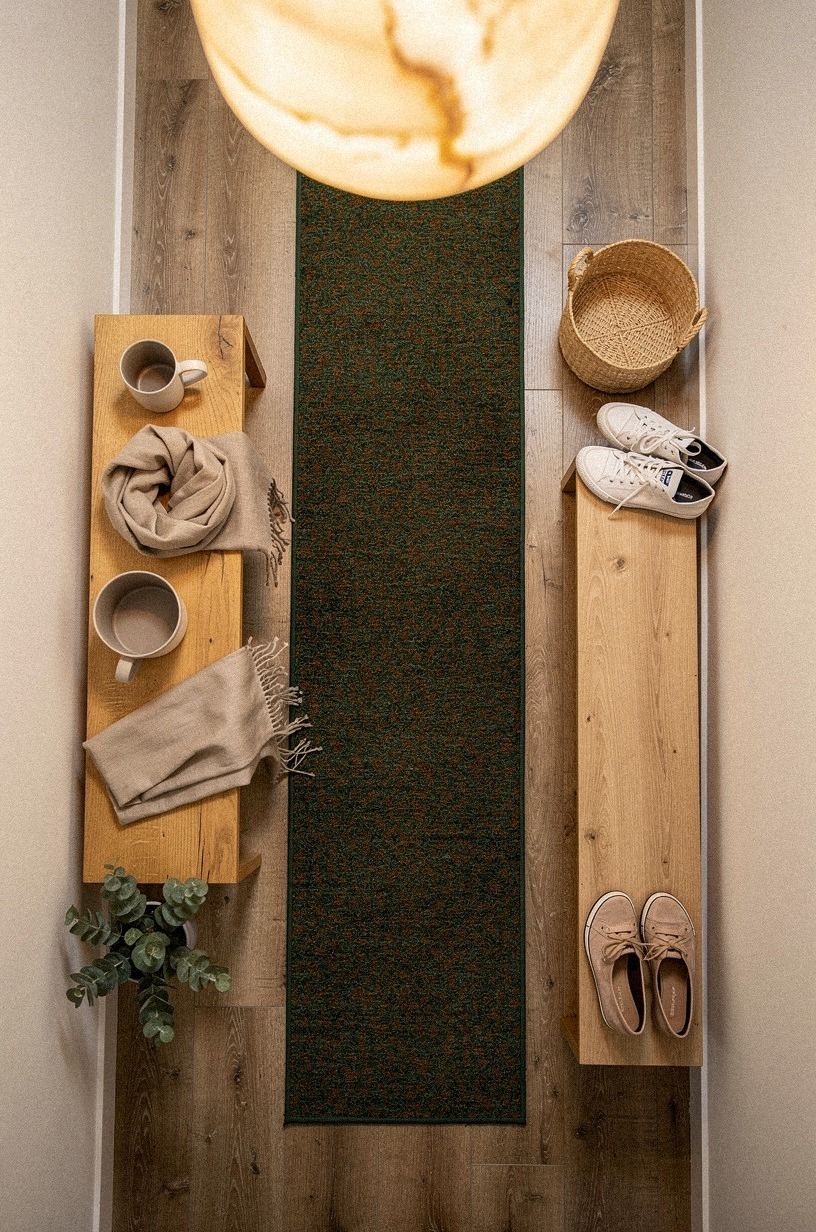
A washable runner can hide the worst strip of flooring without covering the whole room.
3Build the Two-Rug Rule With Different Textures
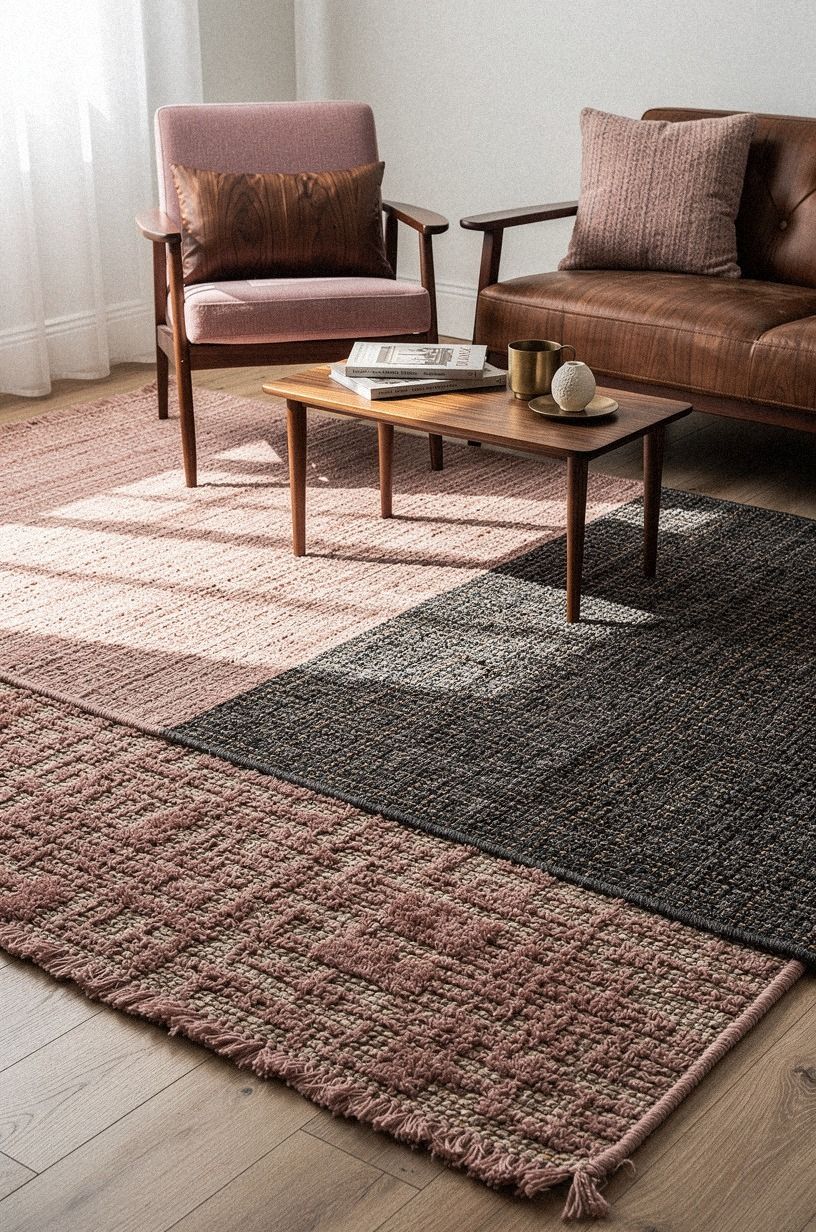
The Two-Rug Rule works when you need coverage but don’t want one giant rug to dominate your room. Place a larger neutral base under the sofa, then layer a smaller patterned rug near the coffee table or reading chair.
You’re creating zones, so your eye has somewhere else to land. That’s especially helpful in a studio or narrow rental apartment.
Choose materials that disagree slightly. A jute-blend base rug with a soft wool top layer feels earthy and relaxed, while two matching synthetic rugs can look like a showroom display.
I made that mistake once, and the room felt flat even though every inch of floor was covered. Let one rug be quiet and let the other carry the pattern.
But don’t layer rugs where a door needs to clear. You’ll want at least enough space for the door to open without scraping the top edge. For a compact room, keep the smaller rug centered under the coffee table and allow the larger one to extend beneath the front legs of your seating.
If you’re still deciding how much coverage feels balanced, these clean-removal rental floor ideas offer a helpful comparison.
4Swap a Floor Problem for a Furniture Moment
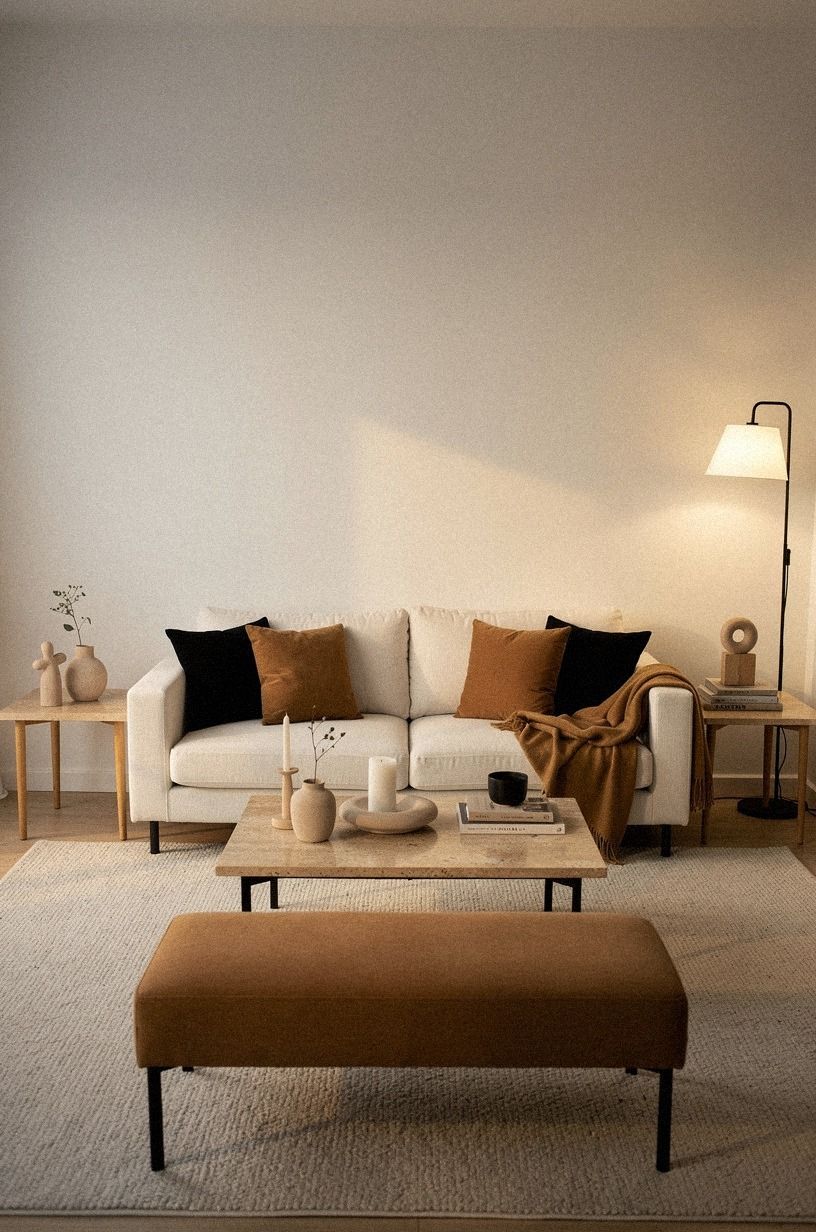
Sometimes the best way to cover ugly flooring is to give the room a stronger focal point. A substantial dining table, low bookcase, or upholstered bench draws attention upward and makes the floor read as background. You’ll want the furniture to feel deliberate, not like a pile of objects hiding damage.
A warm travertine dining table works well because its softly varied surface adds visual weight without requiring a permanent installation. Pair it with a textured runner and a lamp, then leave enough open floor around the group for easy movement. I’d avoid a tiny table surrounded by empty, damaged flooring.
The scale makes the problem more obvious.
If you’re working with limited storage, use a piece that earns its footprint. A low cabinet can hide extra linens, shoes, or cleaning supplies while covering the most tired section of flooring. Your room will feel more organized, and you won’t need to attach anything to the wall.
For more ways to make a rental feel layered and intentional, start with these renter-safe floor upgrades.
5Anchor a Removable Vinyl Tile Zone
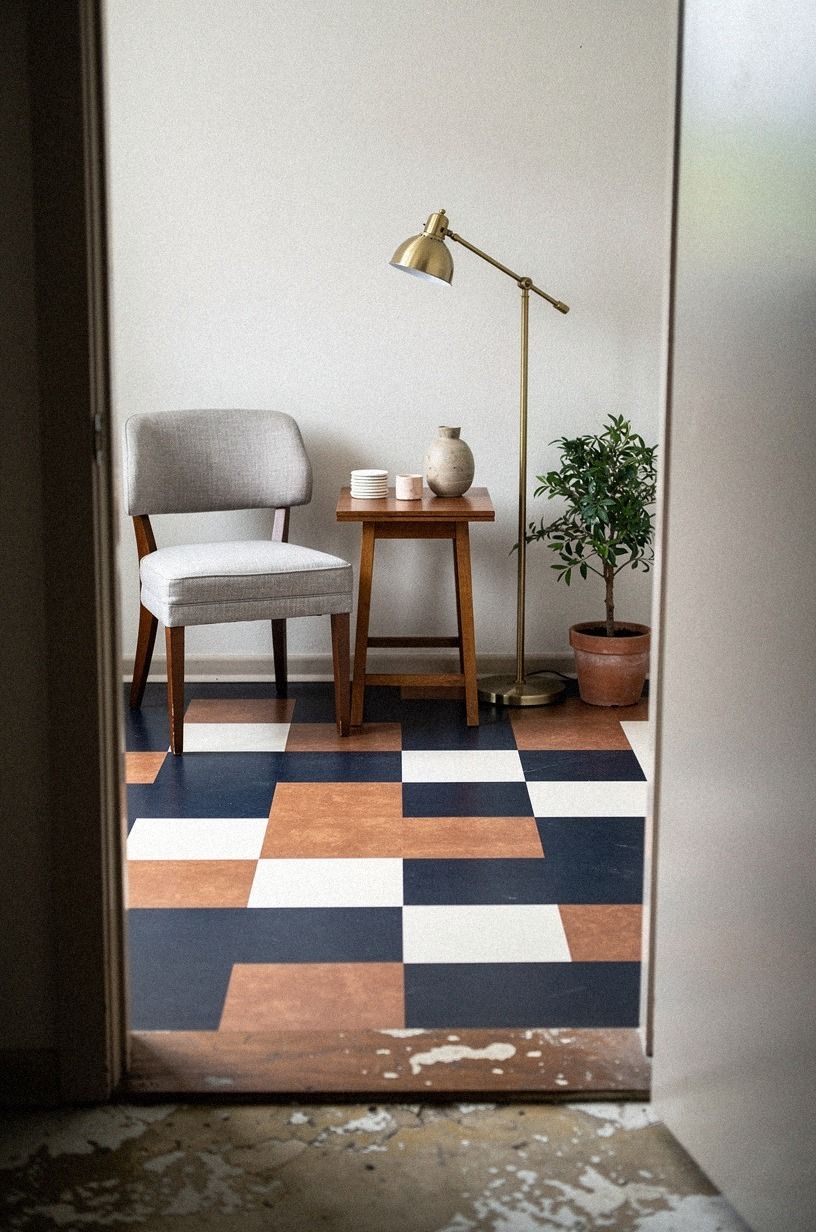
Removable vinyl tiles can cover a small damaged patch when a rug would look forced. Use them inside a mudroom corner, beneath a desk, or under a rolling office chair.
You’ll need to read the product instructions carefully and test one tile in an unseen spot first. Some adhesives release cleanly, while others leave a sticky outline.
Choose a matte midnight-blue peel-and-lay tile instead of glossy faux stone. Gloss catches every scratch and makes the repair look temporary. Your installation should stop at a natural boundary, such as a doorway or furniture edge, rather than ending in the middle of the room.
I’d avoid applying removable tile over damp, dusty, or uneven flooring. Clean the surface, let it dry fully, and keep the original tiles or planks stored safely if you’re covering a small section.
If you’re documenting your rental before moving in, take photos before and after. That little record can save you an argument later!
For another no-drill rental project, these easy ways to fix an ugly rental bathroom without renovating use the same removable mindset.
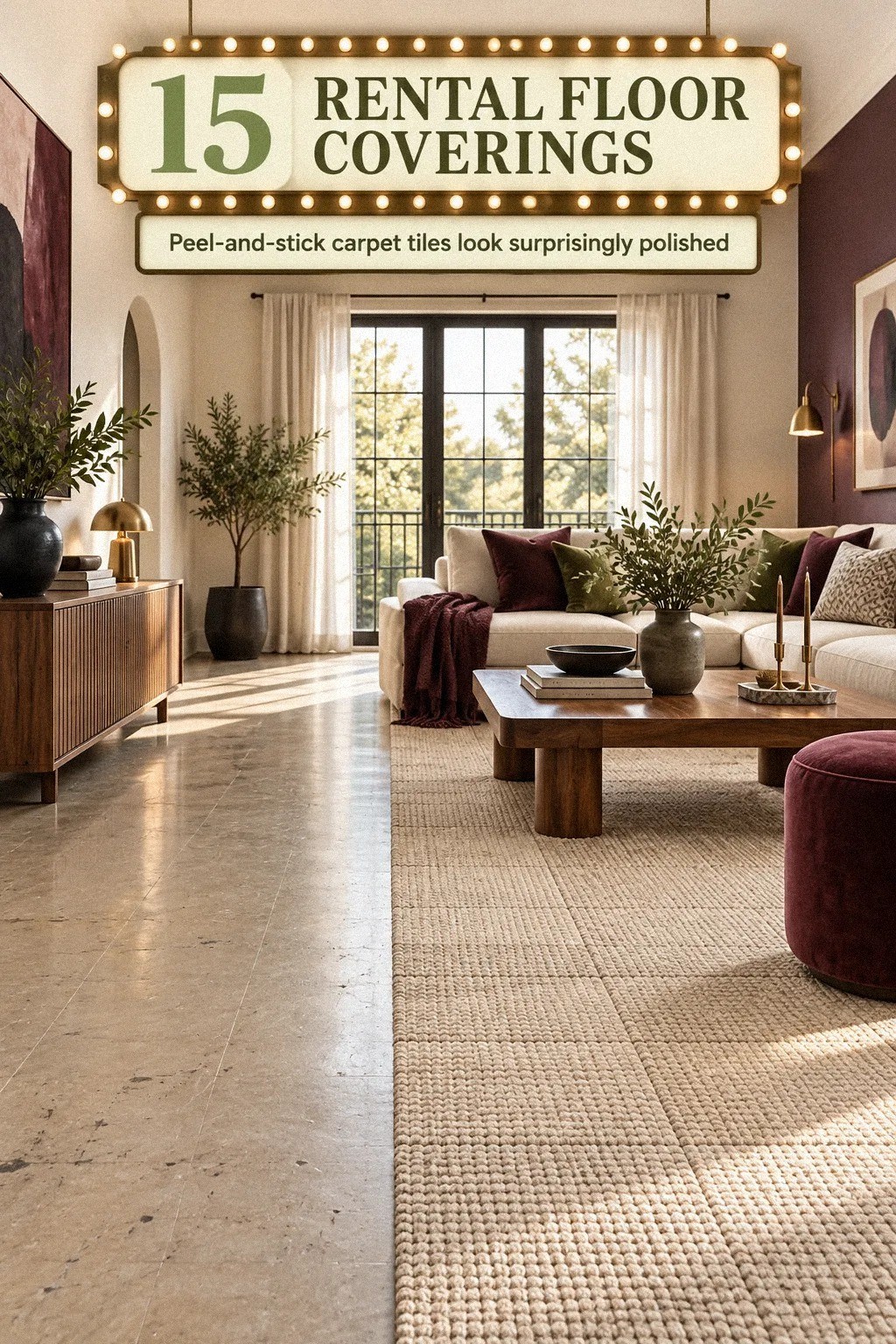
6Paint the Walls to Pull Attention Upward
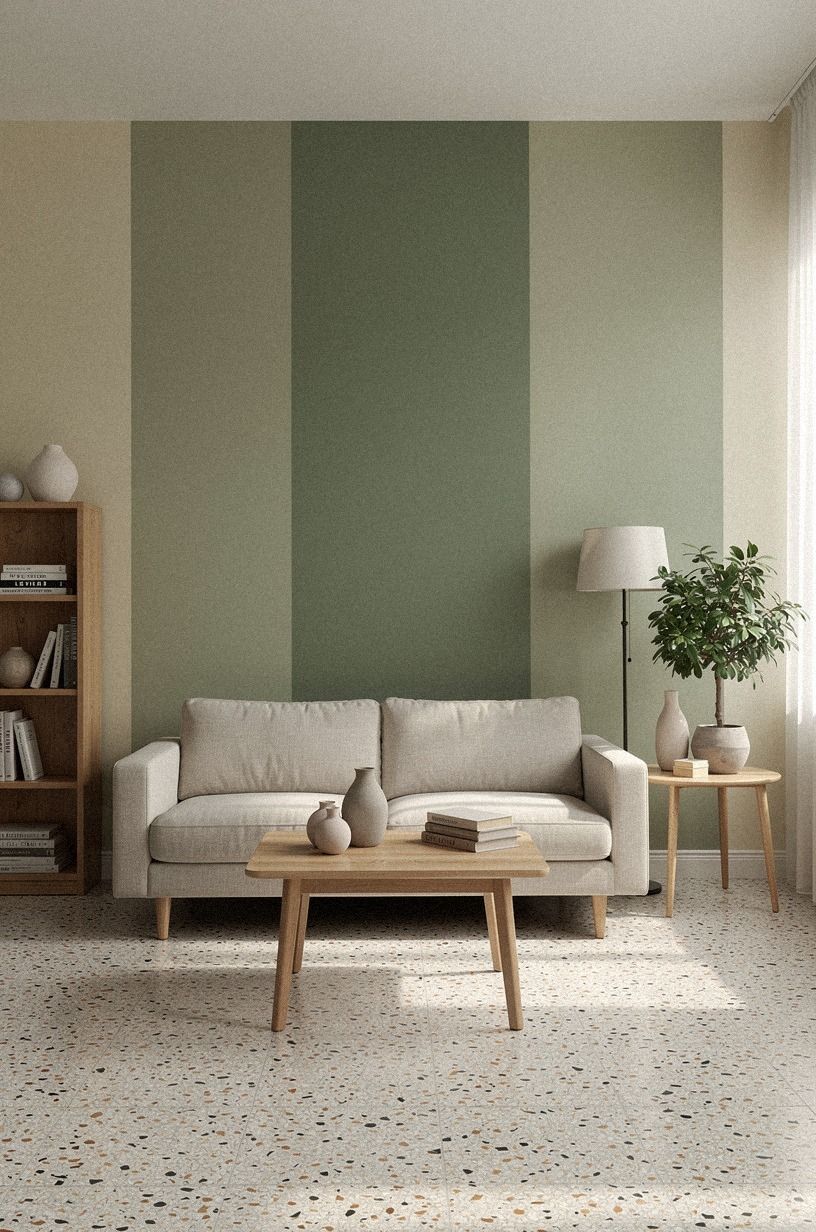
You can’t always change the floor, but you can change where your eye travels. A warmer wall color makes a tired floor feel less exposed because the room gains a stronger vertical frame. You’ll want to sample paint beside the floor in morning and evening light before committing to anything.
Benjamin Moore White Dove OC-17 is a reliable soft white when your flooring has gray, beige, or yellow undertones. It won’t compete with a patterned rug, and it keeps a small room bright. For a moodier rental where the landlord allows paint, Farrow & Ball Pigeon No. 25 adds dusty blue-green depth without looking cold.
But don’t paint the walls bright white just because the floor is ugly. That contrast can make every stain and orange plank stand out. I’d rather use a gentle, earthy shade and repeat it in one cushion or curtain.
Your room will feel calmer because the color has somewhere to travel.
You can pair this vertical reset with other rental-friendly floor upgrades for a more cohesive, polished result.
7Hang Art at the Three-Height Line
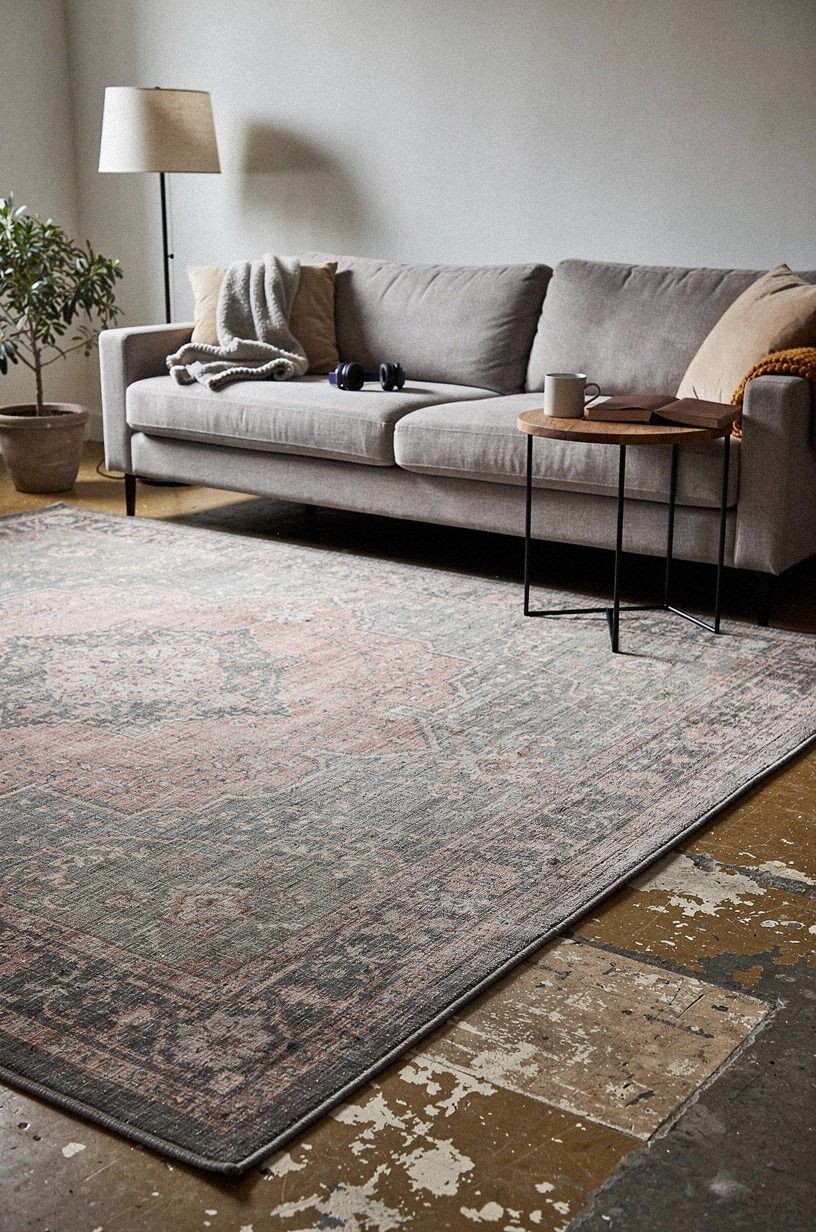
The Three-Height Line is a simple way to pull attention from the floor.
8Frame the Floor With Long Curtains
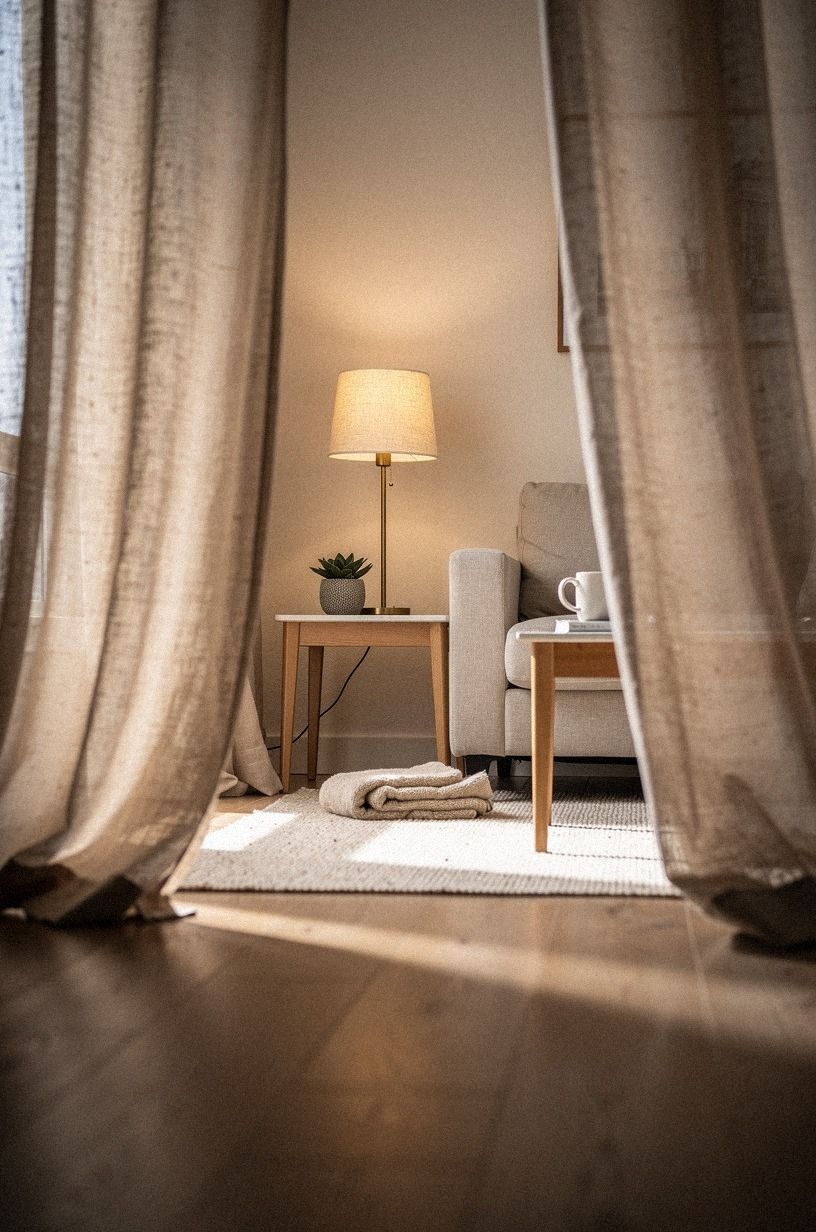
Curtains can make a rental feel taller, softer, and less focused on what’s happening underfoot. Mount the rod 4 to 6 inches above the window frame, then let the fabric fall all the way to the floor. You’ll create a long line that helps the entire room feel more intentional.
Choose Belgian flax linen curtains in clay, warm white, or muted olive. They filter light beautifully and bring a soft texture that hard laminate or old vinyl usually lacks. Your panels should skim the floor, not puddle heavily, because extra fabric becomes a dust collector and a tripping hazard.
I’d skip short curtains unless you have no other option. They chop the wall in half and leave your eye staring straight at the flooring.
If you’re covering a bedroom floor, pair the curtains with a cotton rug and a simple upholstered bed. The materials will feel layered instead of matched.
These rental floor upgrades that come up clean can help you build the same soft, reversible feeling in other rooms.
9Use the Three-Source Light Stack
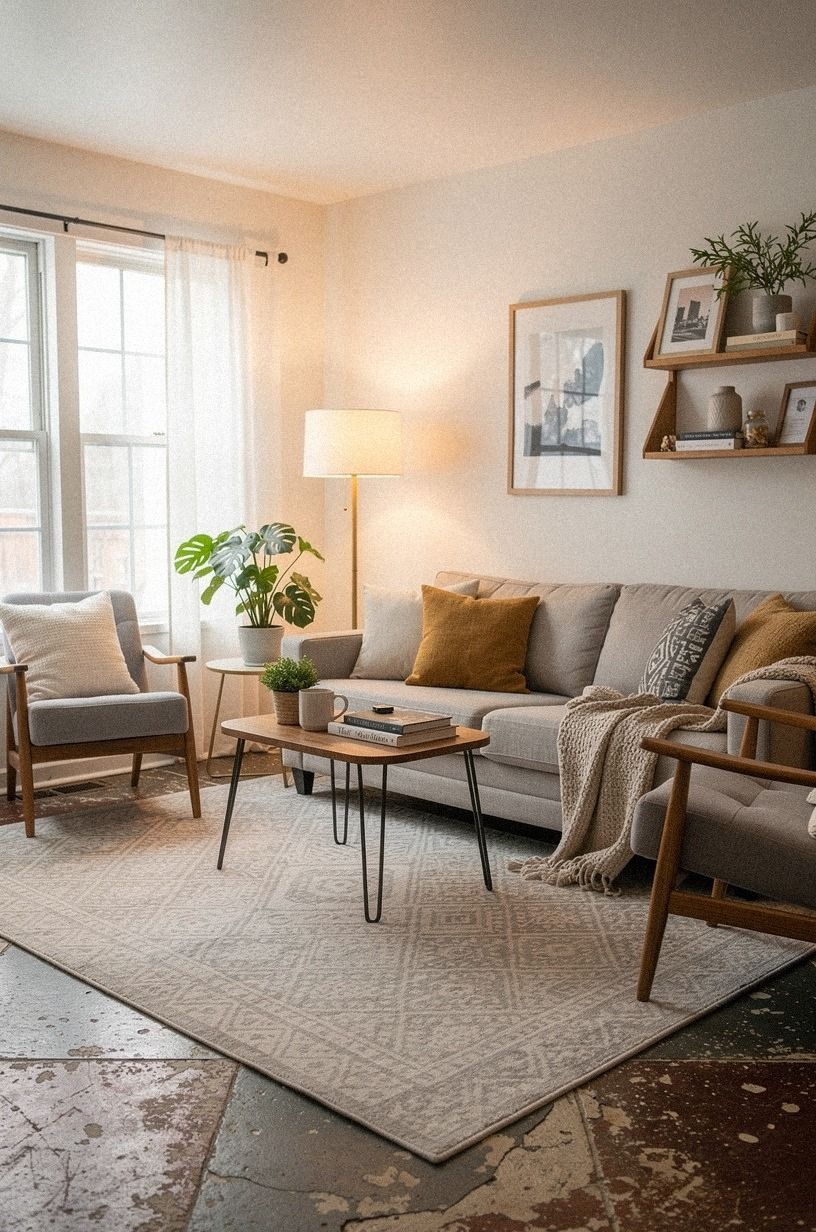
The Three-Source Light Stack changes how your floor looks after sunset. Use overhead light, task light, and ambient light so your room doesn’t depend on one harsh ceiling fixture. You’ll soften scratches, stains, and uneven color without touching the flooring itself.
Try a washed Belgian linen-shade table lamp beside the sofa, a small floor lamp near a chair, and the existing overhead fixture on a warm bulb. That gives you three sources and lets you control the mood. I’d avoid blue-white bulbs because they make beige floors look gray and every scuff look sharper.
What’s the point of covering a floor if the ceiling light makes the whole room feel like a waiting room? Your best evening setup should create pools of light rather than one bright wash. A 2700K warm bulb is usually flattering on wood, vinyl, and woven materials.
For a complete renter-safe reset, pair the lighting with these removable rental floor improvements.
10Choose a Cork Mat Instead of Foam
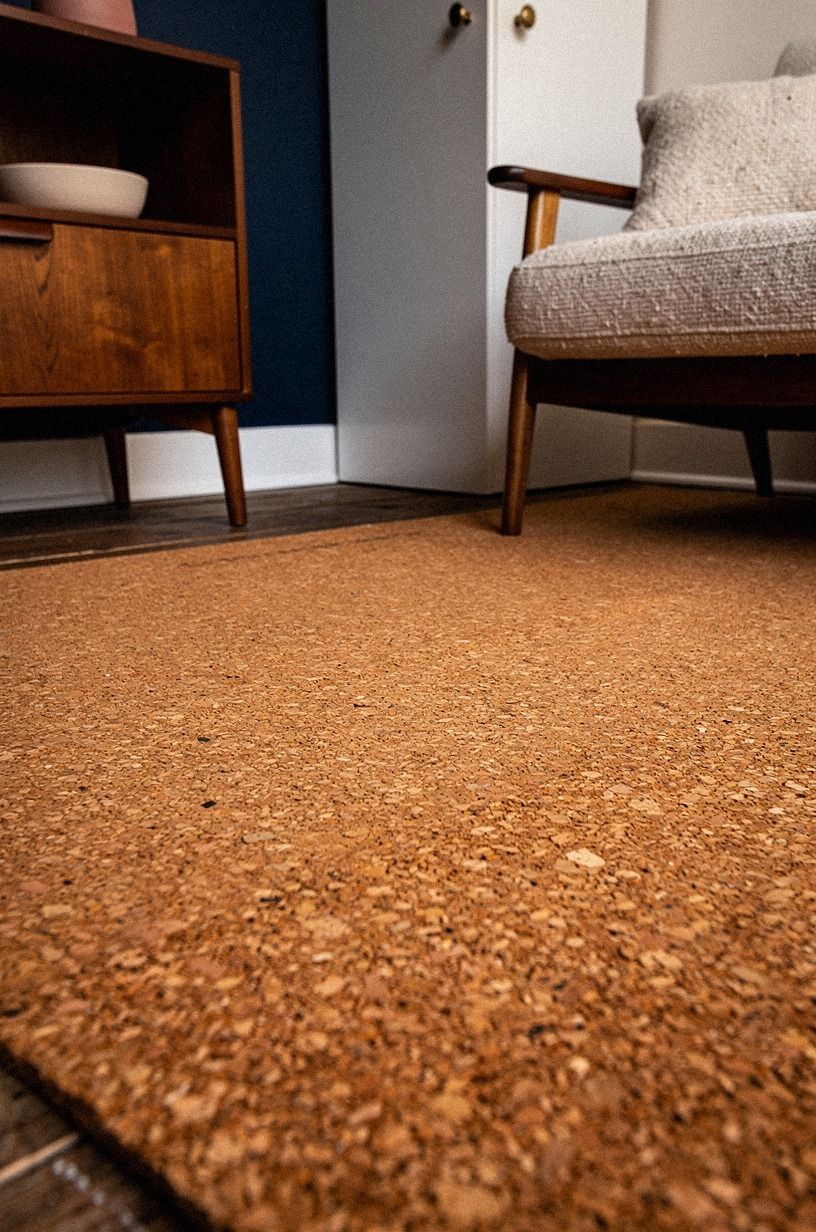
An organic bouclé mat is a useful cover for a small home office, nursery, or exercise corner because it feels warm underfoot and doesn’t look like gym equipment.
11Style a Portable Platform Over the Worst Patch
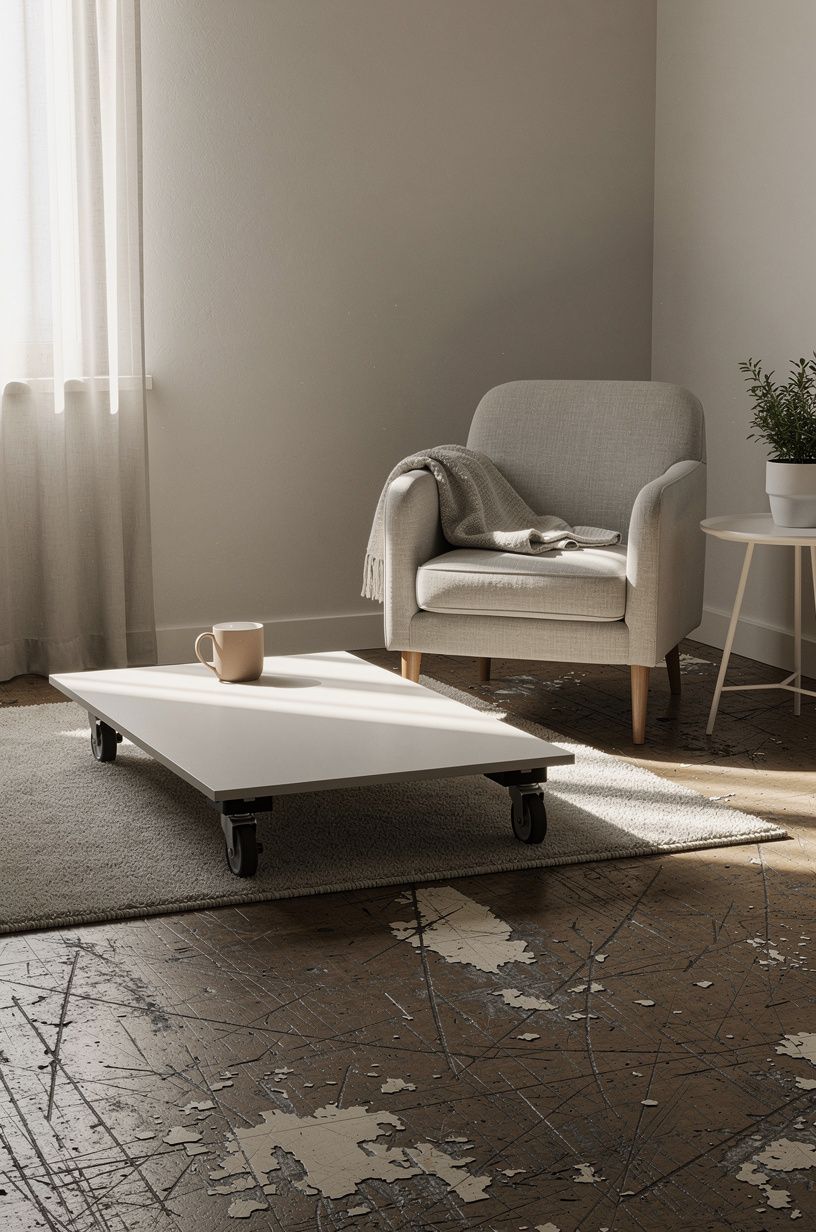
A portable platform can disguise one ugly section beneath a bed, desk, or lounge chair. Think of it as a thin furniture base, not a permanent floor alteration. You’ll want a platform that can be lifted by one person and stored when you move.
Choose a lightweight platform with a thin Nero Marquina black marble veneer with white veins and rounded edges. Add felt pads underneath so the platform doesn’t scratch the floor, then place a rug or chair on top. I’d keep the design simple because decorative trim can make a small rental feel crowded.
Your platform should never trap moisture or press against a radiator. Leave air around the edges, especially if the floor is old wood or laminate. If you’re setting up a nursery, these rental nursery ideas without drilling can help you create a safe layout around the covered area.
12Mix Warm Wood Over Cold Gray Flooring
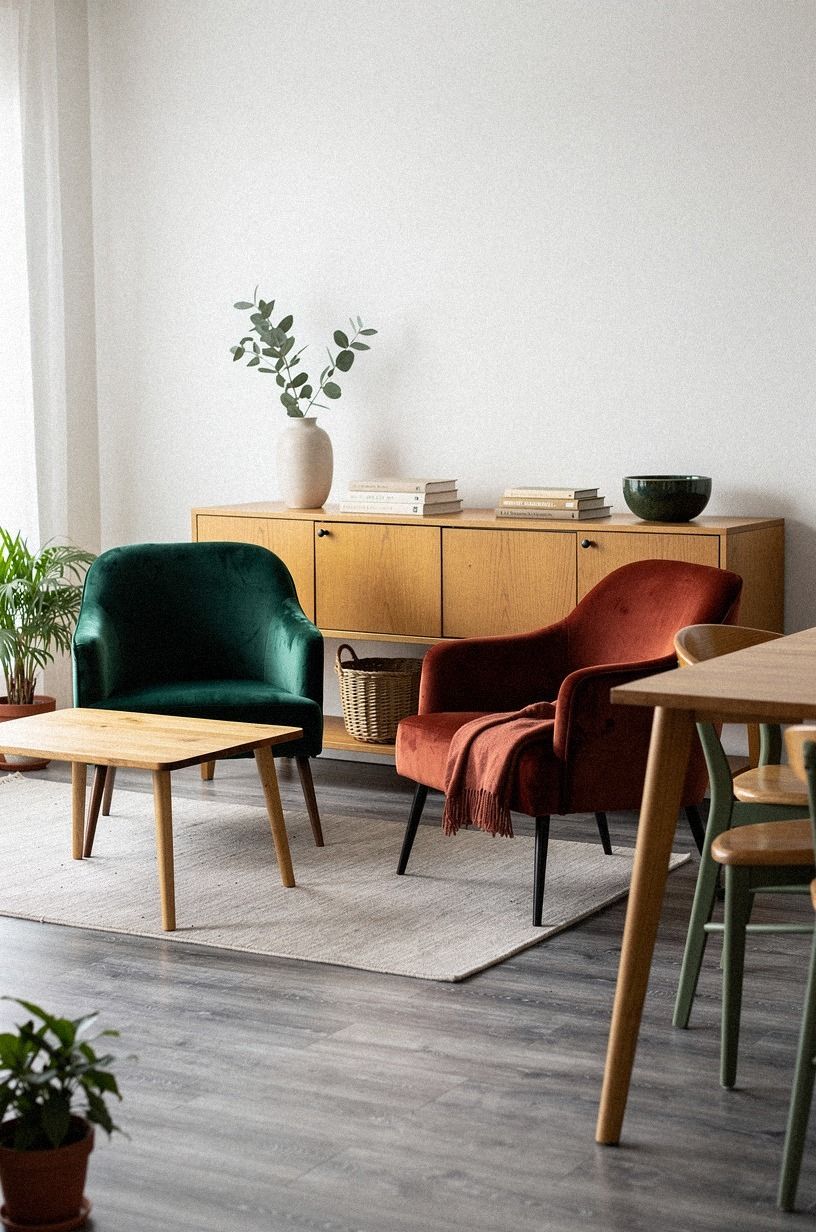
Warm wood is one of my favorite ways to balance cold gray rental flooring. Add a narrow console, woven stools, or a simple coffee table so the room gains earthy contrast. You’ll want two or three wood tones at most, because too many finishes make the floor look more chaotic.
The Two-Wood Mix pairs natural oak with medium walnut. The pale grain keeps the room airy, while walnut gives it weight.
And honestly, I’d choose this combination over matching gray furniture every time. Gray on gray often makes a rental look flatter and more temporary.
Use a cane basket, a wood tray, or a small stool to repeat the warmth without buying a whole suite. Your floor will still be there, but it won’t be the only hard surface in view. That’s the difference between hiding damage and giving the room a point of view.
For additional reversible ideas, compare this palette with these renter-safe floor upgrades.
13Place a Narrow Storage Wall Instead of More Rugs
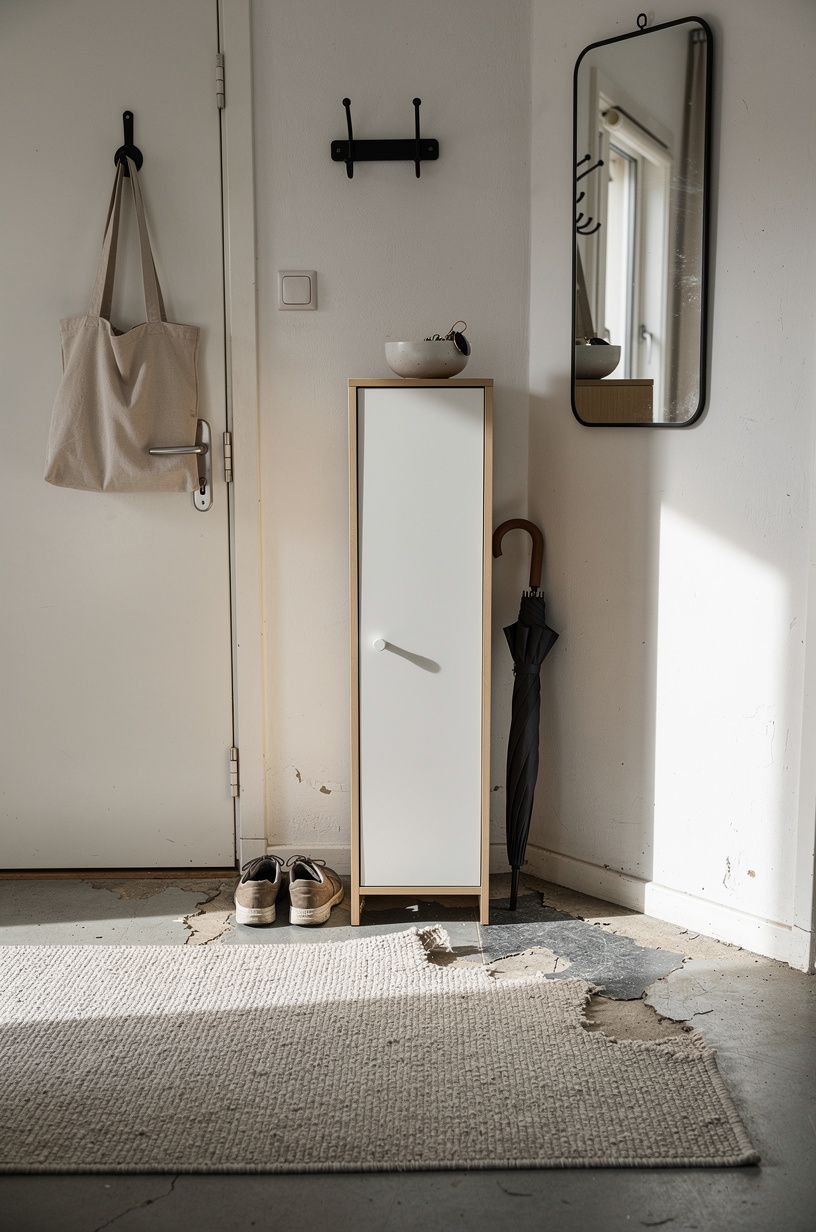
If your floor is ugly along one wall, cover the area with storage rather than adding another rug.
14Paint a Small Removable Floor Cloth
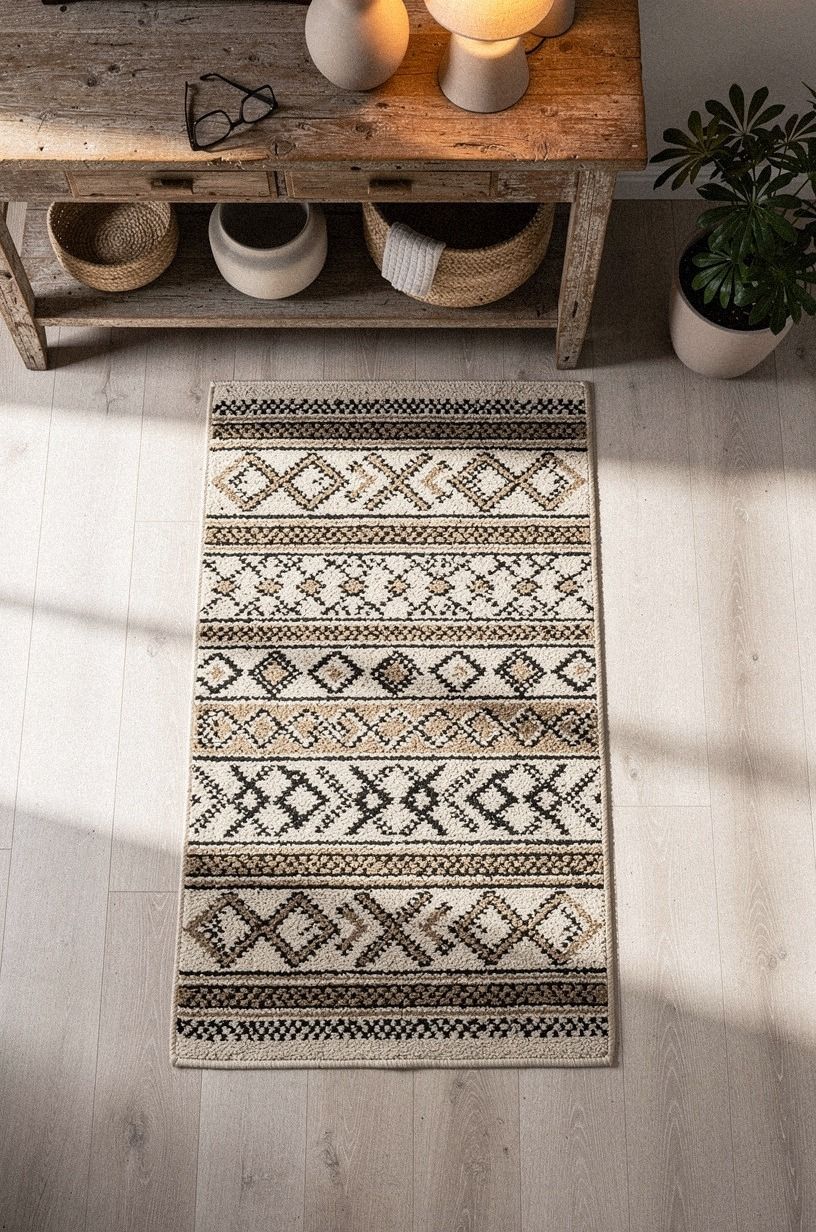
A floor cloth can cover a compact dining area or entry without the cost of a large wool rug. Choose canvas designed for floors, paint it with a durable water-based finish, and seal it according to the manufacturer’s instructions. You’ll want to test the underside before placing it on delicate flooring.
Use a warm-white base with a simple camel border and one black center shape if your room needs a calm, muted pattern. I’d avoid complicated geometric designs because uneven walls and furniture make them look crooked. A broad border and one quiet center shape are easier to live with.
Let the cloth cure completely before bringing it indoors. Your landlord won’t care about the artwork, but they may care about paint transfer or trapped moisture. Add a breathable rug pad underneath, check the edges often, and roll it up when you move.
For another flexible makeover, compare the cloth with these clean-removal rental floor upgrades.
15Cover a Bedroom Floor With a Full Textile Layer
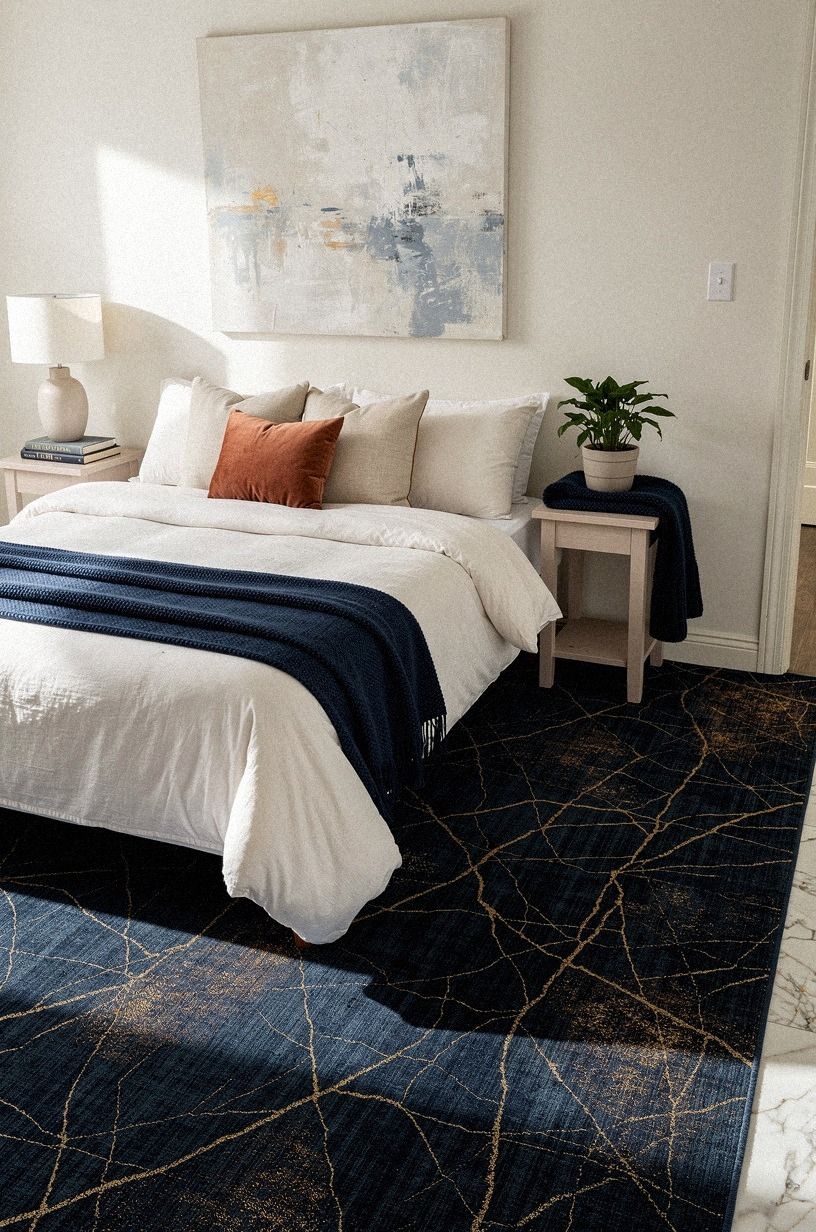
A bedroom gives you the most freedom because the furniture already covers much of the floor. Use a large rug under the bed, with enough width for your feet to land on both sides. You’ll make the first step in the morning softer and hide the largest uninterrupted stretch of ugly flooring.
Choose 600gsm Turkish cotton for a washable layer or a wool rug with a dense, low pile. Your bed should sit securely, and the rug shouldn’t bunch beneath the legs. I’d skip a tiny rug at the foot of the bed because it leaves the damaged floor visible on both sides.
Add a runner beside the dresser only if the room still needs coverage. You don’t need every inch hidden. A warm textile, a soft lamp, and curtains that reach the floor can make old vinyl feel like part of a collected room.
If you’re also styling the bed, these ideas for using a duvet cover without an insert can save money and storage space.
You can also compare the bedroom approach with these rental-friendly floor upgrades before buying anything.
How Much Does a Rental Floor Covering Project Cost?
The cost depends on whether you’re covering one problem spot or furnishing an entire room. You can begin with furniture you already own, a secondhand rug, and rearrangement at zero extra cost. For a new rug, curtains, and lighting, use these typical US ranges as planning markers.
A wool rug alone can range from $400 to $1,500, while linen drapes may cost $120 to $400 per pair. You’ll want to spend first on the surface that covers the most visible damage, then add lighting or art. Don’t buy a custom built-in for a floor you can hide with a rug and a cabinet.
Before committing to a full makeover, compare your options with these rental floor upgrades that come up clean.
Why This Rental Floor Strategy Works Now
Rental design has moved toward portable layers because people want rooms that feel personal without risking a deposit. You can create warmth with textiles, wood, and light instead of cutting, gluing, or replacing the floor. That matters when your lease could change before your taste does.
I’ve rented rooms with orange laminate, stained beige carpet, and gray vinyl that looked blue at night. The mistake was treating the floor as the only problem.
Once I added a large rug, warmer curtains, and a low lamp, the room stopped feeling temporary. Your floor doesn’t need to disappear completely. It needs competition.
A portable design strategy also gives you freedom to change the room seasonally. Swap a crisp cotton runner for a rich wool rug, move a cabinet to the worst patch, or change the lampshade when the evening light shifts. If you want a broader starting point, revisit these reversible rental flooring ideas.
What I’d Do With My Own Rental
I’d start with a flatweave wool rug sized so the sofa’s front legs sit on it, then I’d add one warm wood table and three light sources. That combination gives you texture, structure, and a softer evening view without adhesives or landlord approval. I’d spend money there before buying decorative objects because the floor occupies more visual space than a shelf ever will.
I’d also keep a small floor-care kit nearby: a soft brush, felt pads, and a washable cotton cloth. Your covering can protect the rental, but it can’t replace basic care.
Lift the rug every few weeks, check for trapped grit, and let the original surface breathe. Those five minutes may matter more than the price of the rug.
And I’d avoid trying to disguise every flaw with beige. A warm neutral can help, but a little contrast gives your room personality.
Sherwin-Williams Agreeable Gray SW 7029 may work beside cool flooring, while Benjamin Moore White Dove is better when you need a softer backdrop. Choose the color that supports your actual light, not the one that looks safest on a sample card.
The goal isn’t to fool your landlord. It’s to make your room feel like yours while keeping every change reversible.
That’s a better design standard anyway. Your home should work today, and your deposit should still be waiting when you leave.
What People Always Want to Know
What is the best way to cover a small ugly rental floor?
A low-pile rug is usually the best choice because it hides damage, protects the surface, and can move with you. Choose an IKEA flatweave rug or a secondhand wool style, then let your furniture overlap the edges. You’ll get the most coverage without making the room feel cramped.
Where can I buy rental floor coverings on a budget?
Look at IKEA, Target, Wayfair, local thrift stores, and Facebook Marketplace. You’ll often find better prices on gently used wool rugs than new synthetic ones. Check the backing, smell, and edges before buying, and don’t forget to measure your doors and stairways.
How much does a rental floor makeover cost?
A small update can cost about $100 to $300 if you use a secondhand rug, existing furniture, and removable lighting. A larger room may fit within the $200 to $800 budget range for paint, textiles, art, and organization. Your own rearrangement is free.
Can I cover an ugly rental floor on a budget?
Yes, and you can start without buying anything. Move furniture over the worst patch, borrow a rug, use curtains you already own, and add a lamp from another room.
Then look for a washable runner or secondhand flatweave. You don’t need a full-room makeover at once.
Is covering a rental floor worth it in a small space?
Yes, because a small space shows every surface more clearly. A correctly sized rug can define the seating area and make the room feel calmer. You’ll want the front legs of your main furniture on the rug, with clear walking space around it.
Is this a good idea for a rental?
Absolutely! As long as your changes are removable, choose rugs, tension rods, felt pads, portable storage, and removable art hardware. Avoid permanent adhesive, trapped moisture, and heavy furniture without floor protection.
Take photos before and after your changes.
Where I’d Start First
If I had to pick one, I’d start with the flatweave wool rug. Its low pile clears doors and handles grit better than fluffy synthetics in a rental. Pin the flatweave idea for later, then see our rental floor upgrades that come up clean.