
 by
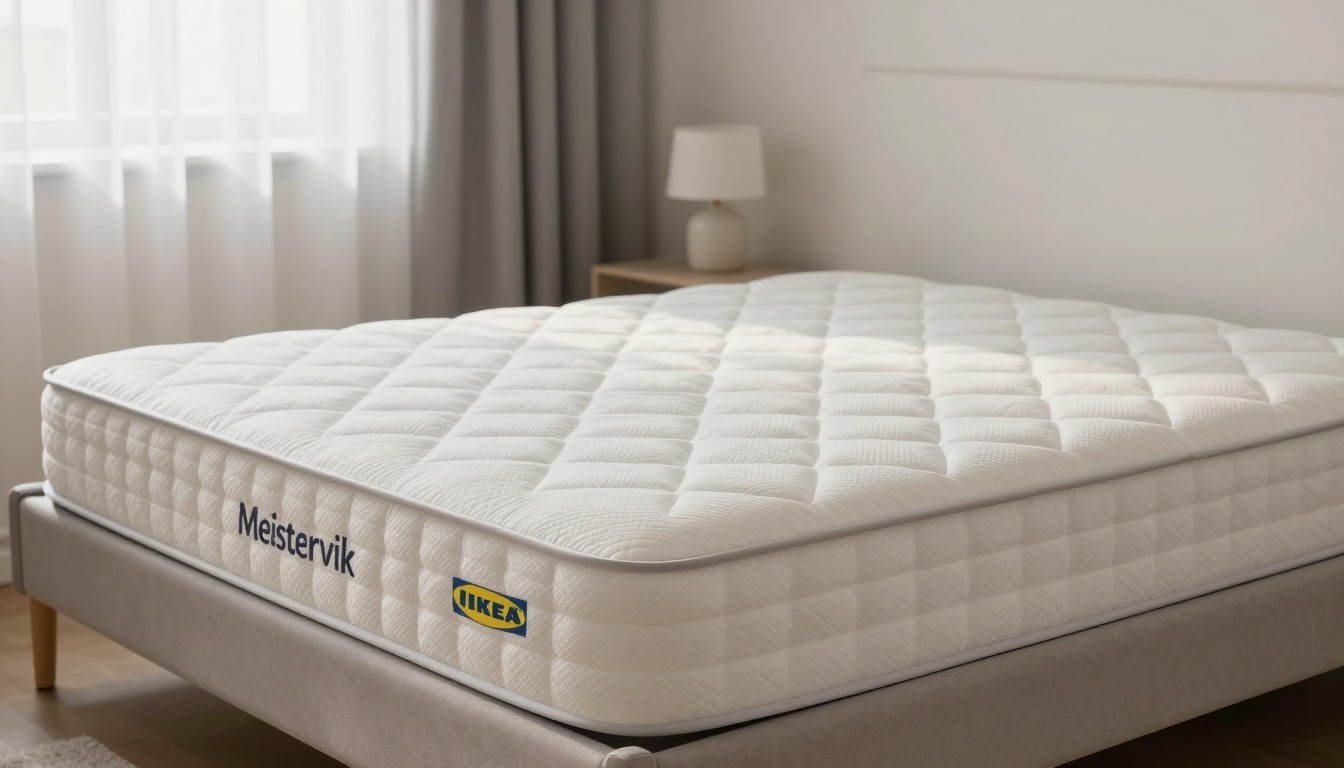
by Quick answer: The Meistervik twin is a firm, thin, all-foam mattress built for daybeds, children's extendable beds and occasional guest sleeping. It's a fit-and-function buy, not a comfort upgrade for an adult's nightly bed.
- Two polyurethane foam layers, with light contouring in the top layer, per MyIKEABedroom's breakdown of the build.
- Firm feel, with a height and width the IKEA product listing says are meant to sit properly in a daybed or a children's extendable bed.
- Strong motion isolation and sound absorption, but it holds heat the way poly foam does, according to SleepAre's review.
Updated July 2026 · Reviewed for accuracy
People shop this mattress backwards. They read it as a cheap way to get a twin bed, then judge it against a real mattress and feel cheated. The Meistervik was drawn around a piece of furniture, not around a sleeper, and once you see it that way the whole thing makes sense.
Below I'll walk through what's actually stacked inside it, what firm-and-thin does to your hips and shoulders, why poly foam runs warm, and how to pick a twin based on the job the bed has to do. No hype in either direction.
What's inside the Meistervik twin
It's polyurethane foam, top to bottom. MyIKEABedroom's teardown describes two poly layers, a base plus an added layer above it with a bit of contouring, and notes that both layers share the same low foam density. SleepAre's review lands in the same place: a polyurethane blend, no coils, no latex, no specialty comfort layer.
That matters more than the label "foam mattress" suggests. Density is the single number that predicts how long a foam layer keeps its shape, and low-density poly is the cheapest, softest-over-time material in the category. It compresses fast under repeated load in the same spot. On a bed that gets slept in every night by an adult, that's a countdown. On a daybed that hosts a cousin twice a year, it's irrelevant.
The cover is the other half of the design brief. Mattressive's write-up points to removable foam layers and a washable quilted cover, which is a genuinely smart choice for a kids' bed. Spills and accidents are the actual failure mode for a child's mattress, not foam fatigue.
The Nut's read: a washable cover on a low-density foam core tells you exactly who this was built for. IKEA optimized for cleanup and for fitting inside furniture, not for pressure relief.
The feel: firm, thin, and honest about it
IKEA lists it as firm, and thin foam over a firm base doesn't leave much room for interpretation. You get surface support with very little sink. Your shoulder and hip don't drop into the mattress, they sit on top of it.
For a light body, that's fine. A child weighs little enough that almost any supportive surface distributes load evenly, and kids rarely register the pressure points adults do. For a grown side sleeper, firm and thin is the least forgiving combination in bedding. Your shoulder has nowhere to go, so the joint takes the load instead of the foam.
SlumberSearch's ranking of the IKEA mattress line is blunt about the pattern across the thin foam models: competitive on price and profile, with cooling complaints and a fair number of owners left uncomfortable. That's not a knock on the Meistervik specifically, it's what happens when you put a thin firm slab under an adult's body weight night after night.
Back sleepers and stomach sleepers fare better here. Both positions want the spine held flat rather than cradled, and a firm surface does that job without needing depth.
Heat is the trade-off with poly foam
Foam traps body heat. There's no airflow path through a solid slab the way there is through a coil unit, so warmth builds where you're lying and stays there. SleepAre flags exactly this in their Meistervik review: as a foam mattress it retains heat, which makes it better suited to cooler rooms than hot ones.
Thinness cuts both ways on temperature. Less foam means less material to soak up heat, but it also means you're lying closer to whatever is underneath, and a solid daybed platform or a drawer base blocks airflow from below entirely. Slatted frames breathe better than solid ones. If the bed sits over storage drawers, expect the mattress to run warmer than the same mattress on slats.
Cooling fixes that actually work on a thin foam twin:
- Put it on slats, not a solid deck, so heat has somewhere to go.
- Skip waterproof vinyl encasements unless you need them; they seal in warmth. Cotton-backed protectors breathe far better.
- Use cotton or linen sheets. Microfiber sheets on foam is the warmest combination in the house.
- If you want both cooling and cushioning, a topper does more than any sheet swap. Our twin XL mattress topper guide covers the material differences, and the same logic applies to a standard twin.
Motion isolation is the quiet win
Here's where the construction pays off. SleepAre credits the Meistervik with excellent motion isolation and sound absorption, and calls it a reasonable pick for light sleepers. That's the predictable upside of a coil-free build. Nothing transmits vibration, nothing squeaks, and there's no spring unit to broadcast movement across the surface.
On a twin that's mostly a solo bed, motion transfer barely matters. Where it does matter is bunk beds and trundles, where one sleeper's rolling over can wake the person on the other level, and in shared kids' rooms where noise carries. A silent mattress is worth more than people expect in those setups.
The jobs a thin twin foam mattress is built for
Match the build to the assignment and the Meistervik stops looking like a compromise. The listing's own framing is instructive: IKEA says the height and width make it fit a daybed or a children's extendable bed, which is a fitment claim, not a comfort claim.
| Build | How it feels | The job it's good at | Watch out for |
|---|---|---|---|
| Thin low-density poly foam (Meistervik-style) | Firm, minimal sink, silent | Daybeds, extendable kids' beds, trundles, occasional guests | Heat retention, foam softening under nightly adult use |
| Thicker foam twin | More contouring, more hug | Adult side sleepers on a budget, guest rooms used often | Won't fit inside furniture designed for a slim mattress |
| Innerspring twin | Bouncy, cooler airflow | Hot rooms, kids who jump, long-term kids' beds | Noise over time, less motion isolation |
| Coil-and-foam hybrid twin | Support with a cushioned top | A twin that's someone's primary bed for years | Weight, thickness, and a real budget step up |
Measure the furniture before you shop the mattress. Daybeds, captain's beds and extendable frames all have a maximum thickness before the side rails stop containing the mattress or the drawer stops closing. A thicker, more comfortable twin that doesn't fit the frame is a worse buy than a thin one that does.
Where I'd skip it
If a twin is somebody's every-night bed for the next several years, I'd spend elsewhere. That's a teenager's room, a studio apartment, a caregiver's bed, an adult in a small space. Low-density foam under nightly load is the wrong material for that assignment, and no cover or topper fixes a core that's compressing.
I'd also skip it for adult side sleepers, and for anyone who sleeps warm in a room that already runs warm. Both of those are the exact complaint pattern SlumberSearch describes across IKEA's thin foam models.
Reality check on budget twins: at the bottom of the market you're choosing which compromise you can live with, not whether there is one. Our roundup of twin mattresses under $100 lays out what the entry tier realistically delivers, and the Meistervik sits just above that conversation.
How to choose a twin mattress by the job it does
Work through it in this order and the decision gets easy.
Start with frequency. Nightly use demands durable materials, which means higher-density foam or a coil unit. Occasional use lets you optimize for price and fitment instead, and that's the lane the Meistervik owns.
Then the sleeper. A child's body loads a mattress lightly and forgives firmness. An adult side sleeper does neither. Weight and sleep position tell you how much comfort layer you need before you look at a single product page.
Then the frame. Thickness limits, slats versus solid deck, and whether the mattress has to disappear into furniture. This is where a lot of people buy twice.
Then size, properly. A standard twin is shorter than a twin XL, and a tall teenager will hang off the end of one and not the other. Our twin versus full comparison is worth reading if the room has the width, because the jump to a full changes comfort more than most mattress upgrades at this price.
Last, the cover and cleanup. For kids, washability beats plushness. The Meistervik's washable quilted cover and removable foam layers, per Mattressive's overview, are a real advantage over sealed one-piece budget foam mattresses.
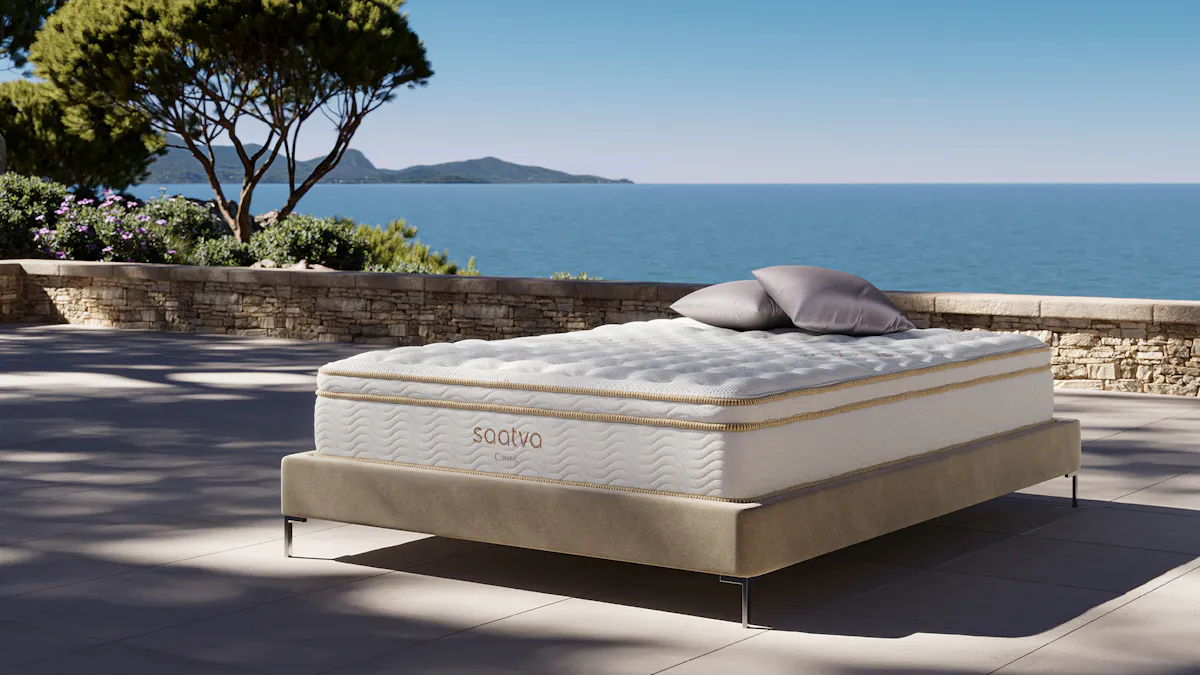
At the far end of that spectrum sit handcrafted coil builds like the Saatva Classic, made in the USA with a generous home trial and a long warranty, which is the kind of mattress you buy when the twin is a primary bed rather than a piece of guest-room hardware; check the current price on the official site, since it lives in a completely different tier.
FAQ
Is the IKEA Meistervik twin comfortable enough for an adult?
For occasional nights, yes, particularly for back and stomach sleepers who want a flat, firm surface. For nightly adult use I wouldn't count on it, since SlumberSearch's IKEA rankings note that owners of the brand's thin foam models frequently found them uncomfortable and warm.
Will the Meistervik fit a daybed or trundle?
That's the use case IKEA designed it around. The product listing states its height and width are meant to fit a daybed or a children's extendable bed, which is why it's slimmer than a standard bedroom mattress. Measure your rails and drawer clearance anyway before ordering.
Can you wash the cover?
Mattressive's overview describes a washable quilted cover along with removable foam layers, which makes it a practical choice for a child's bed. Follow the care label on the cover rather than guessing at a wash cycle, and let foam air-dry fully before reassembling.
Does the Meistervik sleep hot?
It runs warm. SleepAre's review states plainly that as a foam mattress it retains heat, so it suits cooler rooms best. Slats instead of a solid base, breathable sheets and a non-vinyl protector all help more than people expect.
Is a topper worth adding?
If the sleeper needs cushioning the mattress doesn't provide, a topper is the cheapest fix, and it's usually the right move on a firm thin foam base. Just check that the added height still clears your frame's rails, and pick a breathable material rather than stacking more dense foam on foam.
ONE OPTION WORTH COMPARING
Shopping as well as reading? Here is one current option worth comparing: the Saatva Classic. Check today’s price, sizing and return terms on the official product page before you order.
Saatva Classic
- 365-night home trial and lifetime warranty, per saatva.com
- Handcrafted in the USA, free white-glove delivery
- Flexible financing available
The verdict
The Meistervik twin is a well-scoped product that gets judged by the wrong standard. Two low-density poly foam layers, firm feel, washable cover, silent surface, warm sleep. That's a daybed mattress, a kids' extendable bed mattress, a guest mattress that stores easily and cleans up after accidents. Bought for those jobs, it does them without drama.
Bought as an adult's nightly bed, it's the wrong material at the wrong thickness, and the complaints you'll read about comfort and heat are earned. Match the build to the assignment, measure the frame first, and this one either fits your situation exactly or doesn't fit it at all. There isn't much middle ground, which honestly makes it easier to decide than most mattresses.