
 by
by My quick verdict: The Lull Mattress is a straightforward all-foam bed with good motion isolation, a balanced medium feel, and a long home trial. Its weak spots are familiar ones for this construction: modest edge support, limited airflow, and less deep support for heavier sleepers.
I see the Lull Original as a sensible match for average-weight back sleepers, combination sleepers, guest rooms, and buyers who specifically want foam rather than coils. Side sleepers who need deeper cushioning and people who sleep hot should compare alternatives before ordering.
Jump to the final Lull Mattress verdict
Lull Mattress Review at a Glance
| Feature | Lull details |
|---|---|
| Mattress type | All-foam construction with three layers |
| Firmness | Original: medium, rated 6/10; Plus: medium-firm, rated 7/10 |
| Height | Original: 10 inches; Plus: 12 inches |
| Home trial | 365 nights, according to Lull’s published policy |
| Warranty | 10 years, according to the manufacturer |
| Foam certification | CertiPUR-US certified, according to Lull |
The big selling point is simplicity. The Original uses memory foam over transition foam and a dense polyfoam foundation. There are no coils, reinforced perimeter rails, or elaborate comfort zones. That makes the feel predictable, but it also defines the mattress’s limitations.
The Lull is not a luxury hybrid in disguise. It is a compressed, all-foam mattress designed to provide contouring and motion control at a more accessible position in the market. If that is what you want, the construction makes sense. If you need strong edges, maximum airflow, or substantial support beneath a heavier body, the same construction becomes harder to recommend.
What the Lull Mattress Feels Like
The Original is presented by Lull as a medium mattress, around 6/10 on the usual firmness scale. That should feel balanced rather than deeply plush. The memory-foam surface allows some contouring, while the transition layer limits how far the body drops into the bed.
Because firmness is affected by body weight, the same mattress will not feel identical to everyone. A lighter sleeper may stay closer to the surface and perceive the Lull as firm. An average-weight sleeper should engage more of the memory foam. A heavier sleeper can compress the comfort layers more fully and reach the firmer support core beneath them.
This is an important materials point. Foam does not deliver a fixed firmness independent of load. The comfort stack compresses progressively, and once those upper layers are substantially compressed, the base foam becomes the dominant part of the feel.
The result should suit sleepers who like a little memory-foam contouring without an extremely slow, deeply enveloping sensation. People who want a buoyant response, pronounced lumbar zoning, or the spring of an innerspring unit should look at a different construction.
Lull Original Foam Construction Explained
The Lull Original is a 10-inch all-foam mattress made from three primary layers. Lull describes the arrangement as gel-infused memory foam, transition foam, and a high-density support base.
- Top layer: 1.5 inches of gel-infused memory foam intended to provide contouring and pressure relief.
- Middle layer: 1.5 inches of transition foam that limits excessive sinking and separates the sleeper from the firm base.
- Base layer: 7 inches of high-density support foam that supplies the mattress’s underlying stability.
I pay particular attention to the transition layer in a bed like this. A thin memory-foam surface placed directly over a firm core can feel abrupt once the upper foam compresses. The transition foam gives the mattress a more gradual change from cushioning to support.
The base is the structural backbone. Unlike a hybrid, the Lull has no steel coil system to absorb repeated loading or reinforce the perimeter. Its long-term shape retention therefore depends heavily on the quality and density of its polyfoam core, along with the sleeper’s weight and how consistently the mattress is rotated.
The gel infusion may help spread some heat through the foam, but it does not create active cooling. Memory foam still surrounds more of the body than a buoyant coil mattress, and a solid foam core cannot move air as freely as an open spring unit. Hot sleepers should treat “gel” as a modest materials feature, not a guarantee of a cool night.
How the layers work together
The top layer handles most of the immediate pressure relief. The transition layer slows the descent into the bed, while the support foam prevents the mattress from collapsing under normal use. This is a conventional arrangement, but conventional is not necessarily bad. A simple stack can work well when the firmness progression is properly balanced.
The tradeoff is that the comfort system is not especially deep. Sleepers who place substantial pressure through the shoulders or hips may compress the upper layers enough to feel the firmer foam below. This is why body weight and sleep position matter more than a single advertised firmness number.
CertiPUR-US certification
Lull states that its foams carry CertiPUR-US certification. That program evaluates flexible polyurethane foam for specified emissions and chemical-content criteria. The certification is useful for understanding what standards the foam meets, but it is not a durability grade and does not tell buyers how supportive a particular mattress will feel.
Pressure Relief and Spinal Support
The Lull’s pressure relief comes mainly from its memory-foam surface. That layer should soften beneath warmer, heavier contact areas and spread pressure over a broader area. The benefit is most noticeable around the shoulders, hips, and lower back.
There is still a limit to what 1.5 inches of memory foam can do. Dedicated side sleepers often need enough surface depth for the shoulder and hip to settle without meeting the firmer transition layer too quickly. Lighter and average-weight side sleepers may find the balance acceptable, while heavier side sleepers are more likely to want a deeper comfort system.
Back sleepers should be a better match. The medium surface can cushion the pelvis while the transition and base foams help keep it from dropping too far. For combination sleepers, the relatively restrained sink should also make turning easier than it would be on a deeply conforming memory-foam mattress.
Stomach sleepers need more caution. If the pelvis sinks substantially deeper than the chest, the lower back can be held in an uncomfortable position. Lighter stomach sleepers may get enough support, but people with more weight through the midsection should consider a firmer or coil-supported design.
Who the Lull Mattress Is Best For
- Back sleepers: The medium foam stack should provide a reasonable mix of contouring and support for many average-weight back sleepers.
- Combination sleepers: The transition layer helps prevent the surface from feeling excessively slow or engulfing.
- Couples sensitive to movement: The continuous foam construction should absorb movement better than a responsive innerspring.
- Budget-conscious foam shoppers: Lull offers a conventional memory-foam feel without the added complexity of a luxury hybrid.
- Guest-room buyers: Its balanced feel and simple construction can accommodate a broad range of occasional sleepers.
- Buyers who value a long trial: Lull advertises a 365-night trial, giving owners time to judge the mattress at home under the manufacturer’s terms.
Who Should Consider Another Mattress
- Very hot sleepers: Gel-infused memory foam cannot match the airflow available through an open coil system.
- People who use the entire mattress surface: Without a reinforced perimeter, the usable edge may feel less stable.
- Heavier sleepers: A relatively shallow comfort stack can compress quickly, making the support core feel firmer and concentrating wear.
- Dedicated side sleepers wanting deep cushioning: A thicker pressure-relief system may be more comfortable around the shoulder and hip.
- Shoppers wanting firmness choices: The Original is designed around one medium feel rather than multiple comfort options.
- People who prefer a springy mattress: Lull’s all-foam core will feel less buoyant than a hybrid or innerspring.
Motion Isolation for Couples
Motion isolation is one of the Lull’s clearer strengths based on its materials. Memory foam and polyfoam absorb energy instead of returning it as quickly as steel coils. That should reduce the amount of movement traveling from one side of the mattress to the other.
This can be useful when partners keep different schedules or one person changes position frequently. The Lull’s continuous foam layers have no connected spring system to carry vibration across the bed.
I would not attach a fabricated lab score to that performance. The sound conclusion from the construction is simpler: compared with a traditional responsive innerspring, the Lull should transmit less movement. Compared with other competent all-foam beds, it is operating in a category already known for strong motion control.
There is a related tradeoff. Materials that absorb movement can also feel slower when you turn or push yourself out of bed. The transition foam should help, but shoppers who prioritize effortless repositioning may still prefer a responsive hybrid.
Edge Support
Edge support is a weak point for most compressed all-foam mattresses, and the Lull has no dedicated perimeter reinforcement listed in its construction. The side should therefore compress more when someone sits or sleeps close to it.
That does not make the mattress unusable, but it can reduce the amount of surface that feels equally supportive. Couples sharing a smaller mattress may notice this more than solo sleepers who naturally stay near the center.
Edge softness can also matter to people who sit on the bed while dressing or who need a stable surface for getting up. A hybrid with reinforced coils or a dense perimeter rail generally has a structural advantage in these situations.
Body weight will affect the degree of compression. More load near the perimeter places greater demand on the foam base, which has no steel edge unit to resist deformation. Buyers who weigh more or regularly sleep close to the side should give this issue extra weight.
Temperature Control
The Lull includes gel-infused memory foam, which the manufacturer presents as a cooling feature. My materials-based view is more measured. Gel can help distribute heat within the foam, but the bed remains an all-foam design with limited internal airflow.
Average sleepers who use breathable bedding may find the temperature perfectly reasonable. Hot sleepers, people in warm climates, and sleepers who sink more deeply may notice greater heat retention because more foam is in contact with the body.
A breathable cotton or Tencel cover and lighter sheets can help manage the sleep environment, but bedding cannot turn a solid foam core into a ventilated coil system. If cooling is a top priority, construction matters more than the presence of cooling language in the product description.
Durability and Long-Term Value
The Lull’s long-term performance depends mainly on the foam layers retaining their resilience. The most common durability concern in this type of mattress is gradual softening where the sleeper’s shoulders and hips apply repeated pressure.
Softening is not always the same as a visible sag. A mattress can lose comfort and support before it develops an indentation deep enough to meet a warranty threshold. That is why warranty length should not be treated as a prediction of usable lifespan.
The Original carries a 10-year warranty according to Lull’s policy. Buyers should read the current terms for foundation requirements, indentation thresholds, exclusions, and the process for making a claim. A warranty generally covers defined defects, not every change in comfort.
For average-weight sleepers, a competently made high-density foam base can provide useful service for years. Heavier loading, sitting repeatedly in the same place, weak foundation support, and failing to rotate the mattress can accelerate wear.
Lull’s straightforward construction makes its value fairly easy to judge. You are paying for pressure-relieving foam, motion isolation, and a long home trial. You are not paying for reinforced edges, coils, hand tufting, or extensive firmness customization.
Lull Original vs Lull Plus
The overview supplied by Lull positions the Original at 10 inches with a medium 6/10 feel, while the Plus is listed at 12 inches and medium-firm at 7/10. Those differences point to two distinct use cases.
The Original is the more straightforward choice for shoppers who want moderate contouring and a classic all-foam build. The Plus should appeal more to buyers who want a taller mattress and a firmer surface.
A taller mattress is not automatically more durable or supportive. What matters is the composition and quality of the additional material. Buyers should compare the current layer specifications rather than choosing solely from the total height.
If you are a side sleeper who wants softness, a higher firmness figure on the Plus may not be an advantage. If you are a back sleeper who dislikes sinking, the firmer option could be the more logical fit. The final choice should follow sleep position and body weight, not the idea that a thicker mattress must be better.
Lull vs Puffy Original
Lull and Puffy Original are natural comparisons because both target shoppers who want an all-foam bed delivered in a box.
Lull’s medium construction should appeal more to back sleepers and buyers who want to remain closer to the surface. Puffy emphasizes a more pressure-relieving foam feel, which may suit dedicated side sleepers who want additional contouring.
Both manufacturers advertise 365-night trials. Buyers should still compare the current return requirements directly, since the length of a trial is only one part of the policy. Minimum-use periods, pickup procedures, condition requirements, and refund exclusions can be just as important.
From a construction standpoint, I would lean toward Lull for someone seeking a restrained, balanced foam feel. I would give Puffy closer consideration for a side sleeper whose main concern is cushioning at the shoulder and hip.
Lull vs Amerisleep AS3
The Amerisleep AS3 uses the brand’s Bio-Pur open-cell foam and HIVE-style zoning, according to Amerisleep’s published specifications. Those features target responsiveness, airflow, and differentiated support around the body.
Lull takes a simpler approach. Its Original does not depend on elaborate zoning or a proprietary open-cell comfort system. That can make Lull easier to understand and potentially more accessible, but it also gives Amerisleep a more specialized materials story.
For someone prioritizing a more responsive foam surface and targeted support, the AS3 deserves comparison. For a budget-first buyer who wants a conventional medium memory-foam mattress, Lull remains the more direct proposition.
Neither brand’s marketing language should substitute for checking current specifications and policies. Foam names are proprietary, so the useful questions are how deeply the comfort layers compress, how quickly they recover, and whether the overall support profile matches your body and sleep position.
Lull vs Casper Original
Lull and Casper helped define the simple bed-in-a-box category. The key construction difference is that Casper Original has been associated with a zoned transition system, while Lull uses a more uniform transition layer.
| Specification | Lull Original | Casper Original |
|---|---|---|
| Construction | Three-layer all-foam design | All-foam design with zoned support in the referenced version |
| Height | 10 inches | 11 inches |
| Firmness | 6/10 | 6/10, zoned |
| Trial in the earlier comparison | 100 nights | 100 nights |
| Primary distinction | Uniform, balanced foam support | Differentiated shoulder and lumbar support |
Zoning can help some back sleepers by increasing support around the lumbar region while allowing more shoulder give. The drawback is that a zoned layout may not align equally well with every height, body shape, or sleeping position.
Lull’s uniform feel is less specialized. Combination sleepers who move around frequently may prefer that consistency because there is no pronounced change in firmness as the body shifts across the mattress.
For shoppers who want a more premium memory-foam alternative, Saatva Classic is also worth comparing. It retains an all-foam feel while adding white-glove delivery and a more substantial luxury presentation according to Saatva.
Lull vs Saatva Classic
The Saatva Classic is not a direct construction match. It is a luxury innerspring with coil support, a Euro pillow top, and multiple firmness choices. The Lull is an all-foam mattress with one primary medium feel in the Original.
The comparison is still useful because it reveals what buyers gain and lose by moving between foam and coils. Lull should isolate motion more naturally and provide a closer contour. Saatva should provide stronger airflow, a more buoyant response, and better perimeter support because of its spring-based structure.
Saatva advertises a 365-night trial, a lifetime warranty, free white-glove delivery, and multiple firmness and height choices. Those are manufacturer policies and options, so buyers should confirm the current terms before ordering.
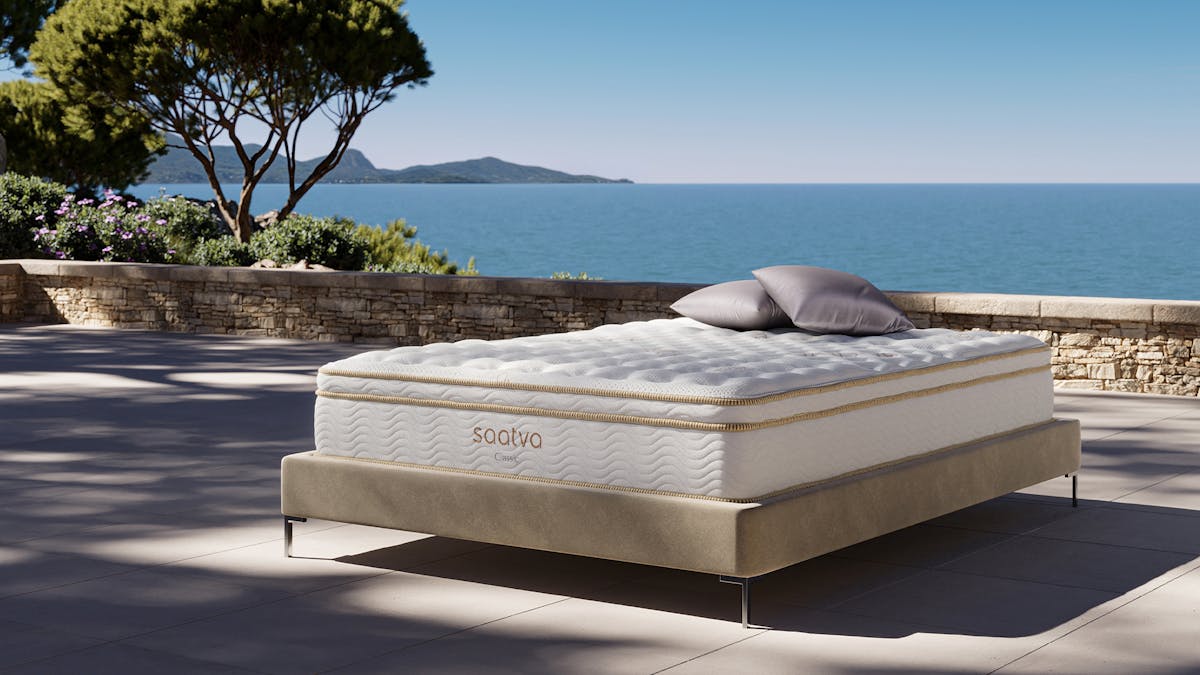
For current promotions and manufacturer terms, use Saatva’s sale page rather than relying on an old coupon or an unverified code.
Saatva also publishes information about discounts for eligible military members, veterans, first responders, teachers, and seniors. Eligibility and offer terms should be verified with the manufacturer.
Affiliate disclosure: MattressNut may earn a commission from qualifying purchases at no extra cost to you.
Saatva Classic as the closer foam alternative
Saatva Classic is the Saatva model I would compare more directly with Lull if you want to stay with memory foam. Saatva offers it in Relaxed Firm and Firm choices and lists a 365-night home trial.
The difference is positioning. Lull aims for a simpler compressed-foam package, while Saatva Classic emphasizes a more premium build and in-home delivery. Those extras do not automatically make it the right mattress, but they matter to buyers who dislike boxed-mattress setup or want more firmness choice.
Check Saatva Classic pricing directly with the manufacturer before buying.
Main Weaknesses of the Lull Mattress
- Limited edge reinforcement: The all-foam perimeter is likely to compress more than an edge-supported hybrid.
- Average airflow: Gel infusion cannot provide the internal ventilation of a coil unit.
- One main firmness in the Original: Buyers do not get the range of comfort choices offered by some competitors.
- Shallow memory-foam layer: Sleepers needing deep hip and shoulder cushioning may reach the firmer transition foam too quickly.
- Weight-sensitive feel: Heavier sleepers are more likely to compress the upper layers and experience the bed as firm.
- Foam softening risk: Like other all-foam beds, repeated loading can gradually change the feel even without an obvious visible sag.
Trial, Returns, Warranty, and Setup
Lull advertises a 365-night home trial. That is a meaningful benefit because showroom impressions cannot tell you how a mattress will feel after your body adjusts to it. Still, the headline number is not the entire policy.
Before ordering, I recommend reading Lull’s current terms for any required break-in period, return eligibility, pickup arrangements, refund timing, and rules covering damaged or soiled mattresses. These details come from the manufacturer and may change.
The published warranty term is 10 years. Check what Lull defines as a covered indentation, which foundations are approved, and what documentation is required for a claim. An unsuitable base can affect both support and warranty eligibility.
As a boxed foam mattress, the Lull needs time to expand after unpacking. Some temporary odor is possible with newly opened polyurethane foam. Ventilating the room and leaving the mattress uncovered while it expands can help, but buyers should follow Lull’s current setup instructions.
Foundation and Platform-Bed Compatibility
The Lull can be used on an appropriate platform bed or compatible adjustable base, according to the manufacturer’s support guidance. The foundation must provide even support and should not allow the foam core to bow between widely spaced slats.
Earlier Lull guidance has specified slats no more than 3 inches apart. Confirm that requirement in the current warranty before choosing a base, since foundation rules can be revised.
A weak or uneven frame can make an otherwise sound mattress feel softer, produce premature impressions, and complicate a warranty claim. With all-foam beds, center support is particularly important on larger sizes because there is no rigid coil unit helping the mattress bridge gaps.
The Nut’s Lull Mattress Verdict
The Lull is a solid basic foam mattress, but it is not the universal bargain its simple marketing may suggest. Its strongest qualities are motion isolation, a balanced medium feel, and the manufacturer’s long home trial. Its biggest compromises are edge softness, modest airflow, and limited cushioning depth for heavier side sleepers.
I would shortlist it for an average-weight back or combination sleeper who wants foam, dislikes bounce, and values a lengthy return window. I would be slower to recommend it to a hot sleeper, a heavier stomach sleeper, or a couple that needs every inch of usable edge space.
The materials are conventional rather than groundbreaking. That is acceptable if the price is competitive and the feel suits you. I would not pay a large premium for gel language alone, because gel-infused foam remains foam and cannot duplicate the ventilation of coils.
If you want deeper pressure relief, compare Puffy Original. If you want proprietary open-cell foam and zoning, consider Amerisleep AS3. If you want stronger edges, more airflow, white-glove delivery, and several firmness choices, compare the Saatva Classic.
You can also read the editor’s personal account of changing mattresses. That article is presented as the editor’s experience, not as a controlled product test.
Read why our editor switched to Saatva →
Lull Mattress FAQ
Is the Lull Mattress good for side sleepers?
The medium Original can work for side sleepers between 130 and 200 pounds, particularly those who do not want a deeply plush surface. Lighter side sleepers may perceive it as firm, while heavier sleepers may compress the comfort layers and feel more pressure around the hip or shoulder.
Does the Lull Mattress sleep hot?
The gel-infused top layer is intended to moderate heat, according to Lull, but this remains an all-foam mattress. Hot sleepers may notice more warmth than they would on a hybrid with open space around the coils. Breathable bedding can help manage the sleep environment.
Is the Lull 365-night trial real?
Lull advertises a 365-night trial. Buyers should verify the current policy directly with the manufacturer, including any minimum-use requirement, return conditions, pickup process, and refund exclusions.
How long does the Lull Mattress last?
A realistic lifespan cannot be guaranteed from the layer diagram alone. Average-weight sleepers should generally place less stress on the foam than heavier sleepers. Rotating the mattress, using a properly supported foundation, and avoiding repeated sitting in one spot can help distribute wear.
Does Lull work on a platform bed?
Yes, provided the platform offers even support and follows Lull’s current foundation requirements. Earlier guidance called for slats no more than 3 inches apart. The mattress can also work with a compatible adjustable base.
Lull vs Saatva, which should last longer?
On construction alone, Saatva’s coil-supported, hand-finished design has a durability advantage over a basic all-foam mattress. Actual service life still depends on use, sleeper weight, care, and whether the mattress is properly supported.
Is Lull good for couples?
It can be, especially when motion isolation matters more than edge support. Couples who spread across the full width of the mattress may prefer a reinforced hybrid because soft foam edges reduce the amount of surface that feels equally stable.
Is there a weight limit for the Lull Mattress?
Check the manufacturer’s current requirements for the exact model and size. Even if a mattress can technically support a given load, comfort is a separate issue. Heavier sleepers often need a deeper comfort system and a more resilient support structure.
Does the Lull have a strong memory-foam hug?
The 1.5-inch memory-foam layer should provide noticeable contouring without the exceptionally deep sink of a thicker memory-foam comfort system. The transition foam is designed to keep the sleeper from dropping too abruptly into the firm base.
Related Buying Tips
Before buying the Lull or another mattress in this category, check the following items in the manufacturer’s current written policies:
- Trial period: Confirm the length, minimum-use rules, return procedure, and whether pickup is included.
- Warranty: Read the indentation threshold, exclusions, foundation requirements, and claim process.
- Return policy: Verify whether the refund goes back to the original payment method and whether any fees apply.
- Foam certification: CertiPUR-US addresses specified foam content and emissions criteria, not comfort or durability.
- Fabric certification: GOTS, GOLS, and OEKO-TEX Standard 100 cover different materials and standards, so do not treat them as interchangeable.
- Foundation: Make sure the frame has adequate center support and sufficiently close slat spacing.
- Shipping and setup: Determine whether the mattress arrives compressed, whether in-home setup is available, and who handles an approved return.
For a broader framework, read the 2026 best mattress buying guide.
More MattressNut Comparisons and Reviews
- Saatva Classic review
- Saatva Rx review
- Best mattress 2026
- Saatva vs Puffy
- Best mattresses for back pain
- Our testing methodology
- Brooklyn Bedding Mattress Review (2026)
- Emma Mattress Review: 2026 Honest Verdict
- Nectar Promo Code 2026: Current Deals
Final Alternative to Consider
If Lull’s edge support, heat retention, or single medium feel gives you pause, the Saatva Classic is the mainstream hybrid I would compare before deciding. It offers three firmness levels and two heights, while its coil-based construction should feel more buoyant and ventilated than the Lull’s solid foam core.
Saatva lists a 365-night home trial, lifetime warranty, and free white-glove delivery in its published policies. Confirm all terms and any promotion directly with the manufacturer before purchasing.