 by
by My thrifted bedroom with organic bedding came together under $500 because I stopped trying to replace everything at once. My old bed frame squeaked, the sheets felt scratchy, and I kept waking up around 3 a.m. annoyed by the plasticky smell trapped in the room.
I had one weekend, a modest budget, and zero interest in making my bedroom look like a showroom. Just somewhere soft enough to sleep in, with objects that looked like they had a past. And, somehow, it worked.
The moment I admitted the room wasn’t working
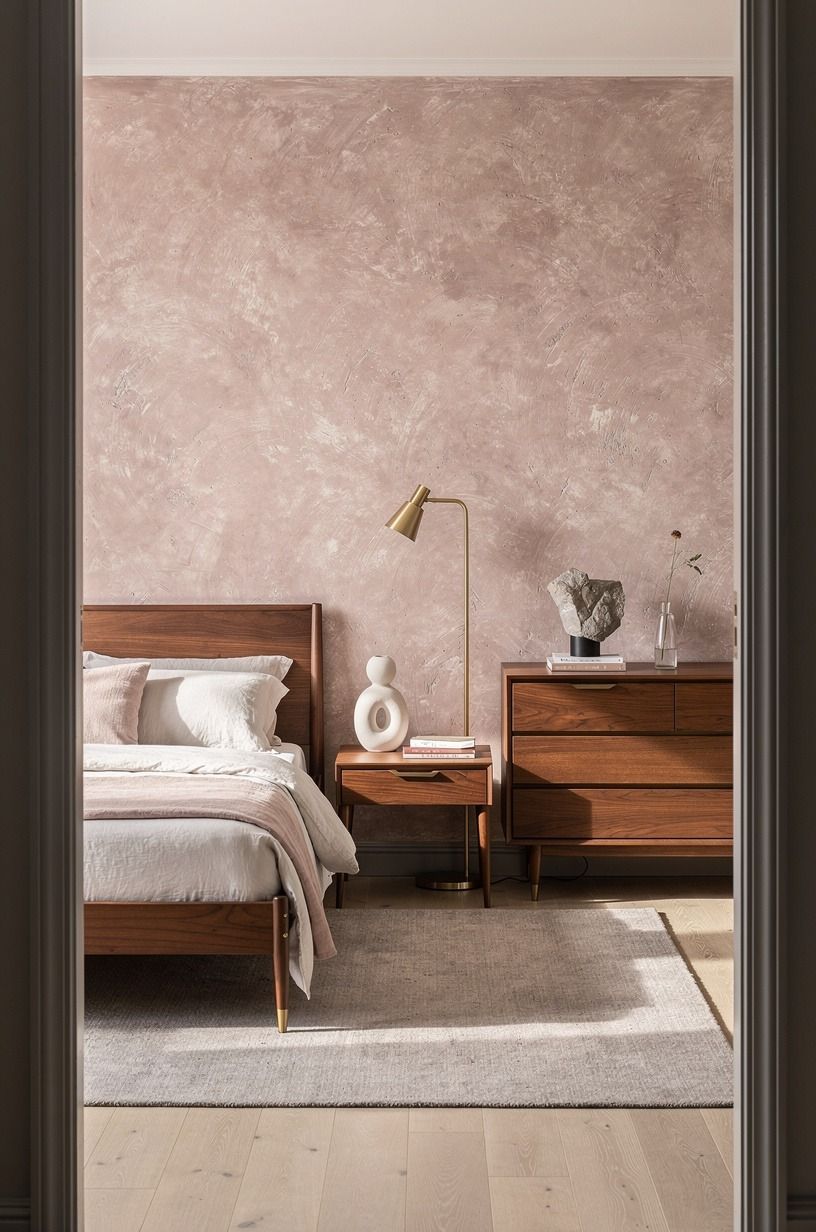
The breaking point was the old mattress setup. It wasn’t dramatic.


Just stale, lumpy, and surrounded by furniture I’d bought because it was cheap, not because I liked it. I’d tried hiding the problem under extra blankets.
Didn’t help.
I wanted a non toxic bedroom that felt calm without turning into an all-beige catalog. I also didn’t want to throw out useful things simply because they weren’t new. That’s my hard opinion: a room gets more inviting when every piece isn’t bought in the same afternoon.
But I knew the bed had to change first. Sleep was the one part I wasn’t willing to fake.
I built the room around one thrifted anchor
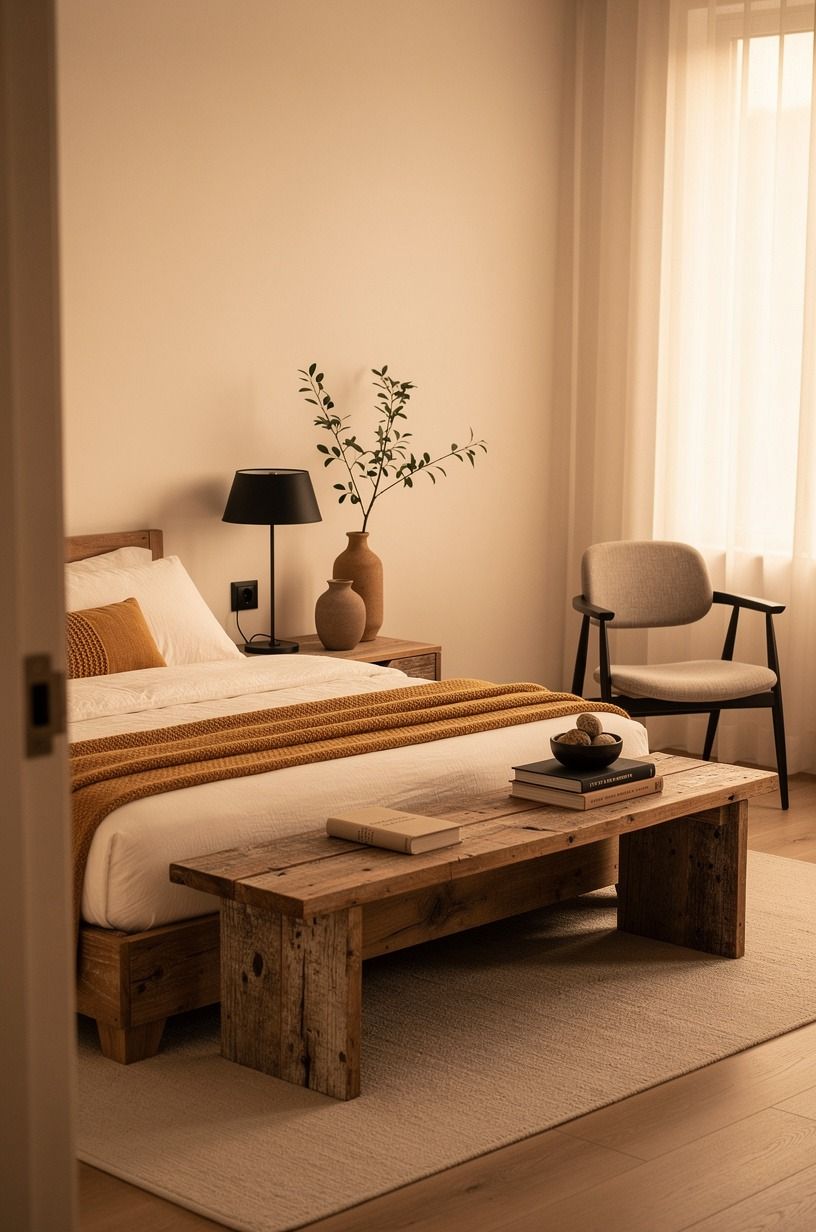
I found an old wood dresser first, with shallow scratches across the top and brass pulls that had gone dull in the best way. I wiped it down, let it air out, and decided its uneven finish was staying.
A little character. Finally.
Then I chose the Santorini Bed Frame as the clean-lined counterpoint. I needed the room to have one reliable shape, since the thrifted pieces were already bringing plenty of visual noise. I’d skip a heavily carved bed here, even though I usually love one.
With a secondhand dresser and mismatched lamps, it would have made the room feel crowded fast.
The frame also gave my queen mattress a proper boundary. A queen is 60x80 inches, and seeing that footprint clearly helped me stop dragging random furniture too close to it.
I left breathing room around the sides. Not much, but enough.
I swapped the bedding before I touched the walls
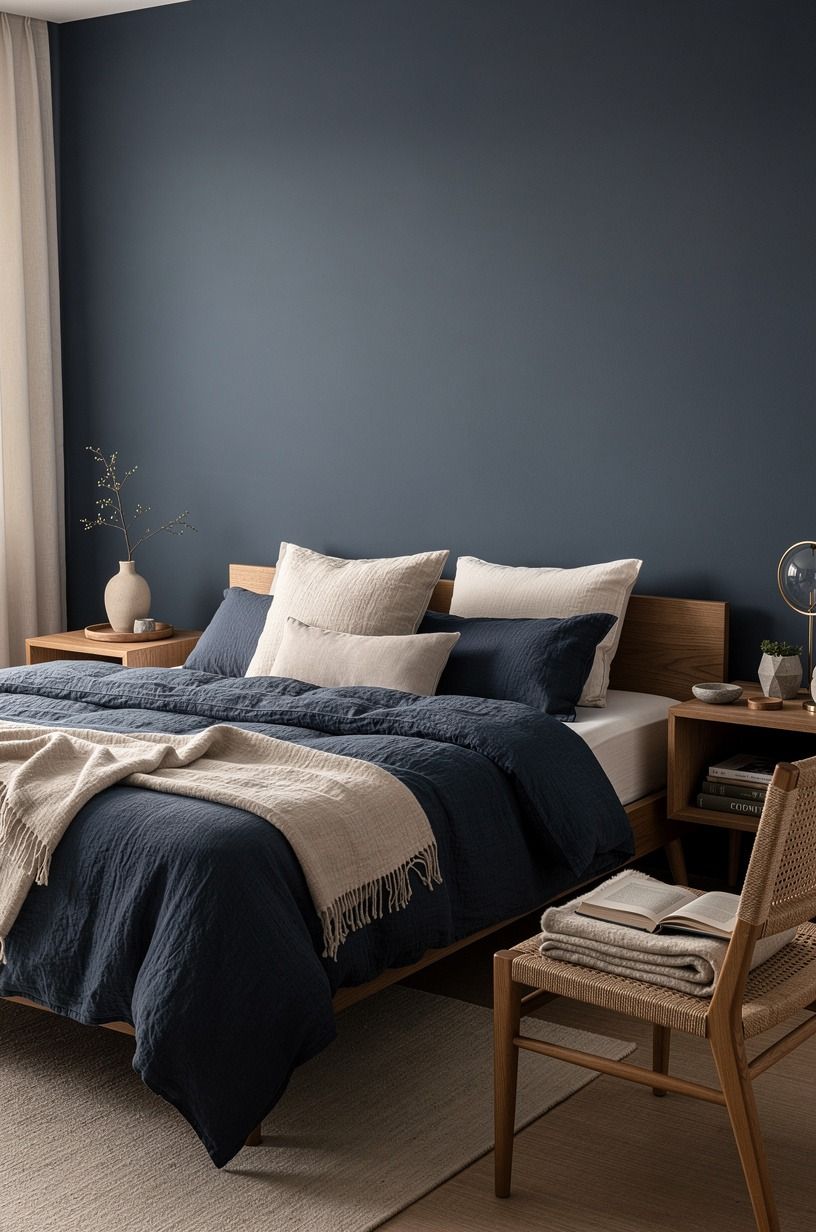
The old sheets were the thing I noticed every night, so I replaced those before buying art or a rug. I chose Organic Cotton Sheets because I wanted the bed to feel plain, breathable, and easy to wash, not precious. For me, that mattered more than an elaborate pattern.
And I wasn’t sure organic bedding would feel meaningfully different. I expected a label and a lot of marketing. What changed things for me was simpler: the bed stopped feeling slippery and overheated by morning.
That’s my own experience, not a promise for anyone else, but I slept better once the synthetic layers were gone.
I kept the palette loose: oat, faded clay, and one deep olive pillowcase I already owned. If you’re sorting through labels too, my notes on what organic bedding is worth versus marketing may save you from buying a whole matching set you don’t need.
The velvet layer made it feel finished
I thought a quilt was optional. I was wrong.
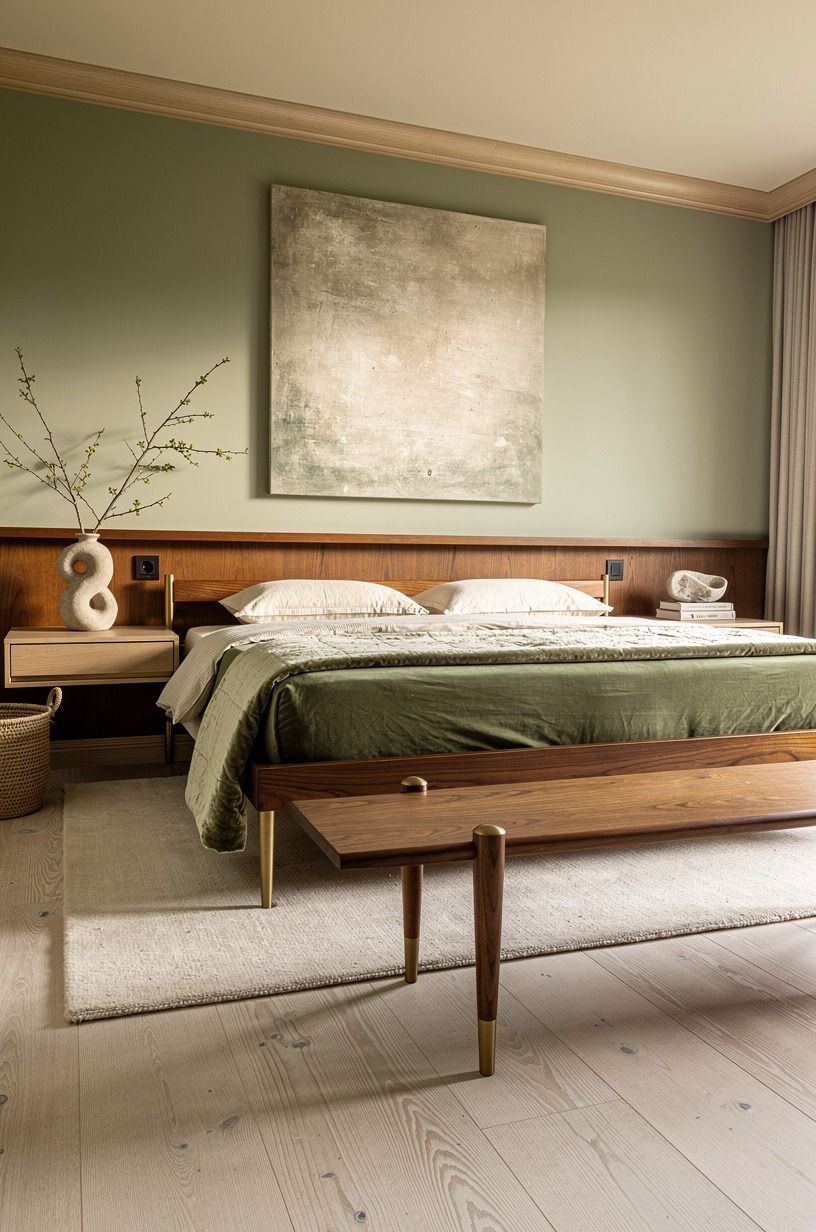
The Organic Velvet Quilt gave the bed weight without making it look overly styled. In late afternoon, the surface catches light in small dark patches, almost like worn fruit skin.
A weirdly specific pleasure. I liked that it made the simple cotton sheets look intentional instead of bare.
But I did hesitate. Velvet can go wrong quickly, especially in a small bedroom. I wouldn’t use it with shiny curtains, mirrored furniture, and a glossy headboard.
Too much reflection. My thrifted wood dresser needed something soft and matte beside it, not another loud surface.
I folded the quilt across the bottom third of the bed rather than pulling it up to the pillows. That showed more of the sheets and made the whole setup feel less formal.
A little rumpled. Better.

The Piece My Whole Bedroom Is Built Around
Natural materials, a 365-night home trial, free white glove delivery. Decide in your own room, not a showroom.
I used paint to quiet the secondhand mix
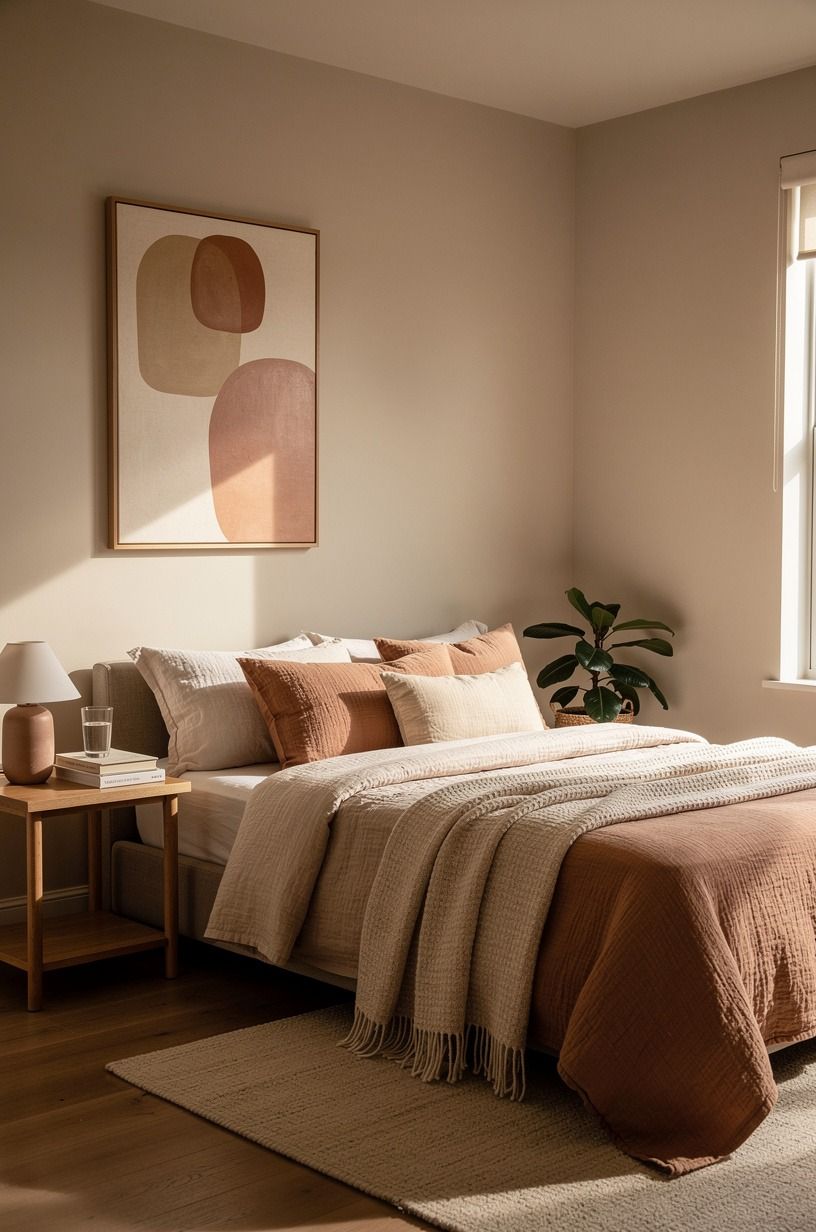
The thrifted pieces were warm wood, faded brass, and slightly different browns. Instead of trying to match them, I painted the walls Benjamin Moore Pale Oak OC-20. I wanted the room to recede around the furniture, not compete with it.
I considered Farrow & Ball Setting Plaster No. 231 for weeks. I still love it, and in a brighter room I might have picked it.
But my bedroom gets muddy light in the morning, and I knew a pink-leaning shade could make the dresser look more orange. Pale Oak gave me a softer backdrop without turning gray.
And yes, I painted around the bed instead of doing an accent wall. I think accent walls often look like somebody gave up halfway through. One quiet color across all four walls made the mismatched finds feel more peaceful, while the old brass lamp and framed print got to do their jobs.
I fixed the pillow problem with one small purchase
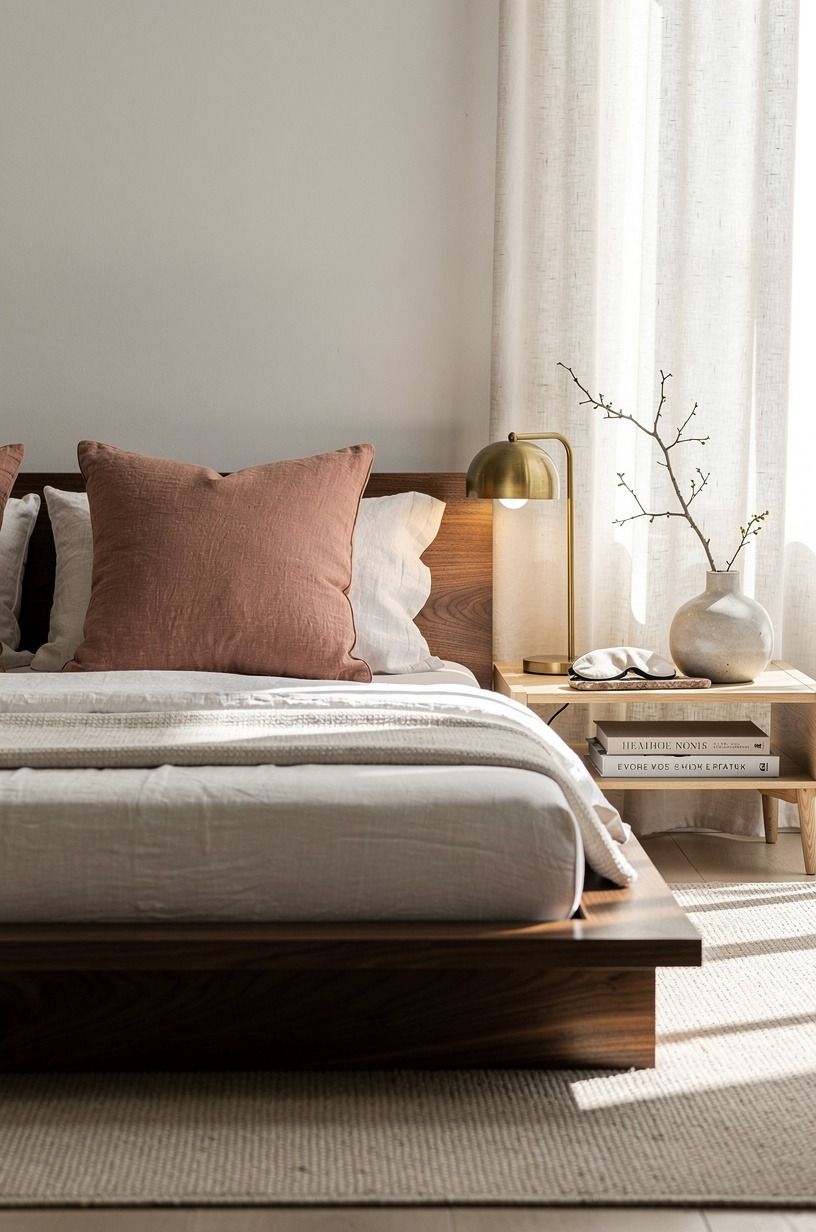
My pillows had become a pile of flat inserts and decorative cases I never used. Not charming. Just clutter.
I added one Organic Quilted Pillow in front of my sleeping pillows, then stopped. I’d rather see a made bed with two useful pillows than six little squares that land on the floor every night. The quilted texture echoed the velvet without repeating it exactly, and that slight mismatch made the bed feel lived-in.
For two weeks I regretted buying it. I thought it was too restrained and too small to matter.
Then I changed the lamp bulb, washed the sheets, and saw the bed as a whole. It was the missing bit of softness, not a centerpiece.
I was impatient. Happens.
If you run warm or share a bed, I’d also read this guide to organic bedding for hot sleepers and couples. I learned that comfort isn’t only about piling on more layers.
The thrifted details needed room to breathe
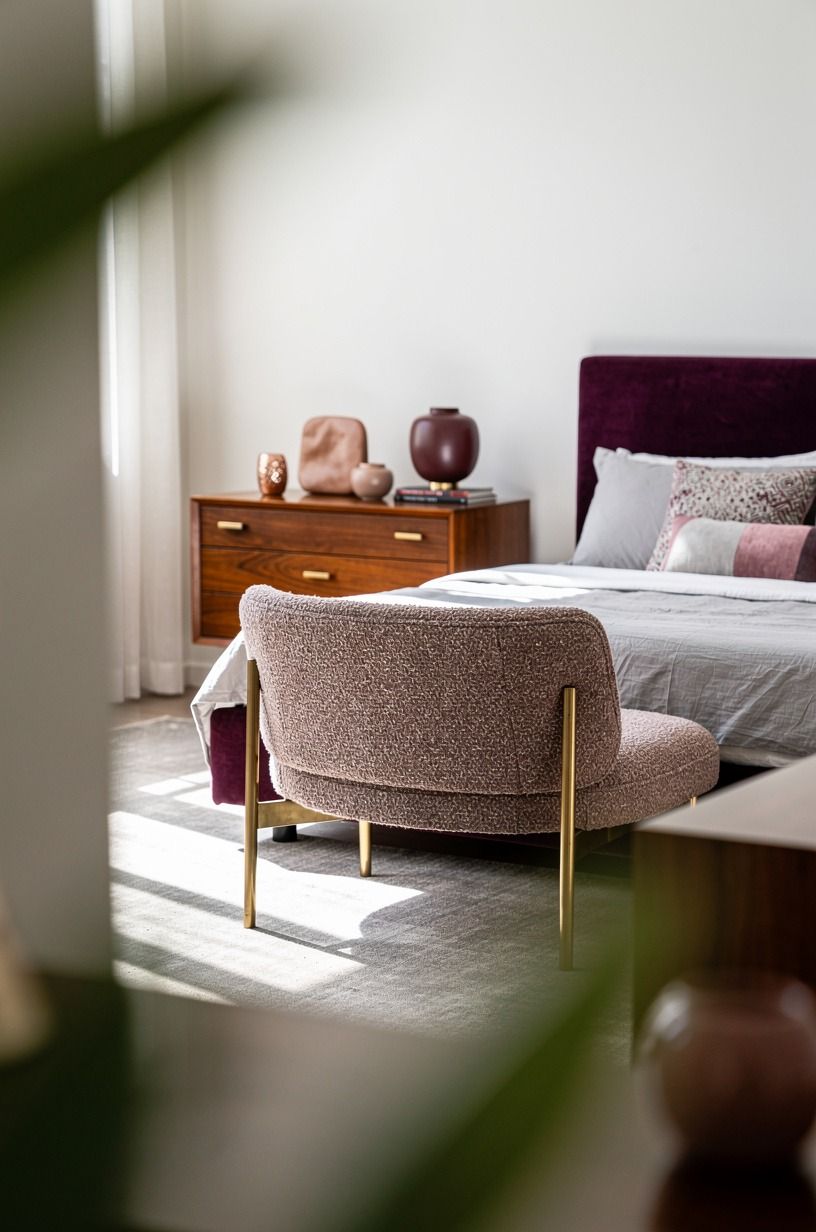
The final layer cost me almost nothing because I used what I had: a smoked-glass vase, two books with worn linen covers, and a small framed landscape from a flea market. I placed them low on the dresser and left most of the surface empty.
I’m firm about this. You don’t need to fill every flat space to make a bedroom feel warm. My first attempt had too many candles, too many trays, too much effort showing.
I removed half of it. The room got calmer immediately.
But the rug was where I made my one practical mistake. I bought a smaller thrifted wool rug because the colors were right, then realized it barely reached past the sides of the bed. A bedroom rug should usually extend 18 to 24 inches beyond the bed, and mine didn’t.
It still looks good, but I’d wait for the right size next time instead of forcing a bargain.
For more ideas that keep old materials in circulation, I liked this zero-waste bedroom refresh with plastic-free bedding. Mine isn’t flawless, but it wastes far less than the room I nearly replaced wholesale.
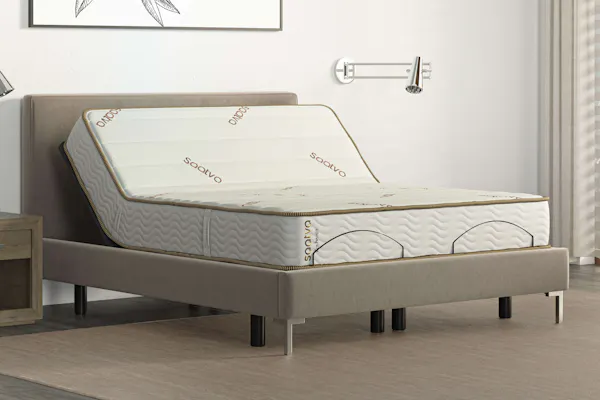 My pick for a healthier bedroomZenhavenTalalay latex, organic cotton, 365-night trial, lifetime warranty, free white glove delivery.See the Zenhaven
Build Your Own Healthier Bedroom
Sale pricing runs on orders over $1,000, and the 365-night trial gives you a full year of nights to be sure.
What I’d do differently, and what I’d keep
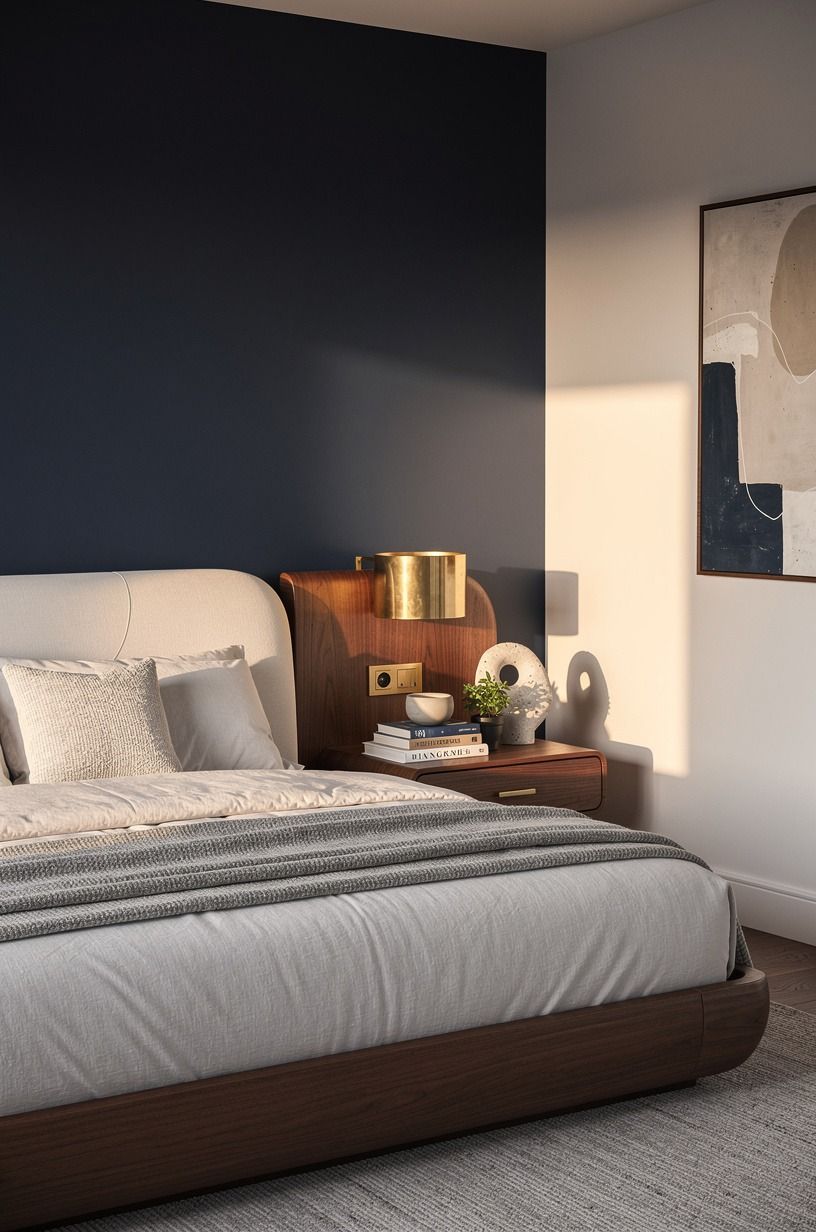
I’d hold out for a larger rug. No question. I’d also test paint samples on every wall before committing, because a warm neutral can look completely different by the window than it does behind the bed.
Still, I’d make the same bigger choices again. I’d choose thrifted wood over matching bedroom furniture every time, because the small dents and faded corners make the room feel like mine.
I’d choose simple organic bedding over decorative bedding that feels stiff. And I’d keep the palette quiet enough that the room can handle a new flea-market find without needing a full reset.
The best part is that I don’t walk in and see a project anymore. I see the velvet quilt folded at the foot of the bed, the brass lamp glowing against the pale wall, and one old dresser drawer that still sticks a little.