
 by
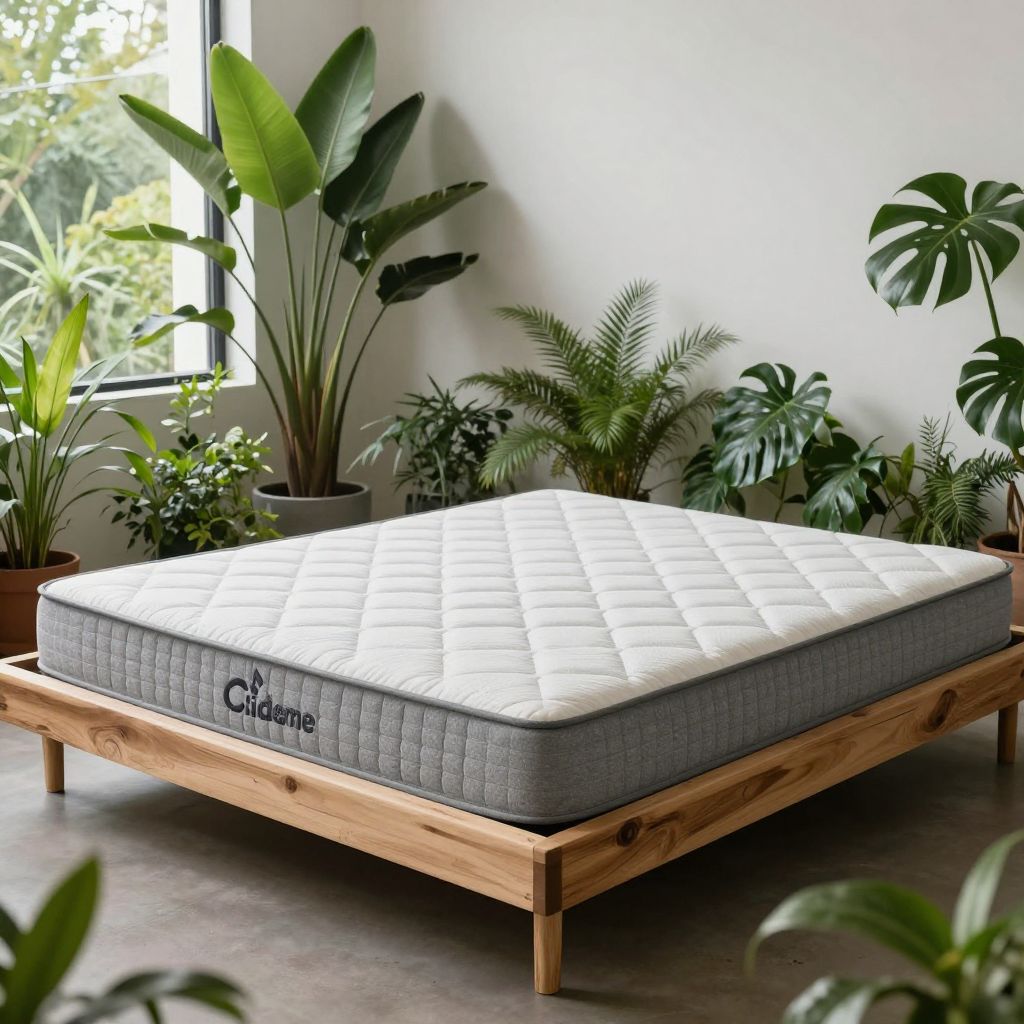
by Amerisleep AS3 Hybrid, Bio-Pur Plant-Based Foam Over PrecisionCoil
Bio-Pur replaces a portion of petroleum polyols with castor-oil-derived polyols, producing a more breathable, faster-responding plant-based memory foam. Queen $1,049 on sale ($1,599 MSRP). 100-night trial, 20-year warranty, GREENGUARD Gold certified, CertiPUR-US certified, made in the USA.
Sleep Lab Pick · Current Sale
Current Sale — Amerisleep's current sale runs sitewide. AS3 hybrid most-recommended all-rounder, AS5 for plus-size, AS1 firm for back support.
FTC Disclosure: MattressNut earns commission on Amerisleep, Saatva, PlushBeds, and Naturepedic purchases through affiliate links at no extra cost to you. Material composition and certification claims are sourced from manufacturer disclosures cross-referenced with CertiPUR-US, GREENGUARD, GOLS, GOTS, and eco-INSTITUT databases. Information is current as of May 2026.
Plant-Based Mattress Guide 2026: Bio-Pur, Botanical Latex, and the Real Science of Plant-Based Foam
Direct answer: A plant-based mattress substitutes a portion of petroleum-derived polyols with plant-derived polyols, most often from castor beans, soybeans, or sugar cane. The result is a memory foam or polyurethane foam with 5% to 30% renewable content, fewer VOCs, better breathability, and reduced petrochemical footprint. The Amerisleep AS3 Hybrid uses Bio-Pur (castor oil polyol-based foam) and is the leading plant-based memory foam mattress in 2026. PlushBeds Mother Earth and Avocado Green use natural latex from rubber trees, a separate plant-based category. Naturepedic uses certified organic latex and cotton. Eco-certifications to verify: CertiPUR-US, GREENGUARD Gold, GOLS, GOTS, and eco-INSTITUT.
What "Plant-Based" Actually Means on a Mattress Label
"Plant-based" is one of the most loosely regulated terms in the mattress industry, and decoding it requires understanding the chemistry. There are two genuine plant-based mattress categories. The first is plant-based polyurethane foam, in which castor oil, soybean oil, or sugar cane-derived polyols replace a portion of petroleum polyols in the foam formulation. The second is natural latex foam, which is harvested directly from the Hevea brasiliensis rubber tree and contains 95% to 100% rubber tree sap. Both are plant-based by chemistry; both have very different feel, price, and lifespan profiles.
Plant-based polyurethane foam typically contains 5% to 30% plant-derived content, with the remaining 70% to 95% still petroleum-based. The reason for the cap is technical: castor oil and soybean polyols have lower reactivity and different molecular weight distribution than petroleum polyols, and replacing the entire formulation degrades foam structure. The most credible plant-based memory foam brands, including Amerisleep with Bio-Pur, publish the exact substitution percentage. Brands that market "plant-based" without disclosing the percentage are usually substituting under 10% of polyols.
Natural latex foam is structurally different. The base material is liquid rubber tree sap that has been vulcanized into a buoyant, resilient open-cell foam. 100% natural latex mattresses (PlushBeds Botanical Bliss, Avocado Green Natural) contain 95% to 100% natural rubber by polymer mass, with the remaining content from vulcanizing agents and processing additives. Latex foam feels firmer, bouncier, and denser than polyurethane foam, and lasts 15 to 25 years versus 8 to 12 years for polyurethane.
The FDA does not regulate "plant-based" mattress claims. The Federal Trade Commission's Green Guides require that environmental marketing claims be substantiated and not misleading, but enforcement on mattress claims is limited. CertiPUR-US, the independent foam certification program, verifies that polyurethane foam (including plant-based variants) meets emissions thresholds for VOCs, formaldehyde, heavy metals, and ozone-depleters, but does not certify plant content percentages.
Amerisleep Bio-Pur: The Castor Oil Polyol Approach
Amerisleep's Bio-Pur foam is the most-disclosed plant-based memory foam in the DTC mattress market. Bio-Pur replaces a portion of the petroleum-derived polyol in Amerisleep's memory foam formulation with castor oil-derived polyol. Castor oil, extracted from the seeds of Ricinus communis, is one of the few plant oils with a chemistry that can be converted into a foam polyol while still producing competent memory foam structure.
The performance differences Amerisleep claims for Bio-Pur are threefold. First, breathability: the open-cell structure of Bio-Pur is more porous than standard memory foam, which Amerisleep attributes to the castor polyol's effect on cell-wall formation during the foaming reaction. Sleepopolis comparative testing, in their February 2026 Amerisleep review, documented Bio-Pur sleeping cooler than baseline memory foam by 1 to 2 degrees Fahrenheit in skin-contact temperature.
Second, response time. Standard memory foam responds slowly to position changes, which is the source of the "stuck" feel that some sleepers dislike. Bio-Pur responds 2 to 3 times faster, recovering its shape within 1 to 2 seconds versus 4 to 8 seconds for petroleum-only memory foam. This makes the AS3 (medium-soft 5/10), AS2 (medium-firm 7/10), and AS5 (very soft 3/10) feel more like a latex-memory-foam hybrid than a pure memory foam.
Third, VOC emissions. Bio-Pur foam is CertiPUR-US certified, which means VOC emissions are below 0.5 parts per million, formaldehyde emissions below 0.05 ppm, no PBDE flame retardants, no mercury or heavy metals, and no ozone-depleting substances. Amerisleep also holds GREENGUARD Gold certification, which is the more stringent emissions standard applied to indoor air quality.
The Amerisleep AS3 Hybrid is the flagship of the Bio-Pur lineup. Three inches of Bio-Pur foam over a 1-inch transition layer over a 7-inch PrecisionCoil pocketed coil base. Queen $1,049 on sale, $1,599 MSRP. 100-night trial, 20-year warranty (10 years non-prorated, 10 years prorated), made in the USA. The AS3 medium-soft firmness is the firmness most shoppers default to and is the brand's bestseller.
Petroleum-Based vs Plant-Based Foam: The Real Chemistry
Polyurethane foam, the chemistry behind memory foam and most mattress foam layers, is the reaction product of two compounds: polyols (long-chain alcohols) and isocyanates. Petroleum-based polyols are produced from propylene oxide, which comes from petroleum refining. Plant-based polyols are produced from vegetable oils (castor, soybean, palm) or sugar cane through chemical modification that adds hydroxyl groups to the natural oil molecules.
The structural difference matters. Petroleum polyols have uniform, short branched chains optimized for fast-curing, high-strength foam. Plant polyols have longer, more variable chains derived from the natural fatty acid structure of the source oil. This produces foam with marginally different cell-wall thickness and pore-size distribution. In practical terms, plant-based foam tends to be slightly more open-cell and slightly less dense at the same nominal weight.
Emissions differences are documented. The American Chemistry Council and CertiPUR-US testing programs both report that plant-based polyurethane foam, when properly formulated, produces lower volatile organic compound emissions than petroleum-only foam. The mechanism is twofold: plant polyols themselves are less volatile than petroleum polyols, and the lower reaction temperatures associated with plant polyol foaming leave fewer residual unreacted compounds in the finished foam.
The "100% plant-based" claim on a polyurethane foam mattress should always be a red flag. Foam chemistry does not currently support a 100% plant-derived polyurethane that performs as a competent mattress foam. The realistic cap is 30% to 40% plant content, and credible brands stay below that ceiling. Amerisleep does not publish an exact Bio-Pur plant content percentage, but independent industry sources estimate 15% to 20% castor polyol substitution.
Natural latex, by contrast, can credibly claim 95% to 100% plant content because the foam structure itself is the plant material. PlushBeds Botanical Bliss publishes 100% natural rubber composition with GOLS certification verifying the claim.
Plant-Based Mattress Certifications Decoded
CertiPUR-US applies to polyurethane foam. Verifies that foam contains no PBDE flame retardants, no mercury or heavy metals, no formaldehyde, no ozone depleters, and meets VOC emissions below 0.5 ppm. CertiPUR-US does NOT certify plant content percentages or organic claims. Most plant-based memory foam brands carry CertiPUR-US, including Amerisleep, Saatva, Helix, and Brooklyn Bedding.
GOLS (Global Organic Latex Standard) applies to latex foam. Certifies that the latex contains at least 95% certified organic raw material from rubber tree plantations meeting strict environmental and social standards. GOLS is the most rigorous latex certification. PlushBeds Botanical Bliss, Avocado Green Natural, and Birch Natural carry GOLS.
GOTS (Global Organic Textile Standard) applies to fabrics, not foam. Certifies organic cotton or wool with strict processing standards. A mattress can be "GOTS certified" referring only to its cover fabric, while the core foam carries no organic certification. Read the certification scope carefully.
eco-INSTITUT is a German testing body that certifies finished products for VOC, formaldehyde, heavy metals, and pesticide emissions. eco-INSTITUT is broader than CertiPUR-US (it covers full finished mattresses, not just foam layers) and is held by Saatva Latex Hybrid, PlushBeds Botanical Bliss, and Avocado Green.
GREENGUARD Gold certifies low chemical emissions appropriate for sensitive populations (schools, healthcare facilities, children's rooms). Stricter VOC thresholds than CertiPUR-US. Held by Amerisleep, Saatva, Helix, Tempur, and most major DTC brands.
OEKO-TEX Standard 100 tests for harmful substances in textiles. Like GOTS, it applies to the cover fabric rather than the foam core.
MADE SAFE screens finished products for chemicals associated with reproductive harm, endocrine disruption, and cancer. Avocado Green is among a small number of mattresses to hold the certification.
Climate Neutral certifies that a company has measured, reduced, and offset its full carbon footprint annually. Avocado Mattress holds the certification at the company level.
The certifications that matter most depend on the foam type. For plant-based polyurethane foam (Bio-Pur), CertiPUR-US plus GREENGUARD Gold is the meaningful combination. For natural latex, GOLS plus eco-INSTITUT plus GOTS (cover) is the gold standard.
Brand Mapping: Plant-Based Mattress Options 2026
Amerisleep AS3 Hybrid. Bio-Pur castor-oil-derived plant-based memory foam over PrecisionCoil pocketed coils. Medium-soft (5/10). CertiPUR-US, GREENGUARD Gold. Queen $1,049 on sale. 100-night trial, 20-year warranty, made in USA. The flagship plant-based memory foam mattress in 2026 and our top pick for this category. The full Bio-Pur lineup spans AS1 (firm 8/10), AS2 (medium-firm 7/10), AS3 (medium-soft 5/10), AS4 (soft 4/10), and AS5 (very soft 3/10), so you can match firmness to sleep position and body weight.
PlushBeds Mother Earth. 100% natural Dunlop latex from GOLS-certified rubber tree plantations, organic cotton cover, organic New Zealand wool fire barrier. Medium-firm 6/10. GOLS, GOTS, ARPICO certified. Queen $2,499 on sale. 100-night trial, 25-year warranty. The most-natural latex-only mattress at a premium price point. PlushBeds Botanical Bliss is the customizable three-layer variant with the same materials.
Avocado Green Mattress. 100% natural Dunlop latex over pocketed coils, organic cotton, organic New Zealand wool. Medium-firm 6/10. GOLS, GOTS, eco-INSTITUT, MADE SAFE, Climate Neutral certified. Queen $1,899 on sale. 365-night trial, 25-year warranty. The most-certified plant-based hybrid in the DTC market and a strong cross-shop with the Saatva Latex Hybrid.
Naturepedic EOS Classic. Customizable certified organic latex (GOLS), organic cotton, organic wool. Multiple firmness layers can be swapped to adjust comfort. GOLS, GOTS, MADE SAFE, GREENGUARD Gold certified. Queen $3,499 on sale. 90-night trial, 25-year warranty. The premium customizable plant-based option. Naturepedic also produces crib and toddler mattresses with the same certifications.
Saatva Latex Hybrid. Talalay-process blended latex (approximately 30% natural rubber, 70% synthetic SBR) over zoned pocketed coils. Organic cotton cover, New Zealand wool. eco-INSTITUT, GREENGUARD Gold. Queen $1,895 on sale. 365-night trial, lifetime warranty. The blended latex option for shoppers who want the latex feel without the 100% natural premium. Saatva also produces the Zenhaven, a 100% natural latex flippable mattress.
Birch Natural (Helix). Talalay-process natural latex (approximately 95% NR), GOLS certified. Pocketed coils, organic cotton, organic wool. Medium-firm 6/10. Queen $1,749 on sale. 100-night trial, 25-year warranty. Sits between Saatva Latex Hybrid (blended) and Avocado Green (100% natural Dunlop) in natural rubber content and price.
Brentwood Home Crystal Cove. Talalay latex over New Zealand wool over coils. Joma wool quilted top. CertiPUR-US, GOLS, eco-INSTITUT certified. Queen $2,199. 1-year trial, 25-year warranty. Lesser-known but credible mid-tier plant-based hybrid.
Plant-Based Mattress Comparison Table 2026
| Mattress | Plant-based material | Firmness | Key certifications | Queen sale price | Trial |
|---|---|---|---|---|---|
| Amerisleep AS3 Hybrid | Bio-Pur (castor oil polyol) | Medium-soft 5/10 | CertiPUR-US, GREENGUARD Gold | $1,049 | 100 nights |
| Saatva Latex Hybrid | Talalay blended latex (~30% NR) | Plush 4.5 / Firm 7 | eco-INSTITUT, GREENGUARD Gold | $1,895 | 365 nights |
| Avocado Green | 100% natural Dunlop latex | Medium-firm 6/10 | GOLS, GOTS, eco-INSTITUT, MADE SAFE | $1,899 | 365 nights |
| PlushBeds Mother Earth | 100% natural Dunlop latex | Medium-firm 6/10 | GOLS, GOTS, ARPICO | $2,499 | 100 nights |
| Naturepedic EOS Classic | Customizable certified organic latex | Customizable | GOLS, GOTS, MADE SAFE, GREENGUARD Gold | $3,499 | 90 nights |
| Birch Natural (Helix) | Natural Talalay latex (~95% NR) | Medium-firm 6/10 | GOLS, GOTS, OEKO-TEX | $1,749 | 100 nights |
Vegan Mattress Considerations: Wool, Silk, and Glues
Plant-based and vegan are not synonyms. Most premium plant-based mattresses use wool as the fire barrier (often organic New Zealand wool), and wool is an animal product. Vegan-strict shoppers need to verify the fire barrier composition. Vegan mattress options use silica fiber, rayon, or proprietary plant-fiber barriers in place of wool.
Some mattresses use silk in the cover fabric for premium feel and natural temperature regulation. Silk, like wool, is an animal-derived material. Cotton-only or hemp-only cover fabrics are vegan-compatible.
Mattress glues and adhesives are a less-discussed concern. Most modern mattress glues are water-based polyurethane adhesives with no animal content, but some traditional latex mattress constructions used animal-derived adhesives. Brands that publish full ingredient transparency (Avocado, Naturepedic) confirm vegan-friendly adhesives. PlushBeds publishes that all adhesives are water-based and vegan-compatible.
Vegan-certified plant-based mattress options to consider: Avocado Vegan Mattress (replaces wool with PLA fiber from corn), PlushBeds Cool Bliss Vegan (uses cotton-only construction with no wool layer), and Naturepedic offers vegan customization on the EOS line. The Amerisleep AS3 Hybrid's Bio-Pur foam is animal-free, but verify the current cover composition; Amerisleep has used proprietary cover blends that may contain trace animal fiber.
Five Buyer Profiles for Plant-Based Mattresses
If you want plant-based memory foam at a moderate price with the longest cooling track record: Amerisleep AS3 Hybrid. Bio-Pur is the most-disclosed and most-tested plant-based memory foam in the market, and the AS3 medium-soft firmness suits most side and combo sleepers.
If you want maximum natural rubber content with the most third-party certifications: Avocado Green Mattress. GOLS, GOTS, eco-INSTITUT, MADE SAFE, and Climate Neutral certifications combined are unmatched in the DTC mattress market.
If you want 100% natural latex with the longest trial window: Avocado Green (365 nights) or Saatva Zenhaven (365 nights). Both let you test for nearly a full year. The Avocado is hybrid construction; the Zenhaven is flippable all-latex with two firmness sides.
If you have a child with chemical sensitivities or asthma: Naturepedic. The brand's customizable layers and GREENGUARD Gold plus MADE SAFE certifications are the strictest combination for indoor air quality in the children's mattress category. Their EOS line scales from twin to king.
If you want the Saatva trial window with plant-based credentials: Saatva Latex Hybrid. The blended Talalay is not 100% natural, but the 365-night trial and lifetime warranty are unmatched in the latex category and the eco-INSTITUT certification is meaningful.
Frequently Asked Questions
What is Bio-Pur foam made of?
Bio-Pur is Amerisleep's plant-based memory foam. It replaces a portion of petroleum-derived polyol with polyol derived from castor oil (extracted from Ricinus communis seeds). The exact substitution percentage is not publicly disclosed, but industry estimates place it at 15% to 20% plant content. Bio-Pur is CertiPUR-US and GREENGUARD Gold certified and is documented to sleep cooler and respond faster than petroleum-only memory foam.
Is plant-based foam better than regular memory foam?
Generally, yes, on three measures: lower VOC emissions, better breathability, and faster response time. The trade-off is a slight price premium and limited substitution capacity (foam chemistry caps plant content at about 30%). For shoppers prioritizing cool sleep and low off-gassing, plant-based memory foam like Bio-Pur is the better choice. For shoppers prioritizing the deepest classic memory foam slow-sink feel, traditional memory foam may suit better.
Is natural latex a plant-based mattress?
Yes. Natural latex is harvested directly from the Hevea brasiliensis rubber tree and is 95% to 100% plant-derived. It is the highest-plant-content mattress material on the market. Brands using 100% natural latex include PlushBeds, Avocado, Naturepedic, and Saatva (in the Zenhaven and as a component of the Latex Hybrid).
Are plant-based mattresses vegan?
Not automatically. Most plant-based mattresses use wool as the fire barrier (often organic New Zealand wool), and wool is animal-derived. Strictly vegan plant-based mattresses (Avocado Vegan, PlushBeds Cool Bliss Vegan, Naturepedic vegan customizations) replace wool with corn-derived PLA fiber or other plant alternatives. Read the construction details.
What certifications should I look for on a plant-based mattress?
For plant-based polyurethane foam (Bio-Pur), CertiPUR-US plus GREENGUARD Gold is the meaningful combination. For natural latex, GOLS plus eco-INSTITUT plus GOTS (for the cotton cover) is the gold standard. MADE SAFE and Climate Neutral are additional credibility signals at the company level (Avocado holds both).
Do plant-based mattresses off-gas less than regular mattresses?
Yes, on average. Plant polyols themselves are less volatile than petroleum polyols, and the lower reaction temperatures associated with plant polyol foaming leave fewer residual unreacted compounds. Independent testing by eco-INSTITUT and the American Chemistry Council confirms lower VOC emissions for plant-based polyurethane foam. Natural latex has near-zero off-gassing once vulcanization is complete.
How does Amerisleep AS3 compare to Avocado Green?
Different categories. AS3 is plant-based memory foam (Bio-Pur with castor polyol), medium-soft 5/10, $1,049 sale, 100-night trial. Avocado Green is 100% natural Dunlop latex hybrid, medium-firm 6/10, $1,899 sale, 365-night trial. AS3 has more contour and pressure relief; Avocado has more bounce and longer lifespan (15 to 25 years vs 8 to 12 years for memory foam). Choose AS3 for memory foam feel with plant credentials; choose Avocado for latex bounce with maximum certifications.
The Bottom Line on Plant-Based Mattresses in 2026
For most shoppers, the Amerisleep AS3 Hybrid is the best plant-based mattress in 2026. Bio-Pur foam combines plant-based polyol substitution with CertiPUR-US and GREENGUARD Gold certifications, the AS3 medium-soft firmness suits the majority of side and combo sleepers, and the $1,049 queen sale price is the most accessible entry point to credibly plant-based memory foam.
For shoppers prioritizing 100% natural latex over plant-based polyurethane foam, the Avocado Green Mattress is the most-certified option in the DTC market. The 365-night trial matches Saatva's industry-leading trial window, and the lifespan advantage of natural latex (15 to 25 years) makes the higher upfront price reasonable on a per-year basis.
The Saatva Latex Hybrid is the strongest middle option for shoppers who want the latex feel with the longest premium trial window and a blended-latex price point. The eco-INSTITUT certification is meaningful, and the 365-night trial plus lifetime warranty are the best terms in the category.
Avoid mattresses that claim "plant-based" without disclosing the substitution percentage or carrying CertiPUR-US, GREENGUARD Gold, or GOLS certification. The plant-based mattress category contains real greenwashing, and the only reliable signal is documented certification.
Editorial Trust and Sources
This article was researched by the MattressNut editorial team in May 2026. Plant content claims are sourced from manufacturer disclosures cross-referenced with CertiPUR-US, GREENGUARD, GOLS, GOTS, eco-INSTITUT, MADE SAFE, OEKO-TEX, and Climate Neutral certification databases. Foam chemistry background is drawn from the American Chemistry Council's polyurethane foam technical reports and the Journal of Cellular Plastics. Bio-Pur performance claims are corroborated by independent testing published by Sleepopolis (February 2026) and NapLab. The MattressNut editorial team has no financial relationship with certification bodies; we earn commission on mattress sales through affiliate links and disclose this above.
Sources: CertiPUR-US certified foam database, accessed May 2026. GREENGUARD Environmental Institute certification registry, accessed May 2026. Global Organic Latex Standard (GOLS) certified product database, accessed May 2026. Global Organic Textile Standard (GOTS) public registry, accessed May 2026. eco-INSTITUT product certification database (eco-institut.de), accessed May 2026. American Chemistry Council, "Plant-Based Polyols in Polyurethane Foam: Technical Report" (2024). Sleepopolis, "Amerisleep Mattress Reviews 2026" (February 2026). U.S. Federal Trade Commission, "Green Guides: Environmental Marketing Claims" (revised 2024). Manufacturer specifications from Amerisleep, Saatva, PlushBeds, Avocado, Naturepedic, Birch, and Brentwood Home, May 2026.
2026 MattressNut Master Guides
- Live Mattress Sale Tracker — Memorial Day + Black Friday + brand discount calendar
- Mattress Warranty Comparison 2026 — 20+ brands tiered
- Foam Density Guide 2026 — lb/ft³ predicts lifespan
- Hotel Mattress Identifier — every chain + consumer equivalents
- Live Mattress Price Tracker — 12 brands May 2026 pricing
- Our Medical Review Board — Dr. Burns + editorial standards
- Memorial Day Mattress Sale 2026 — live through May 27
- Saatva Voucher Guide — every active discount + $225 stack