 by
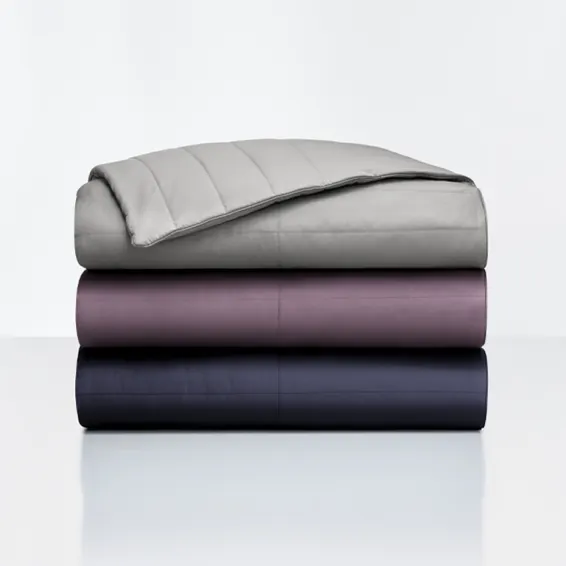
by Quick answer: A real cooling blanket pulls heat and moisture away from your body through breathable fabrics or cool-to-the-touch yarns. My pick for hot sleepers: the True Temp™ Weighted blanket, priced in the premium tier — check the current price on the official site.
- Dual-sided designs pair a cooling face with a natural-fiber face for year-round use, according to manufacturer spec sheets.
- Weighted blankets can sleep cool when the cover is breathable and the fill distributes evenly, per published product documentation.
- Certifications like OEKO-TEX add reliability to cooling claims, according to the certifying bodies themselves.
Updated July 2026 · Reviewed for accuracy
Most "cooling" blankets are marketing. A polyester throw with the word "cool" printed on the packaging is not a cooling blanket. A real cooling blanket does one of two things: it moves heat and sweat away from your skin through breathable, moisture-wicking fabric, or it uses specialty yarns that feel cool on contact. Some do both. This guide breaks down the technologies that genuinely work, the materials behind them, and how to tell substance from spin before you spend anything.
What "real cooling" actually means
Here's the core truth: no passive blanket lowers your body temperature the way air conditioning does. What a legitimate cooling blanket does is stop trapping the heat your body already produces. That's a meaningful difference on a sticky July night.
According to textile product documentation across the category, real cooling performance comes from three mechanisms. First, breathability: loosely woven or naturally porous fibers let warm air escape instead of pooling around you. Second, moisture-wicking: the fabric pulls sweat off your skin and spreads it across a larger surface so it evaporates faster, and evaporation is what actually cools you. Third, cool-to-the-touch yarns: specialty fibers that conduct heat away from your skin faster than ordinary polyester or cotton on first contact.
If a blanket's only claim is that it's "lightweight," that's not cooling. A thin acrylic blanket is light and still sleeps hot, because the fiber itself traps heat and doesn't wick moisture. Construction and fiber choice matter, not just bulk.
The Nut's rule of thumb: if the product page can't tell you the exact fabric, the yarn technology, or a certification, assume it's a regular blanket in cooling clothing.
The cooling technologies, compared
Not all cooling approaches behave the same way through the night. Based on manufacturer documentation and textile certification literature, here's how the main categories stack up:
| Technology | How it works | Strengths | Limits |
|---|---|---|---|
| Breathable natural fibers (bamboo, lyocell, linen, cotton) | Airflow plus moisture-wicking | Consistent all night, easy care, soft hand feel | No instant cool sensation on contact |
| Cooling yarns (such as Arc-Chill type fibers) | High thermal conductivity, cool on touch | Immediate cool feel, good for falling asleep | Sensation fades as the fabric warms to skin temperature |
| Phase-change materials | Absorb and release heat to buffer temperature swings | Active regulation, not just passive wicking | Performance depends on coating durability through washes |
| Active powered systems (fans, pumps, embedded tech) | Forced air or fluid circulation | Strongest temperature control available | Noise, maintenance, and a premium price tier |
For most hot sleepers, I point toward the first two rows. Breathable fibers keep you drier all night, and cooling yarns help you drift off faster. Phase-change coatings sound great in a spec sheet, but per care documentation in the category, coatings can degrade with repeated laundering. Powered systems work, but you're now maintaining hardware, and owner feedback across sleep forums regularly flags noise as a dealbreaker for light sleepers.
Comparing options? The True Temp™ Weighted blanket is the pick we keep coming back to — see the final verdict ↓
The materials that actually breathe
Fiber choice is where the real work happens. According to textile manufacturers' own published specs, these are the fabrics with genuine cooling credentials:
- Bamboo viscose: soft, highly breathable, and a strong moisture-wicker. It's one of the most common faces on legitimate cooling blankets, and owner reviews consistently praise the silky hand feel.
- Eucalyptus lyocell (TENCEL): per the fiber producer's documentation, lyocell absorbs moisture efficiently and releases it quickly, which is exactly the mechanism that cools skin. It also drapes well and resists that clammy feeling.
- Linen and flax blends: the oldest cooling fabric there is. Linen's loose weave moves air freely, though it wrinkles and feels crisper than bamboo.
- Cotton: breathable and familiar, but it holds moisture longer than lyocell or bamboo once you're sweating. Fine for warm rooms, less ideal for serious night sweaters.
On the other side of the ledger: dense polyester and microfiber covers feel soft on the shelf and sleep warm in bed. Polyester can be engineered to wick, but the base fiber is hydrophobic and tends to trap heat unless the knit is specifically built for airflow. When a blanket doesn't disclose its fabric blend, that silence tells you something.
Quick material checklist before buying:
- Fabric named explicitly (bamboo, lyocell, linen) rather than "premium blend"
- Moisture-wicking or cool-to-the-touch claim tied to a named yarn or finish
- A third-party certification such as OEKO-TEX, which per the certifying body verifies the textile is free of harmful substances
- A removable, machine-washable cover listed in the care instructions
If you want the full physics of why these fibers behave differently, my explainer on how cooling blankets work walks through the heat-transfer side in plain language.
Can a weighted blanket sleep cool?
Yes, and this surprises people. Weight itself isn't the enemy — trapped heat is. A weighted blanket sleeps hot when the fill is wrapped in a dense synthetic shell that seals warmth against your body. Swap that shell for a breathable bamboo or lyocell cover and use a fill that distributes evenly, and the same calming pressure works on a summer night.
Per product documentation across the weighted category, the details that determine whether a weighted blanket runs cool are the cover fabric, the fill type, and the quilting. Glass microbead fills tend to sleep cooler than plastic pellet fills because glass doesn't insulate the same way. Tight, even quilting keeps the fill from migrating into hot clumps at your feet or chest, which matters more than people expect — an uneven fill creates hot spots and dead zones in the same blanket.
I've covered this niche before, including in my Gravity cooling weighted blanket review, and the pattern holds: cover fabric first, fill second, weight third. If you're shopping specifically for hot-weather pressure, my roundup of the best cooling weighted blankets for summer compares the category head to head.
Care and durability: where cooling claims go to die
A cooling blanket you can't wash is a cooling blanket for one season. Sweat, body oils, and skin cells build up fast in summer, and per care guidance from textile certifiers, clogged fabric wicks worse and breathes worse. The cooling performance you paid for quietly degrades.
Before buying, check the care label language on the product page. The details I look for: a removable cover that's machine washable, fill that tolerates laundering or is fully encased so only the cover needs washing, and drying instructions that don't demand dry-clean-only treatment. Some cooling finishes and phase-change coatings carry special washing restrictions, per manufacturer care pages, so read them before you assume it survives your laundry routine.
Durability signal: stitching quality around the edges and quilting tells you a lot. Owner reviews across the category flag seam failures and fill leakage as the most common long-term complaints, and both show up in photos within the first year when construction is cheap.
Also look for a satisfaction guarantee or trial window in the brand's policies. A company confident in its cooling claims will let you sleep on it before committing. Per the warranty and returns pages of the serious players in this space, that's increasingly standard — and its absence is a red flag.
Who should buy one (and who shouldn't)
Buy a real cooling blanket if you sleep hot, wake up sweaty, live somewhere with warm nights, or share a bed with a partner whose thermostat preferences differ from yours. A breathable blanket is the cheapest meaningful intervention in a hot sleep setup — cheaper than a new mattress, cheaper than a bed cooling system, and zero installation.
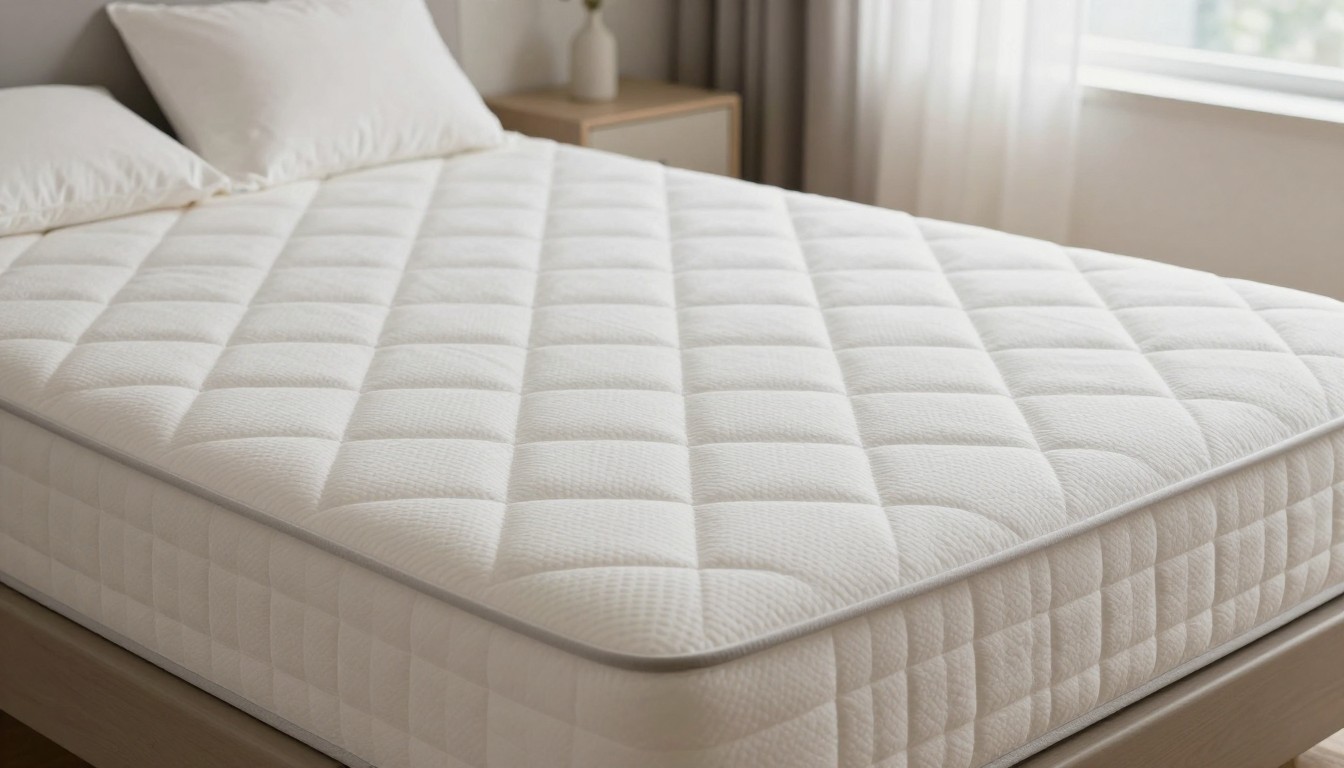
Skip it if your problem is a heat-trapping mattress. No blanket fixes memory foam that holds warmth against your back; treat the cause first. Also skip the premium end if you only run warm a few weeks a year — a simple bamboo or linen throw covers seasonal use without the specialty-yarn price. My broader cooling blanket guide maps the full category if you're still deciding which type fits.
For hot sleepers who also want gentle pressure, my pick is the True Temp™ Weighted blanket. It's built around temperature-balancing fabric rather than a bare "cooling" label, the cover is designed for warm sleepers, and per the manufacturer's product page it carries a trial period and warranty that back the claims. It sits in the premium tier, so check the current offer on the official site — but for a weighted option that doesn't turn into a heat trap, it's the one I'd point a friend to.
FAQ
Do cooling blankets actually work?
Yes, when they use the right mechanism. Breathable, moisture-wicking fabrics like bamboo and lyocell genuinely move heat and sweat away from your skin, and specialty cooling yarns feel cool on contact per their manufacturers' documentation. What they don't do is actively refrigerate you — no passive blanket does.
What's the coolest fabric for a blanket?
Per fiber producers' published specs, eucalyptus lyocell and bamboo viscose lead on moisture-wicking, while linen leads on raw airflow. Cotton is breathable but holds moisture longer once you sweat, so serious night sweaters usually do better with lyocell or bamboo.
Can I use a weighted blanket in summer?
You can, if it's built for it. Look for a breathable cover, a fill that distributes evenly, and quilting that prevents hot clumps. According to product documentation across the category, glass-bead fills generally sleep cooler than plastic pellets.
Are cooling blankets machine washable?
Many are, but not all — some cooling finishes and phase-change coatings carry washing restrictions, per manufacturer care pages. Always check the care label language before buying, and favor designs with a removable, washable cover.
How do I spot fake cooling claims?
Look for specifics. A legitimate product names its fabric, its yarn technology or finish, and ideally a third-party certification like OEKO-TEX. Vague terms like "cooling technology" with no material disclosure usually mean ordinary synthetic fabric with a marketing budget.
FINAL VERDICT
Bottom line for anyone hunting a real cooling blanket: if you want cooling you can feel, not just read about, the True Temp™ Weighted blanket is the safer buy — you get real temperature control from a brand you can still find next year, not a marketplace listing that vanishes.
OUR CATEGORY-MATCHED PICK
True Temp™ Weighted blanket
- See the product page for full specs and current pricing