
 by
by Temporary flooring for renters that comes up in one afternoon usually costs about $100-$300 when you reuse what you own and skip permanent adhesive. I learned that after one overconfident Saturday with peel-and-stick tiles. The warm, inviting version is simpler: cover the ugly parts, protect the floor, and keep your exit plan visible. You can do this.
- Float a Woven Rug Over the Existing Floor
- Use the Two-Wood Rule for Warmth
- Map the One-Afternoon Cost Before You Shop
- Peel-and-Stick Over Permanent Tile
- Build the Soft Boundary Method
- Layer Interlocking Cork Tiles Where You Walk
- Paint the Subfloor If Your Lease Allows It
- Try the Three-Height Light Stack
- Swap Hard Edges for Washable Cotton Mats
- Anchor a Small Room With a Large Rug
- Cut Felt Underlays Instead of Gluing
- Frame the Floor With Removable Trim
- Mix Plywood Panels With a Painted Border
- Choose Warm Neutrals Over Cool Gray
- Borrow the Floating Furniture Grid
- Make Rental Flooring Temporary With a Roll-Back Plan
- Style the Entry With the First-Step Zone
- What Should You Remove First?
1Float a Woven Rug Over the Existing Floor
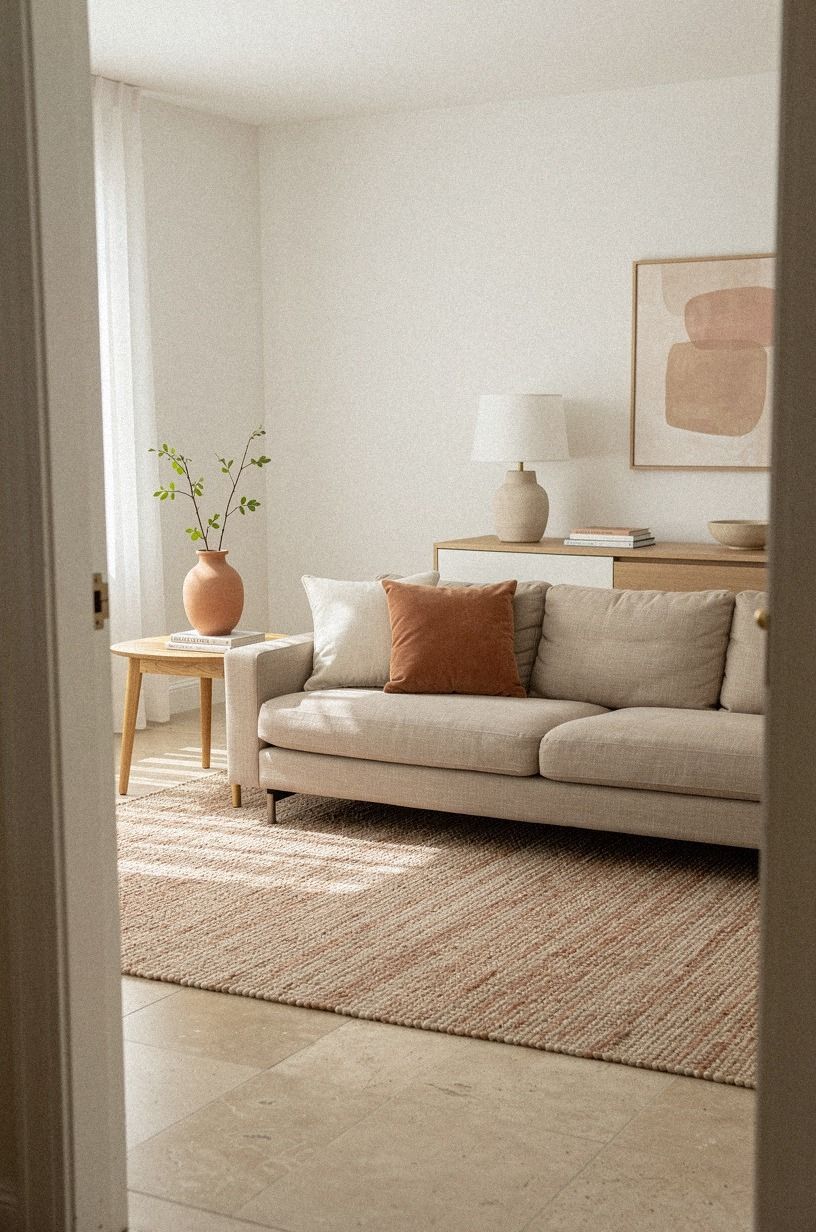
A large rug is the fastest temporary flooring move because you don’t have to touch the floor beneath it. Choose a flatweave rug in clay or linen tones with enough weight to stay put, then let your sofa or bed overlap the edges. A warm travertine surface and one aged brass accent can make the whole arrangement feel intentional.
I’d skip a tiny mat in the middle of the room. It makes your furniture look stranded, and you’ll still see the old floor around every side.
A 9x12-style proportion works beautifully when your furniture can overlap it, while a smaller rug makes sense beside a bed or under a desk. If you’re working with almost no floor space, browse these wall bookshelf ideas for renters with no floor space, then keep the floor visually calm.
The best part is the exit. You can roll the rug, vacuum underneath, and leave without a mark. That’s warm, earthy, and renter-safe in one afternoon.
2Use the Two-Wood Rule for Warmth
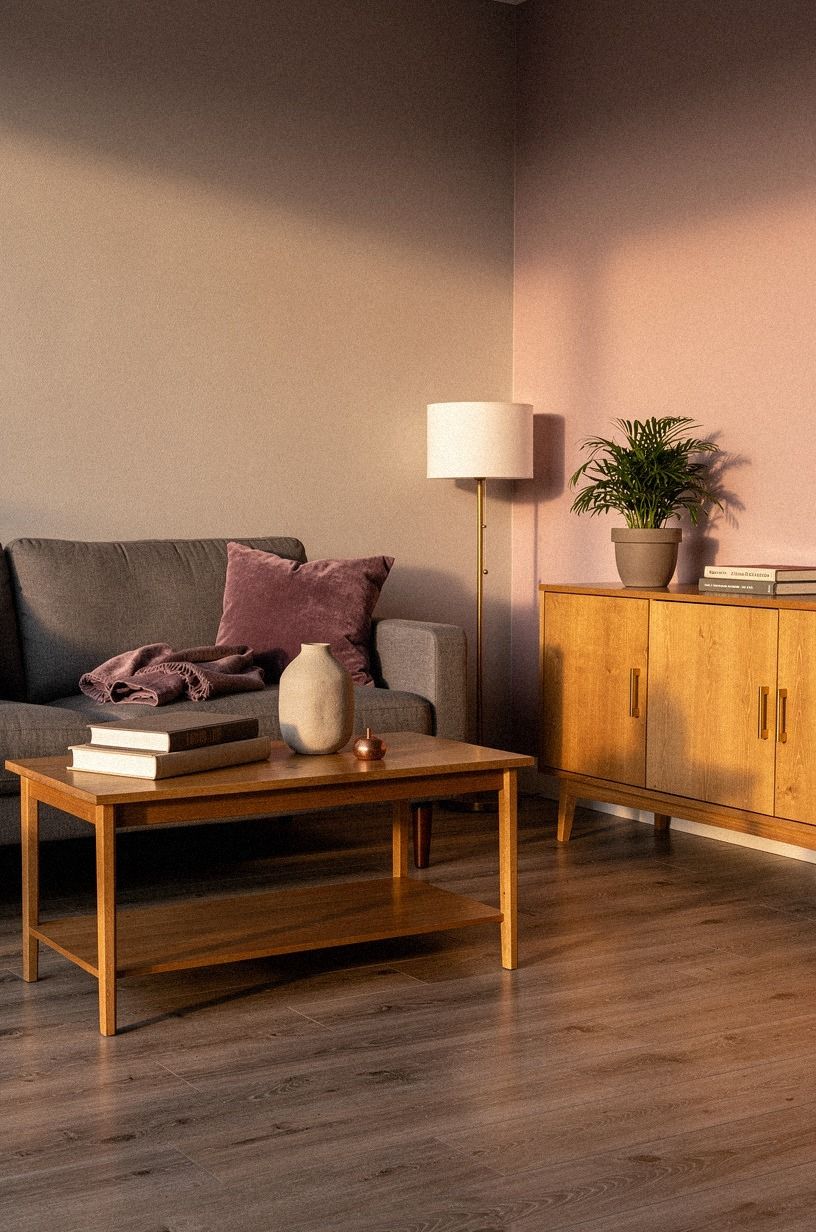
The Two-Wood Rule keeps temporary flooring from looking like a pile of unrelated samples. Pick one wood tone for the floor cover and one supporting tone for furniture, then stop. A plum-toned woven mat beside a grey wood table can feel restrained, while a rose-gold detail and unlacquered brass developing patina add character without adding another competing stain.
You don’t need matching pieces. You need a clear relationship.
If your rental floor is orange oak, choose a cooler woven wood tone rather than trying to imitate it. I’ve made the mistake of buying a nearly matching brown, and it looked accidental by sunset.
Your eye wants contrast, not a nervous disguise.
And you can soften the divide with grey curtains, a plum cushion, or an aged brass lamp. For another renter-friendly layer, see these temporary fake wall ideas that leave no damage. The room will feel calmer because the materials speak to each other.
3Map the One-Afternoon Cost Before You Shop
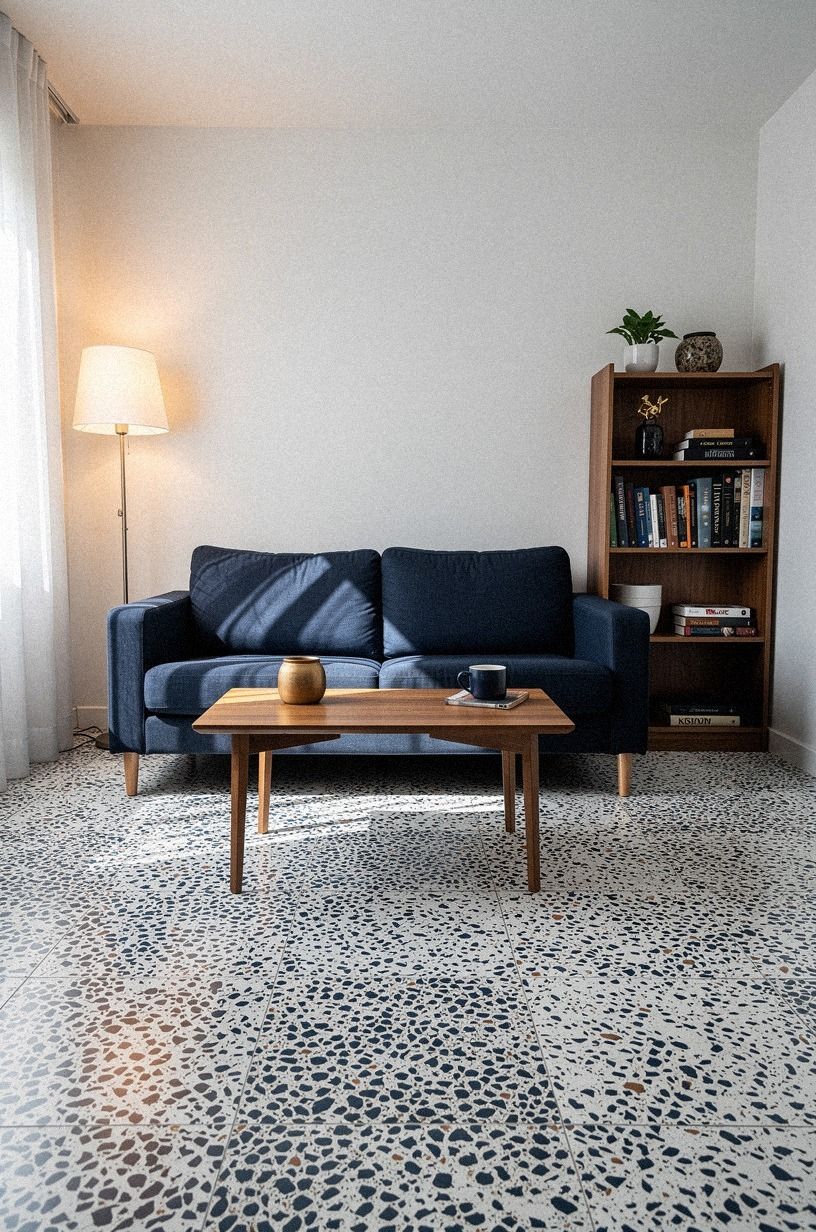
Your temporary flooring plan gets easier when you decide what the room needs before you buy anything. A rug may be the main purchase, while navy, white, and walnut accents can support the change without turning your rental into a construction site. An oversized-chip terrazzo surface deserves a simple ceiling before you start browsing.
These are broad room-refresh figures, not a promise that every temporary flooring project costs the same. If you’re staying for one lease term, the budget tier usually makes more sense. Benjamin Moore White Dove OC-17 on a permitted trim piece, a secondhand rug, and walnut furniture can shift the whole room without permanent work.
But don’t spend your flooring money on decorative pieces first. Start with the surface your feet and furniture interact with every day. Then use this cheapest non-toxic swap versus the one worth saving for to decide where quality matters.
4Peel-and-Stick Over Permanent Tile
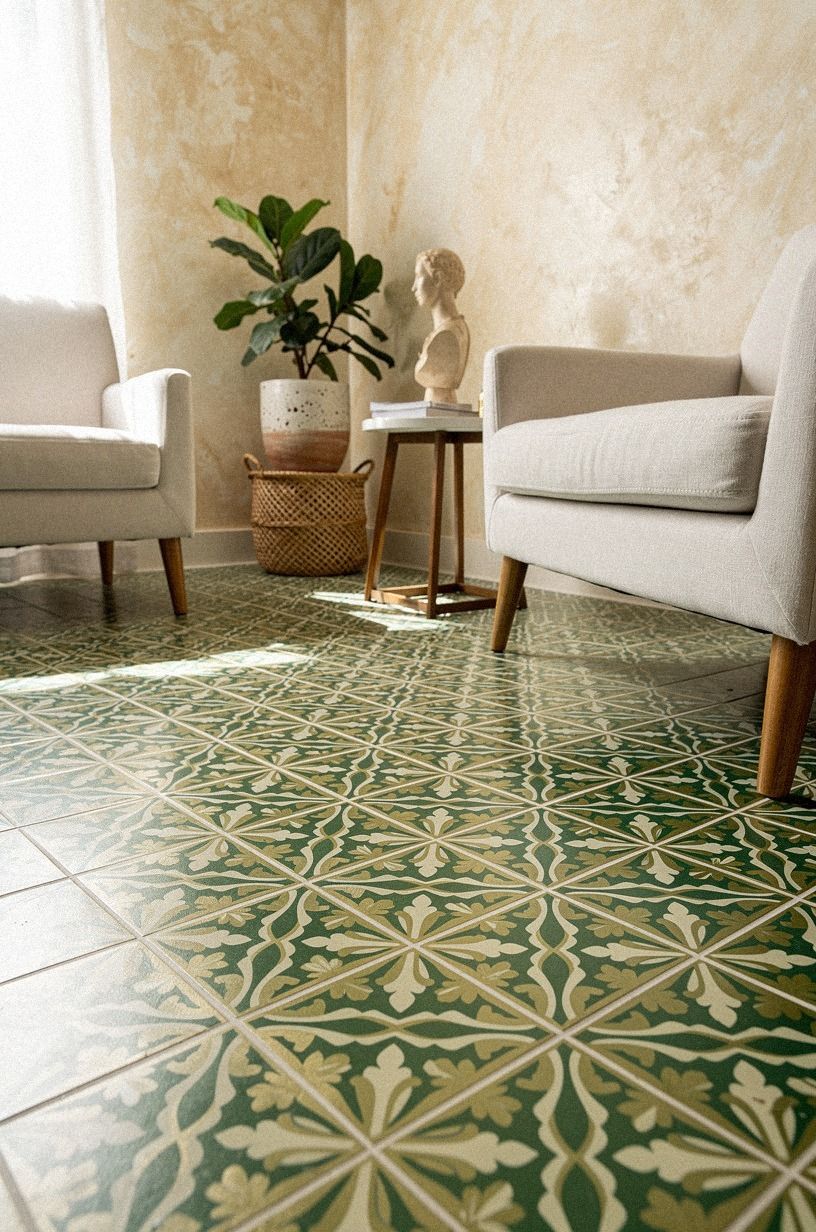
Peel-and-stick flooring can work in a rental, but only when you treat it as a removable layer instead of a forever renovation. Choose removable vinyl planks with a low-tack backing, test one in a hidden corner, and keep the original packaging. You’ll need that information when it’s time to lift everything.
I’d avoid covering a damp bathroom floor or rough concrete without checking your lease. Moisture can trap odor, and textured surfaces can telegraph through the new finish. If you’re styling a dry entry or a small utility zone, a loose-laid sample path in cream with emerald and gold accents may give you the visual change without committing to a full room.
Hand-applied Venetian plaster nearby can soften the transition.
Your best color is usually warm cream, softened emerald, or a muted gold detail. Bright white can look harsh against rental beige. If your kitchen needs a related update, these temporary backsplash ideas you can peel off in minutes can help you keep the materials in the same family.
5Build the Soft Boundary Method
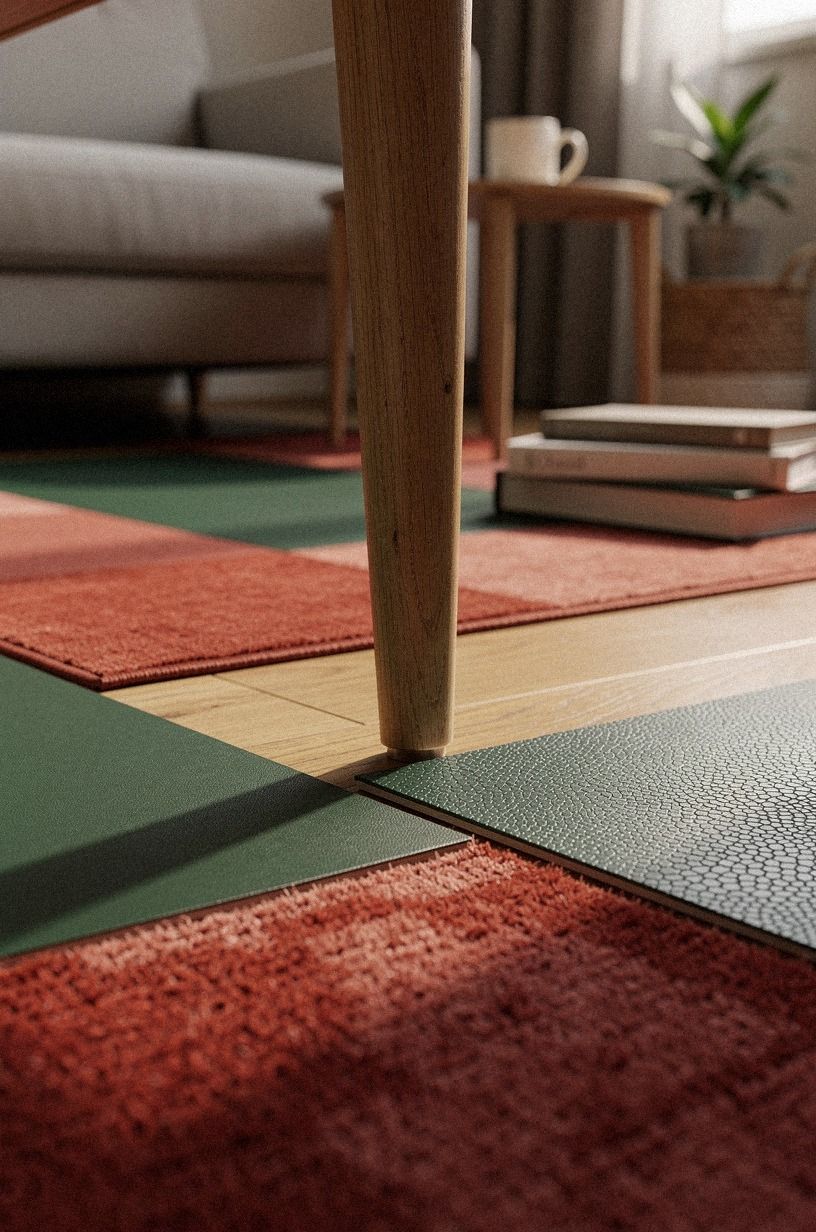
The Soft Boundary Method uses textiles to tell your eye where the new flooring begins. Place a forest-green runner at the entrance, add a larger rug inside the room, and repeat rust beside natural oak.
A small shagreen accent can give the arrangement texture without adding another zone. Your floor doesn’t have to change everywhere to feel intentional.
This works especially well in open rentals where the kitchen, living room, and entry share one hard surface. You’re creating zones without adding walls.
Keep the runner’s edge flat, and don’t let it bunch beneath a door. A soft, calming threshold feels more finished than a collection of random mats.
And you can do this with what you own. Fold a blanket over a narrow bench, move a runner from the hallway, or borrow a rug from the bedroom for the afternoon. If your lease rules are unclear, read these temporary fake wall ideas for no-damage boundaries before adding anything heavier.
6Layer Interlocking Cork Tiles Where You Walk
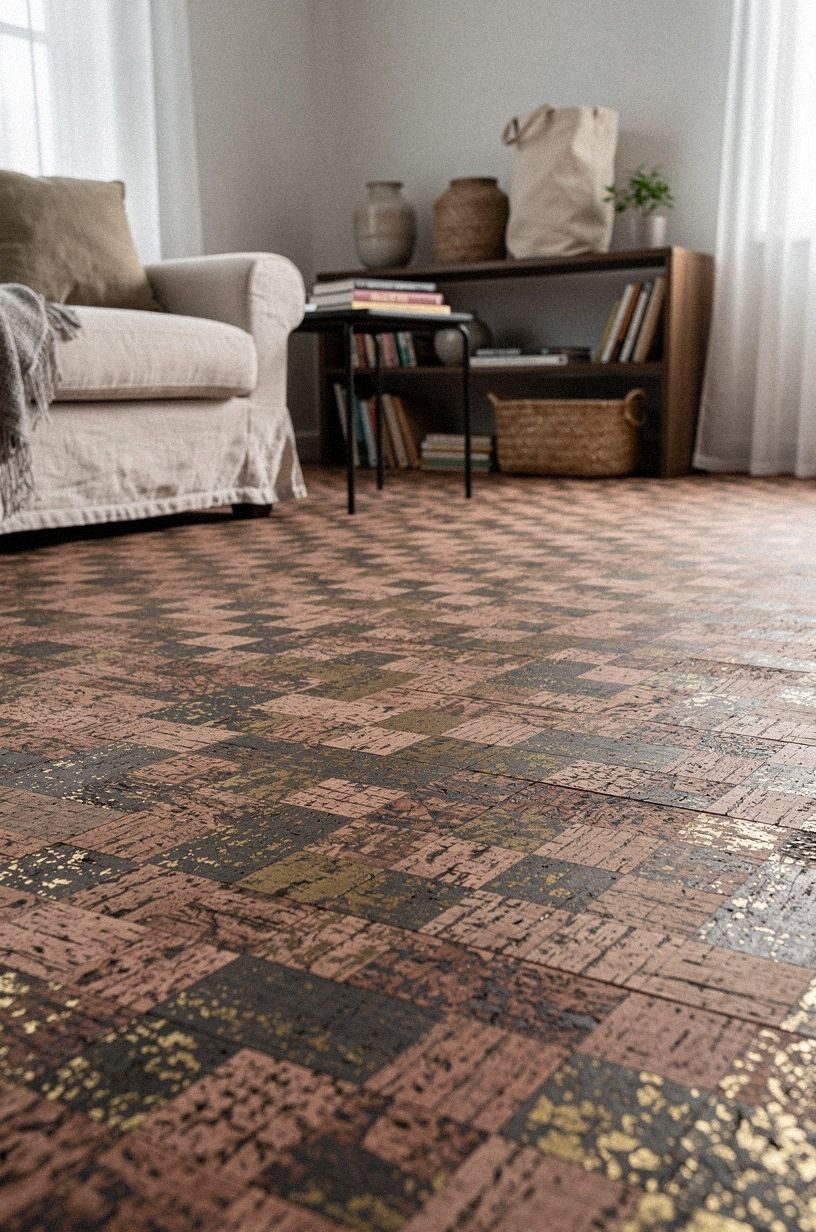
Interlocking cork tiles are useful when you want a cushioned surface in a home office, nursery, or workout corner. Choose a dusty-rose tile with charcoal edging, then bring in a brass-toned lamp and washed Belgian linen nearby.
7Paint the Subfloor If Your Lease Allows It
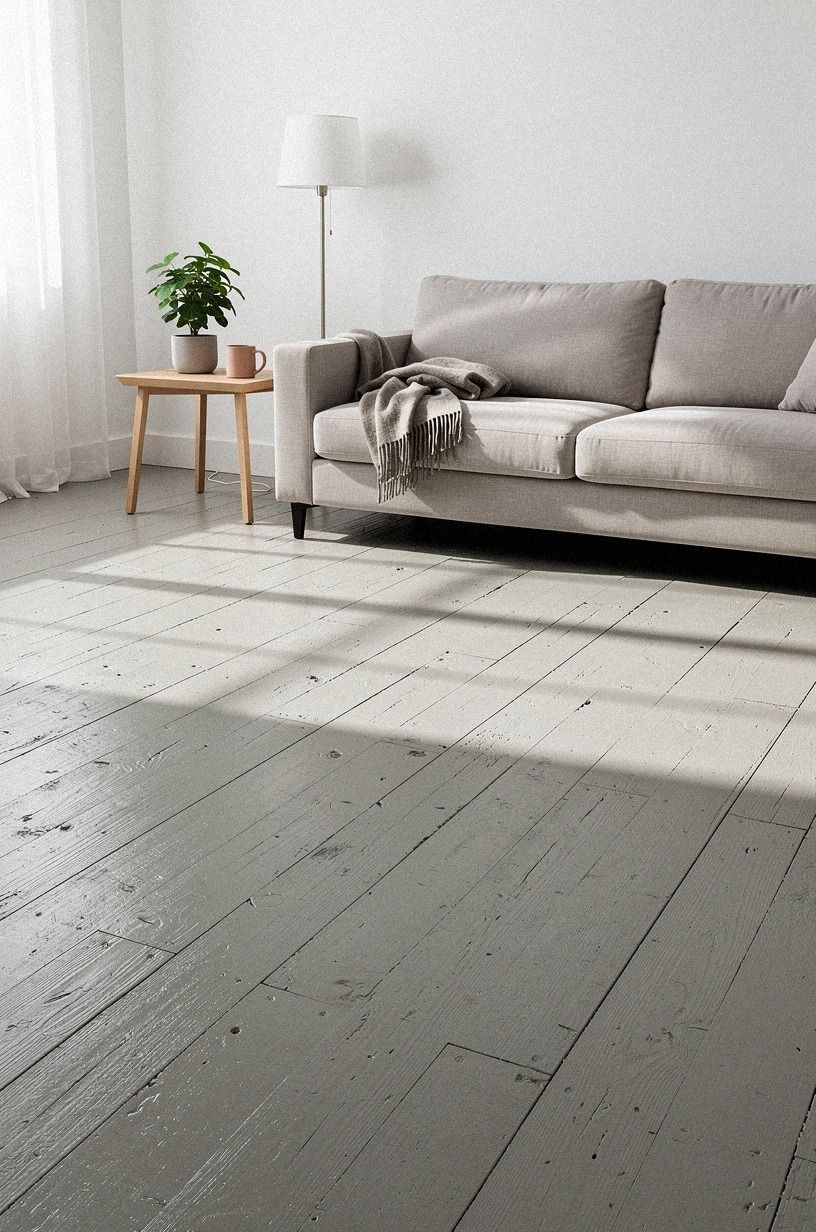
Painted floors can feel airy and modern, but this is the one idea that needs written permission. If your landlord approves, use a low-VOC porch and floor paint on a properly prepared wood surface. You’ll need to clean, lightly sand, and let each coat cure before placing furniture.
Warm white usually wears better visually than stark white. Add camel textiles, black accents, and an organic bouclé chair to keep the room soft.
Sherwin-Williams Agreeable Gray SW 7029 can help you imagine the tone, though you should confirm the exact floor product and finish before buying. I’d skip glossy paint because every scuff will announce itself from across the room.
Your exit plan matters more than the color. Keep the old hardware, photograph the surface before work, and save the approval email. But if paint feels too risky, use a large rug over the existing floor and put your color on the walls only if that’s permitted.
8Try the Three-Height Light Stack
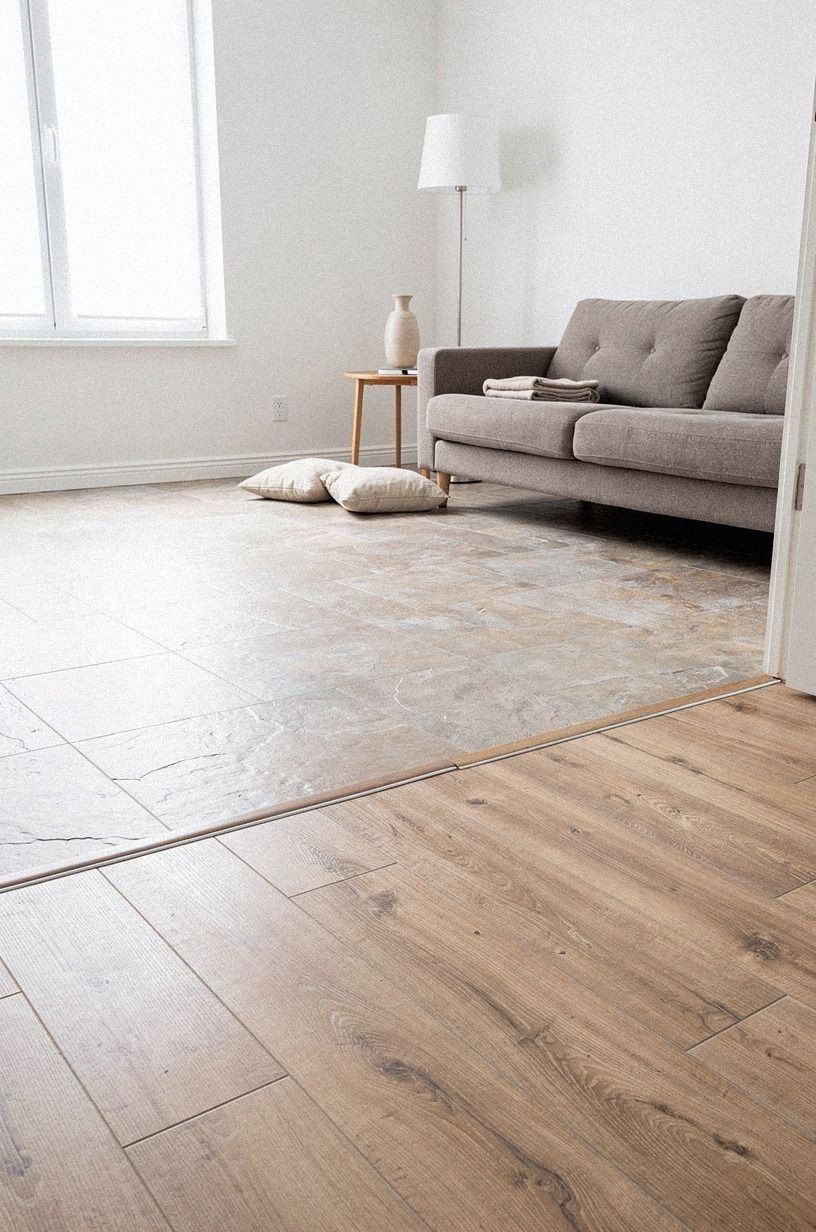
The Three-Height Light Stack makes temporary flooring feel more convincing because lighting changes how the surface reads. Use one overhead source, one task light, and one ambient lamp. You’ll get a warmer room than you would from a single ceiling fixture, even if the floor itself hasn’t moved.
Place the ambient light low, around sofa or floor level, then add a table lamp and keep the overhead light dimmed. Copper hardware can catch the glow, while an ivory linen shade keeps it soft.
A small piece of Nero Marquina black marble with white veins adds depth beside midnight-blue upholstery. I’d skip harsh blue bulbs because they flatten wood tones and make every rental surface feel gray.
And this is where a small room helps you. Three sources can create a calm, moody corner without requiring expensive rewiring. If you’re arranging a compact media area too, use these small TV area ideas for renters who cannot mount a TV.
Your floor will look richer after dark.
9Swap Hard Edges for Washable Cotton Mats
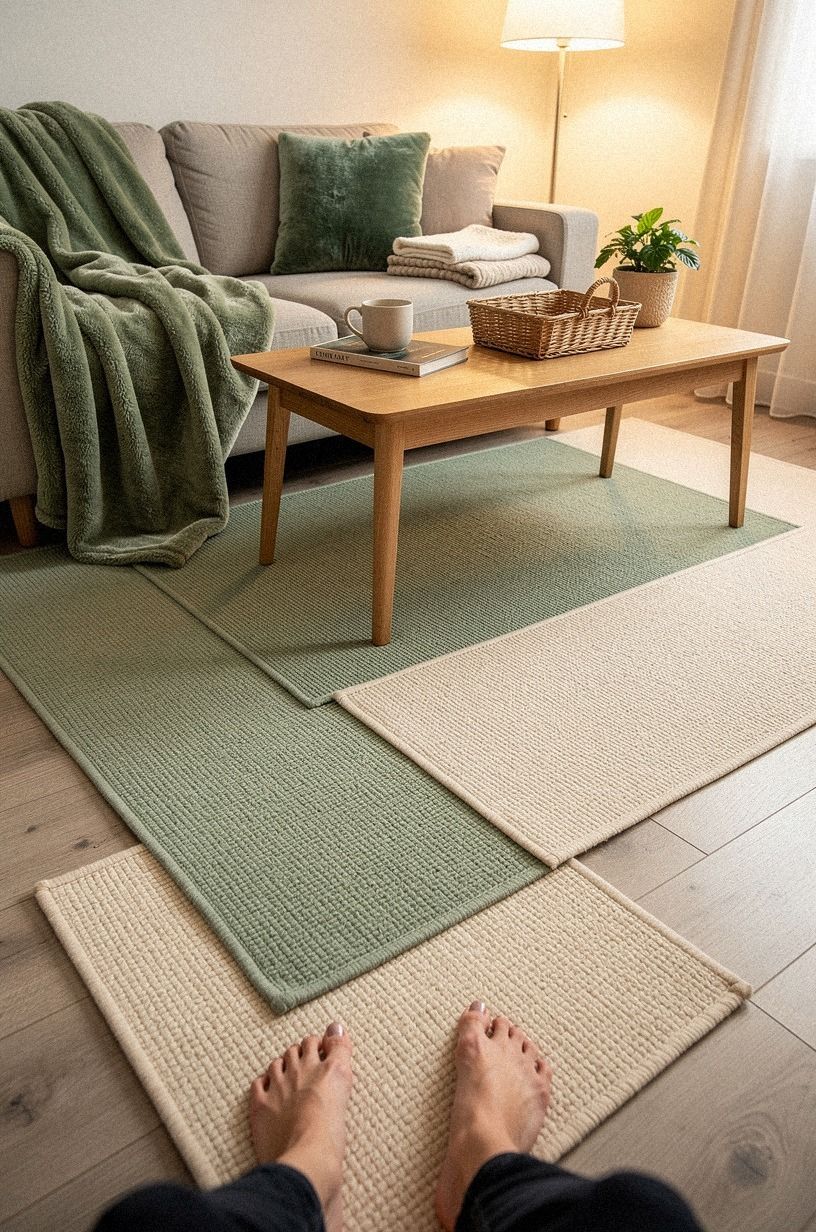
Washable mats give you temporary flooring where spills and muddy shoes are part of daily life. Choose sage green and warm cream, then place them beside natural wood so the entry feels softer without becoming fussy. A deep-pile mohair velvet accent can repeat the texture in a nearby chair or cushion.
10Anchor a Small Room With a Large Rug
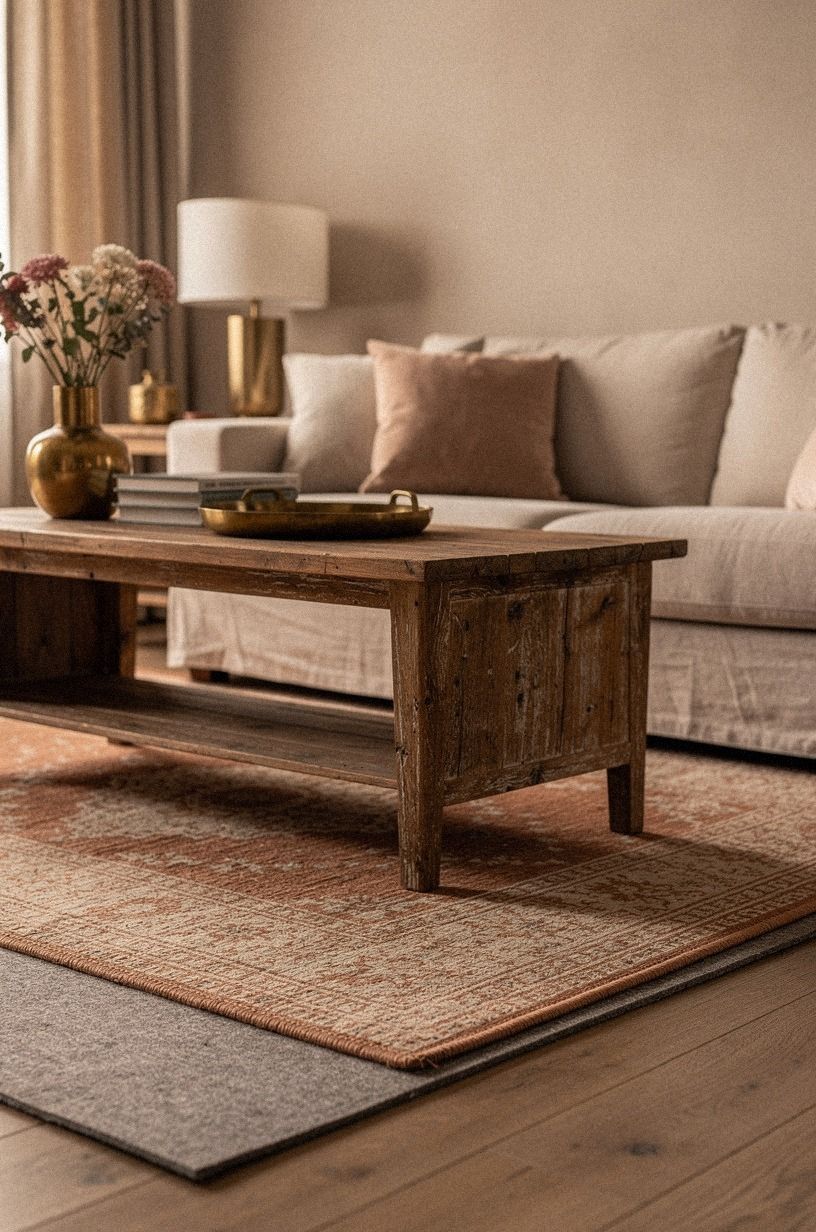
A large rug can make a small rental feel more generous because it gathers the furniture into one visual field. Choose low-pile wool or a tightly woven synthetic in terracotta, stone, or olive, then place at least the front legs of your sofa and chairs on it. A Carrara marble accent with subtle grey veining can echo the lighter tones without competing with the rug.
For a bedroom, let the rug extend beyond the sides and foot of the bed. For a sitting room, avoid stopping the rug just short of the sofa, which creates a floating effect you probably don’t want. You can find more layout help in these small TV area ideas for renters.
That wool price is a real investment, so check secondhand stores and local listings first. If your budget is smaller, a cotton flatweave can still give your feet a softer landing.
11Cut Felt Underlays Instead of Gluing
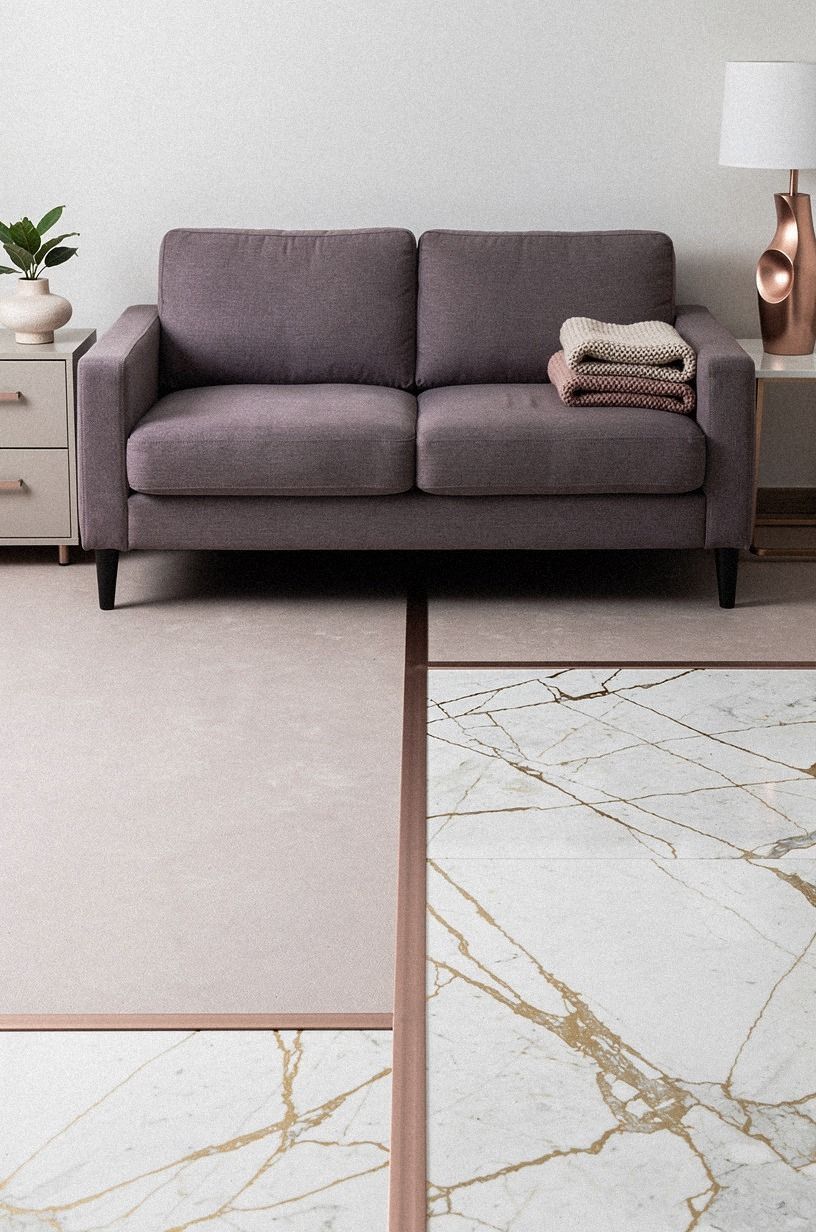
A felt underlay adds comfort, protects the original surface, and keeps a rug from sliding without permanent adhesive. Choose clay or linen tones, then pair the layer with aged brass and reclaimed weathered teak for a warmer, more grounded finish.
12Frame the Floor With Removable Trim
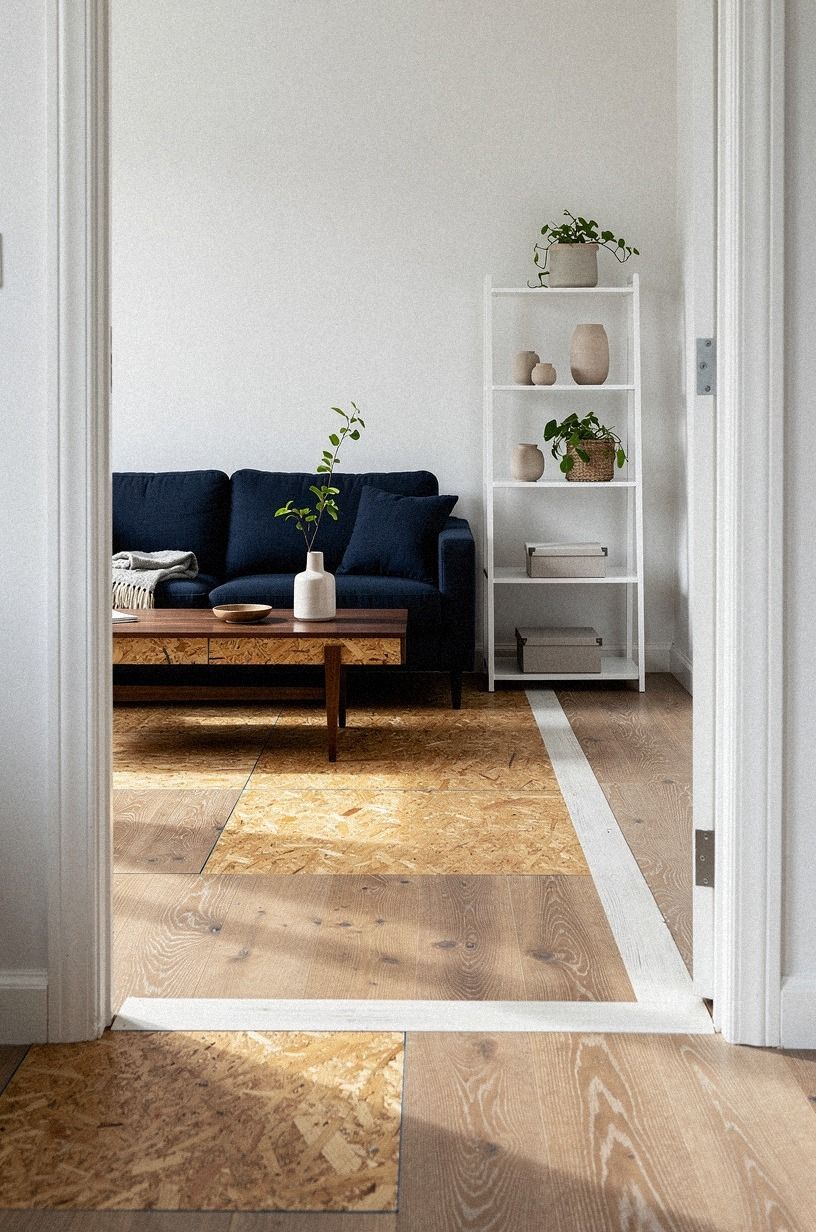
Removable trim can make a rug or loose-laid panel feel finished around the edges. Use lightweight painted molding or a narrow Calacatta marble-look strip attached with approved removable tabs, then leave enough clearance for doors and cleaning. Plum, grey, and rose-gold accents can make the boundary feel deliberate.
I’d keep the trim simple. A narrow line in Benjamin Moore White Dove can look bright and quiet, while ornate molding may fight the temporary nature of the project. Test the adhesive on a hidden painted area first, because even gentle products can lift weak paint.
This idea works best in a dining nook, bedroom, or office where the boundary stays visible. You’ll want to remove it slowly, pulling parallel to the wall rather than straight out. For a larger zoning project, these temporary fake wall ideas show how a boundary can work without drilling.
13Mix Plywood Panels With a Painted Border
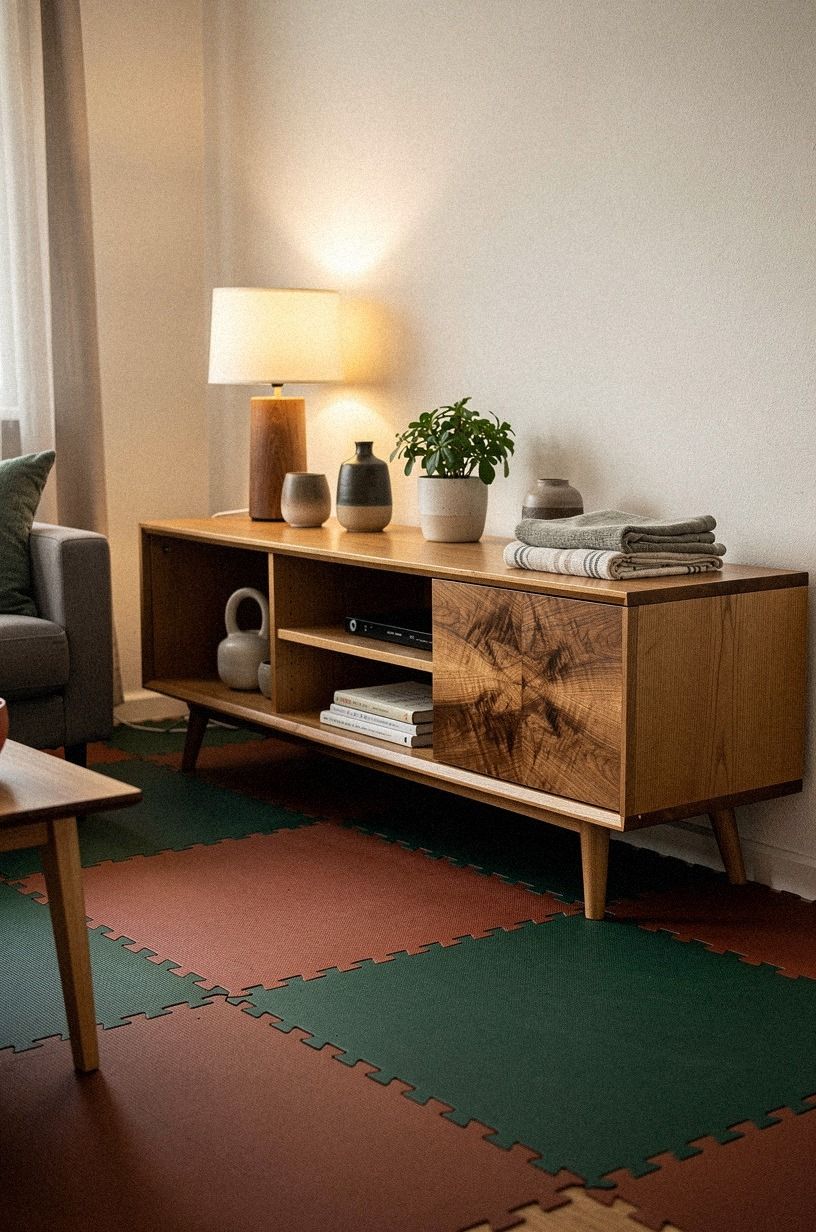
Plywood panels can cover a damaged area in a workshop, entry, or creative room when you need a durable temporary surface. Choose 3/4-inch sanded plywood, place protective felt beneath it, and leave a small perimeter so the original floor can breathe. A navy border, white wall color, and walnut furniture will make the panel feel connected to the rest of the room.
I’d use this as a defined platform rather than a full-floor replacement. A painted border in Farrow & Ball Hague Blue No.30 can make the panel feel intentional, while a loose edge will look like a renovation paused halfway through. Sand the corners thoroughly because splinters are not part of the plan.
But plywood has visual weight. Balance it with cerused white oak, soft curtains, or a woven basket. If you’re building a work corner, keep the panel beneath the chair and desk only, then roll it away when the lease ends.
14Choose Warm Neutrals Over Cool Gray
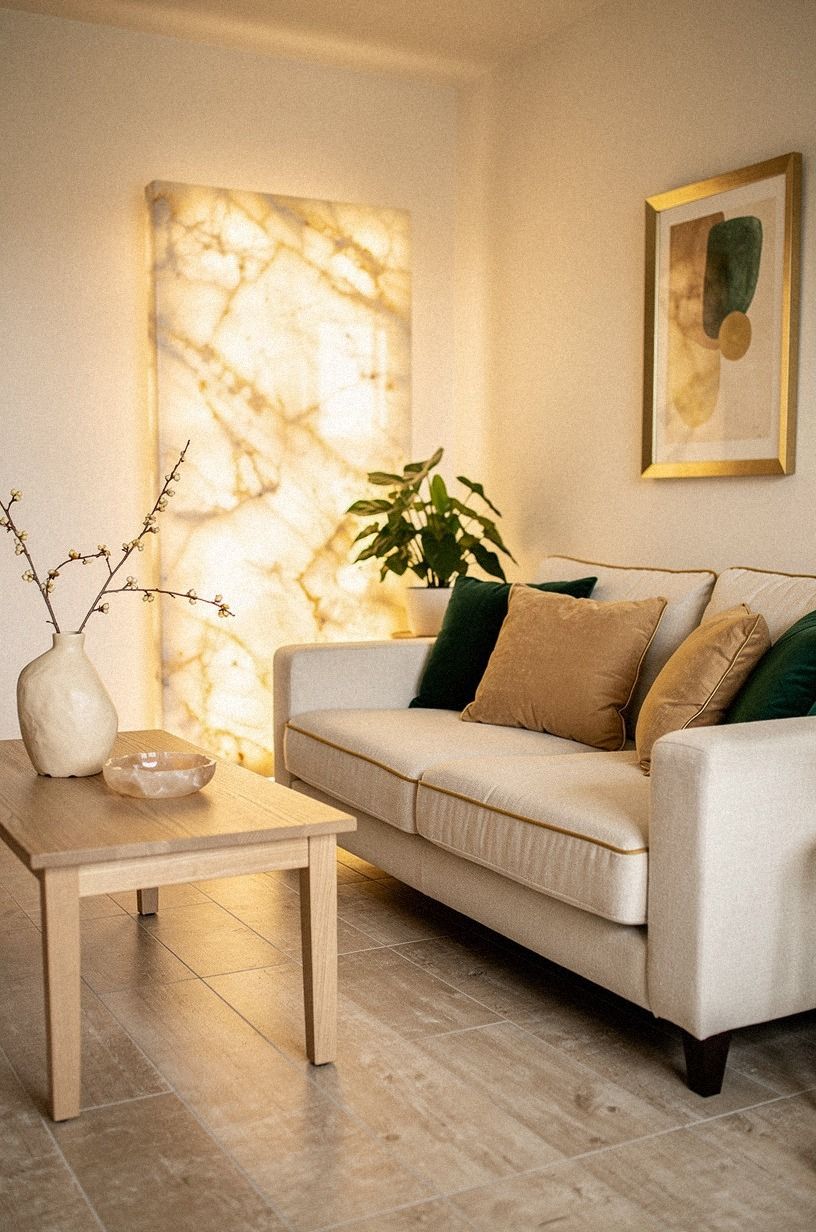
Warm neutrals usually make temporary flooring look more expensive because they connect with wood, woven fibers, and evening light. Try warm white with emerald and gold accents around a pale rug. A backlit translucent onyx lamp or side table can bring a gentle glow without making the palette feel busy.
Cool gray can work, but I’d skip it when the existing rental floor is orange or yellow. The contrast often makes both colors look stranger. A warm neutral gives your eye somewhere to rest, especially if your furniture is mismatched or secondhand.
What if your room already has gray tile? Add warmth through the removable layers instead of fighting the tile with more gray. You can use an earthy runner, amber lamp, and linen curtains.
Keep the palette narrow, and you’ll get a sophisticated result without repainting everything.
15Borrow the Floating Furniture Grid
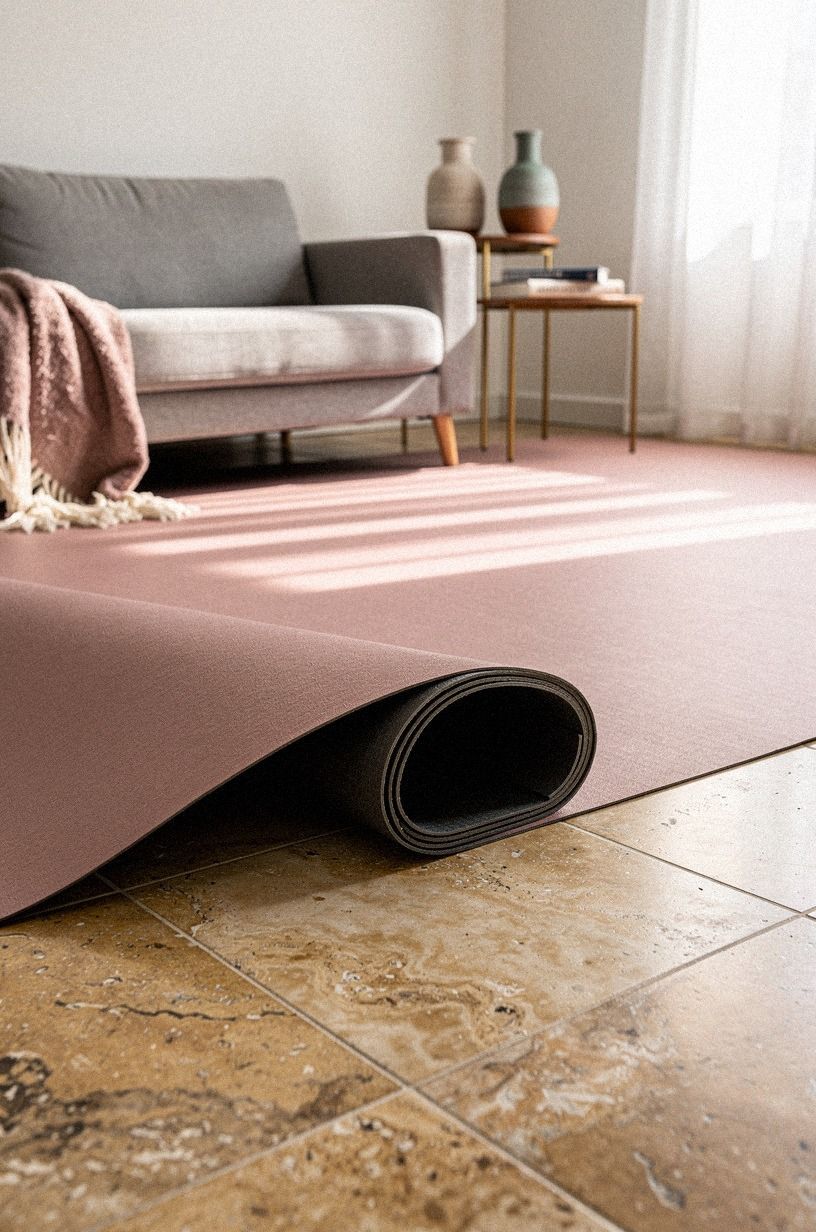
The Floating Furniture Grid keeps your temporary floor visible while giving the room a clear structure. Pull the sofa, bed, or table slightly away from the wall, then let the rug or panel extend beneath the main pieces. You’ll create breathing room without buying more furniture.
This works especially well with a natural-oak console or a book-matched walnut table because the open base shows more of the floor. Add forest green and rust through upholstery or textiles.
I’d avoid pushing every piece against the wall just to gain a few inches. Your room may have more usable space in the center than you think.
And if your furniture is heavy, use felt pads before you move it. They’ll protect the original surface and make rearranging less stressful. For a rental that needs more storage without sacrificing floor area, these wall bookshelf ideas can keep the grid light and airy.
16Make Rental Flooring Temporary With a Roll-Back Plan
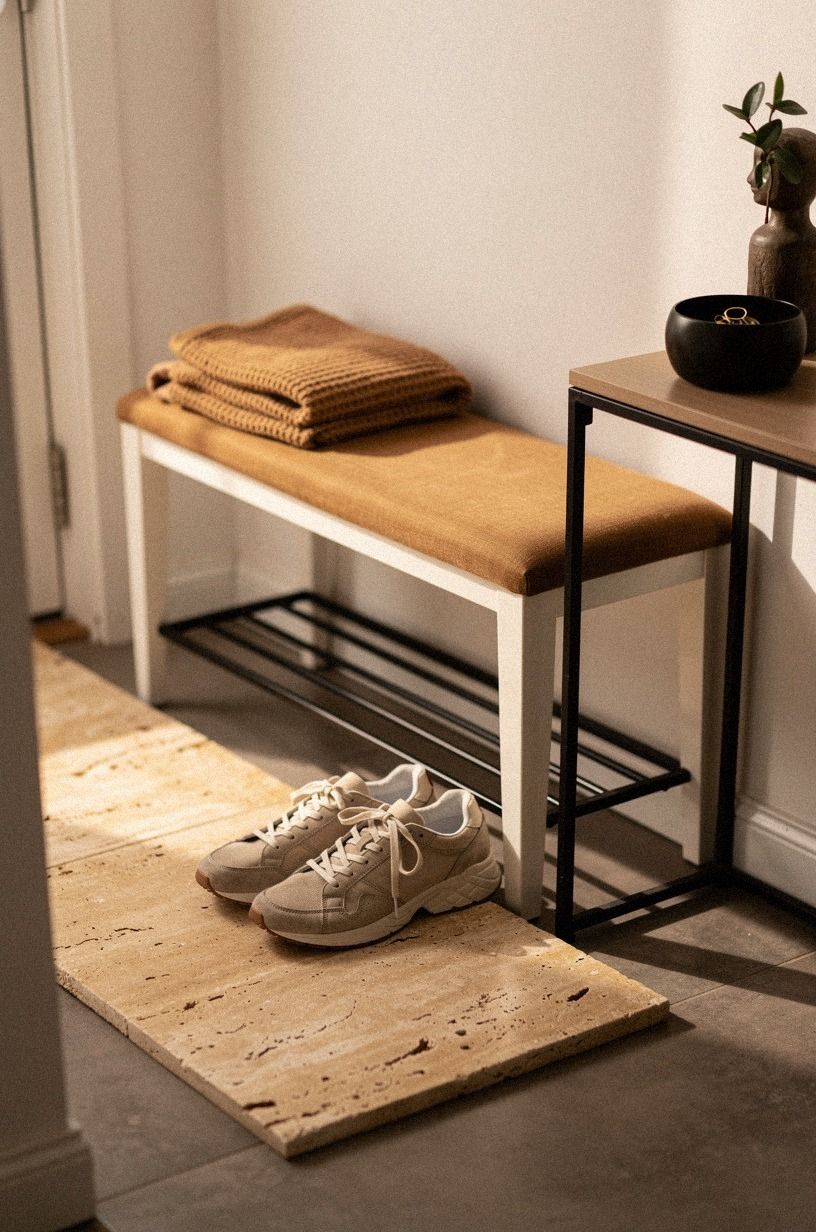
A roll-back plan means you decide how the room will return to normal before you install anything. Photograph the original floor, label every rug pad, and keep a box for tabs, felt, samples, and cleaning supplies. You’ll be grateful when moving day arrives.
Choose low-tack floor tape only where the manufacturer allows it, and don’t assume a product is harmless because the package says removable. Test first. I learned that a “gentle” adhesive can still pull loose paint from a tired baseboard, so your hidden-corner test is worth the ten minutes.
You can also create a one-afternoon checklist for yourself. Move furniture, clean the floor, place protection, install the loose layer, then walk the edges.
Dusty rose, charcoal, and brass can work beautifully against warm travertine. If you’re coordinating other no-damage changes, compare your flooring plan with these temporary backsplash ideas. A good rental update should be easy to undo.
17Style the Entry With the First-Step Zone
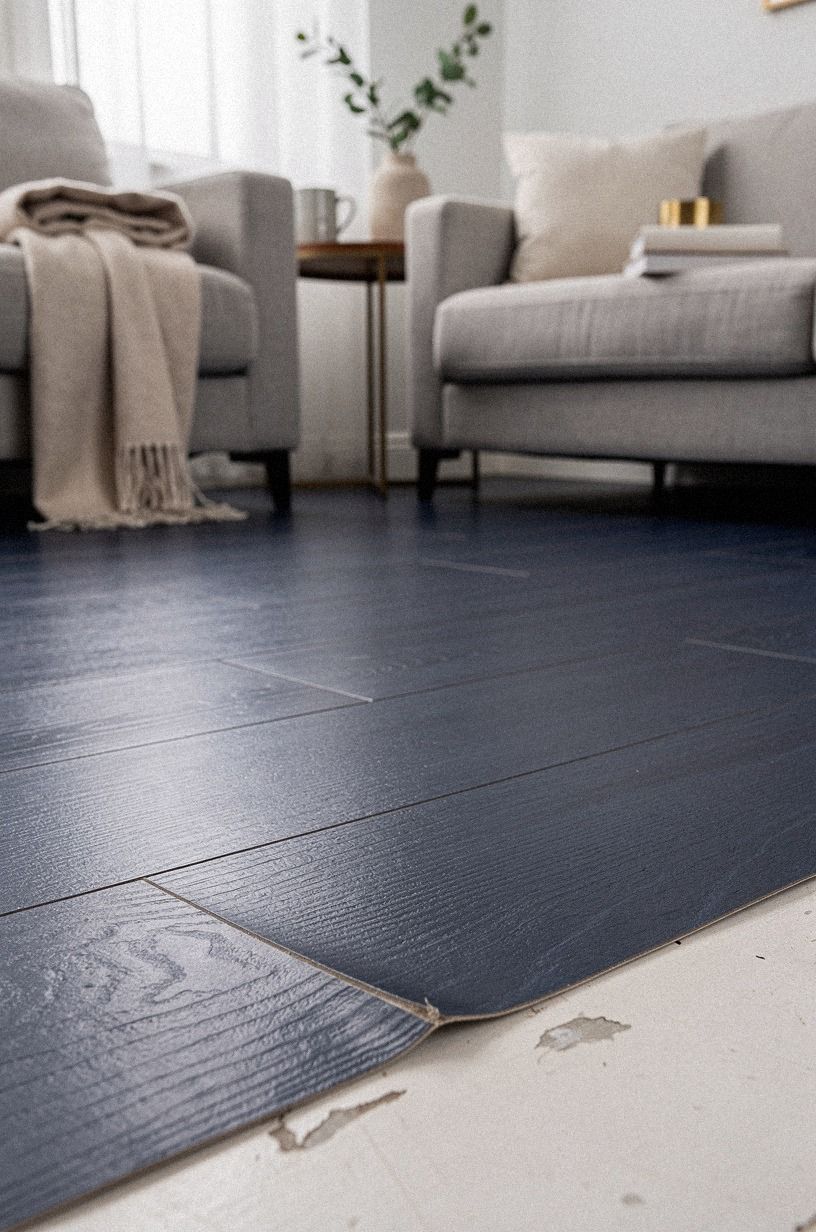
The First-Step Zone gives you the biggest visual return in the smallest footprint. Use warm travertine tones with a warm-white mat, camel basket, and one black accent so the entry feels finished from the moment you walk in.
18What Should You Remove First?
Start by removing the things that make the floor look accidental: curled mats, crowded furniture, plastic storage bins, and cold overhead lighting. Your temporary flooring will read better when the room has fewer competing edges. This is where a ten-minute reset can outperform a large purchase.
Take out one piece at a time and ask whether it helps your feet, your storage, or your mood. A midnight-blue bench with copper hardware can feel polished, while a secondhand wood bench may work better if it leaves space for the rug to breathe. You don’t need a designer label to make the surface feel considered.
But don’t remove the practical layer. Keep a washable mat where shoes get wet, and keep felt beneath anything heavy.
Unlacquered brass developing patina can add warmth beside ivory textiles without making the entry precious. If your mattress or furniture is causing related comfort problems, read this guide about a Sleep Number bed that keeps deflating on one side before blaming the floor.
Your room should feel good, just as much as it should look good.
The Floor Rule I’d Keep
Temporary flooring works because it changes the daily experience without asking your lease to become a renovation contract. I’ve tried to solve ugly floors with tiny decorative fixes, and they rarely hold up.
Your feet notice scale first, then texture, then color. That’s why a substantial rug or a well-contained panel usually beats five scattered mats.
The best choice depends on what your rental floor is doing wrong. If it’s cold, add wool or cork. If it’s scratched, cover it with a large rug.
If it’s visually chaotic, simplify the palette with warm neutrals and one strong material. You don’t need to copy a showroom, and you shouldn’t.
A room with a few inherited pieces can feel more inviting than one filled with matching purchases.
I also think renters deserve better advice than “just ask permission” and stop there. Yes, you should check the lease.
But you can still make a meaningful change with loose layers, felt protection, washable textiles, and careful lighting. The one-afternoon limit is useful because it forces you to choose what matters.
And once you’ve rolled everything out, you’ll know whether the room feels calmer under your feet.
For me, the winner is the large rug with a dense underlay. It’s soft, reversible, and forgiving when the original floor isn’t worth displaying. You can shift it when the furniture changes, take it with you later, and build the rest of the room around how it feels at night.
A Few Things Worth Answering
What is the best temporary flooring for renters in a small room?
A large low-pile rug with a felt underlay is usually the best pick because it’s soft, reversible, and easy to scale. Choose wool for durability or cotton for a lower price. If you’re furnishing around an IKEA KALLAX, let the rug extend under the front edge so your storage and seating feel connected.
Where can I buy temporary flooring pieces on a budget?
Look at IKEA, Wayfair, Target, Facebook Marketplace, and local thrift stores. Secondhand rugs and washable runners can cut the cost sharply, but you’ll want to inspect backing, odor, and edge wear first. This site uses display advertising and doesn’t rely on affiliate or commission links.
How much does a temporary flooring makeover cost?
A temporary flooring makeover can cost about $100-$300 when you reuse furniture and choose one main layer. Free changes include rearranging, cleaning, and borrowing rugs from another room. A large wool rug can cost $400-$1,500, while lower-cost cotton or synthetic options may require less upfront money.
Can I create temporary flooring on a budget?
Yes, and you can start with three low-cost moves: clean the existing floor, place a borrowed runner at the main walking path, and use felt beneath furniture. A focused zone beats a scattered makeover. Add a secondhand rug only after you know where your feet and furniture need protection.
Is temporary flooring worth it in a small space?
Yes, because a small room needs fewer materials to feel different. One correctly scaled rug can gather the furniture and make the room feel warmer. Let the front legs overlap the rug, keep the pattern controlled, and avoid several tiny mats that break the floor into distracting patches.
Is temporary flooring a good idea for a rental?
Yes, if you use reversible layers and test every adhesive first. Loose-laid rugs, interlocking cork, felt pads, and washable mats are usually easier to remove than glued products. Check your lease before painting or installing peel-and-stick material, and save the original floor underneath.
Where I’d Start First
If I had to pick one, I’d start with a large low-pile rug and dense felt underlay. It changes how your feet experience the room, hides uneven color, and rolls up without a landlord conversation. Pin the idea for later and browse our renter bookshelf guide when you’re ready for the next layer.