
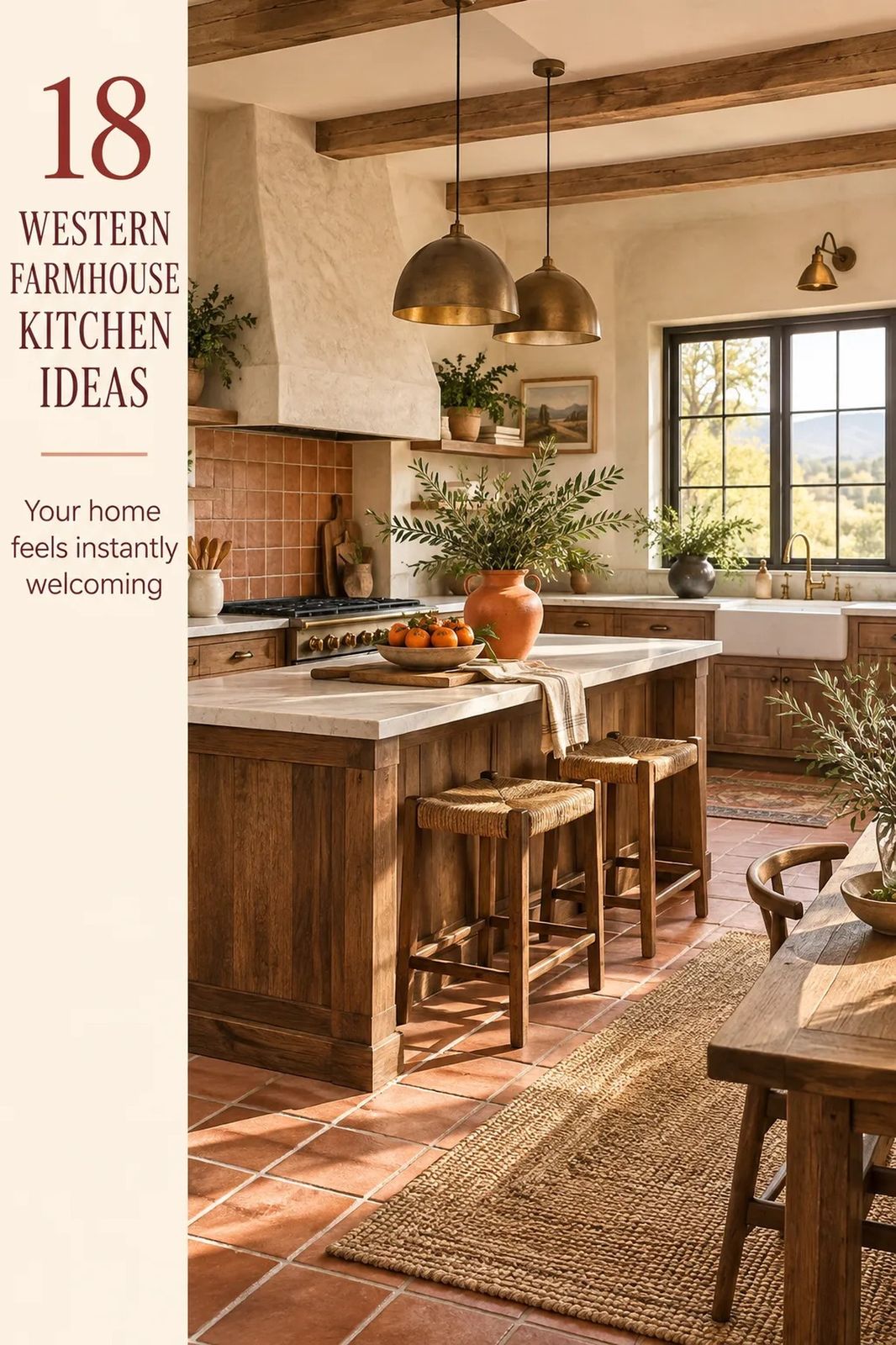
 by
by Western farmhouse kitchen ideas for rugged ranch style work best when the room feels useful first and thematic second. Warm wood, practical lighting, aged metal, and durable surfaces create the mood without turning the kitchen into a prop set. You don't need a full remodel, either. I learned that after spending a weekend fighting a cold gray kitchen that only needed better layers.
Start with the bones. Then add warmth.
- Measure the Room Before You Buy Anything
- Gather a Practical Budget and Materials
- Paint the Cabinets With a Grounded Color
- Anchor the Space With the Two-Wood Rule
- Choose a Countertop That Can Take Abuse
- Layer the Three-Height Light Stack
- Swap Shiny Hardware for Aged Metal
- What Should Frame the Sink?
- Layer Textiles That Soften the Hard Surfaces
- Build Open Storage With Restraint
- Hang a Western-Inspired Pendant
- Mix Modern Appliances With Rustic Texture
- Set the Backsplash at the Right Height
- The Three-Source Rule for Decor
- Create a Compact Dining Moment
- Add a Pantry Zone That Hides the Mess
- Finish the Walls With a Quiet Western Detail
- Edit the Room Until It Can Breathe
1Measure the Room Before You Buy Anything
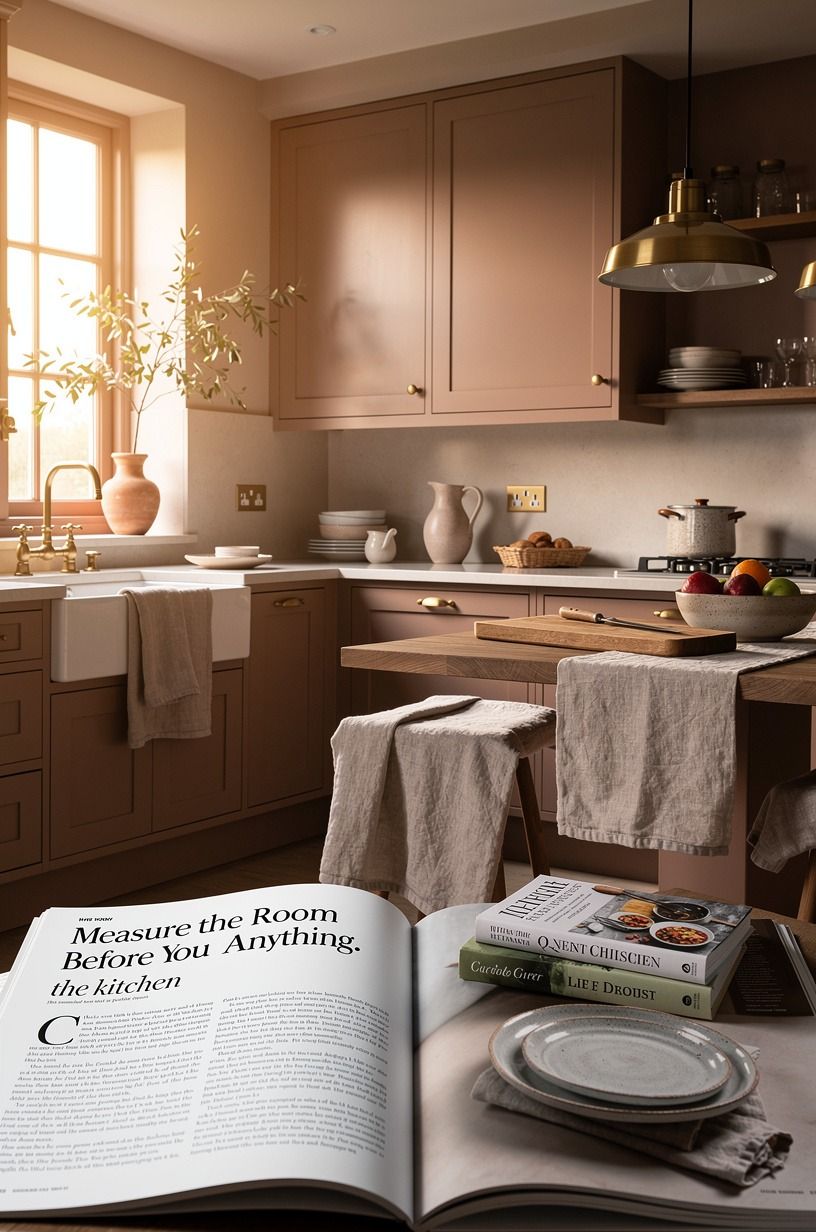
Start with measurements, because rugged style still needs breathing room. Record the counter height, wall lengths, window positions, door swings, appliance openings, and the full path from the refrigerator to the sink. A standard counter is about 36 inches high, while island clearance commonly works best between 42 and 48 inches.
Those numbers matter more than a charming centerpiece. I once bought a chunky farmhouse table that made the room feel rustic for exactly one day.
After that, nobody could open the dishwasher comfortably. You don't want your western home interior design to create a traffic jam.
Sketch the layout before shopping. Keep heavier furniture near the walls, protect the main work triangle, and leave the center visually open. If the room is narrow, a slim console or movable butcher-block cart may work better than a permanent island.
Typical cost by tier, using US averages:
A realistic budget keeps the style grounded. You can spend more on the layout and save on decor, or keep the existing cabinets and direct money toward lighting. The room will feel better when each purchase solves a real problem.
2Gather a Practical Budget and Materials
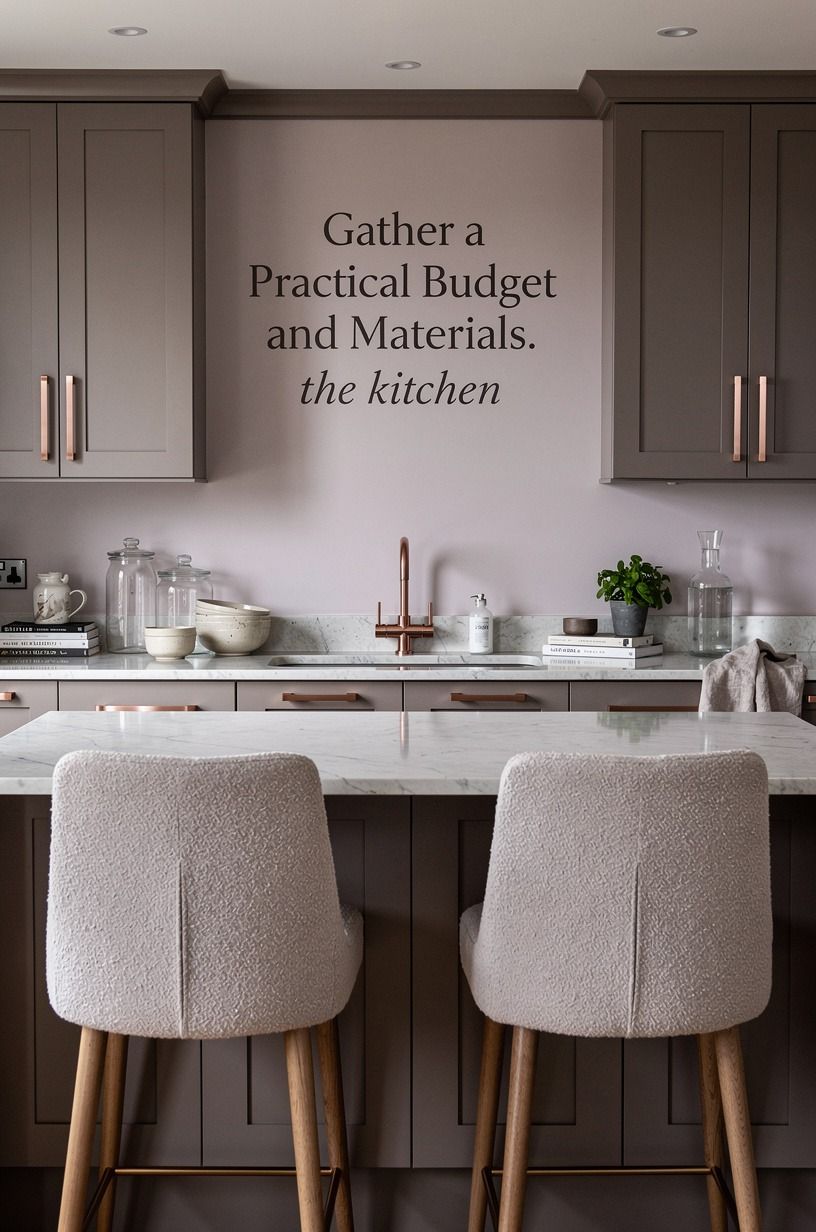
Before starting, gather paint samples, a measuring tape, a screwdriver, cabinet hardware, a notebook, and a simple floor plan.
3Paint the Cabinets With a Grounded Color
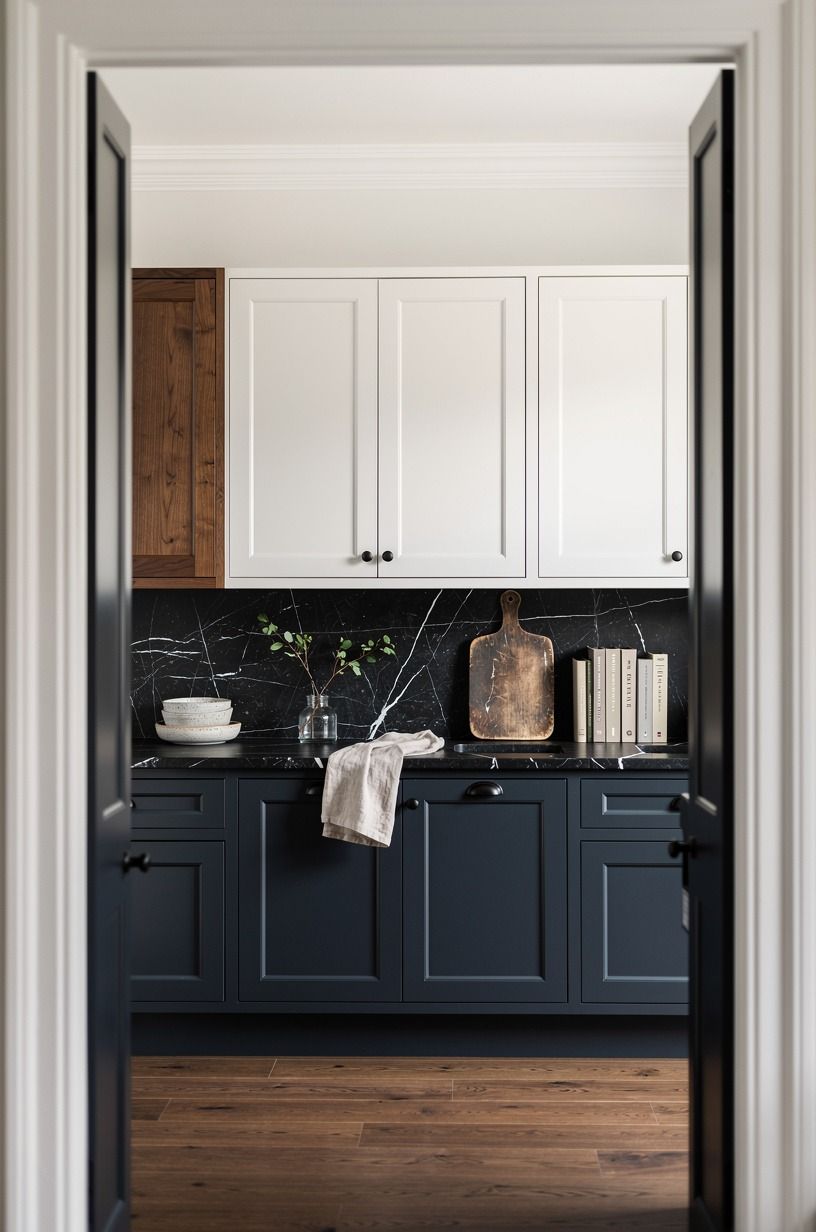
Choose one cabinet color that feels earthy rather than theatrical. Benjamin Moore Hale Navy HC-154 brings grounded depth, while Benjamin Moore White Dove OC-17 keeps a smaller kitchen bright and soft. Test each sample on an actual door, because afternoon light can shift the undertone dramatically.
A western farmhouse kitchen doesn't need brown cabinets to feel warm. A deep navy or creamy white can support the same rugged character with more flexibility. Navy works especially well beside natural walnut and Nero Marquina black marble with white veins.
If your room has limited natural light, try deep navy on the lowers and a quiet warm white above. You'll get contrast without making the ceiling feel low. Another option is painting the island in Sherwin-Williams Naval SW 6244 while keeping the perimeter cabinets light.
The finish matters, too. A durable satin or eggshell cabinet coating is easier to wipe than a very flat paint. For a rental or temporary update, removable fronts and new hardware can create much of the effect without permanent work.
If you're comparing navy and neutral schemes, revisit the oak shaker kitchen guide with your own samples in hand. The right color should make your existing floors, counters, and adjacent rooms feel more connected.
4Anchor the Space With the Two-Wood Rule
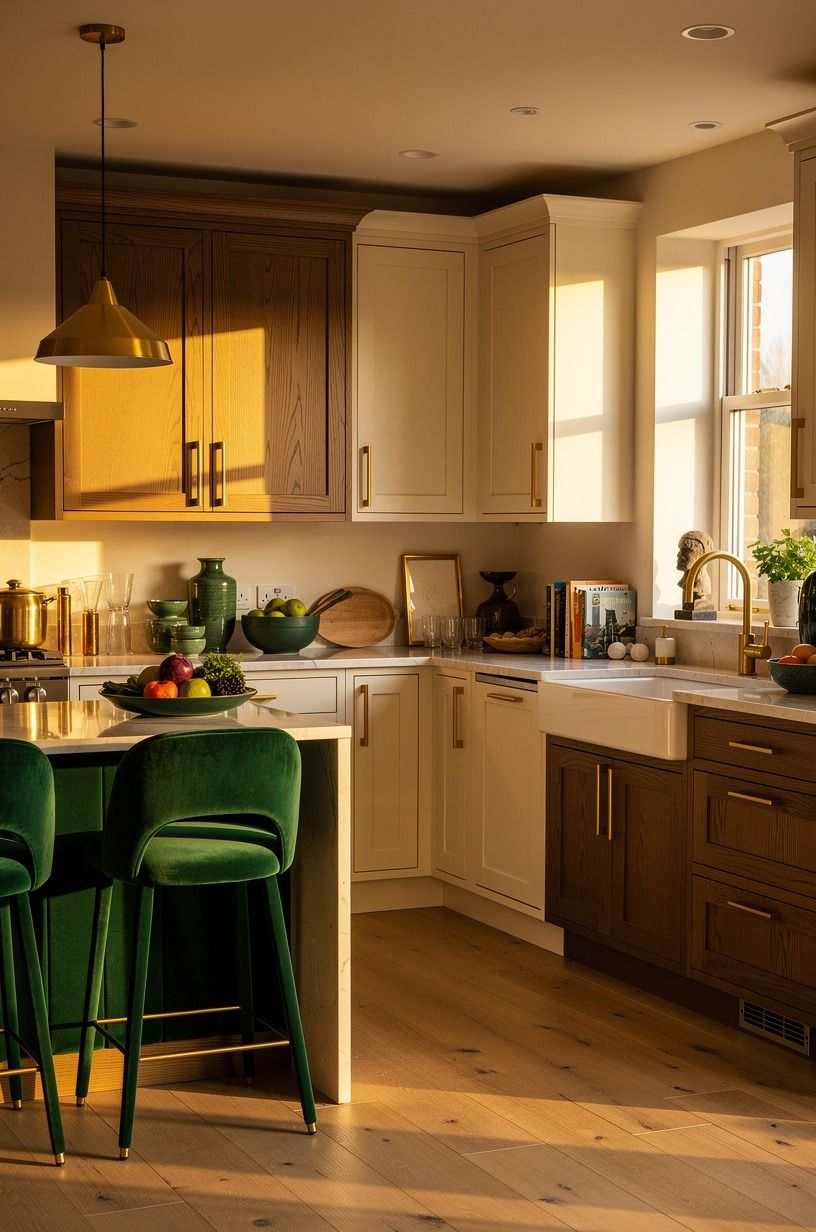
Build the palette around two wood tones, not five.
5Choose a Countertop That Can Take Abuse
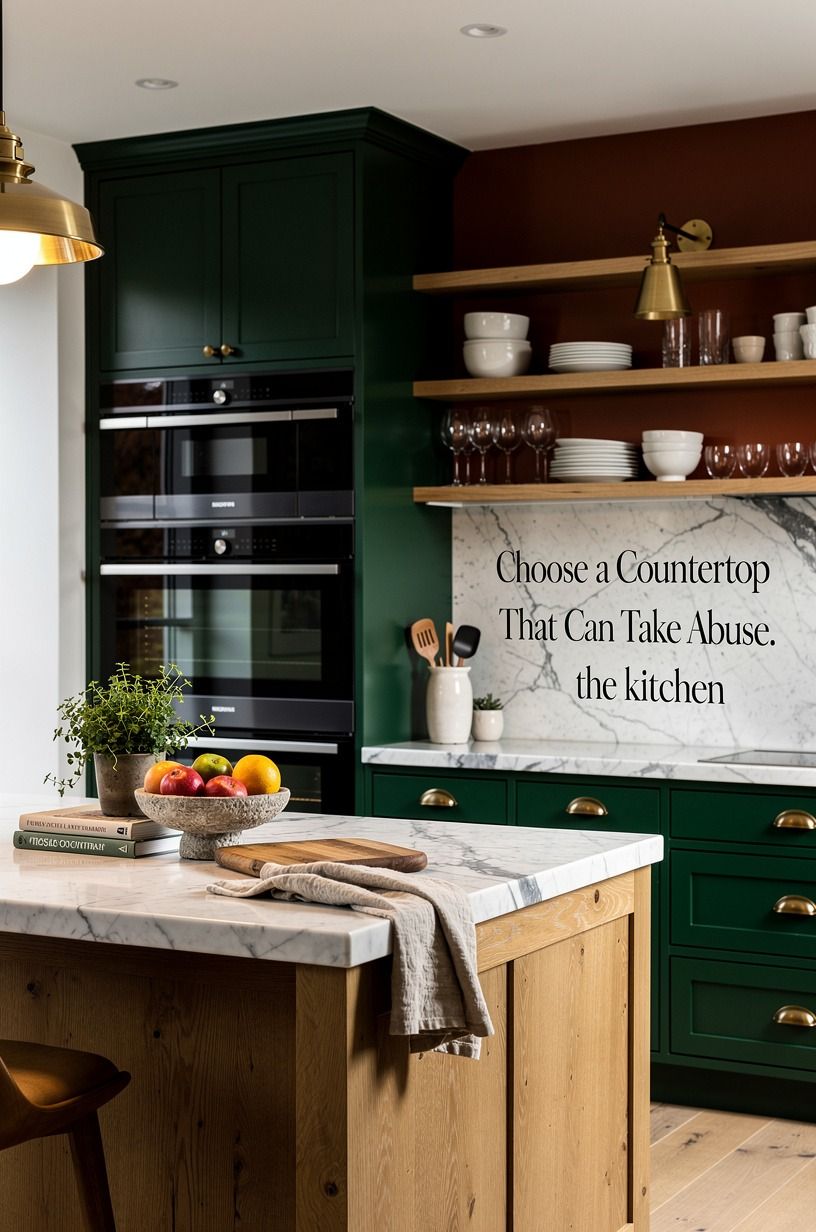
Pick the countertop according to how you use the kitchen, not according to how it looks in a showroom. Carrara marble with subtle gray veining brings movement without overwhelming a forest green, rust, and natural oak palette.
I prefer some visual movement, but I'd skip an overly busy pattern beside bold cabinets. Your eye needs one quiet landing place. Keep the backsplash simple if the counter has heavy veining, and choose a comfortable 36-inch work height for the main prep zone.
A rustic mood doesn't require a rustic countertop. A refined surface can make aged metal and rough wood feel intentional instead of accidental. That contrast is often what keeps the kitchen from looking like a period display.
When comparing materials, ask how the stone handles hot pans, stains, knife marks, and daily cleaning. Honed Carrara will develop character with use, so decide whether that sounds appealing before committing.
A counter that looks beautiful but makes you nervous every time someone cooks won't feel successful for long. Practicality is part of the style.
For a tougher outdoor-inspired palette, look at these stone outdoor kitchen ideas and notice how the stone is balanced with quieter materials. You can borrow that restraint indoors.
6Layer the Three-Height Light Stack
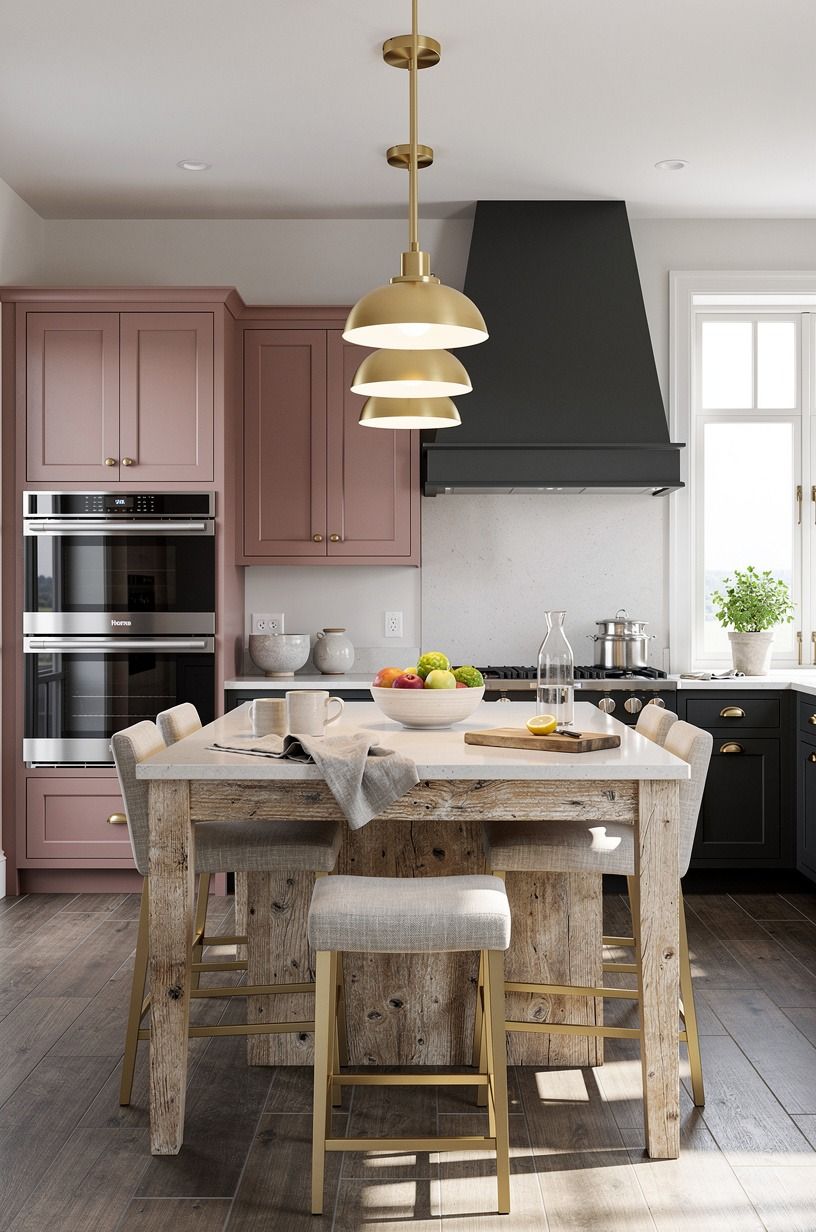
Create three light levels: ceiling light, work light, and low evening light. The ceiling fixture provides general illumination, under-cabinet lighting supports chopping and cleaning, and a small lamp or low pendant gives the kitchen a softer nighttime mood.
A single central fixture often leaves the counters shadowed. Place work lighting where your hands will be, not merely where the ceiling box happens to be. Warm bulbs around 2700K to 3000K usually make weathered teak and aged brass feel more welcoming.
I wouldn't use the same brightness everywhere. Strong task lighting belongs near the range and sink, while the breakfast area can be gentler. A dimmer lets the room change from morning work zone to evening gathering place without another renovation.
The fixture itself can be simple. An aged brass pendant, reclaimed weathered teak detail, or charcoal shade can establish the ranch character more effectively than an oversized chandelier. Light should reveal the materials, not compete with them.
If you're refreshing on a budget, start with plug-in sconces, rechargeable lamps, or adhesive under-cabinet strips. They can change the atmosphere before you commit to rewiring.
7Swap Shiny Hardware for Aged Metal
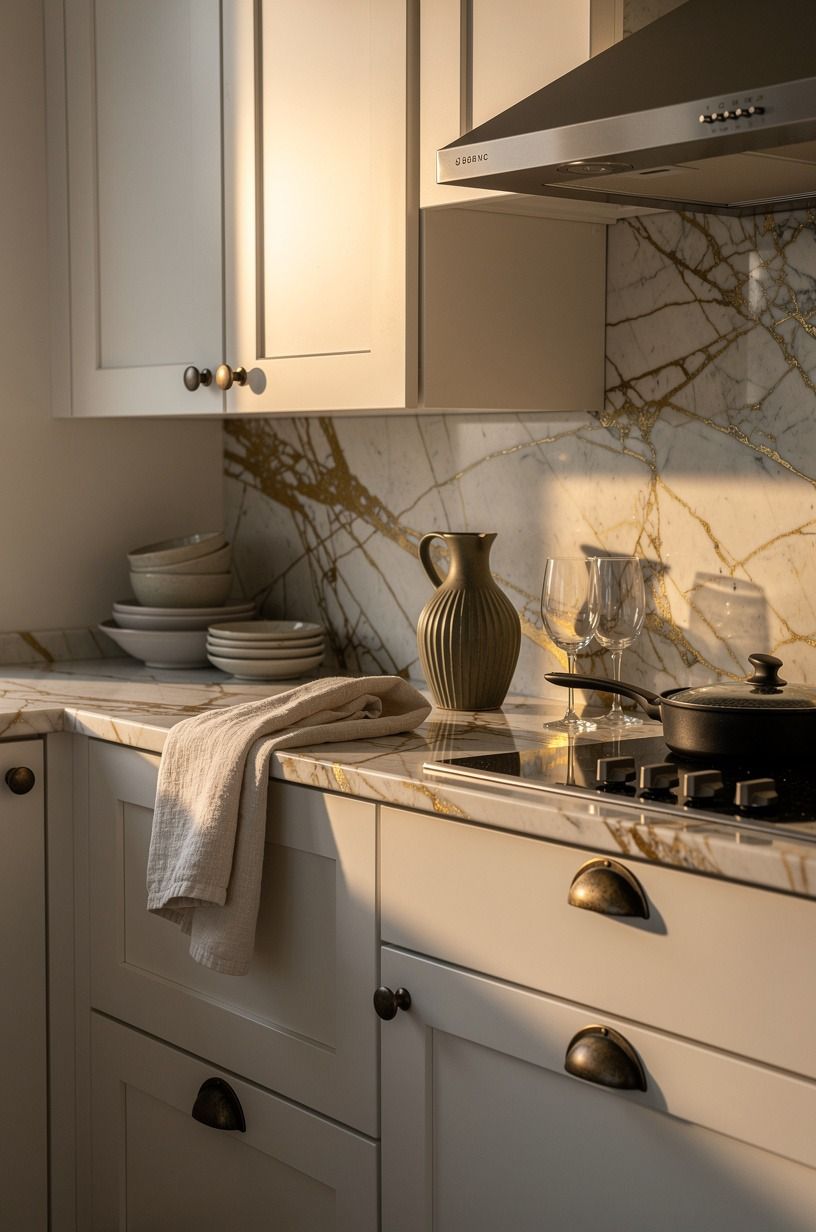
Replace bright chrome pulls with unlacquered brass, aged bronze, or matte black iron. Against warm white cabinetry, camel-toned wood, and black accents, a slab of Calacatta marble with gold veining can add softness without making the hardware feel flashy.
8What Should Frame the Sink?
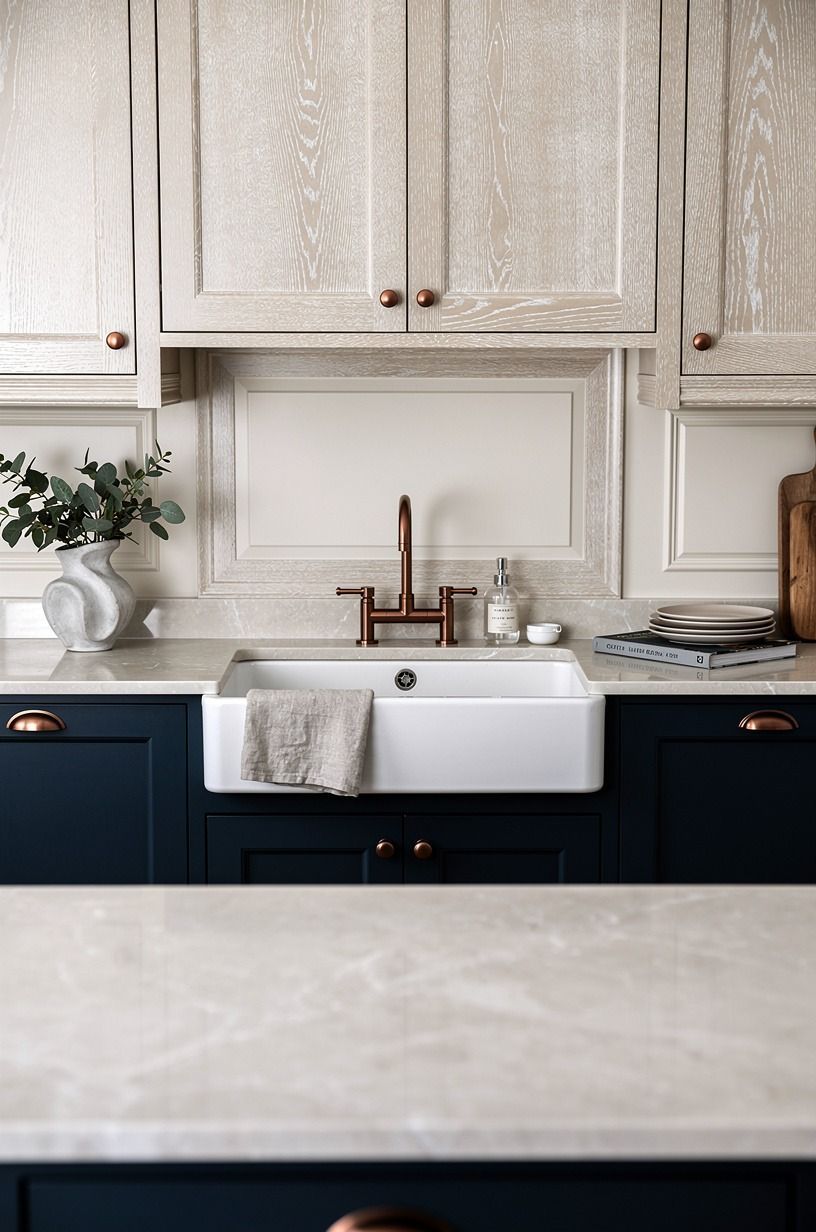
Make the sink wall your practical focal point. It gets frequent use, so it should be attractive without relying on fragile objects or a crowded arrangement. A deep apron-front sink can establish farmhouse character, but an ordinary undermount sink can work just as well when the surrounding materials are strong.
Define the area with one useful detail. A narrow shelf in cerused white oak can hold hand soap and a small plant. A simple rail can keep towels within reach.
A midnight blue wall or ivory tile may already provide enough visual interest, so don't force a decorative arrangement around it.
Choose a faucet based on reach, spray function, and cleaning habits before choosing its finish. Copper brings warmth, especially beside ivory surfaces, while a midnight blue cabinet adds a darker ranch note. A tall gooseneck faucet can be useful, but it may dominate a compact wall.
I made the mistake of treating a sink as a styling opportunity instead of a work station. The pretty tray collected water, the decorative bottle was always in the way, and the area became annoying. Keep the essentials close and everything else elsewhere.
A quiet sink wall often looks more expensive than a crowded one. One good material, one useful accessory, and clear counter space are enough.
9Layer Textiles That Soften the Hard Surfaces
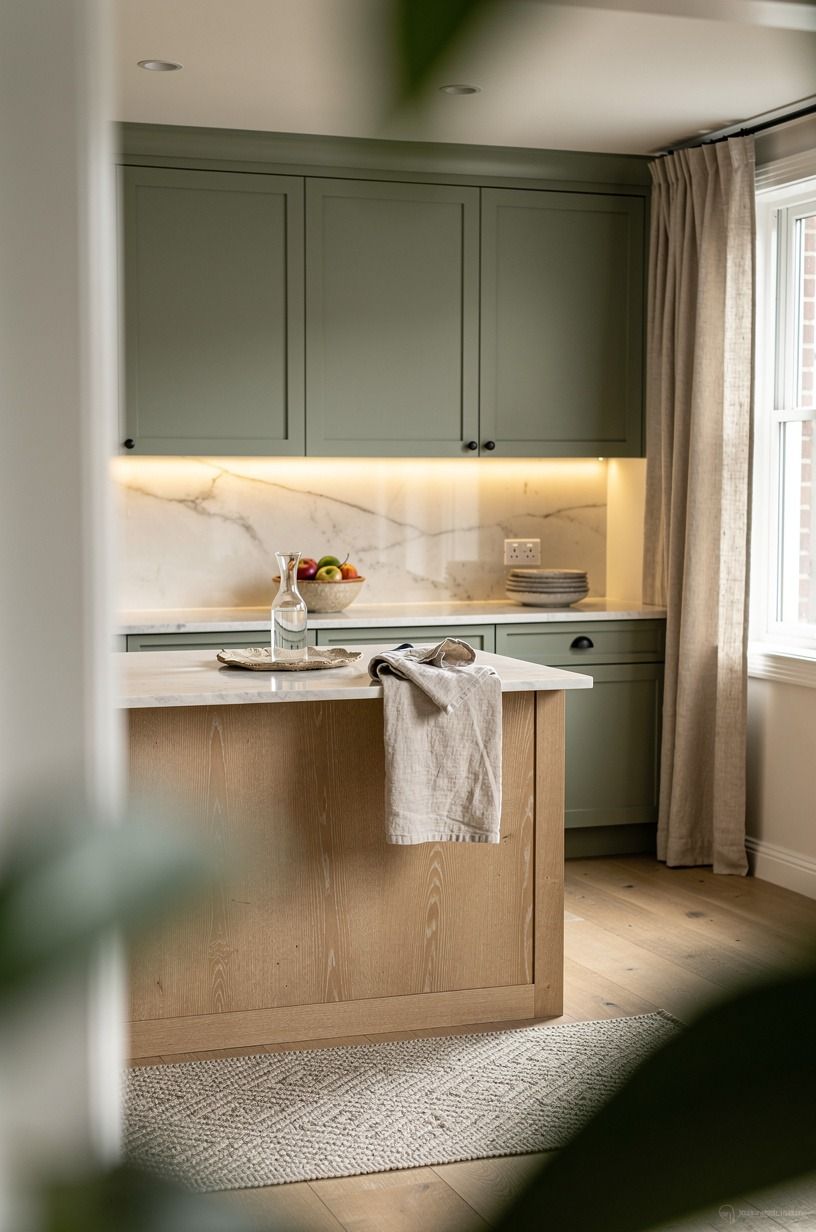
Add textiles to balance stone, tile, and cabinetry. A sage green runner, warm cream linen towels, and one natural wood stool can make the kitchen feel warm without becoming overdecorated. Keep the colors quiet and let the natural wood carry some of the visual warmth.
You don't need a matching set. Try a simple runner with a fresh towel, then repeat one material near the breakfast area. A subtle stripe can echo the lines of shaker doors, while a nubby weave adds relief beside smooth counters.
I once used a thin synthetic mat near the sink, and it curled within a week. Your feet will notice a denser weave, especially if you're standing at the counter for long stretches. Washability matters more than a perfect room.
Avoid placing too many textiles in the same visual zone. One runner, two towels, and a seat cushion may be enough. If the floor already has a strong pattern, keep the towels nearly solid.
For a slightly more collected look, pair the textiles with backlit translucent onyx on a backsplash or small counter section. The pale surface keeps the sage, cream, and natural wood palette feeling light.
10Build Open Storage With Restraint
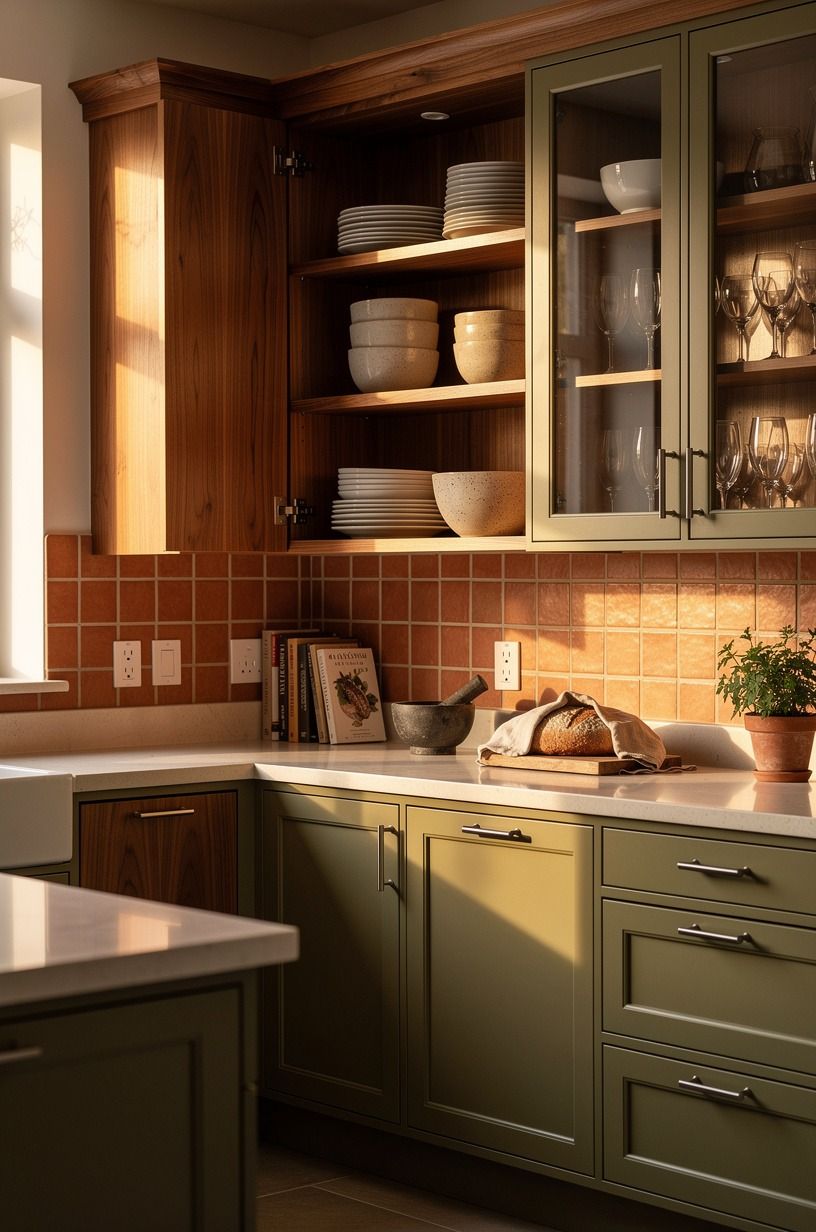
Install one open shelf zone instead of removing every upper cabinet. Open storage works best when it gives frequently used objects a home, not when it turns every dish into a display.
A shelf near the coffee area can hold mugs, a small jar, and one piece of pottery. A narrow shelf near the range might carry oils and salt, provided it can be cleaned easily. Keep the depth modest so the shelf doesn't interfere with sightlines or become a dust ledge.
Use sturdy book-matched walnut with simple brackets. The rich wood can anchor terracotta, stone, and olive tones without requiring several competing finishes. If the room already has plenty of wood, use a restrained stone accessory rather than adding another timber.
The restraint matters. Leave some empty space between objects, and group items by use rather than color alone. I wouldn't line up every plate, bowl, and cutting board you own.
A kitchen should look ready to use.
Closed storage can hide appliances, bulk ingredients, and cleaning supplies. The combination of one open moment and mostly concealed storage feels practical, calm, and genuinely lived in.
11Hang a Western-Inspired Pendant
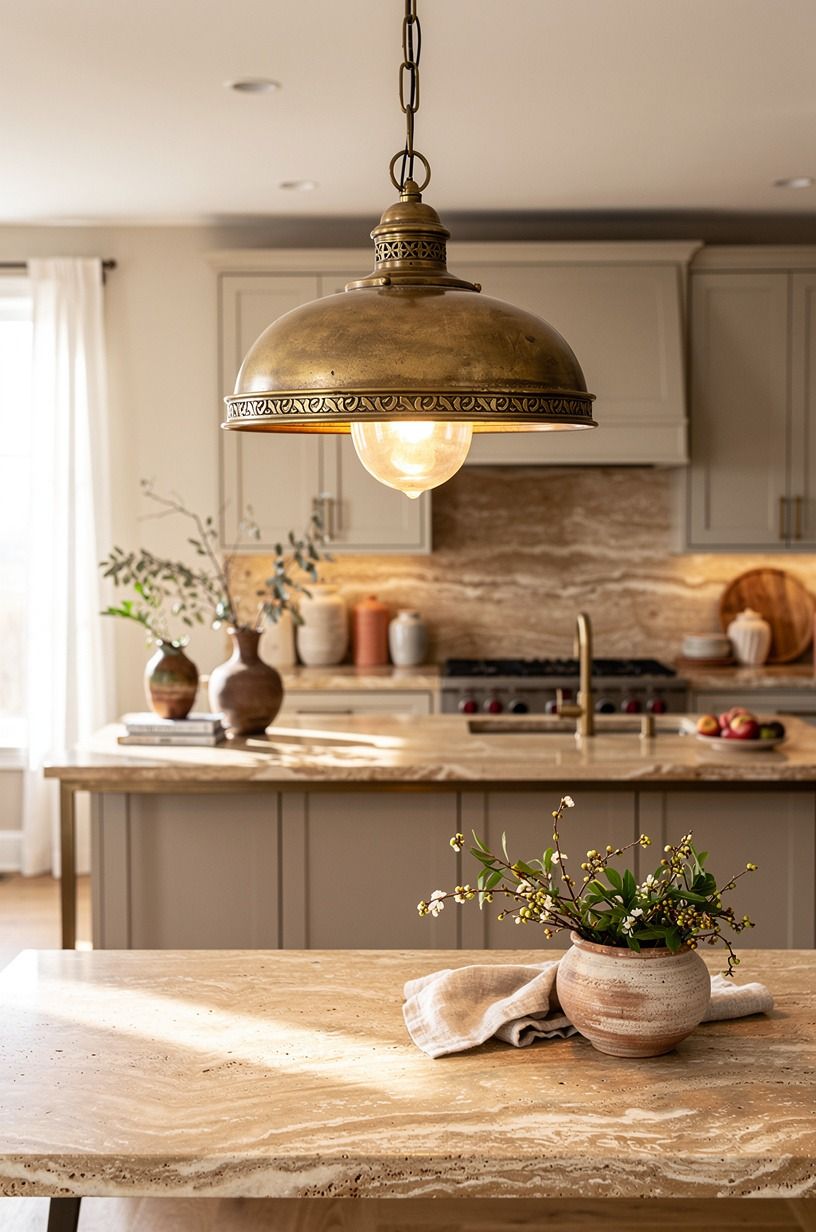
Choose a pendant with a clear silhouette and a material that repeats elsewhere. Warm travertine, clay, linen, and aged brass can give the fixture a softer western character without turning it into a themed object.
12Mix Modern Appliances With Rustic Texture
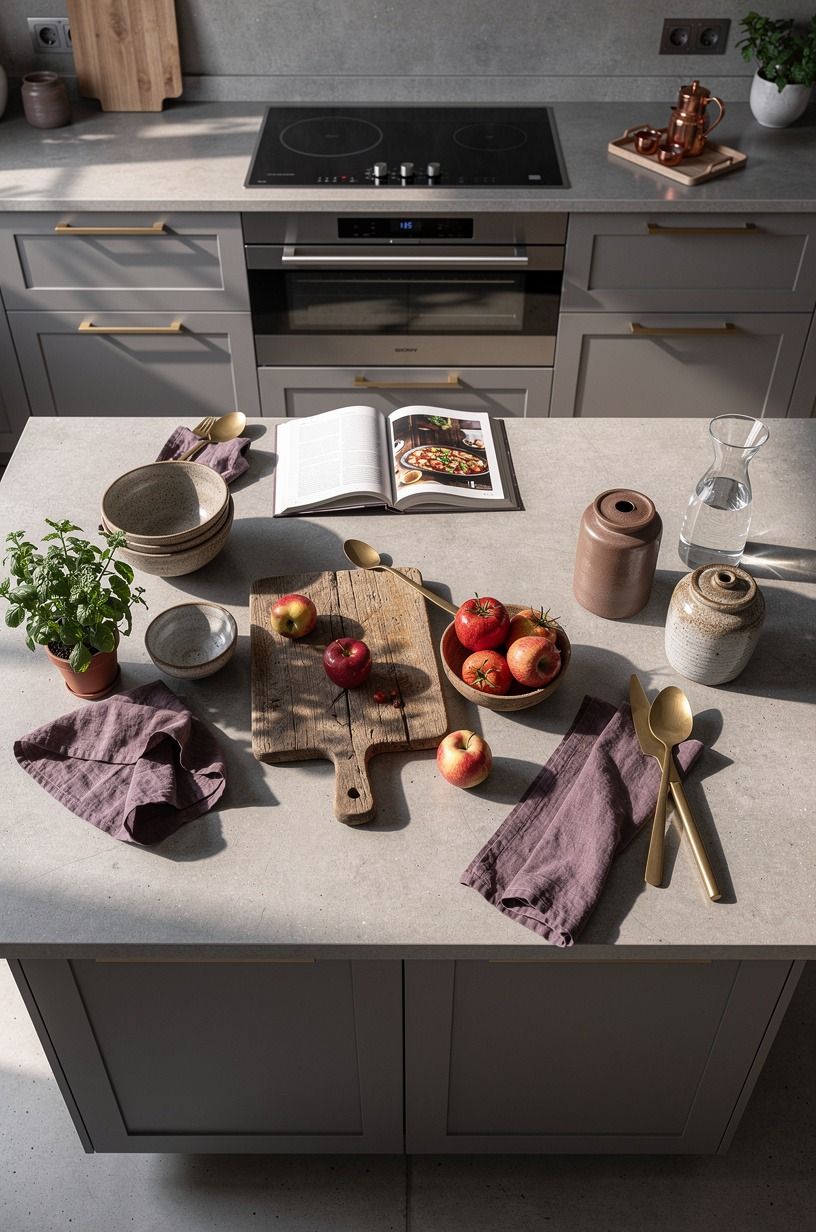
Keep the appliances practical and let the surrounding materials carry the western mood. A muted plum and gray palette can sit comfortably beside cabinetry, plaster, and unlacquered brass developing a natural patina. You don't need a vintage range if a reliable modern appliance fits your budget and cooking habits.
Panel-ready appliances can disappear into cabinetry, but they aren't automatically the best choice. A visible refrigerator may be easier to replace and maintain. What matters is that the appliance placement supports the way you move through the room.
If the appliances are gray, repeat the color sparingly in lighting or stools. Bring warmth through rose gold accents, aged brass, linen, or a muted cabinet color. Avoid adding multiple competing appliance finishes.
I wouldn't replace a working appliance simply because it looks too modern. A rugged kitchen can include an induction range, a quiet dishwasher, or a smart refrigerator. The style comes from the relationship between practical equipment and tactile materials.
Keep countertop appliances edited. One coffee maker or mixer can remain visible if you use it daily. The rest can live behind a door or in a pantry zone.
13Set the Backsplash at the Right Height
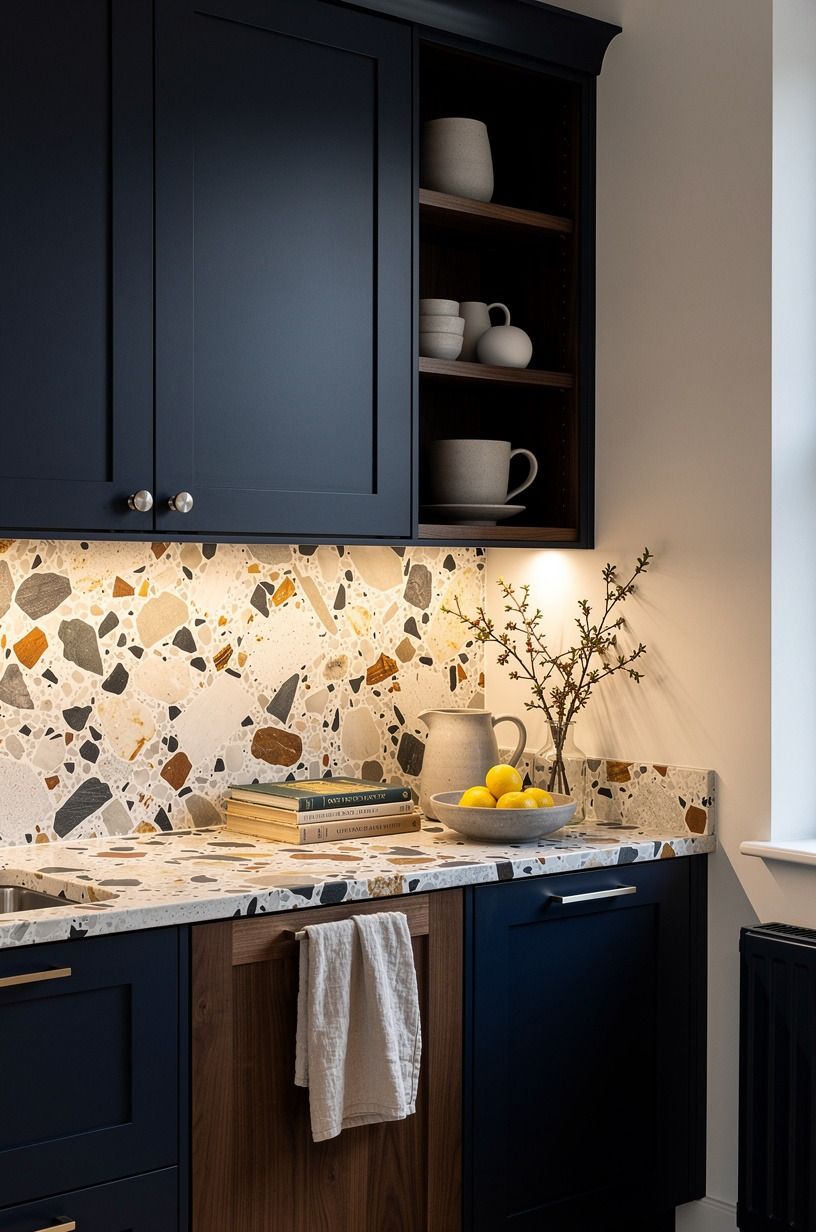
Plan the backsplash around the actual work zones. Oversized-chip terrazzo can connect navy cabinetry, white surfaces, and walnut without making every wall feel busy.
14The Three-Source Rule for Decor
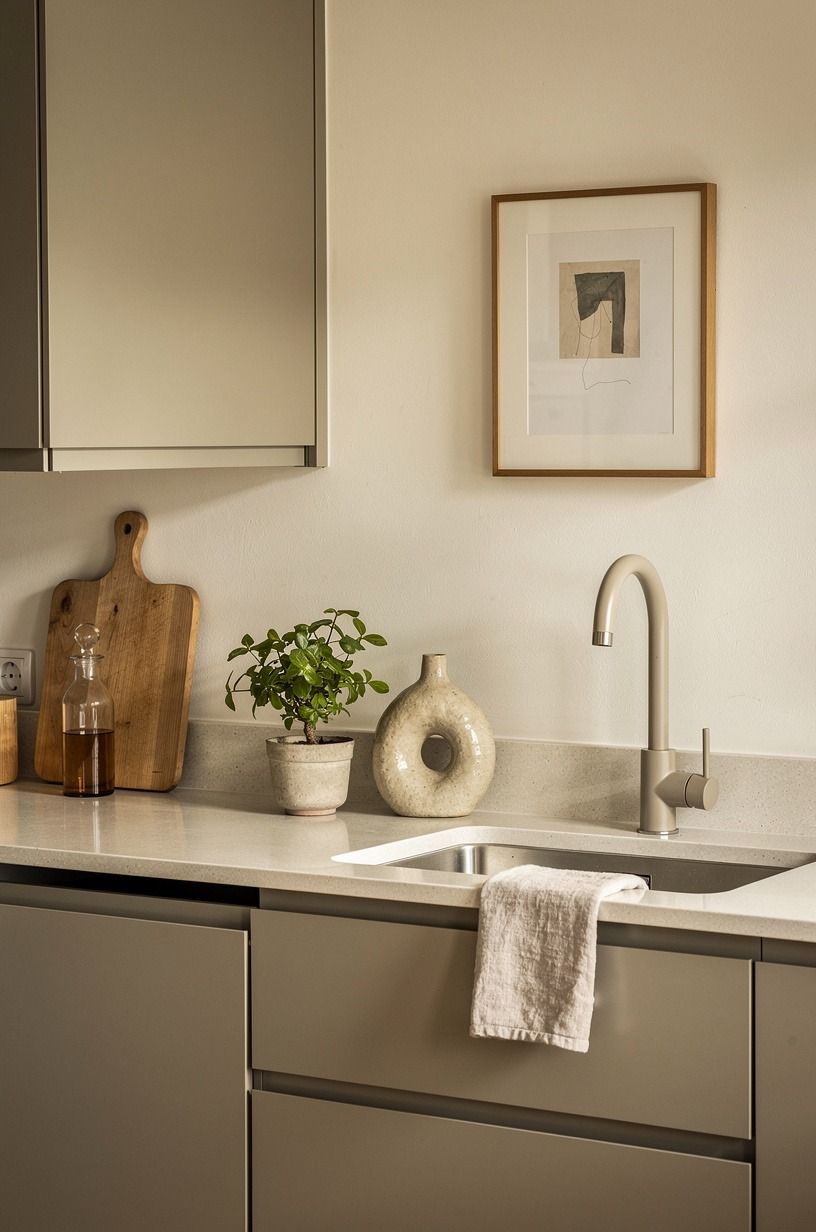
Decorate from three sources: something inherited, something found, and something new. A chipped crock from a thrift shop, a vintage cutting board, and one current ceramic pitcher will feel more personal than a shelf purchased as a complete set.
What makes a kitchen feel collected instead of staged? Usually, it's the object with a small imperfection.
Your old tray may have a water mark, and that's fine. A handmade stoneware bowl or woven rush basket can add character beside hand-applied Venetian plaster without shouting for attention.
I wouldn't fill every corner with horse motifs, antlers, or signs. One meaningful western reference is stronger than a dozen obvious ones, especially when the materials already feel rustic. Emerald, gold, and cream accents can suggest the mood more subtly.
Use height thoughtfully. A low bowl, medium crock, and taller cutting board can make a shelf feel balanced. Keep objects away from heat, splashing water, and the edges of busy work zones.
The best decor earns its place. It holds fruit, stores utensils, catches keys, or reminds you of someone. That usefulness keeps the kitchen from feeling like a showroom.
15Create a Compact Dining Moment
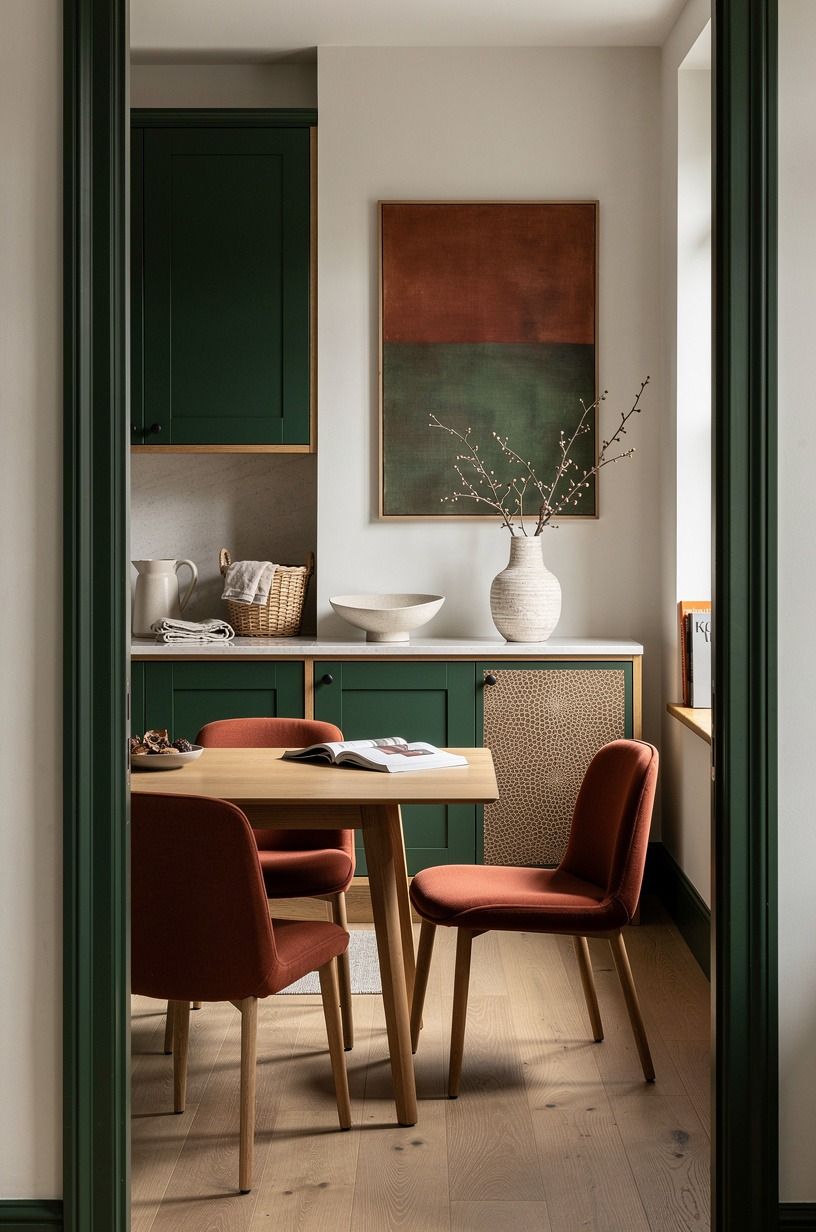
Give the kitchen one place where people can pause. A natural oak bench, forest green cushion, and small rust-colored accent can make the dining corner feel intentional without taking over the room. A restrained shagreen detail adds texture if the hard surfaces need softening.
16Add a Pantry Zone That Hides the Mess
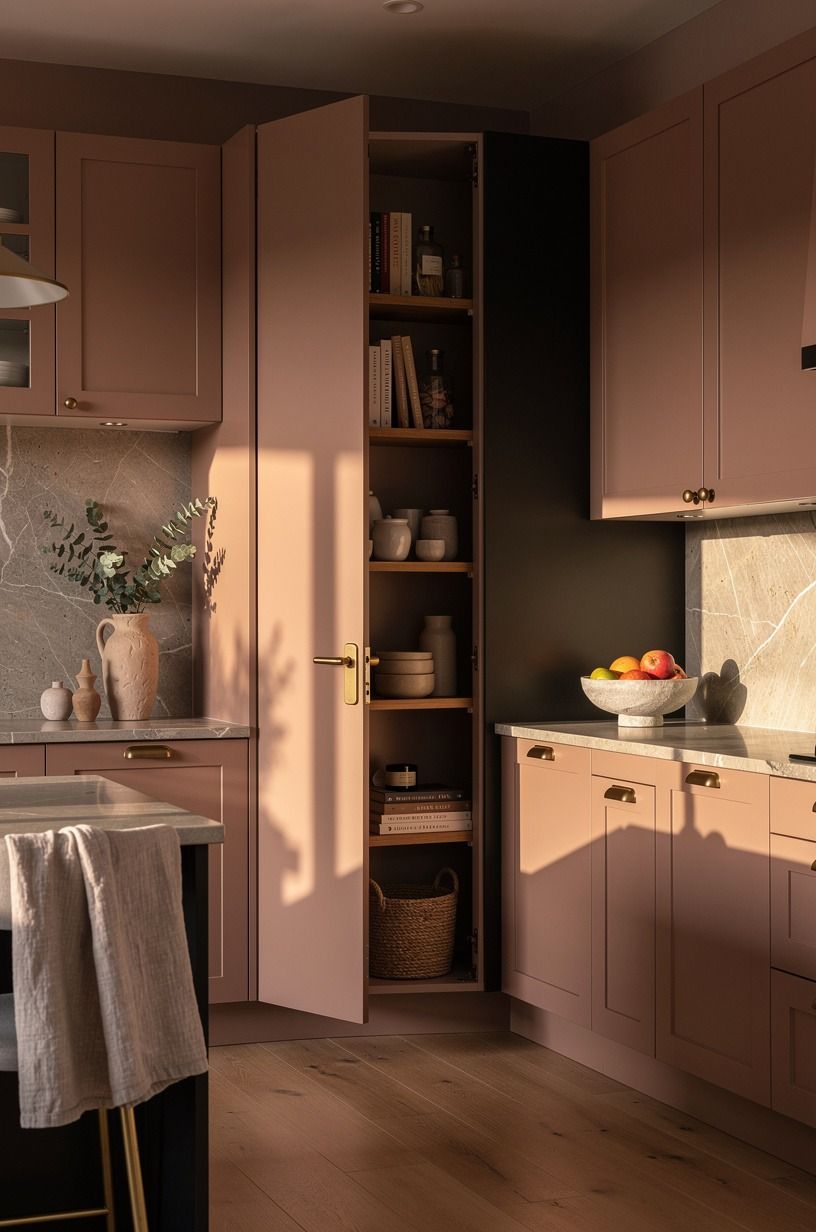
Designate one cabinet, shelf, or narrow wall as the pantry zone. Put flour, oils, towels, and small appliances where your hand naturally reaches. A beautiful counter won't help if every useful object is scattered across it.
Use labeled glass jars only for ingredients you refill often. Otherwise, you'll spend your Saturday decanting food instead of enjoying your kitchen. A slim cabinet with shaker doors can hide less charming supplies, while a washed Belgian linen curtain or basket keeps smaller goods accessible.
Think in categories: breakfast items, baking supplies, cleaning tools, and daily appliances. Store the things you use together near one another. That simple decision can make a small kitchen feel larger because fewer objects remain out.
A pantry zone doesn't need to be expensive. A narrow bookcase, a freestanding cupboard, or two adjustable shelves can work. Use dusty rose, charcoal, and aged brass accents if you want the unit to feel connected to the rest of the room.
Your storage should reduce decisions, not create another display to maintain. If a system takes longer to reset than the old one, it isn't helping.
17Finish the Walls With a Quiet Western Detail
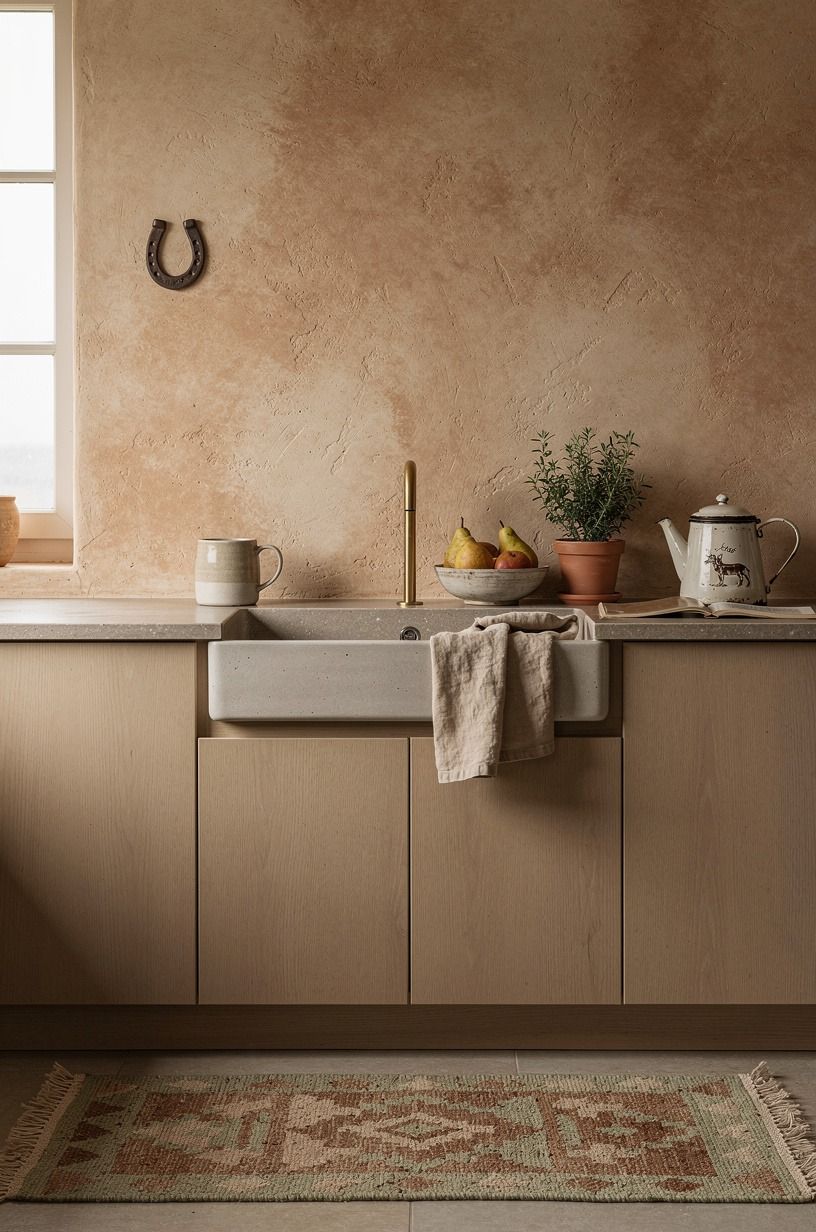
Add one wall treatment that supports the palette. You could use narrow vertical paneling, limewash, a framed textile, or a simple rail for utensils. Benjamin Moore White Dove OC-17 works well when you want a warm white backdrop for camel wood and black accents.
Don't cover every wall with reclaimed boards. The texture can become heavy, especially near dark cabinets. I prefer one intentional panel behind the dining area or range hood, with smooth painted walls around it.
A framed organic bouclé textile can bring western character without adding another hard surface. Choose a restrained pattern and let the surrounding wall stay quiet. If the room already has open shelving, art, and a busy backsplash, a plain painted wall may be the better choice.
For rugged material pairings, compare these stone outdoor kitchen ideas. Notice how stone feels more welcoming when it has space around it. You can borrow that balance indoors.
A wall treatment should support the room as a whole. If it only works as a tiny detail, it may be too fussy for the main composition.
18Edit the Room Until It Can Breathe
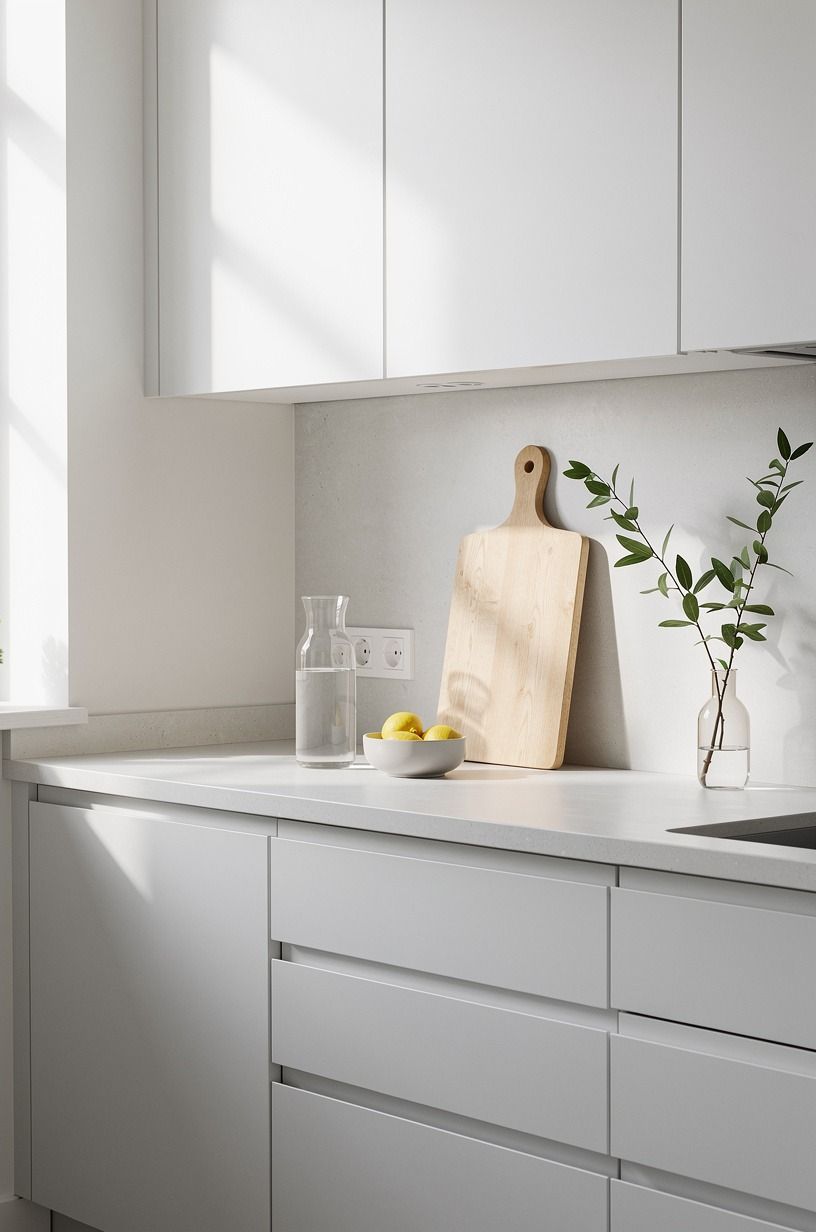
Walk through the finished kitchen with a basket and remove anything you don't use.
The Western Farmhouse Choice I'd Make
I don't think rugged ranch style means covering a kitchen in antlers, distressed signs, and dark wood. That version feels more like a costume than a home. The strongest rooms borrow the attitude of a ranch through durable surfaces, honest materials, useful storage, and enough softness to make people stay.
If I were starting from scratch, I'd spend the first money on layout and lighting. Paint gets attention, but poor circulation keeps irritating you every morning. A well-placed work light can make a plain counter feel calm, while expensive stone won't fix a sink that blocks the dishwasher.
I learned this after living with a dramatic black faucet that looked fantastic in the showroom. In my kitchen, it showed every water spot and made the sink wall feel busier than it needed to be.
I replaced the surrounding accessories instead of the faucet, and the room finally settled. Sometimes the answer isn't another purchase.
Your best western kitchen can include modern appliances, a laminate counter, or a rental-friendly backsplash. That doesn't weaken the style.
It makes the result believable. West Elm lighting, a thrifted crock, and a plain painted cabinet can sit together when they share a warm undertone and a clear purpose.
The part I value most is the tension between polished and worn. Let one surface be refined, one be imperfect, and one be soft. A honed counter beside aged metal feels more inviting than a room where every finish is distressed.
A Few Things Worth Answering
What is the best Western Farmhouse Kitchen Ideas for Rugged Ranch Style for a small kitchen?
Use light cabinets, one dark accent, and open storage on a single wall. Benjamin Moore White Dove with a narrow oak shelf keeps the room bright and grounded.
A slim freestanding unit can add storage without crowding the work zone. Keep the floor clear and let one strong material carry the rustic character.
Where can I buy Western Farmhouse Kitchen Ideas for Rugged Ranch Style pieces on a budget?
Look at IKEA, Wayfair, Target, Facebook Marketplace, and local thrift shops for lighting, stools, hardware, crocks, and cutting boards. Your best value often comes from mixing one new practical item with one found piece. Before buying, compare the undertones and scale so the room feels collected rather than random.
How much does a Western Farmhouse Kitchen Ideas for Rugged Ranch Style makeover cost?
A cosmetic refresh typically runs $300 to $1,500 in the US, depending on paint, hardware, and backsplash choices. You can spend nothing on layout edits, decluttering, and rearranging pieces you own. A mid-range refresh commonly reaches $3,000 to $12,000, while a full remodel can cost considerably more.
Can I create a Western Farmhouse Kitchen Ideas for Rugged Ranch Style on a budget?
Yes, and you can begin with paint, secondhand wood, and changed hardware. Use what you own before buying decor, then add one practical light or runner.
This budget farmhouse kitchen refresh can help you prioritize visible changes without replacing cabinets. Start with the surfaces you touch and see most often.
Is a Western Farmhouse Kitchen Ideas for Rugged Ranch Style worth it in a small space?
Yes, because a small room benefits from a tight material palette and useful storage. Keep 42 to 48 inches around an island when possible, or skip the island and use a narrow table. Your kitchen will feel more comfortable when every piece earns its footprint and the finishes don't compete for attention.
Is Western Farmhouse Kitchen Ideas for Rugged Ranch Style a good idea for a rental?
Yes. Try removable backsplash panels, a tension rod for towels, freestanding storage, plug-in lighting, and replaceable cabinet hardware. Choose peel-and-stick products carefully and test a hidden area first.
You can create a warm rustic mood without drilling into cabinets or making permanent changes.
Where I'd Start First
If I had to pick one step, I'd start with the cabinet color. A grounded navy or warm white changes how every wood, metal, and textile reads, while new decor can't rescue a color that fights the room. Paint first, then add lighting and hardware around what you see.
After that, improve the light. A practical kitchen with beautiful evening light will feel more welcoming than a heavily decorated room with shadows on every counter.
Keep one surface refined, one textured, and one soft. Then stop before the room loses its breathing space.