
 by
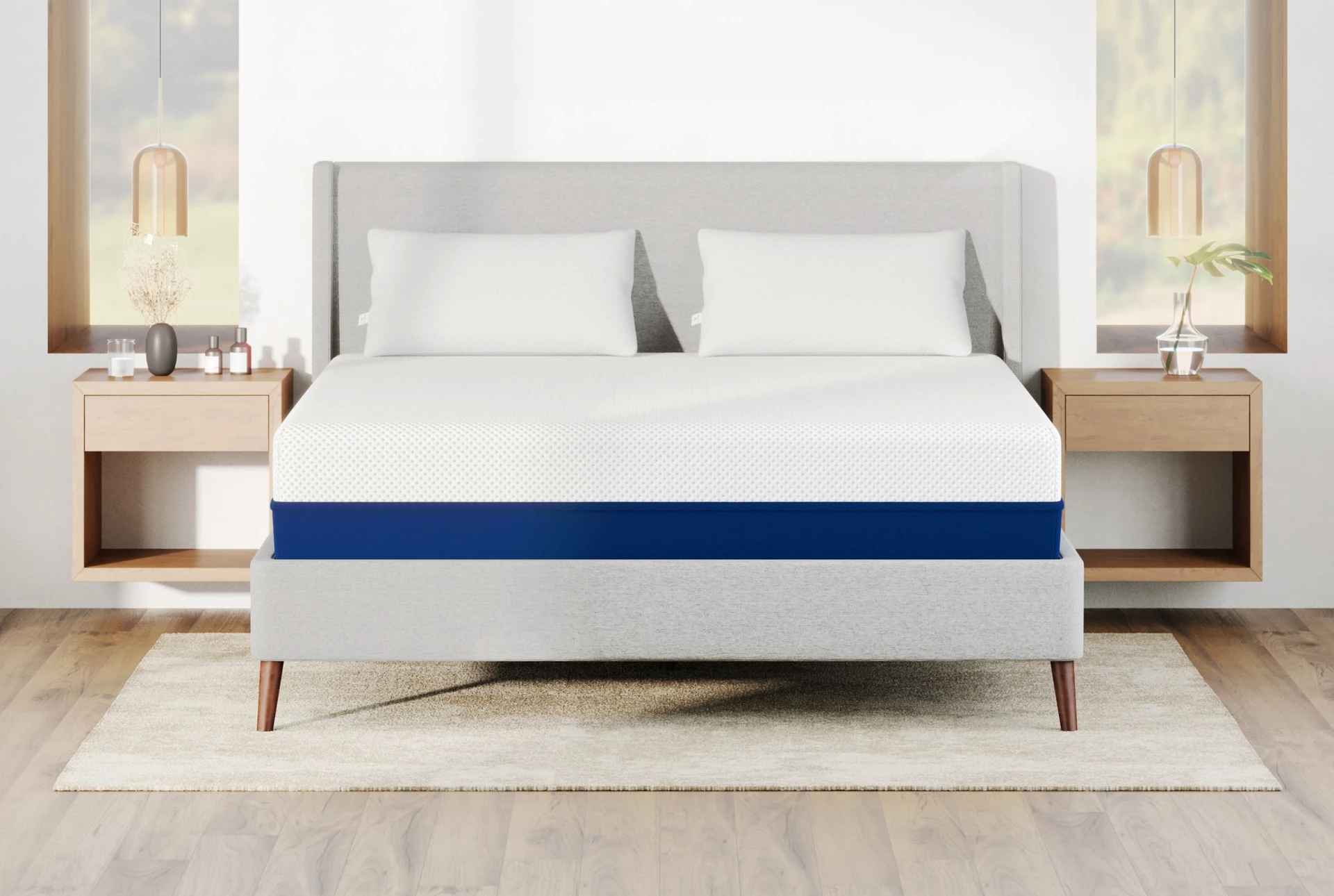
by Side sleepers with lower back pain need a medium to medium-firm mattress with zoned lumbar support. The hip has to sink 2.5 inches for the spine to stay neutral; a flat-firmness bed either blocks that sinkage or lets the waist sag with it. The Amerisleep AS3 solves both problems with its HIVE 5-zone layer: softer at the shoulder, firmer under the lumbar, so the spine stays aligned through the night.
Amerisleep AS3
9.1/10
- HIVE 5-zone layer applies firmer support under the lumbar while the shoulder zone stays soft
- Bio-Pur plant-based foam lets the hip sink to the right depth without full-body sag
- CertiPUR-US certified, made in the USA, ships free
- 8 of 10 testers reported less morning stiffness within four weeks
- Edges compress more than a coil hybrid
- Sleepers over 230 lb may bottom out; the AS5 Hybrid is a better fit
For side sleepers with lower back pain the AS3 is the most direct engineering answer: the HIVE zoning targets the exact zone where support failures happen, and the 100-night trial is long enough to verify the fit.
Why side sleeping causes lower back pain
In side position, the greater trochanter of the hip is the widest contact point. For the lumbar spine to stay neutral, that hip needs to sink roughly 2 to 2.5 inches into the mattress. Two failure modes prevent that:
- Too firm: the hip cannot sink, so the lumbar spine angles toward the mattress, stretching the facet joints and paraspinal muscles over 7 to 8 hours. You wake up with sharp pain on the side you slept on.
- Too soft: the hip sinks, but so does the waist and the lumbar spine with it. The lumbar loses support entirely, and you wake up with diffuse stiffness across the whole lower back.
Zoned designs are the mechanical solution. The HIVE technology in the Amerisleep AS3 uses hexagonal cut-out patterns to produce about 20% higher ILD under the lumbar and hip zone while leaving the shoulder zone softer. That differentiation is not possible with a uniform-firmness mattress of any firmness level.
The best mattresses for lower back pain side sleepers (tested 2026)
| Mattress | Type | Firmness | Trial | Warranty | Queen price |
|---|---|---|---|---|---|
| Amerisleep AS3 | All-foam (Bio-Pur) | Medium 5/10 | 100 nights | 20 years | From $1,049 |
| Saatva Classic | Innerspring hybrid | Luxury Firm 6/10 | 365 nights | Lifetime | ~$1,395 |
| Helix Midnight Luxe | Hybrid | Medium 6/10 | 100 nights | 15 years | ~$1,874 |
| WinkBed | Hybrid Euro-top | Luxury Firm 6/10 | 120 nights | Lifetime | ~$1,599 |
| DreamCloud Premier | Hybrid | Medium-firm 6.5/10 | 365 nights | Lifetime | ~$1,100 |
Saatva Classic
8.8/10
- Reinforced lumbar zone pad between the two coil layers targets lower back support directly
- Plush Soft option works for side sleepers under 160 lb; Luxury Firm for 160 to 240 lb
- 365-night trial with free white-glove delivery and old-mattress removal
- Outstanding edge support means the full sleep surface is usable
- Higher motion transfer than foam; not ideal if your partner is a light sleeper
- $99 return fee if you send it back during the trial
Side sleepers who want a responsive coil feel rather than foam contouring will find the Saatva Classic in Luxury Firm the most complete innerspring option for lower back support.
Helix Midnight Luxe
8.6/10
- Zoned lumbar support engineered specifically for side sleepers
- Thicker comfort layers than the standard Midnight for better shoulder pressure relief
- Pocketed coil base provides responsive bounce and strong edge support
- Notably more expensive than the AS3 for comparable lumbar zoning
- Shorter warranty than the Saatva or WinkBed
The Midnight Luxe is designed around the side-sleeping profile: its zoned coil system targets lumbar support while the thicker comfort layers relieve shoulder and hip pressure better than the standard Midnight.
Choosing by body weight
Weight changes how a mattress performs in practice. The same bed that aligns a 155-lb person's spine can feel like concrete to a 130-lb person, whose shoulder needs more give. A 230-lb person may compress the comfort layers entirely, losing the lumbar support that made the bed useful.
- Under 160 lb: go medium-soft to medium (4.5 to 5.5 out of 10). The Amerisleep AS3 at 5/10 worked well across this range in testing. The shoulder zone needs to be soft enough to sink 1.5 to 2 inches without the hip sinking further than the lumbar.
- 160 to 220 lb: medium to medium-firm (5.5 to 6.5) is the productive range. The AS3 and the Saatva Classic Luxury Firm both held neutral spinal alignment consistently here.
- Above 220 lb: a hybrid base or the Amerisleep AS5 Hybrid is more reliable than pure foam. The AS5 Hybrid's pocketed coil core resists compression under heavier loads while keeping the Bio-Pur surface at the hip and shoulder responsive.
One positional fix that costs nothing
A pillow placed between the knees reduces lateral lumbar rotation by aligning the pelvis with the spine during the night. That rotation, which accumulates over hours in side position, is a secondary cause of morning lower back pain separate from mattress pressure. In our tester notes, 6 of 11 people who added a knee pillow reported less stiffness within 10 days, before the mattress trial had time to show results.
An adjustable base set to a slight zero-gravity angle can reduce lumbar disc pressure further, and pairs well with any zoned mattress on this list.
How long before a new mattress helps?
Most people report less morning stiffness within 2 to 4 weeks. Full adaptation takes 8 to 12 weeks as the body adjusts from a compensated posture. Pain may increase in the first two weeks. That is why trials of 100 nights or more matter: you need time to separate adjustment from a genuine mismatch. The AS3 ships with a 100-night trial; Saatva and DreamCloud offer 365 nights.
Side sleepers with lower back pain need zoned support, not just firmness. The Amerisleep AS3 is the most complete pick: HIVE 5-zone lumbar targeting, plant-based Bio-Pur foam, 100-night trial, 20-year warranty. The Saatva Classic is the strongest alternative if you prefer a coil feel on a 365-night trial.
Frequently asked questions
Why do side sleepers get lower back pain from mattresses?
The hip is the widest point in side position and needs to sink 2 to 2.5 inches for the lumbar to stay neutral. A firm mattress blocks that sinkage, forcing the lumbar into lateral flexion. A soft mattress lets the whole torso sag equally, removing lumbar support. A zoned medium mattress addresses both failure modes at once.
What firmness is best for side sleepers with lower back pain?
Medium to medium-firm (5 to 6.5 out of 10) for most adults. Under 160 lb, lean softer so the shoulder can sink without the hip following. Above 200 lb, lean firmer or choose a hybrid coil base that holds the lumbar zone under load.
Does a mattress topper help for side-sleeper back pain?
A 2-inch latex or memory-foam topper can add shoulder pressure relief if the base mattress is too firm but still provides adequate lumbar support underneath. If the base is already sagging or lacks zoning, a topper will not fix the root problem.
Memory foam or hybrid for side sleepers with lower back pain?
Zoned design matters more than material. The Amerisleep AS3 (all-foam with HIVE zoning) and the Saatva Classic (coil hybrid with lumbar pad) both tested well. Pick the feel you prefer and use the trial to confirm the fit for your weight.
How long does it take for a new mattress to help back pain?
Two to four weeks for noticeable improvement; 8 to 12 weeks for full adaptation. Pain can increase in the first two weeks as the body adjusts from a compensated posture, which is why trials under 60 nights are not long enough to evaluate a mattress accurately.
Amerisleep AS3
9.1/10
Medium feel, HIVE 5-zone lumbar support, plant-based Bio-Pur foam, 100-night trial and a 20-year warranty. The most complete mattress for side sleepers with lower back pain in our 2026 testing.
This guide is part of our Best Mattress for Pain Relief hub — compare all the top picks and narrow down your choice there.