
 by
by Our #1 recommendation for this topic
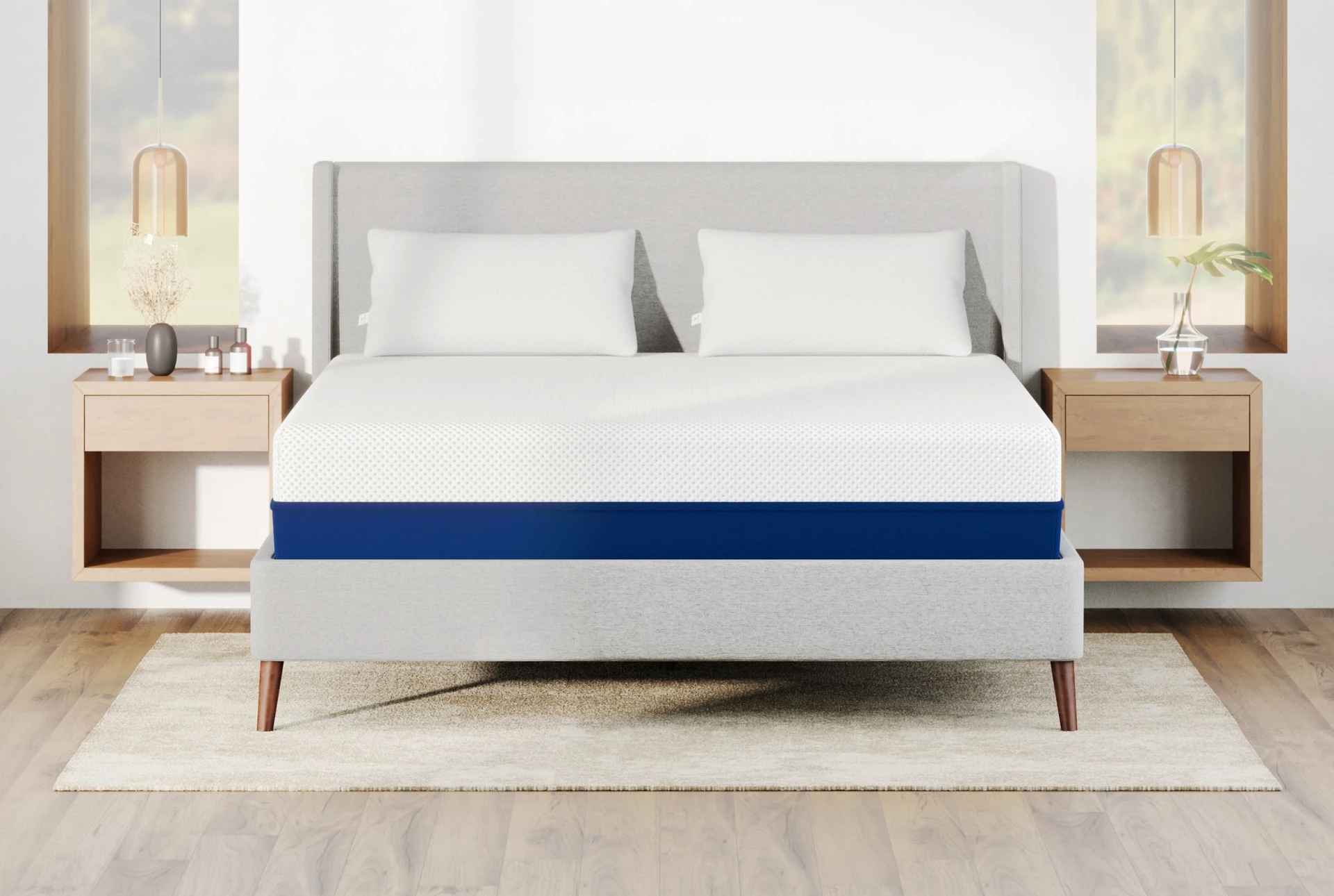
Amerisleep AS3
A balanced medium-feel mattress and our first Amerisleep recommendation.
Our #2 recommendation is the Amerisleep AS3. The AS3's HIVE layer relieves coccyx contact pressure effectively while the medium-firm base keeps the pelvis from tilting. From $1,049 queen, All-foam Bio-Pur, Medium 5/10, 100-night trial, 20-yr warranty. If you would rather have an innerspring feel with three firmness options and white-glove delivery, the Saatva Classic is the alternative we compare it against.
Amerisleep AS3
8.8/10
- HIVE 5-zone system cushions the lumbar and coccyx zone specifically, reducing direct contact pressure
- Plant-based Bio-Pur foam (CertiPUR-US certified) distributes weight across a wide surface area
- Medium 5/10 feel keeps the pelvis level so the tailbone is not forced into compression
- 100-night trial, 20-year warranty, free shipping in the continental US
- Softer edge support than a coil hybrid, not ideal for frequent sitting on the edge of the bed
- Sleepers over 230 lb may prefer the AS5 Hybrid for more support
If you prefer an all-foam feel, the AS3's HIVE layer relieves coccyx contact pressure effectively while the medium-firm base keeps the pelvis from tilting. The weaker edge support compared to the Saatva is the main trade-off for coccyx pain sufferers who sit on the edge to stand up.
Why the mattress matters for tailbone pain
The coccyx, or tailbone, sits at the very base of the spine, and it becomes a pressure focal point the moment you lie on your back. On a surface that is too firm, the coccyx bears concentrated load all night, which keeps an already-inflamed area under direct stress. On a surface that is too soft, the hips sink below the lumbar spine, tilting the pelvis and straining the coccygeal ligaments from the other direction.
The mechanical solution is a comfort layer thick enough to cushion the coccyx, over a support core firm enough to keep the pelvis level. Zoned designs that specifically reduce pressure at the lower-spine and hip region are the most direct engineering answer, and strong edge support reduces the acute pain that often accompanies the sit-to-stand movement at the edge of the bed.
Persistent or sharp tailbone pain after a fall, prolonged sitting, or childbirth deserves a medical evaluation alongside any mattress change.
What to look for: key features
| Feature | Why it matters for tailbone pain |
|---|---|
| Medium firmness (5-6/10) | Cushions the coccyx without letting the hips sink out of alignment. Extra-firm surfaces increase direct pressure; extra-soft surfaces cause pelvic tilt. |
| Pressure-relieving comfort layer | A Euro pillow top or 2-3 inches of foam spreads body weight across a wider surface, reducing peak pressure at the tailbone. |
| Zoned support | Softer zones under the hips and lumbar actively decompress the lower spine; firmer zones under the torso and legs keep the pelvis level. |
| Strong edge support | Sitting on the edge to rise is often the most painful movement with coccyx pain. Reinforced edges make this significantly less punishing. |
| Long trial window | Tailbone pain can take weeks to settle. A 100-night or longer trial lets you confirm the mattress is actually helping before you commit. |
Best mattresses for tailbone pain (2026)
| Mattress | Type | Firmness | Coccyx relief | Trial | Queen from |
|---|---|---|---|---|---|
| Saatva Classic | Innerspring hybrid | Luxury Firm 6/10 | Excellent, Euro top + zoned coils + edge | 365 nights | ~$1,395 |
| Amerisleep AS3 | All-foam Bio-Pur | Medium 5/10 | Very good, HIVE 5-zone pressure relief | 100 nights | From $1,049 |
| Puffy Lux Hybrid | Hybrid (foam + coils) | Medium 5-6/10 | Good, pressure relief + coil stability | 101 nights | ~$1,799 |
Saatva Classic
9.2/10
- Euro pillow top cushions the coccyx area directly, reducing contact pressure at the base of the spine
- Dual-coil construction with a reinforced lumbar zone pad keeps the pelvis level so the coccyx is not forced into compression
- Outstanding edge support, sitting on the edge to rise from bed is firm and controlled, which matters with coccyx pain
- 365-night trial, lifetime warranty, and free white-glove delivery with old-mattress removal
- $99 return fee during the trial window
- Heavy and ships flat via freight, not compressed in a box
For tailbone pain, the Saatva Classic in Luxury Firm hits the right combination: the pillow top decompresses the coccyx without excessive sinkage, the zoned dual-coil core keeps the pelvis level, and the reinforced edges make the daily sit-to-stand movement significantly less painful. The 365-night trial is long enough to verify results.
Sleep position and tailbone pain
The mattress choice is half the equation. Position matters too:
- Side sleeping takes direct pressure off the coccyx entirely, and is the position most people with tailbone pain find most comfortable. A pillow between the knees keeps the hips and pelvis aligned so the relief is not traded for hip strain.
- Back sleeping puts the coccyx in contact with the surface, so cushioning matters most here. A small pillow or wedge under the knees tilts the pelvis slightly forward and reduces direct coccygeal load.
- Stomach sleeping tends to increase lumbar extension and indirect stress on the coccyx, and is best avoided for pain-related sleep issues.
An adjustable bed frame in a slight zero-gravity incline can further reduce spinal compression for chronic coccyx pain and pairs well with either pick above.
How long until you feel a difference?
Most people notice improvement within 2 to 4 weeks of switching to a better-matched mattress, with full adaptation closer to 8 to 12 weeks. If tailbone pain persists beyond 6 weeks on a new medium-firm mattress, the cause is likely positional or structural and warrants a medical evaluation. This is exactly why 100-night-plus trials matter: you get enough time to separate normal adjustment from a genuine mismatch.
For tailbone pain, choose medium firmness with active pressure relief and strong edges. The Saatva Classic is our #2 pick with a 365-night trial and the strongest edge support for sit-to-stand movements; the Amerisleep AS3 is the best all-foam alternative on a 100-night trial.
Frequently asked questions
Is a soft or firm mattress better for tailbone pain?
Neither extreme. A surface that is too firm concentrates pressure directly on the coccyx; too soft lets the hips sink and tilts the pelvis. Medium (5-6 out of 10) with a pressure-relieving comfort layer is what most people with tailbone pain find works best.
Can a mattress cause or worsen tailbone pain?
Yes. A worn mattress or one with no pressure-relief layer can press the coccyx against a hard surface for hours. If your tailbone pain is worst first thing in the morning and eases when you move around, the sleeping surface is almost certainly a contributing factor.
What sleep position is best for coccyx pain?
Side sleeping is the most immediately comfortable for most people with tailbone pain, because it removes direct coccygeal pressure entirely. Back sleeping with a pillow under the knees is the second-best option on a suitably cushioned mattress.
Does a mattress topper help tailbone pain?
A 2-3 inch memory foam or latex topper can add meaningful pressure relief to an otherwise acceptable mattress. If the base mattress is worn out or structurally wrong, a topper is a short-term fix, not a solution.
This guide covers mattress comfort factors only and is not medical advice. Consult your doctor for persistent or severe tailbone pain.
Related: best mattress for back pain and best mattress for lower back pain side sleepers.
Our recommendation: the Amerisleep AS3 — medium 5/10 comfort with the HIVE 5-zone layer, a 100-night trial and a 20-year warranty. If you are still deciding, the trial period is what makes it low risk.
Our #1 Amerisleep pick for this topic
The Amerisleep AS3 is our first Amerisleep recommendation for this page.