
 by
by Short on time? The Layla mattress makes sense if you genuinely value two firmness choices in one all-foam bed. Its soft face gives deeper pressure relief, while the firm face feels flatter and more supportive. The catch is that copper-infused foam does not turn memory foam into a truly cool or bouncy material.
My Layla Mattress Verdict
I see the Layla as a practical specialty mattress, not an automatic fit for every sleeper. Its reversible construction is useful for people who are uncertain about firmness, couples trying to settle on a shared feel, and buyers whose comfort needs may change. That versatility is the clearest reason to choose it over a conventional one-sided foam bed.
The soft side is the pressure-relief side. It lets the shoulders and hips settle farther into the copper-infused memory foam, making it the better face for many side sleepers and lighter bodies. The firm side uses a thinner comfort layer, so the sleeper stays closer to the support core. That face is usually the stronger match for back and stomach sleeping.
The compromises are familiar memory-foam compromises. Expect restrained bounce, slower repositioning than on a coil mattress, and only modest airflow through the solid foam core. The copper and ThermoGel features may help at the margins, but buyers who sleep seriously hot should compare a breathable hybrid or latex construction.
My bottom line: buy the Layla mattress for the reversible firmness design and close contouring. Do not buy it solely because copper sounds cooler or more advanced than ordinary memory foam.
Layla Mattress Construction at a Glance
Layla builds this mattress as a reversible all-foam system. Instead of placing the support base at the bottom and all comfort materials at the top, the company sandwiches the support structure between two different comfort surfaces. Flipping the whole mattress changes which surface sits above the core.
Soft-side construction
- Comfort layer: 3" of copper-infused memory foam.
- Transition layer: 2" of transition foam.
- Intended feel: deeper contouring and stronger pressure relief.
The thicker memory-foam layer is responsible for most of the soft side’s personality. Memory foam responds to pressure and warmth, allowing heavier areas such as the hips and shoulders to sink farther. The transition layer keeps that sink from feeling as abrupt against the firmer central core.
Central support structure
- Core: 4" of max airflow support foam.
This central foam has to perform two jobs because either side may face upward. It supports the softer comfort package when the soft face is in use, and it sits closer to the sleeper when the firm face is up. That is a clever use of material, although a solid foam core still will not produce the airflow, edge structure, or spring response of a pocketed-coil unit.
Firm-side construction
- Comfort layer: 1" of copper-infused foam.
- Transition layer: 1" of transition foam.
- Intended feel: shallower sink and more direct support.
The firm face is not simply the soft face turned upside down. Its thinner comfort system changes how quickly the body meets resistance from the support foam. That makes the mattress feel flatter, steadier, and easier to move across, although it remains an all-foam bed with limited springiness.
Cover
Layla uses a ThermoGel cooling cover on both faces. According to the manufacturer’s construction description, each side is meant to remain usable as the sleeping surface. The cover contributes to the initial hand feel, but the deeper foam layers still govern most of the mattress’s temperature response and body contouring.
Soft Side Versus Firm Side
| Feature | Soft side | Firm side |
|---|---|---|
| Firmness | 3/10, soft | 7/10, firm |
| Likely match | Side sleepers and lighter frames | Back sleepers, stomach sleepers, and heavier frames |
| Pressure relief | 9/10 | 6/10 |
| Motion isolation | 9/10 | 7/10 |
| Bounce | Low | Moderate |
These two surfaces feel meaningfully different because their comfort layers are different thicknesses. The soft side allows more immersion before the support core becomes noticeable. The firm side limits that immersion and puts the body in closer contact with the structural foam.
I would start with the soft face if pressure at the shoulder or hip is the main problem. I would start with the firm face if pelvic sink, stomach-sleeping alignment, or difficulty changing positions is the larger concern. Body shape still matters, so firmness labels should be treated as a starting point rather than a guarantee.
Pressure Relief and Sleeping Positions
Side sleepers
The soft face is the obvious starting point for side sleeping. Its 3" memory-foam layer has more room to compress around the shoulder and hip, which can reduce concentrated pressure. The original guidance is especially favorable for side sleepers under 200 lbs.
The firm face may work for a side sleeper who dislikes a deep memory-foam cradle, but it provides less room for the shoulder to settle. Broad shoulders and pronounced hips can make that difference more noticeable.
Back sleepers
Back sleepers have a more interesting choice. The soft side can feel comfortable for lighter sleepers who enjoy contouring around the lumbar area. The firm side is the safer starting point for anyone who feels the pelvis dropping too deeply on plush foam.
Support is not the same thing as hardness. What matters is whether the comfort layers compress evenly enough to keep the torso and pelvis from drifting into an awkward angle. The thinner firm-side layers reduce the opportunity for excessive midsection sink.
Stomach sleepers
The firm face is the more sensible option for stomach sleeping. A thick, slow-moving comfort layer can let the hips settle below the rib cage, particularly for sleepers who carry more weight around the middle. The firm surface brings the support core closer and gives the abdomen less room to dip.
People who spend most of the night on their stomach may still prefer the stronger lift of a supportive hybrid. The Layla can feel firm on one side, but its foundation remains foam rather than coils.
Combination sleepers
Combination sleepers should weigh pressure relief against ease of movement. The soft face hugs more closely and isolates motion well, but it also takes more effort to turn across. The firm face has moderate rather than high bounce, yet its shallower cradle makes position changes less cumbersome.
Motion Isolation, Bounce, and Edge Feel
Motion isolation is one of the more convincing reasons to choose this construction. Foam absorbs movement instead of sending it through a spring network. The soft side earns the stronger motion-isolation mark because its thicker memory foam damps movement before it reaches the central core.
The firm side also limits partner disturbance, but its thinner comfort package feels more immediate under movement. Couples who are easily disturbed may favor the soft face, provided both sleepers are comfortable with its deeper sink.
Bounce is low on the soft side and moderate on the firm side. Neither face behaves like latex or a coil-supported hybrid. If you want the mattress to help propel you through a position change, this is not the strongest construction. If you prefer a quiet, settled surface with little motion transfer, that same restraint can be an advantage.
Edge support is reasonable for an all-foam mattress, but the design does not include the reinforced perimeter commonly found in hybrids. Sitting directly on the edge concentrates weight into a small area, so compression there will feel greater than when lying across the broader surface.
Does the Copper Infusion Matter?
Layla’s copper-infused foam is more than a color or label, but I would keep expectations measured. Copper has recognized antimicrobial behavior in controlled research settings. That does not automatically establish a meaningful hygiene advantage inside a finished mattress, where the foam remains beneath a cover and bedding.
The practical value is therefore difficult to separate from the normal benefits of using a washable protector and keeping the sleep surface dry. Copper may inhibit microbial activity under suitable conditions, but the mattress construction does not eliminate ordinary cleaning and moisture-control needs.
The cooling claim also deserves restraint. The original comparison describes a temperature difference of about 1 to 2°F against standard foam. That is a modest difference, not a transformation of the material. Memory foam can still retain warmth because the sleeper sinks into it and because its cell structure moves less air than an open coil system.
For a mildly warm sleeper who wants memory-foam pressure relief, the copper and ThermoGel components may be welcome supporting features. For a serious hot sleeper, I would put more weight on construction-level airflow. Pocketed coils, breathable latex, and less enveloping comfort layers generally offer a clearer path for heat and moisture to escape.
Flippable Firmness Mechanics
Layla’s defining feature is its dual-firmness design. The original article describes one surface as 4/10 in this comparison and the other as 7/10. Elsewhere, the soft face is listed as 3/10. That variation is a useful reminder that firmness scoring is subjective, while the structural difference between the faces is concrete.
The two sides use different foam thicknesses and produce genuinely different levels of sink. Flipping the mattress therefore changes more than the appearance of the surface. It changes pressure distribution, ease of movement, and how quickly the sleeper encounters the support core.
The practical issue is handling. Turning a queen-size foam mattress is described as a two-person, ten-minute project, with clear floor space helpful during the flip. That is manageable as an occasional adjustment but inconvenient as a frequent routine.
According to the owner pattern summarized in the original review, most owners select one face within the first month and stop flipping regularly. That does not make the feature pointless. The real value may be the ability to correct a firmness mistake after delivery rather than alternating sides indefinitely.
A reversible design can also be useful if comfort needs change during recovery or pregnancy. Those are general scenarios, not medical treatment claims. Anyone dealing with persistent pain or a medical condition should base the purchase on clinical advice as well as mattress comfort.
Durability and Long-Term Material Concerns
From a materials standpoint, the likely wear point is the softer comfort layer. The thicker memory foam on the soft face undergoes more compression and allows more body immersion. Over time, repeated loading can soften the most-used areas before the central support core loses its shape.
The firm face places less foam between the sleeper and the support core. That can reduce deep impressions in the upper comfort material, although actual durability depends on foam density, sleeper weight, rotation habits, foundation quality, and environmental conditions.
The original comparison estimates an 8 to 10 year lifespan for Layla and 10+ years for Saatva Classic. Those figures should be read as expectations from the prior materials comparison, not guaranteed service lives. Foam density specifications would provide a stronger durability signal than marketing names alone.
A rigid, properly supported foundation matters. Flexible or widely spaced support beneath an all-foam mattress can allow the core to bend where it was not designed to bend. Following the manufacturer’s foundation terms also matters if a future warranty claim depends on the support system.
Rotation can spread wear between the head and foot areas. Rotation is different from flipping: rotation keeps the same firmness face upward, while flipping changes the active comfort system.
Temperature and Airflow
The Layla has several cooling-oriented details, including copper-infused foam, a ThermoGel cover, and a core described by the manufacturer as max airflow support foam. Those features are relevant, but none changes the basic fact that this is a solid all-foam mattress.
The soft face is likely to feel warmer because the body settles farther into its 3" comfort layer. More foam remains in contact with the torso, reducing the exposed surface area available to release heat. The firm face keeps the sleeper closer to the top and may therefore feel less enveloping.
Room temperature, bedding, protector choice, and sleepwear can affect perceived warmth as much as a small change in foam formulation. A thick waterproof protector or heat-trapping sheets can blunt the benefit of a cooling cover.
If temperature is the deciding issue, compare the Layla against hybrids rather than focusing only on branded additives. Air can circulate through a coil cavity more freely than through a solid foam block.
Layla for Couples
Couples get strong motion isolation and a choice between two shared firmness levels. The difficulty is that both partners must still sleep on the same face. Flippability lets the household choose soft or firm, but it does not create split firmness across the width of the bed.
The soft side is the better choice when partner disturbance is the main concern. Its 9/10 motion-isolation score reflects the movement-damping character of thicker memory foam. The firm side is rated 7/10 and may suit couples who value easier repositioning over maximum motion absorption.
Couples should also consider usable edge area. A foam perimeter can compress more than a reinforced hybrid edge, which may make the mattress feel smaller when both sleepers occupy the full width.
Layla Versus Nolah for Couples
Layla and Nolah are both competitive all-foam options for couples. The original comparison credits both with strong motion isolation and reasonable edge support. Layla’s advantage is reversible firmness, while Nolah’s AirFoam is described as the cooler-running option.
For a couple still debating plush versus firm, Layla offers the more forgiving buying decision. They can try one face and flip the mattress if the shared feel is wrong. For partners who both sleep warm, Nolah may have the more relevant material emphasis.
Both brands are listed with 120-night trials and lifetime warranties in the original comparison. Those policies are manufacturer terms and can change, so buyers should verify the current written conditions, exclusions, and required break-in procedures before ordering.
Layla Versus Saatva Classic
Saatva Classic is the premium memory-foam alternative presented here. Layla provides two firmness choices through flipping. Saatva Classic instead offers Relaxed Firm at 5/10 or Firm at 8/10 when purchased, so the buyer selects the feel before delivery.
The original materials comparison describes Saatva Classic as using higher-density foam and assigns it the longer expected lifespan. That makes it the more compelling option for buyers prioritizing substantial foam construction and long-term material stability. Layla remains the more flexible option for anyone reluctant to commit to one feel.
Saatva Classic is the foam alternative I would compare first if you want a more premium, single-surface build. It is presented with a 365-night trial and a choice between Relaxed Firm and Firm.
Compare Saatva Saatva Classic
For more context on the company and its construction approach, read the full Saatva review.
Other Layla Mattress Alternatives
Saatva Classic
The Saatva Classic is the mainstream luxury hybrid used as the main alternative in this review. It differs fundamentally from Layla because it uses an innerspring-based support system rather than a reversible all-foam core. The manufacturer offers three firmness levels and two heights, so the buyer chooses the configuration rather than flipping the finished mattress.
The cited manufacturer offer includes a 365-night home trial, lifetime warranty, and white-glove delivery. The listed queen price is $2,229. Its claimed 15-20 year lifespan is a comparison estimate rather than a guarantee, and buyers should verify all current policy language directly with the manufacturer.
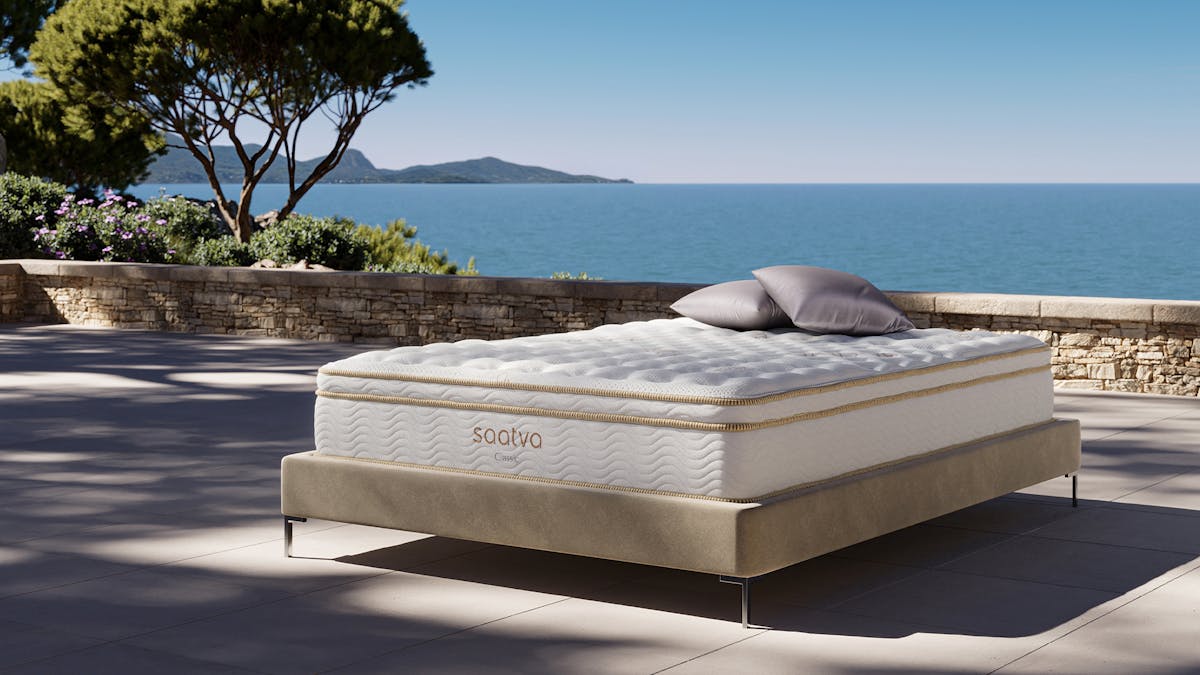
The editorial background for that recommendation is available here: Read why our editor switched to Saatva.
Amerisleep AS3
The Amerisleep AS3 is the single-firmness alternative in this comparison. It removes the handling and decision process associated with flipping, but it also removes Layla’s built-in fallback if the selected feel proves unsuitable. Its listed warranty is 20 yr, according to the comparison in the original article.
Sweetnight Breeze Hybrid
The Sweetnight Breeze Hybrid is the lower-price, cooling-oriented alternative identified in the original review. Its hybrid construction should be the point of comparison for shoppers who like Layla’s general comfort category but want more open space for airflow below the comfort layers.
Compare the Sweetnight Breeze Hybrid
Who Should Consider the Layla Mattress?
- Undecided firmness shoppers: The reversible build supplies a genuine second option without returning the mattress.
- Side sleepers seeking deeper contouring: The soft face provides the thickest pressure-relief layer.
- Back sleepers wanting firmer foam support: The firm face limits sink and brings the body closer to the core.
- Couples sensitive to movement: Both surfaces isolate motion, with the soft face receiving the stronger score.
- People whose comfort needs may change: Two usable faces provide more adaptability than a fixed-feel mattress.
Who Should Keep Shopping?
- Very hot sleepers: Copper foam offers only modest cooling compared with the airflow potential of coils or latex.
- People who want strong bounce: The soft face has low bounce, and the firm face reaches only moderate bounce.
- Buyers needing a reinforced edge: The all-foam perimeter is unlikely to feel as solid as a purpose-built hybrid edge.
- Anyone unable to handle a full mattress: Changing firmness requires physically flipping the bed.
- Couples needing different feels on each side: The whole mattress shares one active firmness surface at a time.
Price, Trial, Warranty, and Returns
The original article lists the Layla queen at approximately $1,099. Price alone should not settle the comparison because promotional pricing and model details can change. Confirm the exact model, size, taxes, shipping terms, and return deductions before checkout.
The original policy comparison lists a 120-night trial and lifetime warranty for Layla. Those are manufacturer policies, and the details matter more than the headline duration. Check the required break-in period, how a return is initiated, who handles removal, what documentation is needed, and which changes in foam are excluded as normal wear.
Warranty duration does not equal expected comfort life. A long warranty may cover manufacturing defects while excluding gradual softening that a sleeper finds uncomfortable. Read the indentation threshold and foundation requirements in the current written policy.
Related Buying Tips
Before buying a mattress in this category, I recommend checking the following points in the manufacturer’s current policy rather than relying only on a sales-page badge.
- Trial period: The original buying framework recommends 100 nights minimum and describes 365 nights as ideal for a major mattress or bedding purchase.
- Warranty: The framework calls for 10 years or longer on mattresses and 1-3 years for most bedding accessories.
- Return policy: Confirm whether qualifying returns are refunded rather than issued only as store credit.
- Certifications: Look for CertiPUR-US documentation for foam, GOLS or GOTS documentation where organic latex or cotton is claimed, and OEKO-TEX Standard 100 documentation for relevant fabrics.
- Shipping: Check whether setup and old-mattress removal are included or charged separately.
- Foundation: Verify the permitted slat spacing and support requirements before placing the mattress on an existing frame.
- Foam specifications: Ask for density information when long-term durability is a priority.
For the broader MattressNut shopping framework, see the 2026 best mattress buying guide.
Frequently Asked Questions
Is the Layla mattress flippable?
Yes. The Layla is dual-sided, with a soft side rated 3/10 and a firm side rated 7/10 in the original firmness table. The different foam thicknesses make the two surfaces feel distinct.
Is the Layla flip useful in practice?
It is useful as an insurance policy against choosing the wrong firmness. The original owner-feedback summary says most owners settle on one surface within the first month, so regular flipping is less common than choosing a side and keeping it in use.
Does copper in a mattress actually help?
Copper has antimicrobial activity in laboratory research, but that does not prove a major hygiene benefit inside a covered mattress. The original comparison describes the cooling difference against ordinary foam as approximately 1-2°F, which is modest.
Does copper-infused foam make Layla a cooling mattress?
It may help slightly, but the mattress remains an all-foam construction. The soft side also surrounds more of the body with memory foam. Hot sleepers should compare the Layla with hybrids or latex beds that create more construction-level airflow.
Is Layla good for side sleepers?
The soft side is the stronger face for side sleepers, especially those under 200 lbs according to the original guidance. Its thicker memory foam gives the shoulder and hip more room to settle than the firm face.
Is Layla good for back sleepers?
The firm side is the safer starting point for many back sleepers because it limits pelvic sink. Lighter back sleepers who prefer a deeper cradle may be comfortable on the soft face.
Is Layla good for stomach sleepers?
The firm side is the better option because its thinner comfort layers hold the hips closer to the support core. Dedicated stomach sleepers who need more lift may still prefer a coil-supported mattress.
Is Layla good for back pain?
The firm side may suit back sleepers who need less midsection sink, but a mattress is not a treatment for chronic pain. Discuss persistent symptoms with a qualified medical professional and see the back pain guide for construction factors to compare.
How long is the Layla trial?
The original article lists a 120-night trial with a required break-in period. Verify the current manufacturer policy and return conditions before purchase.
How long does this kind of mattress last?
The original durability framework estimates 7-10 years for high-density all-foam beds and 3-5 years for low-density all-foam beds. It lists 10-15 for pocketed-coil hybrids, 15-20 years for natural latex, and 5-8 for innerspring-only mattresses. These are category estimates, not guarantees for a specific bed.
Does Layla work with adjustable bases?
Yes, the all-foam construction is described as adjustable-base compatible. Confirm that the chosen base and setup also meet the manufacturer’s support and warranty requirements.
Does the Layla have much bounce?
No. Bounce is rated low on the soft face and moderate on the firm face. Sleepers who want a springy response should compare latex or coil-supported designs.
Is the soft side difficult to move across?
It can require more effort because the 3" memory-foam layer permits deeper sink and responds more slowly than a springy material. The firm face is easier to reposition on because its comfort system is thinner.
Can couples choose different firmness levels?
Not across separate halves of the same mattress. Couples can choose which face points upward, but both people share that surface. The benefit is a shared backup firmness, not split firmness.
How does Layla compare with the Saatva Classic?
Layla is a reversible all-foam mattress focused on contouring and motion isolation. Saatva Classic is a luxury hybrid with three firmness options, a zoned coil support system, and an organic cotton cover according to the original comparison. Saatva is listed at $2,229 for a queen, with a 365-night trial and lifetime warranty under the cited manufacturer terms.
More Mattress Comparisons and Guides
The following MattressNut guides provide additional context on foam, hybrid, pricing, and brand-policy differences.
- Brooklyn Bedding Mattress Review (2026)
- Emma Mattress Review: 2026 Honest Verdict
- Nectar Promo Code 2026: Current Deals
More Layla Buyer Guides
Final Recommendation
The Layla mattress earns its place in the market through construction, not hype. The 3" soft-side memory foam and thinner firm-side comfort system create two legitimately different sleep surfaces. That gives an uncertain buyer more room to correct a firmness mismatch after delivery.
I would choose the soft face for close contouring, side-sleeping pressure relief, and maximum motion isolation. I would choose the firm face for back or stomach sleeping, shallower sink, and easier movement. I would choose another construction entirely if high bounce, reinforced edges, or strong cooling were the main priorities.
The copper infusion is a supporting detail rather than the reason to buy. Its antimicrobial rationale has a scientific basis, but the real-world mattress benefit is hard to quantify. The stated cooling difference is small enough that overall construction, bedding, and room conditions remain more important.
If you prefer a hybrid with selectable firmness and manufacturer-listed white-glove delivery, compare the Saatva Classic. If you want premium memory foam without flipping, compare Saatva Classic. Layla remains the more distinctive choice for buyers who see real value in keeping both a soft and firm surface available.