
 by
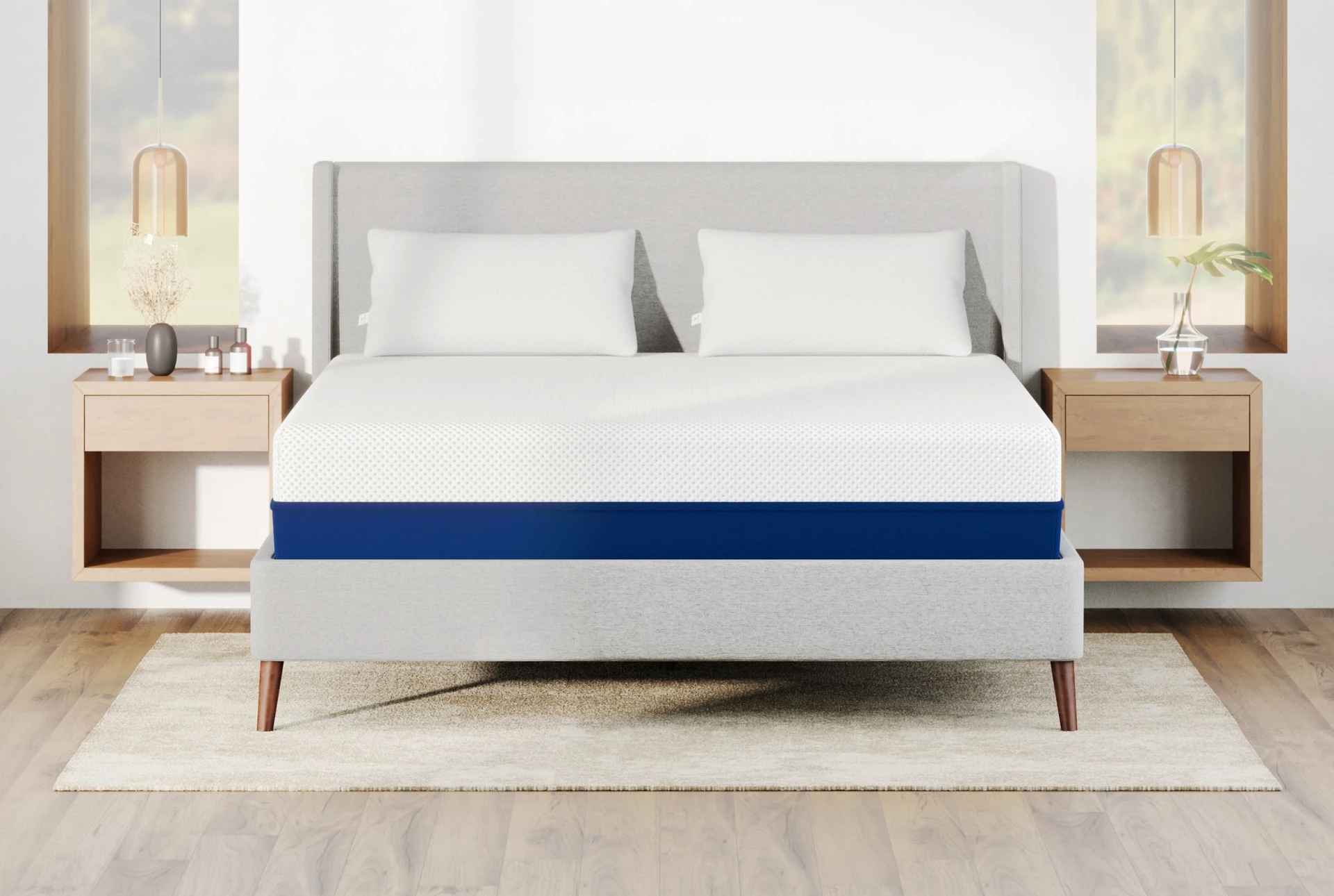
by Our first recommendation for sleepers with eczema is the Amerisleep AS3, a medium-feel memory foam mattress with Bio-Pur foam and HIVE support. It is not a latex mattress or a treatment for eczema. Choose bedding and a washable protector that suit your skin, and consider heat and contact sensitivities separately from mattress firmness.
Amerisleep AS3
9.3/10
- CertiPUR-US certified: low VOC, no heavy metals, no PBDE flame retardants
- Bio-Pur plant-based open-cell foam runs cooler than standard closed-cell memory foam
- HIVE 5-zone support for pressure relief without excessive sinkage
- 20-year warranty, 100-night trial, made in the USA
- All-foam retains more heat than latex, even with Bio-Pur
- Not certified organic (no GOLS/GOTS)
- Softer edges than a coil hybrid
For eczema sufferers who need to stay within budget or who want the motion isolation of foam, the AS3 is the strongest foam option: CertiPUR-US verification covers the chemical irritant risk, and the Bio-Pur open-cell structure is measurably cooler than most memory foam competitors.
How your mattress affects eczema flares
Eczema (atopic dermatitis) is a chronic inflammatory skin condition that worsens with exposure to irritants, allergens, and heat. Poor sleep quality is one of the most debilitating aspects of eczema: itching intensifies at night due to lower cortisol levels and increased skin temperature. Three mattress-related factors directly trigger or worsen flares during sleep:
- Heat retention: elevated skin temperature intensifies itch. Dense foam mattresses trap body heat, raising skin temperature through the night. Cooling latex and open coil construction reduce this effect significantly.
- Dust mite allergens: the Der p 1 protein from dust mites is a documented eczema trigger. High dust mite density in foam mattresses correlates with more frequent flares. Natural latex and allergen-proof encasements cut exposure substantially.
- Chemical irritants: VOCs from uncertified foam, formaldehyde from processing, flame retardants, and synthetic fabric finishes can all cause contact sensitization. GREENGUARD Gold, OEKO-TEX, and CertiPUR-US certifications minimize this risk.
Best mattress materials for eczema
Natural latex (best overall)
Natural latex is the optimal material for eczema sufferers who are not latex-allergic. It is inherently antimicrobial and dust mite resistant, breathes substantially better than memory foam, and is free from the chemical processing associated with polyurethane foam. Talalay latex, used in the Zenhaven, is slightly more breathable than Dunlop due to its open-cell structure, making it the preferred latex type for heat-driven eczema.
Organic cotton cover
The sleep surface material matters more for eczema than for any other condition. GOTS-certified organic cotton is soft, breathable, and free from synthetic dyes and finishing chemicals. Avoid synthetic fabric covers, which trap heat and may contain chemical finishes that irritate sensitive skin.
Organic wool
Wool is moisture-wicking and temperature-regulating, reducing the heat and sweat accumulation that trigger itch. It is also naturally dust mite resistant. Note: a small percentage of eczema patients have wool sensitivity, worth testing with a wool blanket before investing in a wool-containing mattress.
CertiPUR-US foam
If latex allergy rules out a natural latex mattress, CertiPUR-US certified foam is the next best option. The certification verifies low VOC emissions, absence of ozone-depleting chemicals, no heavy metals, and no PBDE flame retardants. The Amerisleep AS3's Bio-Pur layer meets this standard.
The best mattresses for eczema (our picks)
| Mattress | Type | Key eczema benefit | Trial | Queen |
|---|---|---|---|---|
| Amerisleep AS3 | All-foam (Bio-Pur) | CertiPUR-US, cooler foam, low VOC | 100 nights | $1,249 (queen) |
| Saatva Zenhaven | Natural Talalay latex | Hypoallergenic, dust mite resistant, best cooling | 365 nights | ~$2,995+ |
| Saatva Classic | Innerspring hybrid | Organic cotton cover, open coil airflow | 365 nights | $2,229 |
| Avocado Green | Latex hybrid | GOLS/GOTS/GREENGUARD Gold, no synthetic foam | 365 nights | $1,599+ |
| PlushBeds Botanical Bliss | All natural latex | GOLS organic latex, adjustable firmness, 25-yr warranty | 100 nights | ~$1,800+ |
Saatva Zenhaven
8.9/10
- Natural Talalay latex: inherently hypoallergenic, dust mite resistant, no synthetic foam off-gassing
- Organic cotton cover and organic New Zealand wool, Guardin botanical antimicrobial treatment
- Best cooling of any Saatva model, open-cell latex structure moves heat away from skin
- Flippable design: Luxury Plush (4-5/10) on one side, Gentle Firm (7-8/10) on the other
- 365-night trial, lifetime warranty, free white-glove delivery
- Premium price (~$2,995+ queen before promos)
- Not for latex allergy sufferers
- Heavier than a boxed bed (125 lb queen), needs white-glove setup
For eczema, the Zenhaven addresses all three flare triggers in one mattress: natural latex is dust mite resistant and chemical-free, Talalay construction maximizes airflow to keep skin temperature down, and the organic cotton and wool cover avoids the synthetic dyes and finishing chemicals that irritate sensitive skin.
Saatva Classic
8.7/10
- Organic cotton cover with Guardin antimicrobial treatment
- Dual open-coil construction moves air constantly, limiting heat buildup
- Outstanding edge support, free white-glove delivery
- 365-night trial, lifetime warranty
- Not an organic mattress: foam layers are CertiPUR-US but not GOLS/GOTS certified
- $99 return fee during trial
- Higher motion transfer than foam or latex
If latex allergy is a concern and you prefer a responsive coil feel, the Saatva Classic's open innerspring construction is the most breathable coil option at this price, with an organic cotton surface that avoids the chemical finishing issues of synthetic covers.
Essential eczema sleep setup
The mattress is the foundation, but controlling the full sleep environment reduces flare frequency further:
- Allergen-proof mattress encasement: six-sided, pore size under 10 microns. Reduces dust mite exposure significantly, the most reliable non-medication intervention for dust mite-triggered eczema.
- Organic cotton or bamboo lyocell sheets: GOTS organic cotton (300-500 thread count) or bamboo lyocell. Wash in fragrance-free, dye-free detergent, rinse twice to clear detergent residue.
- Room temperature 65-68°F: cooler rooms reduce skin temperature and itch intensity. This is the cheapest, fastest intervention available.
- Bedroom humidity 40-50%: reduces dust mites while maintaining enough moisture to prevent skin drying. A humidifier in winter months helps for severely dry skin conditions.
- HEPA air purifier: removes airborne allergens, including dust mite particles disturbed during sleep and bedding changes.
Our first recommendation in this guide is the Amerisleep AS3. Bio-Pur memory foam and HIVE support give the AS3 a medium foam feel. Choose it if that balance of cushioning and support suits your sleeping position; it is not a coil-on-coil mattress.
Frequently asked questions
Why does eczema get worse at night?
Lower cortisol levels, increased skin temperature from trapped body heat, and circadian changes in skin barrier function all intensify itch at night. Scratching during sleep worsens inflammation further, creating a disrupted sleep cycle that is self-reinforcing.
Is memory foam bad for eczema?
Heat retention is the main concern. Standard closed-cell memory foam traps body heat more than latex or open coil construction, which raises skin temperature and worsens itch. CertiPUR-US certified foam like the Amerisleep AS3's Bio-Pur layer reduces chemical irritant risk, but airflow is still lower than latex. If heat is your primary trigger, latex wins on that metric.
What sheets are best for eczema?
GOTS organic cotton (300-500 thread count) or bamboo lyocell. Both are soft, breathable, and free from the synthetic finishing chemicals that standard polyester blends contain. Wash in fragrance-free, dye-free detergent and rinse thoroughly.
Can a mattress cause eczema flares?
Yes, through three documented pathways: dust mite allergens in foam, heat retention raising skin temperature, and chemical irritants from uncertified foam or synthetic covers. All three are reducible with the right mattress and setup.
Does latex allergy rule out a natural latex mattress?
Generally yes. Natural latex (Hevea brasiliensis rubber) contains proteins that trigger Type I latex allergy in a small percentage of the population. If you have a confirmed latex allergy, the Amerisleep AS3 (CertiPUR-US certified foam) or Saatva Classic (innerspring with organic cotton cover) are the better choices from this list.
This guide is part of our Best Mattress for Pain Relief hub.