
 by
by Painted vs. stained kitchen cabinets are easiest to choose when you match the finish to light, stone, and how hard you live in the room around mixed cabinet finishes. I learned that after helping on a kitchen where we painted every box bright white, then spent months wishing the island had some gravity. The short answer is simple: paint is safer when you need brightness, stain is safer when you need warmth and less visual wear. Once you see the room that way, the choice stops feeling dramatic.
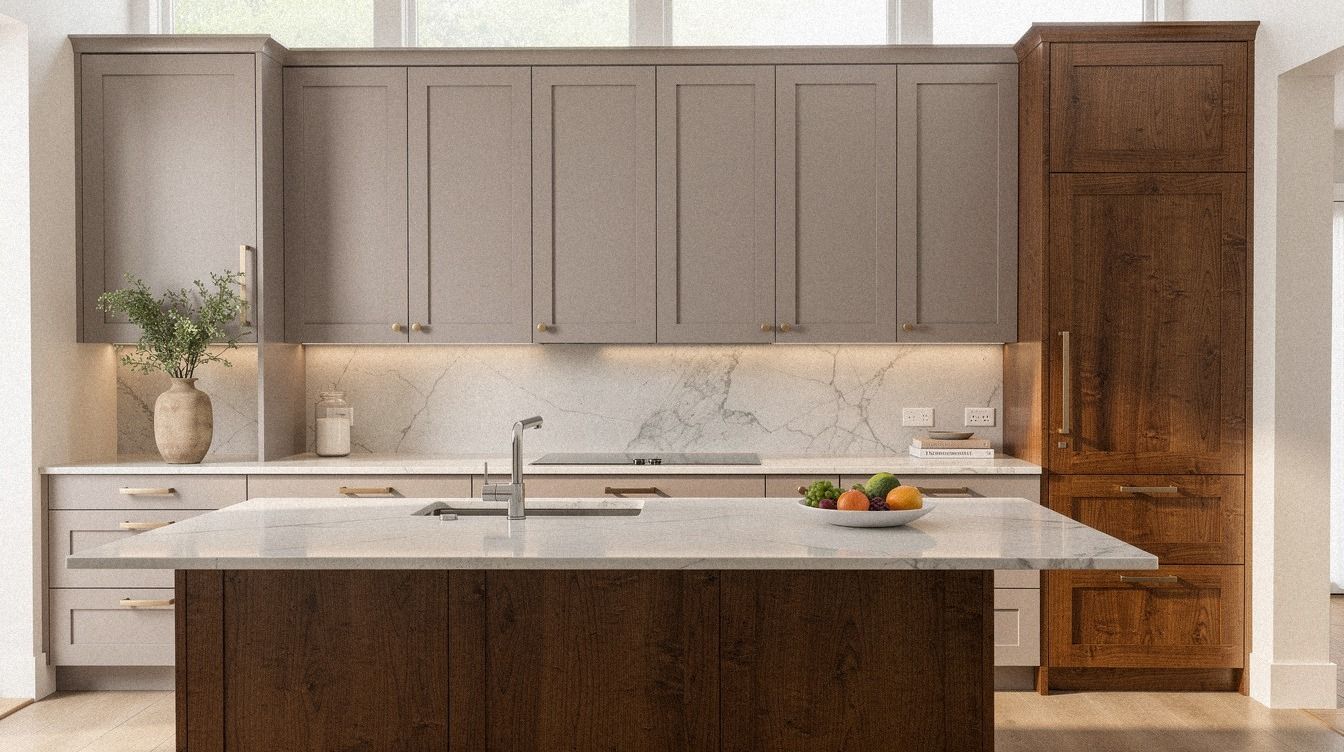
- Paint perimeter cabinets a soft mushroom gray
- Stain the island walnut for visual weight
- Why do white painted uppers calm a tight kitchen?
- Paint perimeter cabinets a soft mushroom gray
- Stain the island walnut for visual weight
- Why do white painted uppers calm a tight kitchen?
- Match stained cabinets to warm marble veining
- Should you spray cabinet doors in satin warm white?
- Glaze painted shaker doors with subtle taupe
- Bleach oak cabinets for a pale Scandinavian kitchen
- Anchor dark stained lowers under marble counters
- Contrast navy painted bases with brass pulls
- Use natural wood doors around the range
- Frame glass uppers with IKEA-inspired painted cabinet trim
- Repeat countertop veining in stained wood tones
- Pair cream painted cabinets with butcher block
- Choose espresso stain for West Elm-style slab fronts
- Color drench cabinets and pantry wall together
- Does stained oak look better with a matte clear finish?
1Paint perimeter cabinets a soft mushroom gray
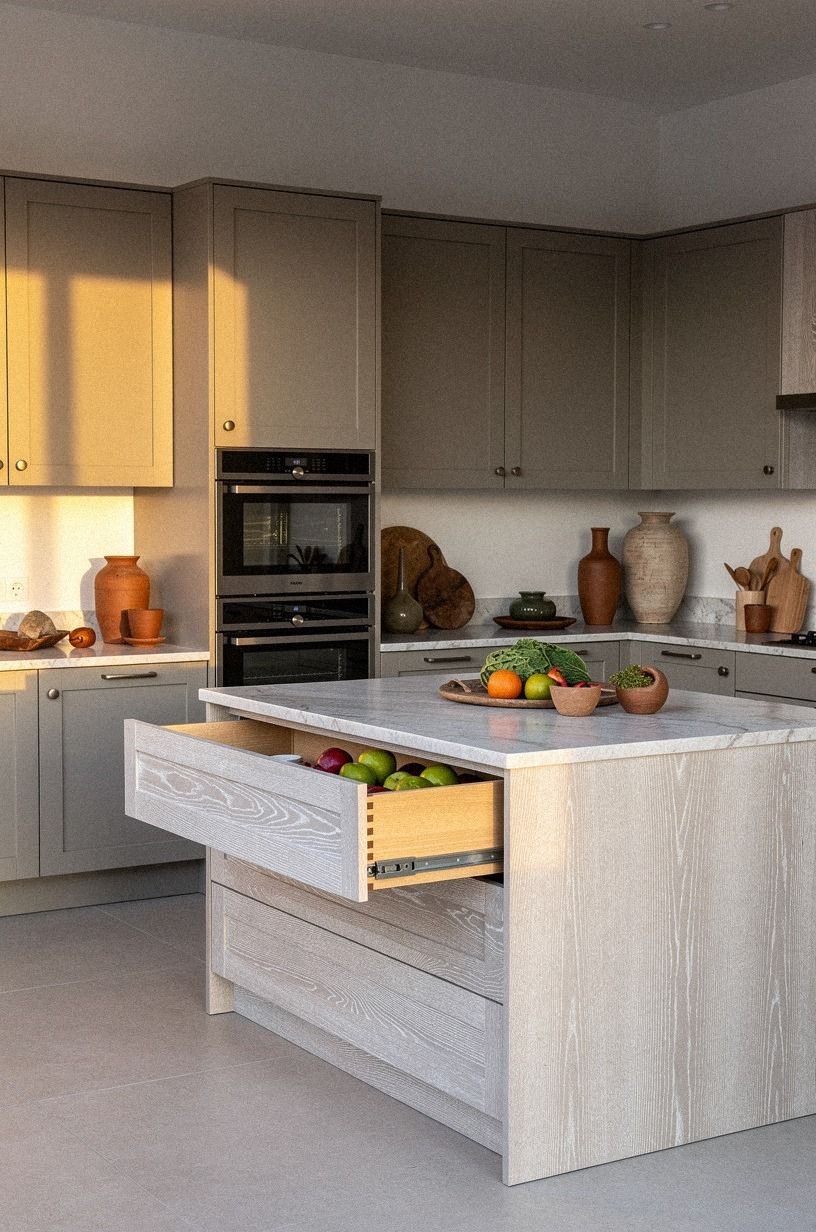
Start with the walls of storage that get the most daylight. Soft mushroom gray on the perimeter keeps mushroom gray paint feeling calm around a cerused white oak island, especially when the grain on that island is doing real work with exposed dovetail joinery and a thicker top. I like this better than sharp white when you want painted vs. stained kitchen cabinets to feel collected instead of newly installed.
You get contrast, but you don't get glare.
If you're testing samples, keep the gray warm enough that it does not fight your floor at 7 pm. Benjamin Moore White Dove OC-17 is still a strong trim color nearby, but I'd muddy the cabinet paint down a notch so your wood kitchen cabinets don't suddenly look orange.
And give yourself 42 to 48 in of clearance around the island if you can, because the softer perimeter only pays off when the room moves easily. If you need planning help first, kitchen cabinet layout ideas to plan before you renovate is worth reading before you commit.
Typical cost by tier (US averages):
2Stain the island walnut for visual weight
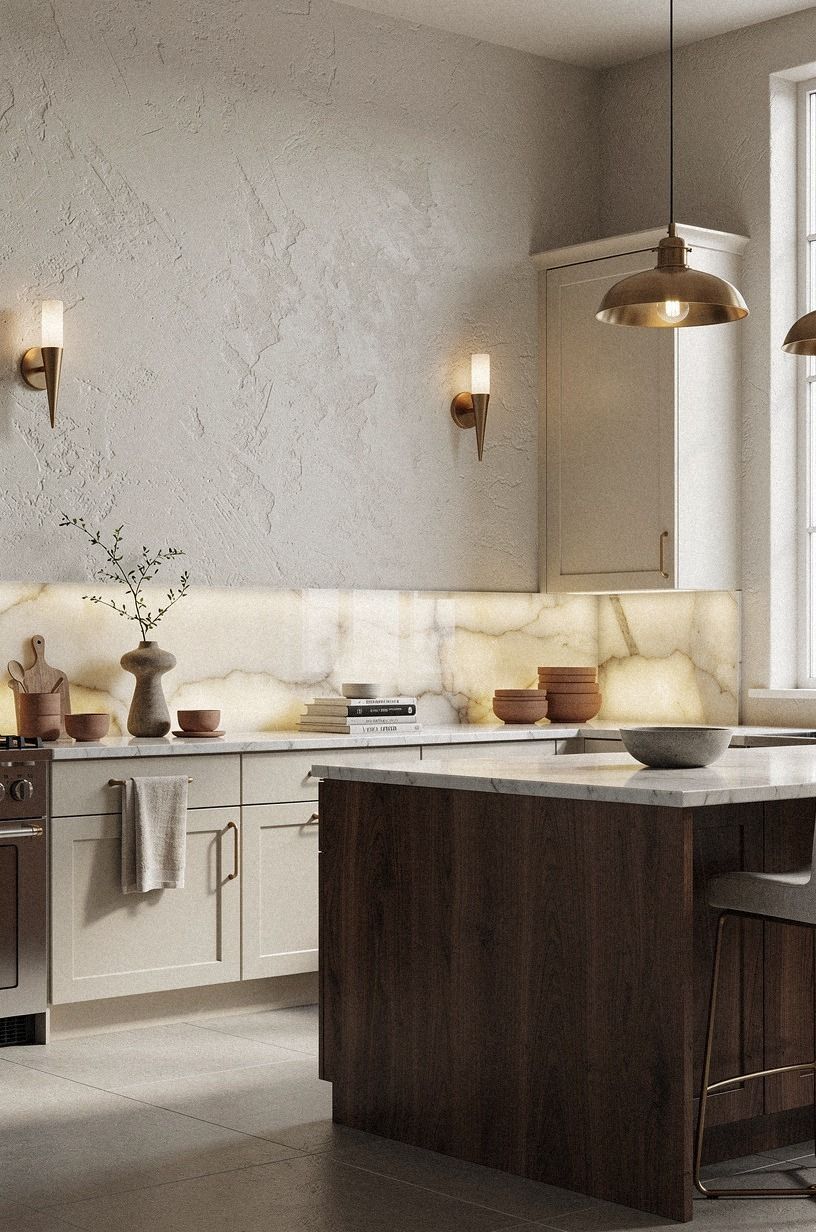
A walnut-stained island fixes the problem pale kitchens often have: everything looks nice, but nothing lands. When you step toward a darker island set inside lighter painted runs, your eye reads it as the anchor right away, and that is exactly what the photo logic is selling. I'd rather deepen the island than darken every cabinet because one heavy note feels intentional while a whole room of heavy cabinetry can turn flat fast.
Keep the stain rich, not shiny. Walnut veneer over a 3/4-inch solid frame gives you enough depth without the glassy finish that makes islands read like office furniture. But do not try to match walnut to every stool, shelf, and beam in sight.
One grounded island is enough. If you're weighing wood kitchen cabinets against painted faces elsewhere, kitchen cabinet color ideas you'll still love in 10 years helps you see why the island is where darker wood usually wins. Been there, and the room always feels steadier after this move.
3Why do white painted uppers calm a tight kitchen?
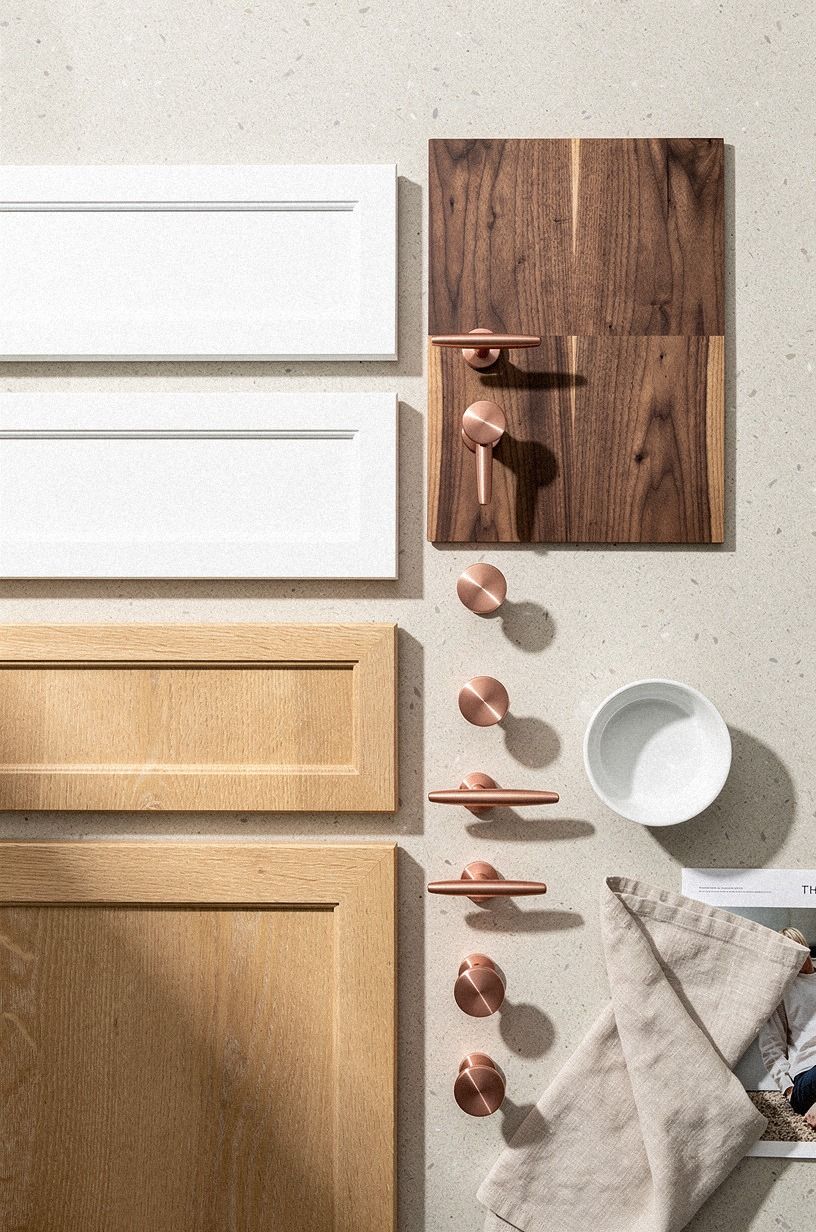
I'd keep the uppers a warm white, not a refrigerator white, then let the lowers bring in the grain. That split gives a small kitchen a brighter top half and a warmer base, which is why it feels airy without going flat. White painted uppers bounce light in a gentle way, while the oak below adds that grounded, welcoming note you can't fake with more decor.
If you're nervous about contrast, don't be. A soft white above natural oak lowers usually looks more polished than all-white cabinetry because your eye gets a clean break instead of one long pale wall. I'd keep the hardware quiet and the counter simple so the mix stays handsome, relaxed, and easy to live with.
4Match stained cabinets to warm marble veining
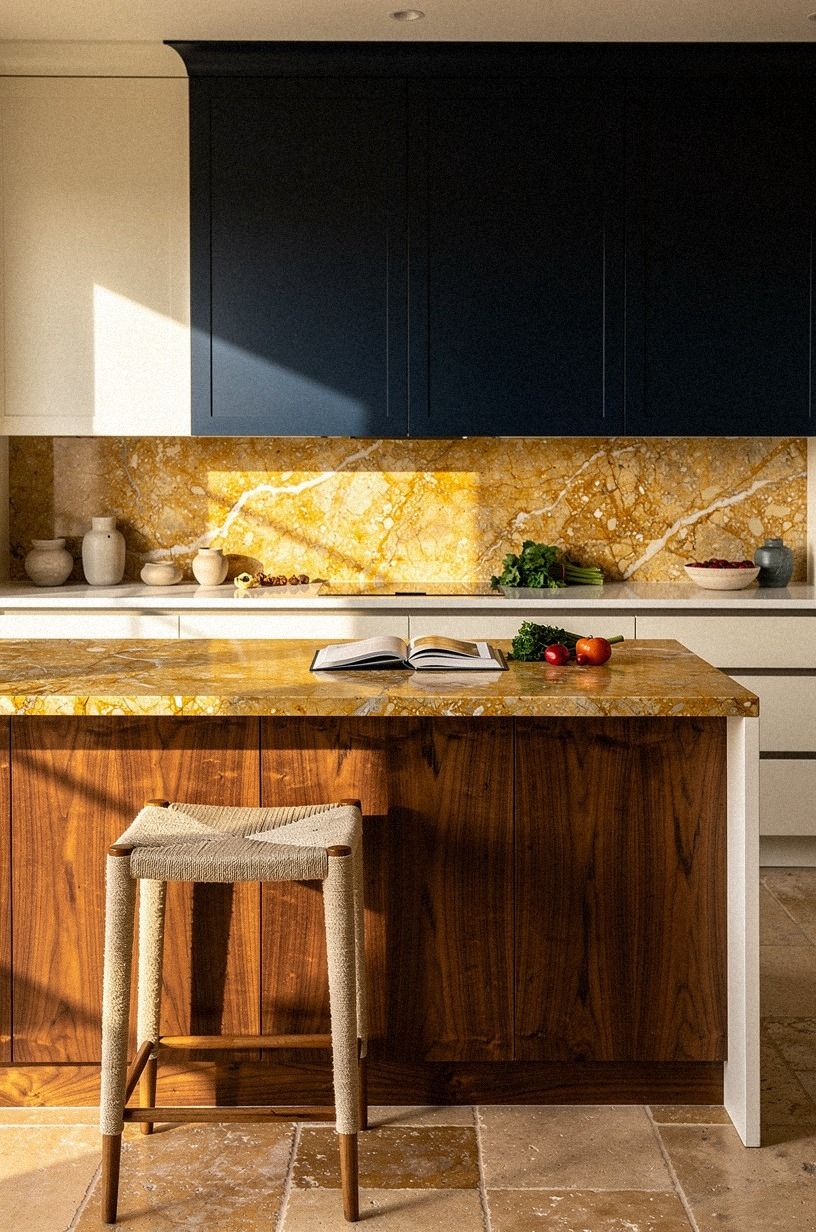
If your counters have amber or honey veining, let stained cabinets answer that note instead of pretending it is not there. Warm marble with golden movement beside navy accents looks expensive only when the wood tones pick up the same warmth. Otherwise, the painted vs. stained kitchen cabinets debate turns into stone against wood, and one of them always loses.
I wouldn't leave that to chance.
This is where I trust a lower-sheen brown stain more than a trendy gray wash. Calacatta Gold marble with amber veining wants company, and stained cabinetry gives it that company without stealing the scene.
But keep the navy painted accent limited to one bank or island base so the room still breathes. If you're sorting cabinet colors with marble countertops, kitchen cabinet color ideas you'll still love in 10 years lays out the long-view choices better than any showroom chat does.
5Should you spray cabinet doors in satin warm white?
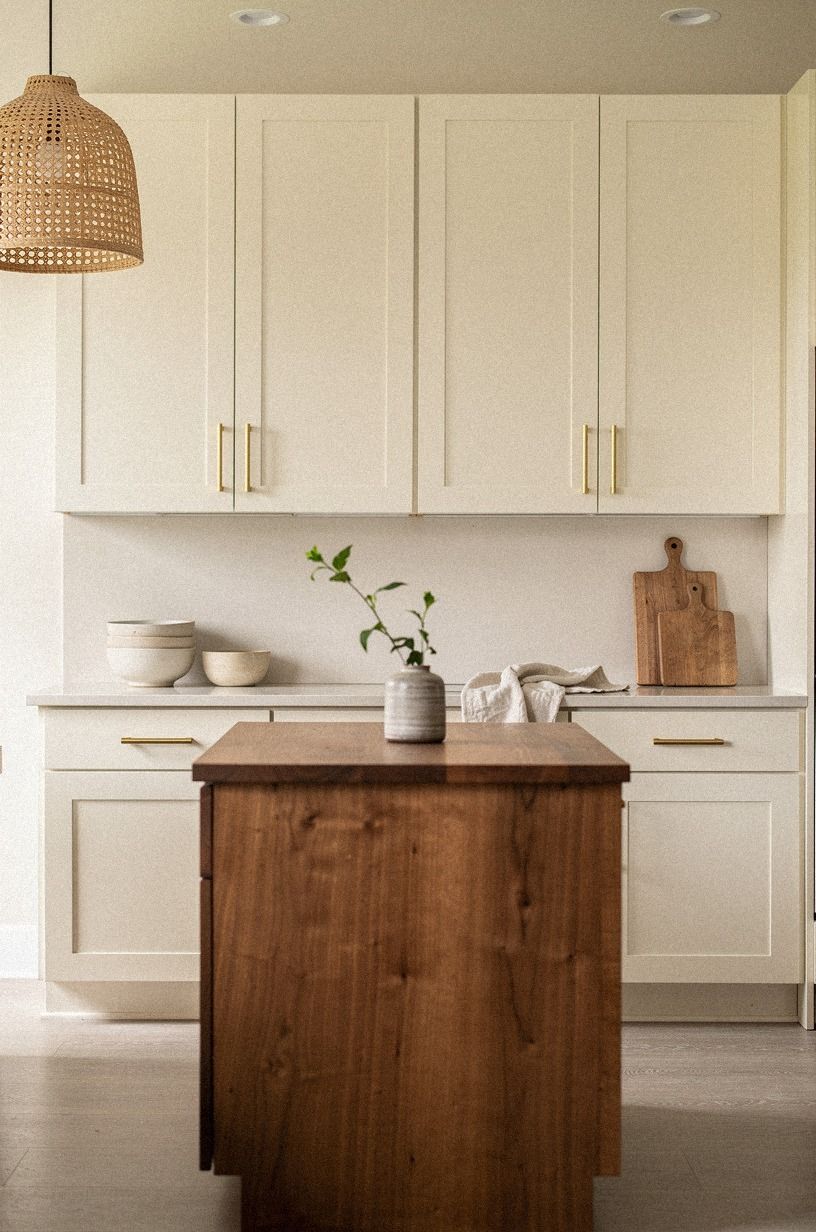
Spraying cabinet doors in satin warm white is the cleanest way to get a painted finish that doesn't shout DIY. Brushing can work, sure, but sprayed fronts look smoother, lighter, and a lot more refined once daylight hits the panels. That's the difference between a quick update and a finish that feels quietly custom.
I'd use satin only when the room already has some soft texture from wood, stone, or linen shades. Too much sheen gets flashy fast, and flat paint can look chalky near stained pieces. Satin lands in that sweet spot: crisp, forgiving, and just warm enough to feel inviting.
6Glaze painted shaker doors with subtle taupe
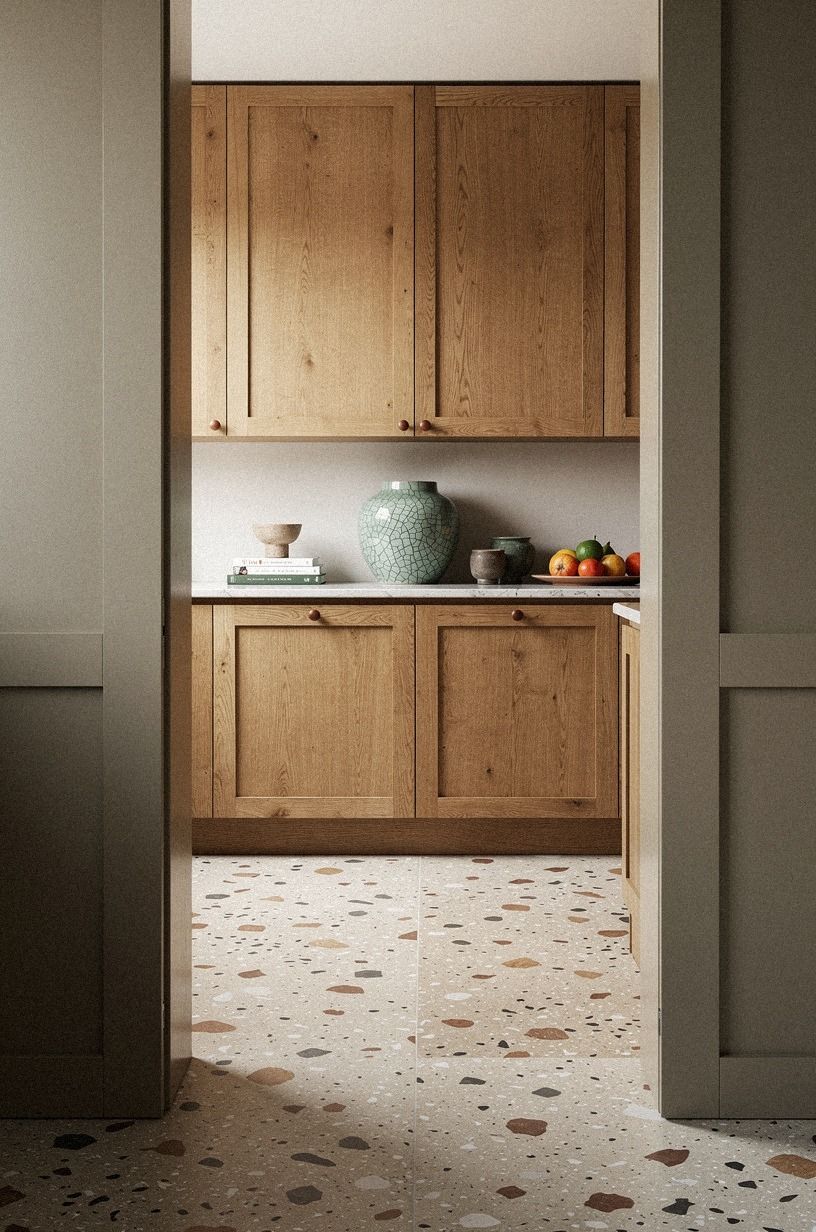
Taupe glaze is the move when plain painted shaker doors look a little too flat but you do not want faux-antique drama. A subtle glaze in the rails and corners gives the painted cabinets depth, while the natural oak run beyond them keeps the kitchen from feeling overworked.
I like this especially in older homes where spotless paint can feel disconnected from the rest of the trim and floors. The glaze puts a little age back in.
Keep it subtle enough that you only notice it when the light shifts. Taupe-tinted cabinet glaze over warm white shaker fronts works because the profile reads richer, not dirtier. But I'd skip heavy contrast glazing every time.
It dates the room faster than the plain version does. If you want the painted side of the room to sit more naturally beside wood kitchen cabinets, kitchen cabinet color ideas you'll still love in 10 years is a good gut check before you commit.
7Bleach oak cabinets for a pale Scandinavian kitchen
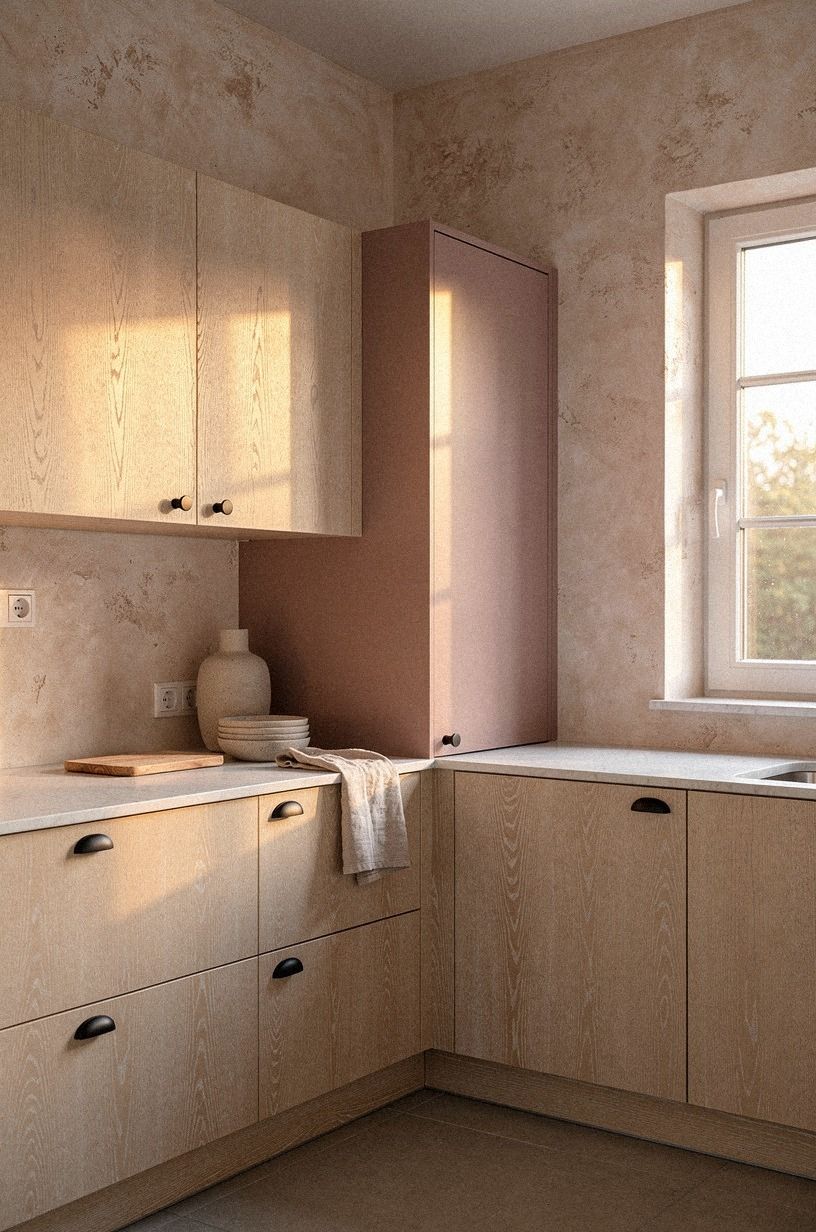
The part that worked for me was keeping the oak matte and the painted pantry muted. Bleached oak has a clean, serene look, but it only stays beautiful when you let the grain remain visible and a little soft. Bleached oak cabinets can feel fresh and expensive, yet still relaxed, when the finish reads dry instead of glossy.
I'd pair that pale wood with a hushed pantry color, not stark white. You're after something calm and luminous, not icy.
If the pantry turns too bright, the oak suddenly looks washed out. Keep the palette gentle, understated, and a touch powdery, and the whole room feels peaceful.
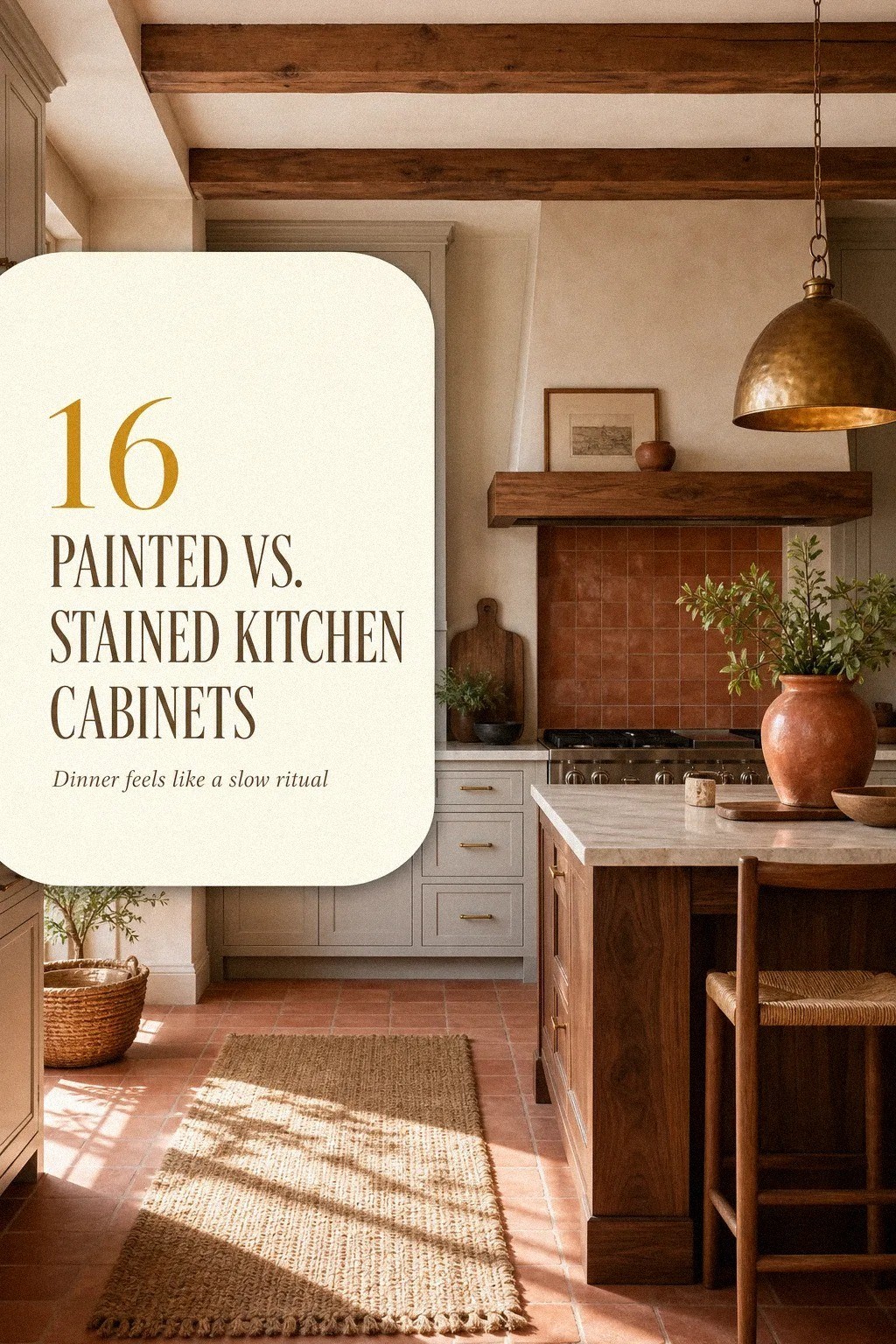
8Anchor dark stained lowers under marble counters
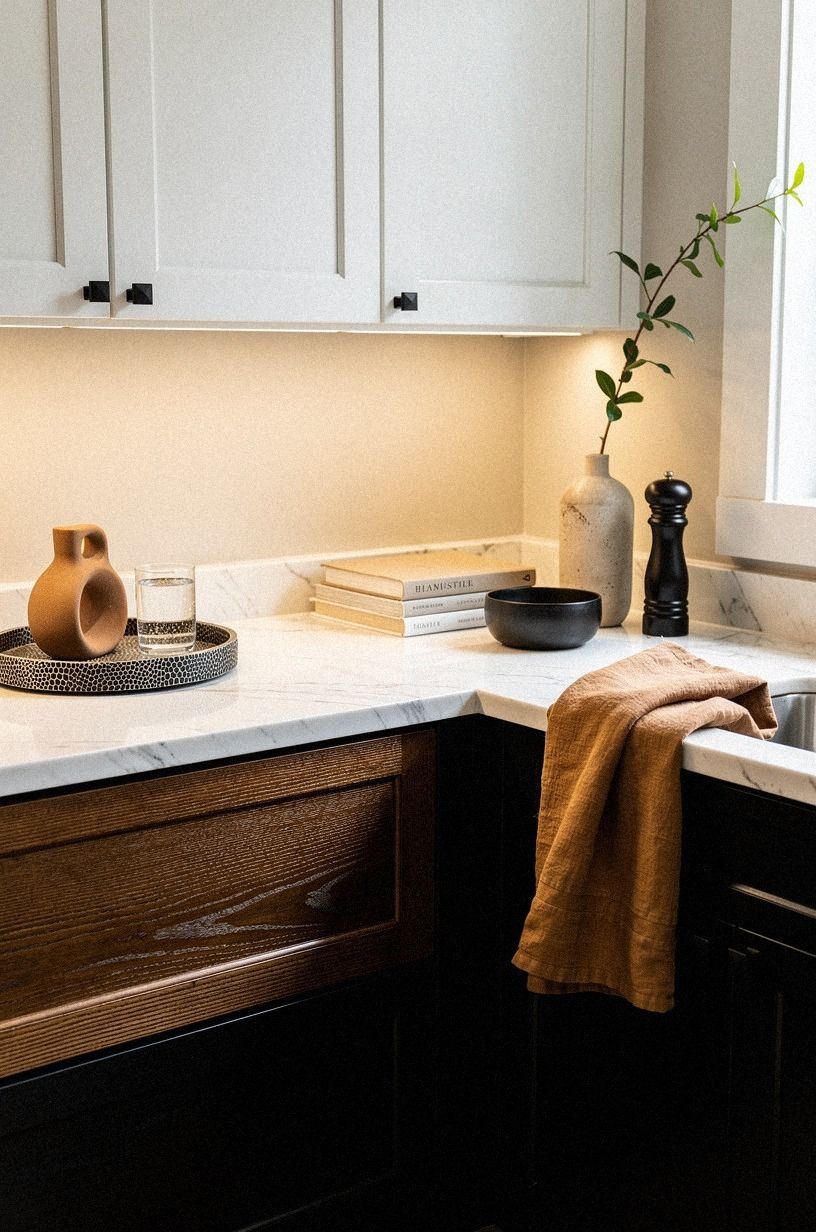
Dark stained lowers make sense when your marble counters are the brightest thing in the room. The black-brown base cabinets in the photo logic do exactly what they should do: they hold the weight down low so the stone and the uppers can stay lighter. I love this in family kitchens because darker stain also hides the daily scuffs painted lowers show by Thursday.
That's not glamorous, but it matters.
Choose brown-based stain instead of flat black. Black-brown stained oak base cabinets feel grounded under marble because the wood still reads alive.
But if you stain the uppers to match, you lose the release valve and the room gets too dense. That's the mistake I'd avoid first.
For another angle on balancing weight below the counter line, kitchen cabinet layout ideas to plan before you renovate is helpful when you're deciding how much dark finish a room can hold.
9Contrast navy painted bases with brass pulls
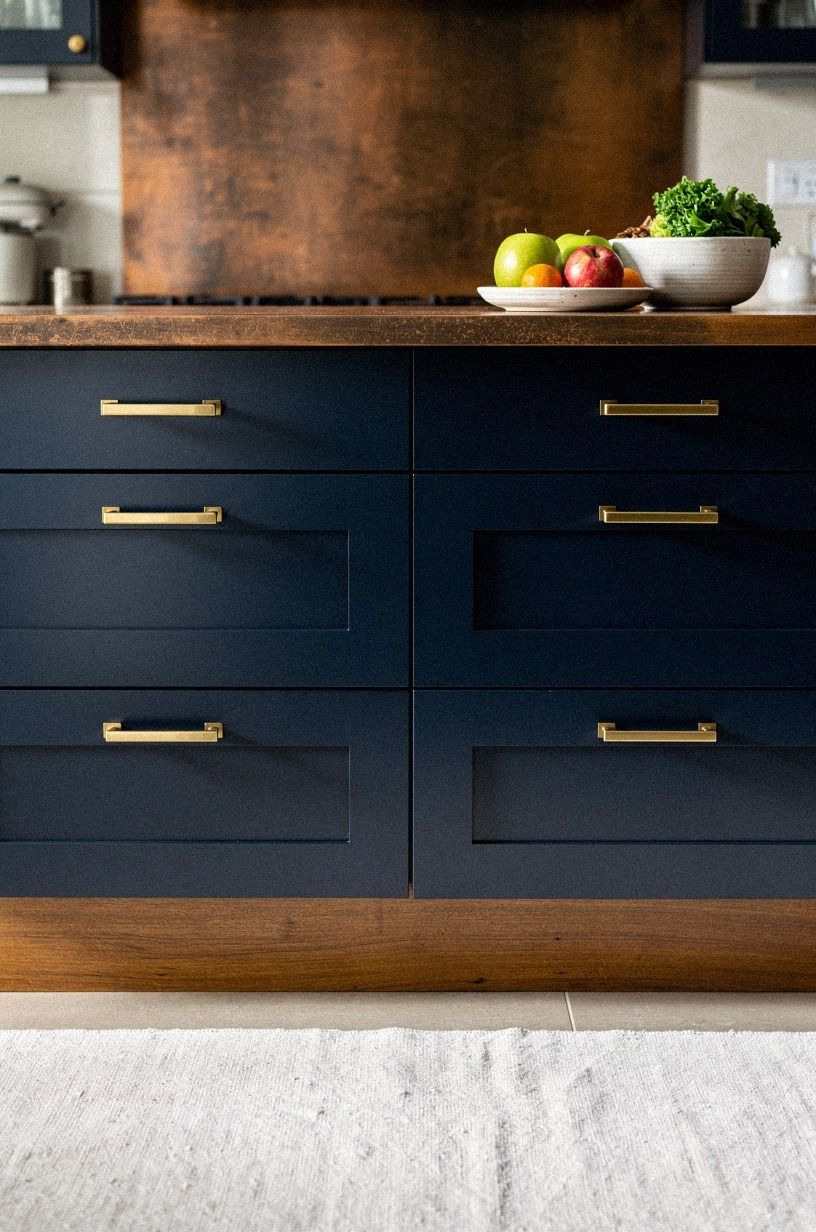
Navy base cabinets work when you treat them like a deliberate block of color, not like a safe neutral. From a low angle, the combination of navy paint, brass pulls, and warmer wood above has real depth, and it makes painted vs. stained kitchen cabinets feel like a design choice instead of a compromise. I still think navy is strongest on the base run because that is where bold color feels most stable.
I would use a warmer navy with some softness to it. Farrow & Ball Studio Green No.93 is technically green, but it is the kind of deep moody shade that proves why cooler dark colors need brass and wood nearby.
And yes, brass pulls matter here! A flat black pull on navy can feel heavy in a hurry. If you're weighing darker cabinet colors with marble countertops, kitchen cabinet color ideas you'll still love in 10 years gives you the safer spectrum before you go full dark.
10Use natural wood doors around the range
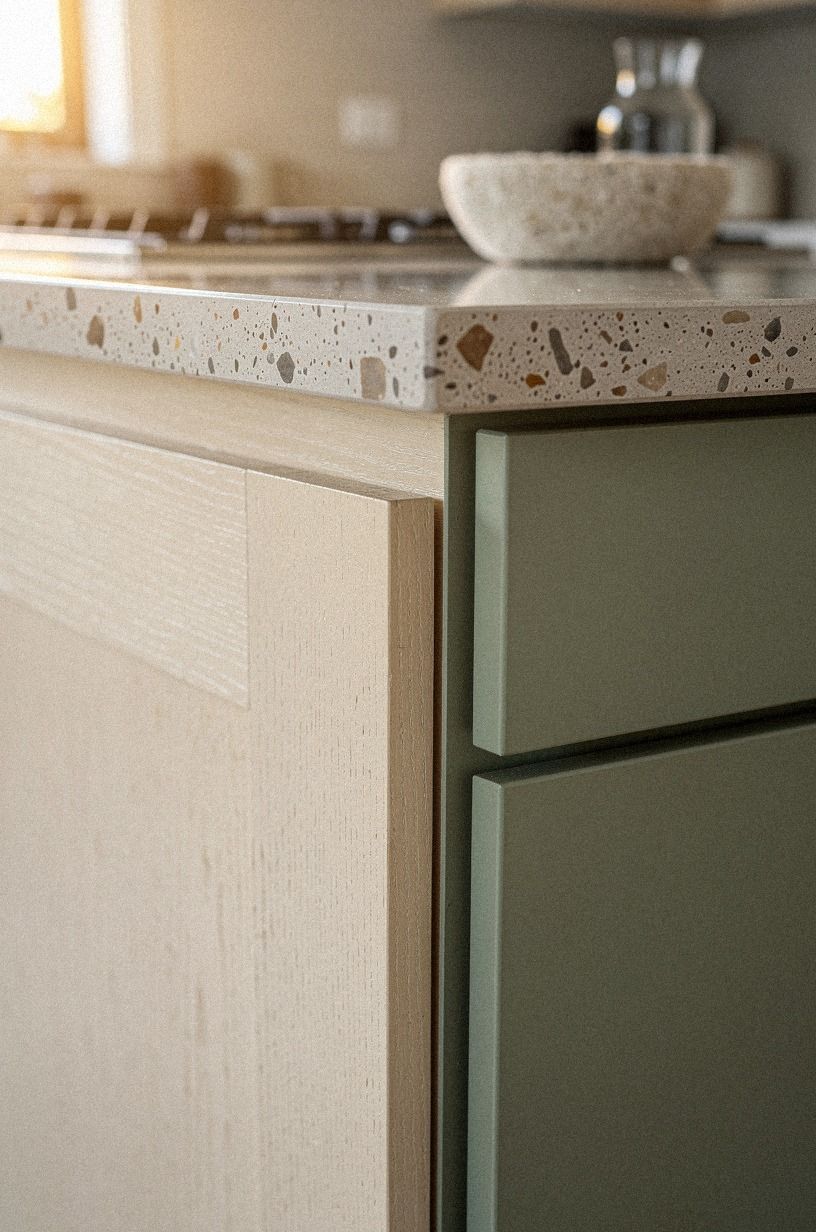
Natural wood doors around the range make the cooking zone feel warmer and more useful right away. I like that move even more when the surround is painted sage and the countertop is poured concrete, because the wood keeps the hard surfaces from turning severe. And around a range, you want some visual softness.
Heat, metal, and concrete already bring enough edge on their own.
Pick visible-grain oak and a finish you can wipe without panic. Natural oak door rails with a low-sheen sealer are easier to live with than flatter painted panels in the splash zone, especially when the uppers nearby are already giving you the lighter painted note.
But do not overframe the hood and the range wall with extra trim. Let the wood doors do the talking. For more planning around the cook zone, kitchen cabinet layout ideas to plan before you renovate covers spacing that makes this decision easier.
11Frame glass uppers with IKEA-inspired painted cabinet trim
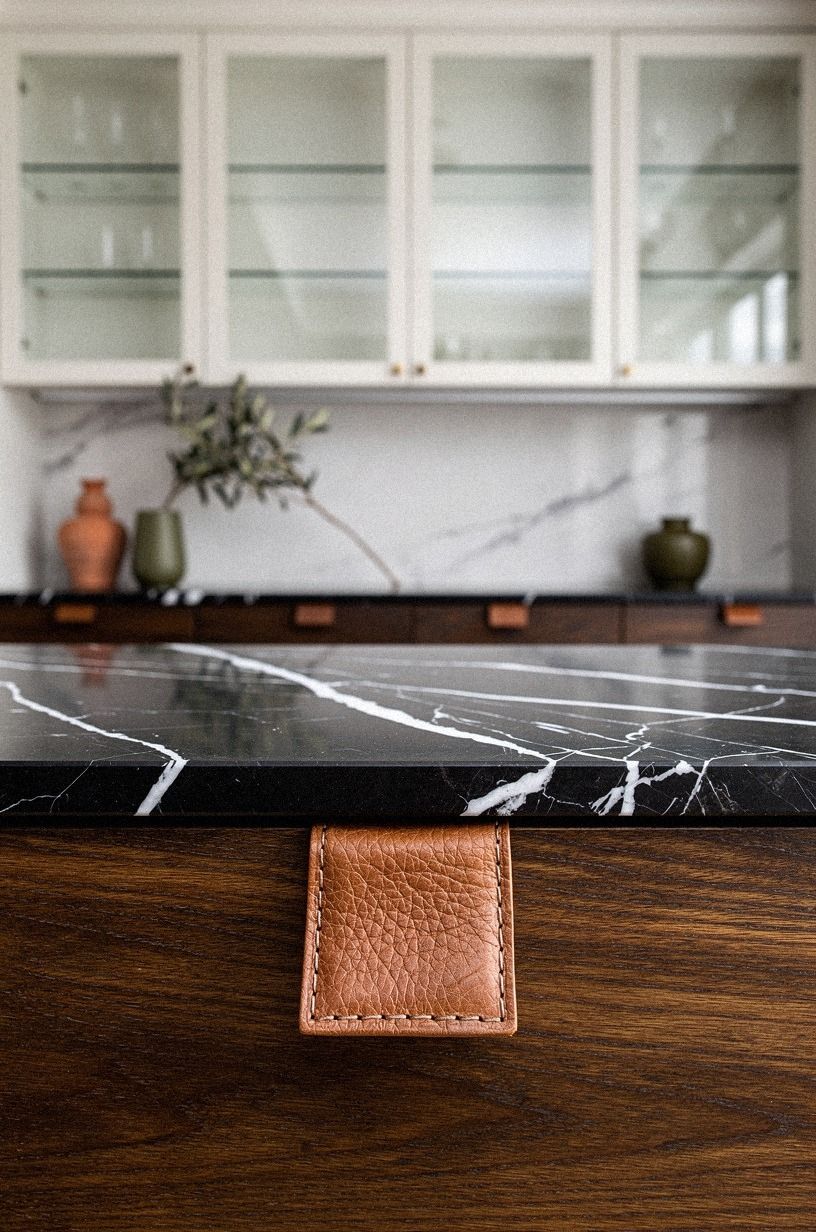
Keep the paint warm and the mullions simple. Glass uppers already bring sparkle, so the trim around them should feel crisp, tailored, and a little classic instead of busy. Painted cabinet trim works best when it quietly frames the dishes and keeps the whole run looking neat.
I like the look most when it leans a little IKEA in the best sense: practical, bright, and unfussy. Don't overdecorate the glass with tiny grids or ornate profiles. A slimmer painted frame feels cleaner, prettier, and much more current beside stained lowers.
12Repeat countertop veining in stained wood tones
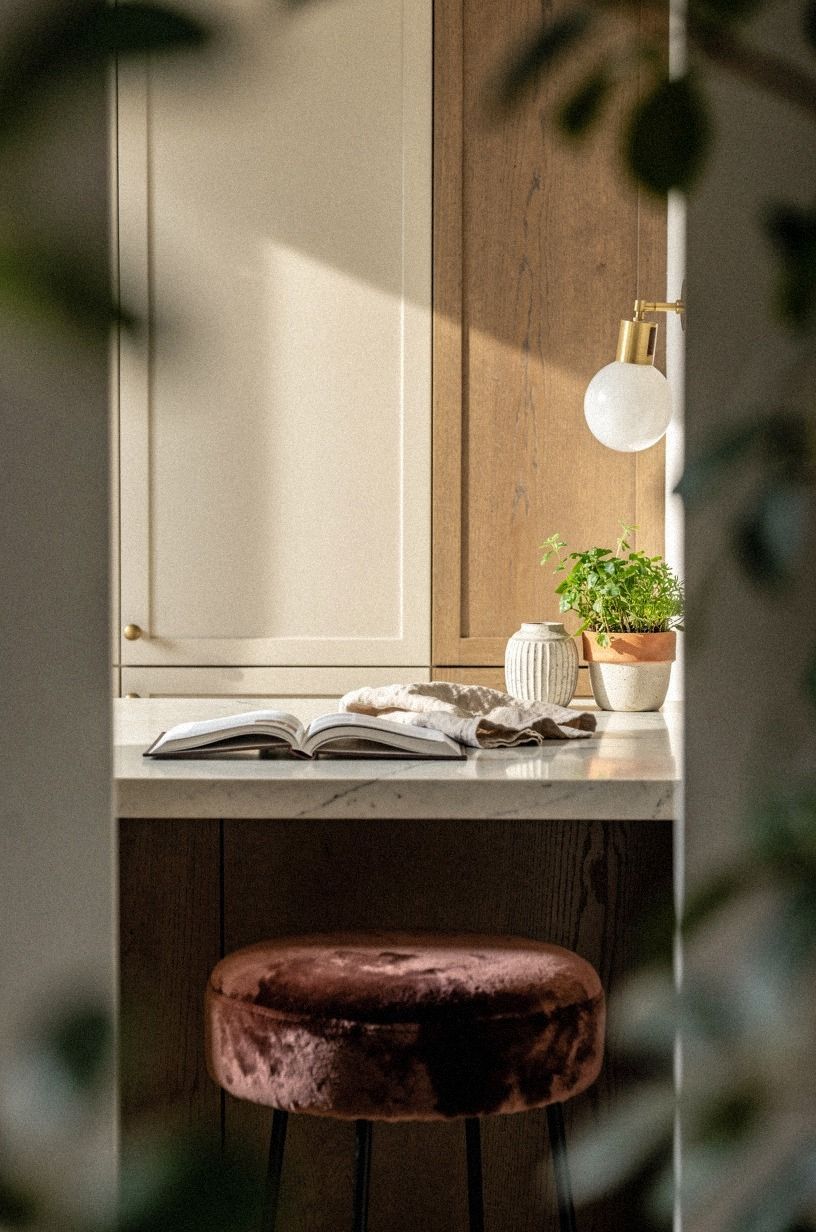
One of the safest ways to make mixed finishes look intentional is to echo the stone veining in the wood. If your countertop veining leans honey, oat, or sand, choose stained cabinet tones that repeat that warmth while the painted fronts stay in a linen-clay lane.
You do not need a perfect match. You need the same temperature.
That single decision is what stops the room from feeling like it was sourced in three different years.
I use this as a quiet test before I approve samples: put the wood chip beside the slab and squint. Warm walnut stain beside amber-veined quartz should feel related at a glance. If it does not, keep looking.
And bring in greenery only after the big finishes agree with each other. If you want a few more color pairings that hold up, kitchen cabinet color ideas you'll still love in 10 years is one of the better reality checks before you order doors.
13Pair cream painted cabinets with butcher block
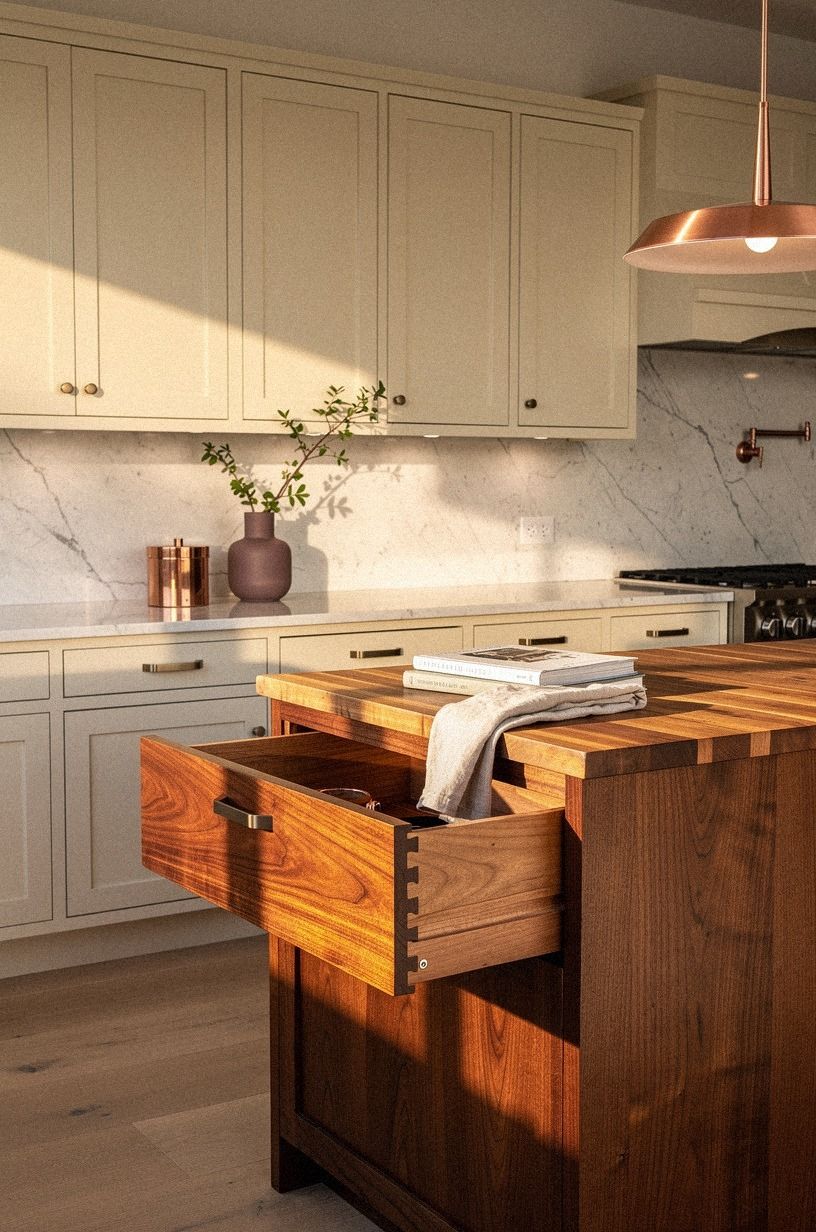
Cream paint with butcher block is friendlier than bright white and butcher block ever are. The cream perimeter cabinets soften the wood right away, and the warm top keeps the painted run from reading flat or chalky.
In wide-angle views, this is one of those pairings that makes a kitchen feel settled before you've even styled the shelves. I get why people keep coming back to it.
Go for a cream with enough body that the butcher block does not make it look dingy. Sherwin-Williams Creamy SW 7012 would work, and so would a custom cream near it, especially if your floors have honey in them.
But seal the block well and keep standing water off it. Real talk: butcher block is lovely, but it asks you to pay attention. If you want more painted-cabinet direction first, kitchen cabinet color ideas you'll still love in 10 years helps narrow the cream family before you buy gallons.
14Choose espresso stain for West Elm-style slab fronts
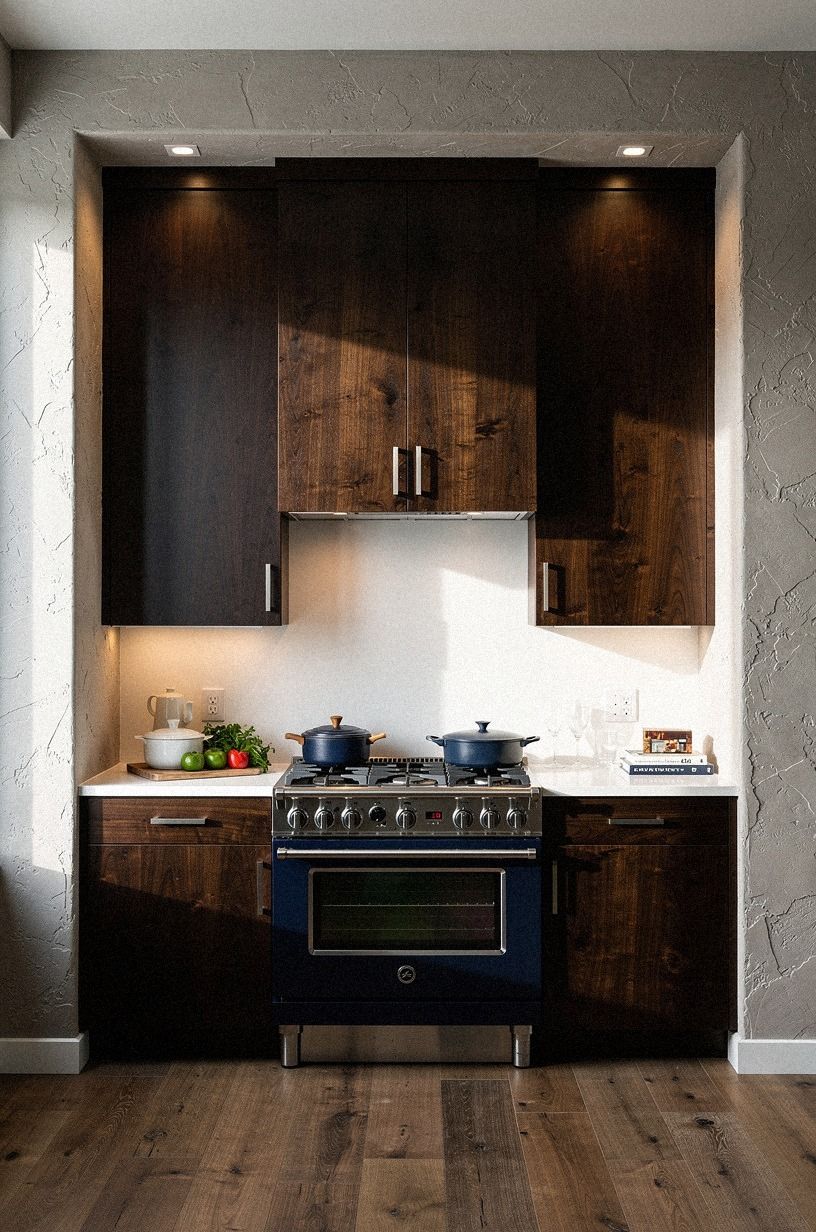
The key is to keep the slab fronts clean and the sheen low. Espresso stain can look dramatic and sleek, but only when the fronts stay simple and the wood still reads rich instead of blacked out. Espresso-stained slab fronts have a moodier, sharper presence that suits long kitchens with plenty of daylight.
I'd skip busy hardware and let the doors do the work. When the sheen stays soft, the result feels tailored, masculine, and expensive, not heavy. That's a narrow line, I know, but once you cross into shiny, the whole kitchen gets harsher than it needs to be.
15Color drench cabinets and pantry wall together
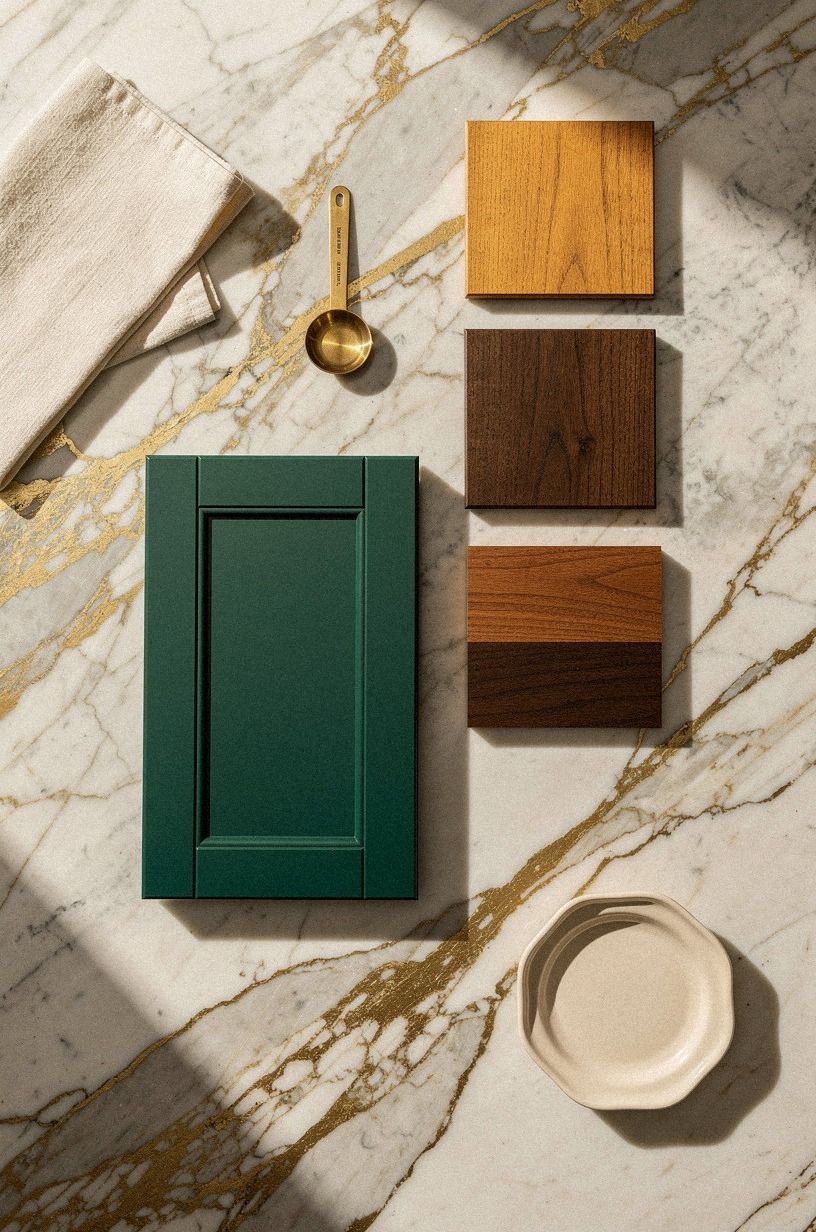
Color drenching the cabinets and pantry wall together is the move when you want the painted finish to feel immersive instead of pieced together. Emerald samples beside stained wood chips make the idea clear: the paint becomes the room, and the wood becomes the relief.
I like this far more than painting one pantry door a dramatic color and calling it done. Commit or do not. Half-steps are where color gets nervous.
Use the richer shade on the pantry wall and nearby cabinet fronts, then let the stained wood show up in shelves, stools, or one opposing run. Emerald cabinet paint paired with medium walnut samples has enough tension to feel layered without getting loud.
But test it morning and night, because deeper paint shifts fast under warm bulbs. If you're choosing between bold paint and natural wood, kitchen cabinet color ideas you'll still love in 10 years is a helpful filter before you drench an entire wall.
16Does stained oak look better with a matte clear finish?
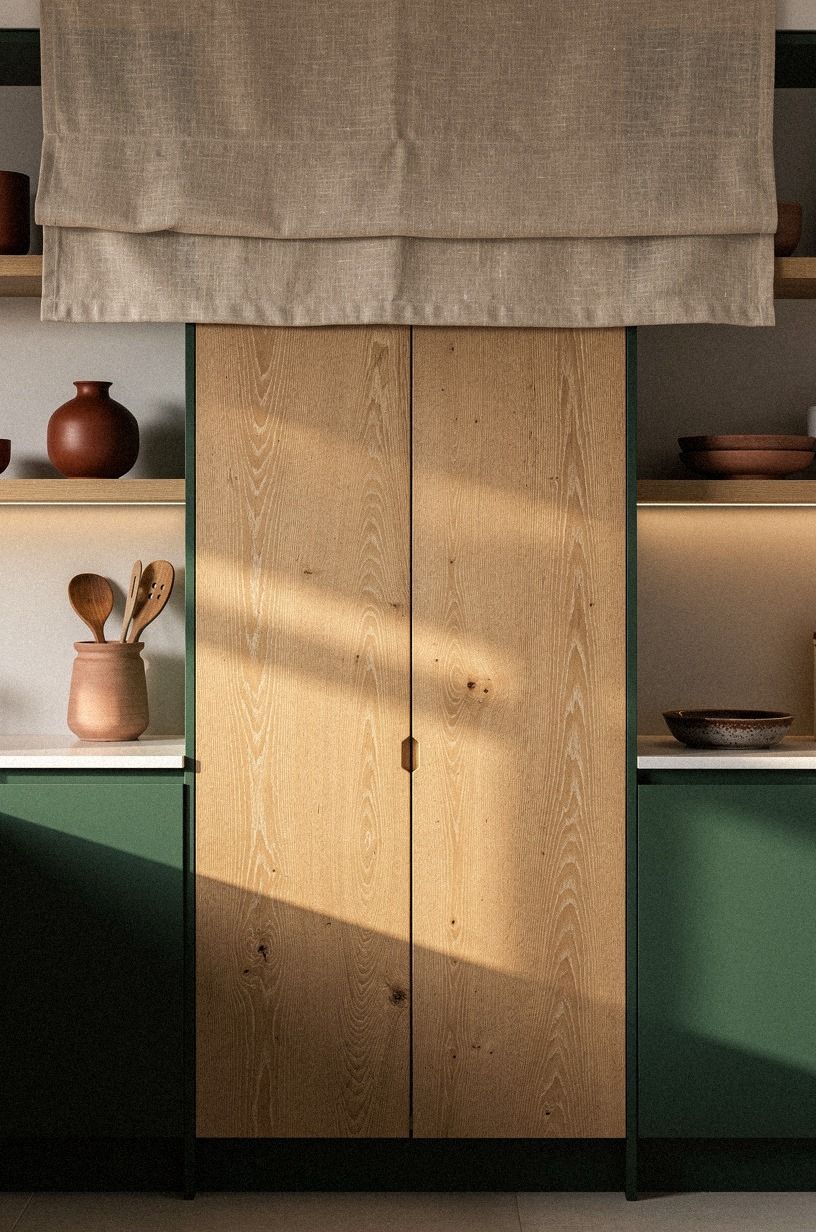
A matte clear finish is what makes stained oak look expensive instead of sticky. It lets the color stay warm, natural, and believable, while the grain keeps its velvety movement. That's what you want if the stained cabinets are supposed to feel authentic rather than showroom slick.
I wouldn't use a glossy topcoat here unless you're chasing a very formal look. Most kitchens don't need that. Matte reads softer, smarter, and more forgiving around fingerprints, and it lets painted cabinets nearby stay the brighter star without a fight.
The Two-Finish Rule I Keep Coming Back To
I have made this finish choice the wrong way before. I picked paint because it felt safe, not because the room wanted paint, and the kitchen looked brighter for about a week.
After that, all I could see was how hard the walls, floor, and counters were fighting those doors. That is the part nobody tells you: painted vs. stained kitchen cabinets is not really a personality quiz.
It is a light quiz, a maintenance quiz, and a materials quiz.
My rule now is simple. If the stone is busy, the light is limited, or the room already has a lot of visual texture, I paint more and stain less. If the room has clean counters, good daylight, and one place that needs gravity, I stain that place and let paint do the supporting work.
The safer choice is the one that gives your eye a clear hierarchy. You should know where to look first the second you walk in.
I also think people spend too much time asking which finish is more timeless in the abstract. That is not how kitchens age.
They age through fingerprints, chair bumps, steam, splash zones, and the fact that you don't style your counters every morning before coffee. Painted perimeter cabinets can look fresher in a tighter kitchen because they reflect more light.
Stained lowers can look smarter in a hard-working kitchen because wear blends in instead of announcing itself. Both are timeless when they fit the job.
And that matters!
And my honest bias is this: I trust mixed kitchens more than all-paint or all-stain kitchens when the goal is a room you will not second-guess in three years. One finish gives you brightness.
The other gives you warmth. Together, they cover for each other's worst habits.
If you want the old-money look people keep chasing, that balance is usually it. Not more decor.
Not louder hardware. Just better judgment about where paint belongs and where wood earns the spotlight.
What People Always Want to Know
What is the best Painted vs. Stained Kitchen Cabinets: Which Should You Pick? for a small kitchen?
White painted uppers with oak lowers are usually the best pick for a small kitchen because they give you brightness up top and warmth below. I would keep the oak on the base run and use one slim island only if you can still hold 42 in of clearance. Kitchen cabinet layout ideas to plan before you renovate helps you test that before you buy anything.
Where can I buy Painted vs. Stained Kitchen Cabinets: Which Should You Pick? pieces on a budget?
Start with IKEA, Target Threshold, and Wayfair for hardware, stools, and peel-and-stick backsplash options that let you test the finish mix without rebuilding the room. Facebook Marketplace is still great for solid wood islands and vintage stools. Open shelving kitchen ideas when to skip upper cabinets can help you decide what you can skip before you shop.
How much does a Painted vs. Stained Kitchen Cabinets: Which Should You Pick? makeover cost?
A light makeover usually lands around $300 to $1,500, while a stronger refresh can run $3,000 to $12,000 depending on fronts, counters, and lighting. Full remodels with new cabinetry and stone jump much higher. I would spend on paint, hardware, and layout fixes first because those choices change the room fastest for the least money.
Can I create a Painted vs. Stained Kitchen Cabinets: Which Should You Pick? on a budget?
Yes, and you can do a lot with sample pots, new pulls, and peel-and-stick backsplash before you touch the big-ticket items. Paint the perimeter, oil the butcher block, and swap one worn island for a secondhand wood piece. But keep the palette tight so the room still feels deliberate.
Kitchen cabinet color ideas you'll still love in 10 years is a good place to narrow it down.
Is a Painted vs. Stained Kitchen Cabinets: Which Should You Pick? worth it in a small space?
Yes, maybe more so in a small space, because the finish contrast helps you organize the room visually without adding bulk. Put paint where you need light, put stain where you need weight, and keep the upper cabinets between 30 and 42 in tall so the proportions stay believable. That's the version that feels tailored instead of busy.
It really pays off!
Is Painted vs. Stained Kitchen Cabinets: Which Should You Pick? a good idea for a rental?
Yes, if you focus on reversible layers. Think removable hardware, peel-and-stick backsplash, and freestanding butcher-block carts instead of permanent cabinet swaps.
I would also use removable art or a plug-in sconce to warm up the painted run before doing anything more serious. How to style the space above your kitchen cabinets has a few renter-safe restraint moves that help.
Where I'd Start First
If I had to pick one, I'd start with white painted uppers and oak lowers. Brightness above and wear tolerance below solve the room in one move. Pin that mix for later and read kitchen cabinet color ideas you'll still love in 10 years before you buy paint.