
 by
by Our first recommendation is the Amerisleep Lift Mattress Topper. Choose Comfort Boost for a softer, more cushioned feel or Support Boost for a firmer feel. A topper can adjust a structurally sound mattress, but cannot repair sagging or treat the cause of back pain. Seek medical advice for persistent symptoms.
Quick Picks: Best Mattress Toppers for Back Pain
At-a-glance: our top 3 picks for this niche
🔗 Deeper reading: Best mattress for back pain 2026, our full 2026 roundup with detailed picks, firmness guidance, and current pricing.
Our first pick is a topper; the full mattresses below are alternatives if your existing bed needs replacing. Confirm current prices with each retailer.
- Our #1 Topper Pick: Amerisleep Lift Mattress Topper
- Best Budget: Puffy Lux
- Best Memory Foam: Tempur-Pedic TEMPUR-Adapt Topper
- Best Latex: PlushBeds Botanical Bliss Topper
- Best Cooling: Purple Restore Topper
Pros and Cons
What We Like
- Choice of Comfort Boost or Support Boost
- HIVE zoned technology
- Breathable cover
What Could Be Better
- Cannot repair a sagging mattress
- Firmness preference depends on your existing bed
- Confirm return conditions before ordering
Why a Mattress Topper Can Relieve Back Pain
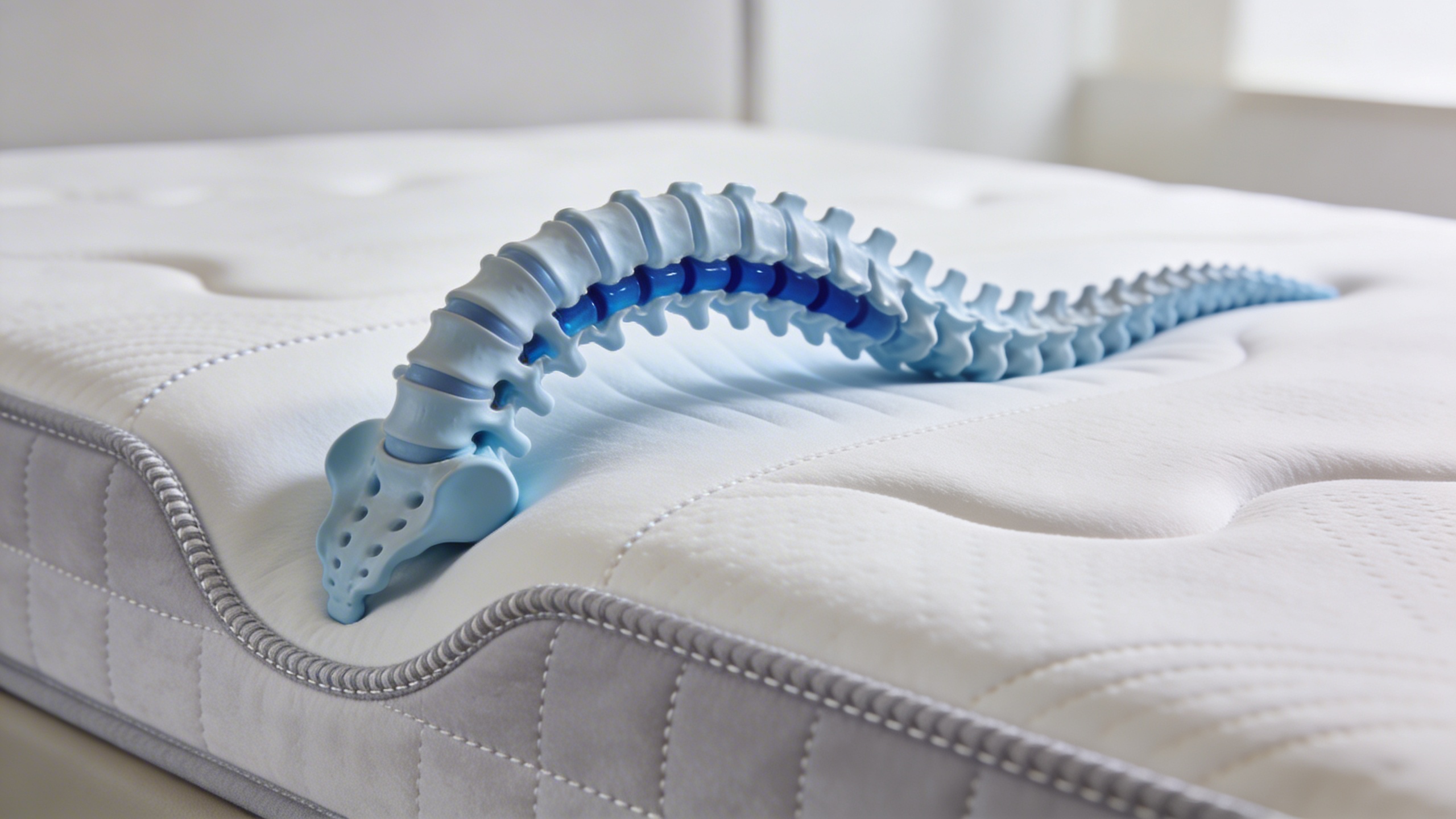
A topper sits between you and your mattress, modifying its feel without the cost of a full replacement. For back pain sufferers, the right topper achieves three things: it fills the gap under the lumbar curve to prevent sagging, cushions pressure points at the hips and shoulders to reduce compensatory muscle tension, and distributes weight evenly so no single spinal segment carries too much load through the night. Material matters enormously - memory foam conforms closely, latex offers responsive pushback, and gel or phase-change covers manage heat that otherwise causes restless repositioning and secondary muscle strain.
Chiropractors generally recommend a medium-firm feel for most back pain types, particularly for lower back pain, because it supports the pelvis in a neutral position. Side sleepers with back pain often benefit from slightly softer toppers that allow the shoulder and hip to sink just enough to keep the spine level. The reviews below cover a range of feels so you can match the pick to your specific needs.
The 5 Best Mattress Toppers for Back Pain, Reviewed
1. Amerisleep Lift Mattress Topper. Our #1 Pick
The Lift topper offers two distinct feels: Comfort Boost uses Bio-Pur foam for extra cushioning, while Support Boost uses Affinity material for a firmer feel. Both feature HIVE zoned technology and a breathable cover.
Choose the feel to suit your existing mattress and sleep position. Neither option can correct broken support or significant sagging, and a topper is not a treatment for back pain. Check current price, availability and return terms on the official product page.
2. Tempur-Pedic TEMPUR-Adapt Topper. Best Memory Foam
Tempur-Pedic's proprietary TEMPUR material is the gold standard in pressure-relieving memory foam, originally developed from NASA viscoelastic foam research. The TEMPUR-Adapt Topper brings that technology to a standalone topper format, delivering slow-response contouring that molds precisely to the body's curves. For back pain sufferers whose primary issue is pressure points at the hips and shoulders causing compensatory spinal twisting, this level of precise contouring is hard to beat.
The topper comes in a 3-inch profile and is available in a SmartClimate dual-cover system option that adds a cooling layer for hot sleepers. In back sleep testing, lumbar support was excellent; side sleep felt similarly comfortable, though combination sleepers may find the slow response slightly limiting when changing positions. The topper carries Tempur-Pedic's standard 10-year limited warranty.
Pros
- Industry-leading pressure relief
- TEMPUR material conforms with exceptional precision
- 10-year limited warranty
- SmartClimate cover option for hot sleepers
Cons
- Very high price
- Slow response can hinder position changes
- Retains more heat than latex alternatives
3. Sleep On Latex Pure Green Natural Latex Topper. Best Budget
Natural latex delivers a resilient, springy support that memory foam simply cannot replicate. The Sleep On Latex Pure Green topper is made from 100% natural Dunlop latex certified by GOLS (Global Organic Latex Standard), making it one of the cleanest and most responsibly sourced options available. It comes in soft, medium, and firm densities and in 1-inch, 2-inch, and 3-inch profiles, giving back pain sufferers meaningful customization options without a premium price tag.
In testing, the medium firmness 2-inch topper provided excellent pushback support for lower back pain in back sleepers, while the soft variant offered appropriate contouring for side sleepers. Latex's natural breathability keeps sleep temperatures neutral. The topper does not come with a cover, but its open-cell structure breathes well regardless. This is our top pick for budget-conscious shoppers who refuse to compromise on material quality.
Pros
- 100% natural Dunlop latex, GOLS certified
- Multiple firmness and thickness options
- Excellent price-to-quality ratio
- Naturally breathable and temperature neutral
- Durable - latex toppers routinely last 10+ years
Cons
- No cover included
- Heavier than foam toppers - harder to move
- Not suitable for latex allergies
4. Purple Restore Topper. Best Cooling
Purple's GelFlex Grid is unlike any other topper material on the market. The open grid structure does not trap heat because it never fully collapses around the body - instead, thousands of air channels remain open throughout the night, allowing continuous airflow. This makes the Purple Restore Topper the clear winner for back pain sufferers who also run hot, since overheating causes muscle tension and restless movement that exacerbates spinal discomfort.
The GelFlex Grid also provides a uniquely balanced feel: firm enough to support the lower back and hips without sagging, yet flexible enough to cushion pressure points at the shoulders. It comes in a 2-inch and 3-inch option. The surface has a slight buoyant quality that combination sleepers appreciate. The Restore Topper includes a washable cover and ships in a compact roll.
Pros
- Best-in-class cooling via open GelFlex Grid
- Balanced support - neither too firm nor too soft
- Washable cover included
- Good for combination sleepers
Cons
- Distinctive feel not universally loved
- Higher price than foam alternatives
- Grid can be noisy if cover shifts
5. PlushBeds Botanical Bliss Topper. Best Latex
PlushBeds brings mattress-grade craftsmanship to topper form with the Botanical Bliss. Made from GOLS-certified organic Dunlop latex and covered in GOTS-certified organic cotton, this topper earns its botanical name - there are no synthetic foams, chemical adhesives, or off-gassing concerns. The 2-inch and 3-inch profiles come in Soft, Medium, and Firm, letting you dial in the ideal spinal alignment feel for your sleep position and body weight.
In testing, the Medium firmness Botanical Bliss delivered outstanding lumbar support for back sleepers while still providing enough give to cushion side sleepers' hips. The organic cotton cover adds breathability and a luxurious texture. PlushBeds offers a 100-night sleep trial, making this the safest way to test premium latex without commitment. This is our top pick for latex purists who want the best materials available.
Pros
- GOLS organic latex + GOTS organic cotton cover
- Multiple firmness options - excellent customization
- 100-night sleep trial
- No off-gassing, ideal for chemical sensitivities
Cons
- Premium price for premium materials
- Heavier than foam - cumbersome to reposition
- Not suitable for latex allergies
How to Choose a Mattress Topper for Back Pain
Firmness: Match Your Sleep Position
Firmness is the single most important variable. Back sleepers with lower back pain typically benefit from a medium or medium-firm topper that supports the lumbar curve without letting the hips sink too deep. Side sleepers need slightly more give - a soft to medium topper allows the shoulder and hip to compress enough to keep the spine level. Stomach sleepers (generally discouraged for back pain) do best with a firm topper to prevent hip sinkage and lumbar hyperextension. When in doubt, opt for medium - it works for most body types and sleep positions.
Thickness: More Is Not Always Better
Toppers range from 1 inch to 4 inches. Thinner toppers (1 to 2 inches) modify surface feel while leaving the underlying mattress support largely intact. Thicker toppers (3 to 4 inches) can substantially change the feel of an old or ill-suited mattress. For back pain, a 2 to 3 inch topper is usually the sweet spot: enough material to provide meaningful pressure relief and support modification, but not so much that you lose the foundation of the mattress beneath. Very thick toppers can make heavier sleepers feel like they are sinking into a hammock shape, which worsens lumbar pain.
Material: Foam vs. Latex vs. Hybrid
Memory foam excels at pressure relief and conforming to body curves but retains heat and responds slowly to position changes. Latex offers resilient support and natural breathability, with a bouncier feel that combination sleepers prefer; natural latex also has the longest lifespan of any topper material. Hybrid toppers combine a foam or latex core with gel layers or copper infusions for heat management. Your choice should be guided by your primary complaint: if pressure points are the main driver of your back pain, lean toward memory foam; if you need support with a responsive feel, latex is superior; if you sleep hot, look for gel-infused foam or open-cell latex.
Trial Period and Warranty
Back pain is a personal experience and no topper will work identically for everyone. A meaningful sleep trial - ideally 45 nights or more - is essential because your body needs time to adjust to new sleep surface conditions before you can accurately judge the effect on your pain levels. Warranties matter too: quality toppers should last 3 to 10 years depending on material, and a manufacturer who stands behind longevity with a warranty signals confidence in their product's durability. Never buy a topper without at least a 30-night trial period.
Our Top Pick: Amerisleep Lift Mattress Topper
Lift is our first option for changing the feel of a mattress that still has sound support. Comfort Boost adds cushioning; Support Boost provides a firmer feel. Select the version that fits your bed and comfort needs, and confirm current purchase and return conditions.
Other Options: Saatva Topper Collection
| Saatva Latex Topper | $445+ | Shop |
| Saatva Graphite Topper | $345+ | Shop |
Related Guides
Frequently Asked Questions
Do mattress toppers actually help with back pain?
Yes - for many people, a well-chosen mattress topper meaningfully reduces back pain, particularly when the underlying mattress is either too firm or too soft. A too-firm mattress creates pressure points at the hips and shoulders, forcing the spine into a curved, tensioned position. A too-soft mattress allows the heavier mid-section to sag, causing the spine to bow rather than remain neutral. A topper addresses both problems: it adds a conforming comfort layer over a firm mattress or a supportive base layer over a soft one. Clinical research and chiropractic consensus both support medium-firm sleep surfaces for lower back pain, and the right topper can move any mattress toward that target zone without the cost of full replacement. Results vary by individual, which is why sleep trials are so important.
What thickness mattress topper is best for back pain?
For most back pain sufferers, a 2-inch to 3-inch topper is the ideal thickness range. A 2-inch topper modifies the surface feel of your existing mattress while preserving most of its foundational support - good when your mattress is structurally sound but just slightly off in feel. A 3-inch topper more substantially changes the mattress's character and is the better choice when the mattress is noticeably too firm or has developed minor sagging. Toppers thinner than 2 inches may not provide enough material to meaningfully alter pressure distribution. Toppers thicker than 3 to 4 inches can cause heavier sleepers to sink into a hammock-like position that curves the lumbar spine and worsens lower back pain. Your body weight also factors in: lighter sleepers (under 130 lbs) often do well with 2 inches; heavier sleepers (over 230 lbs) may prefer 3 inches for adequate support.
Should I get a soft or firm mattress topper for back pain?
The answer depends on your sleep position and the current feel of your mattress. Back sleepers generally benefit from a medium to medium-firm topper that supports the lumbar curve without allowing the hips to sink excessively. Side sleepers need a softer topper - soft enough for the shoulder and hip to compress so the spine stays level rather than bowing toward the mattress. Stomach sleepers (though this position is generally discouraged for back pain) need a firm topper to prevent hip sinkage and lumbar hyperextension. If your current mattress is already soft and you have back pain, a firmer topper adds support. If your mattress feels like concrete, a softer topper adds cushioning. For most people with non-specific lower back pain, a medium topper is the safest choice and the one most consistently supported by chiropractic guidance.
How long do mattress toppers last?
Lifespan varies significantly by material. Memory foam toppers typically last 3 to 5 years before losing meaningful resilience and developing permanent body impressions. Lower-density memory foams may degrade in as few as 2 years with nightly use. Latex toppers - particularly natural Dunlop or Talalay latex - are far more durable, commonly lasting 8 to 12 years or more with proper care. Wool and down toppers can last many years with regular cleaning but compress over time and lose their thickness. Gel or hybrid toppers generally follow memory foam's lifespan. Signs it is time to replace your topper: you can feel a clear body impression, the topper no longer returns to shape after you get up, the cover is permanently stained or damaged, or your back pain has returned after a period of improvement. Rotating your topper 180 degrees every 3 to 6 months extends its life noticeably.
Is a mattress topper better than buying a new mattress for back pain?
A mattress topper is the right solution when your existing mattress is structurally sound - meaning it has no significant sagging, broken springs, or collapsed foam zones - but simply feels too firm or lacks the contouring your back requires. In this scenario, a quality topper delivers 70 to 80 percent of the benefit of a new mattress at a fraction of the cost. However, if your mattress has visible sagging deeper than 1 to 1.5 inches, a topper will conform to that depression rather than correcting it, and you will still wake up in a misaligned position. Toppers also do not fix broken or unevenly worn innerspring systems. If your mattress is more than 8 to 10 years old and has structural issues, a new mattress is the better long-term investment. Use a topper as a targeted correction tool, not as a bandage for a fundamentally compromised sleep surface.
TOP MATTRESS PICKS BY CATEGORY
MATTRESSES FOR PAIN RELIEF
More Problem Back Pain reviews & guides
- Adjustable Base For Back Pain →
- Best Mattress Upper Back Pain →
- Best Bed For Back Pain →
- Firm Or Soft Mattress Back Pain →
- Orthopedic Mattress Sciatica →
- Mattress For Upper Back Pain 2026 →
- Morning Back Pain →
- Best Mattress Si Joint Pain →
- Mattress For Lower Back Pain Side Sleepers 2026 →
- Mattress For Stomach Sleepers With Back Pain →
- How To Sleep With Sciatica →
- Mattress For Stomach Sleepers Back Pain 2026 →
- Mattress For Sciatica →
- Best Mattress Chronic Back Pain →
- Best Mattress Spondylolisthesis →